
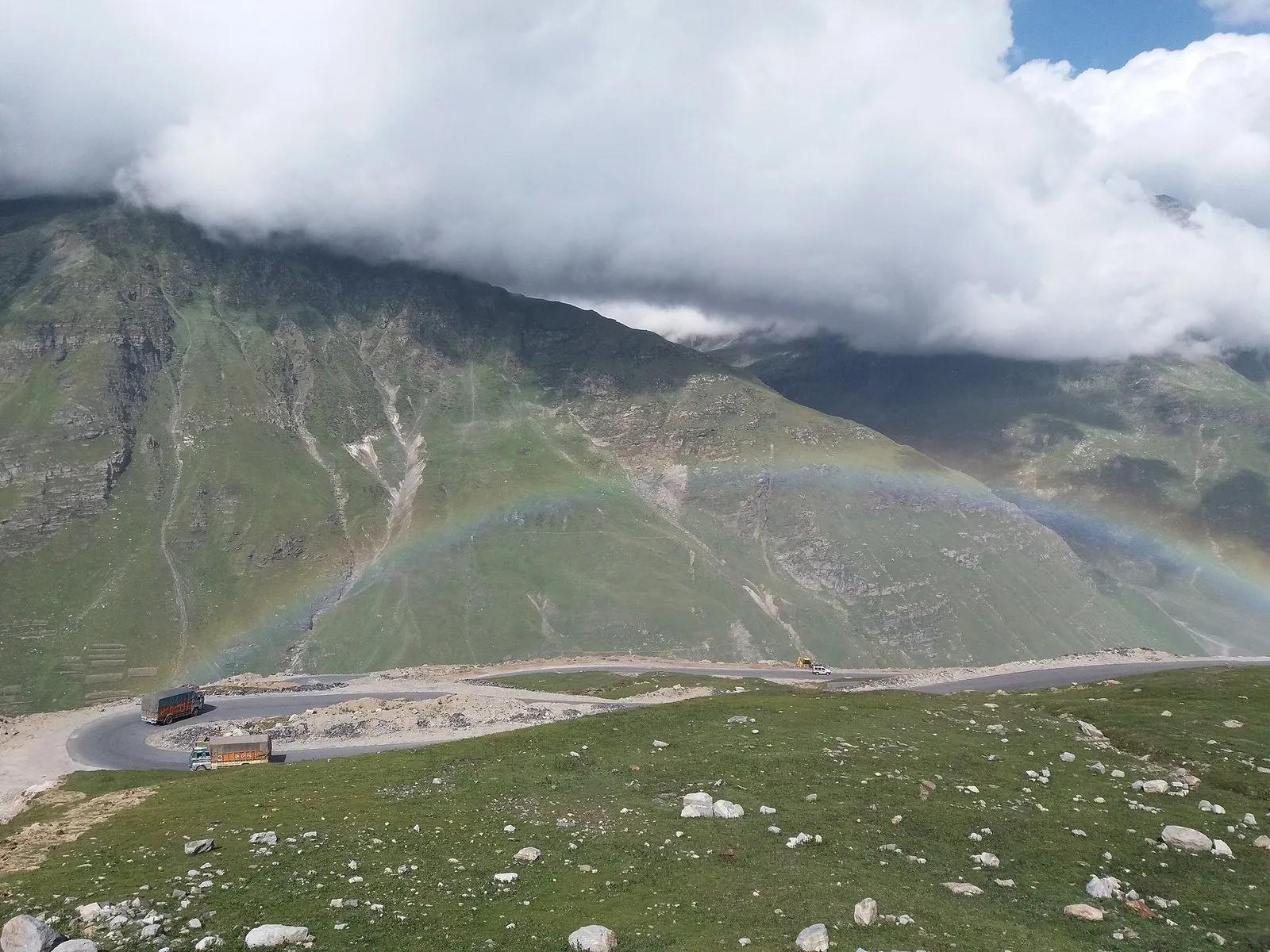
Himachal Itinerary: 5, 7 and 10-Day Routes That Actually Work (2026)
The most common way to ruin a trip to Himachal is to try to see all of it. People land with a week off, a list that reads Manali, Kasol, Spiti, Dharamshala, and a rented car, and they spend the holiday watching the state slide past a window. I write from Kullu, which sits in the middle of most of these routes, and the mistake I watch people make from here is always the same one. They plan by place, not by time.
Reddit is full of the wreckage. A traveller posted an eight-day plan that ran Manali to Kasol to Dharamshala with a Rohtang day and a Sethan day folded in, and asked, reasonably, whether the flow made sense. The top reply was blunt.
You are trying to cover too damn much in just a span of 8 days. Not even 8, as the commute takes 2 of your days.
That is the whole problem in two sentences. So this is not a listicle of pretty villages. It is a planner. Tell me how many days you actually have, and I will tell you the one thing worth doing with them. If you have never been, start with our complete Himachal guide for the wide view, then come back here to build the route.
The thing nobody tells you: Himachal is not one place
On a map, the popular names look close. Manali, Dharamshala, Shimla, Kalpa. They sit within a few centimetres of each other. On the ground they are separated by long, single-lane roads that climb and drop and switchback for hours, and by rivers that force you all the way down to a junction town before you can start climbing the next valley.
So the useful way to think about the state is not as a set of towns. It is as a handful of travel clusters, each one a valley or two that hang together, each one a long way from the next. This is my own way of carving it up, not an official map, but it is the frame that keeps a trip honest.
There are roughly six of them. The Kullu cluster: Manali, Old Manali, the Parvati valley with Kasol and Tosh, and the quieter Banjar side around Jibhi and Tirthan. The Kangra cluster: Dharamshala, McLeod Ganj, Bir, Barot, under the Dhauladhar wall. The apple road up the Sutlej: Shimla, Narkanda, Sarahan, and on into Kinnaur at Sangla and Kalpa. The Spiti circuit, which links the apple road to Manali over two high passes and only opens for four months a year. The Chamba corner in the far northwest, with Dalhousie, Khajjiar and Chamba town. And Lahaul, which used to be a separate expedition and is now a day trip from Manali through a tunnel.
Look at how far apart those pins sit. Dalhousie to Kalpa is the width of the whole state. That gap is the reason your itinerary keeps collapsing.
One rule that fixes most of it
Two nights per stop, minimum. One cluster per five days. Never more than two clusters in ten. And count your travel days as travel days, because the road eats more than you think it will.
That is the entire method. A traveller who did a long, slow trip put the reason better than I can:
Longer trips just hit different. There is something about taking your time, moving at the mountain's pace, that shifts your whole mindset. It always baffles me when people try to do Himachal.
Here is the same idea as a table you can plan against.
- 3 to 4 days
- One valley, and even that is tight. Skip the far clusters entirely.
- 5 days
- One cluster, done gently. Kullu, or Kangra, or the lower apple road.
- 7 days
- One cluster plus a slow edge, or a single base you never really leave.
- 10 days
- Two neighbouring clusters, or the full Spiti circuit (mid-June to October only).
- 14 days or more
- Stop moving. Rent a room, work from a cafe, let a valley become familiar.
- Minimum per stop
- Two nights. One night is a bus seat with a nice view attached.
- Best all-round month
- Late September into October. Clear skies, apple season, thin crowds.
If you have 5 days: pick one cluster and stay in it
Five days is a long weekend with a travel day bolted to each end. Fly or take the overnight bus in, spend three clear days somewhere, come back. Do not try to link valleys. Pick the cluster that matches the trip you actually want.
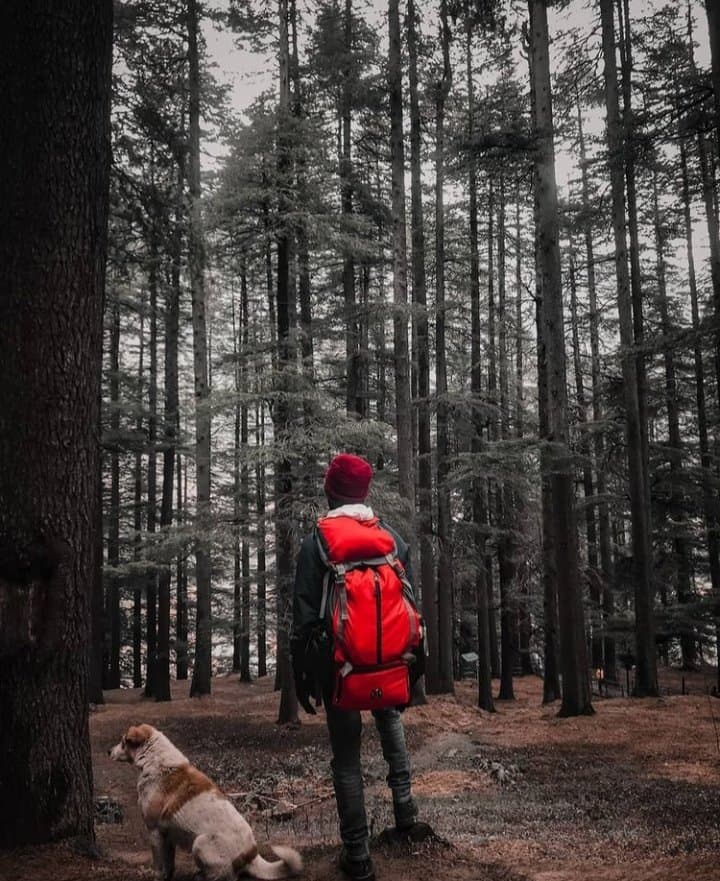
The classic first trip is the Kullu cluster. Overnight to Manali, two nights in Old Manali with a day pushed through the Atal Tunnel to Sissu for the Lahaul view, then drop down to the Parvati valley for two nights at Kasol or Tosh. That is it. A reader on r/india_tourism sketched almost exactly this and was right to trim it: three days Old Manali, three Kasol, two Jibhi becomes too much once you count the bus, so cut Jibhi and keep the rest. Our Manali three-day plan and the honest Kasol guide cover both ends of this one.
If you want quiet over nightlife, take the Kangra cluster instead. Two nights in McLeod Ganj, the Triund trek if your legs are willing, then two nights down in Bir among the paragliders and slow cafes. It is greener, gentler, and there is no snow point to fight a crowd for. See things to do in Dharamshala and Bir beyond paragliding.
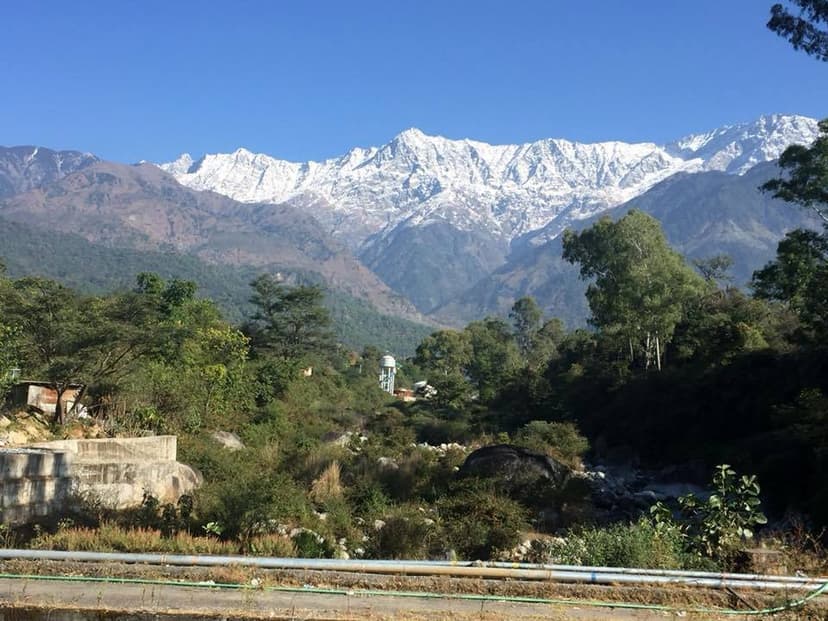
The third option is the lower apple road: a night in Shimla, a night at Narkanda or Sarahan, then up to Kalpa for two, with the Kinner Kailash range filling your window at dawn. This is Kinnaur, and it has its own writer on this site. Read the Kinnaur valley guide before you commit to the drive.
If you have 7 days: one cluster, done properly
Seven days is where a trip starts to breathe. You still do not have time for two clusters. What you have is time to do one of them without rushing, plus one slow edge you would otherwise skip.
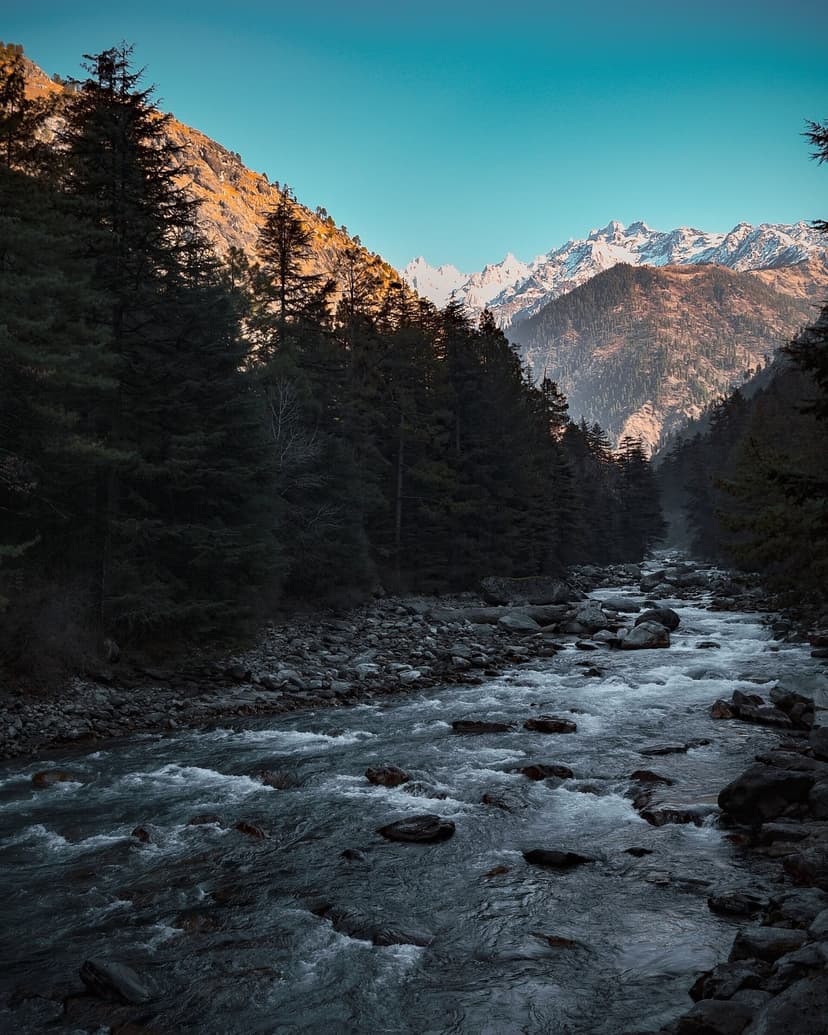
In the Kullu cluster that looks like: two nights Manali with a Lahaul day, two nights in the Parvati valley, two nights on the quiet Banjar side at Jibhi or in Tirthan. A commenter warned another planner that Kasol and Jibhi are at a far difference, and Jibhi is still not a smooth ride when it comes to roads, which is true, and exactly why seven days is the floor for doing both.
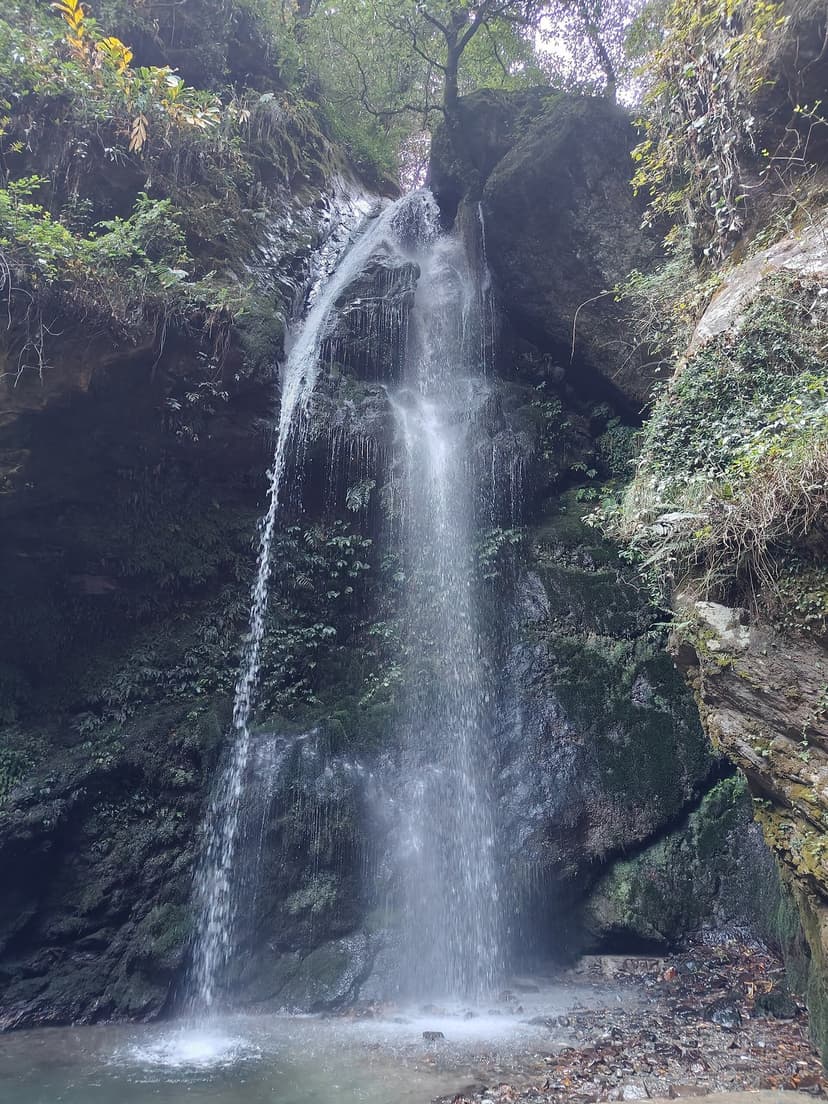
The other seven-day trip worth naming is the one where you do not move at all. A first-time solo traveller spent a full week in and around McLeod Ganj: a couple of days on the town and temples, an overnight up at Triund, a day working from a cafe in Dharamkot, and, in the poster's own words, one week including doing nothing. It sounds lazy. It is the trip people come home happiest from. If that is you, the workation guide maps the towns with the best cafes and fiber.
A quieter version swaps the Kullu crowds for the Banjar and Sainj side entirely: Jibhi, Shoja, the Jalori pass, and a couple of nights over the ridge in the meadow country around Shangarh. One rider called a similar loop the perfect circuit. It is.
If you have 10 days: two clusters, or the Spiti circuit
Ten days is the first point where you can honestly link two clusters, or attempt the one route everybody actually wants: the Spiti circuit. You cannot do both. Choose.
| The scatter trip | The cluster trip | |
|---|---|---|
| Nights per place | One, sometimes half a night | Two to three |
| Hours in the car | Six or more, most days | A half-day between bases |
| Passes crossed in a hurry | Rohtang, Jalori, Kunzum, all half-seen | One, on a day you chose |
| What you photograph | The inside of a car window | The place you came for |
| What you remember | Being tired | One valley, properly |
The two-cluster version that works best is Kullu into Kangra, because they are neighbours: three nights Manali and Lahaul, two at Jibhi, then over to Bir for a night and Dharamshala for two, flying out of Gaggal or bussing from Pathankot. Add the far Chamba corner only if you drop something, and read the Dalhousie and Khajjiar plan before you do.
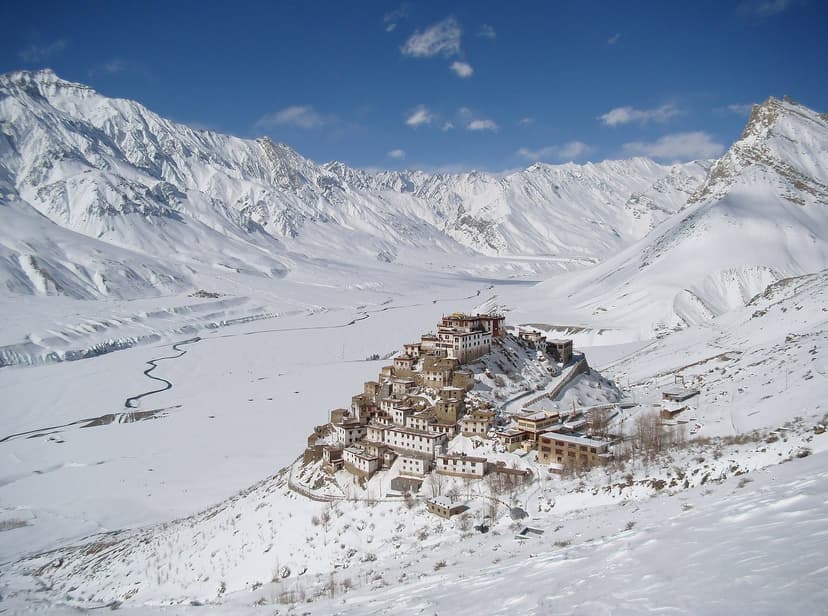
The Spiti circuit is the flagship, and it is the one that punishes a rushed plan hardest. The honest version runs one way: up the apple road from Shimla, through Kinnaur, over the Kunzum pass into upper Spiti, past Chandratal, and out to Manali through the Atal Tunnel. It gains altitude slowly, which is the whole point, and it only strings together when both ends are open, roughly mid-June to mid-October. Here is a ten-day skeleton that respects the acclimatisation. Our Spiti road-trip guide and the Spiti villages guide go deeper on each stop.
- Day 1: Shimla or Narkanda
Bus or drive up from Kalka. Sleep low, around 2,200 m, and do not rush higher. The apple road starts here. - Day 2: Sarahan
To Sarahan for the Bhimakali temple, the last green stop before the land dries out. About 2,000 m. - Day 3: Sangla and Chitkul
Into the Baspa valley. Chitkul is the last village before the old Tibet border. Sleep Sangla, around 2,700 m. - Day 4: Kalpa
A short day to Kalpa for the Kinner Kailash range at dawn. Around 2,960 m. Your body is building the altitude it needs. - Day 5: Nako
Past Reckong Peo into drier, higher country. Nako sits by its small lake at about 3,660 m. You will feel the air thin. - Day 6: Tabo
Over to Tabo, the thousand-year-old monastery, with the Gue mummy as a detour. Around 3,280 m. - Day 7: Kaza via Dhankar
To Kaza, the Spiti headquarters, stopping at Dhankar on its cliff. The only fuel pump in Spiti is here. Around 3,650 m. - Day 8: Kaza villages
A full day up top: Key monastery, Kibber, the Chicham bridge, Hikkim post office, Langza and Komic. Sleep in Kaza again. - Day 9: Chandratal
Over the Kunzum pass to Chandratal, the crescent lake, and a night at a camp near it. High and cold, around 4,200 m. - Day 10: Manali
The long haul out: Batal, Gramphu, and down through the Atal Tunnel to Manali. A hard driving day. You made it.
A real reader trip shows the shorter, Kinnaur-only version if you cannot spare ten days or the passes are shut: one rider ran Chandigarh to Shangarh to Shoja to Kalpa to Sangla and Chitkul and back, close to 970 km over eight days for about 21 to 22 thousand rupees. No Spiti, no Kunzum, still a complete loop. For the full circuit facts, check the Chandratal guide and the live road status before you leave.
The plans to throw out
Three itineraries I see over and over that do not work. Manali plus Kasol plus Dharamshala in a week, because Dharamshala is a full cluster away and you will spend two days just reaching it. Tirthan plus the Atal Tunnel plus the Great Himalayan National Park in three days, which one local flatly called hectic mode only, and you will have to skip GHNP. And any plan that treats the Spiti circuit as a five-day dash. It is not stubbornness on the mountains part. The roads are genuinely slow, and as one Himachali put it about the Spiti route in August, you will get there girte padte, one lane type open hai.
When each route actually works
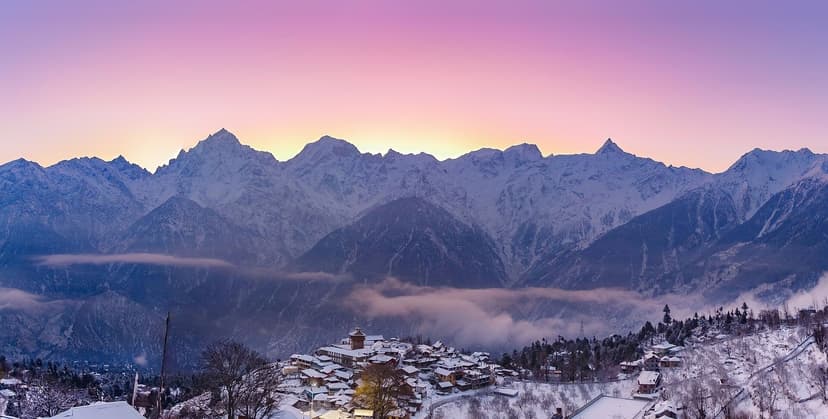
The calendar decides more than your budget does. April to June opens almost everything low and mid, but the Spiti circuit stays shut until mid-June, and Manali and Kasol fill with the summer crowd. July to mid-September is monsoon, and this is the one to respect: landslides and cloudbursts close roads with no notice. A traveller planning a mid-July trip was told plainly to check the weather app and ask the BnB owners about the exact situation, which is the correct amount of caution. In a wet spell the rain-shadow deserts of Spiti and Lahaul stay dry while the Kullu and Mandi roads slide. Late September and October is the sweet spot, clear and gold, and one planner summed the whole calendar up as early July is good, otherwise October. November to March shuts the Jalori and Kunzum passes and the Spiti circuit with them, but Kangra, lower Shimla, and Sissu through the tunnel stay open all winter.
For the fine print, we have a whole best-time guide, a contrarian worst-time guide, and a monsoon what-is-open guide.
What it costs
Himachal is cheap if you let it be. A backpacker on hostels, buses and dhaba food runs about 1,500 to 2,500 rupees a day. Go mid-range, with homestays and a shared cab here and there, and you are at 3,500 to 5,000 a day per person. One workation traveller paid around 1,400 a night for homestays booked directly. Here is a realistic mid-range week for one person out of Delhi.
| Item | Amount | Note |
|---|---|---|
| Transport | Rs 6,000 | Overnight bus both ways plus local shared cabs and buses. |
| Stays | Rs 9,000 | Six nights, homestay or good hostel, roughly Rs 1,500 a night. |
| Food | Rs 4,200 | Dhaba breakfasts, cafe lunches, about Rs 600 a day. |
| Activities and entries | Rs 2,000 | A trek guide, temple donations, the odd ticket. Rohtang permit if you go. |
| Buffer | Rs 2,000 | A cab you did not plan, a warmer jacket, a delay. Always carry it. |
The Kullu-Manali budget guide breaks the numbers down further if you are counting closely.
Doing it without a car
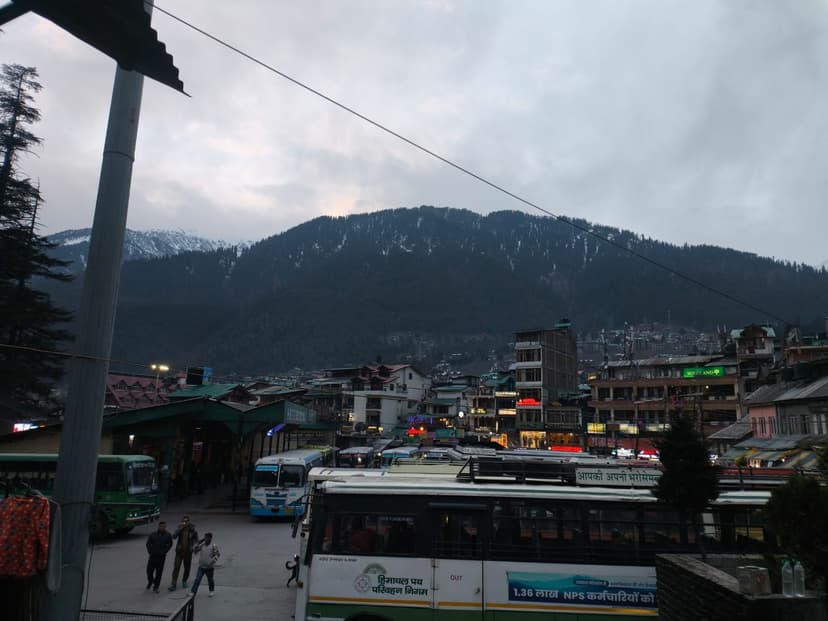
You do not need a car. Himachal is one of the last Indian states you can travel properly on public buses, and plenty of the best trips are done that way. One long-stay traveller got around on mostly local transport, buses, autos, sometimes a hired scooter. The trick is understanding the junction towns: you change for the Parvati valley at Bhuntar, for the Banjar side at Aut, for Kinnaur at Reckong Peo. Green government buses connect all of them, cheaply, if slowly. The full system is in the HRTC bus guide, and the Delhi to Manali bus guide covers the overnight in.
Self-driving is fine on the national highways and gets narrow above the junction towns. For the Spiti circuit specifically, a few stretches punish a low sedan, and plenty of people hand the wheel to a local driver for that leg. Check your phone will even work first, with the connectivity map.
Permits, and the one road rule worth memorising
Indians need no permit for Kinnaur or Spiti. The only permit-gated road in the whole plan is Rohtang, and here is the rule that saves you a wasted morning: you almost never need Rohtang. To reach Lahaul, Sissu, Keylong or Spiti you take the Atal Tunnel instead, which is open all year and needs no permit at all. Rohtang is only for the snow-point sightseeing day, and that does need a permit, now booked at rohtangpermits.hp.gov.in, about 550 rupees for a car, with the road closed on Tuesdays for maintenance. Foreign passport holders still need an Inner Line Permit for the border stretch in Kinnaur. The details are in our permits guide and the international travellers guide.
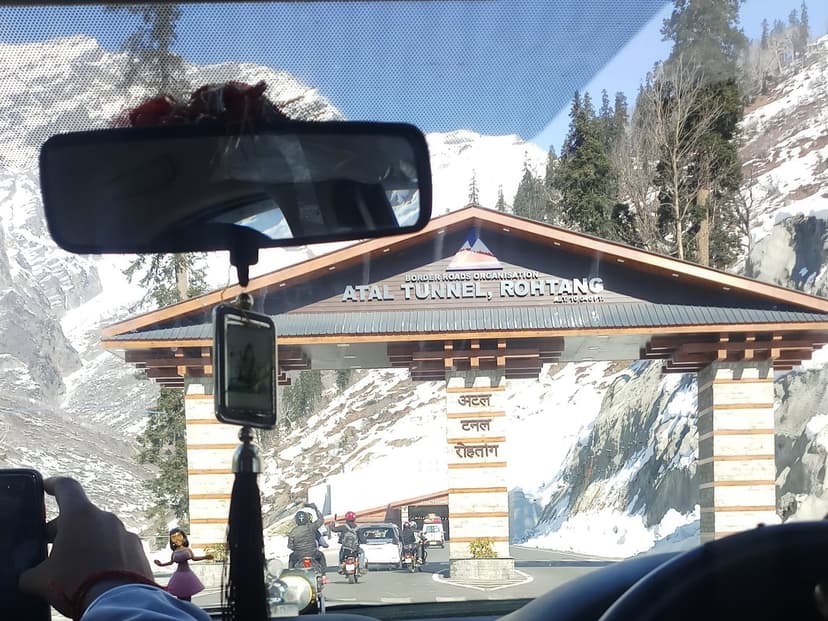
That tunnel is the single biggest change to how you plan a Himachal trip. It turned Lahaul from a summer-only expedition into an afternoon drive, and we wrote about what it did to the valley. Whatever route you pick, it is worth understanding, because it quietly reshapes the map.
Want a Kullu-based sanity check on your route before you book? Email us your draft itinerary. We will tell you which day is too ambitious, which cluster to cut, and where the road has been rough this week.
The short version
Do less. Pick the cluster, not the checklist. Give every place two nights, give the road the hours it is going to take anyway, and let one valley become a real memory instead of five that blur together. Still deciding between states? We compared Himachal and Uttarakhand. And whichever route you take, take it lightly on the place, the way our quiet-travel manual asks. The mountains are not going anywhere. You do not have to see them all this time.
Common questions
Is 5 days enough for Himachal?
Yes, for one cluster. Five days is a long weekend with a travel day on each end, so pick one valley group, Kullu or Kangra or the lower apple road, and stay in it. Do not try to link clusters in five days.
Can I do Manali and Spiti in one week?
Honestly, no, not the full circuit. Spiti needs slow altitude gain and its passes only open mid-June to October. In a week you can do Manali plus a Lahaul day through the Atal Tunnel, but the Spiti loop wants ten days.
Do I need a permit to travel in Himachal?
Indian citizens need no permit for Kinnaur or Spiti. The only permit-gated road is Rohtang, which you can skip entirely by using the Atal Tunnel. Foreign passport holders need an Inner Line Permit for the border stretch in Kinnaur.
What is the best month for a first Himachal trip?
Late September into October is the all-round best: clear skies, apple season, thinner crowds. April to June works too but is busier, and the Spiti circuit only opens from mid-June. Avoid the July to mid-September monsoon for road-heavy routes.
How many places should I cover in one trip?
One cluster per five days, and never more than two clusters in ten. Give every stop at least two nights. Counting travel days honestly is the single fix for most over-packed Himachal plans.
Manali or Dharamshala for a first-timer?
They are in different clusters, so pick one, do not chain them. Manali suits first-timers who want snow points, cafes and easy day trips. Dharamshala and McLeod Ganj suit quieter trips with Tibetan culture and the Triund trek.
Can I travel Himachal without a car?
Yes. Government HRTC buses connect the valleys through junction towns like Bhuntar, Aut and Reckong Peo. It is cheaper and slower than a car, and many travellers prefer it. Add buffer time for delays.
Is the Spiti circuit doable in a normal car?
Mostly, but a few stretches near Kunzum and Batal punish a low sedan, especially after rain or snowmelt. Many people drive their own car up the Kinnaur side and hire a local higher-clearance vehicle or driver for the rough Spiti-to-Manali leg.
Sources and a note on this guide
I write from Kullu, and I plan versions of these routes for friends and friends of friends more often than I can count. The pacing advice here is built from watching those trips work and fail, from the traveller reports and planning threads on r/HimachalPradesh, r/india_tourism and r/SoloTravel_India linked through the piece, and from the road, pass and permit facts below, reverified in July 2026.
- Rohtang permit and portal move: rohtangpermits.hp.gov.in, about Rs 550 per car, Tuesday closures.
- Kunzum pass and the Manali-Kaza road: opens late May to early June, full Spiti circuit roughly mid-June to mid-October (BRO clearance updates, 2026).
- Atal Tunnel: 9.02 km, open all year, no permit, Manali to Sissu in about two hours (The Tribune, 2026).
- Jalori pass: typically snow-closed December to February, open otherwise (Jibhi valley sources, 2026).
- Reader routes and quotes: attributed r/india_tourism, r/SoloTravel_India and r/HimachalPradesh threads, linked inline.
Written by Rajesh Thakur. Prices, road status and pass openings change every season in these mountains, so treat the numbers here as a starting point and confirm the load-bearing ones, especially the passes, in the week before you travel.
You Might Also Like
Edge City India 2026: The Practical Guide
Three weeks in Mandrem, North Goa. October 11 to November 1, 2026. Hundreds of founders, researchers, engineers, and creators living and building on a stretch of beach that is usually known for yoga retreats and quiet cafés, not hackathons. If you have applied, or you are wondering whether you...
Solo Female Travel in Goa: An Honest Safety Guide
An honest, balanced safety guide for women travelling to Goa alone: why it's comparatively safe and loved by many yet has a real, worsening harassment problem concentrated on the party beaches, where to base for a calmer trip, and the practical choices that tilt the odds in your favour.

Working Remotely from North Goa: The Honest Digital-Nomad Guide
An outsider's honest guide to working remotely from North Goa: why it isn't the beach-office of the photos, the power-and-internet problem that decides everything, where to base (Assagao, Siolim, Caranzalem), the cost, solo-female safety, and how to be a good guest rather than a coloniser.