
Things to Do in Bir Beyond Paragliding: Tibetan Monasteries, Trails, and the Andretta Side-Trip
Most travellers arrive in Bir already strapped to a paraglider in their imagination. They land, post the video, eat one Tibetan meal, and leave the next morning. They miss almost everything that makes this small Kangra village worth a week of your life.
Bir is the village I keep recommending to friends who think they want McLeod Ganj. Quietly, over the last decade, it has become the most interesting non-paragliding stop in lower Himachal. Buddhist monasteries built by refugees who arrived in the 1960s. A landing-field cafe scene that took over where the cafes of McLeod Ganj left off. A 22-km drive to a pottery village an Irishwoman started in the 1930s. Trails that walk you through rhododendron forests in March and end at semi-nomadic meadow homes in June. None of it is hidden. It is simply not the part Instagram tells you about.
This guide is for the traveller who has either already paraglided or never wanted to. The flying side of Bir is well-covered everywhere; what follows is everything that happens between flights and instead of them.
Quick facts
- Altitude: ~1,400 m at landing, 2,400 m at Billing takeoff
- Best time: March to June and September to November
- How long: 3 days minimum, 5-7 days ideal
- Suits: Slow travel, monastery time, workation, hikers
- Skip if: You only have 24 hours
- Nearest station: Ahju, 3 km on the Kangra Valley Railway
Bir is a refugee village before it is anything else
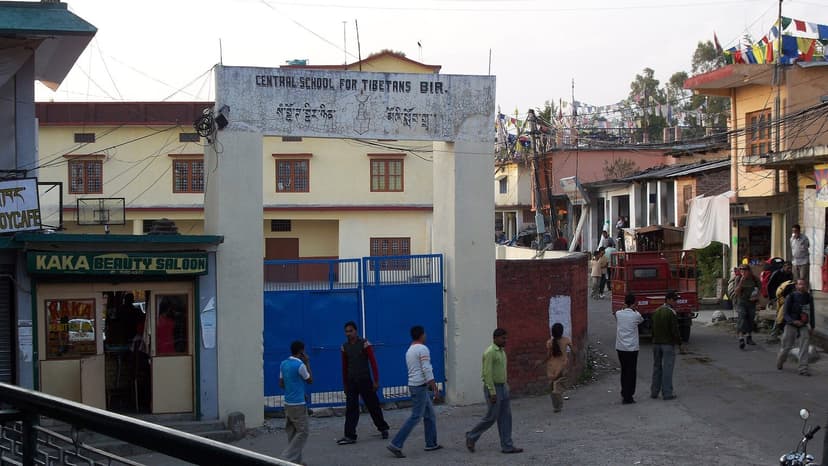
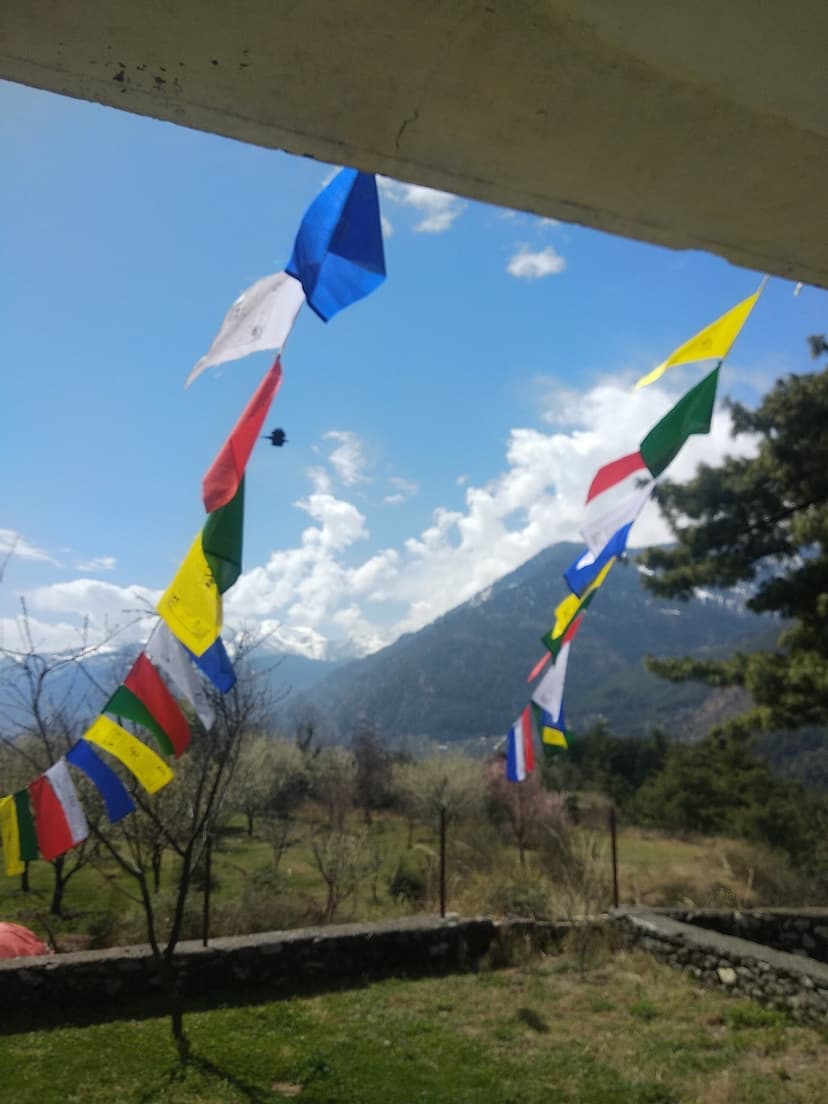
This is the part the paragliding posters never show. Bir was set up in the early 1960s as a settlement for Tibetan refugees who had walked into India after the 1959 uprising in Lhasa. Around 300 families were given land in what is now called the Tibetan Colony, on the western edge of Chowgan ward. Six decades later they are still here, running monasteries, schools, the Mens-Tsee-Khang clinic, and most of the cafes you will eat at.
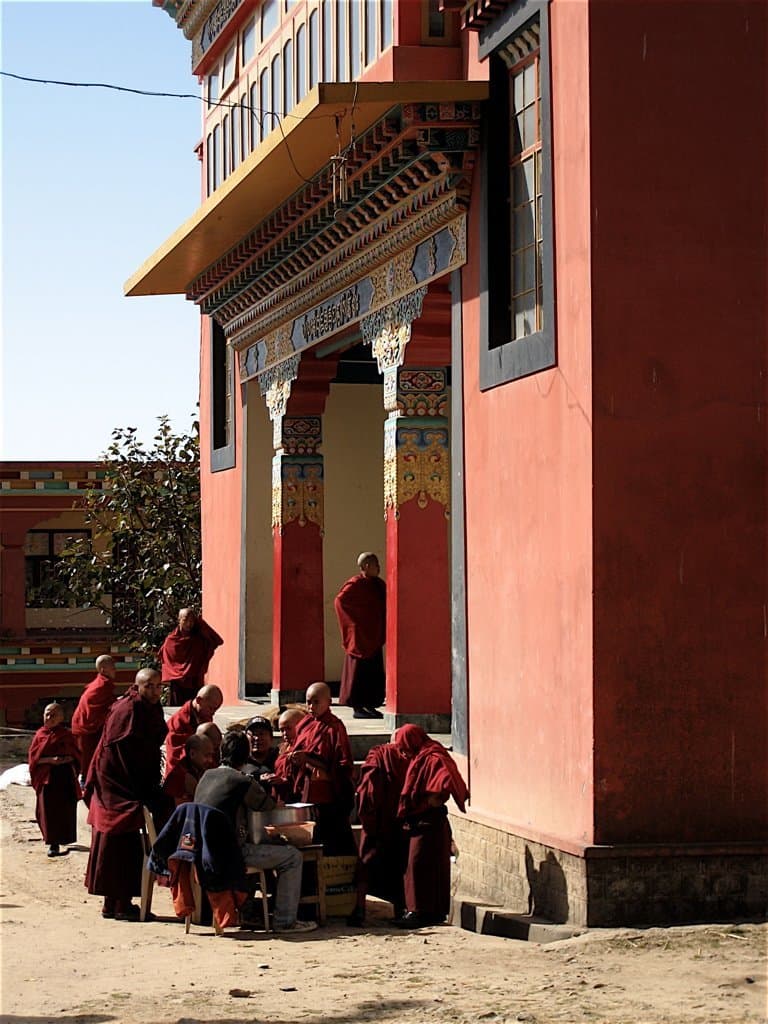
If you only do one thing in Bir without a parachute, walk through the colony in the morning. Older monks and lay residents move between the prayer halls, the school gate, and the small handicraft shops. There is no entry point and no ticket. You are walking through a working town.
The Hindi-language travel press now describes the village in exactly these terms. "1959 के तिब्बती विद्रोह के बाद तिब्बती शरणार्थियों के लिए बीर की स्थापना 1960 के दशक की शुरुआत में हुई" reads the Hindi Wikipedia entry, which translates almost directly to the Tibetan refugee origin story. NewsTrack frames Bir as the "शांत वातावरण", the quiet alternative for travellers who want monasteries and trekking instead of the adrenaline of a flight. That is a useful local consensus. It tells you the village itself thinks of paragliding as one thing it does, not the only thing.
What that means in practice: most attractions in Bir close by sundown, and most are connected to the colony or its monasteries. Plan your days around morning monastery visits, afternoon walks, and a single evening meal at a Tibetan eatery. That is the local rhythm.
The five monasteries that actually matter
You will see lists of seven, eight, even ten monasteries in Bir. Most of those lists are padding. Here are the five that you will actually walk into and remember.
Chokling Monastery
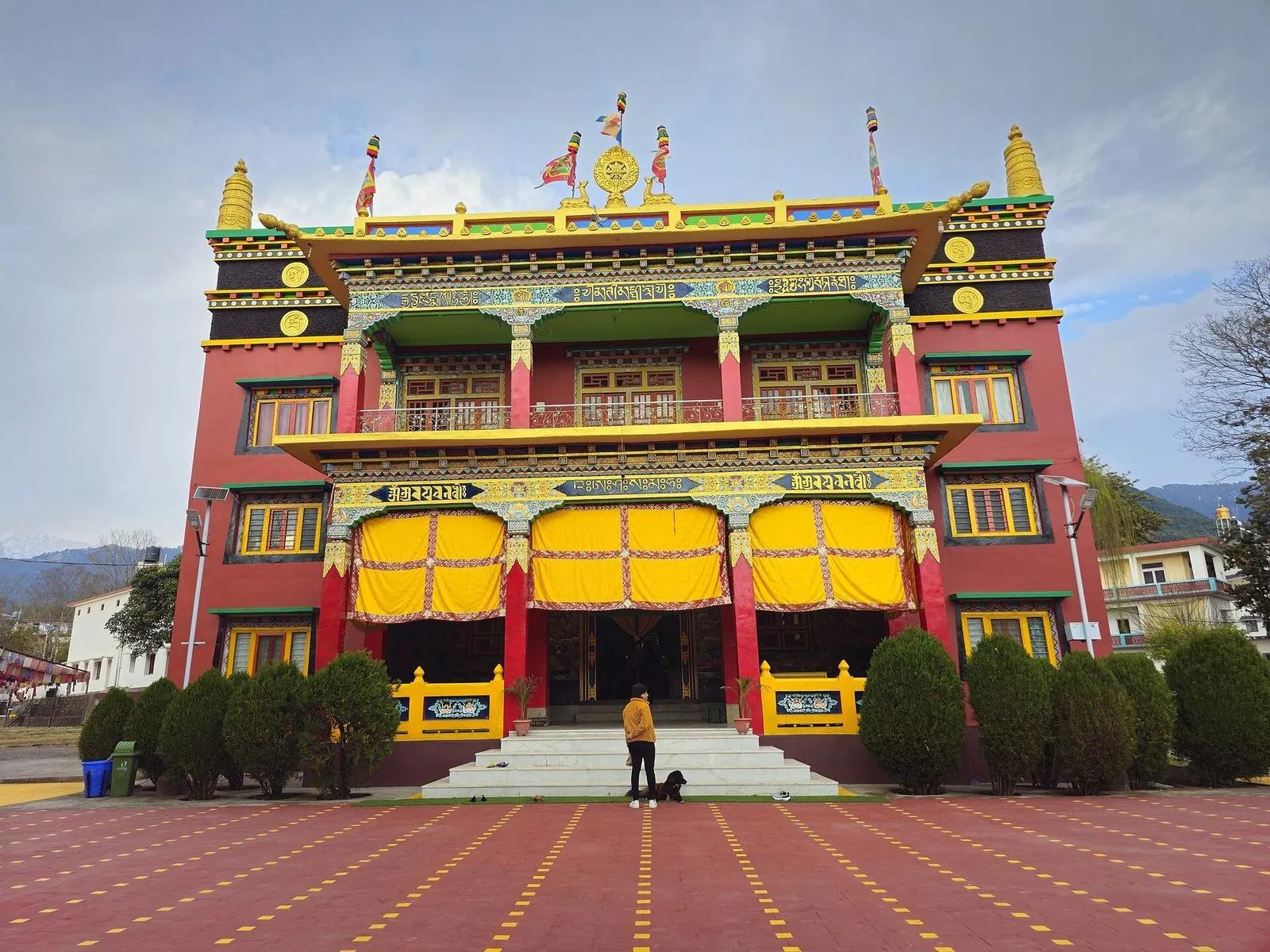
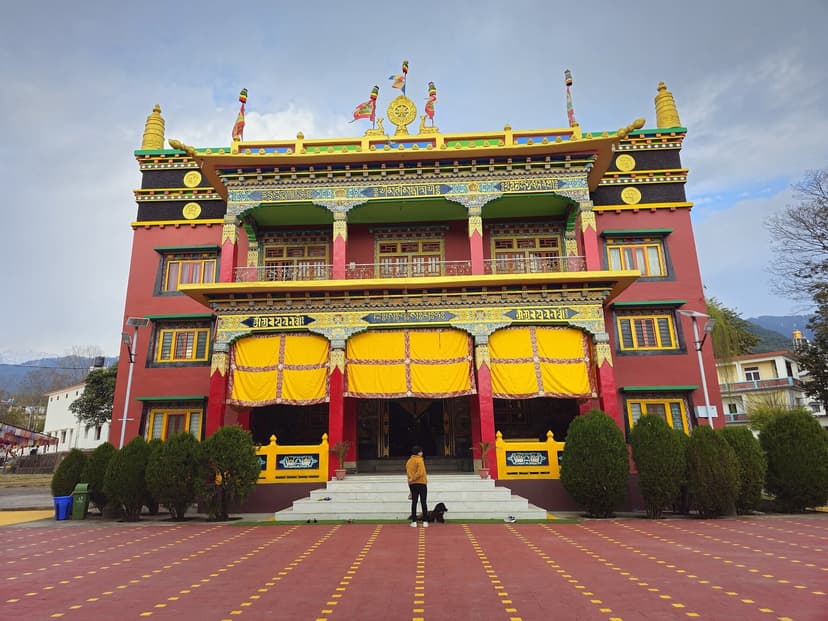
The first monastery most people see, and the one that anchors the colony. Founded in the 1960s by Chokling Rinpoche, who was also among the first refugees in this valley. The grand stupa and the Padmasambhava statue inside are the main draws. Quiet from sunrise to about 10 AM and again after 4 PM.
Palpung Sherabling
Six kilometres from Bir, at Keori, just off the Baijnath road. This is the seat of the 12th Tai Situpa and the headquarters of the Karma Kagyu lineage in India. Established in 1975 on land donated by Bir families. The complex is genuinely large: 250 monks' quarters, three shrine halls, six smaller shrine rooms, four retreat centres, a museum, a dispensary, and a canteen serving Tibetan food. Visiting hours are 9 AM to 5 PM. If you are interested in actual study, the monastery runs periodic Shamatha and Vipashyana retreats; check at the office before you book your dates.
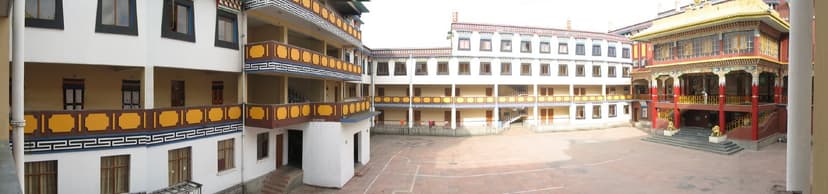
Deer Park Institute
This one is not really a tourist stop. Deer Park was founded in 2006 by Dzongsar Khyentse Rinpoche as a centre for the study of classical Indian wisdom traditions, with the Dalai Lama's blessing. Their schedule runs Indian philosophy alongside Buddhist studies, Sanskrit, yoga, and arts. April 2026 alone has four programmes: 14-24 April, 27 April to 6 May, 27 April to 3 May, and 29 April to 2 May, with Abhidharmakosha among the standing texts. If a course interests you, you have to register through deerpark.in well in advance. Casual walk-ins are welcome but the gardens close at sundown.
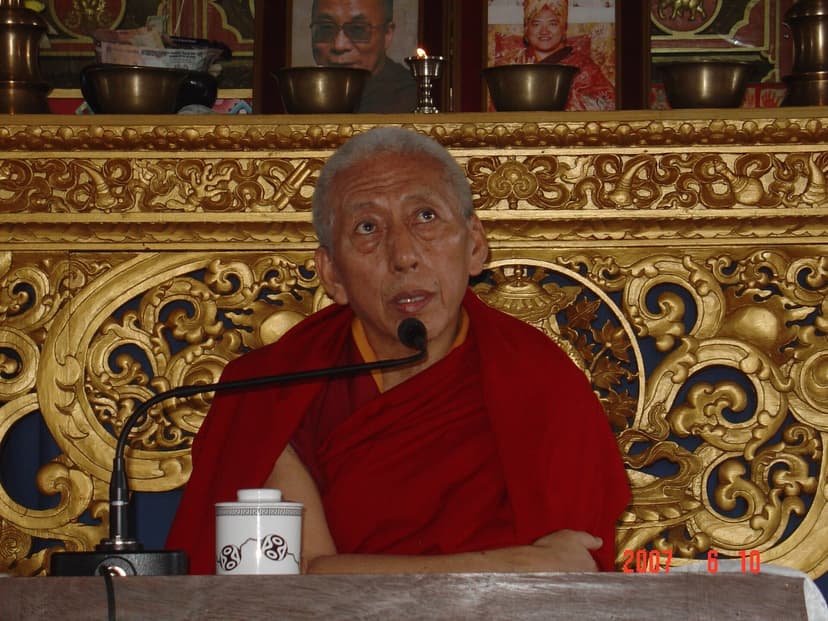
Tsering Jong
Smaller, quieter, near the colony's western edge. The classic Tibetan architecture is what you come for, plus a chance to sit in the prayer hall when no one else is around. Worth thirty minutes if you are already walking the colony.
Dharmalaya Institute
North of Bir village, in Gharnala-Keori, run as an eco-campus by the Dharmalaya non-profit. Not a monastery in the strict sense; closer to a residential learning campus where compassionate-living programs, traditional building courses, and short volunteer placements happen through the year. Check their site before you turn up; they sometimes accept day visitors and sometimes do not.
How to visit a working monastery without being a problem
Most of these places are first homes and second tourist sites. Photograph the architecture and the views, not the residents at prayer. Phones on silent inside the halls. Walk clockwise around stupas and prayer wheels. If a course is in session, the gates may be closed even during posted visiting hours; that is normal. And always remove shoes before stepping into a shrine room, even when nobody is at the door checking.
Treks: seventeen trails out of one valley
Most paragliding-first guides give you three trails, all of them short. The truth is the Bir-Billing valley is one of the densest trail clusters in lower Himachal. WaywardWayfarer's catalogue counts seventeen distinct routes, which I have grouped here by how much of your day they will eat.
30-60 minute walks
| Trail | Distance | Difficulty | Highlight |
|---|---|---|---|
| Gunehar Waterfall | 1.5 km from Gunehar village | Easy | 100-foot fall, meditation spot below |
| Mangroli Mata Temple | 10.5 km drive + 500 m hike | Easy | Best sunset spot in the valley |
| Mata Maheshwari Temple, Ahju | 5.5 km + 2 km hike | Easy | Blue-pine forest with paragliding views |
| Dakshina Kali Ashram pools | ~1 km, variable | Easy | Cold swimming pools (leeches in monsoon) |
| Jamlu Devta Temple, Bari | 1 km drive + 2 km hike | Easy | Quiet forest trail |
Half-day to full-day hikes
| Trail | Distance | Difficulty | Highlight |
|---|---|---|---|
| Billing trek (from Bir) | 10 km | Moderate | Walks the paragliding road through rhododendron forest, blooms March-April |
| Plachak Valley | 7 km | Easy-Moderate | Shrine and oak forest |
| Chobu Waterfall | 22 km drive + 1.5 km hike | Moderate | Double waterfall and a swimming pool |
| Tatwani Hot Springs | 18 km drive + 2 km hike | Moderate | Natural hot-water pools |
| Bangoru Waterfall | 2 km from upper Bir | Moderate | Slippery rocks, monsoon-only flow |
Multi-day expeditions
| Trail | Distance | Days | Highlight |
|---|---|---|---|
| Rajgundha | 14 km from Billing | 2 days, 1 night | Meadow village at 2,700 m, semi-nomadic families |
| Thamsar Pass | 20 km | 3-5 days | 2,000 m of climb to a high pass |
| Bara Bhangal | 105 km | 10-12 days | Crosses Thamsar Pass into one of the most remote villages in HP |
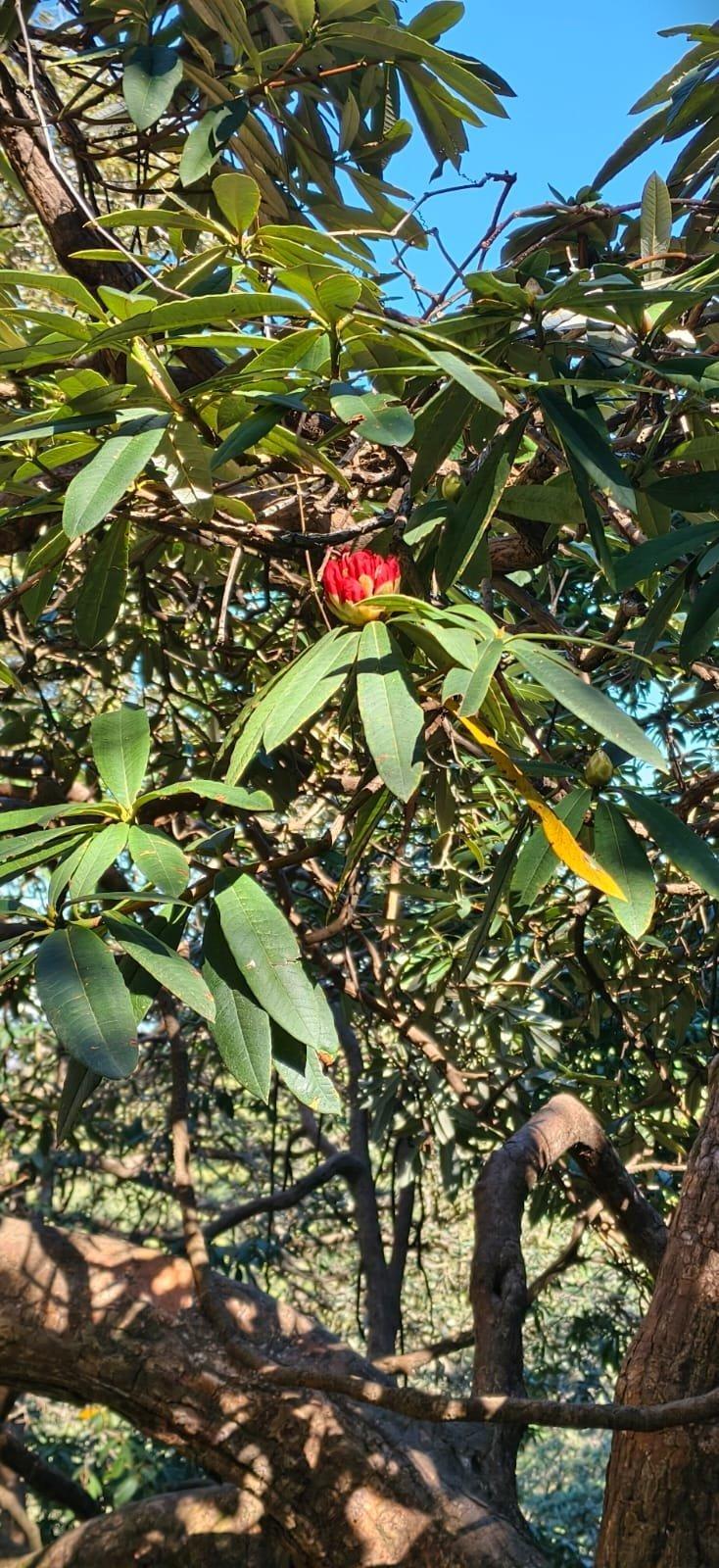
If you only have a day for a real walk, do the Billing road on foot in March or early April. Ten kilometres uphill, three to four hours, and the rhododendrons are the kind of red you remember for years. The road is paved enough to be safe and unpaved enough to feel like a trail. You can take a shared cab back down for around Rs 300 per seat.
If you have two days and one night, do the Rajgundha trek. The walk in is a steady fourteen kilometres from Billing through pine and meadow. The village itself sits at about 2,700 m, and the families who live there keep two homes: one in Rajgundha, one in the lower plains at Bir. Local guides quote Rs 5,000-7,000 per person for the round trip including a homestay night, and that is fair pricing for what you get.
The cafes are not optional
Bir's cafe scene is the only thing in lower Himachal that can stand next to McLeod Ganj's, and a few of these are now better. There are six worth your money.
Pahadee Coffee Roasters
The glass-walled cafe in Chaugan, about two kilometres from the landing site. Pratyush Thakur opened it in late 2021, and it has quietly become the workation default. They roast their own beans on site, and the menu mixes pour-overs and espresso drinks with simple Pahadi food. Note that Pahadee takes an annual winter break; in 2026 it ran 5 to 25 February, so plan around it if you are visiting in deep winter.
Silver Linings Community Cafe
The mud house in Suja village. The walls are the experience as much as the lentil burger and homemade iced tea. Friendly, slow, and a fifteen-minute walk from the landing strip. Best for one long lunch.
Garden Cafe
The oldest in Bir. Famous for pancakes, rightly. Cozy enough that one rainy afternoon turns into three.
Northern Cafe
Above the landing site, with a long view of the Dhauladhar wall. Live music on weekend evenings in season. Order the Tibetan platter, not the pasta.
Griffon's Cafe
Stone, wood, and glass, near the takeoff approach. The architecture is the point. Coffee is fine; the room is the meal.
Tenzin Jamdol
The colony cafe most travellers walk past. Momos, thukpa, and laphing the way the Tibetan grandmothers in Chowgan actually make them. Cash only on most days.
Our Himachali food guide walks you through the dishes that travel into Bir from elsewhere in the state, from siddu to madra. None of those are Tibetan; you should eat both kitchens while you are here. The Tibetan Colony does laphing and momos. The Pahadi cafes do siddu and chana madra. Two cuisines, one walk apart.
Andretta: the pottery village 22 km west
This is the side trip that almost nobody pairs with Bir, and it should be the first thing you write into a five-day itinerary. Andretta is a small village halfway to Palampur, and it has been a working artist colony since the 1930s.
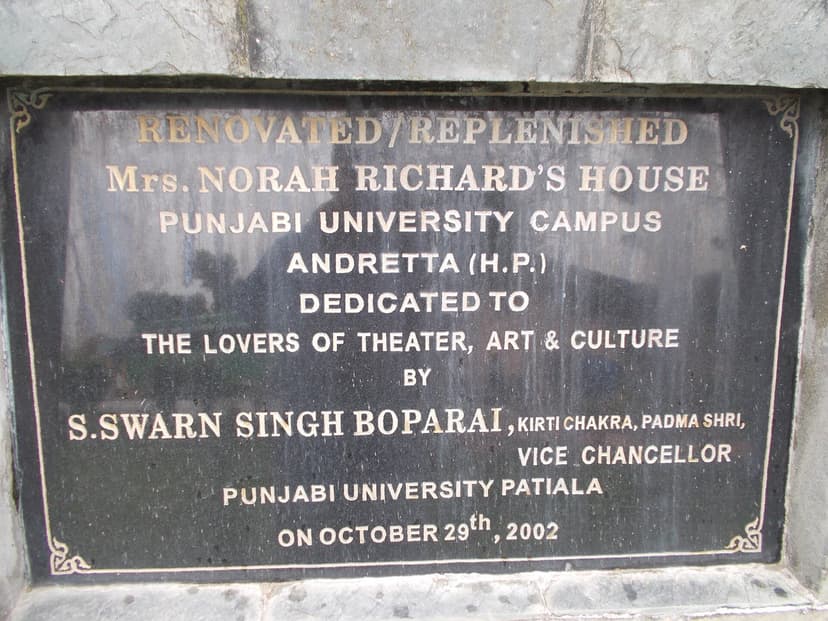
The story belongs first to Norah Richards, an Irish theatre personality who came to British Punjab with her husband and stayed on after his death. She moved to Andretta in 1935, built a small mud-and-slate house in the Kangri style, and ran rural theatre experiments out of it for the next thirty-five years. After her death in 1971, painters and potters who had visited her followed in. Andretta turned into a tiny artist village inside a Pahadi farming village, and somehow it has stayed both.
Andretta Pottery
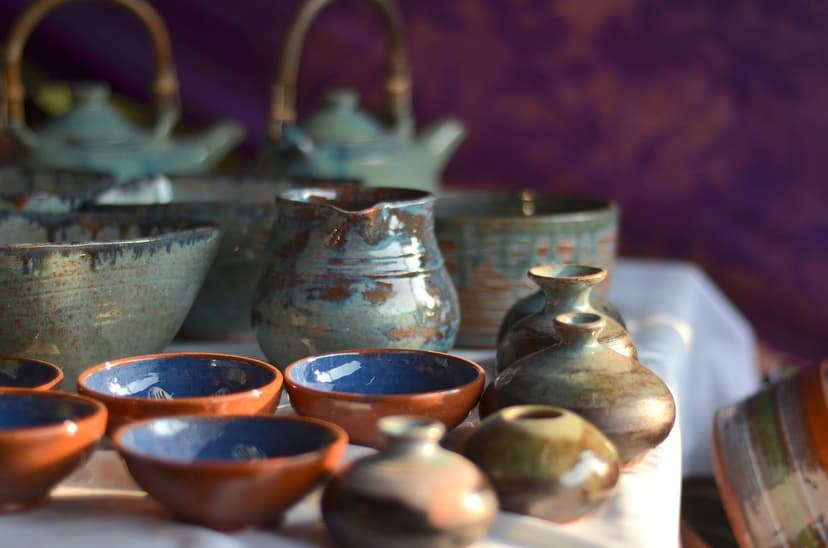
Today the centre of gravity is the Andretta Pottery and Craft Society, founded in 1985. It is run by Mansimran Singh, known to everyone as Mini, with his wife Mary. Mini is the son of Sardar Gurcharan Singh, the founding figure of modern Indian studio pottery. The Society produces slipware and terracotta, runs a small museum of Gurcharan Singh's work, and teaches.
If you have a day, you can drop in for a single one-day workshop at around Rs 2,000 per person. If you have a week, look at their seven-day pottery retreat. If you have three months, the residential intensive course runs twice a year and is one of the few places in India where you can study Indian studio pottery with the original family. Their full schedule is on andrettapottery.in; you have to email ahead for the longer formats.
How to visit
Twenty-two kilometres from Bir, around forty-five minutes by taxi, slightly more on a hired scooter. A morning is enough for the studio and Norah's house. If you have a full day, push on twelve more kilometres to Palampur and walk a tea garden in the late afternoon. The whole loop is doable as a day trip from Bir, and it is the single most underrated cultural pairing in lower Himachal.
People who go to Andretta as a half-day trip from Bir tend to come back with one unfinished bowl and a long monologue about why their life has to be different now. Pottery does that to people, in fairness.
Tea, all around the village
Bir is technically inside Kangra's tea zone, which is why there is a co-operative tea factory near Bir Bazaar that you can walk into. Production tours run during plucking season, roughly April to June and again September to October. The factory itself is small; do not expect Munnar. The Chowgan-side tea gardens, on the other hand, are walkable from the village, and they are exactly the kind of place to read a book in for an afternoon.
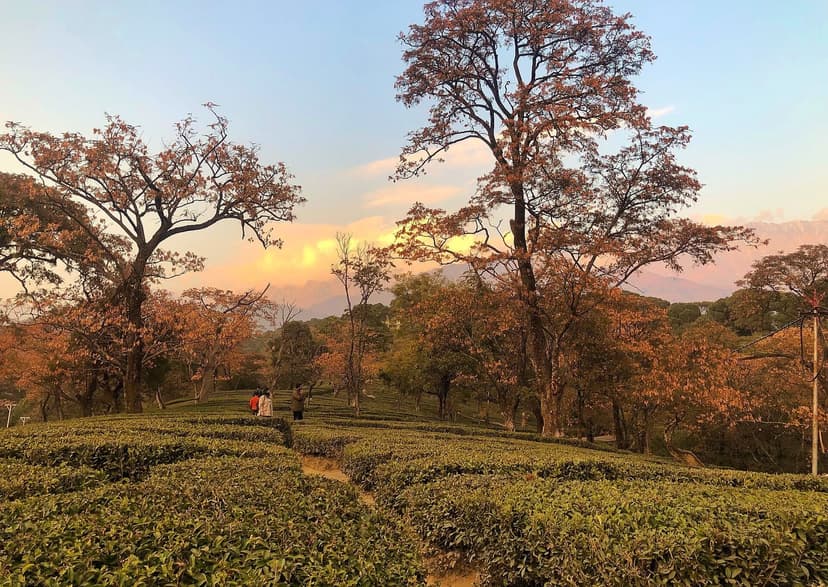
Combine tea with Andretta if you are doing the loop. Andretta in the morning, tea garden in the afternoon, dinner at Pahadee back in Bir. That is one of the better days you can have in lower Himachal without doing anything strenuous.
Stargazing without a telescope
Bir sits at about 1,400 m, which is not high enough to be a Hanle-style dark sky site. It is high enough, and rural enough, that on a moonless winter night you will see more stars from the landing field than you will see from any town in the plains. The cleanest months are October through March; clouds and moisture from the foothills usually stay below the village line.
The honest stargazing setup
Walk fifteen minutes from your homestay to the upper edge of the landing strip. Lie on your back. Wait twenty minutes for your eyes to dark-adapt. That is the entire setup. No camp at Billing, no telescope rental, no money. If you want a more deliberate dark-sky trip, our stargazing guide for Himachal ranks Bir against Hanle, Spiti, and Chitkul.
Workation reality check
Bir has become one of the three or four named workation villages in India, alongside Goa's Anjuna, Pondicherry, and Pune-adjacent Lonavla. The infrastructure is real but small. WiFi at most cafes runs at 30-60 Mbps on a good day; Pahadee and a few homestays run 4G boosters that hold steady through outages. Mobile coverage on Jio and Airtel is solid in Chowgan and patchy as soon as you climb toward Billing.
Long-stay homestays make this work. About a third of all Bir homestays sit in the Rs 0-1,000 per night band on Booking, which translates to roughly Rs 18,000 to 25,000 per month if you negotiate directly. Founders Tribe has carved out a niche specifically for digital-nomad long stays, with a co-working cafe attached. Saanjh Cottages and a handful of village homestays run the same model. Read the small print on heating before December; many older homes do not have it.
Two practical caveats. One, you are still on Indian small-village internet; treat it like an unreliable utility, not a pipe. Two, the village empties between October and February. If you need community along with the WiFi, plan March to June or September to early October.
How to get to Bir, honestly
By bus
HRTC runs more than thirty Delhi-Bir services daily, departing ISBT Kashmere Gate between 7 PM and 10:30 PM. The Himsuta AC Volvo is the one to book; the fare in April 2026 is Rs 1,403 and the journey runs about twelve hours twenty-five minutes. The 736 km route goes via Chandigarh and Mandi, dropping you in Bir by 7-8 AM. Book on hrtchp.com or AbhiBus a week ahead in season.
By train, the slow way
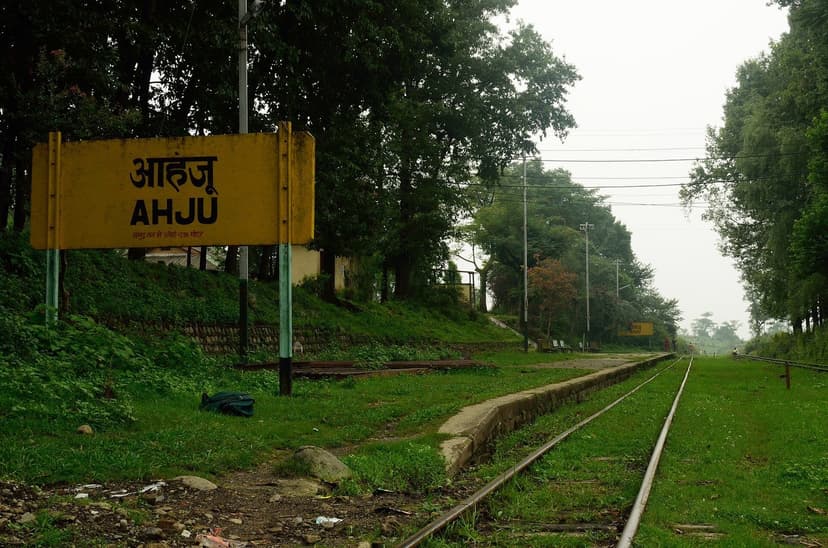
The Kangra Valley Railway is the most romantic way into Bir, and the slowest. The narrow-gauge line from Pathankot to Joginder Nagar passes through Ahju, the closest halt at three kilometres from the village. From any Punjab city you can reach Pathankot first, then ride the toy train. It is a long day, but you arrive in Bir as you should: through tea gardens, on a wooden bench, with a thermos.
The Kangra Valley Railway from Pathankot to Joginder Nagar runs a wooden-bench narrow-gauge service through the Kangra tea belt; fares from Pathankot are still measured in tens of rupees and the ride is the point. The line passes Ahju, three kilometres from Bir, on the way through.
By road
Bir sits just off NH154, the Pathankot-Mandi national highway, between Baijnath and Joginder Nagar. From Manali, the most common route is via Mandi-Jogindernagar (about 130 km, four to five hours). From Dharamshala, the run is roughly fifty kilometres and takes two to three hours via Palampur. The road is open year-round; even the monsoon landslide of 2019 cleared in days.
Sample 5-day plan, no flying
5 days in Bir without a parachute
Day 1: Arrival, Chowgan walk, colony dinner, early sleep.
Day 2: Chokling Monastery in the morning. Lunch at Pahadee. Sherabling in the afternoon. Garden Cafe in the evening.
Day 3: Either the Billing road on foot or the Gunehar waterfall plus Mata Maheshwari combo.
Day 4: Andretta pottery, Norah Richards' house, Palampur tea gardens.
Day 5: Deer Park, Dharmalaya if open, last cafe rounds, night bus or train out.
5-day cost (no flying, mid-range, per person)
| Item | Cost |
|---|---|
| Stay, 4 nights, mid-range homestay | Rs 6,000 - 12,000 |
| Food, 4-5 days, cafes plus colony eateries | Rs 3,000 - 4,500 |
| Local taxi (Sherabling, Andretta, Palampur) | Rs 2,500 - 3,500 |
| Andretta pottery one-day workshop | Rs 2,000 |
| Tea factory tour and odd entries | Rs 0 - 500 |
| Total per person | Rs 13,500 - 22,500 |
Add Rs 2,500-3,500 for one tandem paragliding flight if you change your mind on Day 5. Add Rs 5,000-7,000 for a Rajgundha homestay night if you swap a cafe day for a trek day. The number remains under Rs 30,000 either way.
If you want help laying out a Bir trip with monastery time, a side trip to Andretta, and a couple of cafes baked in, write to hello@refuje.com with your dates and we will send back a route that fits your pace.
Bir vs the obvious alternatives
| Factor | Bir (no flying) | McLeod Ganj | Tirthan |
|---|---|---|---|
| Crowd density | Low except festival weekends | High year-round | Very low |
| Tibetan culture | Living refugee colony with four working monasteries | Dalai Lama seat plus tourist temples | None |
| Trail density | 17 catalogued routes | 6-8 main routes around Triund | 12+ routes in GHNP buffer |
| Cafe culture | 6 strong cafes plus colony eateries | 30+ cafes, very international | 2-3 cafes, very Indian |
| Internet for work | Reliable in Chaugan | Reliable everywhere | Patchy |
| Best for | Slow travel, monastery time, workation | First-time HP, Tibetan culture with crowd | Solitude, river time, GHNP |
If you are already going to McLeod Ganj for the Dalai Lama, Bir is sixty kilometres east and quieter. If you came for solitude and rivers, our Tirthan Valley guide is the better fit.
Practical fine print
Where to stay
Bir splits into three rough stay zones. Chaugan, around the landing strip, is where most of the cafe-friendly homestays sit. Upper Bir, closer to the colony, is quieter and slower; better for monastery time and worse for cafe-hopping. Suja village, fifteen minutes from the landing field, is where the longest-stay nomads tend to settle, especially around Silver Linings.
For long stays, Founders Tribe is a known quantity. For two-to-five-night trips, look at Saanjh Cottages, Avva Cafe and Stay, and the village homestays around Chowgan. Direct WhatsApp negotiation almost always beats the listing rates by 15-20% on stays of a week or longer.
Solo women in Bir
Bir is among the safest small towns in HP for solo women travellers, partly because the Tibetan and digital-nomad communities make a casual single woman feel like one more person at the cafe table rather than a curiosity. Read our solo women guide for HP for the longer regional read.
For international travellers
Bir does not require any special permits. The colony, Sherabling, Deer Park, and Andretta all welcome foreign visitors at the same rates as Indians. C-form registration applies if you stay at a registered hotel; most homestays handle it for you. Carry a Jio or Airtel SIM that you bought in Delhi or Dharamshala on the way in; the rural village SIM market is harder to navigate as a foreigner, and the colony Wi-Fi covers most of what you need anyway.
For 2-3 day visitors
The compressed plan: arrive late on Day 1, do Chowgan plus a colony dinner. Day 2 is Sherabling in the morning and one cafe afternoon; Day 3 is the Billing road on foot and a night bus out. You will miss Andretta. That is the cost of two days.
Frequently asked questions
Frequently asked questions
Is Bir worth visiting without paragliding?
Yes. The Tibetan refugee colony, four major monasteries, seventeen catalogued trails, the Andretta pottery side trip, six strong cafes, and the Kangra Valley Railway are all here. Most travellers we know who came for one flight and stayed three nights wished they had stayed five.
Which monasteries should I prioritise?
Chokling Monastery in Chowgan and Palpung Sherabling at Keori, in that order. Sherabling is the bigger complex and the more impressive walk-around; Chokling is the older anchor of the colony. Deer Park Institute is worth a separate hour if you can sit through a short talk.
What is the best trek from Bir for a non-trekker?
The Billing road on foot, ten kilometres uphill, three to four hours. It is technically a road, so navigation is impossible to mess up. Rhododendron blooms run mid-March to early April; otherwise the views are deodar and oak.
How do I visit Andretta from Bir?
Hire a taxi from Bir for around Rs 2,500 round trip, or rent a scooter for Rs 600-800 a day. The drive is twenty-two kilometres on good road, about forty-five minutes. Combine with Palampur tea gardens for a full day.
Can I take a pottery class at Andretta as a drop-in?
Yes. The Andretta Pottery and Craft Society runs day workshops at around Rs 2,000 per person. They also run a seven-day retreat and a three-month residential intensive twice a year. Email through andrettapottery.in for the longer formats.
How many days do I need in Bir?
Three is the bare minimum for monasteries, one cafe day, and one short hike. Five gives you Andretta plus a real trek. A workation stretches comfortably to three or four weeks if the WiFi suits you.
Is Bir good for stargazing?
Yes for casual stargazing on moonless winter nights. No if you want serious astrophotography, in which case go to Hanle or Komic. Our stargazing guide ranks the choices.
What about during monsoon?
Monasteries, Deer Park, the colony, the cafes, and Andretta are all monsoon-friendly. High treks to Rajgundha or Thamsar are not. Waterfalls are at peak flow. The valley is greener and emptier; if you tolerate damp days, monsoon is one of the better times to be in Bir.
How is mobile and internet coverage?
Jio and Airtel are reliable in Chaugan and the colony, patchy on the Billing road, and weak past it. Cafe WiFi runs 30-60 Mbps in most places; the better long-stay homestays put a 4G booster on top. Treat it like village internet, not city internet.
Can I visit Bir as a day trip from Dharamshala?
Yes, but you will only see the landing strip, one monastery, and a cafe. The fifty-kilometre drive each way eats your day. If you have to do it as a day trip, leave Dharamshala by 7 AM, prioritise Chokling and one Tibetan meal, and start the drive back by 4 PM.
What I would tell you if we were sitting in a Bir cafe right now
Stay longer than you think you need to. Skip one cafe a day so the next morning still has a discovery in it. Walk the colony at first light. Go to Sherabling once for the size and once again for the silence. Drive to Andretta on a Wednesday, when the village is quiet and Mini might actually have time to talk. Take the train out instead of the bus, even though it adds a day. Read on the cafe verandahs when it rains. The valley does not need a parachute to be interesting; you simply have to slow down enough for it to show you what it is.
If you want help putting all of this together for one specific trip, including the flying side, write to hello@refuje.com. We will send back something usable, with operators, the safety record, and the seasons baked in.
Sources and verification
Origin and refugee history of Bir Tibetan Colony: Wikipedia: Bir, Himachal Pradesh and Hindi Wikipedia on the 1960s settlement. Sherabling figures and visiting hours from Holidify and Palpung Europe. Deer Park April 2026 schedule from deerpark.in. Andretta Pottery courses, history, and pricing from andrettapottery.in and their 3-month course page; Norah Richards background from Wikipedia. Pahadee Coffee Roasters founder, opening, and 2026 winter break from pahadee.coffee. HRTC Delhi-Bir 2026 fares and schedule from AbhiBus and redBus. Trail catalogue from Wayward Wayfarer; Rajgundha details from HP Kangra district government and TravelBirBilling. Hindi-press framing from NewsTrack.
About Rajesh Thakur
Rajesh Thakur grew up in the Kullu valley and has been writing about Himachal Pradesh travel and culture since 2018. He keeps coming back to Bir on his way to and from Lahaul, and would tell you to stay longer than you think you need to.
You Might Also Like
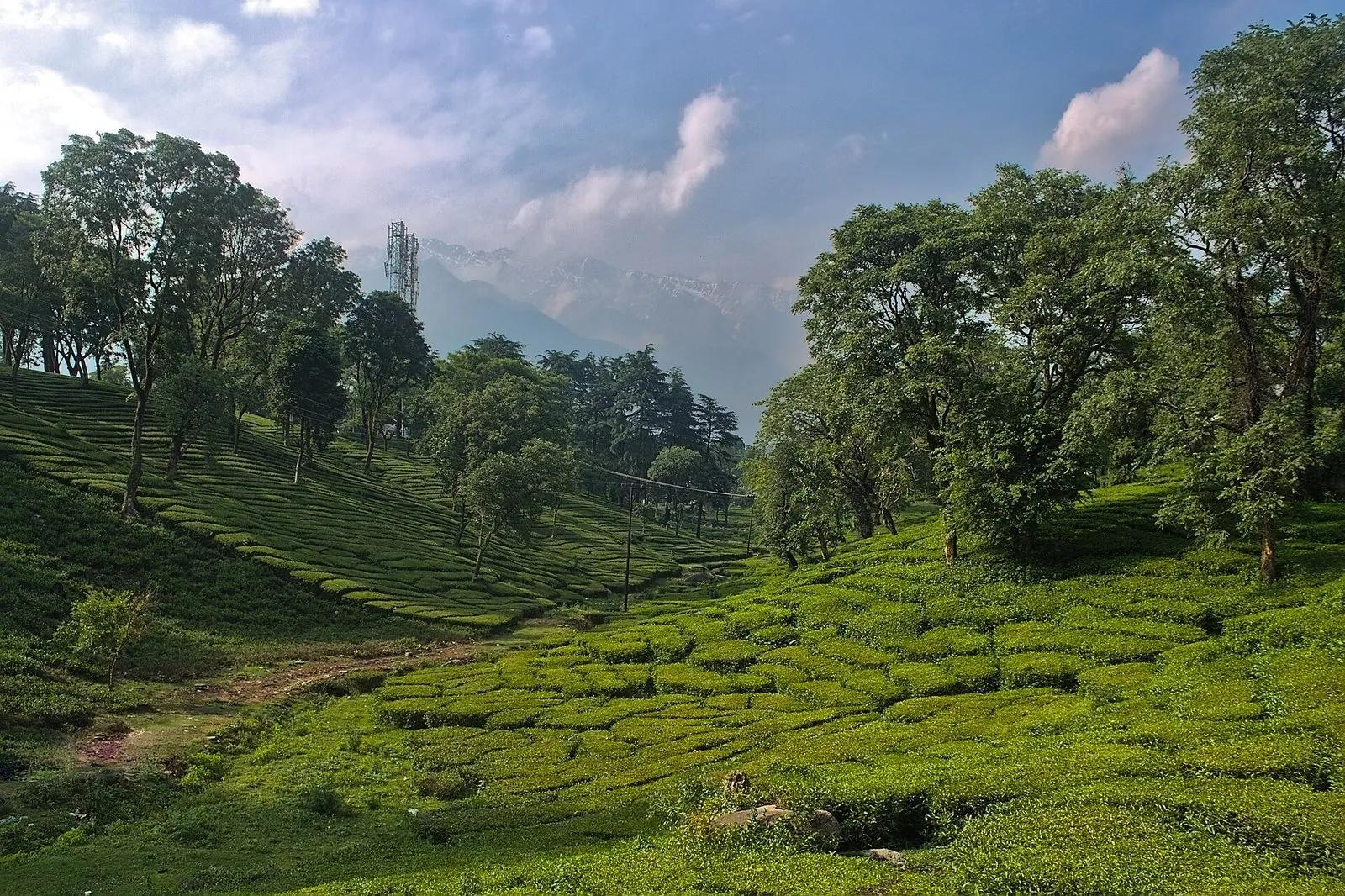
Palampur: India's Tea Capital That Nobody Visits
Thirty-five km from Dharamshala, a fraction of the tourists. India's only all-orthodox tea region, a 1204 CE temple that refuses to burn Ravana, a monastery of yogis, and a narrow-gauge railway that just came back from the dead.
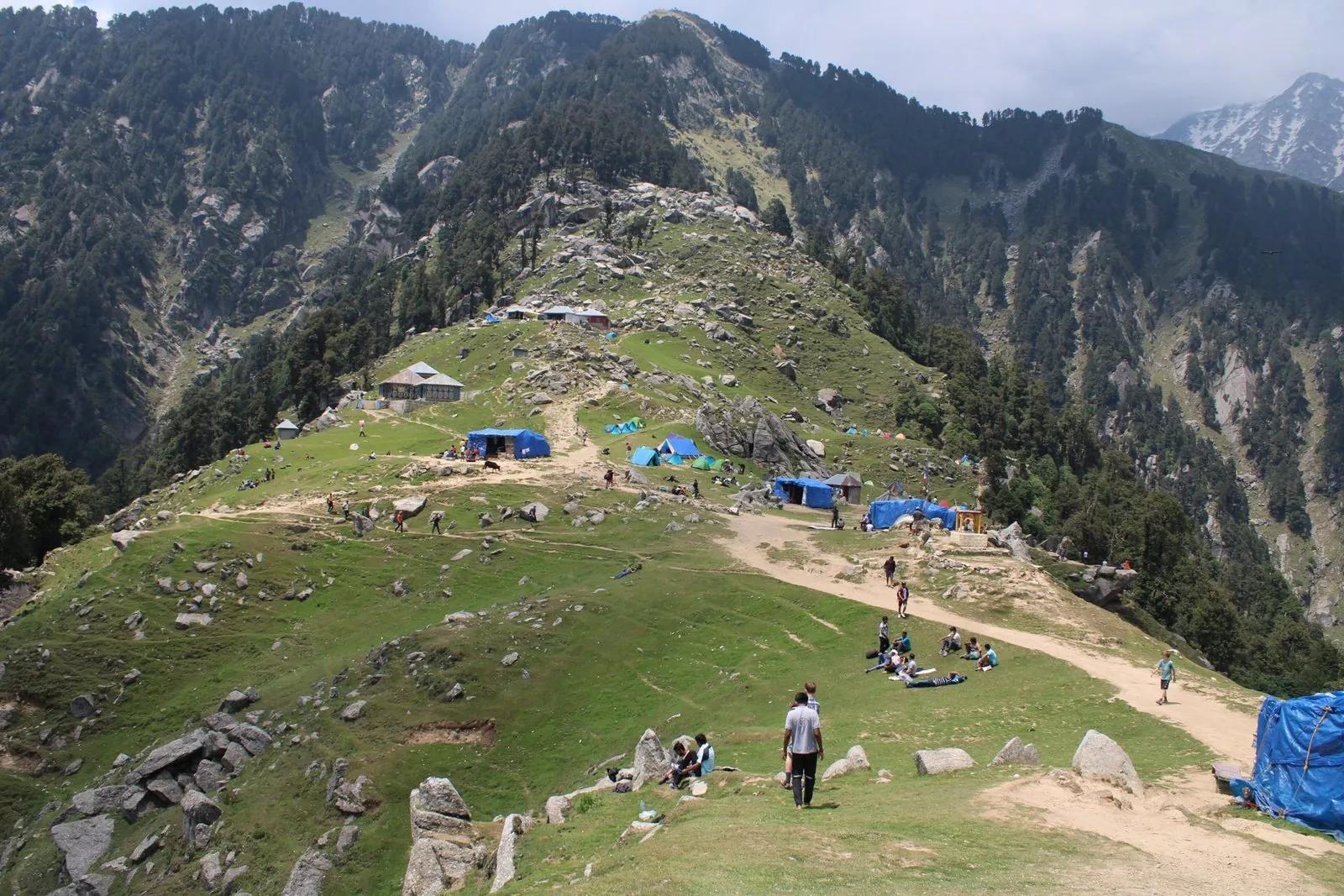
Triund Trek 2026: Complete Beginner's Guide (Route, Checkpoint, Camping & What Nobody Tells You)
Nine km, 1,100 m of gain, and one rule that turns hikers back: the 11:30 AM Gallu Devi check-post. Triund is HP's most-walked beginner ridge trek, with Forest Department fees halved to Rs 100 in January 2024 (per The Tribune), a HP High Court cap of 400 trekkers and 20 tents, and operator packages from Rs 999. Written from Kullu with the Tribune backbone, the Reddit deep-mine, and the four extensions almost no guide covers.
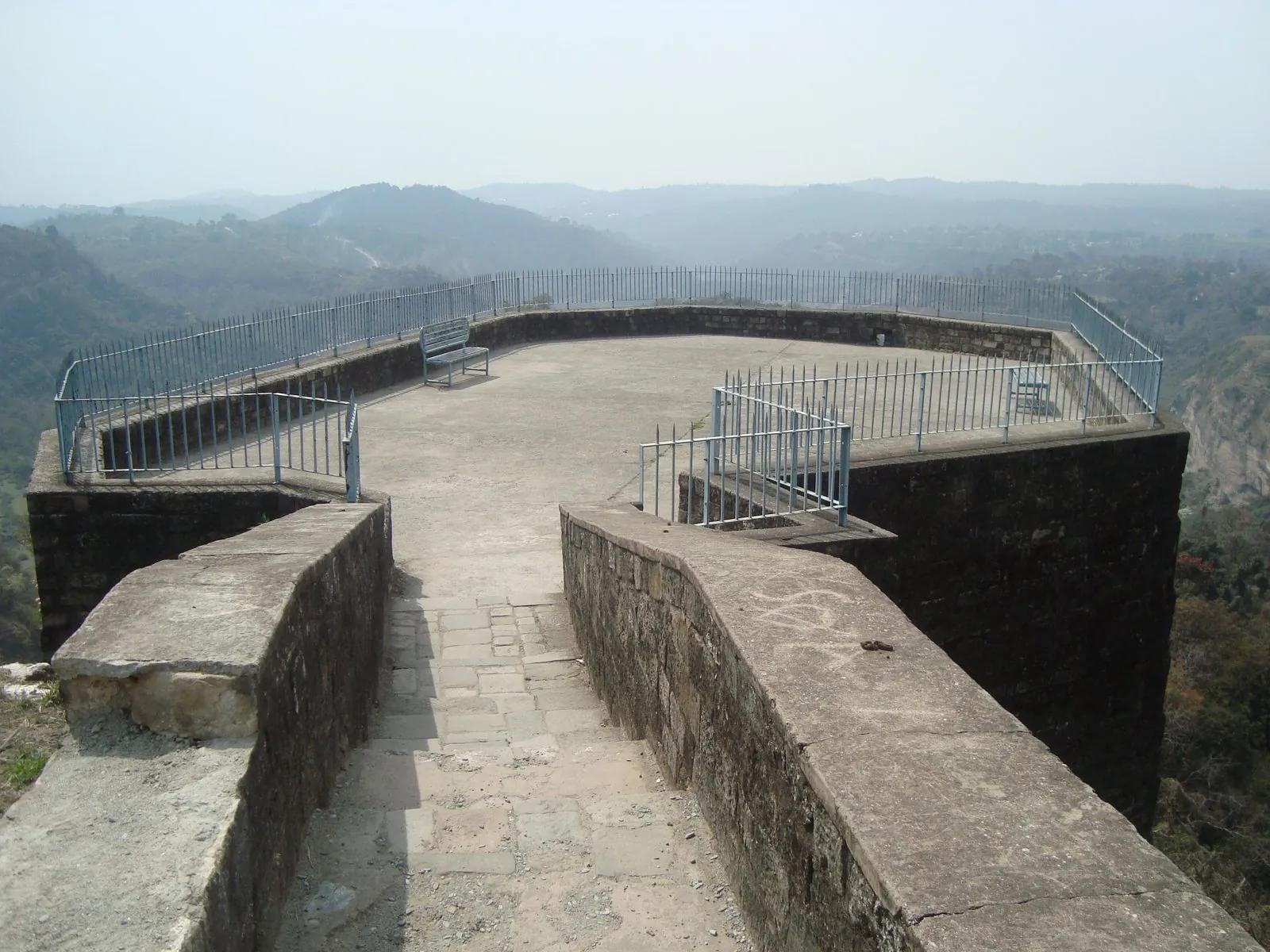
Kangra Fort and Masrur: HP's Ignored Heritage Belt (39,400 Reviews, Zero Coverage)
Three monuments inside a sixty-kilometre triangle on the Kangra plain quietly carry 39,400 Google reviews between them, yet not one comprehensive English-language travel guide exists. Kangra Fort, Masrur rock-cut temples, Chamunda Devi Nandikeshwar Dham, the Bajreshwari Shakti Peetha, Baijnath Vaidyanatha, and a one-day heritage circuit from Dharamshala. Written from Kullu, two valleys west.