
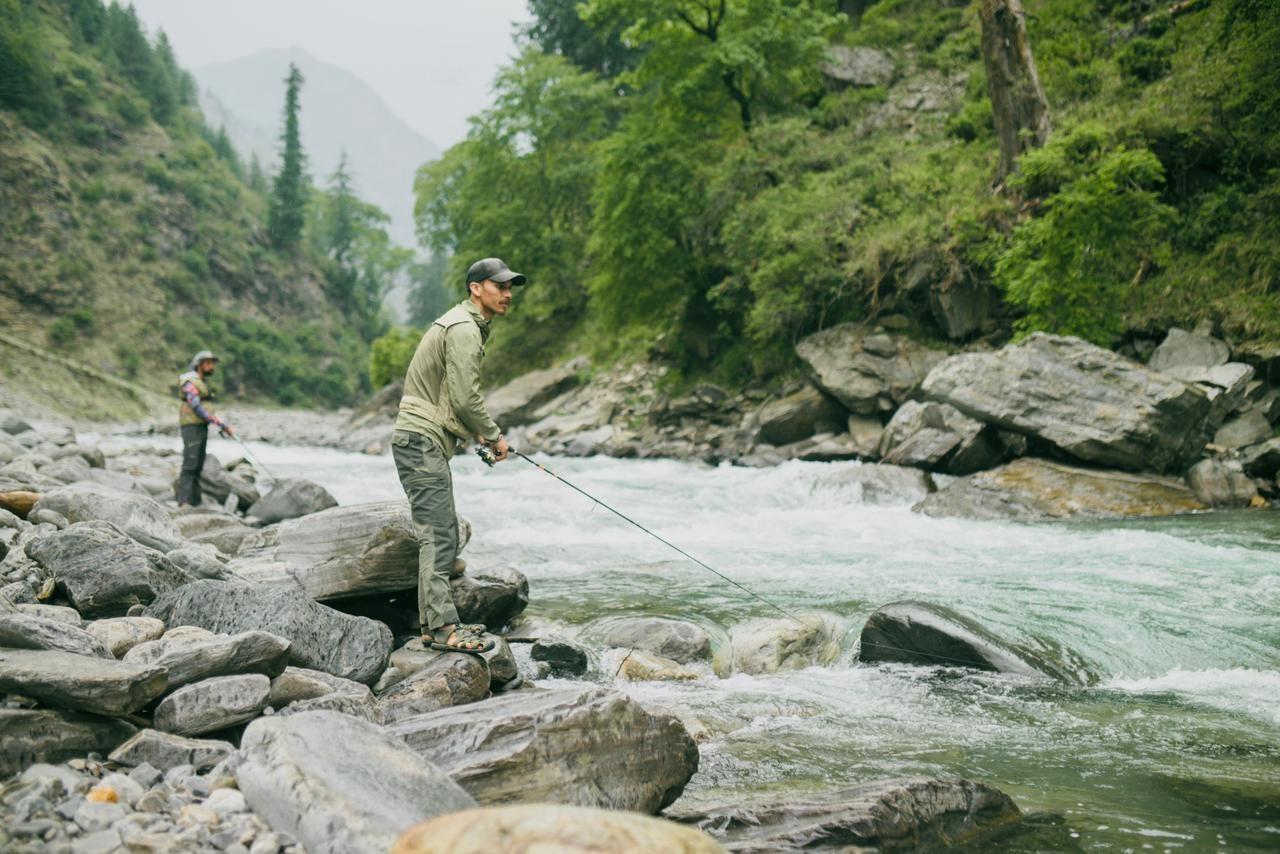
Fishing in Himachal — where to start
A beginner's guide to the rivers, reservoirs and fish of HP. No jargon, no imported gear lists — just honest advice for your first cast, and the conservation rules that keep these waters worth fishing.
- 6
- Species guides
- Catch & Release
- Mahseer, always
- Permit
- Required on every water
- HP
- Rivers & reservoirs
Getting started
Three ways in
Complete beginner
Never held a rod. Start with the easiest fish and waters — what to expect, what you actually need, how not to feel lost on your first trip.
GoI know the basics — find me water
You've fished before but don't know HP. Match a river, reservoir or valley to your skill level and the month you're coming.
GoI want a specific fish
Golden mahseer, brown trout, common carp — pick your target and get identification, habitat, gear, tactics and the rules.
GoSpecies guide
Fish you'll find in HP
Each species has its own guide — identification, habitat, gear, tactics, the rules, and where to target it in Himachal.
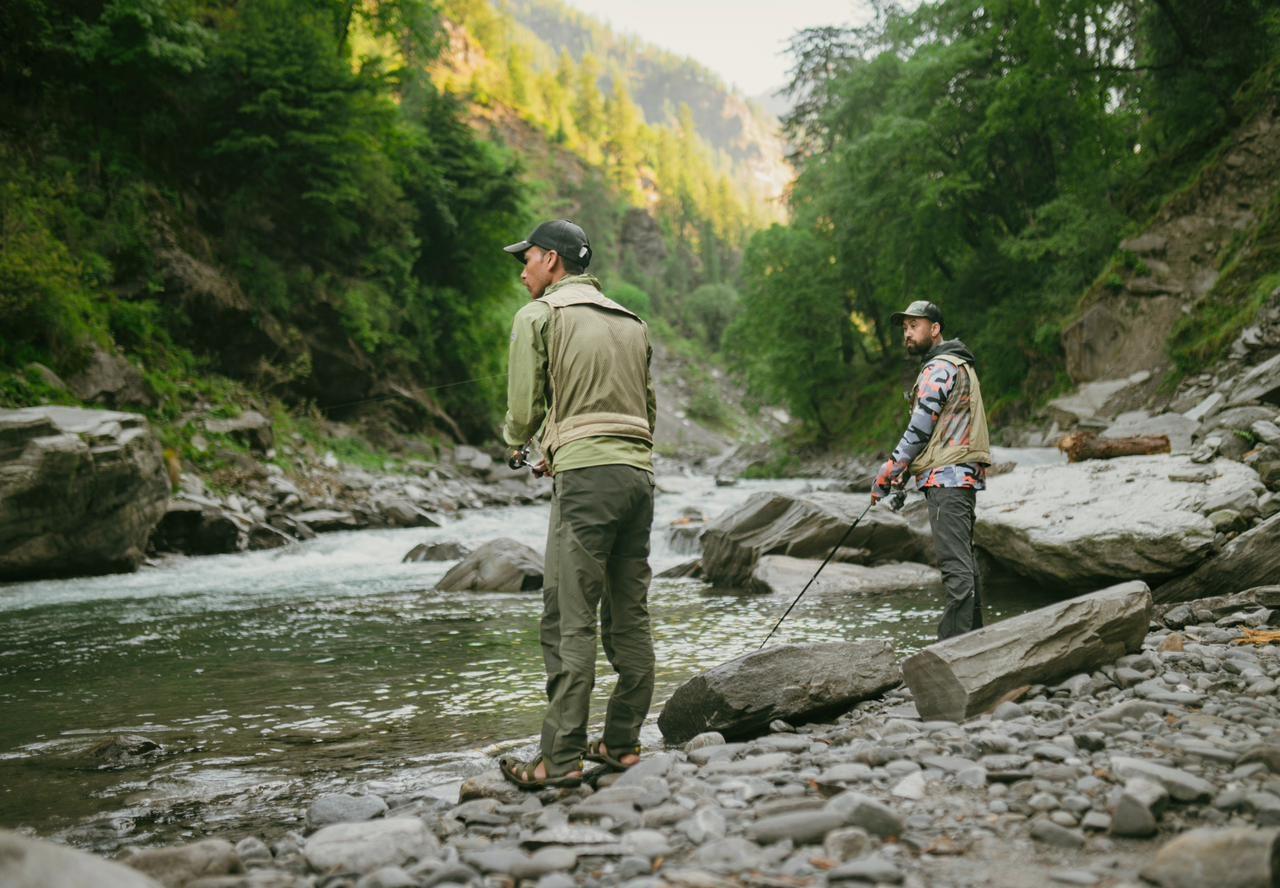 Endangered · Tiger of the River
Golden Mahseer
Tor putitora
The Golden Mahseer (Tor putitora) is the crown jewel of Himalayan freshwater angling - a fish that Rudyard Kipling famously ranked above the Tarpon, and that Victorian-era sport writers
Read the guide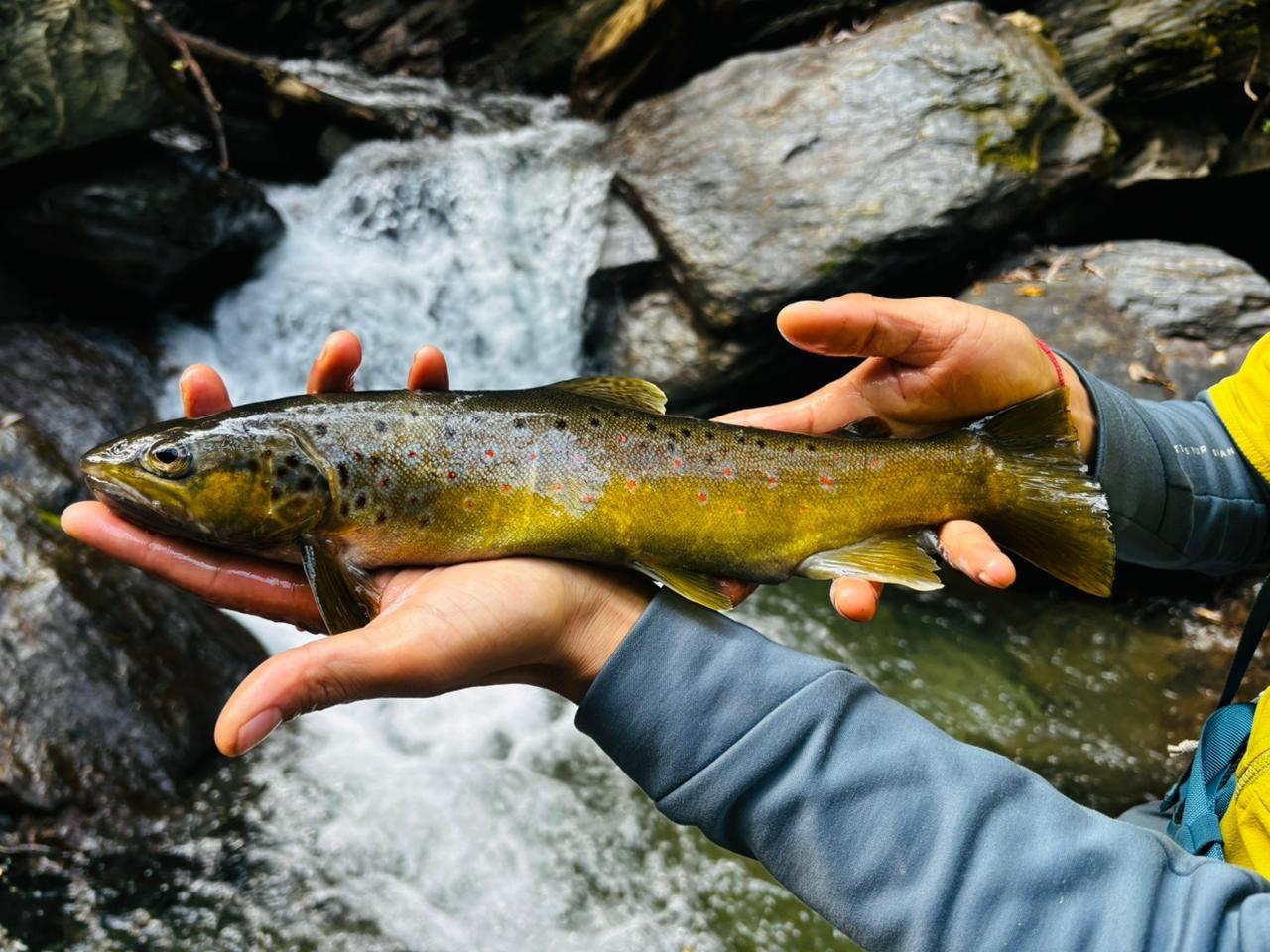 Wild Fish · Angler's Favourite
Brown Trout
Salmo trutta
The introduction of trout to India was a multi-stage colonial effort driven by the British desire to recreate the recreational fly-fishing and angling experiences of Europe.
Read the guide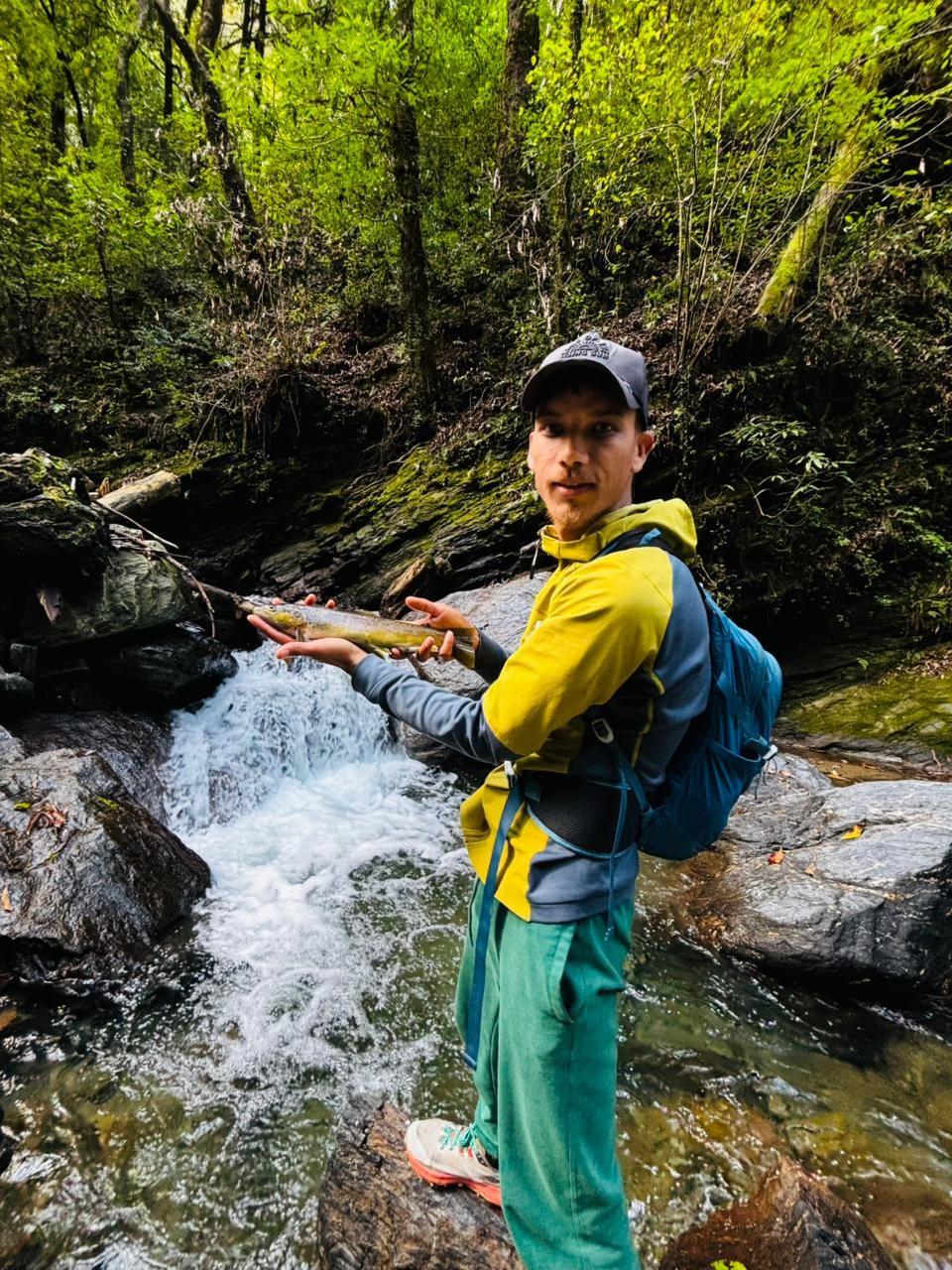 Farmed & Wild · Prime Game
Rainbow Trout
Oncorhynchus mykiss / Salmo gairdneri gairdneri
The rainbow trout (Oncorhynchus mykiss, also referred to in India as Salmo gairdneri gairdneri) is the primary commercially farmed trout species in Himachal Pradesh and across the India
Read the guide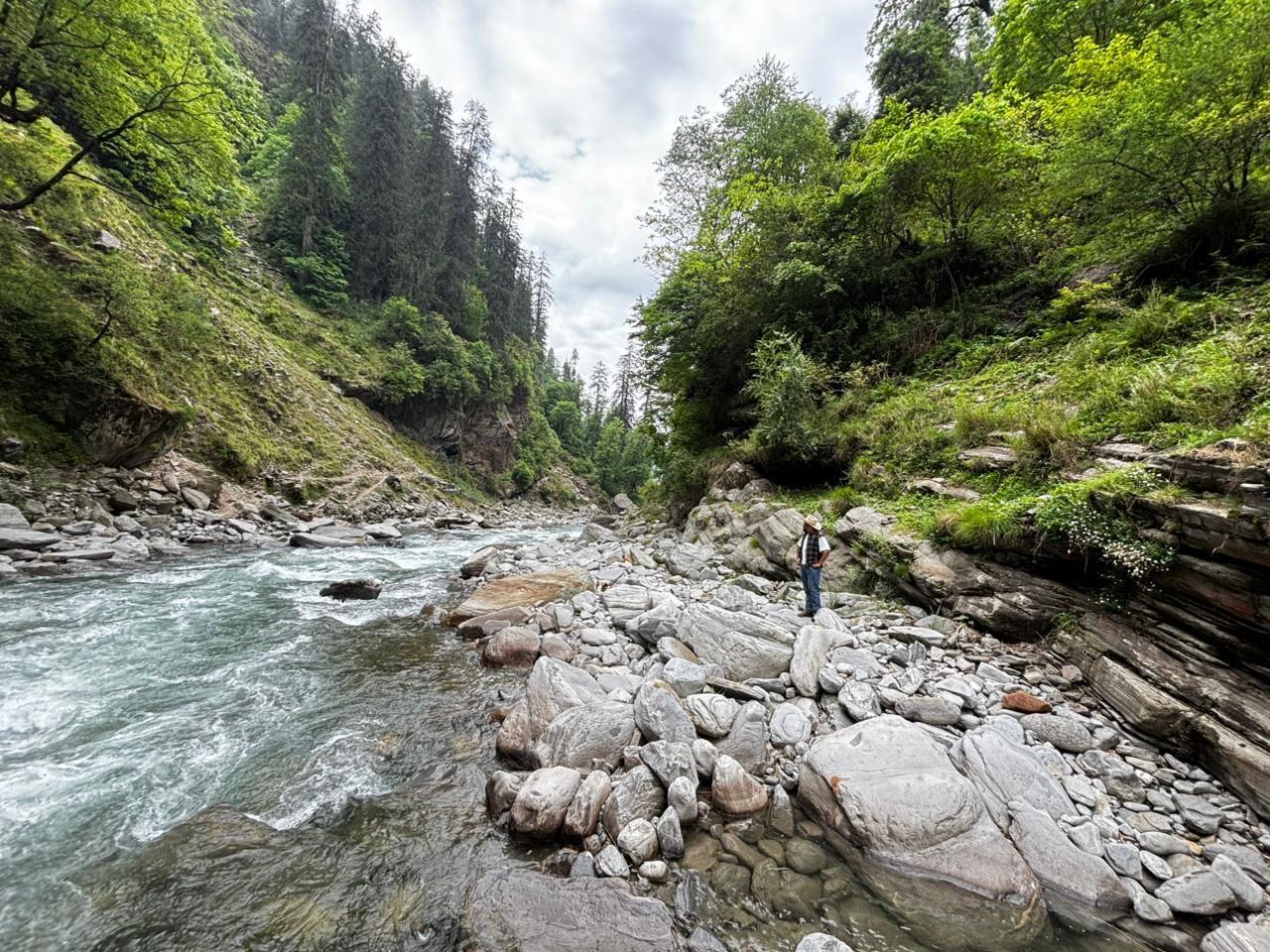 Exotic · Hardy Fighter
Common Carp
Cyprinus carpio
Common carp (Cyprinus carpio) is one of the oldest cultivated fish in the world, domesticated in China and Central Asia over 2,000 years ago and now present in virtually every continent
Read the guide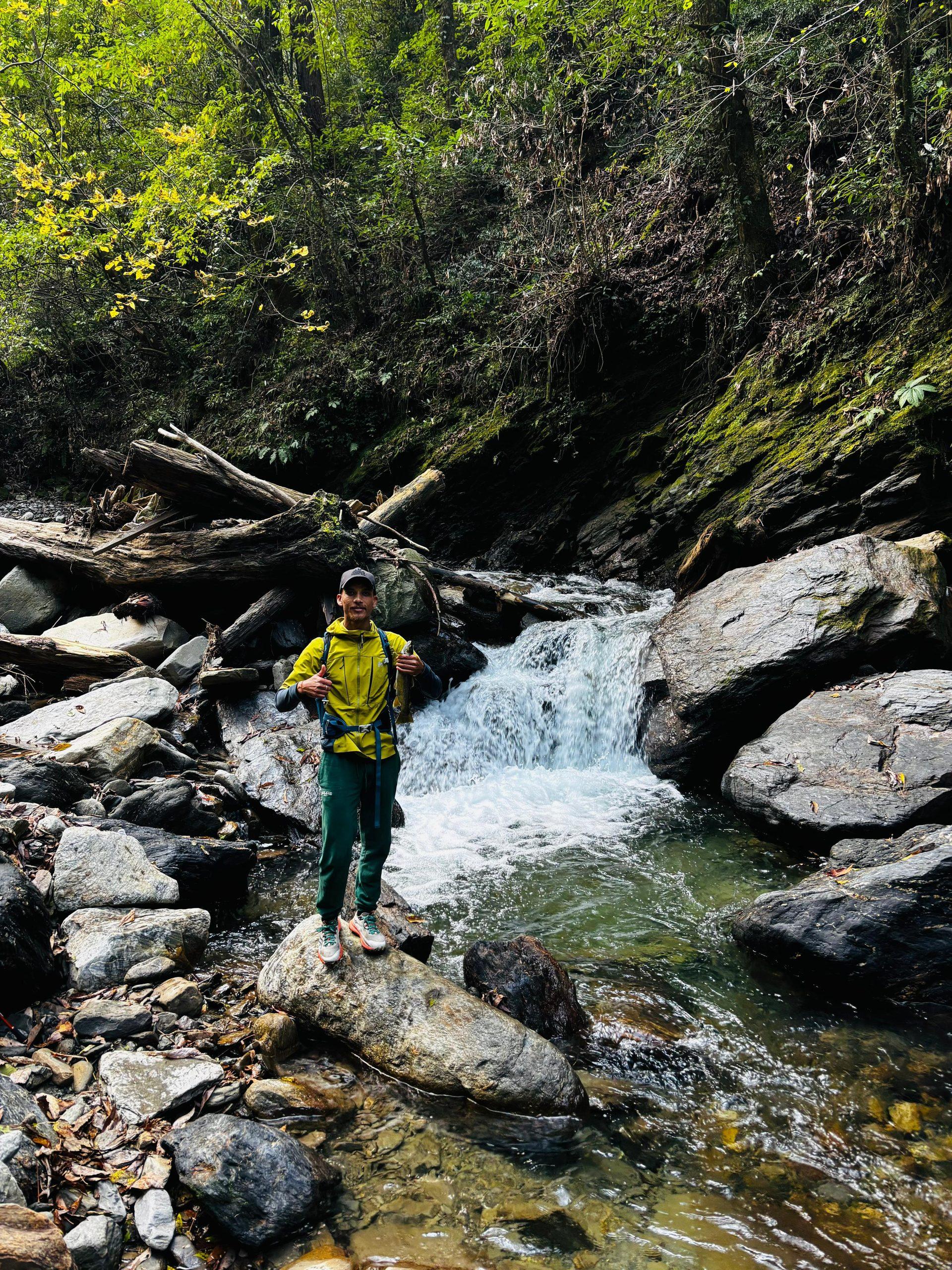 Stocked · Herbivore
Grass Carp
Ctenopharyngodon idella
Grass carp (Ctenopharyngodon idella) is an eastern Asian native, originally from large river systems of China and eastern Russia.
Read the guideApex Predator · River MonsterCatfish
Bagarius yarrelli · Wallago attu · Sperata seenghala
Catfish are among the most widespread and ecologically important fish in Himachal's warm-water river systems, reservoirs and lowland waterbodies.
Read the guidePlan my trip
Not sure where to start?
Tell us how much you’ve fished and what you’re after, and we’ll point you at the fish to learn first — and the guide that comes with it.
Where should I start?
Two questions, one fish to learn first.
Where to fish
Waters worth knowing
Tirthan River
Kullu
Tirthan River is a protected angling reserve. It is a pristine, spring-fed glacial stream flowing through the Great Himalayan National Park in Kullu, widely celebrated as Himachal's premier destination for wild Brown Trout fly fishing.
Beas River
Kullu
The river's diverse ecosystem transitions seamlessly from raging, glacial cold-water torrents ideal for Trouts in its upper reaches to vast, deep pools that harbor legendary populations of Golden Mahseer and giant river catfish further downstream.
Pabbar River
Shimla
The river holds a historic legacy in Indian angling history, having been successfully stocked with trout by British administrators as early as the late 1930s, turning it into an early paradise for fly fishermen. Its pristine upper tributaries remain a prized and scenic escape for targeting wild, skittish Brown Trout.
Baspa River
Kinnaur
The Baspa River is a stunning, high-altitude glacial stream born near the Indo-Tibetan border that is widely considered the crown jewel of scenic Himalayan fly-fishing waters. Its crystal-clear, fast-flowing currents and gravel riverbeds create an ideal natural ecosystem for thriving populations of wild, stream-bred Brown Trout.
Uhl River
Mandi
The Uhl River is a major cold-water tributary of the Beas, fed by the Dhauladhar range. The river is a prime destination for catching both Rainbow and wild Brown Trout, and perfectly balances its role as a hydro-power pioneer with being a tranquil, high-value escape for anglers and slow-travel enthusiasts.
Rupin River
Shimla
Characterized by massive waterfalls, tight boulder choke-points, and extreme gradients, the river offers incredibly technical and challenging waters for adventurous anglers looking for untouched wilderness. Flowing through isolated, culturally rich Himalayan villages, the Rupin remains one of the most pristine and un-compromised river valleys in the region.
Gobind Sagar Reservoir
Bilaspur
The lake's expansive, nutrient-rich, and warmer waters have created a thriving lacustrine ecosystem dominated by exotic carps like Common Carp, alongside massive native predatory catfish like Singhara.
Pong Dam Wetland
Kangra
The wetland is a spectacular sanctuary for biodiversity. Unlike carp-heavy reservoirs, its clean, deep waters are a major stronghold for predatory native catfish like Singhara and serve as one of India's premier stillwater conservation zones for the legendary Golden Mahseer.
Go deeper
Explore the guides
Species guides
Local fish identification
Six fish, each with ID, habitat, gear, tactics and the rules — from rainbow trout to the river-monster catfish.
OpenCatch & release
Best practices
How to handle, photograph and release fish unharmed — plus the river-safety steps that stop whirling disease spreading.
OpenFishing licence
Rules & acquisitions
How to get a permit, what it costs, bag limits, minimum sizes and the closed seasons for every species.
OpenFind your water
Rivers & reservoirs
The designated trout stretches, key spots and the best mahseer beats — with access routes and districts.
OpenHow we fish here
Fishing ethics
Catch and release
Barbless hooks, wet hands, fish kept in the water and back in under 30 seconds. Mandatory for mahseer.
Respect closed seasons
Breeding-season closures (roughly May–August) protect spawning fish — and breaking them is a non-bailable offence.
Always hold a permit
Every reservoir and stream needs a permit from the District Fisheries Officer; restricted zones need an inner-line permit too.
Leave no trace
Pack out all line, hooks and packaging. Mono and lost tackle kill fish and birds long after you've gone.