
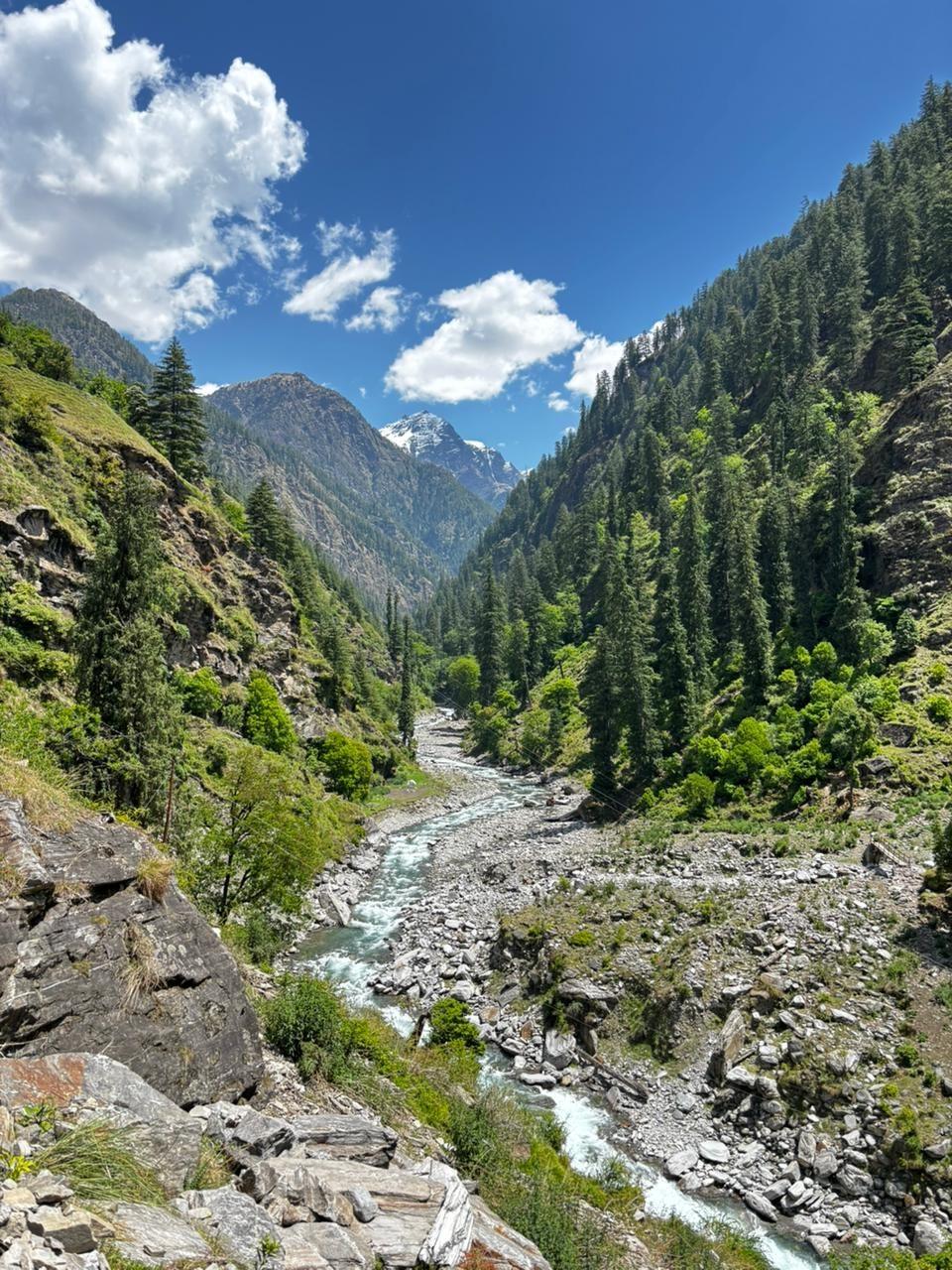
Himalayan streams are beautiful, but they are vulnerable. Invisible river pests and parasites can easily hitch a ride on your wet fishing gear, boots and boats. If they spread from one valley to another, they can permanently ruin an entire river ecosystem.
Two absolute rules every angler must follow
- Never transport any fish, plants or animals (alive or dead) between different bodies of water.
- Always Check, Clean and Dry all of your equipment before moving to a new stream.
The biggest threat: whirling disease
What is it?
Whirling disease is caused by a microscopic parasite that attacks the head and spine of young trout (especially rainbow trout). It causes them to swim erratically in circles, making it hard for them to feed, and often kills them.
Why is it so dangerous?
When an infected fish dies, it releases millions of tiny, nearly indestructible parasite spores into the water. These spores can survive dormant in the river mud for up to 30 years. If they get trapped in the mud on your boots and you walk into a clean river, you will start a brand-new infection.
What does a sick fish look like?
- A severely darkened or black tail.
- A twisted spine or deformed head (like a crooked jaw).
- Young fish swimming erratically in tight circles (“whirling”).
5 rules to prevent the spread
- 1
Never move live fish
Never transfer live fish from one river or lake to another.
- 2
Never use trout parts as bait
Do not use trout, salmon or whitefish parts as cut bait.
- 3
Dispose of fish waste wisely
If you clean a fish, never throw the guts or bones back into the river or down a kitchen disposal — the spores survive standard wastewater treatment. Seal them in a bag and put them in the dry trash meant for a landfill.
- 4
Scrub before you leave
Before leaving a fishing spot, rinse all mud, sand and weeds off your boots, waders and nets. Drain all water from boats or kayaks.
- 5
Deep clean your gear
If you have been fishing in waters known to have pests, a simple rinse isn't enough — use one of the methods below to sanitise your gear.
How to disinfect your gear
The heat method (safest for gear)
Pour water heated to nearly boiling (200°F / 93°C) over your boots and waders and let it cool. This safely kills the parasite.
The sun method
Thoroughly rinse your gear, then let it dry completely in direct sunlight. Complete dryness kills the free-floating stage of the parasite.
Hey anglers — if you see fish showing signs of whirling disease in a clean river system where it hasn’t been reported before, stop fishing and immediately notify the local fisheries department or wildlife authorities.