

Working Remotely from North Goa: The Honest Digital-Nomad Guide
Goa has quietly become one of India's favourite places to work from, not visit, but live in for a month or six while holding down a remote job. And the fantasy is easy to picture: a laptop, a beach, a coconut. The people who actually do it will tell you that fantasy is nonsense. Nobody hits a deadline squinting at a screen on the sand. The real remote-work Goa is a rented room down a village lane with the fan on, a battery backup humming in the corner, and a routine that looks a lot like working anywhere, only with a swim at the end of it. This is an honest guide to setting that up, and to the one thing that decides whether it works.
I write for Refuje and I do not live in Goa, so this is built from the people who do, the remote workers and long-stayers on r/Goa and r/goatravel who have made the move and written up what they learned. One of them summed up the whole genre in a much-shared post: Goa is very different from the vacation version most people imagine. Take that as the warning and the promise at once. Get the setup right and it is a wonderful place to work from. Get it wrong and you will spend your first month frustrated, as many do.
The reality, versus the Instagram version

Start by killing the beach-office dream. You will not work from a sun-lounger; the glare kills the screen, the sand kills the laptop, and the sea is far too distracting to get anything done. Real remote work in Goa happens at a desk, at home or in a co-working space, in normal working hours, and the beach is the reward you go to afterwards. There is a seasonal catch, too. Come in peak season, roughly Christmas to New Year, and you land in the crowded, expensive, party-tourist Goa, which is a miserable place to try to focus; more than one long-stayer has said their first few weeks were rough for exactly this reason, and that it only clicked once the crowds thinned. The workation improves enormously in the quieter months. So set your expectations honestly: this is a place to work like normal and live better, not a place where the work does itself while you sip something on the sand.
The one thing nobody tells you: power and internet

If you remember one line from this guide, make it this: in Goa, your enemy is not boredom, it is the power cut. The single most common regret from people working remotely here is losing power, and with it the WiFi, in the middle of a call or a deadline; the grid is improving but still drops, especially in the monsoon and out in the villages. The fix is not glamorous, and it is the difference between a workable stay and a stressful one. The regulars swear by it: an inverter battery to ride out the cuts, and a small UPS to keep the router alive so the internet does not die with the lights. One remote worker described adding both and said, simply, that life upgraded. So when you choose a place to stay, ask two questions before anything about the view: is there backup power, and is the internet genuinely reliable, not merely present. Do not rely on café WiFi to run your working life, however lovely the café; it is fine for an afternoon, not for a job. This, honestly, is where a co-working space earns its fee, steady power and a proper connection, and a desk that is not your bed.
Where to base yourself
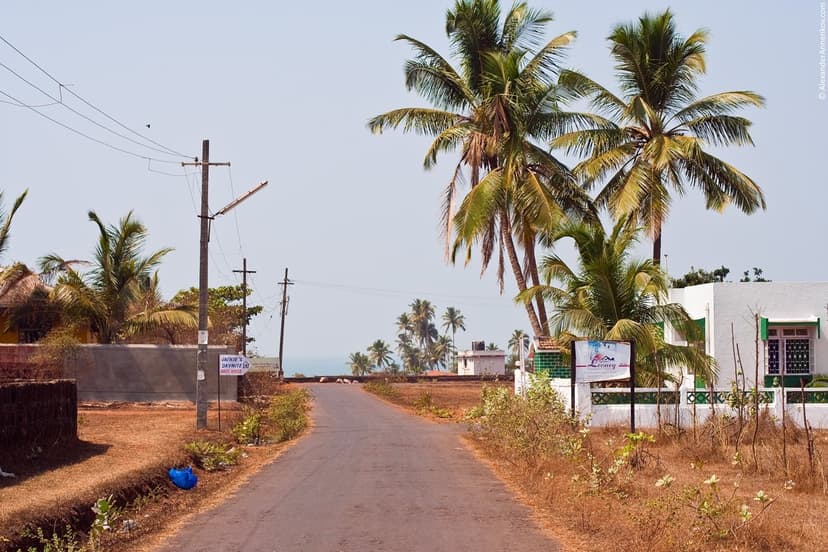
The remote-work crowd packs into a surprisingly small slice of the north, and the same handful of names keep surfacing. Want the sociable, nomad-heavy version, with the cafes and the community on your doorstep? That is the Assagao, Anjuna, Vagator and Siolim belt. One regular called Siolim the pick of it, plenty to eat and a short hop to Vagator and Anjuna; another rated Siolim and Parra simply because everything up north is ten or fifteen minutes away. Prefer to be near the city, with a market, a chemist and a hospital close by? Then look at Caranzalem, tucked between Panjim and Dona Paula, or at Reis Magos, both calmer and more practical than the beach villages. The trade is straightforward. The beach belt buys you the scene and the noise together; the Panjim-adjacent spots buy you the quiet and the errands-done convenience but less of the party. Either way, rent by the month, not the night, and sleep a lane back from the busy strip.
The part the brochures skip: be a good guest
One honest, uncomfortable thing, because it matters and it is all over the local threads. Goans are increasingly unhappy about the influx of long-stayers, and especially about outsiders buying up land and pricing locals out of their own villages; you will find Goans on r/Goa asking, not always politely, that people stop moving in and buying property in the name of peace. It is worth hearing rather than dismissing. The workable, decent version of a Goa stay is to be a renter and a guest, not a settler: rent your place, spend your money in local shops and kitchens rather than only the imported-brunch spots, keep the noise down in a residential lane, and do not treat a living village as a backdrop for content. On safety, most remote workers, including women, report feeling comfortable in the villages; the exception people name is the drunk tourist crowd on the Baga and Calangute strip, which is worth avoiding at night anyway. Come in that spirit and Goa is a genuinely great place to work from. Come as a coloniser and you are part of the problem the locals are describing.
We invested in an inverter battery, and a UPS for the WiFi. Life has upgraded.
| The Instagram version | The real workation | |
|---|---|---|
| Where you work | A sun-lounger on the beach | A desk at home or a co-working space |
| The setup | A laptop and a view | An inverter, a UPS and a reliable router |
| Where you live | A beach hut | A rented room in an Assagao or Siolim lane |
| When you come | Peak season, for the photos | The quieter months, for calm and lower prices |
| The catch | Nothing actually gets done | You are a guest, so behave like one |
Setting up a Goa workation, properly. Sort out power and internet first: rent a place with backup power, add an inverter and a UPS for the router if you can, and confirm the internet is genuinely reliable, not merely present. Do not run your job off cafe WiFi; use a co-working space for deadlines and calls. Base yourself in the northern belt, Assagao, Siolim, Anjuna or Vagator for the community, or Caranzalem and Reis Magos near Panjim for calm and convenience, and rent monthly rather than nightly. Come in the quieter months, not the peak New Year crush. And be a good guest: rent rather than buy, spend locally, keep the noise down, and remember you are living in someone's home village. Prices and areas change, so check current rents and conditions before you commit.
- The reality
- Goa is one of Indias top remote-work bases, but not the beach-office of the photos. Real remote work happens at a desk at home or a co-working space, with the beach as the reward afterwards. The scene is far better in the quiet months than the crowded, pricey peak season.
- The one lesson
- Power and internet decide everything. The grid drops, especially in the monsoon and the villages, so the best money you can spend is an inverter battery and a UPS to keep the router alive. Do not rely on cafe WiFi to run a job; a co-working space earns its fee on steady power alone.
- Where to base
- The northern belt, Assagao, Siolim, Anjuna and Vagator, for the nomad community and cafes; Caranzalem or Reis Magos near Panjim for calm and city convenience. Siolim and Parra are popular because everything in the north is 10 to 15 minutes away. Rent monthly, and sleep a lane back from the busy strip.
- Community and coworking
- There are co-working spaces and coliving setups in the north, and an active long-stay community, mostly organised through Instagram and word of mouth rather than the travel forums. For reliable power and internet, and a desk that is not your bed, they are worth the fee.
- Be a good guest
- Locals are increasingly unhappy about the influx and especially about outsiders buying land and pricing them out. Be a renter and a guest, not a settler: rent, spend locally, keep the noise down, and do not treat a living village as a backdrop. Most remote workers feel safe in the villages; the drunk-tourist Baga-Calangute strip is the exception to avoid at night.
Do it right and a month working from a quiet Goan village is one of the better trades in remote work: your normal job, a far better life around it. It is the same lived-in, one-lane-inland Goa this series keeps pointing at, so it helps to read the wider case for the Goa beyond the obvious beaches, and, if you are weighing the north against the south to base in, our guide to North Goa versus South Goa. You can see the North Goa experiences that are currently bookable on the North Goa things-to-do page.
Common questions
Is Goa good for digital nomads and remote work?
Yes, it is one of Indias most popular bases for it, with a large long-stay community, cheap living compared with the big cities, and an obvious lifestyle upside. The important caveat is that it is not the beach-office of the photos: real remote work happens at a desk at home or in a co-working space, and the biggest practical challenge is reliable power and internet rather than anything to do with the beach. Come in the quieter months rather than the crowded New Year peak, sort out a proper working setup, and Goa is a genuinely great place to work from for a month or several.
What is the biggest problem with working remotely from Goa?
Power cuts, and with them the internet. The grid in Goa, especially out in the villages and during the monsoon, still drops often enough to be a real problem on calls and deadlines, and it is the single most common complaint from people who work here. The standard fix, which regulars swear by, is to rent a place with backup power and to add an inverter battery plus a small UPS to keep your router running through the cuts. Do not try to run a job on cafe WiFi alone. Confirm that any place you rent has genuinely reliable internet and some form of power backup before you commit.
Where should a remote worker stay in North Goa?
For the sociable, nomad-heavy scene with cafes and nightlife nearby, base yourself in the Assagao, Siolim, Anjuna or Vagator belt; Siolim and Parra are popular because everything in the north is only 10 to 15 minutes away. If you would rather be calmer and closer to the city, with markets, transport and hospitals to hand, people recommend Caranzalem, between Panjim and Dona Paula, or Reis Magos. The beach belt gives you community and buzz but more tourists; the Panjim-adjacent spots give you convenience and quiet. Either way, rent monthly rather than nightly, and pick a lane set back from the busiest strip.
How much does it cost to live in Goa as a remote worker?
It varies a lot with your standard and your season, so it is hard to quote a single figure honestly. In broad terms, Goa is cheaper than living in a major Indian city like Mumbai or Bangalore, but more expensive than a budget hill-town, and prices spike sharply in the peak December-to-January season, when rents and everything else jump. Your biggest costs are accommodation, which is far better value on a monthly than a nightly rate, food, and transport, mostly a rented scooter. Come in the quieter months and rent long-term and it is very manageable; arrive in peak season expecting to pay a premium for everything.
Is Goa safe for solo female remote workers?
Broadly yes, and many women live and work in Goa long-term and feel comfortable doing so, particularly in the quieter northern villages away from the party strips. The exception that people, including women, repeatedly name is the drunk-tourist crowd around Baga and Calangute, where catcalling and hassle are more common, and which is worth avoiding at night regardless. The usual sensible precautions apply, especially getting home safely after dark in a place with a real taxi and drink-driving problem. Basing yourself in a residential village rather than on the party beaches, and building a local routine and a few contacts, makes for a genuinely comfortable long stay.
Are there co-working spaces in North Goa?
Yes, there are several co-working spaces and coliving setups across the north, concentrated in the nomad belt around Assagao, Anjuna and Parra, though the scene is organised more through Instagram and word of mouth than the travel forums, so you find the current ones by searching there and asking the community. They are worth the fee for two things above all: reliable power and internet, which are the real bottleneck to working from Goa, and a proper desk and working atmosphere rather than your bed or a noisy cafe. If you have deadlines or a lot of calls, a co-working membership is often the thing that makes a Goa workation actually work.
Sources and a note on this guide
I write for Refuje and I do not live in Goa, and I have not done a Goa workation myself. Everything here, the reality-versus-Instagram framing, the power-and-internet lesson, the areas to base in, the cost sense, the female-safety picture and the local resentment about the influx, comes from remote workers and long-stayers on r/Goa and r/goatravel who have actually made the move, quoted and attributed and reported rather than endorsed. Rents, co-working options and conditions all change quickly, and the community organises largely on Instagram rather than the forums, so treat this as the honest current pattern rather than a directory, and check current specifics before you move. The facts were checked in August 2026. The two representative work photos here were taken elsewhere; the village lane is genuinely North Goa.
- The reality-versus-vacation framing and the season effect on a workation: attributed r/goatravel and r/Goa remote-work threads, quoted inline.
- The power-cut problem and the inverter-plus-UPS fix, and the areas to base in (Siolim, Parra, Assagao, Caranzalem, Reis Magos): attributed r/Goa threads, quoted inline.
- The local resentment about the influx and land-buying, and the female-safety note about the Baga-Calangute strip: attributed r/Goa threads, quoted inline.
Rents, internet, co-working options and the mood of a place all shift, so check current conditions before you commit to a long stay, and go as a guest rather than a settler. If you are living and working in Goa and know the current reality better than these sources do, tell us and we will keep this honest.
You Might Also Like
Edge City India 2026: The Practical Guide
Three weeks in Mandrem, North Goa. October 11 to November 1, 2026. Hundreds of founders, researchers, engineers, and creators living and building on a stretch of beach that is usually known for yoga retreats and quiet cafés, not hackathons. If you have applied, or you are wondering whether you...
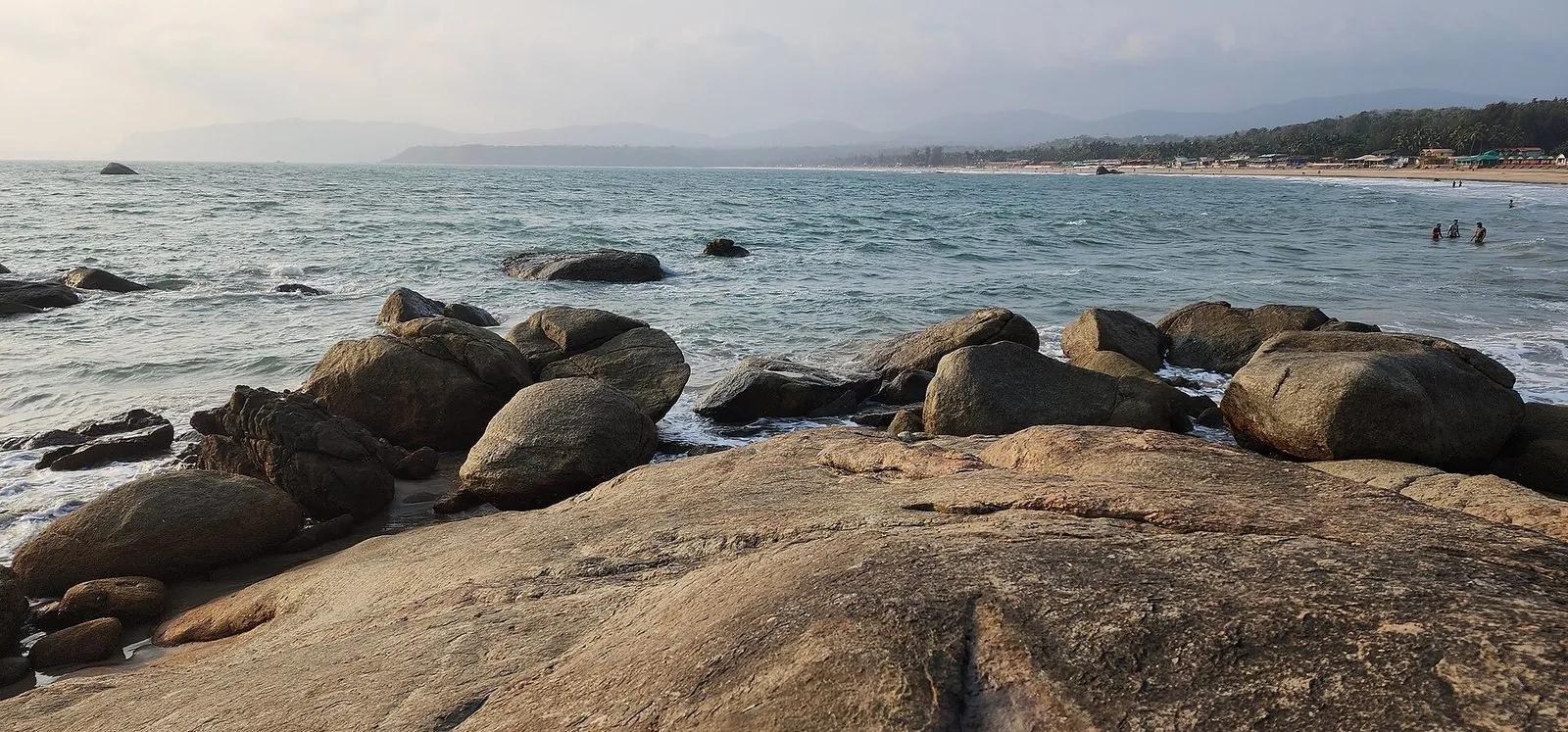
Solo Female Travel in Goa: An Honest Safety Guide
An honest, balanced safety guide for women travelling to Goa alone: why it's comparatively safe and loved by many yet has a real, worsening harassment problem concentrated on the party beaches, where to base for a calmer trip, and the practical choices that tilt the odds in your favour.
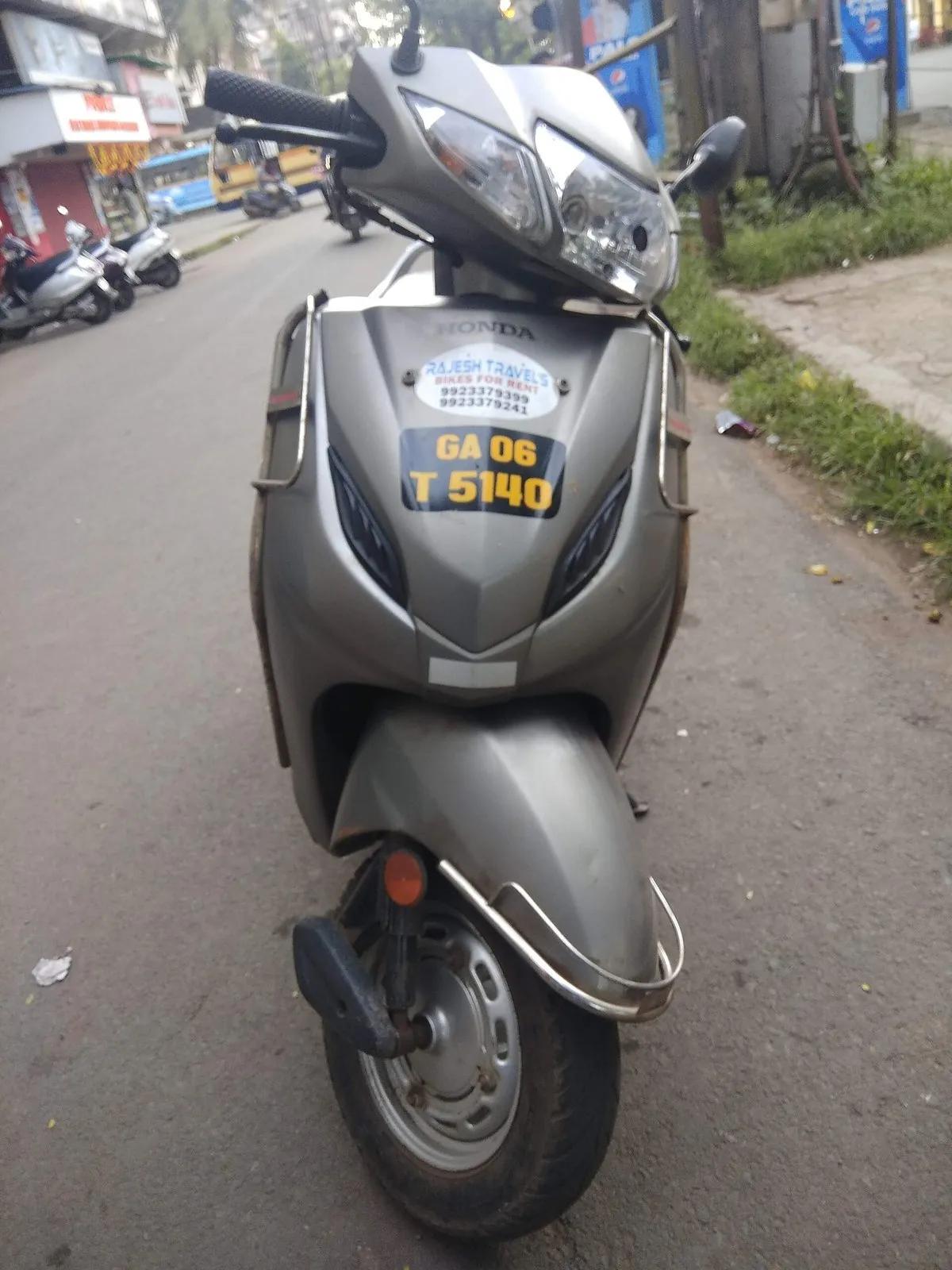
Getting Around Goa: The Taxi Problem, and Why You Just Rent a Scooter
An outsider's honest guide to getting around Goa: why there's no real Uber or Ola, how the fixed-fare taxi cartel works, why renting a scooter is the answer (and how to avoid the rental scams), where the GoaMiles app actually works, the buses, and the one golden rule.