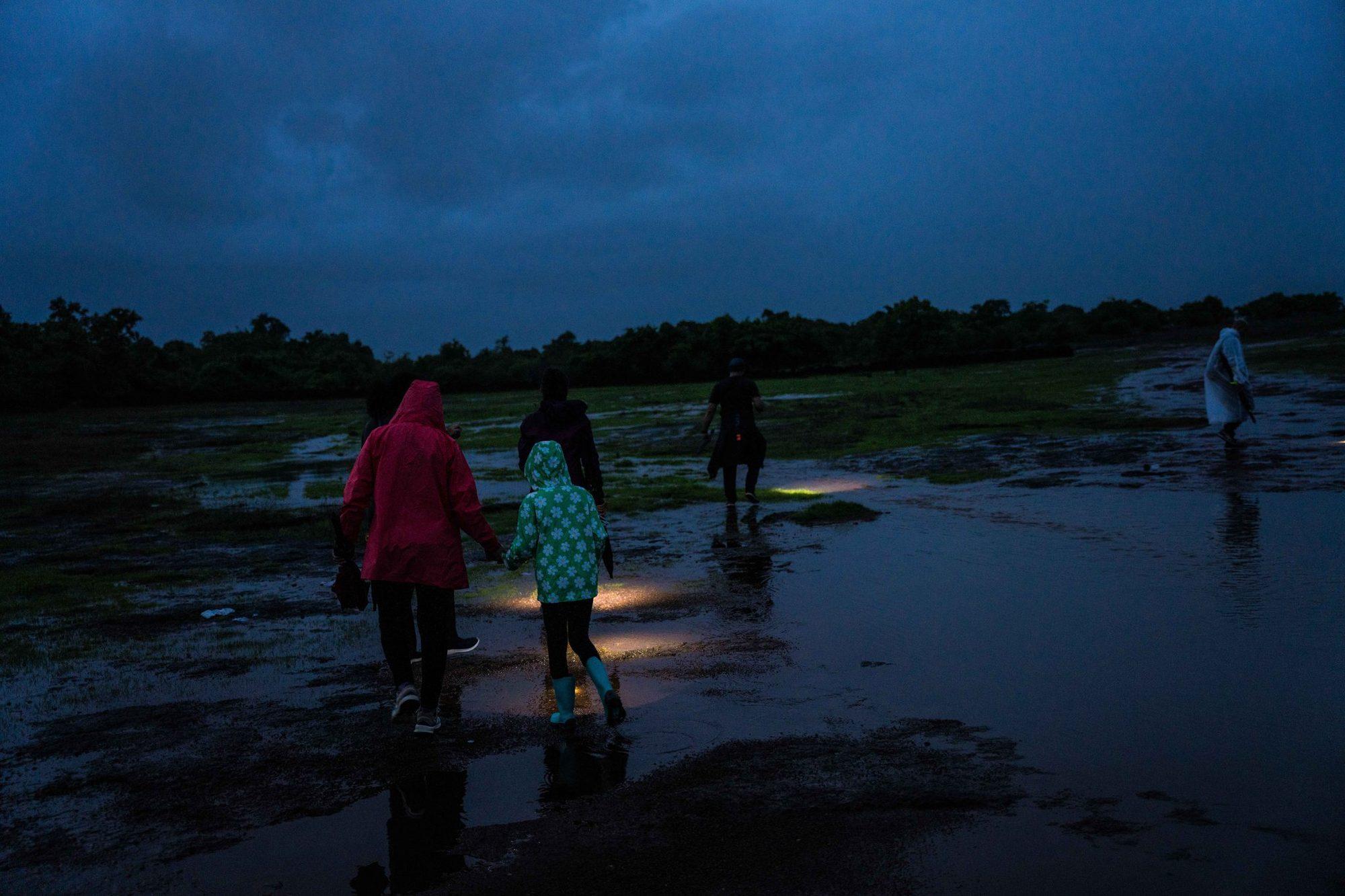
Edge City India 2026: The Practical Guide
Three weeks in Mandrem, North Goa. October 11 to November 1, 2026. Hundreds of founders, researchers, engineers, and creators living and building on a stretch of beach that is usually known for yoga retreats and quiet cafés, not hackathons.
If you have applied, or you are wondering whether you should, this is the guide I wish existed when I started researching the event. What Edge City actually is, who goes, what a normal day looks like, where you will sleep, how you will get around, and what the Mandrem belt is really like in late October. I write for Refuje and I do not work for Edge City. Event facts come from the organizers' own pages and public posts. The stay prices and the map below come from a live pull of Airbnb listings on the Edge City dates, done while writing this. Prices move, so treat them as a snapshot with a date on it.
What Edge City India actually is
Edge City runs "popup villages": temporary communities where people live, work, and build together for a few weeks. The concept is not new to them. They have run nine of them since 2023, from Edge Esmeralda in California to Edge City Lanna in Thailand, and they claim more than 12,000 attendees across all of them. Companies have been founded inside those villages, research has been run, rounds have been raised. India is their first stop here, and they are deliberately slotting it into the autumn builder season, right before Devcon in Mumbai.
The daily shape, per the organizers: mornings start with movement or time in nature. Afternoons are for deep coworking at The Circle, their beach-facing hub (more on that below, because it is relevant to where you stay). Evenings bring fireside talks, workshops, demo days, and dinners that organize themselves. Focused programs run throughout, each a small group building around a shared frontier.
The three weeks have themes. Week one is Environments of Tomorrow: urbanism, energy, climate, food systems, education. Week two is Rasayana, their holistic longevity track: ayurveda, biohacking, healthspan, consciousness. Week three is Frontier Intelligence and Decentralized Futures: deep tech, AI, decentralized technologies, governance, policy, and hackathons.
You do not need to join a residency to attend. You apply on their site, they review on a rolling basis, and ticketing details were still being finalized when this was written, so check the official page for current pricing.
Who actually goes
The residency lineup tells you more than the marketing copy. Forge takes 30 contrarian founders under one roof for 21 days; its Bangalore cohort raised $3.3 million by demo day. The Ground Floor residency puts international AI professionals in rooms with local Goan business owners, civic leaders, and researchers, with free seats for every local business owner. There is a DeFi house backed by 1inch, where a small crew ships products on partner infrastructure for three weeks. A creator residency for video makers, writers, and storytellers from The Modern Renaissance. The Inflection Fellowship, fully funded for builders under 25. Vyne House, 14 founding creators and indie hackers with one goal: the first 100 users or the first thousand dollars.
The point is not the headcount. It is that the people arriving in Mandrem are builders who chose three weeks of focused work over a vacation. They show up with projects. Some of them leave with companies.
There is also a kids' track, per the organizers, which matters if you are deciding whether to bring family.
Where you will be: the Mandrem belt
Mandrem sits in North Goa's quiet corner, between Arambol to the north and Ashwem and Morjim to the south. That placement matters for your expectations. This is not Calangute. There is no mall, no club strip, no McDonald's. There is a beach road, village lanes, beach shacks, small hotels, yoga centres, and a surprising density of good cafés. If you want party Goa, you are an hour away by scooter. Most people who choose Mandrem consider that a feature.
October sits at the tail of monsoon. Expect hot and humid days around 30 to 32 degrees, occasional rain, and a sea that is usually still too rough for swimming early in the event. By late October the skies typically clear and everything turns green and gold. Pack light cottons, one rain layer for the first fortnight, and footwear you do not mind getting wet.
The good news for anyone who has to actually get work done: the internet story here is better than it used to be, and The Circle's Ashwem campus, a five-minute drive from Mandrem beach, is India's first work-from-the-beach coworking space. It is the event's operational hub. If you need a desk with a fast connection, a meeting room, or just an air-conditioned break from your room, that is where people will be.
Getting there
Two airports serve Goa.
Manohar International Airport (GOX), at Mopa, is about 18 to 25 kilometres from Mandrem, a 35 to 45 minute drive. This is your airport. Prepaid and fixed-fare cabs run from roughly 1,200 rupees for a sedan.
Dabolim (GOI), the older airport in the far south, is 60-plus kilometres away. Only pick it if the fare difference is large enough to cover the extra hour and a half of driving.
By train, the closest station is Pernem, but most long-distance trains stop at Thivim or Madgaon. From any of them, a taxi is the practical last leg; buses exist but involve changes at Mapusa.
If you are coming from Bangalore, note that the organizers themselves are running a 10-day overland caravan from Bangalore to Goa, arriving just as the event starts. That tells you the crowd will be arriving by road in numbers, so book airport transfers early for the October 10 to 11 rush.
Getting around once you are there
Goa's transport situation deserves honesty, because it is the number one complaint visitors post online. App-based coverage is thin. Local taxi stands quote high flat rates. And prices spike around big events, which a three-week gathering of hundreds of people qualifies as.
Your realistic options in Mandrem:
- Rent a scooter. 400 to 600 rupees a day in the off-season. It is what everyone does, it is genuinely the easiest way to move between Mandrem, Ashwem, and Arambol, and it requires a valid licence and some patience with Goan traffic.
- Rent a car if you are three or more. Roughly 1,500 to 2,500 rupees a day plus fuel.
- GoaMiles, the state-backed app, works better than Uber here. Their published rates are 21.5 rupees per kilometre for a hatchback, up to 29 for an SUV, plus time charges. Availability in Mandrem specifically can lag demand during peak weeks.
- Walk. Underrated, and genuinely workable: Mandrem beach road runs the whole length of the event zone, and most cafés and stays are within 20 minutes on foot.
Our fuller guide to getting around Goa without losing money to the taxi scene has the details, including which apps actually work where.
Where to stay: what I found on Airbnb today
I pulled live Airbnb listings for the Edge City dates, October 11 to 14, two adults, in a box covering Mandrem, Ashwem, Morjim, and Vagator. Airbnb capped the results at 18, which is itself useful information: this is a small supply of stays in a short radius, and a big event lands on all of it at once. Book early.
The range is wide. A cabin in Mandrem, one bedroom, 4.7 stars across 33 reviews, at about 8,800 rupees for the three nights. A home in Mandrem, 5.0 with a small review count, just under 9,000. A flat in Gude, near Morjim, about 10,000, rated 4.96. A home in Morjim at about 11,000. A home in Siolim, 4.88 across 161 reviews, about 15,700. A flat in Vagator, 4.97 across 91 reviews, about 16,800. At the other end, a boutique hotel in Morjim at about 28,000, villas in Morjim and Mandrem from 28,000 to 82,000, and a tiny home in Mandrem with 195 reviews at about 52,000 for the stay.
The map below shows every listing the pull returned, with the price and rating that came with it. Tap a marker for details.
A few practical notes from the listings: most stays in the belt are one or two bedroom homes and apartments, not resorts. Amenities vary, so read them before booking. And because the event dates collide with the start of the high season, the discounted prices you may have seen for October in the summer are starting to disappear; several listings were already showing "originally" prices when I pulled them.
If event housing is available through the organizers, staying inside the bubble has a real advantage: the hallway conversations. If it is not, the belt's regular Airbnb supply is workable, with the caveat that supply is small and demand is a single day.
Food, coffee, and downtime
You will eat well. The belt has proper beach shacks serving fish thali, a cluster of serious cafés along the Mandrem-Ashwem road, and Arambol's health-food spots ten minutes north. Vegetarian and vegan options are everywhere. Alcohol is available, but nobody comes to this stretch primarily for the bars. Our coffee and bakery trail and seafood guide cover the ones worth the walk.
Weekends off: hire a scooter and go. Old Goa's churches are 90 minutes south. The Saturday night market at Arpora runs from November. The Chapora fort viewpoint, ten minutes away, is a classic sunset spot. Or do nothing, the beach at Mandrem in late October, after the crowds leave and before the season starts, is arguably the best version of itself all year. For the slower side of the belt, the yoga classes, the cafés worth working from, the beaches without crowds, our honest guide to the Arambol-Mandrem wellness belt and the piece on working remotely from North Goa are both written for exactly the kind of month you are about to have.
What to pack
Light cottons and linen. One rain layer for the first fortnight, because October can still throw a shower. A light sweater for air-conditioned rooms. Reef-safe sunscreen. A power bank, because village power cuts happen. A reusable water bottle, because single-use plastic is everywhere and you will feel better not adding to it. Cash, because UPI works almost everywhere but network coverage on the beach road is patchy and the shacks you will actually want to eat at are not always online. Earplugs, if you are a light sleeper in a guesthouse. And a notebook, honestly, because this is the kind of event where the ideas happen between sessions.
Practical checklist
- Apply at the official Edge City site first, then watch for ticketing announcements.
- Book flights into GOX, Mopa, not Dabolim, unless the fare math is extreme.
- Reserve a scooter or car for the full three weeks as soon as your attendance is confirmed. October 11 demand will outstrip local supply.
- Book your stay now. The Airbnb supply around Mandrem is small, capped at 18 listings in the whole belt in my pull, and the event hits it as a single demand spike.
- Carry cash and a power bank. UPI works but the beach road is patchy.
- If you are bringing family, look at Siolim and Morjim for calmer stays. The event has a kids' track.
- Check the organizers' site for ticket pricing, which was still pending at publication.
We will update this guide as ticketing details and the final schedule drop, and refresh the stay prices when they do. Checked on August 23, 2026.
You Might Also Like
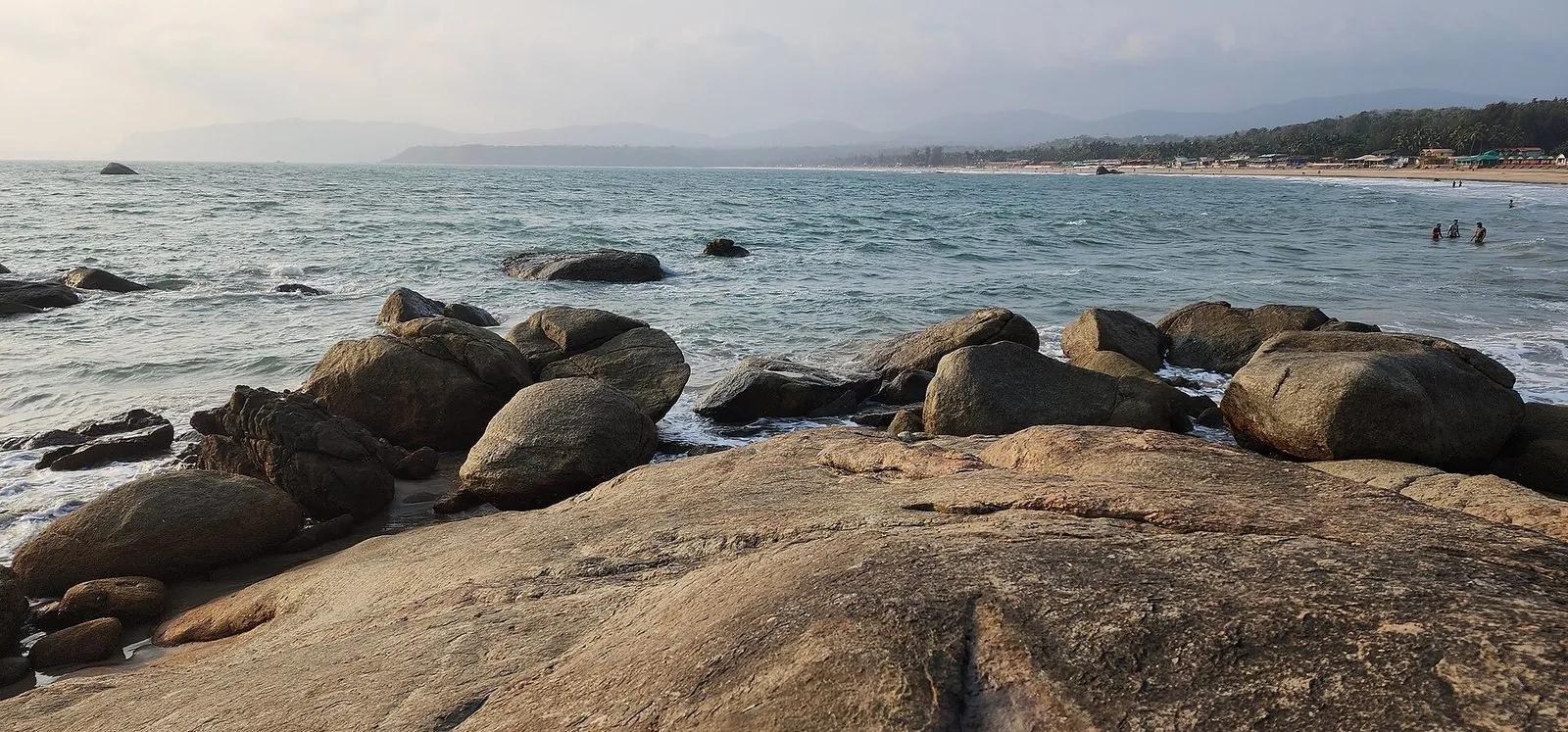
Solo Female Travel in Goa: An Honest Safety Guide
An honest, balanced safety guide for women travelling to Goa alone: why it's comparatively safe and loved by many yet has a real, worsening harassment problem concentrated on the party beaches, where to base for a calmer trip, and the practical choices that tilt the odds in your favour.

Working Remotely from North Goa: The Honest Digital-Nomad Guide
An outsider's honest guide to working remotely from North Goa: why it isn't the beach-office of the photos, the power-and-internet problem that decides everything, where to base (Assagao, Siolim, Caranzalem), the cost, solo-female safety, and how to be a good guest rather than a coloniser.
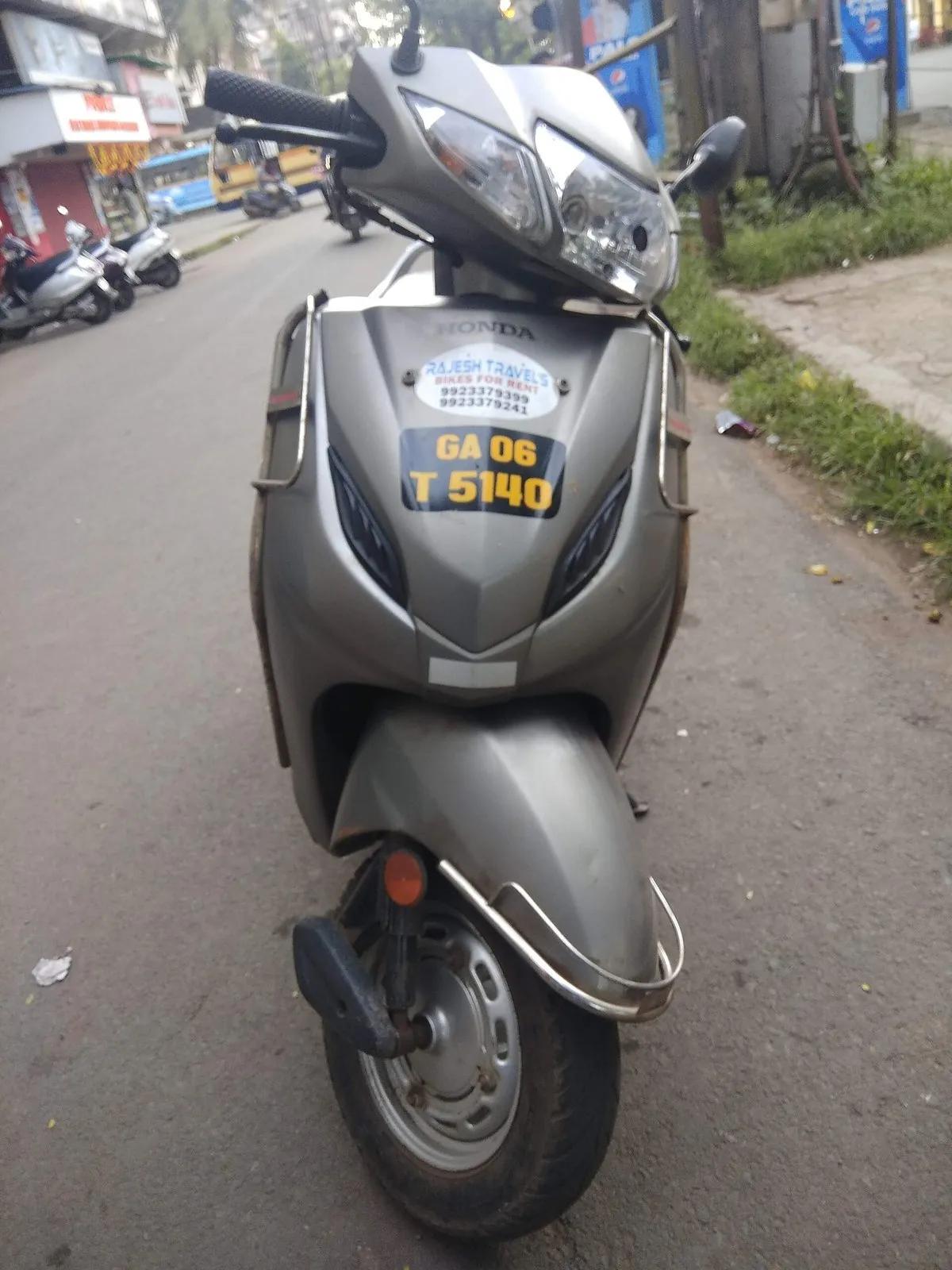
Getting Around Goa: The Taxi Problem, and Why You Just Rent a Scooter
An outsider's honest guide to getting around Goa: why there's no real Uber or Ola, how the fixed-fare taxi cartel works, why renting a scooter is the answer (and how to avoid the rental scams), where the GoaMiles app actually works, the buses, and the one golden rule.