Solo Female Travel in Goa: An Honest Safety Guide
Is Goa safe for a woman travelling alone? The honest answer is two answers at once, and anyone who gives you only one of them is selling something. On the one hand, Goa is one of the more relaxed, liberal places in India, it is comparatively safe, and a great many women travel there solo, love it, and come back. On the other, harassment is real here, it has got worse in recent years, and it concentrates heavily in a few specific places. Both of those are true, and holding both is the key to a good trip. This guide lays out the honest picture, straight from women who go, and the practical choices that tilt the odds firmly in your favour.
I write for Refuje and I do not live in Goa, and I am not a solo female traveller, so nothing here is my lived experience; it is drawn from women and locals on r/Goa and r/goatravel describing theirs, quoted and attributed. I am relaying it, not ruling on it, and you know your own limits better than any guide does. What the accounts agree on is encouraging in one way and clear-eyed in another: Goa is very doable solo and often wonderful, and the single biggest thing in your control is where you choose to be.
The reassuring part, first
Start with what is genuinely good, because it is real and it gets drowned out. By Indian standards Goa is comparatively safe and relaxed for women, and locals are rightly a bit proud of it; as one commenter put it, it is comparatively safer, which is a huge win, even if it can still be better. Plenty of women do long, happy solo trips and stays here, and some fall for it hard, one described spending two to four months a year in Goa and being energised by it every time. The culture is more easy-going than much of the country, foreign and Indian women travel here in large numbers, and the infrastructure for independent travel, hostels, scooter rentals, a real backpacker scene, is well established. So this is not a place to be scared of. It is a place to be sensible in, and the sensible choices are specific and easy to make.
The honest problem, and where it lives
Now the part the tourism board leaves out. Harassment, the staring, the catcalling, the being followed, sometimes worse, is a real and, by many accounts, worsening problem, and the striking thing is how geographically concentrated it is. Women describe Goa as having changed: several say it felt markedly freer and safer a decade or so ago, and that it has soured as a particular kind of rowdy, entitled tourist crowd has arrived in bigger numbers, egged on by social-media reels that sell certain beaches as a free-for-all. One woman wrote about being groped, catcalled and stared at relentlessly at Arambol, once a calm, hippie-ish beach, and others in the thread agreed it had tipped in the last few years. The pattern locals point to is clear: the trouble clusters on the packed party strips, Baga and Calangute above all, and increasingly Arambol, and it is driven by the day-tripping party mob, not by Goans, who find the same crowd a nuisance. There is also a real problem of voyeurism and covert filming of women, which has made the papers. None of this is meant to frighten you off. It is meant to point you, very deliberately, at the other Goa, because the quiet villages, the calmer far-north beaches and the south are a completely different and much easier experience.
How to actually travel safely here
Almost all of the practical advice follows from that one geographic fact, so lead with it: base yourself away from the party strips. Sleep in a village, Assagao, Morjim, Mandrem or the quieter north, or head south to Palolem or Agonda, where a commenter noted it is affordable and, in her word, safe, with plenty of cafes and stays. You can still visit Baga or a club for a night out, ideally in a group, but you do not have to wake up in the middle of it. The second big lever is independence: rent a scooter. Your own wheels free you from depending on anyone, and specifically from the after-dark taxi problem, which is real, since Goa has both a fixed-fare taxi cartel and a serious drink-driving culture. Sort out how you get home before you go out, and never get on a scooter, or into a stranger's car, after drinking. Beyond that, the usual solo-travel sense applies, sharpened a little: keep an eye on your drink, be aware that filming happens and position yourself accordingly, choose stays with good recent reviews from women, keep someone posted on your plans, and trust your instincts the instant a place or a person feels off, they are usually right. And on the beach in the monsoon, a separate warning that has nothing to do with people: do not swim. The currents from June to September are lethal and the flags are red for a reason.
Comparatively safer, which is a huge win, but still can be better. It is not zero, and pretending it is does not help anyone.
| The party-beach Goa | The quiet-village Goa | |
|---|---|---|
| Where | Baga, Calangute, the Arambol party crowd | Assagao, Morjim, Mandrem, Palolem, Agonda |
| The hassle | Where the staring and catcalling concentrate | Far calmer, much less tourist-mob attention |
| At night | Rowdy, drunk crowds | Quiet, but sort your own transport home |
| Best for | A night out, in a group | A comfortable solo base to actually stay in |
Solo in Goa, sensibly. Base away from the party strips: a village like Assagao, Morjim or Mandrem in the north, or Palolem and Agonda in the south, not Baga or Calangute. Rent a scooter for independence and to avoid the after-dark taxi problem, and never ride or get into a car after drinking. Sort your transport home before a night out, ideally travel back in a group, and keep an eye on your drink. Choose stays with strong recent reviews from women, tell someone your plans, and trust your instincts the moment something feels wrong. Be aware that covert filming happens. And in the monsoon (June to September), do not swim; the currents are deadly and every beach is red-flagged. None of this should stop you, it should just steer you to the calmer, better Goa. Conditions change, so check current advice too.
- The honest answer
- Goa is comparatively safe for solo women by Indian standards, and many travel there alone and love it. But harassment is a real and worsening problem, heavily concentrated in a few places, so it is doable and rewarding solo, not risk-free, and your choices matter a lot.
- Where it is a problem, and where is not
- The staring, catcalling and worse cluster on the packed party strips, Baga and Calangute above all, and increasingly Arambol, driven by a rowdy day-tripping tourist crowd. The quiet villages, the calmer far-north beaches and the south (Palolem, Agonda) are a much easier, calmer experience.
- The single best move
- Base yourself away from the party strips, in a village like Assagao, Morjim or Mandrem or down south, and rent a scooter for independence. Between them, those two choices remove most of the hassle and the after-dark transport risk in one go.
- The main things to watch
- Harassment on the party beaches, covert filming of women, and getting home safely at night in a place with a fixed-fare taxi cartel and a drink-driving problem. Keep an eye on your drink, never ride or travel after drinking, and choose stays with good recent reviews from women.
- A monsoon note
- Separate from people entirely: from June to September the sea is red-flagged and the currents are lethal, so do not swim whatever the season looks like. The monsoon is a fine time to visit for the green and the calm, but treat the water as off-limits.
The short version is the same as the long one: Goa is a good place to travel solo as a woman if you point yourself at the quiet, lived-in Goa rather than the party mob, which is exactly the Goa this series keeps championing. It is worth reading the wider case for the Goa beyond the obvious beaches, and, if you are deciding where to base, our honest guide to North Goa versus South Goa, since the calmer half is often the easier one solo. You can see the North Goa experiences that are currently bookable on the North Goa things-to-do page.
Common questions
Is Goa safe for solo female travellers?
Broadly yes, with honest caveats. By Indian standards Goa is comparatively safe and relaxed for women, and large numbers travel there solo, enjoy it and return. At the same time, harassment is real and, by many womens accounts, has worsened in recent years, and it concentrates heavily on the packed party beaches. So Goa is very doable and often wonderful solo, but not risk-free, and the biggest factor in your favour is where you base yourself: the quiet villages and the south are far calmer than the Baga-Calangute party strip. Go with sensible precautions and the right choice of base, and most women have a genuinely good time.
Which areas of Goa are safest for a woman travelling alone?
The quiet, residential and less party-focused areas. In the north, villages like Assagao, and the calmer far-north beaches such as Morjim, Mandrem and Ashwem, are much easier than the crowded strips. The south, especially Palolem and Agonda, is calmer again and widely described by women as comfortable and affordable to base in. The places to be wary of, particularly at night, are the mass-tourism party beaches, Baga and Calangute above all, and increasingly Arambol, where the rowdy day-tripping crowd concentrates. You can still visit these for a night out, ideally in a group, but they are not the best place to stay solo.
Is there harassment of women in Goa?
Yes, and it is honest to say so. Women report staring, catcalling, being followed and sometimes groping, along with a real problem of covert filming, and many feel it has got worse as a particular kind of rowdy, entitled tourist crowd has grown, amplified by social-media reels selling certain beaches as a free-for-all. Tellingly, it is geographically concentrated on the packed party strips and driven by day-tripping tourists rather than by Goans, who find the same crowd a nuisance. Away from those strips, in the quiet villages and the south, the experience is markedly calmer. Being aware of the problem and choosing where you spend your time is the most effective response.
What safety tips matter most for solo women in Goa?
A handful of specific choices do most of the work. Base yourself away from the party strips, in a quiet village or the south rather than Baga or Calangute. Rent a scooter for independence, which also avoids the after-dark taxi problem, and never ride or get into a car after drinking. Plan how you get home before a night out, ideally travel back in a group, and keep an eye on your drink. Choose accommodation with strong recent reviews from women, tell someone your plans, be aware that covert filming happens, and trust your instincts immediately if something feels wrong. And in the monsoon, do not swim, regardless of how calm the sea looks.
Is Goa safe for women at night?
It depends heavily on where you are and how you get around. In quiet villages and calmer areas, evenings are generally relaxed. The party strips, Baga, Calangute and the busier bits of Arambol, get rowdy and drunk at night and are where harassment concentrates, so treat them as a night-out-in-a-group thing rather than a place to wander alone late. The bigger night-time risk for everyone is transport: Goa has a fixed-fare taxi situation and a serious drink-driving culture, so sort out a safe way home before you go out, never ride a scooter or get into a car after drinking, and do not rely on flagging something down alone at 2am. Plan the journey home as carefully as the night itself.
Is it safe for a solo woman to visit Goa in the monsoon?
In terms of people, the monsoon is arguably calmer, since the party-tourist crowds thin out and the villages and interior are quiet and green, which many solo travellers enjoy. The real monsoon danger is the sea, not the streets: from June to September the currents are lethal, every beach is red-flagged, and swimming is genuinely dangerous, so treat the water as off-limits whatever it looks like. Getting around is also slower and wetter, so a rented car or a well-planned scooter day helps. If you come to disconnect, enjoy the green and the calm and stay out of the sea, a monsoon solo trip can be lovely and low-key; just do not go in the water.
Sources and a note on this guide
A word on where this comes from, because it matters here more than usual. I write for Refuje, I do not live in Goa, and I am not a solo female traveller, so none of this is my own experience. It is women and locals on r/Goa and r/goatravel describing theirs: the reassurance, the harassment accounts, the note on covert filming, the practical fixes. I have relayed and attributed it, not ruled on it. And I have kept the pattern people describe, that the trouble clusters on the party strips and rides in with a particular tourist crowd, while leaving out the uglier regional slurs some of those threads reach for. Treat this as a starting framework, not the last word. You know your own limits better than any guide, and safety conditions shift, so cross-check current advice. The threads were read in August 2026.
- The comparatively-safe framing and the accounts of women who travel and live in Goa happily: attributed r/Goa threads, quoted inline.
- The harassment accounts, the it-has-got-worse pattern, its concentration on the party strips (Baga, Calangute, Arambol), and the covert-filming problem: attributed r/Goa threads, quoted and, where necessary, summarised without the regional slurs.
- The practical advice (base away from the strips, rent a scooter, the after-dark transport and drink-driving risk, the calmer south, and the lethal monsoon currents): attributed r/Goa and r/goatravel threads, quoted inline.
Safety is personal and conditions shift, so treat this as an honest starting point, cross-check current advice, and above all trust your own judgement. If you travel Goa solo and know the current reality better than these sources do, that is the correction this guide should carry, so tell us.
You Might Also Like
Edge City India 2026: The Practical Guide
Three weeks in Mandrem, North Goa. October 11 to November 1, 2026. Hundreds of founders, researchers, engineers, and creators living and building on a stretch of beach that is usually known for yoga retreats and quiet cafés, not hackathons. If you have applied, or you are wondering whether you...

Working Remotely from North Goa: The Honest Digital-Nomad Guide
An outsider's honest guide to working remotely from North Goa: why it isn't the beach-office of the photos, the power-and-internet problem that decides everything, where to base (Assagao, Siolim, Caranzalem), the cost, solo-female safety, and how to be a good guest rather than a coloniser.
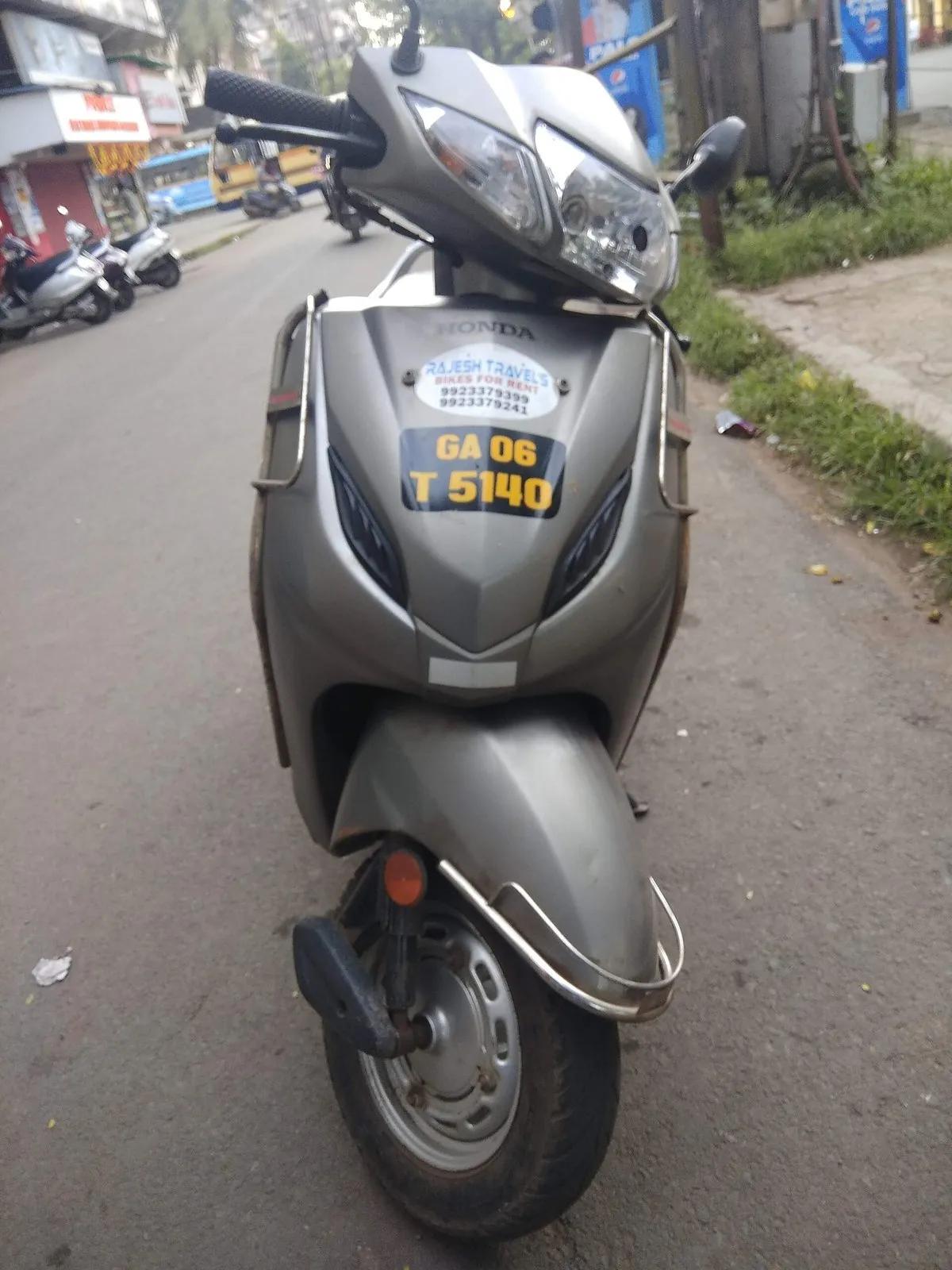
Getting Around Goa: The Taxi Problem, and Why You Just Rent a Scooter
An outsider's honest guide to getting around Goa: why there's no real Uber or Ola, how the fixed-fare taxi cartel works, why renting a scooter is the answer (and how to avoid the rental scams), where the GoaMiles app actually works, the buses, and the one golden rule.