Is Goa Overrated? Beyond the Beaches, the North Goa Locals Actually Protect
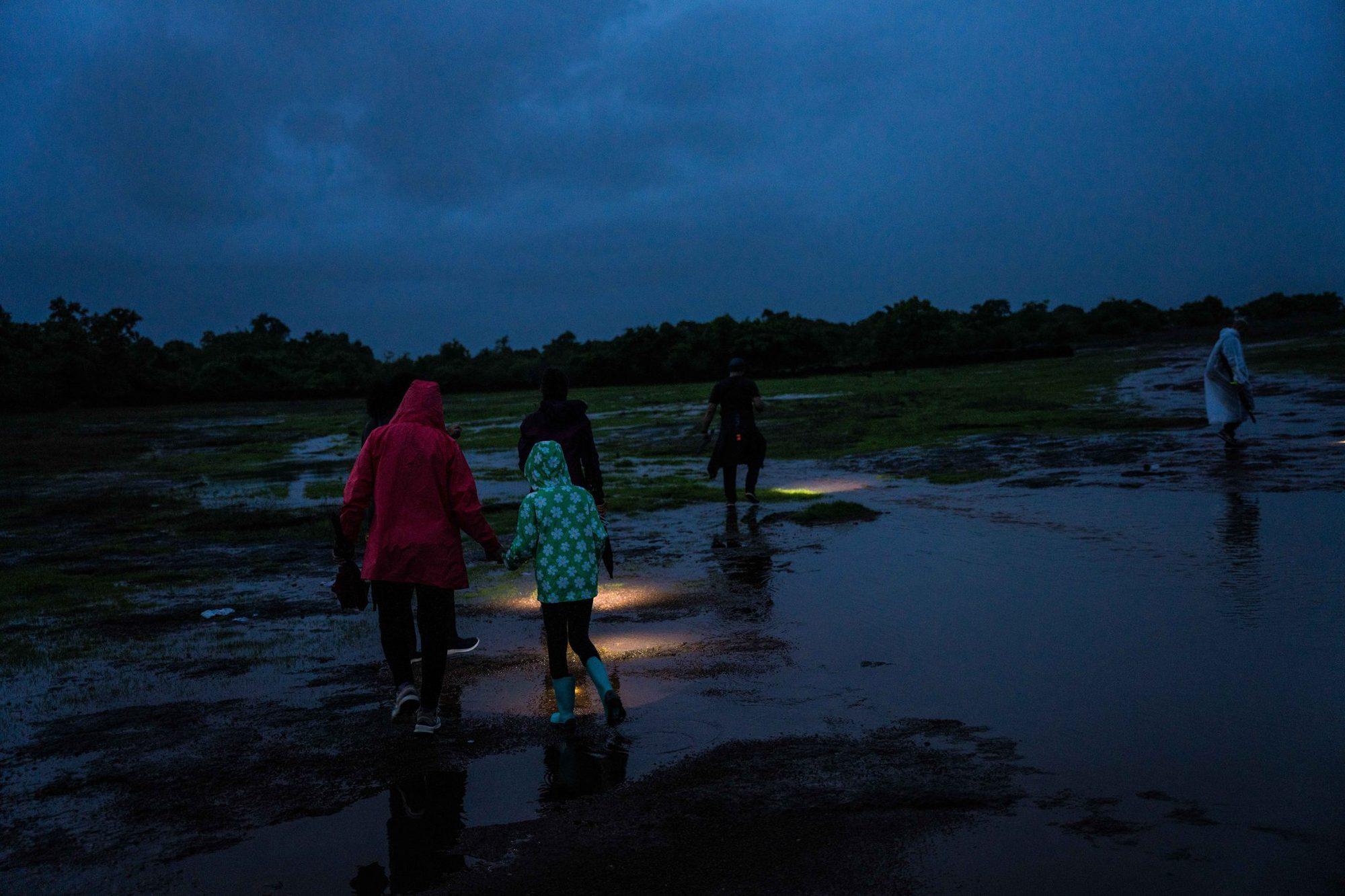
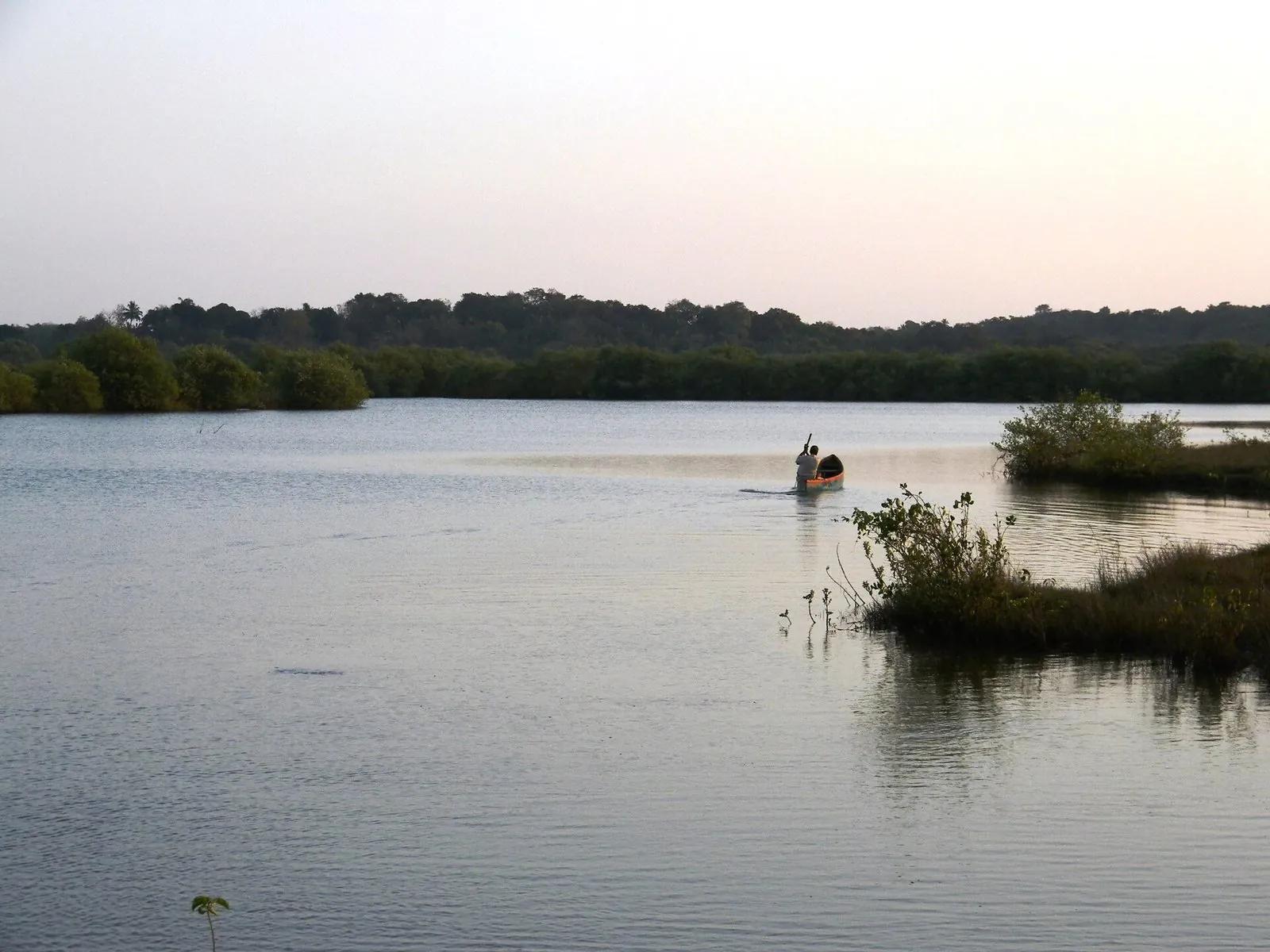
Two photographs, both taken in North Goa on the same afternoon. In the first, Calangute beach in season: a wall of people, jet skis, drink shacks selling Kingfisher by the crate, and a strip of sand you can barely see for the crowd. In the second, a backwater twenty minutes inland at dusk, one person paddling a canoe past the mangroves, a single wading bird, and nobody else at all. Same district. Two completely different holidays. Almost everyone books the first and then wonders, quietly, if Goa was oversold.
I do not live in Goa, so treat this as a careful reading of what Goans and repeat visitors say online, not a local telling you where to go. Here is the short version, and Goa residents say it more bluntly than I would: the famous beaches are overrated, and they know it. Goa is not. The Goa worth the trip is the quiet one just behind the coast, the villages and islands and backwaters and forest. And the people who still have that Goa are protective of it, for good reasons, so the whole point of this guide is how to go there without becoming the problem.
The beaches even the locals stopped defending
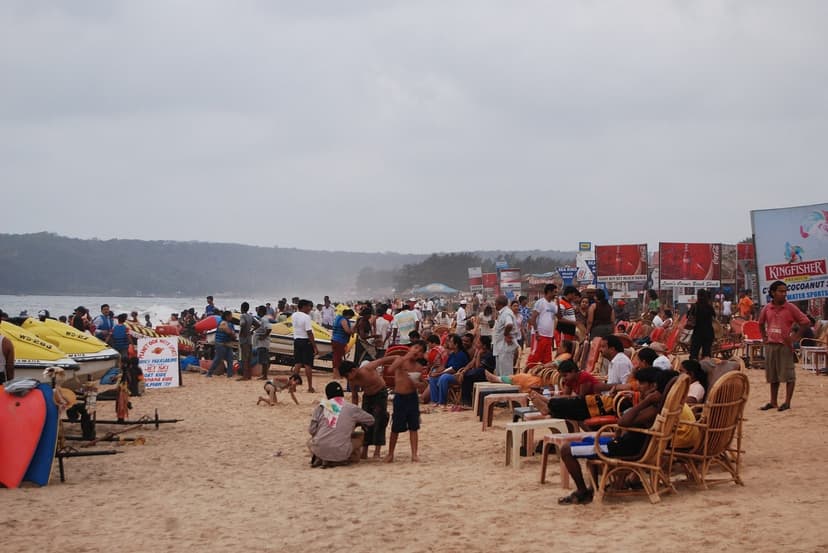
Ask r/Goa which places are overrated and you get the same answer on a loop. One thread titled exactly that filled up fast: Baga and Calangute top nearly everyone's list, with Anjuna and Vagator close behind. A resident summed the mood up in one line, that these beaches are nothing compared to what they used to be. Another was blunter, calling Baga the shittiest beach with the worst possible crowd. A third, mourning the change rather than the sand, said the vibe is just not the same any more.
This is not snobbery about tourists, and it is worth being clear about that, because Goa runs on tourism and most Goans will tell you so. It is a specific complaint about a specific strip: the north-coast belt from Candolim up through Calangute, Baga, Anjuna and Vagator that has been built and partied and Instagrammed into something that no longer resembles what pulled people here in the first place. If your Goa is those four beaches in December, the overrated verdict is fair. The mistake is thinking that strip is Goa.
- The overrated Goa
- The north-coast beach belt: Candolim, Calangute, Baga, Anjuna, Vagator. Crowded, built up, and, by local consensus, past its best.
- The other Goa
- Just behind it: Bardez villages, the Mandovi islands and backwaters, Portuguese forts, and the forest of the Western Ghats inland.
- How to see it
- Slowly and low-impact. On a bike, in a kayak, on foot, with local operators, spending in the villages you pass through.
- When
- The greenest months are the monsoon and just after (roughly June to October); the driest are November to February. The backwaters and forest are year-round.
- The one rule
- Go as a guest, not a crowd. The quiet places are quiet because locals guard them; do not turn the next one into Baga.
The other Goa: islands, villages and backwaters
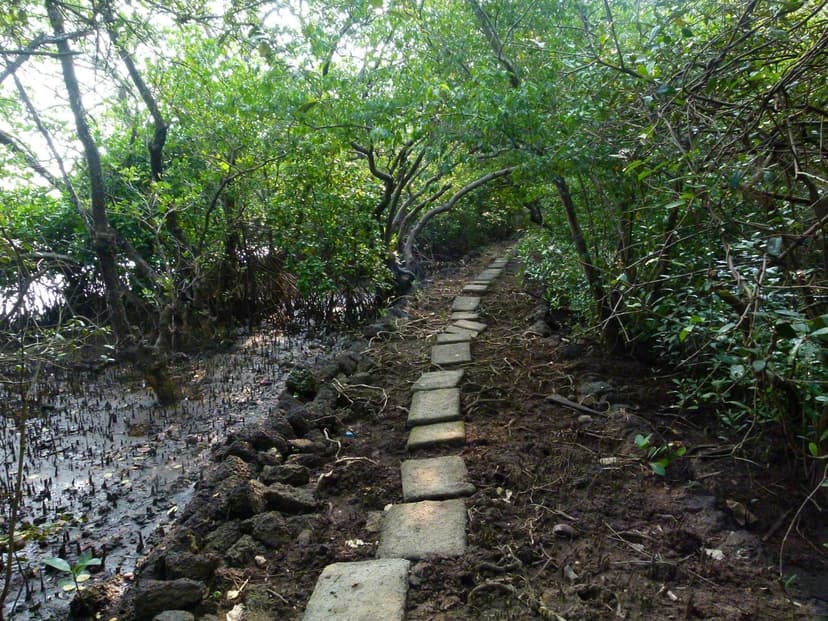
Step off the beach road and Goa changes within a couple of kilometres. The Bardez hinterland, villages like Moira and Parra and Aldona, is coconut palms and tiled Portuguese-era houses and lanes with almost no traffic. The Mandovi river breaks into a handful of islands, Chorao and Divar and Calvim among them, reached by small ferries and ringed with mangroves. On Chorao's western tip sits the Salim Ali Bird Sanctuary, an estuarine mangrove reserve named after the great Indian ornithologist, where the water and the birds do the work and there is nothing to buy.
Goans talk about these places with real tenderness. One, defending a quiet island against the idea that it was boring, said it was not dead but preserved, like a time capsule. Another, describing a recent visit, said it simply felt peaceful. A third captured the appeal in a sentence that would make any beach-belt hotelier weep: it is one of the few places in the country where you can go around an island and meet only three or four people. That is the Goa the crowd numbers never touch, and it is close enough to the airport to reach in an afternoon.
A word before you go: the island is not the next Baga
Here is the part most guides leave out, and it is the most important part. The same Goans who love these quiet places are watching them get discovered, and they are not thrilled about it. On a thread about whether a bridge should connect one sleepy island to the mainland, residents pleaded, only half joking, to be left alone: please leave that island alone, choose your poison from elsewhere. One, whose family has an ancestral home on Chorao, said plainly that they would never sell to builders because they like the peace and quiet, and want to keep it. Under the worry is a real fear, that first it was the beaches, then the seafront, and now the last quiet islands.
You can read that as a locked gate, or you can read what they are actually asking for, which is not that different from good manners. The clearest voice on the thread put it as a deal, not a ban.
We dont mind people coming. We just ask for something reasonable: respect Goan culture, and dont destroy the environment.
That is the whole ethic of this guide. The quiet Goa is not a resource to extract a weekend from; it is somewhere people live. So go, and go gently. Keep to a handful of people, not a convoy. Spend your money in the village you are riding through, not only at the hotel you drove from. Take your rubbish out. And do not turn a lane or a jetty into a photo set, the way, on another thread, a Parra resident raged about visitors blocking the road for the perfect palm-tree shot while locals waited. The reward for going quietly is that the quiet survives the visit.
The low-impact test for any quiet-Goa plan: are you in a small group or a crowd? Are you moving under your own power (bike, kayak, feet) or in a line of cars? Is your money reaching the village, or only the resort? Are you photographing the place or performing in it? Get those four right and you are the visitor locals said they do not mind. Get them wrong and you are the reason the next island wants a moat.
What to actually do, with people who live there
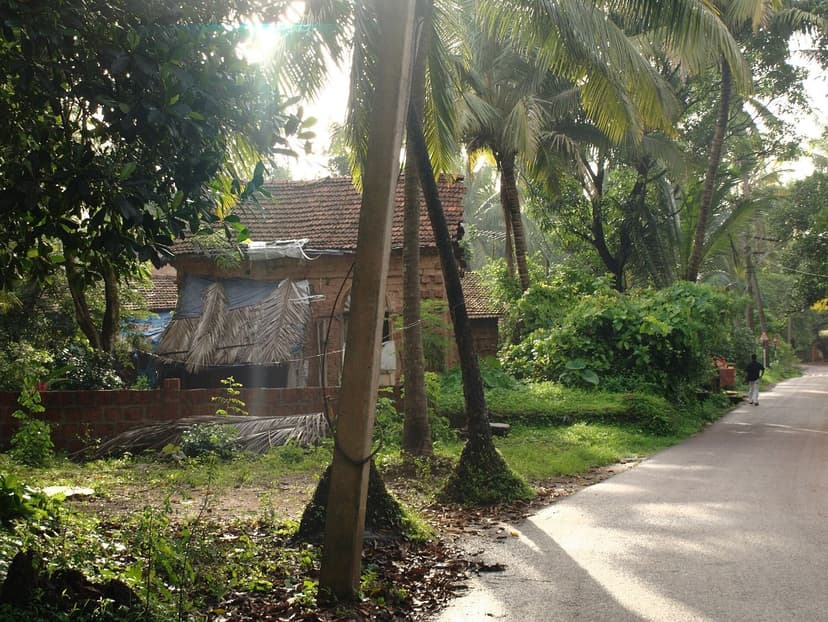
The good news is that the low-impact way to see this Goa is also the most fun, and small local operators already run exactly these trips. You do not need to work it out alone, and going with a Goan guide is both easier and squarely the right thing: the money stays local and someone who knows the lanes keeps you off the ones that are somebody's front yard.
Three broad ways in. By bike, along the village back roads of Bardez, through Parra and Moira and out to the forts, which a local outfit called Cyclingzens runs as guided rides and easy e-bike tours, including one across Chorao island. By kayak, through the Mandovi backwaters and the Chorao mangroves, watching for the birds Salim Ali's sanctuary is named for, run by small paddling operators like Moira Kayaking and the nature specialists at Beatroute Explorers. And on foot, into the inland forest for a nature trail, a night walk listening for what the day hides, or a scramble to a Western Ghats waterfall. None of it involves a beach lounger, and all of it leaves the place much as it found it.
| The overrated Goa | The other Goa | |
|---|---|---|
| Where | Calangute, Baga, Anjuna, Vagator | Bardez villages, Mandovi islands, inland forest |
| How | Lounger, shack, taxi, repeat | Bike, kayak, on foot, with a local guide |
| Crowd | Thousands, in season | A handful, most days |
| Your money | Mostly the resort and the beach shack | The village operator and the places you pass |
| What you take home | The same photos as everyone else | A day the crowd numbers never reached |
Forts, palm roads and the slow way to see them
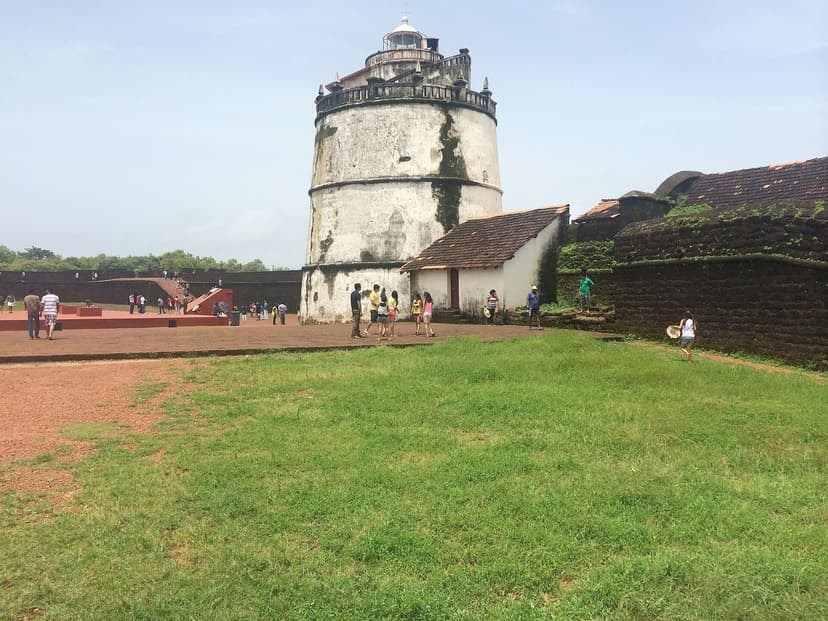
Some of the beach-belt landmarks are worth it, if you reach them the slow way rather than fighting the coast-road traffic. Fort Aguada, the Portuguese fort and lighthouse built above Sinquerim in 1612, still commands the mouth of the Mandovi and the Arabian Sea, and it is a far better morning by bike through the back lanes than by taxi through Candolim. Inland, the village of Parra is known for the coconut-palm avenue that a cycle route can roll straight down, the one whose fame is now its problem. That is the quiet-Goa lesson in miniature: the road is beautiful because it is a working village lane, and it stays beautiful only if visitors treat it as one.
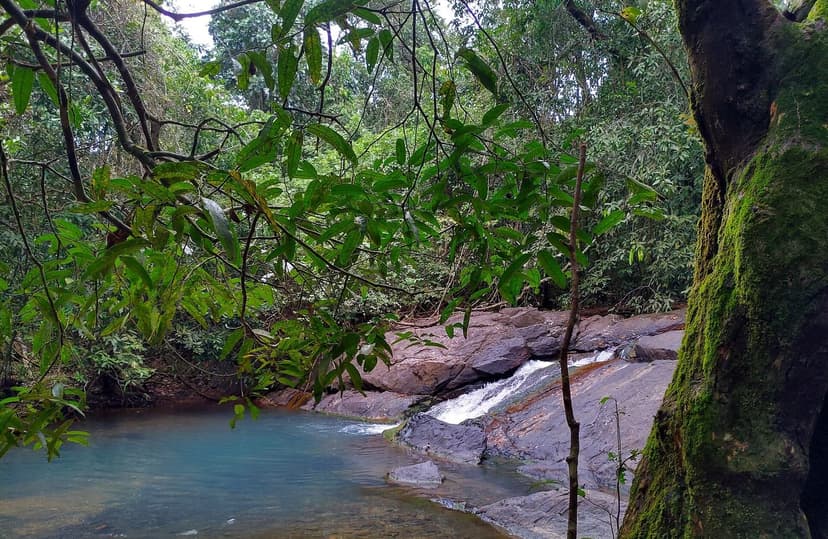
Push further inland and Goa turns green and wet and almost unrecognisable to anyone who only knows the sand. The Western Ghats rise on the eastern edge of the state into thick forest laced with streams and small waterfalls, best in and just after the monsoon. This is the Goa of nature trails and birdsong and the odd leech, not sunbeds, and it is where a guided forest walk or a waterfall trek earns its place. Go with someone who knows the ground; some of these trails cross sanctuary land and private estates, and a guide is the difference between a welcome and a trespass.
Because Goa is a beach brand, the inland and backwater experiences are run by a scatter of small local operators rather than one big desk, so book directly with the people who run them: cycle and e-bike outfits for the villages and forts, kayak operators for the backwaters and Chorao mangroves, and nature specialists for the forest walks and waterfall trails. You can see and book the current North Goa experiences on Refuje, the village cycling and island cycling rides among them, with the wider set on the North Goa things-to-do page. Every one is run by exactly this kind of small, local, low-impact operator, which is the only kind that belongs in the quiet Goa.
So, is Goa overrated?
The beaches, mostly yes, at least the famous four in high season, and the people who live there will be the first to tell you. But that is a verdict on a strip of coast, not on Goa. Ten minutes behind it is a state of quiet islands, palm-lined village lanes, mangrove backwaters and forest waterfalls that no one is calling overrated, because the crowd never found it, and because the crowd, frankly, would spoil it.
So skip the argument about whether Baga is worth it. It probably is not. Point yourself at the other Goa instead, go by bike or kayak or on foot, keep your group small and your footprint light, spend your money in the villages, and take the locals at their word: they do not mind you coming, as long as you come kindly. Do that, and the honest answer to whether Goa is overrated is no. You were just looking at the overrated ten per cent.
Common questions
Is Goa overrated?
The famous north-coast beaches, Calangute, Baga, Anjuna and Vagator, are widely called overrated, and Goa residents themselves say the crowds and building have cost them their old character. But that is a verdict on one strip of coast. The quieter Goa just inland, its villages, Mandovi islands, mangrove backwaters and Western Ghats forest, is not overrated at all, because the crowds have not reached it.
What is there to do in North Goa besides the beaches?
A lot, and most of it is quieter and cheaper than the beach belt: cycling the Bardez village back roads through Parra and Moira and out to Fort Aguada, kayaking the Mandovi backwaters and the Chorao mangroves with their birdlife, and forest walks, night trails and waterfall treks in the inland Western Ghats. These are best done with small local operators on foot, by bike or by kayak rather than by car.
Which parts of North Goa are the least crowded?
The hinterland just behind the north coast: Bardez villages like Moira, Parra and Aldona; the Mandovi river islands of Chorao and Divar, reached by small ferries; and the forested inland east of the state. The Salim Ali Bird Sanctuary on Chorao is a protected mangrove reserve that stays quiet. Residents describe these islands as places where you can go around and meet only a few people.
Is it okay to visit Goas quiet islands and villages as a tourist?
Yes, if you go respectfully. Some Goans are openly protective of the quiet islands and villages, worried they will be spoiled like the beaches were, but the common ask is reasonable: come in small numbers, respect the culture and environment, spend locally, take your rubbish out, and do not treat lanes and jetties as photo sets. Going with a local guide and under your own power, by bike, kayak or on foot, is the low-impact way that locals say they do not mind.
When is the best time to see the green, inland Goa?
The monsoon and the weeks just after it, roughly June to October, when the Western Ghats forest is greenest and the waterfalls actually run. The backwaters and mangroves are rewarding year-round, and November to February is the dry, comfortable season for cycling and kayaking. High-season December is the busiest and the priciest everywhere.
How do I get to Chorao and the Salim Ali Bird Sanctuary?
Chorao is a mangrove island in the Mandovi river, reached by a short ferry from Ribandar near Panjim. The Salim Ali Bird Sanctuary sits on the islands western tip and is best explored slowly, on foot along its boardwalks or by kayak through the mangroves with a local operator, watching for the estuary birdlife it is named for. It is a protected reserve, so keep quiet and keep to the trails.
Is North Goa good for cycling?
The back roads are, though the coast road is not. The Bardez village lanes through Parra, Moira and Aldona, and the quieter routes out to Fort Aguada, are flat, shaded and low-traffic, which is why local outfits run guided cycle and e-bike tours on them. Avoid the crowded beach-belt roads. Early morning is best for the light, the quiet and the heat.
Are the quiet-Goa experiences run by local operators?
Yes, and that matters. Because Goa is marketed as a beach destination, the inland and backwater trips are run by a scatter of small local operators, cycle and e-bike outfits, kayak paddlers and nature specialists, rather than big chains. Booking with them keeps your money in the villages you visit and puts a knowledgeable local between you and the places that are somebodys home.
Sources and a note on this guide
I write for Refuje and I do not live in Goa. The verdict on the beaches, the pull of the quiet islands and villages, and above all the request to visit them gently are drawn from Goans and repeat visitors talking about their own state on r/Goa, quoted and attributed as it appears. I have deliberately left out the sharper anti-outsider comments on those threads; the point here is the reasonable ask that most residents actually make, not the angriest version of it. The place facts were checked against current sources in July 2026.
- Fort Aguada (Portuguese fort and lighthouse, built 1612, Sinquerim), the Salim Ali Bird Sanctuary and Chorao island mangroves on the Mandovi, and the Bardez villages of Parra and Moira: Wikipedia and standard references, with coordinates verified against Wikipedia.
- The overrated-beaches verdict, the quiet-island appeal, and the residents request to come respectfully and spend locally: attributed r/Goa threads, quoted inline. The sharper anti-outsider comments on those threads are deliberately excluded.
- The experiences described, village and fort cycling and e-bike rides, backwater and mangrove kayaking, and forest and waterfall walks, are run in North Goa by small local operators; specific trips and operators are named as examples, not endorsements.
Access, ferry timings and which trails are open change, and some cross protected or private land, so confirm locally and go with a guide where the ground calls for it. If you are from Goa and think this guide gets your home wrong, that is the correction it should carry, so tell us.
You Might Also Like
Edge City India 2026: The Practical Guide
Three weeks in Mandrem, North Goa. October 11 to November 1, 2026. Hundreds of founders, researchers, engineers, and creators living and building on a stretch of beach that is usually known for yoga retreats and quiet cafés, not hackathons. If you have applied, or you are wondering whether you...
Solo Female Travel in Goa: An Honest Safety Guide
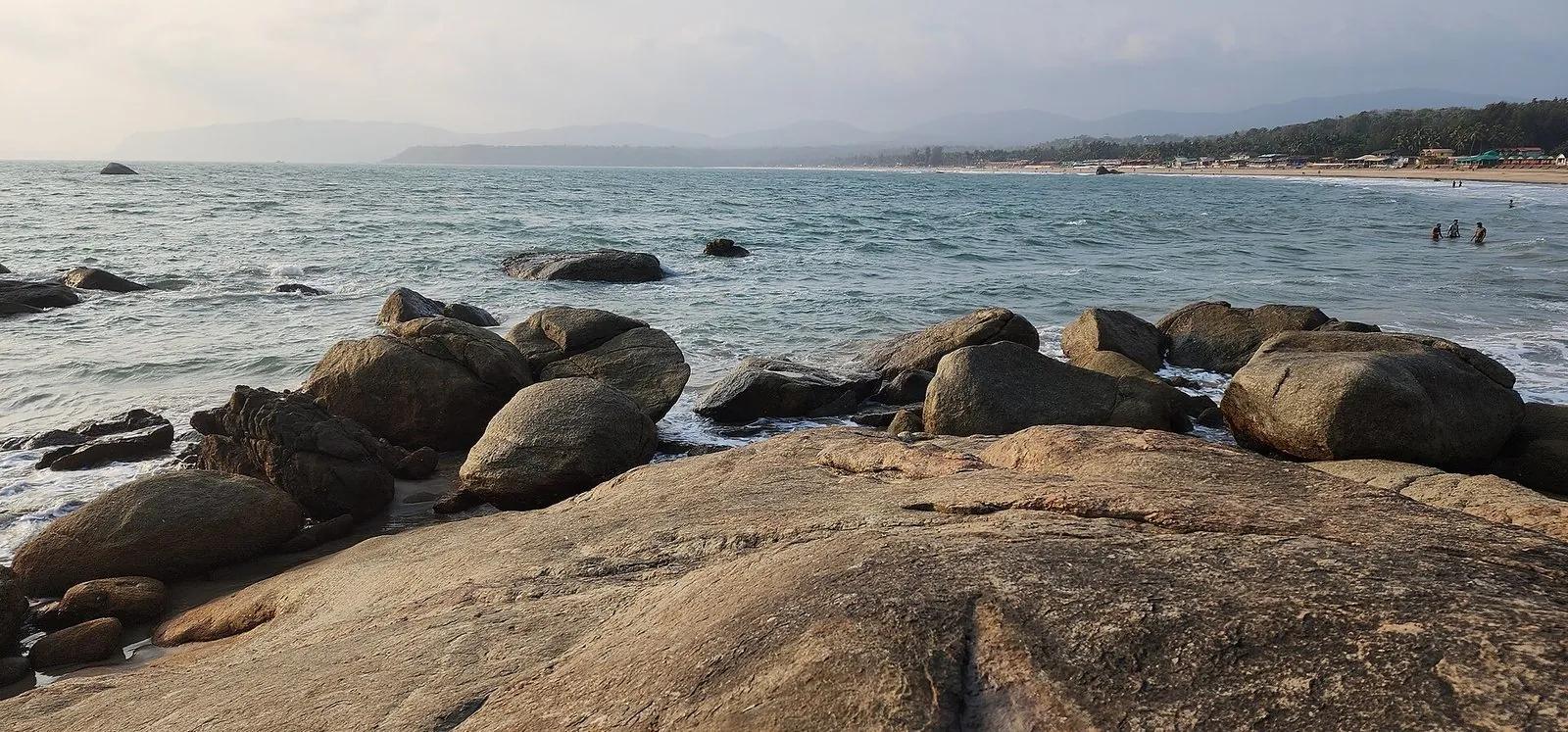
An honest, balanced safety guide for women travelling to Goa alone: why it's comparatively safe and loved by many yet has a real, worsening harassment problem concentrated on the party beaches, where to base for a calmer trip, and the practical choices that tilt the odds in your favour.

Working Remotely from North Goa: The Honest Digital-Nomad Guide
An outsider's honest guide to working remotely from North Goa: why it isn't the beach-office of the photos, the power-and-internet problem that decides everything, where to base (Assagao, Siolim, Caranzalem), the cost, solo-female safety, and how to be a good guest rather than a coloniser.