
HP Connectivity Map 2026: Where Your Phone Works (And Doesn't)
Quick answer (May 2026)
BSNL is the only network that holds across upper Himachal: Lahaul, Spiti, Kinnaur past Reckong Peo, Pangi, Bharmour, and Manimahesh trails. Jio reaches Manali, Shimla and Dharamshala with 5G but dies above Reckong Peo or past the Atal Tunnel. Airtel works to Reckong Peo and stops there. Vi is only viable in the lower hill stations. A BSNL prepaid SIM is Rs 40 in 2026 (the Rs 1 Freedom Plan offer expired 30 April 2026, per BSNL Lok Sabha briefing PIB 11 Feb 2026). Foreign passport holders use tourist eSIMs (Airalo, Holafly, Saily); the BSNL retail counter still asks for an Indian address.
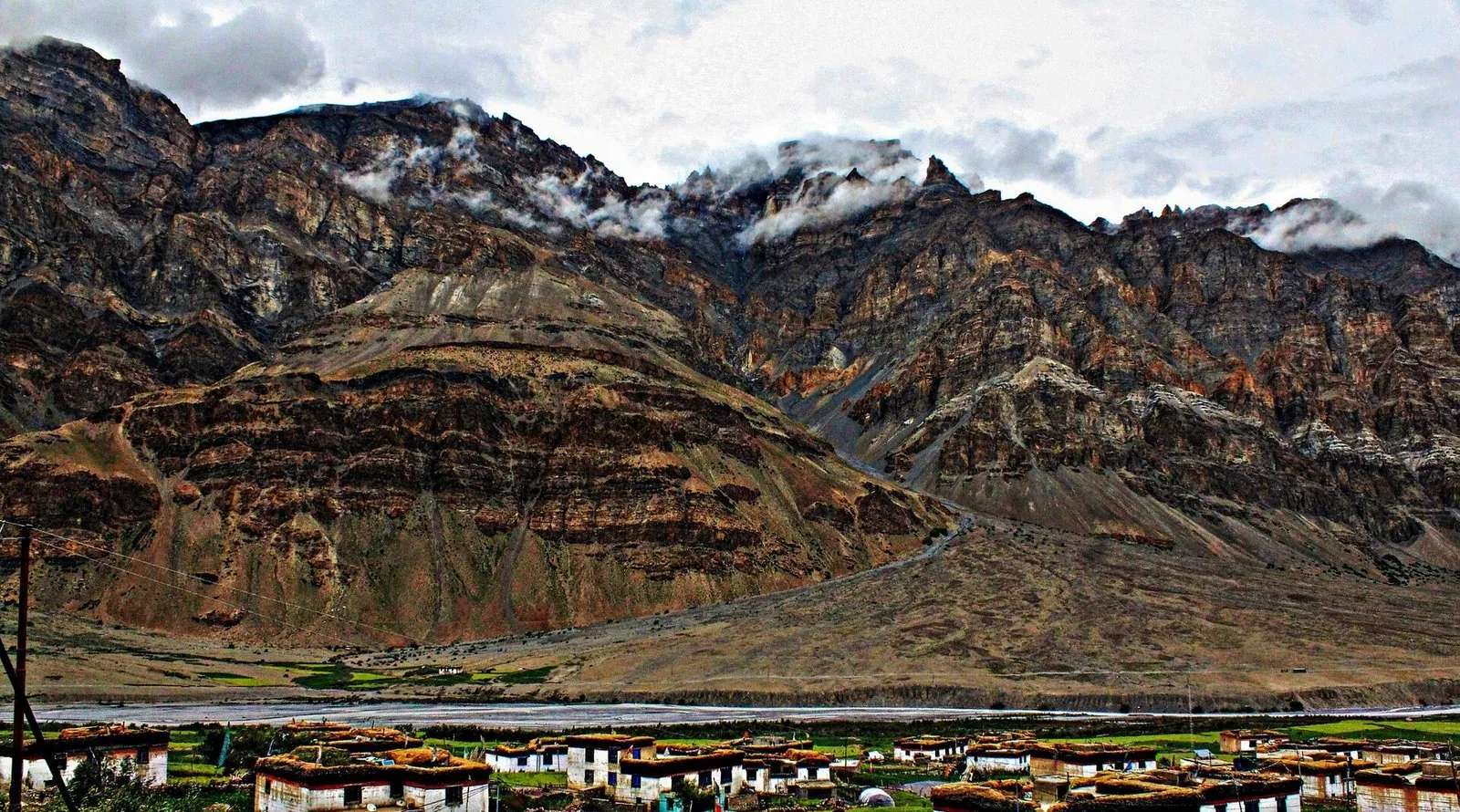
From Kalpa, where I am writing this, BSNL is the only signal that holds. Jio shows two bars on a good day and zero on a Tuesday. Airtel disappears the moment you cross past Reckong Peo. Vi never made it up the valley at all. This is not unique to my district. The whole upper half of Himachal Pradesh runs on the same rough rule, and most travellers learn it the hard way at Chandratal at 4,300 metres, holding a phone with no bars and trying to remember what the BSNL office in Manali looked like when they walked past it three days ago.
If you are heading anywhere beyond the Shimla and Manali and Dharamshala triangle this year, the connectivity map of Himachal is a thing you need to read before you pack. Not as a curiosity. As planning. UPI does not work without signal. Google Maps does not work without offline tiles. The 1077 disaster helpline does not work if your handset cannot reach a tower. I have written this from a place where almost every visiting friend has at some point handed me their phone and asked, in slight panic, why nothing is loading. The answer is almost always the same. They picked the wrong network. So below is what works where, what does not, and what to do about it before the mountains start eating your bars.
Quick facts on Himachal Pradesh mobile coverage as of April 2026.
The four carriers, plotted against the state
The single most useful sentence I can give you is this. In Himachal, BSNL covers the most ground, Jio covers the most towns, Airtel covers the most cities and a thinning bit of Kinnaur, and Vi covers almost nothing past Kullu. Everything else is detail. Below is the detail, plotted across 22 places people actually go to.
HP carrier coverage matrix, 22 places. Ratings are out of five.
| Place | Altitude | Jio | Airtel | BSNL | Vi | Best play |
|---|---|---|---|---|---|---|
| Shimla | 2,276 m | 5/5 with 5G | 5/5 with 5G | 4/5 | 3/5 | Any |
| Mandi | 1,044 m | 4/5 | 4/5 | 4/5 | 2/5 | Any |
| Manali | 2,050 m | 4/5 with 5G | 4/5 | 4/5 | 2/5 | Jio or Airtel |
| Dharamshala / McLeod Ganj | 1,457 m | 4/5 with 5G | 4/5 | 4/5 | 2/5 | Jio or Airtel |
| Bir Billing | 1,525 m | 4/5 | 3/5 | 3/5 | 1/5 | Jio plus fibre |
| Kullu | 1,220 m | 4/5 | 3/5 | 4/5 | 2/5 | Jio plus BSNL backup |
| Kasol | 1,640 m | 4/5 patchy | 3/5 | 4/5 | 2/5 | Jio plus BSNL backup |
| Dalhousie | 1,970 m | 3/5 | 3/5 | 4/5 | 1/5 | BSNL leads |
| Jibhi / Tirthan | 1,600 m | 3/5 patchy | 2/5 | 3/5 | 1/5 | BSNL plus Jio |
| Reckong Peo | 2,670 m | 2/5 | 2/5 | 4/5 | 0/5 | BSNL essential |
| Kalpa | 2,960 m | 2/5 | 2/5 | 4/5 | 0/5 | BSNL essential |
| Sangla | 2,680 m | 2/5 | 2/5 | 3/5 | 0/5 | BSNL essential |
| Chitkul | 3,450 m | 0 to 1/5 | 0/5 | 2/5 | 0/5 | BSNL only, very limited |
| Nako | 3,662 m | 1/5 | 1/5 | 3/5 | 0/5 | BSNL essential |
| Tabo | 3,280 m | 2/5 (Jio 4G) | 1/5 | 3/5 | 0/5 | BSNL plus Jio in town |
| Kaza | 3,800 m | 2/5 (Jio 4G) | 1/5 | 3/5 | 0/5 | BSNL essential |
| Losar | 4,079 m | 2/5 spot | 0/5 | 2/5 | 0/5 | BSNL plus Jio spot |
| Komic / Hikkim / Langza | 4,200 to 4,587 m | 0 to 1/5 | 0/5 | 1 to 2/5 | 0/5 | Mostly offline |
| Keylong | 3,080 m | 2/5 | 2/5 | 3/5 | 0/5 | BSNL plus Jio patchy |
| Sissu | 3,120 m | 3/5 | 2/5 | 3/5 | 0/5 | Jio plus BSNL |
| Chandratal | 4,300 m | 0/5 | 0/5 | 0/5 | 0/5 | No coverage at all |
| Pangi (Killar) | 2,500 to 3,500 m | 0/5 | 0/5 | 1/5 | 0/5 | Near zero |
A couple of things on this table are worth saying out loud, because they are the parts that surprise visitors most. Vi is not a typo. It is genuinely useless beyond the main valley towns; do not bring it as your only SIM. Airtel does fine in Kinnaur as far as Reckong Peo and then collapses across the Kinnaur to Spiti border, which is the exact stretch where you most want it. Jio is the network that is improving fastest, and it now has 4G in Kaza, Tabo and Losar at speeds people on Reddit consistently report between 15 and 30 Mbps. BSNL is the only network that is everywhere on this list, and the only network where the rating ever drops to two without dropping to zero.
Where the map goes black
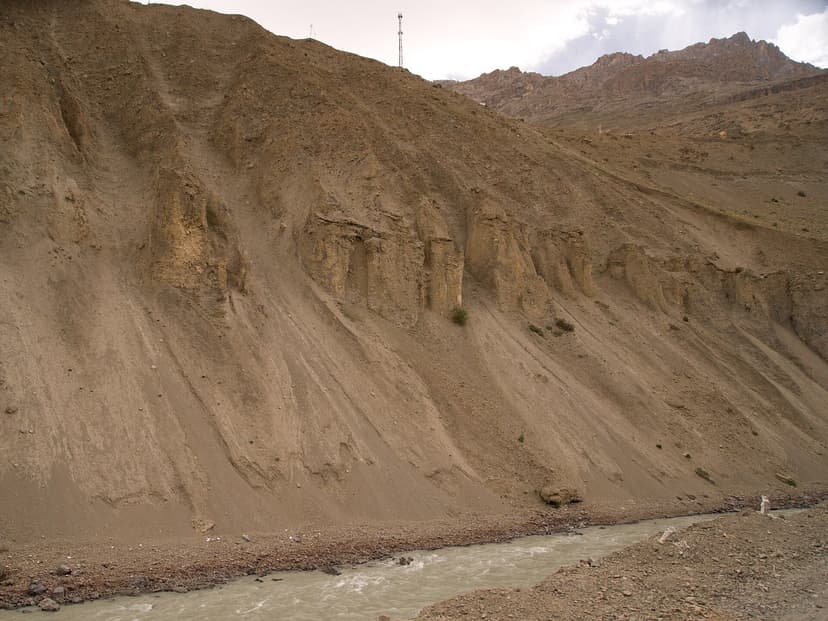
There are stretches of road in this state where every carrier turns off at the same time. They are predictable, they are named, and you should know them before you drive into one. The longest dead stretch in HP for ordinary travellers is Gramphu to Losar by way of Kunzum Pass. About 60 km, three to five hours of driving depending on weather and how badly the road has been chewed up that year, zero bars on any SIM. If you are doing the Manali side entry into Spiti, this is the section that will eat your phone alive.
Named dead zones in Himachal where no carrier works.
| Dead zone | Between | Distance | Time without signal | Note |
|---|---|---|---|---|
| Gramphu to Losar | Manali side, via Kunzum | ~60 km | 3 to 5 hours | Longest road dead stretch in HP |
| Chandratal Lake | Batal turnoff to Chandratal | ~14 km plus camp | 12 to 48 hours | No carrier at all. Plan accordingly |
| Khab to Sumdo (Ka Zigs) | Kinnaur to Spiti border | ~15 km | 1 to 2 hours | River-canyon shadow |
| Chango to Sumdo | Inside Kinnaur to Spiti transition | ~20 km | 1 to 2 hours | Towers are line-of-sight only |
| Pin Valley interior | Beyond Mikkim and Mud | ~25 km | 2 to 4 hours | BSNL 4G reached Mud in Nov 2024 but stays patchy |
| Pangi Valley interior | Beyond Killar | Variable | Hours to days | One of HP's most disconnected valleys |
| Kunzum approach | Both sides of the pass | ~10 km | 30 to 60 minutes | Altitude, no infrastructure |
The hierarchy is also worth holding in your head. City centres take everyone's 4G and 5G. Town outskirts drop Jio and Airtel first. Valley roads between towns drop everything except BSNL. Remote villages drop everything except BSNL 2G or 3G. High passes and camping areas drop the rest. By the time you are sleeping next to Chandratal, you are five steps down the ladder. You should pack like it.
The signal map of Himachal
The BSNL rule
Buy a BSNL SIM before you leave your last city. This is the single most important sentence in this article.
If you are travelling beyond Shimla, Manali or Dharamshala, BSNL is not a backup. It is the primary network for most of the route. Jio or Airtel users without a BSNL SIM are running on borrowed time the moment they cross into Kinnaur, Spiti, Lahaul or Pangi. The standard new prepaid connection costs Rs 40 as of April 2026, and the Rs 1 Freedom Plan offer with thirty days of free data still runs through 30 April 2026. The old figure of Rs 200 to 300 floating around in older travel guides is obsolete.
The reason BSNL holds where the private operators give up is geography plus policy. Under the centre's 4G Saturation drive, BSNL has been installing towers in places where the commercial return for Jio or Airtel does not justify the build. As of February 2026, the figures from the minister of communications in the Lok Sabha are 1,006 villages and 609 base transceiver stations commissioned in HP, with 104 more sites approved. The highest 4G site is at Pangmo in Spiti at around 13,020 ft, commissioned in late 2024. Kaurik, on the Indo-China border at 12,270 ft, came online around the same time. These are not numbers from a press kit. These are sites I have driven past on the way home.
The dual SIM strategy is therefore not optional, it is structural. Jio or Airtel as primary for cities and 5G. BSNL as secondary for everything else. Anyone in my district could have told you this without seeing a single line of research. The data only confirms what every Kinnauri household already runs.
The Hindi local press has been tracking this rollout village by village in a way the English-language coverage has not, and reading those stories changes how you understand the map. Punjab Kesari Himachal listed the Lahaul-Spiti towers commissioned through 2024 by name: Gue, Hul, Kibber, Kungri, Rangrik-Khar, Sagnam, Khungri. Each came with a Rs 1.3 crore install cost and a story of villagers who had been on bicycle relays to the next BTS for years. Amar Ujala filed a piece on Pin Valley going online in November 2024 with the headline that translates roughly as "remote Pin Valley connects to BSNL 4G, a wave of happiness sweeps through the people". Dainik Savera put the cumulative number of previously unconnected villages now covered across Lahaul-Spiti, Kinnaur, Pangi, Bharmour and Tissa at 881 by mid-2025. None of these stories made it past the regional press, but every one of them is what your phone will be running on when you cross into those districts.
The other half of the story is the avalanche overlap, and it is the reason BSNL stopped being a tourist convenience and started being a safety baseline. Chamba, Kinnaur, Kullu and Lahaul-Spiti are the four HP districts under the most frequent avalanche and flash flood advisories. They are also the four districts where private operators have given up. A trekker stranded in upper Pangi or beyond Chitkul on a Jio-only handset cannot dial 1077 or 112 even if her battery is full, because there is no Jio tower to take the call. The BSNL SIM in the second slot is, in those districts, what closes the loop between her handset and the district disaster operator.
Jio 5G has started spreading. Slowly.
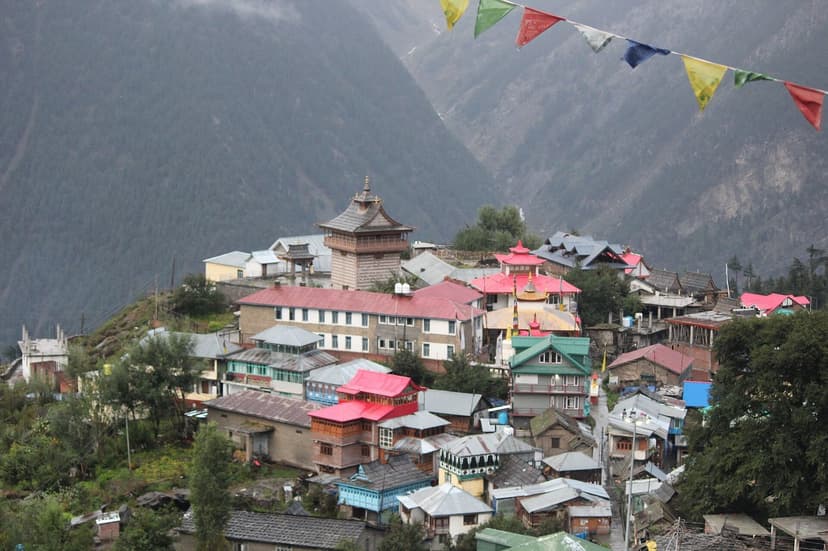
Two years ago Jio 5G in HP meant Shimla and a handful of towns in Una and Bilaspur. As of early 2026 the standalone 5G footprint also covers Manali and Dharamshala, with continuing BTS additions through January 2026. Department of Telecom data puts the national 5G base station count at 521,729. The HP slice is small, but it is real, and it changes how you should think about which SIM to bring.
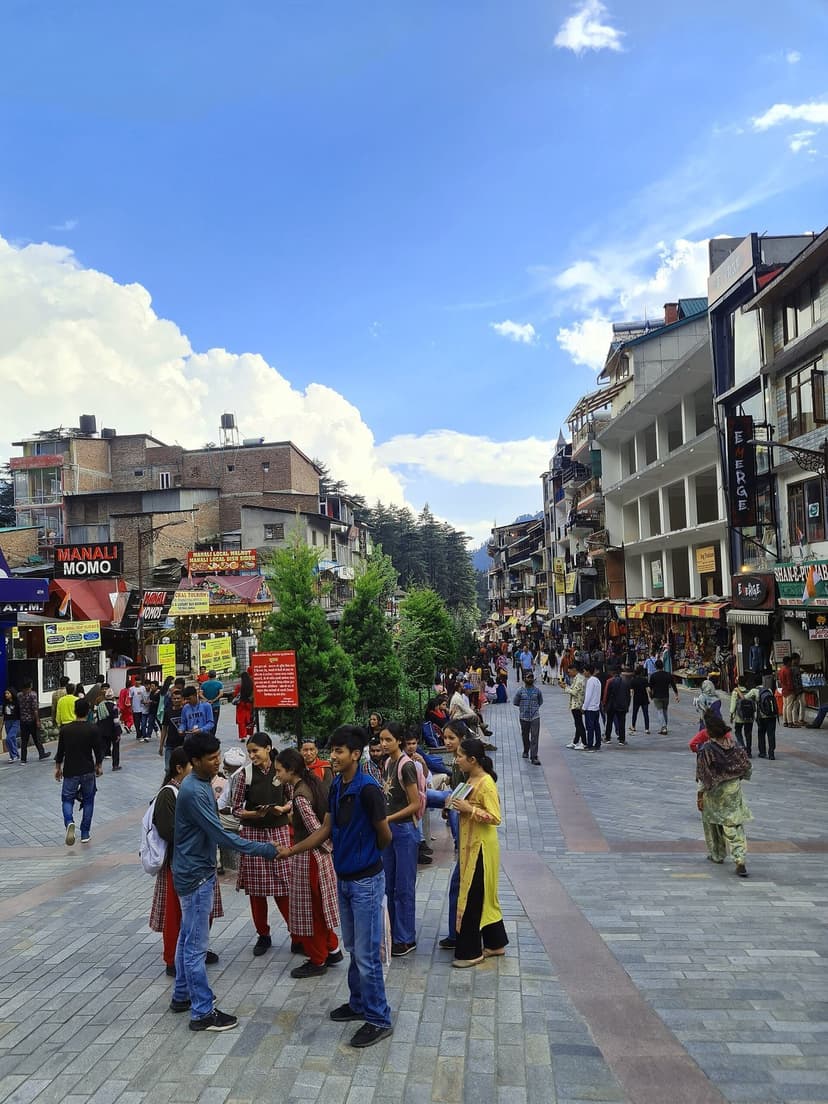
If your trip stays inside the Shimla, Mandi, Kullu, Manali, Dharamshala, Bir corridor, Jio is now genuinely fast and 5G capable in the urban anchors. If your trip goes anywhere past Reckong Peo, Manali or Bir, you are back on the BSNL rule. BSNL itself launched 5G SIM cards nationally on 6 March 2026, but commercial 5G service in HP towns is still rolling out from upgraded 4G towers. By the time most of you read this, Shimla and possibly Manali will have BSNL 5G live. Spiti will not. That is fine. BSNL 4G in Spiti is the bigger story for travellers, and the 4G saturation is what actually moves the needle.
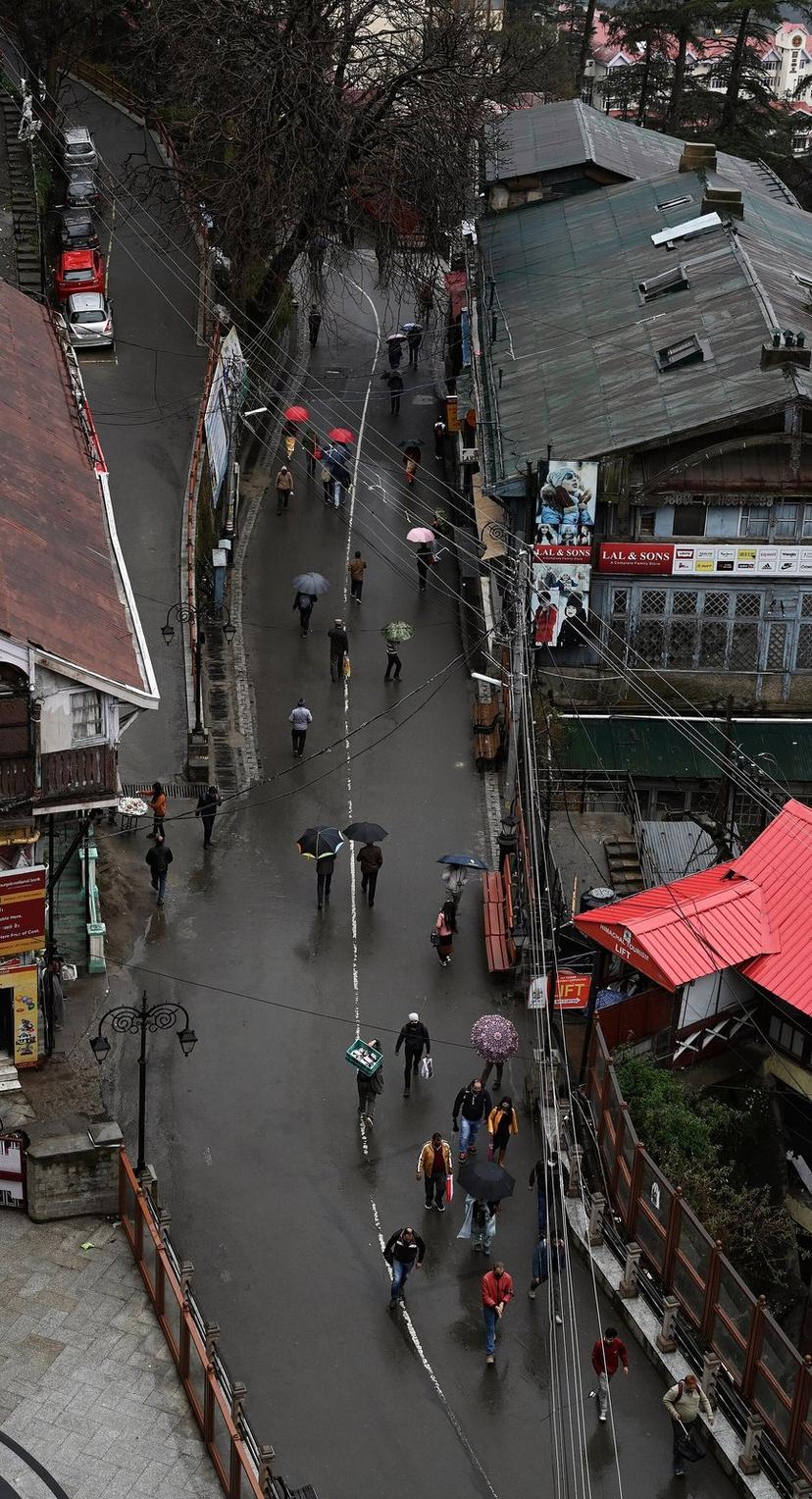
Where you can actually work from
The workation question is the second one I get asked, after the BSNL rule. The honest answer is that maybe four or five places in HP support real remote work. The rest are vacation, which is a different thing. Below is the ranked picture, based on Reddit threads, my own home WiFi behaviour, and what local cafe owners report.
WiFi and workation viability across HP destinations.
| Place | Hotel WiFi | Cafe / coworking | Mobile 4G/5G | Verdict |
|---|---|---|---|---|
| McLeod Ganj | Good, 10 to 20 Mbps | Excellent. Best cafe culture for nomads | Solid 4G with 5G in core | Best for long-stay nomads |
| Manali | Good, 10 to 30 Mbps | Good, mall road has plenty | 4G reliable, 5G live | Workation viable, touristy |
| Shimla | Good, 10 to 30 Mbps | Good, multiple cafes | 5G live | Most reliable, urban feel |
| Bir Billing | Moderate, 5 to 15 Mbps | Multiple cafes with 100 Mbps fibre | Jio 4G holds | Best emerging hub, less crowded |
| Kasol | Basic, 2 to 5 Mbps | Unreliable | Patchy 4G | Risky, valley shadow |
| Tirthan / Jibhi | Basic to moderate | Limited | Patchy 3G to 4G | Only with flexible deadlines |
| Kalpa | Basic, 1 to 3 Mbps | Very limited | BSNL 2G to 3G | Worth a long stay, not a workation |
| Kaza | Very basic | Rare | BSNL 2G to 3G, Jio in spots | Email yes, video calls no |
| Chitkul | None to basic | None | Near zero | Digital detox |
| Chandratal | None | None | None | Complete disconnect |
I have been working from Bir since 2019. 100 Mbps each and power backup.
u/Known_Shop_2762, r/Chandigarh and r/india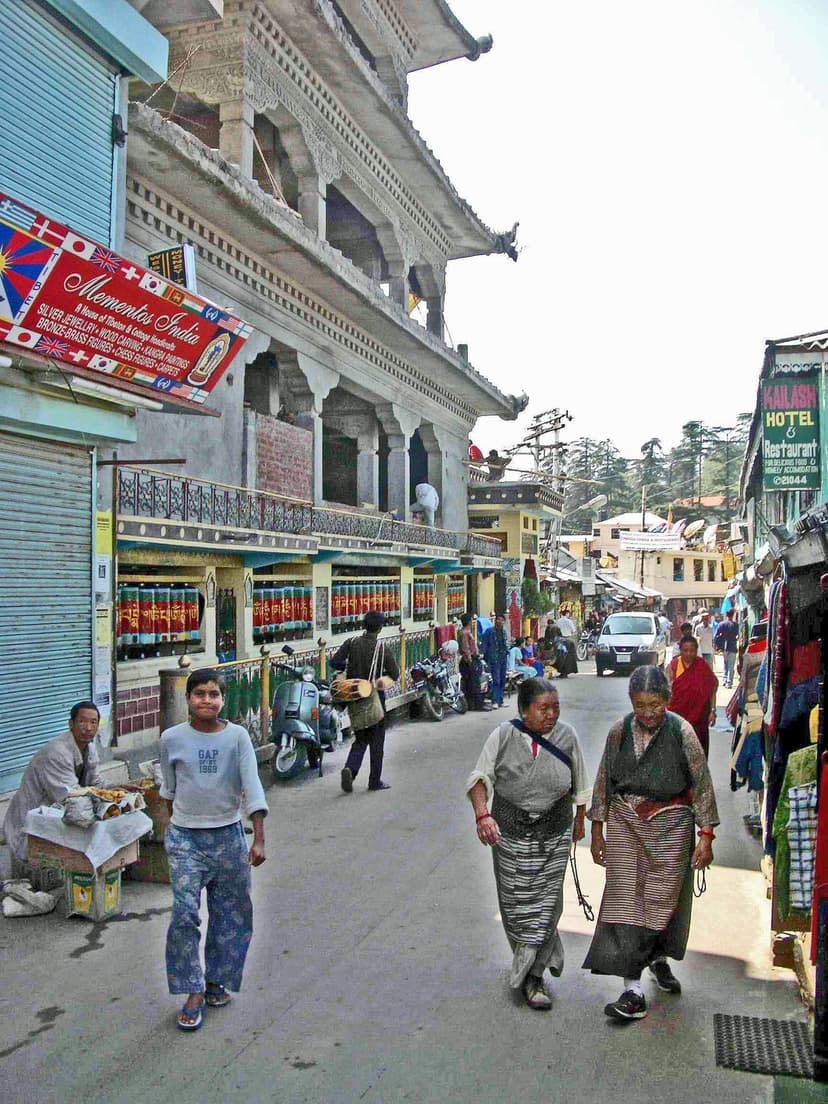
Bir deserves a paragraph of its own. The Reddit user above has now been corroborated by a steady stream of digital nomad posts on r/SoloTravel_India through 2025 and 2026, all of which report 5G mobile speeds above 100 Mbps and reliable fibre at the cafes. McLeod Ganj is still the cultural top pick because of the long-stay foreigner community and the language exchange that comes with it, but Bir is where the connection actually does what the brochure says.
The reason Bir works for remote work and Kasol does not, despite both being roughly the same altitude, comes down to two things: the paragliding economy and the Tibetan colony. The Bir-Billing paragliding event has been pulling in international visitors since the early 1990s, and the Tibetan settlement at Chowgan brought a long-stay non-Indian population that pushed the local economy toward fibre, power backup and reliable cafes the way McLeod Ganj did a decade earlier. Kasol does not have either of those. It has tourists, and tourists do not stay long enough to demand 100 Mbps, so they do not get it. Bir is what Kasol would look like with a five-year head start on infrastructure.
Inside Bir, the working pattern is roughly this. Cafes around Chowgan and the upper bazaar offer fibre WiFi, with the better ones running 100 Mbps with power backup through the standard 1 to 3 hour evening cuts. Most accept Jio 5G as a fallback when fibre wobbles. The homestays in the Tibetan colony increasingly throw fibre into the room rate. None of this needs a coworking space, though one or two have started, because cafes plus homestay WiFi covers most of what a nomad actually needs.

Buying a SIM before the mountains eat you
The cost has dropped sharply. As of April 2026, a standard new BSNL prepaid connection costs Rs 40, not the Rs 200 to 300 figure most older travel guides still quote. The Rs 1 Freedom Plan promotional offer also runs through 30 April 2026, which gives you the SIM and thirty days of data for almost nothing. By the time most of you read this, the Freedom Plan may have ended; check the BSNL site before you assume.
BSNL prepaid SIM purchase points across HP entry routes.
| City | Where to buy | Cost | Activation | Note |
|---|---|---|---|---|
| Shimla | BSNL office near The Ridge / Mall Road | Rs 40 standard, Rs 1 promo | Same day, 1 to 4 hours | Best if entering via Kalka |
| Manali | BSNL office on Mall Road | Rs 40 standard | Same day | Best if heading Spiti via Kunzum |
| Dharamshala | BSNL office, lower Dharamshala | Rs 40 standard | Same day | Best from Kangra side |
| Chandigarh | Multiple BSNL offices and retail | Rs 40 standard | Same day | Smart pre-trip purchase |
| Reckong Peo | BSNL office, Peo bazaar | Rs 40 standard | Same day | Last sane SIM stop before Spiti |
For documentation, you need an Aadhaar card with original plus photocopy and one or two passport-size photographs. Foreign passport holders need passport, valid Indian visa and a local reference, which a hotel address satisfies. Activation takes one to four hours after purchase. The dual SIM rule applies: keep Jio or Airtel as primary for cities, BSNL as secondary for everywhere else.
One small note for foreign travellers. International tourist eSIMs from Airalo, Holafly, Saily, Nomad and Matrix are now the dominant option for short Indian trips, instant activation and no paperwork. The catch is that they roam on Indian carrier networks, which means in upper Kinnaur and Spiti they are running on whatever Jio or Airtel happens to be doing, which is mostly nothing. They cover the urban half of an HP trip well, and they fail in exactly the places where you most need cover. Bring an Indian BSNL SIM for the hard half of the route, even if you arrive on an Airalo plan.
When the phone dies, so does the wallet
No signal means no UPI. No UPI means no payment. Carry Rs 15,000 to 20,000 in cash for Spiti or Kinnaur. Rs 100 and Rs 500 notes only. Most small shopkeepers cannot break Rs 2,000.
India runs on UPI now, and most Indian travellers have stopped carrying cash. In remote HP this is a planning failure waiting to happen. UPI works wherever there is mobile data, which means it is fine in Shimla and Manali, intermittent in Kaza, and zero at Chandratal, Chitkul or anywhere in Pangi. Once you cross past Reckong Peo from the Shimla side, your wallet is your phone is your data plan, and once any one of those breaks, the chain breaks.
The ATM picture is brutal. Reckong Peo has the last reliable SBI ATM on the way into Kinnaur and Spiti from the Sutlej side. After that, the only ATM in the whole of Spiti is at Kaza, and traveller reports through 2025 and 2026 consistently flag it as either out of cash or out of order. Pangi has no ATM at all. The rule I tell every visiting friend is the Reckong Peo Rule. Withdraw your full week's budget before you cross into Spiti, in 100 and 500 notes, and split it across at least two pockets or bags. Tell your bank you are travelling to remote HP so they do not block the card on what looks like an unusual withdrawal.
The amounts are not symbolic. A homestay in Kaza or Kalpa runs Rs 800 to Rs 2,500 a night depending on the season, and the proprietor will smile politely at your phone and ask for cash. Dhaba meals run Rs 100 to Rs 300 and are cash only. Petrol stations in Spiti exist at Kaza and one in Tabo and that is it; both run on cash or sometimes UPI when their own connection is up. Permits for the Kinnaur and Spiti border zones are free at the moment but the office at Reckong Peo charges incidentals. Add a fuel buffer for unscheduled detours and you are at Rs 15,000 to Rs 20,000 per traveller for a week without much room to spare. Add another Rs 5,000 if you are planning a Chandratal night with a camp operator, because the camps are usually quoted in cash and arranged in advance.
One last cash note that does not show up in any guide. Most of the Kinnauri and Spitian shopkeepers I know hold a stash of Rs 100 notes specifically for when a tourist with only Rs 2,000 notes shows up. They give change politely, but they do not love it, and in some places they simply will not. Bring Rs 100 and Rs 500 notes from your last bank in the lowlands. The Rs 2,000 note formally remained valid through 2026 but most rural HP shopkeepers stopped accepting them around 2024 and have not gone back.
Power is the other half of signal
A phone with no signal but a full battery is one short walk from a tower away from working. A phone with no battery is a brick. Power outages are normal in remote HP. Kalpa and Kaza both run on schedules that include cuts of two to six hours a day. Homestays in Chitkul and the higher Spiti villages run partly on solar and inverter, and a minority simply turn off the lights for the night. If you are camping at Chandratal, there is no electricity at all.
The kit is straightforward. A 20,000 mAh power bank covers four to five full phone charges. A solar power bank handles multi-day camping at the cost of slow recharge. A car charger is the most reliable power source if you are self-driving, because the engine runs whenever you do. The discipline is airplane mode in dead zones. A handset searching for a non-existent signal drains its battery three to five times faster than normal use, and you only realise this once you have rolled into Kaza after Kunzum with seven percent left and no charging point in sight.
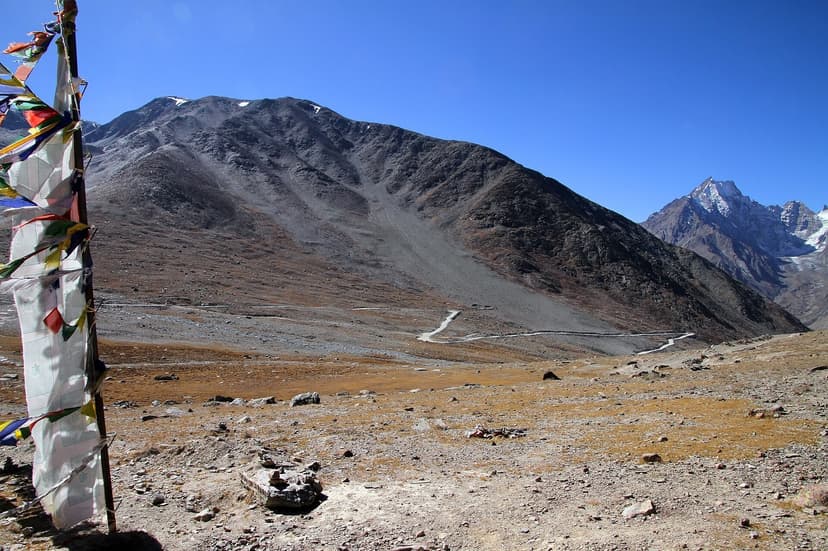
The offline toolkit
Whatever you can download in your last city with signal, download. Below is the working checklist, in the order I run it before going home from Shimla.
The offline preparation toolkit for remote Himachal trips.
When you have zero bars and something goes wrong
The honest part first. In a true dead zone like Chandratal at night, or the Pangi interior, none of the helpline numbers work because none of the carriers do. Your options are a satellite messenger, flagging down a passing vehicle, or walking out. This is why telling someone your route and expected return time is not optional. It is the lowest tier of insurance, and it is free.
HP emergency numbers, with the state-vs-national distinction made explicit.
| Service | Number | Notes |
|---|---|---|
| Unified emergency | 112 | Needs any carrier signal. Roams across networks if your handset can reach a tower. |
| State disaster control | 1077 | HP-wide district disaster lines route through this. Needs signal. |
| HP tourist helpline | 1800-180-8060 | State-level tourist helpline run by the HP tourism department. |
| National tourist helpline | 1363 / 1800-11-1363 | Ministry of Tourism, multi-lingual, 24x7. Often confused with HP-specific number. |
| Police | 100 | Standard. Needs signal. |
| Ambulance | 108 | Standard. Needs signal. |
| Road accident | 1073 | Highway authority line. |
Above mobile, your real options narrow. The Garmin inReach Mini 2 (about Rs 25,000 to 35,000 plus a monthly subscription) sends two-way text via satellite and has an SOS button that triggers an Iridium-network emergency response. Zoleo is a cheaper alternative that pairs with your phone over Bluetooth. Personal locator beacons send a one-way SOS only and have no monthly fee. All three are legal in India for registered private use, though the registration paperwork is not trivial. Direct-to-cell satellite from Starlink is not yet a thing in India for ordinary mobile users; SpaceX has pushed its global D2C launch to the middle of 2027 and TRAI is still finalising the spectrum framework. Until then, if you genuinely need off-grid messaging in remote HP, the Garmin or Zoleo route is the only working answer.
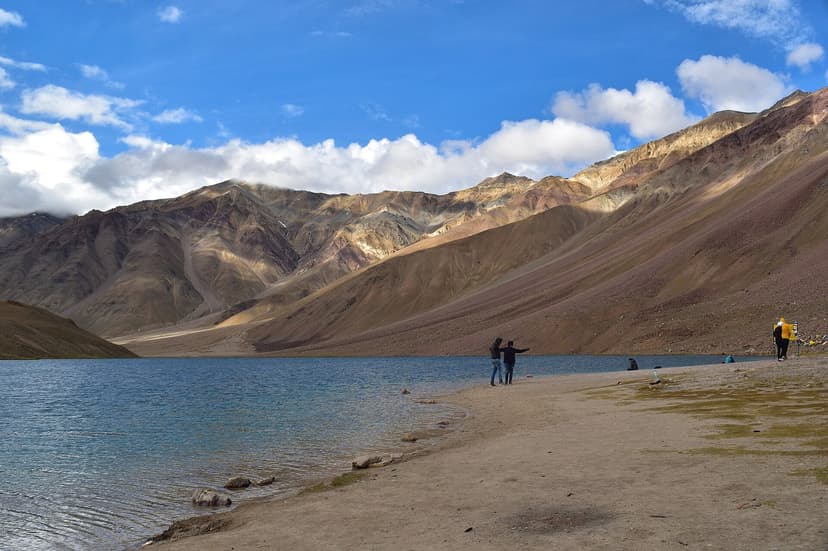
What it costs to get the connectivity right
Connectivity kit and cash buffer for a remote HP trip.
Spiti capital, in close-up
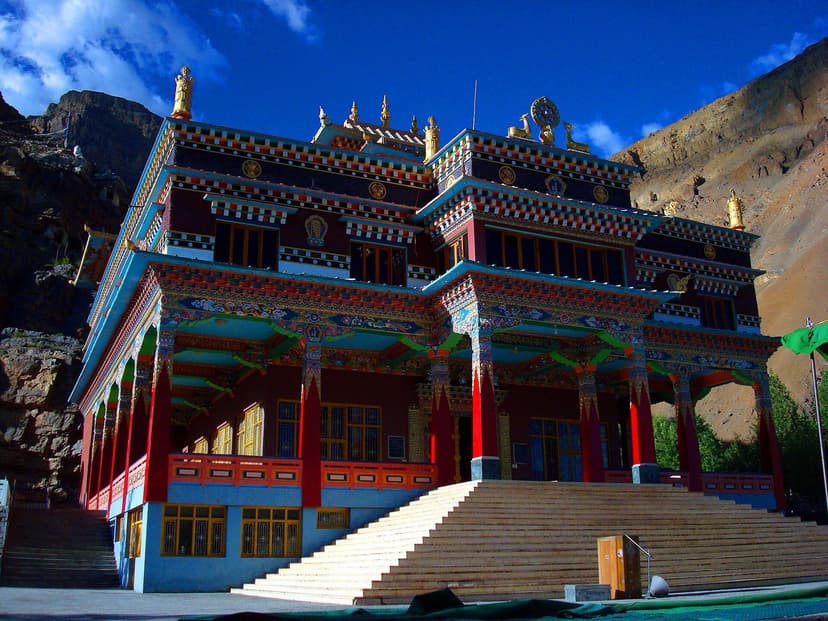
Kaza is the one Spiti town where the connectivity story has more than one option. BSNL works at the strength you would expect from district HQ, Jio 4G is reported in town at 15 to 30 Mbps, the SBI ATM is technically present though regularly empty, and the Kaza market has half a dozen homestays that will let you charge a power bank for free if you ask politely. If you need to send a single batch of work emails on a Spiti trip, this is where you do it. If you need to upload photos from your camera, do it here. If you need to make one phone call home for the week, do it here. Past Kaza, the network thins fast in every direction.
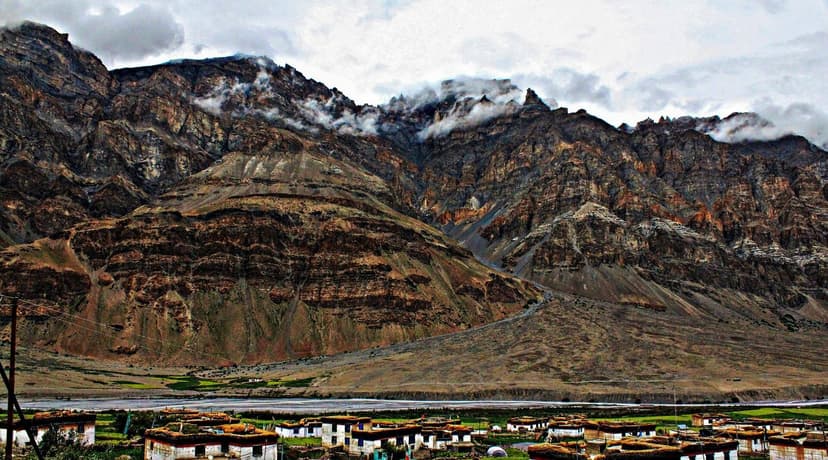
Pin Valley, Komic and Langza are the ends of the line. Pin got BSNL 4G in November 2024, which the local press correctly framed as a milestone, but traveller reports through early 2026 still describe the service as patchy. Komic and the high villages around Hikkim and Langza are mostly offline. Plan accordingly. The view from any of those villages is worth the offline time. The Spiti villages guide on Refuje covers the rest of how to plan that loop, and the Royal Enfield route piece covers the road conditions.
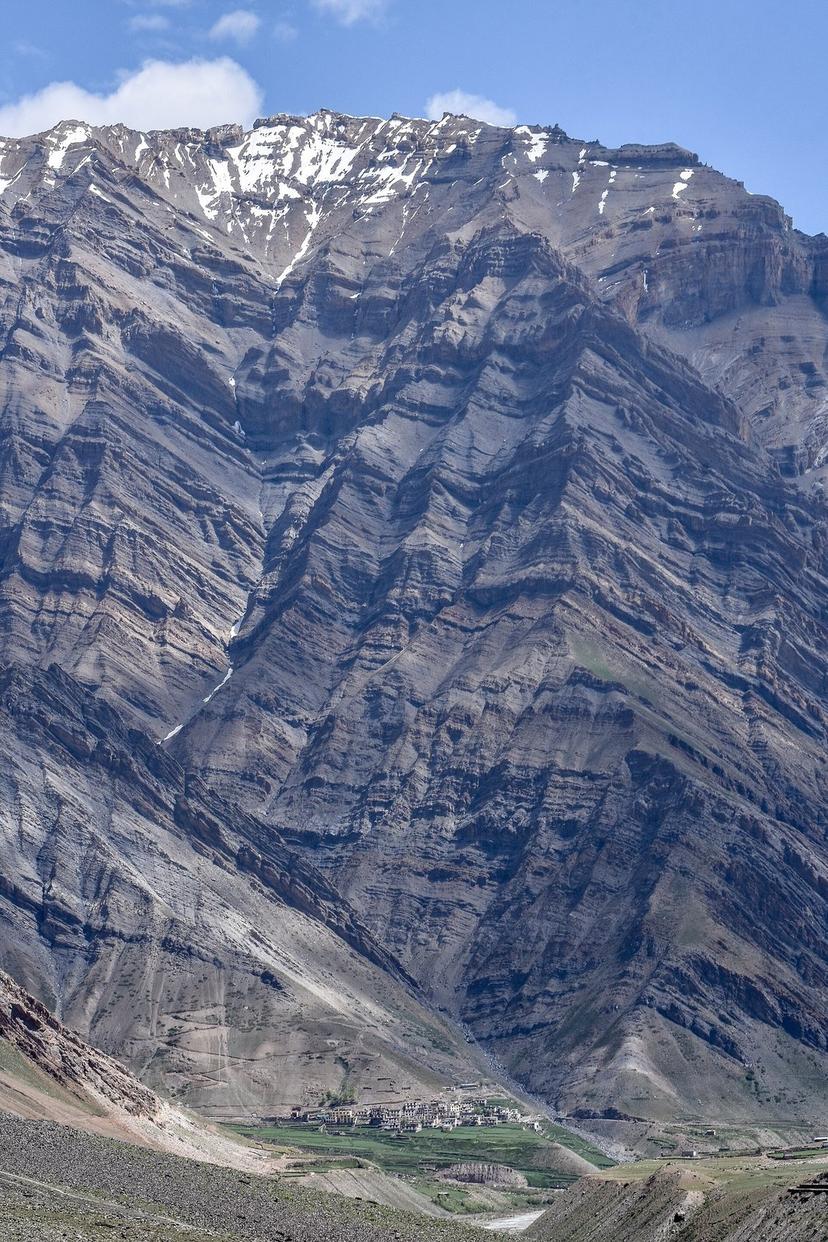
One callout for the safety overlap
The same districts under standing avalanche warnings are the ones where only BSNL works. Chamba, Kinnaur, Kullu and Lahaul-Spiti are the four most exposed to avalanche and flash flood events. Stranded trekkers running only Jio, Airtel or Vi cannot dial 1077 or 112 from most of these zones. A BSNL SIM is not a luxury here. It is the link to an emergency response.
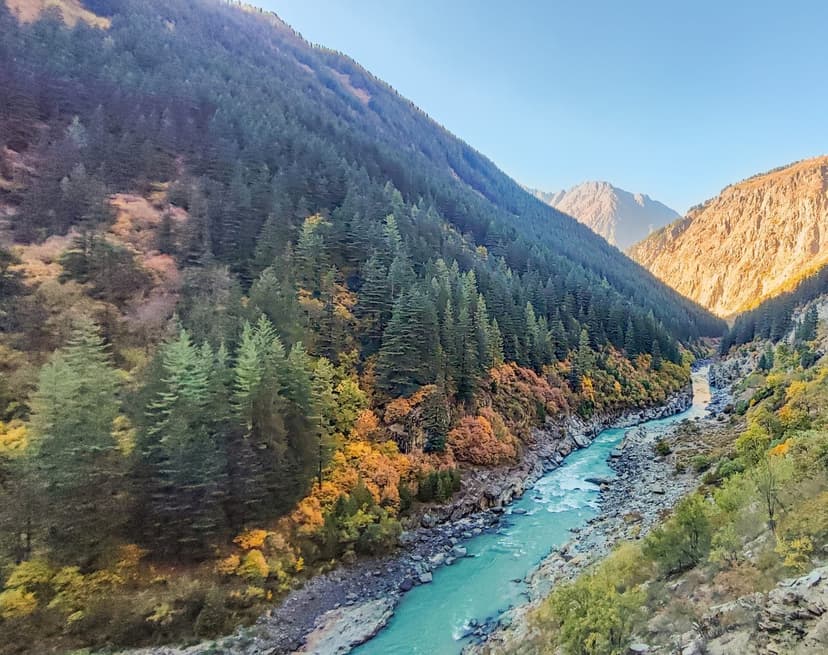
This is the part of the connectivity story that does not show up on coverage maps. Coverage maps tell you where you can stream a podcast. Disaster response maps tell you where a working SIM is the difference between someone reaching you in two hours and someone reaching you in two days. Below the BSNL footprint, the second tier is a satellite messenger.
Sources and further reading
- PIB / Lok Sabha statement, Minister of Communications, BSNL 4G saturation in HP, 11 February 2026: pib.gov.in
- BSNL 5G national SIM launch, 6 March 2026: Tribune India
- Jio 5G HP coverage update, January 2026: Voice and Data, 6 February 2026
- BSNL prepaid Rs 40 connection and Rs 1 Freedom Plan, April 2026: Kerala Telecom
- Pin Valley BSNL 4G launch, Mud village, November 2024: Tribune India, 30 November 2024
- BSNL Pangmo and Kaurik high-altitude towers, late 2024: BSNL Himachal Pradesh, 6 December 2024
- Bir Billing 100 Mbps, long-stay digital nomad reports: r/SoloTravel_India
- Spiti circuit traveller report on BSNL plus Jio dual SIM: Discover with Dheeraj
- HP government district portal, Lahaul-Spiti facilities: hplahaulspiti.nic.in
- HP State Disaster Management Authority, helplines and avalanche advisories: hpsdma.nic.in
- Ministry of Tourism national 24x7 multi-lingual helpline 1363: tourism.gov.in
- Starlink direct-to-cell push to 2027: ET Telecom, 3 March 2026
Plan the rest of your trip
If you are about to take this map into the mountains, the natural next reads are the trip-planning pieces that pair with it. Every permit you need in HP for 2026 covers the paperwork half of remote travel. How to check live road status in HP covers the other half, especially if you are going past Reckong Peo or over Kunzum. The Spiti road trip guide ties the route, the road and the connectivity story together for the standard loop.
If you would rather have someone else stitch the lodging, transport and insider checkpoints together, the Refuje team in HP runs trips through Kinnaur and Spiti every season and would be happy to plan one to your dates. Email hello@refuje.com with your dates and we will write back with a draft route, places to stay and a connectivity plan that respects all the dead zones above.
And if you want a locally-vetted base in Kinnaur with people who can read the network like a road map, write to hello@refuje.com about Telangi Kanda, our home in Kinnaur, where you will lose your bars in the right way.
Which mobile network is best for Himachal Pradesh travel?
BSNL for remote travel and Jio for cities. No single network covers the whole state. In Shimla, Manali and Dharamshala, Jio or Airtel work fine on 4G or 5G. In Kinnaur, Spiti, Lahaul or Pangi, BSNL is the only carrier that holds. The right answer for a multi-region HP trip is dual SIM, with Jio or Airtel as primary and BSNL as secondary. A new BSNL prepaid SIM costs Rs 40 as of April 2026.
Does Jio work in Spiti Valley?
Jio has 4G coverage in Kaza, Tabo and Losar with reported speeds of 15 to 30 Mbps as of early 2026. Jio does not work on the Gramphu to Losar stretch, at Chandratal, on the Kunzum approach, in the high-altitude villages of Komic, Hikkim and Langza, or in most of Pin Valley despite the BSNL 4G arrival in November 2024. BSNL is still the more reliable Spiti network overall, and the dual SIM strategy is non-negotiable.
Does Airtel work in Kaza or in Spiti?
No. Airtel has some coverage in Kinnaur up to Reckong Peo and Kalpa, and in Lahaul around Keylong, but Airtel does not work in Spiti proper. Not in Kaza, not in Tabo, not in Losar. A traveller relying on Airtel as the only SIM for a Spiti trip will spend most of the journey out of contact.
Is there mobile network at Chandratal Lake?
No. Chandratal at 4,300 m is a complete dead zone for every carrier. Jio, Airtel, BSNL and Vi all read zero bars. Plan for 12 to 48 hours fully offline if you camp. Download offline maps in Manali or Kaza, share live location and an expected return time before the Batal turnoff, and carry the full week of cash you will need because UPI is also dead.
What does a BSNL SIM cost for an HP trip in 2026?
A standard new BSNL prepaid connection costs Rs 40 as of April 2026. The Rs 1 Freedom Plan promotional offer, which gives the SIM and 30 days of free data, runs through 30 April 2026. Older travel guides quoting Rs 200 to 300 are out of date. The cost was revised down on 1 April 2025.
Where do I buy a BSNL SIM for my HP trip?
BSNL offices in Shimla, Manali, Dharamshala, Reckong Peo and Chandigarh sell new prepaid connections. You need an Aadhaar card with original plus photocopy and a passport-size photograph. Foreign passport holders need a passport, valid Indian visa and a local reference such as a hotel address. Activation runs one to four hours. Buy in your last city before you cross into Kinnaur, Spiti, Lahaul or Pangi.
Can I work remotely from Himachal Pradesh?
From four or five places, yes. McLeod Ganj has the strongest combination of cafe culture, fibre WiFi and 4G or 5G mobile data. Manali has reliable 4G and 5G in town with multiple workation cafes. Shimla has 5G and the most reliable infrastructure. Bir Billing has 100 Mbps fibre verified by long-stay residents on Reddit and is the best emerging hub. Anything past these, including Kinnaur, Spiti and Lahaul, is not workation-grade and video calls in particular will fail.
Does UPI work in remote Himachal Pradesh?
UPI works only where mobile data works, which is fine in Shimla, Manali and Dharamshala, intermittent in Kaza, and zero in Chandratal, Chitkul, the Pangi interior and most of Pin Valley. Carry Rs 15,000 to 20,000 in cash for any week-long remote HP trip in Rs 100 and Rs 500 notes. Reckong Peo has the last reliable SBI ATM before Spiti. The only ATM in Spiti is at Kaza and is regularly empty.
Do prepaid SIMs work in HP or do I need postpaid?
Both work throughout Himachal Pradesh. Unlike Ladakh, where prepaid is restricted in some border zones, HP allows both. Postpaid Airtel and Jio connections are slightly more stable in border areas but the difference for a tourist trip is small. Prepaid BSNL is the standard recommendation.
How do I keep my phone charged in remote HP where electricity is unreliable?
Carry a 20,000 mAh power bank as a minimum, a solar power bank for multi-day camping, and a car charger if you are self-driving. Use airplane mode in dead zones because a handset searching for a non-existent signal drains its battery three to five times faster than normal use. Homestays in remote villages often run on solar plus inverter so ask about the power schedule when you check in.
Is there a working satellite phone option for very remote HP?
The Garmin inReach Mini 2 is the standard satellite messenger choice. About Rs 25,000 to 35,000 for the device plus Rs 1,000 to 3,000 a month for the Iridium subscription. Two-way text and an SOS button. Zoleo is a cheaper Bluetooth-paired alternative. Personal locator beacons send a one-way SOS without a subscription. All three are legal in India for registered private use. Direct-to-cell satellite from Starlink has been pushed to mid-2027 and is not yet a working option in India.
What are the longest stretches without mobile signal in HP?
Gramphu to Losar via Kunzum Pass is the longest, around 60 km and three to five hours of zero bars on every carrier. Other named dead zones include Chango to Sumdo (about 20 km), Khab to Sumdo (about 15 km), Pin Valley interior beyond Mud (about 25 km) and the Pangi Valley interior beyond Killar. Chandratal camping means 12 to 48 hours fully offline.
Does a prepaid SIM work in Himachal Pradesh in 2026?
Yes for an Indian-issued prepaid SIM, with one important caveat: only BSNL prepaid works in the high-altitude valleys (Spiti, upper Kinnaur past Reckong Peo, Lahaul, Pangi, Bharmour). Jio, Airtel and Vi prepaid all work in the lower towns (Shimla, Manali, Dharamshala, Bilaspur, Kangra) but die above 3,000 metres or past the Atal Tunnel. Foreign passport holders cannot activate an Indian prepaid SIM without an Indian address proof, and should plan on a tourist eSIM (Airalo, Holafly, Saily) instead.
Which mobile operator works in Spiti Valley?
BSNL is the only operator that holds a usable signal across Spiti. The PIB Lok Sabha briefing of 11 February 2026 confirmed 609 BSNL 4G BTS commissioned in HP, with the highest site at Pangmo (around 13,020 ft) commissioned in late 2024. Jio shows 1 to 2 bars in Kaza on a good day and zero everywhere else. Airtel stops at Reckong Peo, three to four hours short of Sumdo. Vi never made it into the Sutlej corridor at all. Carry a BSNL prepaid SIM before you leave Manali or Shimla.
Where are the dead zones in Himachal Pradesh mobile coverage?
The longest continuous dead stretch is Gramphu to Losar via Kunzum, roughly 60 kilometres and 3 to 5 hours of zero signal across all four operators. Other named dead zones: Rohtang Pass to Atal Tunnel south portal (worst before dawn), the road above Chitkul towards the Indo-China border, the Pangi gorge between Killar and Tindi, and the upper sections of the Manimahesh yatra route after Dhancho. Carry an offline Google Maps download and a paper print of your itinerary before you enter any of these stretches.
About the byline. I am Ajay Negi. I am Kinnauri, born and based in Kalpa. I write for Refuje on the upper Sutlej corridor, Kinnaur and the eastern approach to Spiti. The connectivity map of Himachal is something I have lived inside since the first BSNL tower went up in my district. Where this article extends past my home territory into Lahaul, Pangi or the Manali workation belt, I am writing as a researcher, not as a local. I have flagged that distinction where it matters.
About Ajay Negi
Ajay Negi is a co-founder of Refuje and a Kinnauri native. He grew up in the Sutlej corridor and writes about Kinnaur, Spiti from the east, and how Himachal's high places are changing. He has been on a BSNL signal for most of his life.
You Might Also Like
Volunteering in Himachal Pradesh: 12 Organisations and How to Apply (2026)
Teach English in McLeod Ganj, conserve the Great Himalayan National Park, build with earth in Bir, or harvest apples in Kullu. Twelve real HP volunteer organisations with honest costs, the visa rule that gets foreigners deported, and how to apply.
How to Travel Himachal Without Wrecking It: A Quiet-Travel Manual
A non-preachy field manual for responsible travel in Himachal, by a Kullu local: how to behave, when to go, where to go instead, and the 2026 rules and bans that actually matter.
Mamleshwar Mahadev: The Eternal Flame Temple of Karsog
An eternal fire, a fist-sized wheat grain and a six-foot drum, kept in a mortar-less timber temple in the quiet Karsog valley. The honest story of Mamleshwar Mahadev: what is real, what is faith, and how to go.