
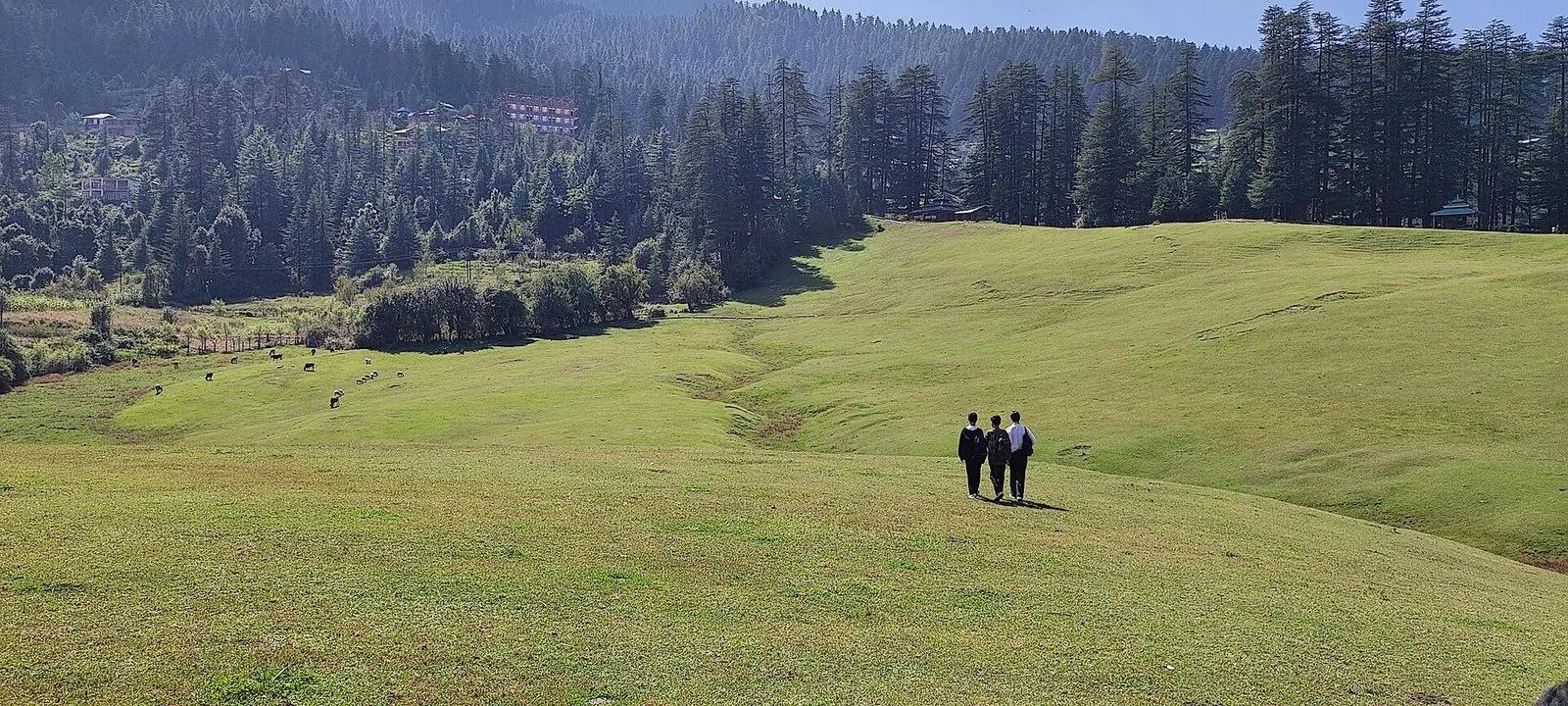
How to Travel Himachal Without Wrecking It: A Quiet-Travel Manual
You used to be able to hear the river at Kasol. I am not being sentimental about it. Stand on the bridge at first light a decade ago and the Parvati did all the talking, and the only other sound was a kettle somewhere and a dog that had opinions about the kettle. Go now on a long weekend and the river is the quietest thing there, somewhere under the dhol, the reversing trucks, the third cafe playing the same set as the other two.
A traveller from Delhi put it better than I can, on r/india: "Remember Kasol five years ago? You could actually hear the river." His other line is the one that should scare anybody who loves a quiet place. The offbeat tag, he reckons, lasts about eighteen months before the place it described stops being offbeat. He is roughly right.
Remember Kasol five years ago? You could actually hear the river. The offbeat tag lasts maybe eighteen months.
A Delhi traveller, r/india
So this is not a sermon. I grew up in the Kullu valley, an hour and a bit up the road from a lot of what I am about to complain about, and I will tell you plainly: the people who live here trash it too. This is a field manual, not a lecture. How to behave, when to come, where to point the car, and which of the new rules and bans actually matter in 2026. If you do three things on this page you will already be in the better half of visitors. Do all of them and the valley will be glad you came.
Why the mountains are short-tempered right now
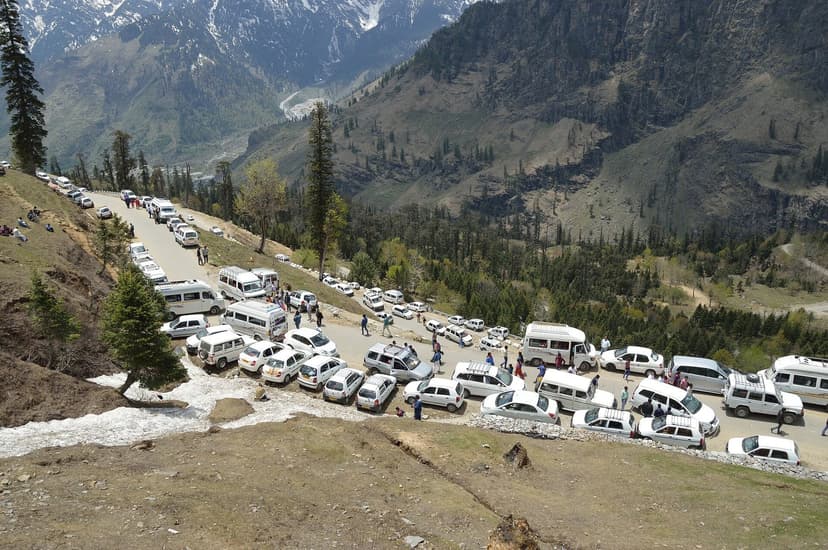
There is a phrase doing the rounds in the Himachali corners of the internet: Devbhoomi to Business-bhoomi. Land of gods to land of business. It is bitter and it is a bit unfair and it is also, on a bad traffic day above Solang, hard to argue with. "Too much tourism is a slow poison," one Himachali wrote on r/HimachalPradesh. "Sweet poison, to be specific." Sweet because the money is real and a lot of families need it. Poison because of what it asks the place to swallow.
The clearest sign of the strain is that villages have started shutting their own gates. In the winter of 2026, the gram panchayat at Sissu in Lahaul suspended all tourism for forty days, from late January to the end of February. No ATVs, no ski rentals, no paragliding, no ziplines, cafes and homestays closed. Partly it was a ritual period around the Halda festival. Partly it was loud music, public drinking, litter, and traffic in a village that did not exist on most itineraries until the Atal Tunnel put it ninety minutes from Manali. A man from the area watched Kalpa and Sangla go the same way and asked the obvious question: if these places are inviting us in, even just for quick money, should we not behave like guests?
The bans are not punishment. They are a distress signal. When a place closes a trail or a whole village, read it as the mountain telling you what already broke. Kheerganga stopped overnight camping after the meadow could not take the tents. Chandratal pushed camps back from the lake to save a Ramsar wetland. Sissu shut for forty days. None of it is bureaucrats being difficult. It is the carrying capacity talking.
The part nobody wants to say: it is not only outsiders
Here is where most responsible-travel articles lie by omission. They blame the tourist, usually the tourist from a particular state, and stop there. It is comfortable and it is incomplete. A Himachali was honest about it on r/HimachalPradesh, talking about how rubbish actually gets dealt with in a lot of hill villages: "We either burn it or dump all of it in the nearest nalla or stream. Out of sight does not bother us."
Look at the photo below. That is not a trekker's doing. That is a town tipping its own waste into its own river because the collection system never arrived and nobody made it arrive. The visitor who throws a chip packet off a viewpoint is real and worth shouting at. But the rot is a systems failure as much as a manners failure, and pretending it is purely the Innova from Gurgaon lets everybody local off the hook. I would rather you came knowing that. It makes the small things you can actually do feel less pointless.
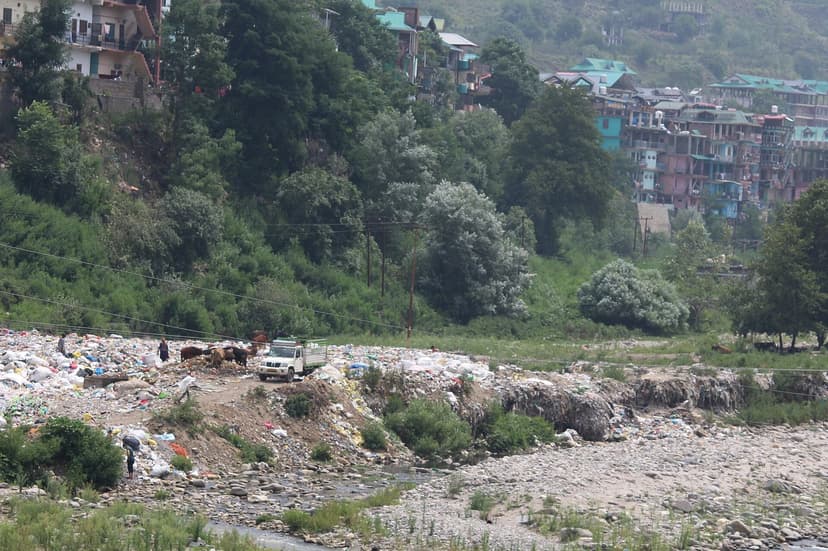
We either burn it or dump all of it in the nearest nalla. Out of sight does not bother us.
A Himachali, r/HimachalPradesh
Six things that actually move the needle
Skip the generic list you have read on twenty other sites. These are the ones that matter here, in this state, this year.
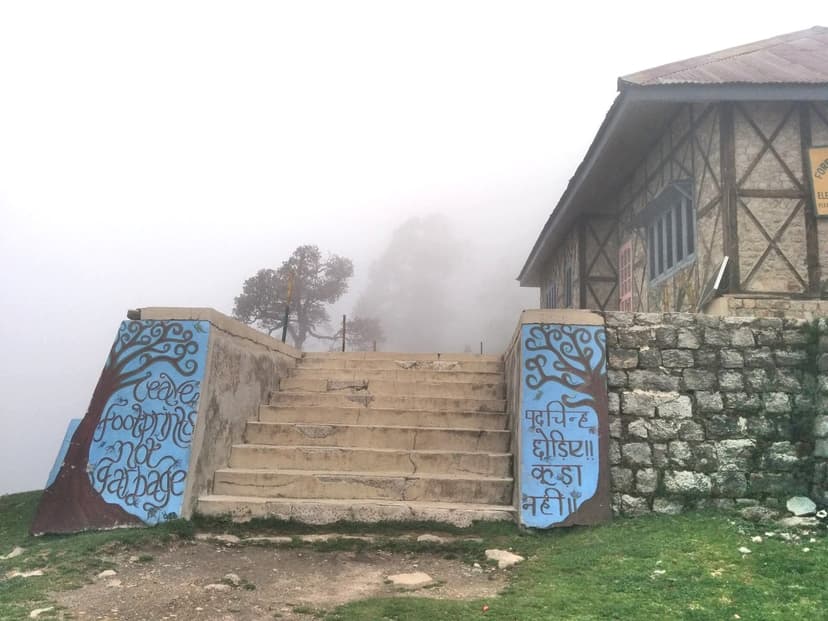
Carry your own rubbish out, and carry a bottle. Since June 2025 Himachal has banned plastic water bottles of 500 ml and under, in government offices, in HPTDC hotels, and in private hotels too. Buy a refillable bottle before you come and fill it; the tap water in most upper villages is colder and better than anything in a PET bottle anyway. Littering single-use plastic can cost you between ₹500 and ₹25,000 under the state's garbage-control law, and bins are now mandatory inside taxis and tourist vehicles, so there is genuinely no excuse left.
Kill the Bluetooth speaker. I will be blunt because the mountains cannot. "If the tourists need to listen to music on speakers," one traveller wrote on r/india, "they are missing the point of travelling to hill stations." Use headphones. Listen to the river you came four hundred kilometres to hear.
If you see someone littering, say something. Politely. A local clean-up volunteer described the move that works: record it if you must, but mostly just tell people, gently, to not do it. Behaviour is contagious in both directions. Another put it well: tourists follow the lead of a place. Walk into somewhere spotless and littering feels rude; walk into a mess and one more wrapper feels like nothing.
No open fires, no carving names, no feeding the dogs Maggi. Boring, true, all of it.
- Water
- Refillable bottle only. 500ml-and-under plastic bottles are banned (since June 2025).
- Rubbish
- Carry it out. Bins are now mandatory in taxis. Littering fine: 500 to 25,000 rupees.
- Noise
- No speakers on trails or in villages. Headphones or nothing.
- Stays
- Pick a family homestay over a chain. The money stays in the valley.
- Timing
- Come midweek and in the shoulder months. Spread the load.
- Festivals
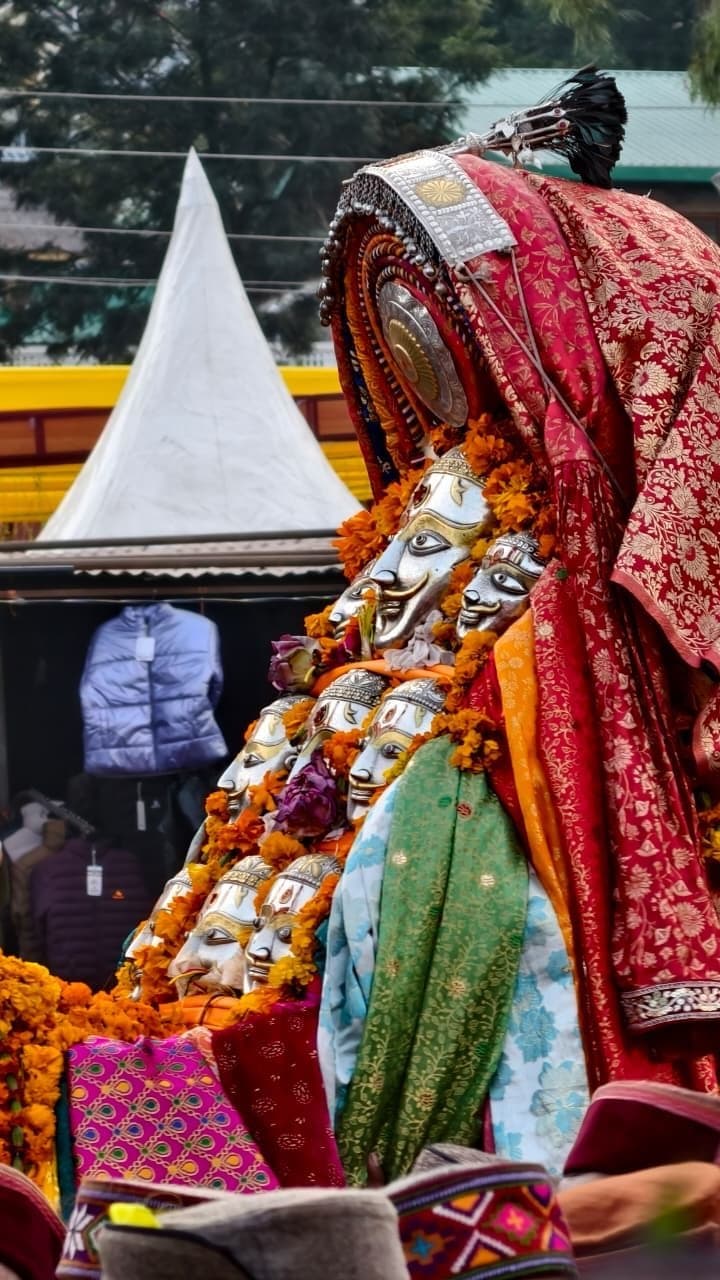
- Watch from the back. Do not block a deity procession for a photo.
The 2026 rules that actually changed. Out-of-state vehicles now pay a ₹170 entry toll (up from ₹70) from 1 April 2026, valid 24 hours, paid at the first barrier. Plastic bottles of 500 ml and under are banned. A deposit-refund scheme is rolling out, where a small fee on bottles and packets comes back to you when you return the packaging. Bins are compulsory in transport vehicles. None of this is onerous. Most of it you will not even notice if you already travel light.
Don't drop the pin
This one is hard for people like me, who write about places for a living, and for you, who probably likes sharing a good one. There is a whole sub-conversation in Himachal's online corners that is just locals quietly begging visitors to stop broadcasting the fragile places. On a thread about Shangarh, a meadow village in the Sainj valley, somebody wrote four words that have stuck with me: "unknown hi rehne do." Let it stay unknown. Another was blunter about why: if it got popular, it would be carpeted in beer bottles within a season.
It sounds like gatekeeping. Sometimes it is. But there is a real principle under the prickliness, and it is worth saying out loud. Discovery is not the crime. Broadcasting a fragile, finite place to a hundred thousand strangers with a pin attached is. A Himachali summed up the whole anxiety in one line on a thread about a Kinnaur festival that had gone viral: "Privacy is the greatest luxury of our times." The same thread mourned what happened to Sangla's Holi after a few influencer reels, when a village rite became a crowd with speakers.
Unknown hi rehne do. Let it stay unknown.
A Himachali on the Shangarh thread, r/HimachalPradesh
So: enjoy the festival, leave the live-stream. Photograph the meadow, do not tag the exact one. The deities of Kullu go out in procession in clothes that took a year to embroider, and they are not content. Stand at the back, put the phone down for the actual moment, and let the village have its god to itself for an afternoon.
Where to go instead, and how to be there
The cheapest way to be a responsible tourist is to stop going where everyone already is. Himachal is enormous and most of it is empty. The trick is not a secret list, it is a different speed: pick one valley, stay four nights instead of one, walk more than you drive, and let the place be boring for a day. Boring is the whole point. Boring is what you cannot get in Kasol on a Saturday anymore.
| Instead of | Try | |
|---|---|---|
| Kasol on a weekend | Wall-to-wall cafes, dhol, parking wars | Sainj and Shangarh, or the Tirthan side: meadows, trout, and quiet you can hear |
| Manali in season | The Mall, the taxi queue to Solang | Jibhi and the Banjar valley, or Barot in Mandi for the river and the forest |
| The famous crowded treks | Tents stacked on a fragile meadow | A homestay in a working village; day-walks out and back, nothing left behind |
| Spiti in the July rush | Convoys to the same five viewpoints | The eastern villages, Nako and Tabo and Kalpa, slower and far older |
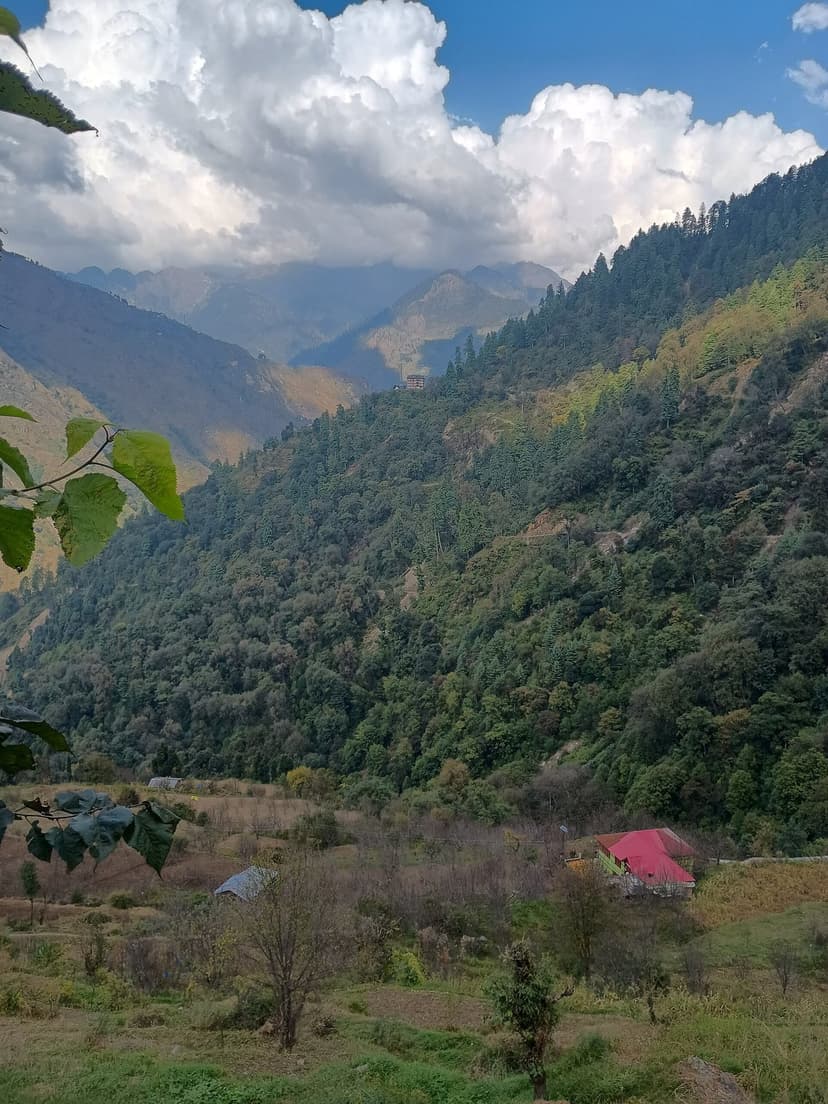
The map below marks a handful of places that reward a slow, light visitor and punish a loud one. I have left the exact pins of the most fragile spots a little soft on purpose. If you want the precise route, you will find it by talking to people once you are there, which is how it should work.
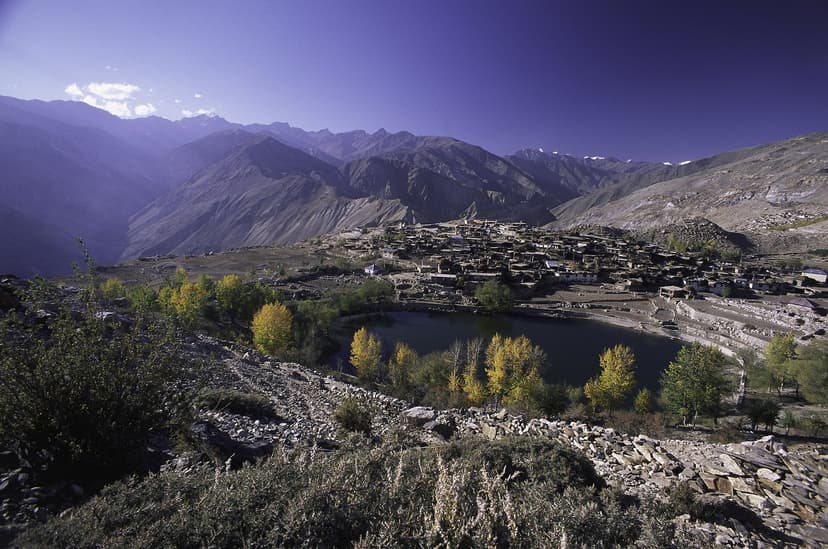
For twenty more of these, and an honest account of which ones are already tipping, our 20 quieter places beyond Shimla and Manali is the companion to this page. And if you are still deciding whether the headline towns are worth it at all, read whether Manali is worth it and our honest take on Kasol first.
Where your money sleeps
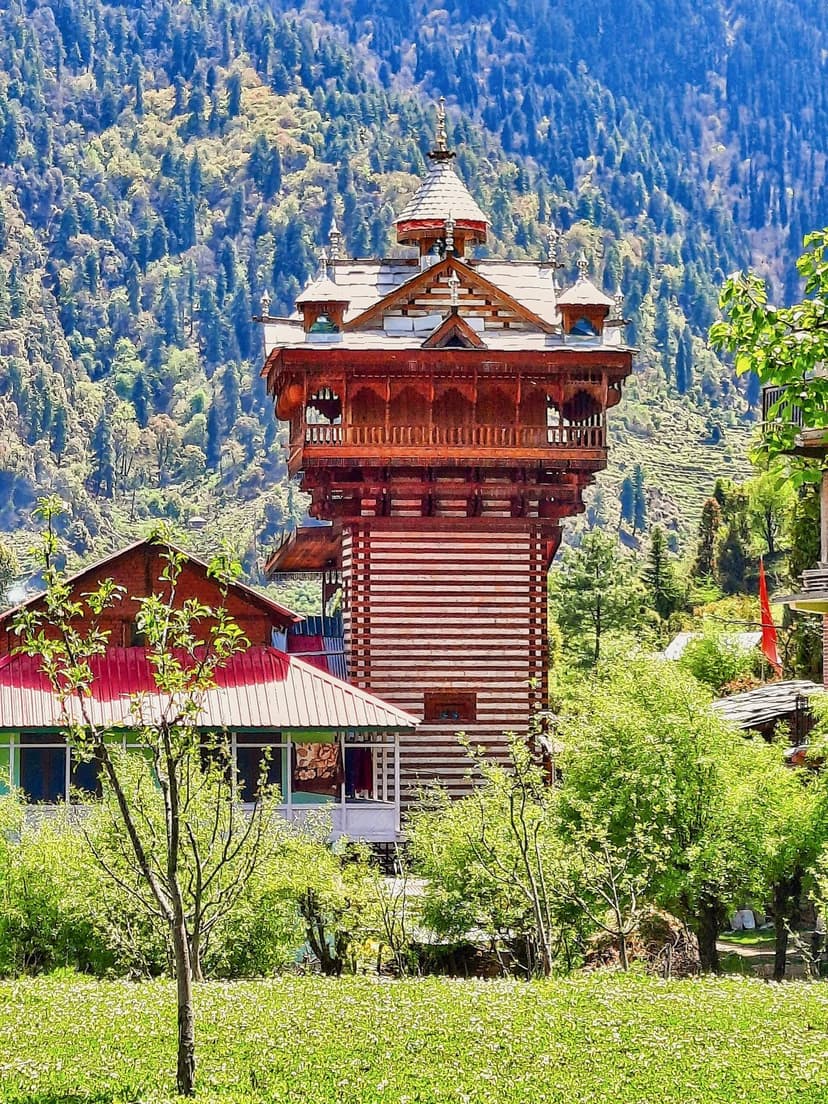
Two levers do more good than every reusable straw combined. The first is who you hand your money to. Stay in a family homestay and most of that ₹1,200 stays in the valley, paying for someone's kid's school and the apple season's wages. Stay in a chain and a good slice of it leaves on the same highway you came in on. I am not going to put a fake percentage on it, because the honest figure depends on the place, but the direction is not in doubt, and a Himachali on a Lahaul thread said the quiet part out loud: everywhere you look now, it is only hotels and homestays. Choose the homestay.
| Family homestay | Chain hotel | |
|---|---|---|
| Where the money goes | Mostly stays in the village | Much of it leaves the valley |
| What you eat | Whatever the family is eating, usually better | A menu printed for tourists |
| What you learn | Which trail is open, who to ask, what not to do | The Wi-Fi password |
| What it costs the place | Almost nothing | Land, water, and a bit of the character |
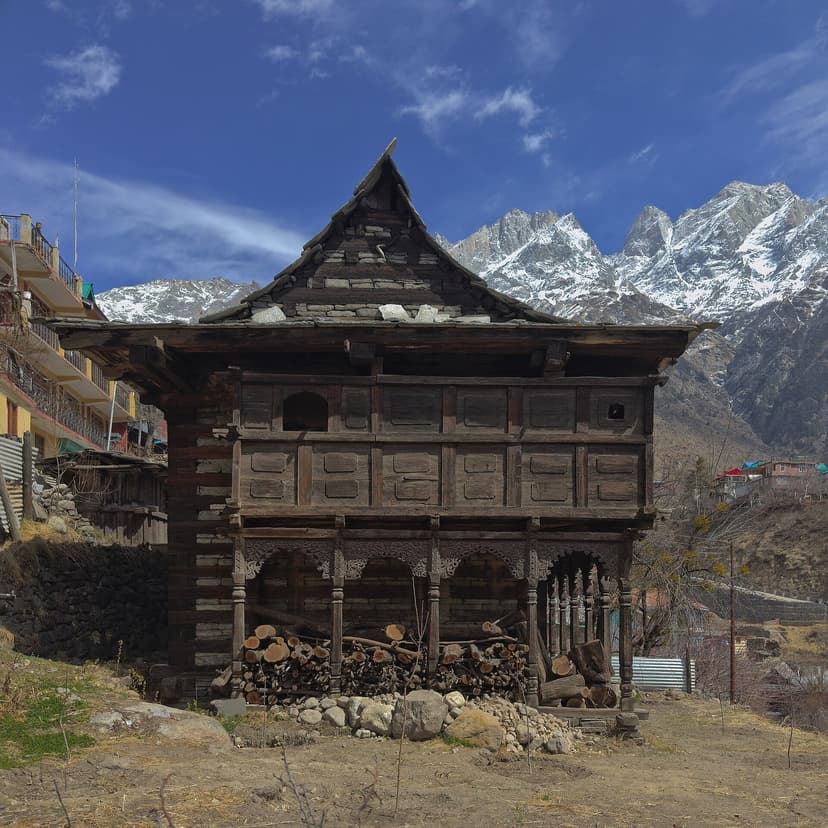
The second lever is when you come. The government's own slow-tourism push, the That's You campaign, is basically begging people to stay longer and spread into rural Himachal instead of dog-piling the same four towns in the same three weeks. Come midweek. Come in the shoulder months. Late September through November is the valley at its best and least crowded, and you will pay less for a better room. For what is genuinely open and worth it outside peak season, see the months to avoid the crush and what is actually open in monsoon. If you want to go a step further, stay on a working farm through the apple harvest.
Want a local sanity-check on your route before you book? Email us your draft itinerary. We will tell you which valley is already too crowded for what you want, which homestay is worth the detour, and where the road has been rough this week.
The hard part: tolls, taxes and the cynicism
I am not going to pretend the rules are all noble or all spent well. Plenty of locals are openly cynical about where the green-tax and toll money actually goes, and they have earned the right to be. When the new ₹170 entry toll landed in April 2026, it set off a proper row, including a reciprocal-tax threat from across the Punjab border. The honest position is two things at once: yes, some of this money probably disappears into the usual places, and yes, the rules underneath it still matter, because the alternative is the river at Kasol, and you have seen how that went.
| What | 2026 rate | Note |
|---|---|---|
| Out-of-state vehicle entry toll | 170 rupees | From 1 April 2026, up from 70. Valid 24 hours, paid at the first barrier. HP vehicles exempt. |
| Rohtang Pass permit | about 550 rupees | 1,200 vehicles a day, online only, closed Tuesdays. See our permits guide. |
| Chandratal entry | about 150 rupees | Lakeshore camping banned. Camp 2 to 3 km away. See the Chandratal guide. |
| Plastic littering fine | 500 to 25,000 rupees | Under the state garbage-control law. Easy to avoid: carry it out. |
For the full, current detail on each of these, with the booking links, we keep a dedicated guide to every permit and tax, the Kheerganga ban explainer, and the Chandratal camping rules. I am not going to restate them here and risk going stale; rates and dates move every season, so check the live pages before you pay anything.
How to actually help, beyond not making it worse
Not making it worse is most of the job. But if you want to do something with your hands, there are clean-up groups working the trails and roadsides every season, the best known being Healing Himalayas, who have hauled an absurd tonnage off Himachal's slopes with volunteers who mostly just showed up. Carry a spare bag and fill it on the way down even if nobody is watching. And give the community-run ecotourism outfits your money where they exist; in the Great Himalayan National Park, profits from the village-owned operators actually circle back into the villages and the forest, which is the whole idea.
One last small thing, and it is the one I believe in most. When you see someone about to do the dumb thing, the speaker, the bottle, the fire, say something kind before they do it. Most people are not malicious. They are just following the room. Be the person who sets a better room.
Planning a longer, slower trip and not sure how to do it lightly? Tell us what you are after and we will point you at the valleys, homestays and weeks that can take a visitor without buckling.
Go quietly
None of this is meant to make you feel guilty for wanting the mountains. Wanting them is the right instinct. I have spent my whole life up here and I still get the same lift coming around the bend where the Beas opens up. Come for that. Just come the way you would walk into someone's home, because that is exactly what you are doing. Take your shoes off where they ask. Keep your voice down. Leave it the way you found it, or a little better. The valley has been generous to a great many people who gave nothing back. Be the other kind.
And if you find somewhere that still has the river loud and the slope clean, do the hardest thing of all. Enjoy it, and keep its exact name to yourself.
Sources for the 2026 rules. Entry toll, 500ml plastic-bottle ban, littering fines, deposit-refund scheme, Sissu 40-day closure, the That's You campaign. Rules, rates and dates change every season, so reconfirm the live government pages before you pay or plan.
Common questions
How can I be a responsible tourist in Himachal Pradesh?
Carry your rubbish out (bins are mandatory in vehicles now), skip the Bluetooth speaker, carry a refillable bottle, stay in a family homestay rather than a chain, travel midweek and in the shoulder months, and do not geotag the fragile, quiet places.
What are Himachal's plastic rules for tourists in 2026?
Plastic water bottles of 500 ml and under are banned across the state (since June 2025), along with most single-use plastic. Carry a refillable bottle. Littering single-use plastic can be fined between 500 and 25,000 rupees, and a deposit-refund scheme is rolling out that returns a small fee when you hand back packaging.
Why are some Himachal villages banning tourists?
Communities like Sissu in Lahaul closed entirely to tourists for forty days in early 2026 over noise, public drinking, littering and the disruption of a sacred festival period. Treat such bans as a distress signal about carrying capacity, not as red tape.
Where should I go in Himachal instead of Manali and Kasol?
Quieter valleys like Sainj and Shangarh, the Tirthan and Banjar side with Jibhi, Barot in Mandi, and the older eastern villages of Kinnaur and Spiti such as Kalpa, Nako and Tabo. Go slow, stay longer, and walk more than you drive.
Is it okay to play music out loud on a trek in Himachal?
No. Locals and other trekkers overwhelmingly say speakers ruin the point of the mountains. Use headphones, or just listen to the river and the wind you came to hear.
Should I geotag hidden places in Himachal?
Many locals ask you not to. If a place is still quiet and unspoiled, posting the exact pin to a large audience is often what ruins it within a season or two. Share the story, not the coordinates.
Is the camping ban at Kheerganga and Chandratal still in force?
Yes. Kheerganga is day-trek only, with no overnight camping, and Chandratal's lakeshore is off-limits to tents, with authorised camps 2 to 3 km away. Re-check the current rules before you go, as enforcement and timings shift each season.
When is the best off-season time to visit Himachal?
The shoulder months, roughly late September to November, and weekdays in general, spread the load and reward you with quiet and cheaper rooms. Avoid the long-weekend peaks when the same few towns get swamped.
You Might Also Like
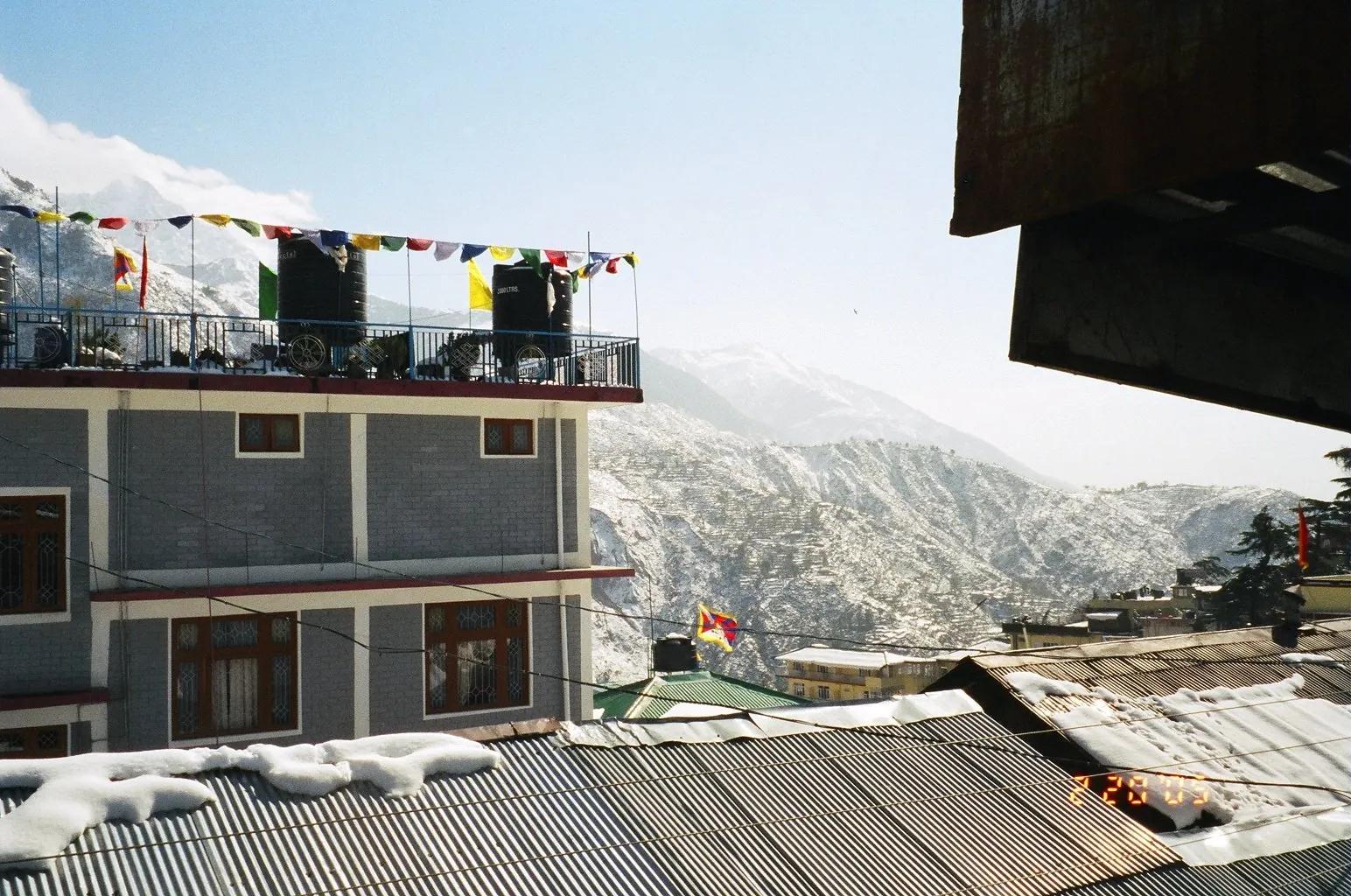
Volunteering in Himachal Pradesh: 12 Organisations and How to Apply (2026)
Teach English in McLeod Ganj, conserve the Great Himalayan National Park, build with earth in Bir, or harvest apples in Kullu. Twelve real HP volunteer organisations with honest costs, the visa rule that gets foreigners deported, and how to apply.
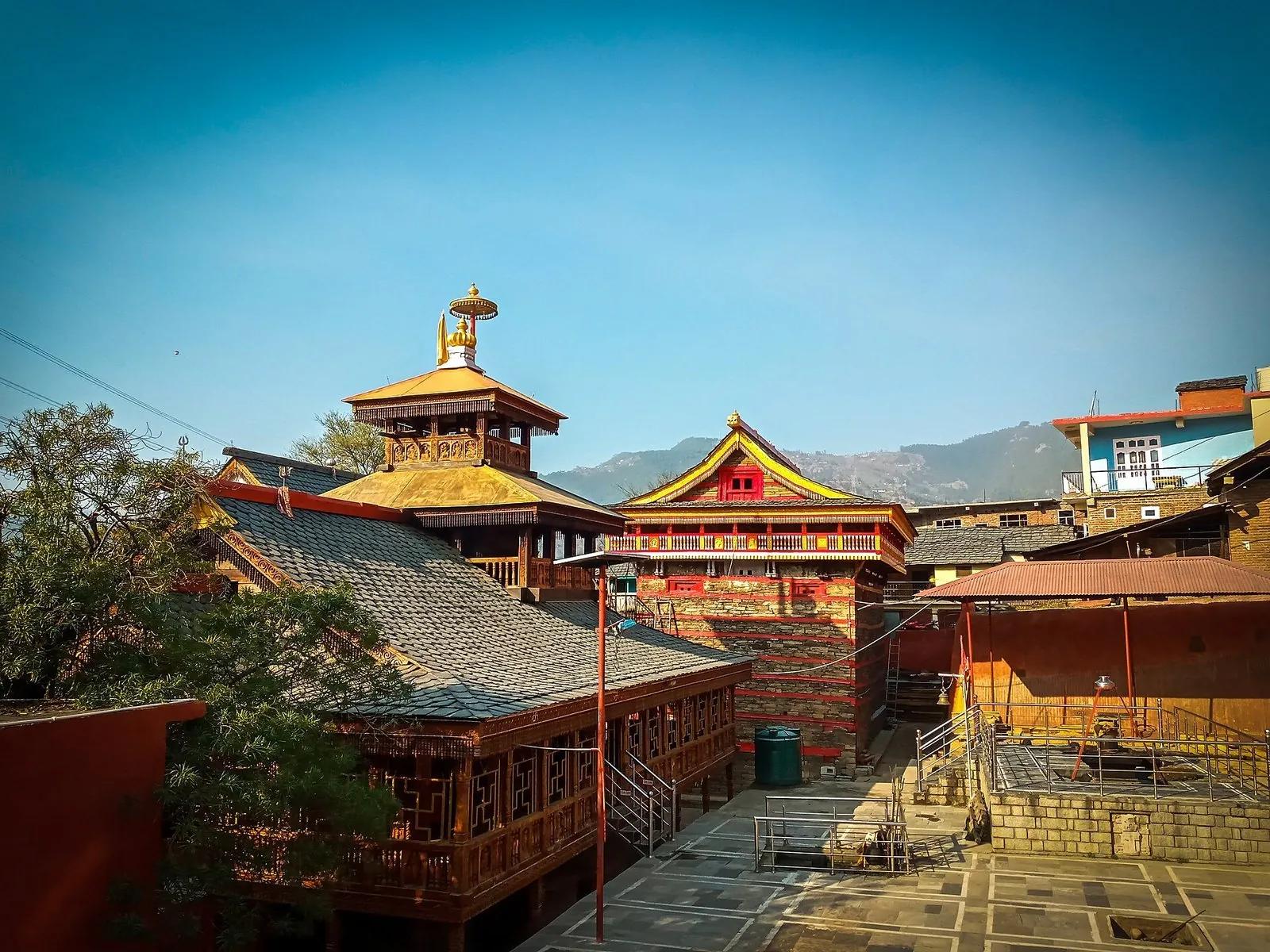
Mamleshwar Mahadev: The Eternal Flame Temple of Karsog
An eternal fire, a fist-sized wheat grain and a six-foot drum, kept in a mortar-less timber temple in the quiet Karsog valley. The honest story of Mamleshwar Mahadev: what is real, what is faith, and how to go.
Lower Himachal: The Four Districts Nobody Visits
Una, Bilaspur, Hamirpur, Sirmaur: the forgotten half of Himachal Pradesh. Submerged temples that surface every summer, HP's largest natural lake, the room where the Dasam Granth was written, and the roof of the Shivaliks. By a Kullu local finally paying attention.