
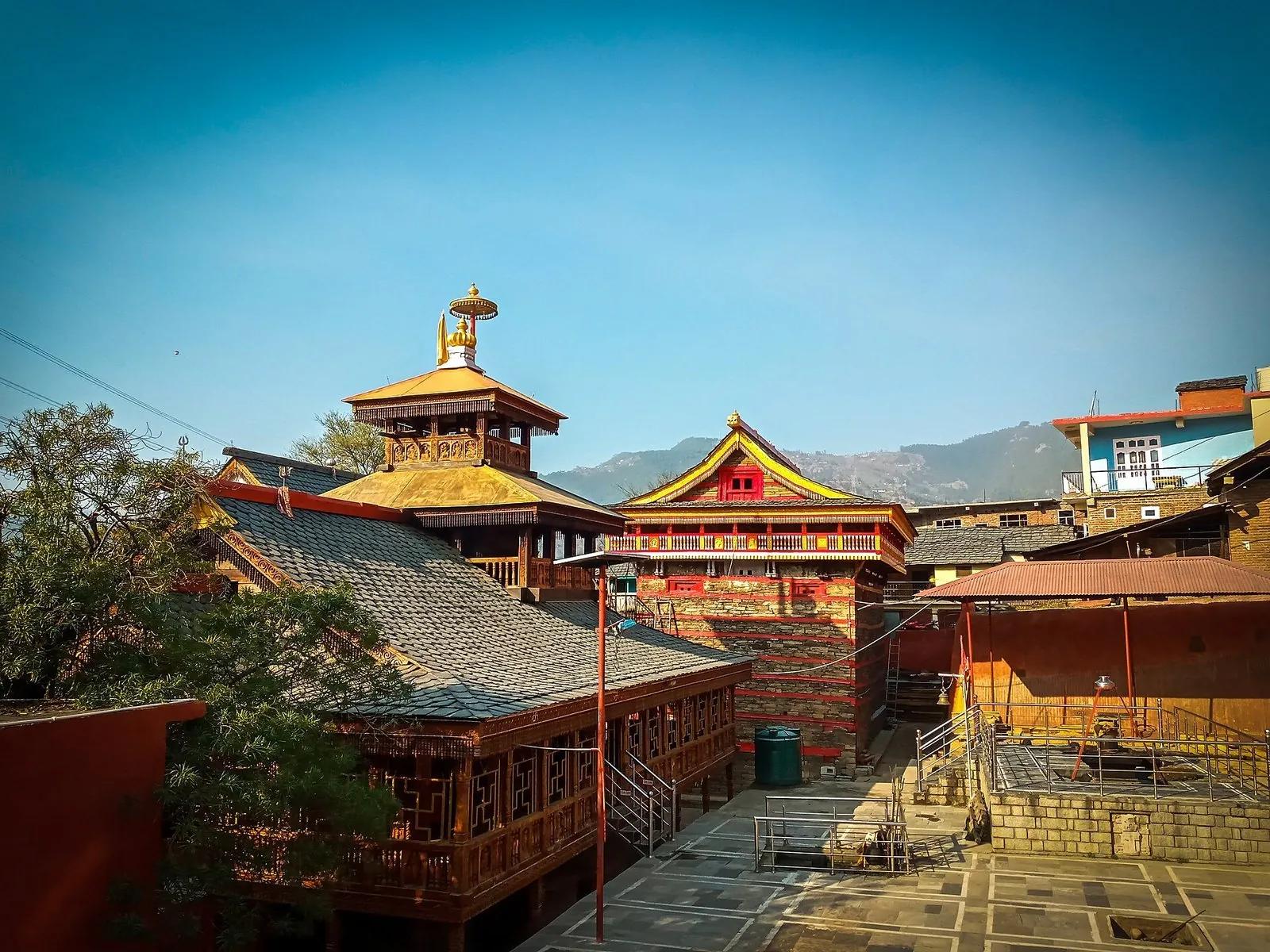
Mamleshwar Mahadev: The Eternal Flame Temple of Karsog
There is a fire in the Karsog valley that nobody alive has seen go out. It sits in a pit inside an old wooden temple at Mamel, three kilometres above Karsog town, and the people who tend it will tell you, without dropping their voice or softening it for an outsider, that it has been burning since the Mahabharata. Five thousand years. The Pandavas lit it, the story goes, and walked on, and the village simply never let it die.
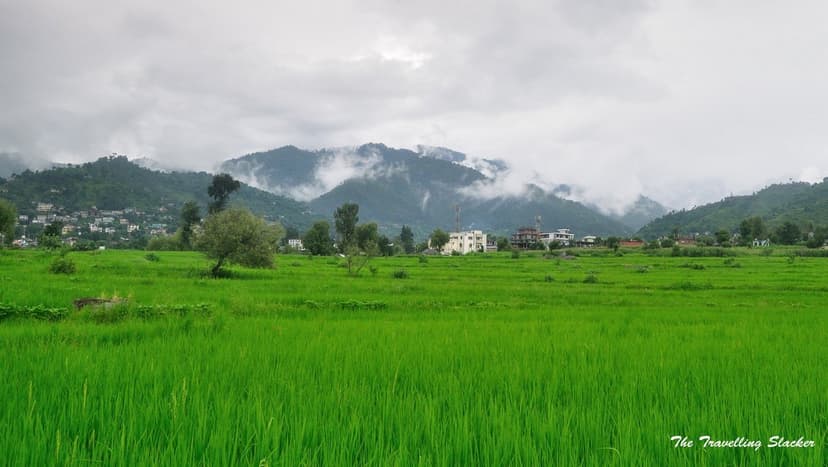
I am from Kullu, the next big valley over, and I will admit I had to look twice at the map to place Karsog properly. That is the first honest thing about this temple. It is not on the way to anywhere. The Himachal government's own tourism department files Karsog under a page it literally titles "unexplored", which is a strange thing for a government to admit and a useful thing for the rest of us to know.
So let me be the one to say it plainly, because the dozen blogs that have written this place up will not. I do not believe the fire is five thousand years old, and I do not think that matters even slightly. What is actually here is better than the legend, and stranger.
The short version. Mamleshwar Mahadev is a kath-kuni (timber-and-stone) temple in Mamel village, Karsog, in southern Mandi district. It keeps a continuously fed sacred fire, a wheat grain the size of your fist, a drum over six feet long, and five old Shivlings, all tied by local belief to the Pandavas. It is open year-round, it is roughly 100 to 115 km from both Shimla and Mandi, and almost nobody goes. That last part is the point.
- Temple
- Mamleshwar Mahadev, Mamel village, Karsog
- District
- Mandi (southern), Himachal Pradesh
- Deity
- Shiva and Parvati, worshipped together (yugal form)
- What it keeps
- A continuous sacred fire, a giant wheat grain, a 6-foot drum, five Shivlings
- Claimed age
- Mahabharata-era by local belief; the standing structure is far younger
- Architecture
- Kath-kuni, timber and stone, no cement, no nails
- From Shimla
- About 100 to 115 km, 4 to 5 hours via Tattapani
- From Mandi
- About 115 km, 4 to 5 hours via Sundernagar and Chindi
- Open
- Year-round, moderate altitude
- Rating
- 4.8 stars on Google from 900-plus reviews
A demon, a hero, and a fire nobody has let go out
Every version of the story starts the same way. A demon lived near Mamel, in a cave, and it had the village on a schedule: one human being, every day, sent up to be eaten. The families took turns. You can imagine how that works on a place, the arithmetic of it, whose turn next.
Then the Pandavas came through. This was during their agyatvas, the year of exile they had to spend hidden, and they were moving quietly through these hills under other names. When the lot fell on the house they were sheltering in, Bhima, the strong one, went up in place of the villager. He killed the demon. The village, out of its mind with relief, built a temple, and the fire that was lit then has, by their account, never been allowed to go cold.
If that plot feels familiar, it should. It is, almost beat for beat, the Bakasur episode from the Adi Parva of the Mahabharata, the one set at Ekachakra. Here is the thing worth noticing, though: the people of Karsog do not call the demon Bakasur. In the Hindi coverage I read, and there is a fair amount of it, the demon stays unnamed. The valley took a national epic and quietly planted it in its own soil, on its own cave, without bothering to match the paperwork. That is how living folklore actually behaves.
"A dhuna has been burning here continuously since the age of the Mahabharata." That is how the Hindi press, from NewsTrack to ETV Bharat, reports it, and that is how the valley believes it.
The four things they keep inside
Most write-ups talk about "three relics." They are undercounting, and the miscount tells you they were copying each other rather than going. There are four things at Mamleshwar that people come to see, and a fifth claim underneath the floor.
The fire. The akhand dhuna, the unbroken fire, is the whole reason the place has a reputation. It is wood-fed, tended by hand, not a gas flame on a pipe like the eternal lamps at war memorials. The detail the Hindi papers love, and I cannot verify but enjoy too much to leave out, is that the ash never grows or shrinks, that the pit stays at exactly its level no matter how long it burns. Take that as faith, not physics. Nobody I could find will tell you on the record what wood goes in or who feeds it at four in the morning, and I think the vagueness is part of the point.
The wheat grain. A single grain of wheat, kept on a brass plate, brought out when a sevadar is willing. It is said to be from the Pandavas' own cultivation during the exile, and it is enormous, the size of a small fist. How enormous? Depends who you ask. Amar Ujala says 200 grams. ETV Bharat and Patrika say 250. Webdunia says a golden grain of about 150. A modern wheat grain weighs around four-hundredths of a gram, so even the low estimate is a few thousand times too heavy to be ordinary wheat. Nobody has put it on a verified scale. The "250 grams" you see going around social media is one of three numbers, and the honest answer is that it has never been properly weighed.
The drum. A dhol over six feet long hangs from the roof beams. Bhima's, they say, made and beaten by him to pass the idle hours of the exile. Webdunia adds a detail the English blogs all missed, that it was cut from the bhekhal tree, the same wood mixed up in the demon story. Foreign and Indian visitors both come specifically to stand under it, which the local press reports with some pride.
The five Shivlings. This is the relic the "three things" lists drop. Five stone Shivlings, one for each Pandava brother, found on the site. Webdunia goes further and claims there are more than a hundred Shivlings buried in and around the complex. I cannot stand behind that number. But it is the kind of claim that, true or not, tells you how the valley sees this ground: not as one temple, but as a place that keeps turning up gods.
And the deity itself is unusual. Shiva here is worshipped alongside Parvati in yugal form, the divine couple together, which FirstVerdict notes is rare for a Shaivite shrine of this kind.
So how old is it, really
Here is where I have to be a spoilsport, because trust is the only thing this kind of writing has to offer. The five-thousand-year figure is devotional dating, not archaeological dating. It is the valley placing its temple in the age of the epic, the way half of upper Himachal dates itself to the Pandavas. There is no inscription, no excavation report, no carbon date. One Hindi outlet claims the archaeology department "verified" the site, but cites nothing, and I could find no such report.
What is almost certainly true: the shrine tradition here is genuinely old, pre-medieval at least. The wooden building you will actually stand in front of is much younger than that, a kath-kuni structure rebuilt and re-roofed across the centuries the way all these timber temples are, because timber does not last five thousand years and everyone in these hills knows it. None of which makes the place less worth the drive. A continuously tended fire that a community has organised its devotion around for many generations is a real and rare thing. It does not need the epic to be impressive. It already is.
| Detail | What the temple says | What the record actually supports |
|---|---|---|
| Age of the site | Lit by the Pandavas, about 5,000 years ago | Old shrine tradition, pre-medieval; the standing timber temple is centuries old, not millennia |
| The fire | Burning unbroken since the Mahabharata | A genuinely long-maintained, hand-fed sacred fire; the continuity claim is faith, not documented |
| The wheat grain | A single 250-gram Pandava-era grain | A real oversized grain on display; cited at 150, 200 and 250 grams, never independently weighed |
| The demon | Slain here by Bhima during the exile | Matches the Bakasur story of the Adi Parva, locally retold; the demon is left unnamed |
| Official verification | Said to be confirmed by the archaeology department | No inscription, excavation report or carbon date has surfaced |
How these temples stand for centuries without a single nail
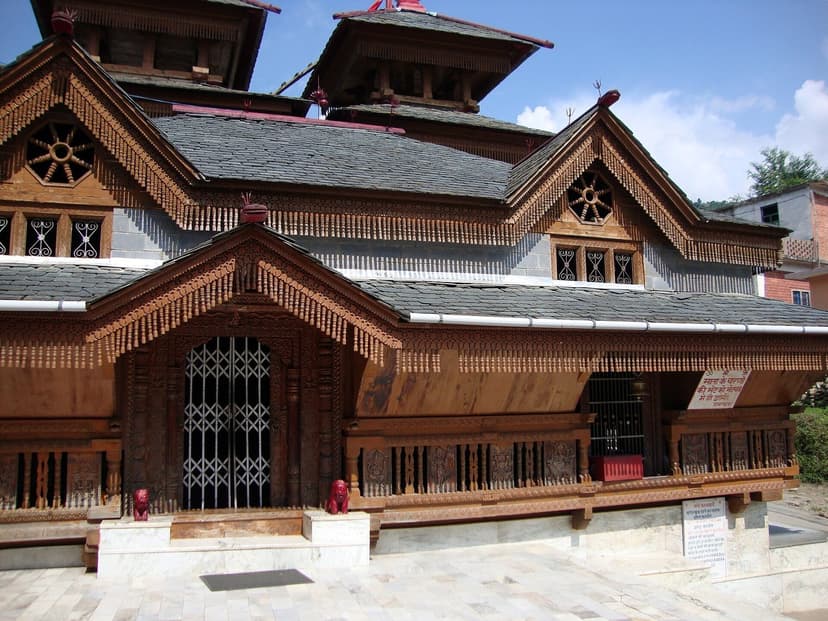
Forget the relics for a minute and look at the building, because the building is the part that genuinely should not be possible. Mamleshwar is built in kath-kuni, the old Himalayan method of laying alternating horizontal courses of dressed timber and dry stone, locked together with joinery instead of mortar. No cement. No iron nails in the structure that matters. Deodar beam, then stone, then deodar beam, all the way up, with the wood doing the holding.
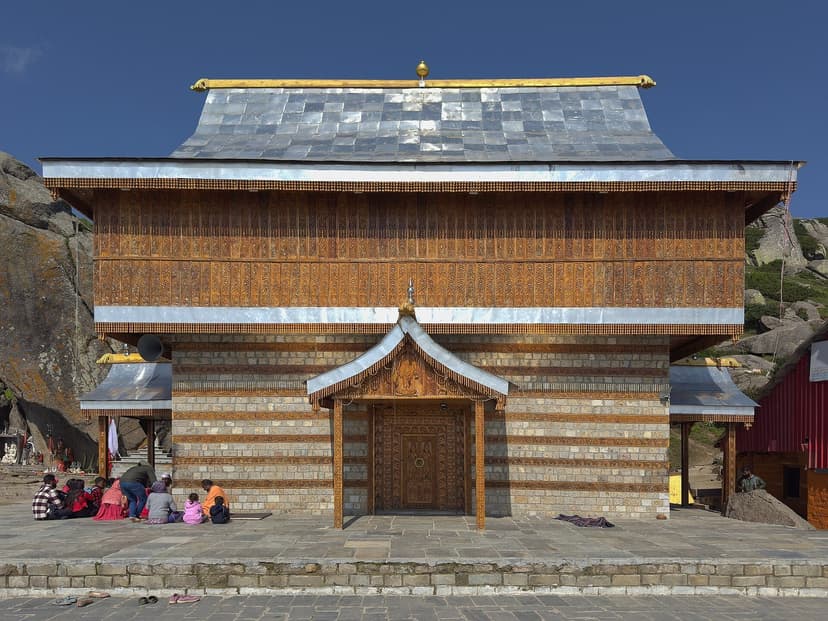
It sounds primitive and it is the opposite. The timber bands let the whole structure flex and absorb a tremor instead of fighting it and cracking, which is why kath-kuni temples and towers have outlived the earthquakes that flattened "stronger" concrete around them. I have written about why the technique works at more length elsewhere; the short version is that the people who built Mamleshwar understood seismic engineering by feel, generations before anyone wrote the equations.
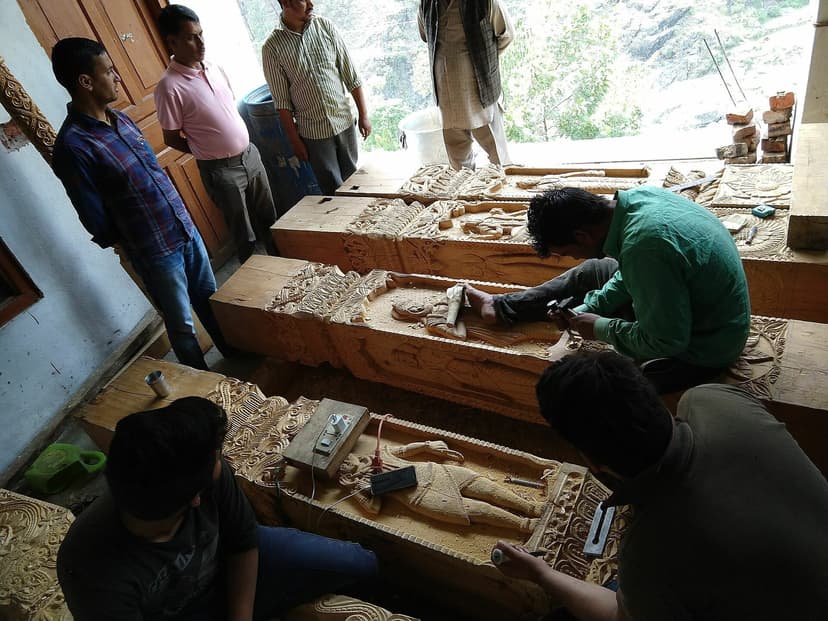
The carving is the other half of it. The facades and door surrounds are cut deep with deities and patterns, the kind of work that took a specialist his whole life to get good at. It is still a living trade in Mandi and Kullu, just barely. The carvers who cut new temple beams today are the last clear line back to whoever cut these.
The girl the temple is named after
The name is its own small story, and a kinder one than the demon. By the old account, a sage, Maharishi Bhrigu, came to meditate in this valley, and a Kinnar girl named Mamlesha looked after him through it, the meals, the fire, the long silences. He married her, and worshipped Shiva here, and the place took her name rather than his. Mamlesha, Mamleshwar. A temple in a deeply patriarchal tradition quietly carrying a woman's name down five thousand years of telling. I find that more remarkable than the wheat grain, honestly.
The Diwali that turns up a month late
If you can time it, come for Budhi Diwali, the "old Diwali," which Karsog and a scatter of other Himachal valleys celebrate roughly a month after the rest of the country has swept up its firecrackers. The legend behind the delay is gorgeous in its logic: the news of Rama's return to Ayodhya reached these mountains a month late, so the mountains lit their lamps a month late, and never saw a reason to update the schedule.
At Mamleshwar it is not a sideshow. The temple is the presiding deity for the occasion, and the rath, the palanquins, of other village gods converge here. People come down with torches of deodar and chir pine, and there is dhol and nagada deep into the new-moon night. It falls on the amavasya of the month of Margashira, which in practice lands in late November or early December. The date shifts every year and is fixed by the temple committee closer to the time, so confirm before you build a trip around it.
One plea, and I mean it. There is a real and ongoing argument in Himachal about what happens to these festivals once the internet finds them. On a thread about a Kinnaur winter festival going viral, the most upvoted comment was simply that we should stop posting them at all. Another local, u/Treacle_Real, described how "Sangla holi got kinda viral 3-4 years back among instagram travellers, and it got flooded with people, it was mostly celebrated between the villagers." Budhi Diwali at Mamleshwar is still a village festival. If you go, go as a guest at someone's rite, not as a content run. Stand at the back. Put the phone away for the actual fire.
If you only see the one temple, you are doing it wrong
Mamleshwar is the anchor, but Karsog is really a small constellation of old shrines, and the valley rewards a slow loop rather than a single stop. The strongest pull after Mamleshwar is Kamaksha Devi at Kao, which the state government, not given to gushing, singles out for its architecture. The carving on it is finer than Mamleshwar's, and by tradition the inner sanctum opens only one night a year.
Then there is Mahunag, about 18 km out, dedicated to a deity local belief identifies with Karna, the tragic, generous warrior of the Mahabharata. Whatever you make of the genealogy, the experience is the draw. One traveller, u/Own-Assumption6345, put it better than I could: "there's a kantara vibe whenever Mahunag rath and Guru enters into trance, feels surreal. You may come around 14-18 May for the feels of annual Mela." Another visitor on the same thread asked the question everyone eventually asks, whether Mahunag really is Karna. The valley does not settle it for you. It just hands you the question.
Round it out with Pangna, an old Sen-dynasty stone fort west of Karsog that a Reddit user remembered visiting back in 2007 for the "amazing architecture," and Kamrunag, the high treasure-lake where people have thrown coins and gold into the water for so long that nobody dares take any out. On the way in or out from the Shimla side you cross Tattapani, where sulphur hot springs steam up off the bank of the Sutlej.
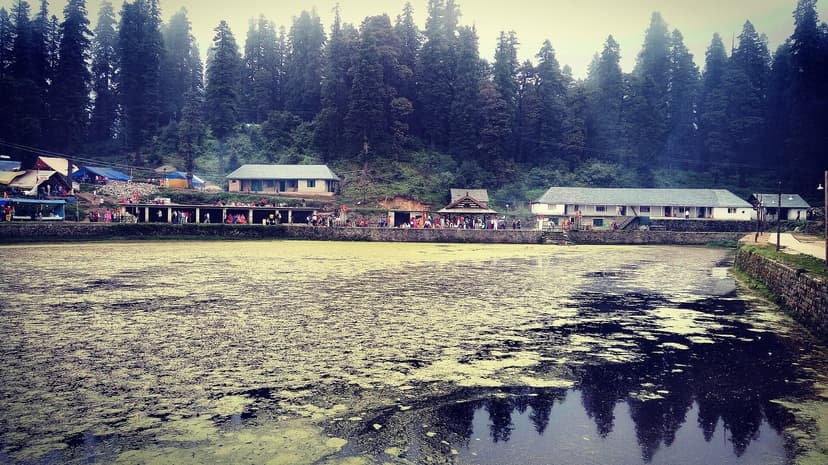
And if you have a day more and a head for mountain roads, push on about 40 km toward Janjehli to Shikari Devi, the temple the goddess reportedly refuses to let anyone roof, where the idols stand open to the snow. Mamleshwar, Shikari Devi and nearby Prashar Lake make an unofficial Mandi triangle of strange, half-forgotten sacred sites that almost no tour itinerary connects.
- Day 1, afternoon: arrive and settle in Karsog
Drive up from Shimla via Tattapani or from Mandi via Sundernagar and Chindi. Check into a homestay in Karsog bazaar or out toward Shakra. Walk up to Mamleshwar at Mamel for the evening, when the courtyard empties out and the fire does the talking. - Day 2, morning: Mamleshwar slowly, then Kamaksha Devi
Go back to Mamleshwar early to actually see the relics, ask a sevadar about the grain and the drum, and sit a while. Then drive to Kao for Kamaksha Devi, the finest carving in the valley. - Day 2, afternoon: Pangna and the long views
Run west to Pangna for the old Sen fort, or take the higher road for Mahunag if a mela is on. Eat wherever the locals are eating, and try the anaar; Karsog is pomegranate country. - Optional Day 3: Shikari Devi or Tattapani
For the roofless temple, push about 40 km toward Janjehli to Shikari Devi. Or drop back down to Tattapani for the hot springs and the Sutlej on your way out to Shimla.
Putting a Karsog loop together and not sure how many of these to attempt in the time you have? Email us your dates and we will tell you which temples are worth the extra hour of road and which to skip if the weather turns.
Getting to Karsog
Karsog sits in the far south of Mandi district, low enough that it stays open and green all year while the rest of Himachal is shutting passes. There is no airport and no train to the valley itself. You drive, and the drive is most of the reward.
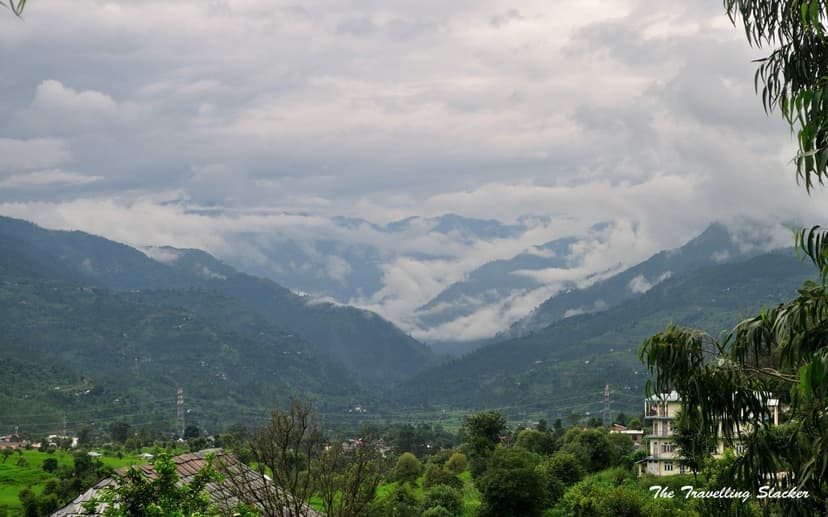
From Shimla, it is roughly 100 to 115 km and four to five hours, most scenically via Tattapani and the Sutlej. From Mandi, count about 115 km and a similar four to five hours, turning off the highway at Sundernagar and climbing in through Chindi. One Karsog regular on r/india gave the route as plainly as anyone: "reach District Mandi, there is a diversion from a place called Sundernagar, head over to Karsog Route and you will be greeted with the most underrated" valley around. The nearest airport is Bhuntar near Kullu, about 110 km north, and the nearest broad-gauge railhead is down at Kiratpur or Chandigarh. HRTC runs ordinary buses to Karsog from both Mandi and Shimla; from the Karsog bus stand it is a short auto or a two to three kilometre walk up to Mamel.
Where to sleep, what it costs
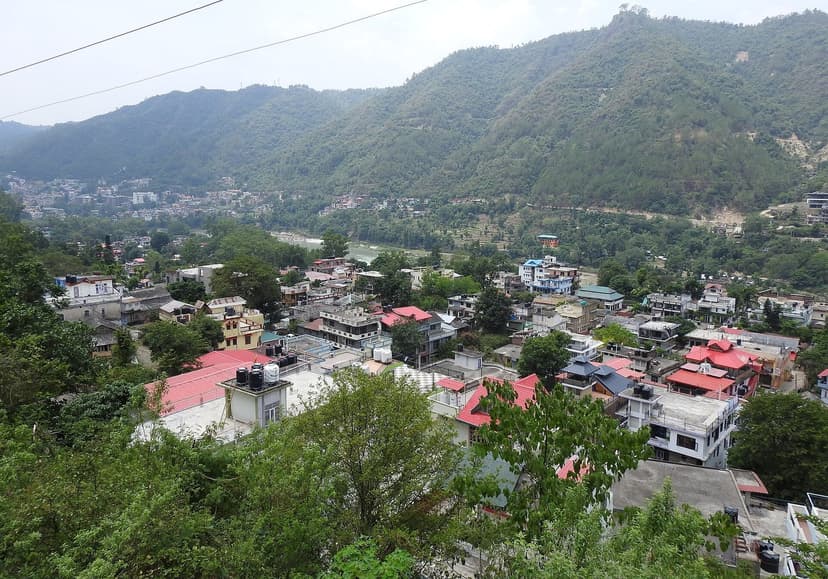
Set your expectations honestly. Karsog has no flashy hotels and, importantly, no HPTDC government hotel inside the town; the nearest state-run property is the Tattapani Hot Spa resort, about 40 km away by the springs. What Karsog does have is real: a PWD or forest rest house bookable through the Mandi district office, and a growing handful of family homestays in the bazaar and out toward Shakra and Chindi, several of them in working apple and pomegranate orchards.
None of it will break you. As of 2026, expect a rest house bed around 800 to 1,500 rupees, a homestay double roughly 1,200 to 2,500, and the nicer orchard stays on the Shikari Devi road climbing toward 3,500 in season. On the big festival nights the temple itself opens basic dharamshala space for pilgrims. Food is simple Himachali home cooking, and a Karsog local on Reddit had only one instruction worth repeating: "bhai wo anaar try kar lena," brother, do try the pomegranate. It is what the valley grows.
| Item | INR | Note |
|---|---|---|
| Homestay double | 1200-2500 | Karsog bazaar or orchard stays toward Shakra and Chindi |
| PWD or forest rest house | 800-1500 | Book through the Mandi district office in advance |
| Food, two people, per day | 500-900 | Simple Himachali home cooking; carry cash |
| Local taxi within the circuit, per day | 1800-2800 | Mamleshwar, Kamaksha Devi, Pangna in a day |
| Bus from Shimla or Mandi | 200-350 | HRTC ordinary service to Karsog |
| Temple entry | 0 | Free; carry small change for the donation box |
Want a sanity-check on your Karsog budget or a homestay that is actually open in your month? Send us your plan and we will tell you what is realistic this season, and where the road has been rough lately.
What people actually say about it
The numbers are quietly good. On Google the temple holds a 4.8-star rating from well over 900 reviews, which for a shrine this far off the map is a lot of people taking the time to come back and say it mattered to them. On TripAdvisor, with a much thinner handful of reviews, it ranks first of the two things the site lists for Karsog at all, which tells you as much about how few people log the place as about the temple.
What stays with reviewers is not the architecture, it is the relics and the quiet. People write about standing under Bhima's drum, about the grain on its brass plate, about the carvings. One small, useful warning that turns up more than once: mind your head near the low-hung bells around the main shrine. People walk into them.
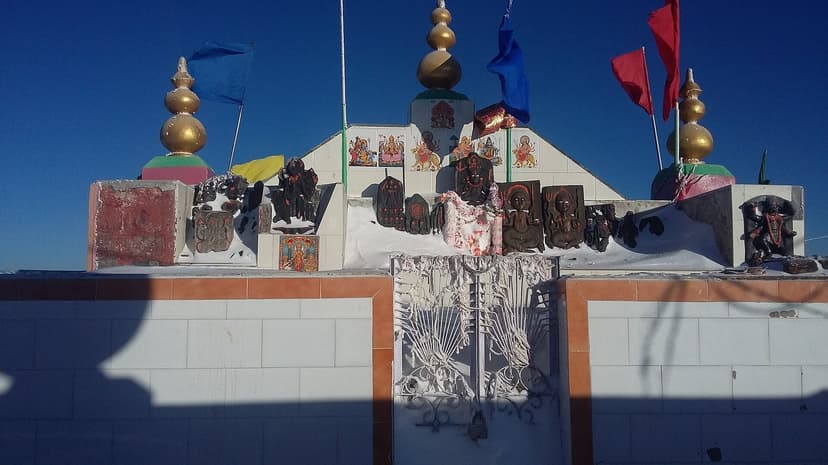
Karsog is one of the valleys I keep pointing people toward when they ask where to go that Himachal has not already sold to everyone. It is on our wider list of offbeat Himachal places for exactly that reason. Go before the rest of the internet catches up, and when you go, go gently.
Mamleshwar Mahadev: common questions
What is the eternal flame at Mamleshwar Mahadev?
It is the akhand dhuna, a wood-fed sacred fire that local belief says has burned continuously since the time of the Mahabharata, lit by the Pandavas. It is hand-tended, not a gas flame. The age is devotional tradition rather than documented history, but the fire and the devotion around it are very real.
Where is Mamleshwar Mahadev temple?
In Mamel village, about 3 km above Karsog town, in the south of Mandi district, Himachal Pradesh. It is roughly 100 to 115 km from both Shimla and Mandi.
Is the temple really 5,000 years old?
That is folk dating tied to the Mahabharata, not archaeology. There is no inscription, excavation report or carbon date. The shrine tradition is genuinely old, but the standing kath-kuni building is centuries old, not millennia.
What is the giant wheat grain?
A single oversized grain of wheat kept on a brass plate, said to be from the Pandava era. Its weight is cited variously at 150, 200 and 250 grams and has never been independently weighed. A normal wheat grain weighs about 0.04 grams.
What is the six-foot drum at Mamleshwar?
A dhol over six feet long that hangs from the roof beams, attributed to Bhima. One account says it was carved from bhekhal wood. Visitors come specifically to stand under it.
How do I reach Karsog?
By road only. About 4 to 5 hours from Shimla via Tattapani, or about 4 to 5 hours from Mandi turning off at Sundernagar through Chindi. HRTC buses run from both. The nearest airport is Bhuntar near Kullu, about 110 km away.
What is Budhi Diwali in Karsog?
The old Diwali, celebrated about a month after the national festival, on the new-moon night of Margashira (late November or early December). At Mamleshwar it is the main event of the year, with other village deities converging. The exact date is set locally each year, so confirm before planning around it.
Is Mamleshwar Mahadev open year-round?
Yes. Karsog sits at a moderate altitude and stays accessible through the year, unlike the high-altitude temples that close with the snow.
What other temples are near Mamleshwar?
Kamaksha Devi at Kao (a finely carved temple whose sanctum opens once a year), Mahunag (linked to Karna, about 18 km away), the Sen-era Pangna fort, the Kamrunag treasure-lake, and the roofless Shikari Devi temple about 40 km on toward Janjehli.
Who was Mamlesha, after whom the temple is named?
By legend a Kinnar girl who cared for the sage Maharishi Bhrigu during his meditation here. He married her and worshipped Shiva at the site, and the temple took her name.
Read next
- Shikari Devi: the roofless temple where snow refuses to settle, 40 km on from Karsog.
- Kath-kuni: how Himachal built earthquake-proof temples without a nail.
- Offbeat Himachal: 20 places beyond Shimla and Manali, Karsog among them.
- The Himachal festival calendar, including Budhi Diwali and the valley melas.
- Prashar Lake, the third point of Mandi's quiet triangle of mysteries.
Sources
Reporting and reverification, June 2026. Government and primary: HP Tourism, Unexplored Himachal (Karsog); HP Mandi district temple listing. Hindi press: NewsTrack (continuous dhuna, six-foot drum); Patrika and ETV Bharat (agni kund, ash never changing); Webdunia (bhekhal-wood drum, grain weight, buried Shivlings); Amar Ujala (grain weight); ETV Bharat (why Himachal celebrates Budhi Diwali a month late); FirstVerdict (yugal Shiva-Parvati). Background: Wikipedia on Mamaleshwar Mahadev, Karsog and kath-kuni architecture. Community voices via Reddit (r/HimachalPradesh, r/india): u/guy_from_himalays, u/Own-Assumption6345, u/poetiksage, u/Treacle_Real, u/rishu404. Distances, coordinates and altitudes cross-checked against Wikipedia and OpenStreetMap, June 2026. Where claims are devotional rather than documented, the text says so.
By Rajesh Thakur. I grew up in the Kullu valley and have been writing about Himachal travel and culture since 2018. I am from the next valley over, not from Karsog, and what I know of Mamleshwar comes from the Hindi-press record, the temple's many quiet reviewers, and the people of the Mandi backroads, not from any claim to be a local here.
You Might Also Like
Volunteering in Himachal Pradesh: 12 Organisations and How to Apply (2026)
Teach English in McLeod Ganj, conserve the Great Himalayan National Park, build with earth in Bir, or harvest apples in Kullu. Twelve real HP volunteer organisations with honest costs, the visa rule that gets foreigners deported, and how to apply.
How to Travel Himachal Without Wrecking It: A Quiet-Travel Manual
A non-preachy field manual for responsible travel in Himachal, by a Kullu local: how to behave, when to go, where to go instead, and the 2026 rules and bans that actually matter.
Lower Himachal: The Four Districts Nobody Visits
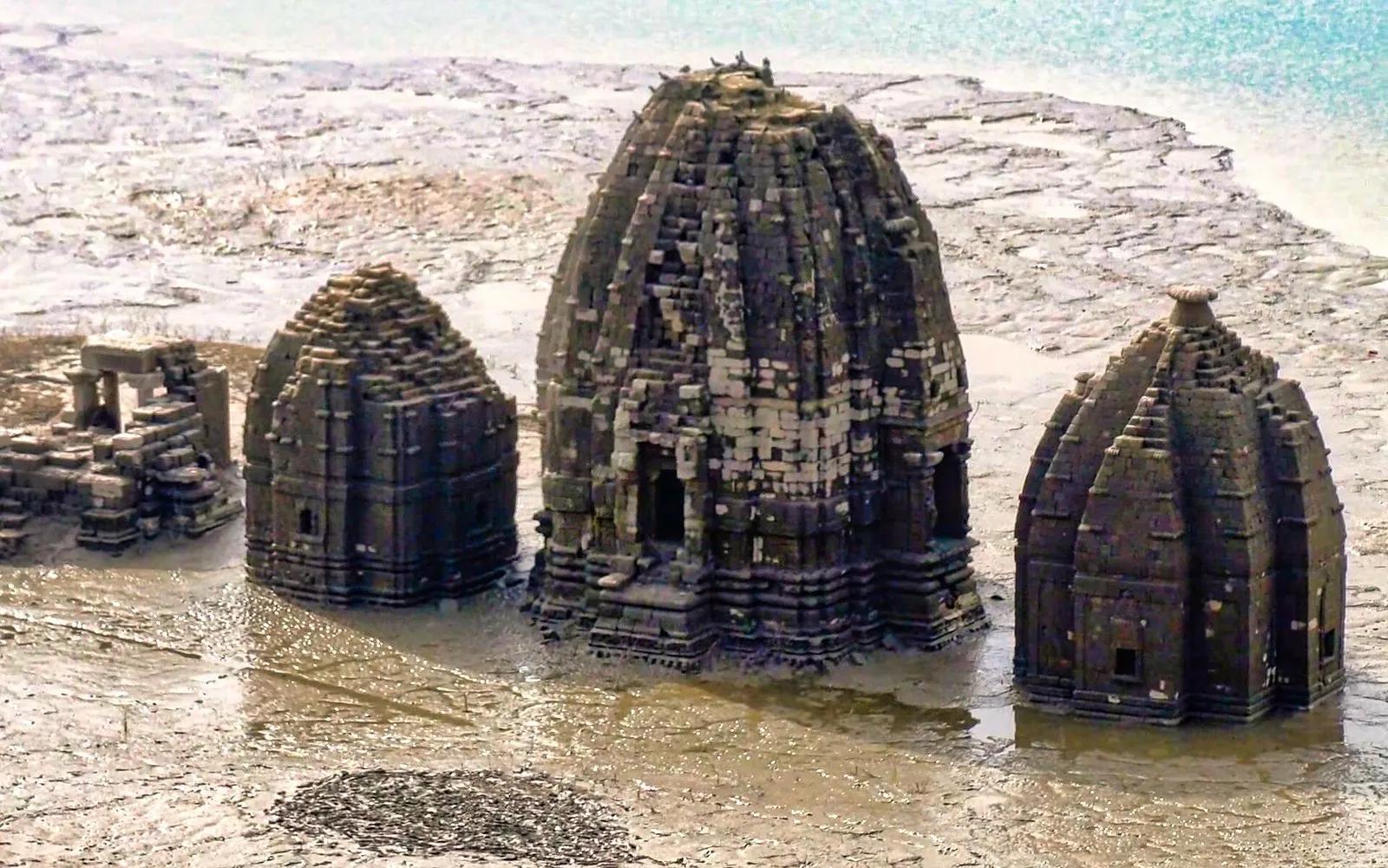
Una, Bilaspur, Hamirpur, Sirmaur: the forgotten half of Himachal Pradesh. Submerged temples that surface every summer, HP's largest natural lake, the room where the Dasam Granth was written, and the roof of the Shivaliks. By a Kullu local finally paying attention.