
HP Festival Calendar 2026: 17 Festivals with Dates & Tips
Twelve districts, twelve ways to throw a party
Himachal doesn't do festivals the way the rest of India does. Down on the plains, Dussehra is one night: burn Ravan, go home. In Kullu, it's a seven-day gathering of 200 village deities carried on palanquins to a single field, and nobody burns anything. Shivratri in most cities is a temple visit. In Mandi, it's a week-long carnival with 216 gods, a literature festival, and a volleyball tournament with a ₹51,000 cash prize.
I've been chasing these things across the state since 2018. Some are genuinely worth building a trip around. Others you should attend only if the dates happen to line up. A few, nobody outside HP has heard of, and you'll likely be the only tourist present.
This is the honest version. No "every festival is magical" nonsense.
- Total festivals covered
- 17 across 12 districts
- Hidden festivals (zero blog coverage)
- 6
- Biggest
- Kullu Dussehra, Oct 20-26
- Oldest trade fair
- Lavi Mela, Rampur Bushahr (1680s)
- 2026 milestone
- Mandi Shivratri, 500th year of Mandi township
The month-by-month calendar
Not every festival justifies rearranging your dates. The rating is mine, based on how much you'll actually get out of showing up versus how much effort it takes to get there.
| When & What | Details & Verdict |
|---|---|
| Jan 2-6: Winter Carnival, Manali | Nati dance + snow events. Trip-worthy if already in Kullu valley. |
| Jan 13: Lohri | Statewide bonfires. Nice but not a travel reason. |
| Jan 25: HP Statehood Day | Shimla ceremony. Skip unless you live there. |
| Jan/Feb: Halda, Lahaul | Cedar torch bonfires. HIDDEN. Ask your homestay host for exact date. |
| Feb 16-22: Mandi Shivratri | 216 deities, 500th year edition. PLAN YOUR TRIP AROUND THIS. |
| Feb 13-18: Fagli, Kullu | Wooden mask dances. HIDDEN. Worth the detour from Manali. |
| Mar: Sangla Holi/Phag | Multi-day color festival in Kinnaur. Refuje runs a guided trip (Rs 29,333). |
| Apr: Baisakhi | Statewide harvest. Nice bonus, not a travel reason. |
| Apr: Suhi Mata Mela, Chamba | Rani Sunayana sacrifice legend. 3-day, Gaddi women dance. |
| May: Shimla Summer Festival | 5-7 day cultural shows. Good if you are already there. |
| Jul: Shand, Spiti | Buddhist devotional dances at Key Gompa. HIDDEN. |
| Aug 2-8: Minjar Fair, Chamba | Silk tassels to River Ravi. 7 days. Worth combining with Chamba trip. |
| Sep 4-19: Manimahesh Yatra | Sacred lake trek from Bharmour. 13,000 ft. Serious pilgrimage. |
| Sep 17: Sair Festival | Post-monsoon harvest. Walnut-tossing in Mandi. HIDDEN local gem. |
| Oct 20-26: Kullu Dussehra | 200+ deities, no Ravan burning. THE festival. Book 3 months ahead. |
| Nov 11-14: Lavi Fair, Rampur | 300-year-old trade fair. Kinnauri handicrafts + chilgoza. |
| Nov 11-15: Renuka Fair, Sirmaur | Parshuram meets Renuka Mata. Holy bath at lake. |
The Big Three: plan your whole trip around these
Kullu Dussehra (October 20-26, 2026)
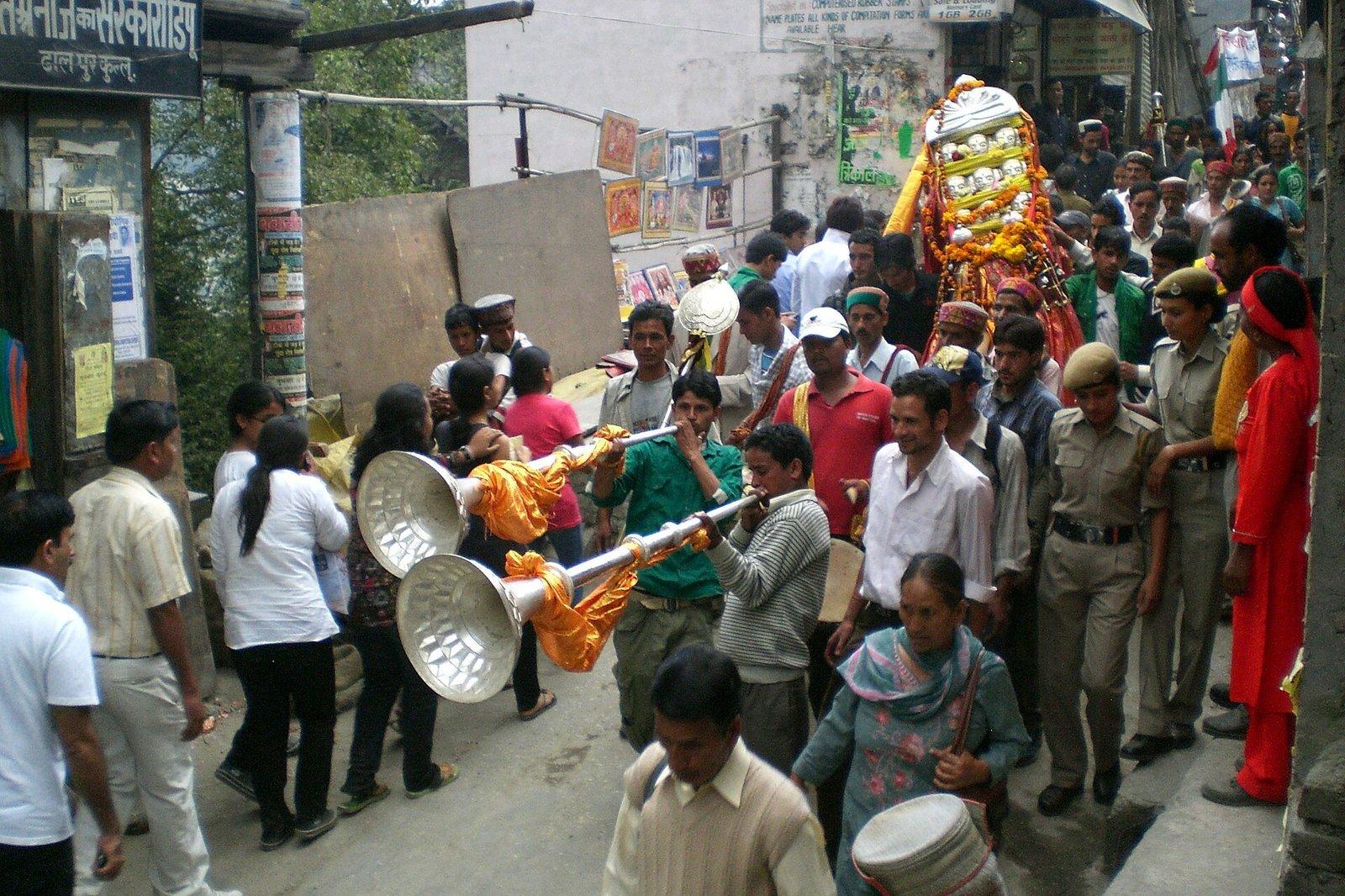
Everywhere else in India, Dussehra is one evening. In Kullu, it starts the day after Vijayadashami (October 20, 2026) and runs seven days. Over 200 village deities are carried on wooden palanquins from valleys across the district to Dhalpur Maidan. The whole thing is dedicated to Bhagwan Raghunath Ji, and there's no Ravan effigy, no burning. The deities arrive, pay their respects, and the town turns into a weeklong open-air market with Nati dancing and food stalls and more people than Kullu can hold.
The interfaith bit nobody talks about: Muslims join their Hindu neighbours in pulling the Raghunath chariot. I watched it happen in 2022 and it was one of those moments that made me briefly less cynical about the world.
Booking tip from Reddit (u/Bend-Pristine): "Starting days are best if you want to see rath yatra. Last 2-3 days best for shopping, you can bargain easily. Book hotels in Bhuntar, take bus to Kullu, much cheaper." Hotel rates in Kullu double or triple during Dussehra week. Book 2-3 months ahead or stay in Bhuntar (15 km south, HRTC buses every 10 minutes).
Mandi Shivratri (February 16-22, 2026)
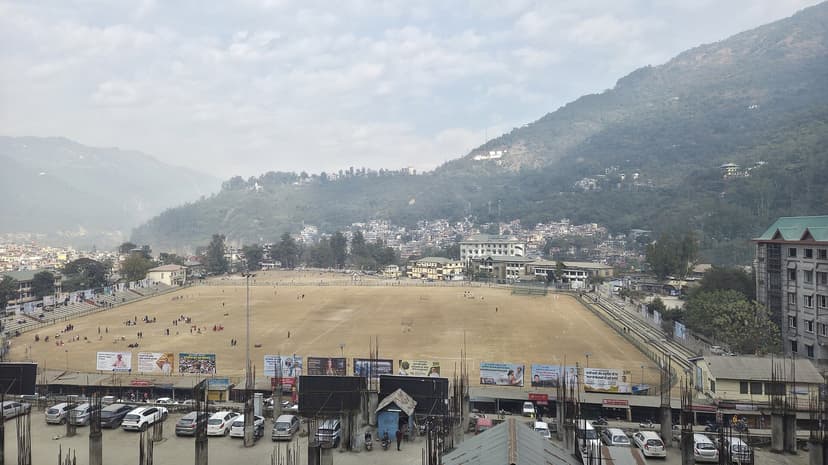
Mandi calls itself Chhoti Kashi, the small Varanasi. On most days that's aspirational marketing. During Shivratri week, it's accurate. 216 deities from the surrounding valleys are invited (literally: written invitations are sent to each temple) to converge on Paddal Ground near the Raj Madhav Rai temple. Deputy CM Mukesh Agnihotri led the opening procession in 2026, the Bari Jaleb.
2026 is a big year. Mandi township turns 500, and they went all out: a laser show, the first-ever Chhoti Kashi Sahitya Utsav (literature festival), cultural troupes from 13 countries and 6 Indian states, twin Beas Arti ceremonies on the riverbank, and a Saras Mela that hit a record ₹2.01 crore turnover. The Voice of Shivratri singing competition pays ₹51,000 to the winner.
Mandi sits on the Manali-Shimla highway. You can combine it with Parashar Lake (55 km) or Rewalsar (24 km) without any detour.
Fagli masked dances (February 13-18, Kullu district)
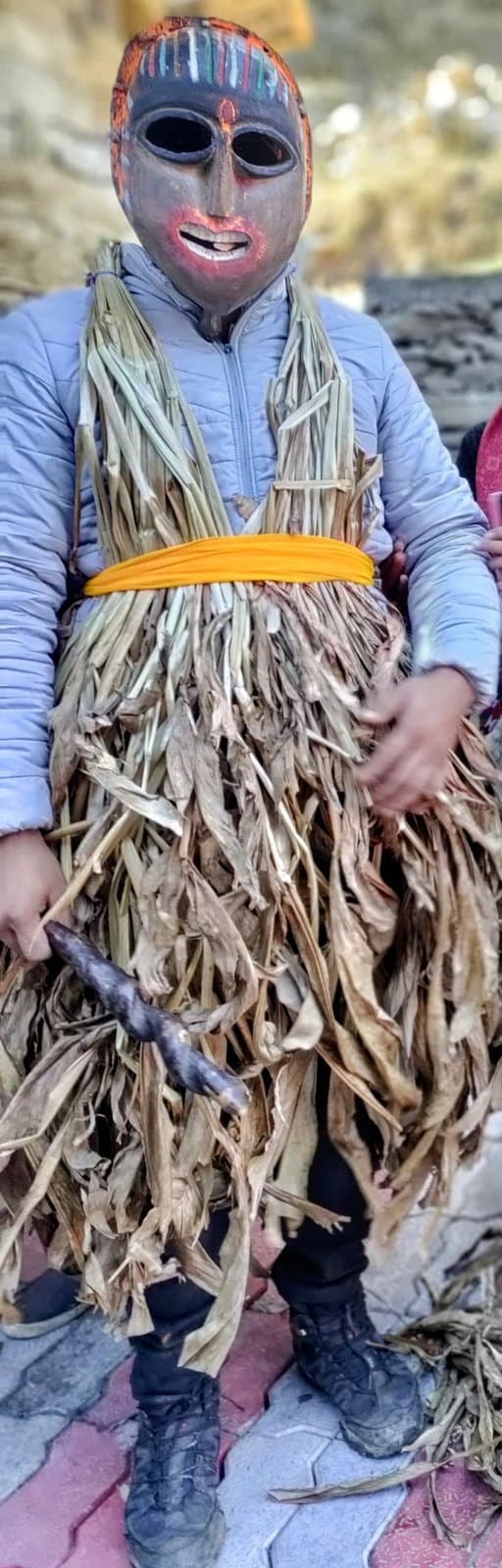
This one makes me angry that nobody writes about it. Fagli (or Phagli) marks the end of winter in Kullu's Pattan Valley villages. Performers carve wooden masks representing deities, dress in costumes woven from dried corn leaves, and go door to door performing ritual dances. At each household they offer a piece of grass from their costume called joob, a blessing for prosperity. It's loud, strange, and looks like nothing else in India.
The HP government's own description puts it best: "Worshipping Shiva, Naga and goddess Hadimba. Falls fortnight after Amavasya." Zero travel blogs cover it. Zero. I checked. You'll likely be the only tourist present, which is either the appeal or the problem, depending on how you travel.
Getting there: Pattan Valley is 30-40 minutes south of Kullu town. Any HRTC bus headed toward Bhuntar passes through. Ask your homestay for exact village dates, they shift by a day or two each year.
The hidden six: festivals no travel blog covers
These festivals have virtually zero English-language coverage. Dates are approximate and shift with lunar calendars. Your best source is the nearest homestay host or the HP Tourism helpline (0177-262-3457). Don't show up without confirming locally first.
1. Halda (January, Lahaul)
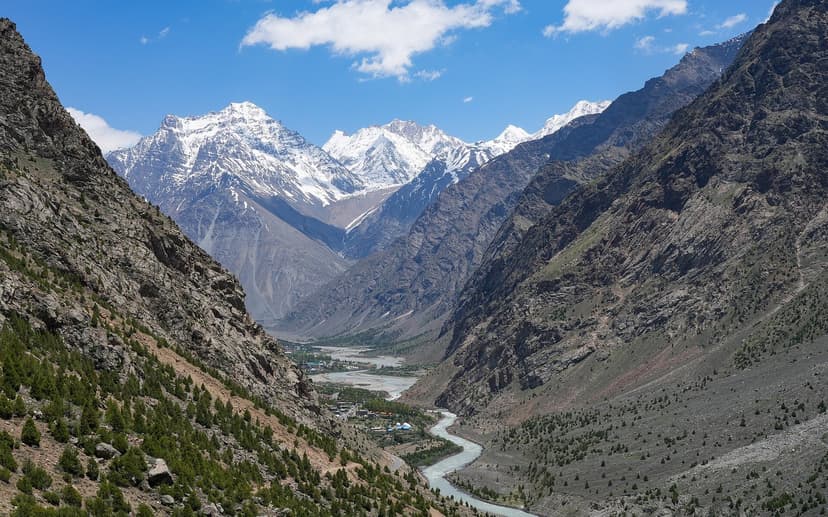
Tribal new year in the Chandrabhaga valley. Held on Paush Purnima (January full moon), dedicated to Shishr Apa, the goddess of wealth. Families light cedar wood torches and step out into the Lahaul night to drive away evil forces. Lamas fix the exact date. It overlaps with Punha and Losar in some villages. Getting there: Keylong or Sissu base, accessible year-round since the Atal Tunnel opened.
2. Phulaich / Ukhyang (September, Kinnaur)
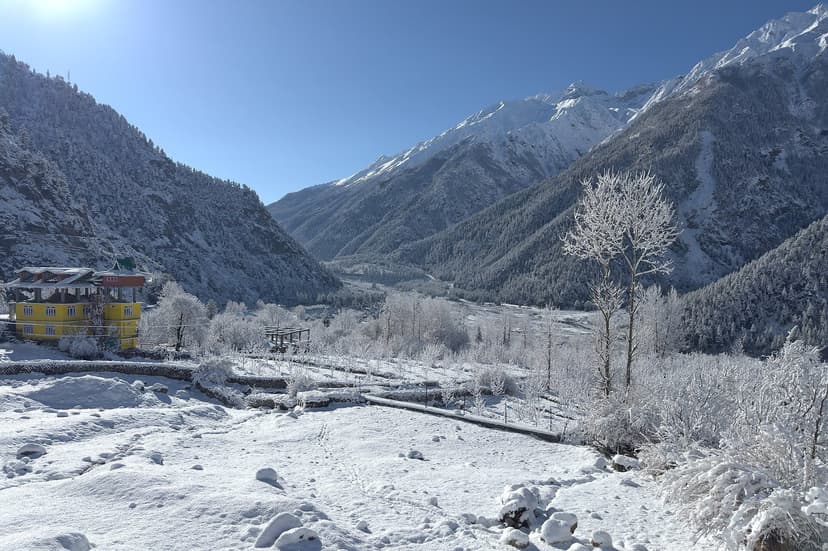
Phoolon ka mela, the festival of flowers. Villagers trek to high alpine meadows above 3,500 metres to gather Brahmakamal, Ra-U, and Shu-Pating wildflowers. These get offered at the Bering Nag temple in Sangla and at Sapni village. There's a rath yatra, a dev parikrama, and dhol-nagade drumming. This is Kinnaur's way of honouring ancestors with the flowers that grow where humans can barely breathe.
3. Losar (February, Spiti)
Tibetan Buddhist New Year. Spiti's gompas come alive with prayer flags, butter sculptures, and cham dances. Key Monastery is the usual centre. Dates follow the Tibetan calendar. Combine with a winter Spiti road trip if you don't mind the cold. And you should mind the cold. It's minus 20 at night in Kaza.
4. Sair (September 17, Mandi/Kangra/Solan)
Post-monsoon harvest thanksgiving. The Mandi version is the best: akhrot khelna, a walnut-tossing game that grown adults take very seriously. Divya Himachal quotes the tradition: "Only after Sair does the kharif harvest begin." Solan hosts the state-level Sair Mela. It falls on Ashwin Sankranti, September 17 in 2026.
5. Shand (July, Spiti)
Buddhist devotional dance festival at the gompas around Key. Shand is a dance form honouring the Buddha, historically linked with the Ladarcha fair where Ladakhi, Rampur, and Spiti traders used to barter on the Kibbar plateau. The trade fair is gone. The dances remain.
6. Nalwar Mela (March-April, Mandi/Bilaspur)
A 138-year-old bull-trade fair started by a British officer named W. Goldstein in 1889. Bilaspur's state-level Nalwari Mela runs March 17-23; Karsog district's version opened April 5, 2026 with bull puja and a Mamleshwar Mahadev procession. In 2026, Nag Chwasi Devta joined the Karsog mela after 160 years. The fair is seeking national recognition, though the bull numbers are declining ("ghati bailon ki sankhya," the Hindi press reports).
The ones you'll hit by accident (and that's fine)
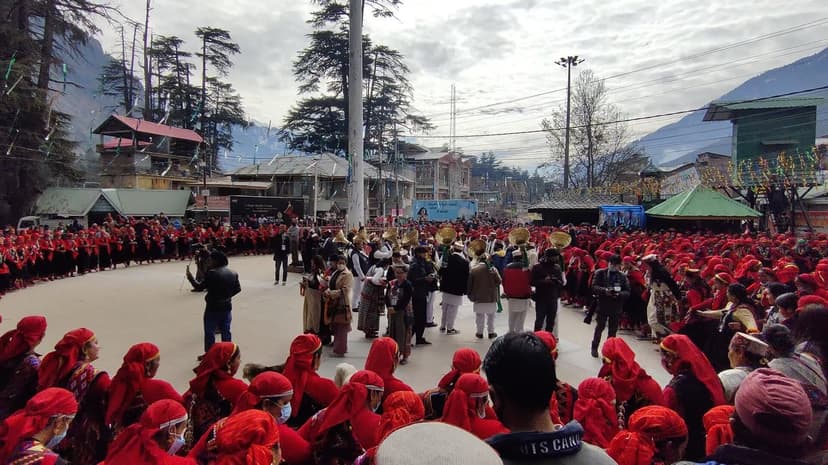
Winter Carnival, Manali (January 2-6): Five days of Nati dance performances, snow sculpting (when there's snow), and enough cultural shows to fill three evenings. It's a nice addition to a January Manali trip but not worth travelling specifically for. The Nati is the real draw.
Shimla Summer Festival (May): Cultural performances on the Ridge and Mall Road. Fine if you're in Shimla anyway. Not a trip-planner.
Christmas in Shimla/Manali: Pretty lights, overpriced hotels. Shimla does it better than Manali. Neither does it as well as they think.
November's double bill: Lavi and Renuka
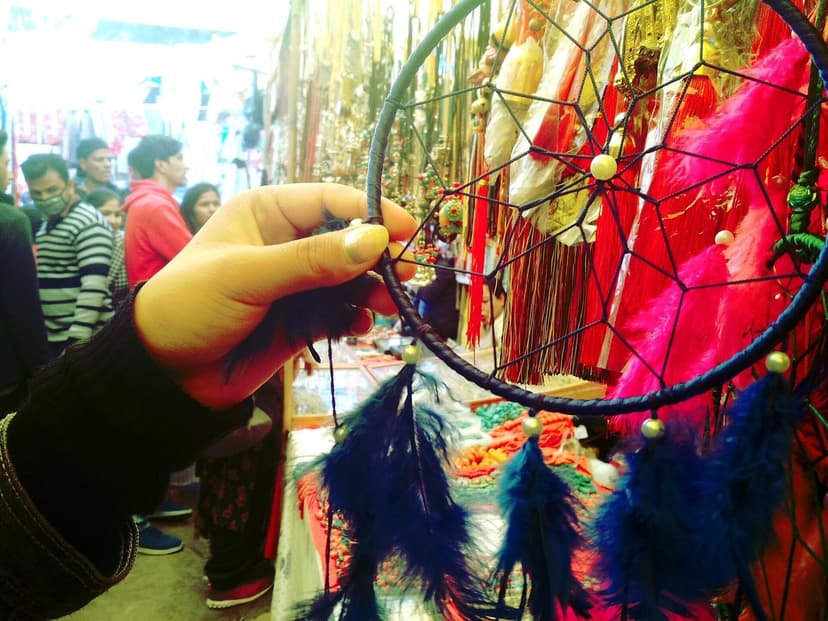
Lavi Fair, Rampur Bushahr (November 11-14): Born from a 1680s trade treaty between the Bushahr kingdom and Tibet. For over 300 years, traders brought dry fruits, almonds, apricots, chilgoza pine nuts, and Chamurthi horses from Spiti. The Tibet trade is long gone, but the fair survives as Shimla district's biggest commercial event. Kinnauri shawls, Bushahri topis, and dried fruit are the draw. Rampur is on the Shimla-Kinnaur highway, easy to hit on a Kinnaur-bound drive. A horse exhibition was introduced in 2025.
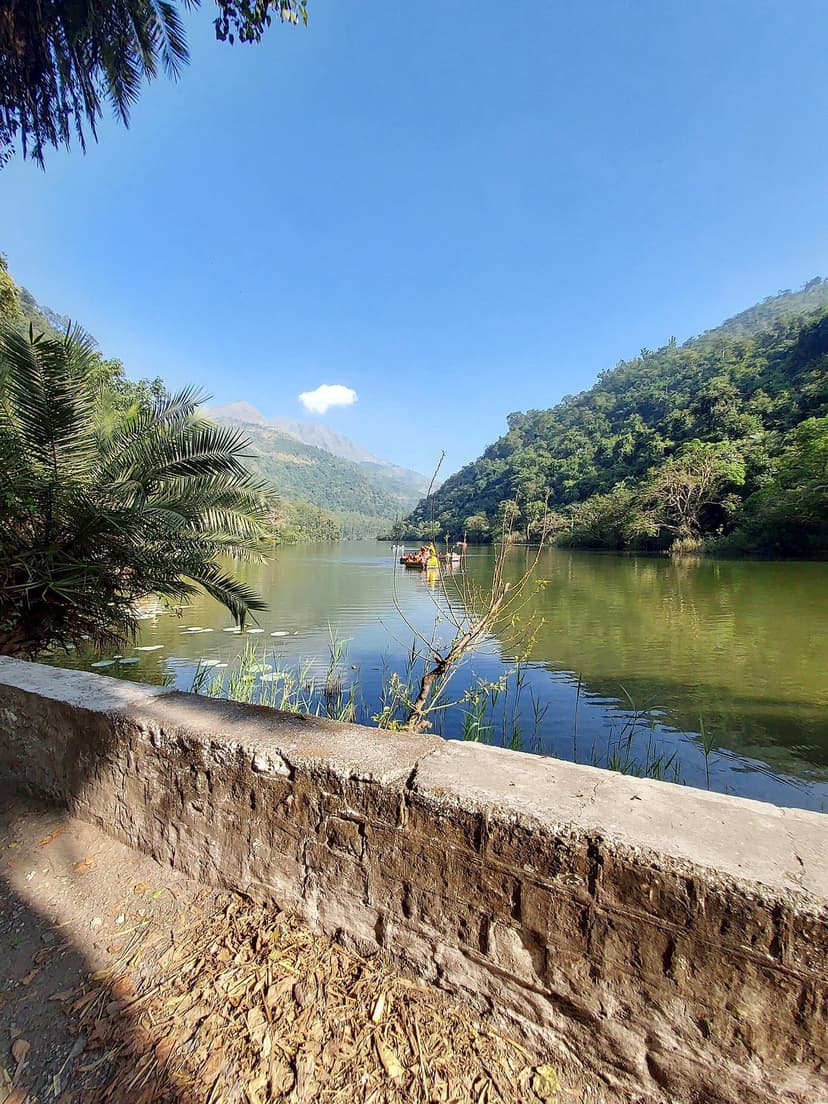
Renuka Fair, Sirmaur (November 11-15): The story is compelling. Bhagwan Parshuram descends from Jamu Koti to meet his mother Renuka Mata. The deity's palki comes down the mountain; devotees take a holy bath in Renuka Lake on Kartik Purnima. New in 2026: a separate Parshuram Jayanti Mela introduced at Renuka Teertha for the first time. Nahan is the nearest town.
Minjar Fair: Chamba's silk-tassel harvest prayer
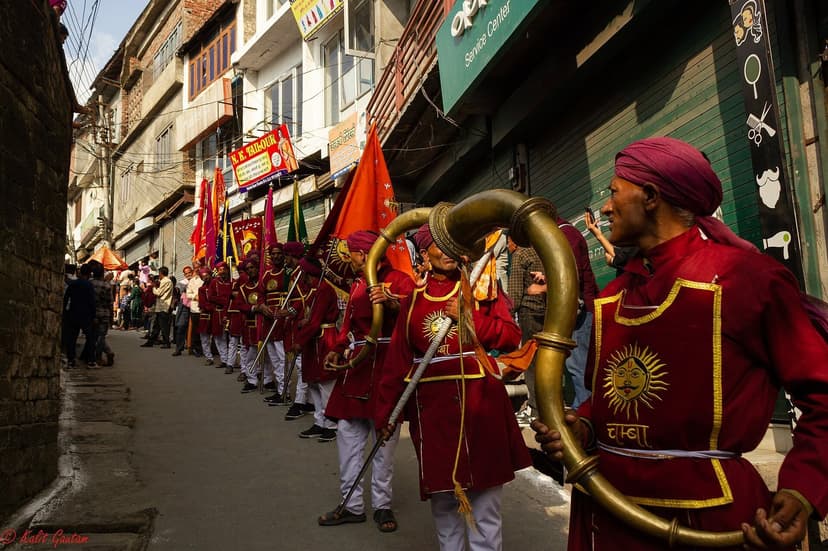
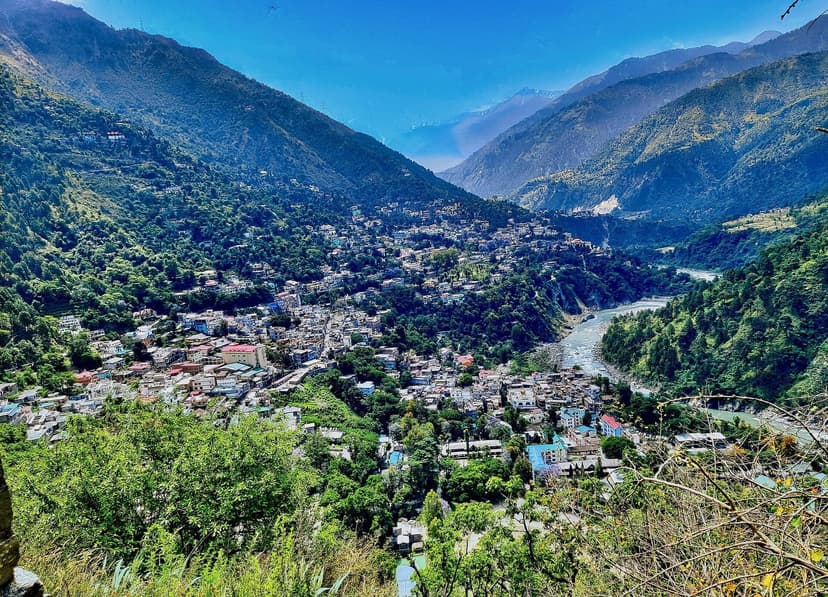
August 2-8, 2026 (second Sunday of Shravan). Minjar is a silk tassel that looks like a maize flower. On day one, you tie a minjar to your clothing for prosperity. For the next seven days, Chowgan ground fills with cultural programs, handicraft stalls, and flute players. On the closing day, a procession carries the minjar to the Ravi for immersion. HP Tourism puts it best: "At the time of sprouting of silk strands from fruiting maize corns, the farming community prays for a good harvest by offering the first Minjar to the waters of River Ravi."
Chamba is remote by HP standards, 5-6 hours from Pathankot, but pairing Minjar with Bharmour's 84 temples (1.5 hours further) makes for a good 4-day trip. Monsoon green is at its peak in August and the waterfalls along the road are ridiculous.
Festival × season: which month gets you the double hit
The festivals that pair with a natural event are the ones worth adjusting your dates for:
- February Fagli + last snow on the passes. Manali still has snow, Kullu valley is turning green.
- March Sangla Holi + rhododendron bloom beginning on lower ridges.
- July-August Minjar + peak monsoon green. Chamba's waterfall season.
- September Phulaich + alpine wildflower meadows. Kinnaur is golden.
- October Kullu Dussehra + apple harvest + autumn colours + clear post-monsoon skies. The single best month in HP, full stop.
- November Lavi Fair + late apple harvest + Kinnaur autumn foliage at its peak.
What it actually costs when festivals hit
| Item | Cost | Note |
|---|---|---|
| Kullu hotels during Dussehra (Oct 20-26) | 2-3x normal rates | Book Bhuntar for cheaper. HRTC bus to Kullu every 10 min. |
| Mandi during Shivratri (Feb 16-22) | 1.5-2x normal rates | Mandi has more hotel capacity than Kullu. Easier to find rooms. |
| Chamba during Minjar (Aug 2-8) | 1.5x normal rates | Fewer tourists than Kullu. Budget options exist. |
| Hidden festivals (Halda, Fagli, Phulaich) | No surge | Too small and local for price impacts. |
| HRTC Volvo Delhi-Kullu | Rs 1,744-1,771 | Book 2-3 weeks ahead for Dussehra week. |
| HRTC ordinary Delhi-Mandi | Rs 700-900 | Runs daily. Mandi is a highway stop, easier access. |
Want a local sanity-check on your festival trip plan? Email us your draft itinerary. We will tell you which dates are tight, which towns fill up, and which hidden festival is happening near your route that week.
The festival map
Frequently asked questions
When is Kullu Dussehra 2026?
October 20-26, 2026. Starts the day after Vijayadashami. 200+ village deities are carried in palanquins to Dhalpur Maidan for a 7-day celebration. Book hotels 2-3 months ahead. Budget tip: stay in Bhuntar, bus to Kullu.
When is Mandi Shivratri 2026?
February 16-22, 2026. This is the 500th year of Mandi township, so expect an extra-large edition. 216 deities converge on Paddal Ground. Mandi is on the Manali-Shimla highway, easy to combine with Parashar Lake (55 km).
What is the Fagli festival?
An end-of-winter celebration in Kullu valley (Feb 13-18) featuring carved wooden masks and costumes woven from corn leaves. Performers go door-to-door offering joob grass blessings. Found nowhere else in India. Virtually zero travel blog coverage.
What unique festivals does Himachal Pradesh have?
Fagli (wooden mask dances, Feb), Phulaich (ancestral flower offerings, Kinnaur, Sep), Halda (cedar torch bonfires, Lahaul, Jan), Minjar (silk tassels to River Ravi, Chamba, Aug), Shand (Buddhist dances, Spiti, Jul), Nalwar (138-year-old bull fair, Mandi, Mar-Apr).
Is Kullu Dussehra worth visiting?
Absolutely. It is the single most unique Dussehra celebration in India: 7 days instead of 1, 200+ deity processions, no Ravan burning, and a powerful interfaith tradition where Muslims help pull the Hindu chariot. October in Kullu also means apple harvest and autumn colours.
What festivals happen in HP in winter?
January: Winter Carnival Manali (Jan 2-6), Lohri (Jan 13). January/February: Halda bonfires in Lahaul. February: Mandi Shivratri (Feb 16-22, the biggest), Fagli masked dances (Feb 13-18, the rarest), Losar in Spiti. March: Sangla Holi in Kinnaur.
Can tourists attend local HP festivals?
Yes. Most HP festivals are public community celebrations. No tickets needed. For hidden festivals (Phulaich, Halda, Fagli), ask your homestay host for exact dates and village. HP Tourism helpline: 0177-262-3457.
When is the best month for festivals in Himachal?
October (Kullu Dussehra + apple harvest + autumn colours + clear skies) and February (Mandi Shivratri + Fagli + last snow). November is also strong with Lavi Fair and Renuka Fair running the same week.
Planning around a specific festival? Email us the dates you have in mind. We will tell you what else is happening nearby that week and whether the accommodation math works.
Sources
- HP Tourism — Fairs & Festivals (official descriptions, Minjar, Halda, Phulaich, Fagli)
- Lahaul-Spiti District Administration — Festivals (Halda details)
- Kullu District Administration — Culture & Heritage (Dussehra, Fagli)
- FactoHR — HP Holidays 2026 (official date pinning)
- Amar Ujala (Hindi) — Mandi Shivratri 2026 coverage (Feb-Mar 2026), Lavi Fair confirmation (Nov 2026), Nalwari Mela 138th year (Mar 2026), Renuka Fair dates (Apr 2026)
- ETV Bharat (Hindi) — "42 devi-devta of Seraj invited" (Feb 2026), Kullu Dussehra history
- Divya Himachal (Hindi) — Sair festival tradition, Kullu Dussehra 2024 benchmark data
- Voices of Rural India — Phulaich/Ukhyang in Sapni, Kinnaur
- Drikpanchang/Astrosage — Vijayadashami 2026 date (Oct 20) for Kullu Dussehra pinning
- Reddit (u/Bend-Pristine, r/HimachalPradesh) — Kullu Dussehra practical booking tips
- Reddit (r/india via Pullpush.io) — Interfaith chariot-pulling tradition
- Background reading: Wikipedia — Kullu Dussehra, Hindi Wikipedia — Minjar Mela
You Might Also Like
Volunteering in Himachal Pradesh: 12 Organisations and How to Apply (2026)
Teach English in McLeod Ganj, conserve the Great Himalayan National Park, build with earth in Bir, or harvest apples in Kullu. Twelve real HP volunteer organisations with honest costs, the visa rule that gets foreigners deported, and how to apply.
How to Travel Himachal Without Wrecking It: A Quiet-Travel Manual
A non-preachy field manual for responsible travel in Himachal, by a Kullu local: how to behave, when to go, where to go instead, and the 2026 rules and bans that actually matter.
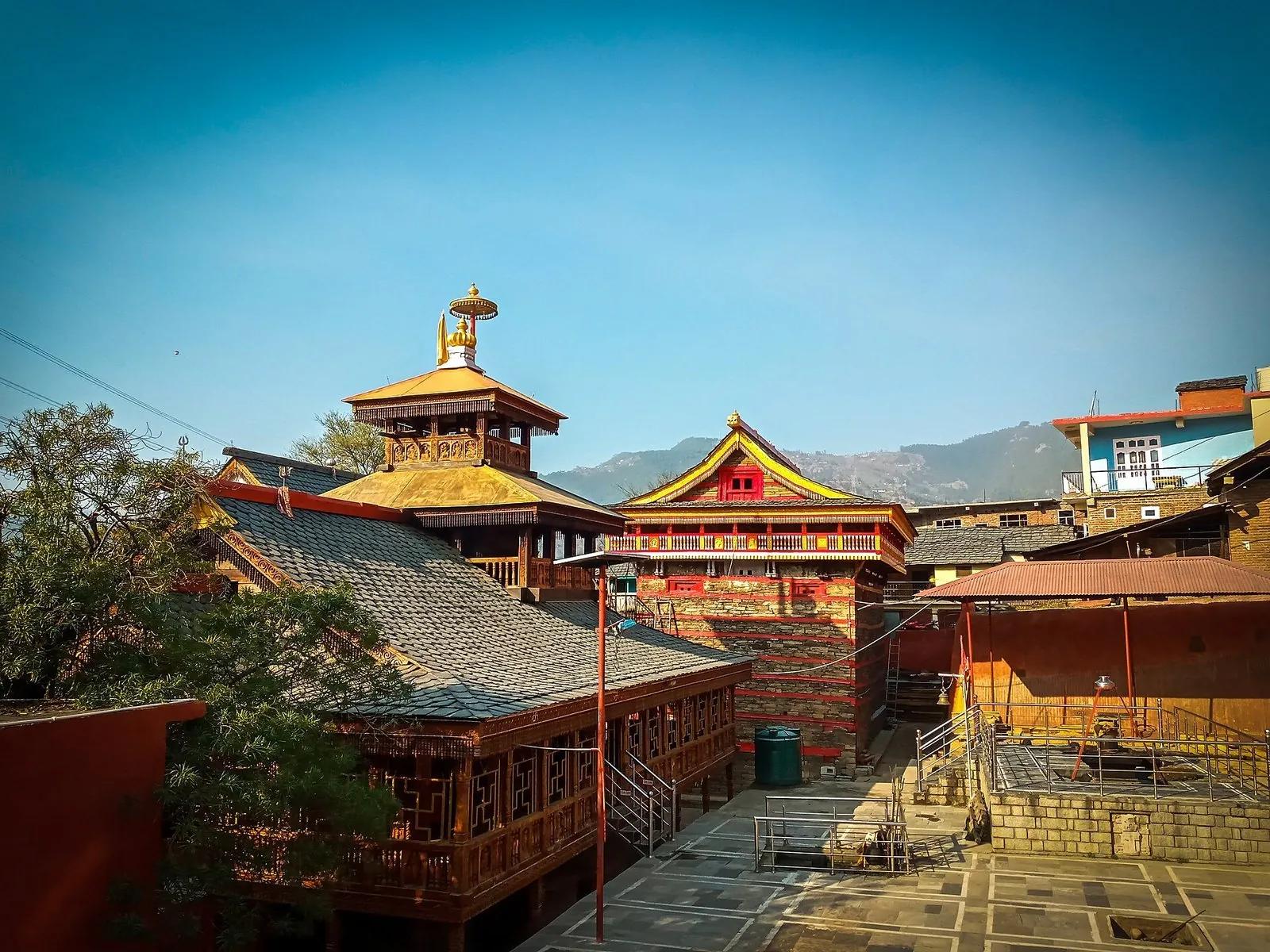
Mamleshwar Mahadev: The Eternal Flame Temple of Karsog
An eternal fire, a fist-sized wheat grain and a six-foot drum, kept in a mortar-less timber temple in the quiet Karsog valley. The honest story of Mamleshwar Mahadev: what is real, what is faith, and how to go.