
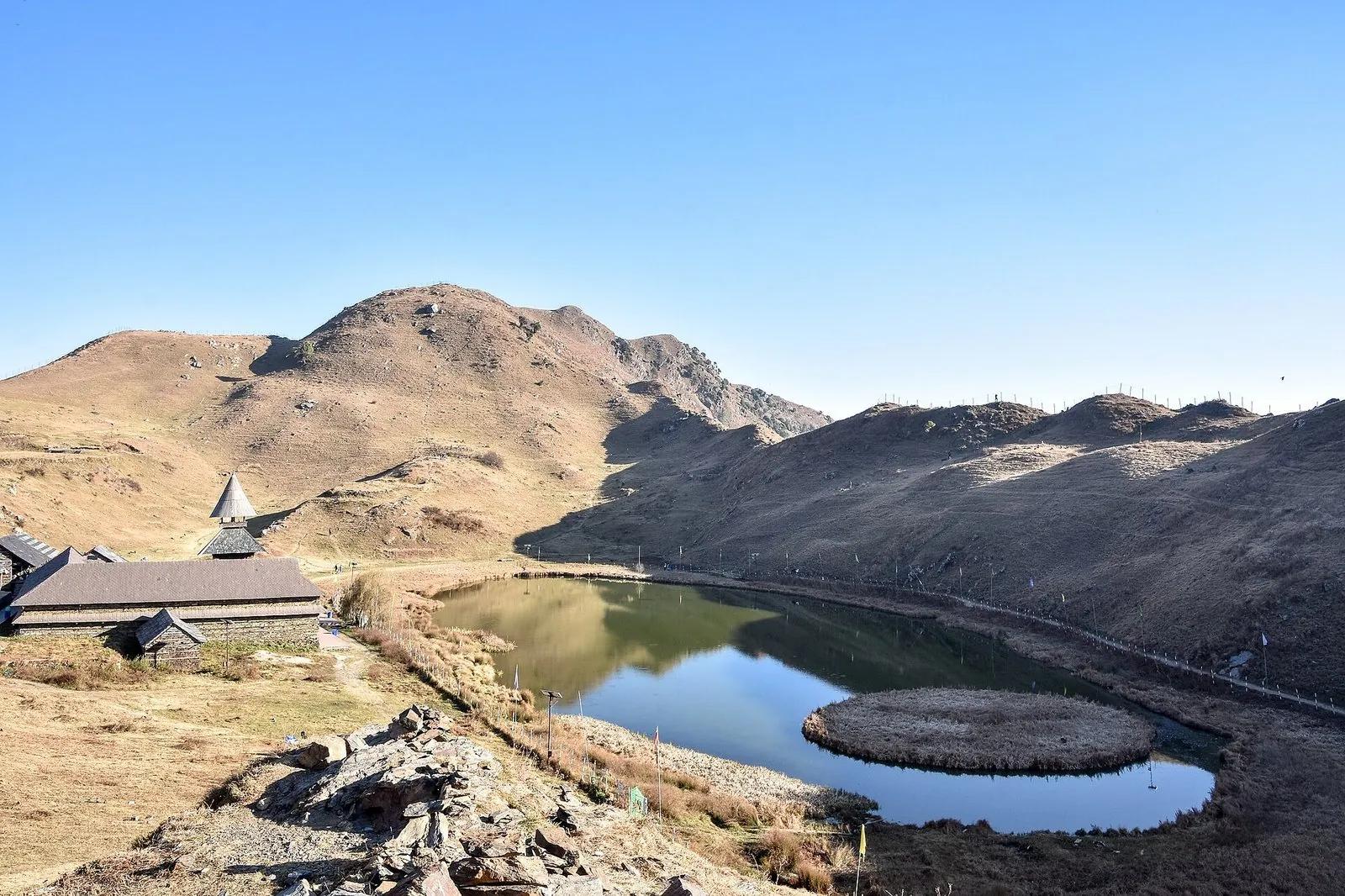
Prashar Lake Trek: The Floating Island Mystery and Complete Guide (2026)
Quick answer (May 2026)
Prashar Lake sits at 2,730 metres in Mandi district. Locals say the small floating island in the middle drifts of its own accord, and the lakes depth has never been formally measured. The 14th-century pagoda temple on the rim is attributed to a Mandi raja. No permit. Trek 7 to 8 km from Baggi village (27 km from Mandi), or drive most of the way along the Kataula-Bagsiad-Baggi road. Best months April to June, or December to February for snow on the rim. Forest Rest House bookings via himatithi.nic.in for Rs 1,000 plus 12 percent GST.
The first time I stood at Prashar Lake, I was nineteen and I had not yet learned to look at things slowly. My cousin had brought me up from Mandi on a Bullet that protested every gear change, and we crested the last ridge sometime after four in the afternoon. The lake was right there, exactly where the trail map said it would be, and I almost walked past it.
What stopped me was the island.
It was small. Maybe the size of a generous courtyard. Round, fringed with rushes, sitting in the lake the way a bowl sits in a saucer. And I watched, because someone in the local tea shop later told me to watch, and over the half hour we stayed, the island moved. Not far. Not dramatically. But it shifted, the way a sleeping animal shifts in its sleep, and I went back down to Mandi believing I had seen a small impossible thing.
I was wrong about the impossible part. Floating islands are real, well-documented, slightly boring as a category of phenomenon. Loktak in Manipur has dozens of them. Dal Lake in Srinagar has farms growing on them. What is unusual about Prashar is that nobody has measured how deep the lake is, nobody has formally studied why this particular island holds its circular shape across decades, and nobody has explained why it now drifts in a pattern locals describe as erratic rather than the older east-by-morning, west-by-evening rhythm their grandparents used to set their day by.
This guide covers two things at once. The mystery, because the mystery is what brought you here. And the trek, because you came to read about the trek and I want to be useful before I get philosophical.
Prashar Lake at a glance
- Altitude
- 2,730 m at the lake
- Trek distance
- 7 to 8 km one way from Baggi village
- Trek time
- 4 to 5 hours up, 2 to 3 hours down
- Difficulty
- Easy to moderate
- Best window
- April to June for green meadows; December to February for the frozen lake
- Avoid
- July and August. Heavy monsoon, leeches, landslide risk on the road
- Coordinates
- 31.7543 N, 77.1014 E
- Distance from Mandi
- About 50 km via the Kataula-Bagsiad-Baggi road
- Distance from Delhi
- About 500 km, 10 to 11 hours by overnight Volvo
- Google rating
- 4.5 of 5 from 8,500+ reviews
The floating island, and what we actually know about it
Start with what is documented. The lake is roughly 1 hectare in surface area, with a perimeter of about 300 metres, sitting in a small natural depression at 2,730 metres above sea level. It freezes partially in winter, supports trout and amphibians in summer, and feeds a stream that runs down to the Beas. None of that is mysterious.
The island is what makes people drive up.
It is a circular mass of vegetation that floats on the lake surface. Local Mandiyali villagers call it the Tahla (टहला). It is composed of plant matter at various stages of decomposition, held aloft by oxygen trapped in the root mass. This is not unique. Botanists call structures like these floating mats or tussocks, and they form whenever peat, roots and organic matter accumulate fast enough to outpace decomposition. Moxtain and Wikipedia both note this. So does the only academic paper anyone has bothered to write about it: Sharadendu Bali (2024), "Floating Island at Parashar Lake, Mystery Behind the Tehla Islet Unravelled," published in Volume 12, Issue 7 of the Scholars Journal of Arts, Humanities and Social Sciences.
Bali offers a comparative reading. He puts the Tehla in the same family as the floating gardens of Dal Lake in Srinagar, which are also peat-and-root mats heavy enough to walk on. He notes that the historical pattern was for the island to drift east in the morning and west by evening, presumably because the small lake basin funnelled wind in predictable ways. He notes, more carefully, that current behaviour is irregular, that the drift is harder to time, and that he cannot tell you why. He is honest about that.
Three things stay genuinely unanswered.
One, the island holds its circular shape. Most floating mats break up over years; this one, at this altitude, has retained a roughly disc-like form across multiple decades of photographs. Two, the depth of the lake is not known. Multiple soundings have either been abandoned for sacred reasons or returned figures the local priests will not formally publish. The Reddit user u/BinarySkolex framed this most pointedly on r/wikipedia: depth measurement is technically trivial with a weighted line, so why has nobody done it. Three, the Tehla covers somewhere between 7 percent and 29 percent of the surface area, depending on which source you trust. Wikipedia says 7. Moxtain says 21. Savaari says 29. Nobody has produced a measured number.
The honest summary: a real natural phenomenon, persistently understudied. IIT Mandi sits about 50 km away. No one there has published a paper on it.
"Composed of plant matter in various stages of decomposition, and held aloft by the oxygen in its plants' roots. Covers 7 percent of the area of the lake." u/VerGuy on r/BeAmazed, 143 upvotes.
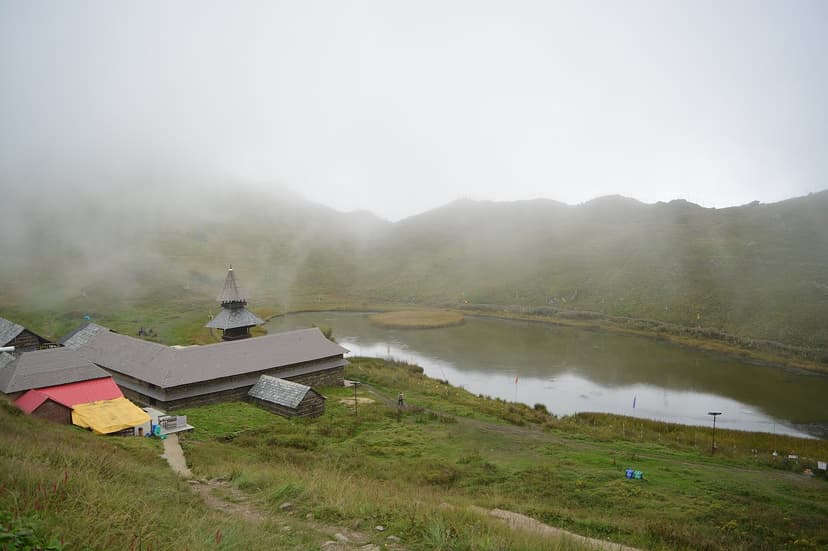
The temple, which is older than most temples you have seen
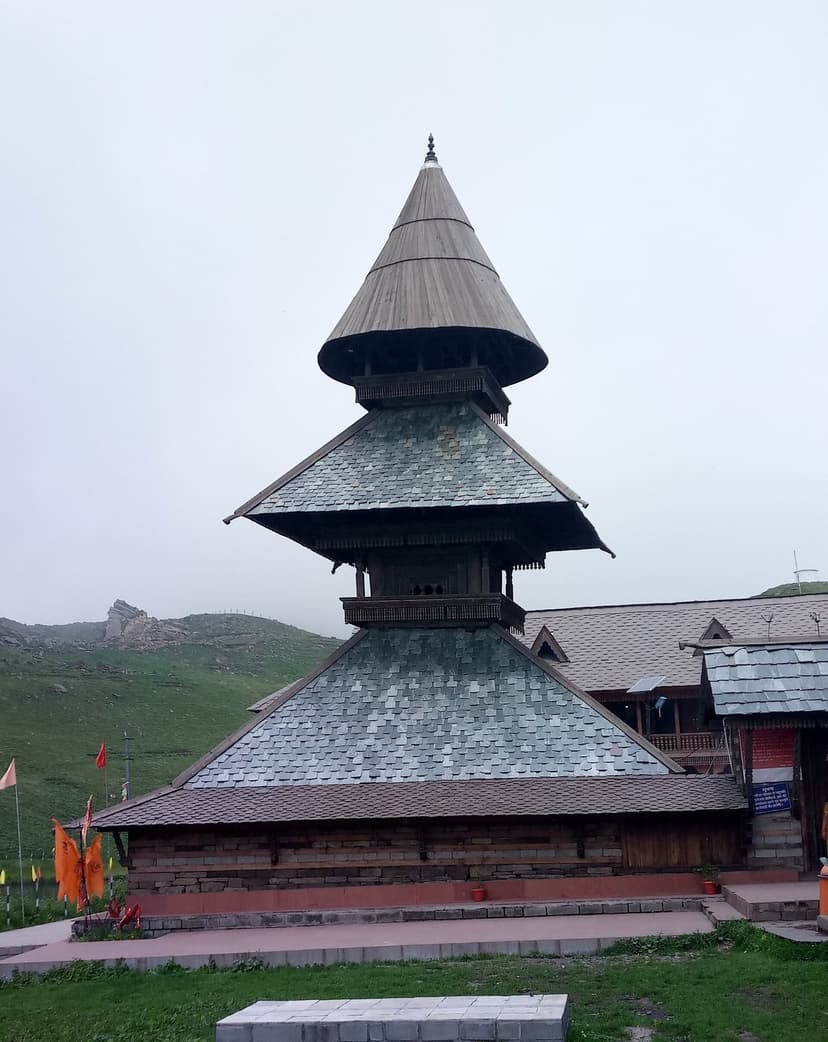
On the western shore, where the meadow comes down to the water, there is a three-tiered pagoda. Slate roof, deodar walls, prayer flags faded by altitude wind. It is dedicated to Sage Parashar, who in the older Hindu lineages is the grandson of Rishi Vashishta and the father of Ved Vyasa, the man credited with composing the Mahabharata.
The temple is attributed to Raja Ban Sen of the Mandi royal family. Sources differ on the exact century. The English-language guides tend to say 13th century. The official Mandi district portal says 14th century, which is what I would trust. The structure is in the Himachali pagoda style, with three concentric tiers stepping inward as they rise. Local tradition is that the entire temple was carved from a single deodar tree. I have seen the wall planks. They are wide enough to make this plausible.
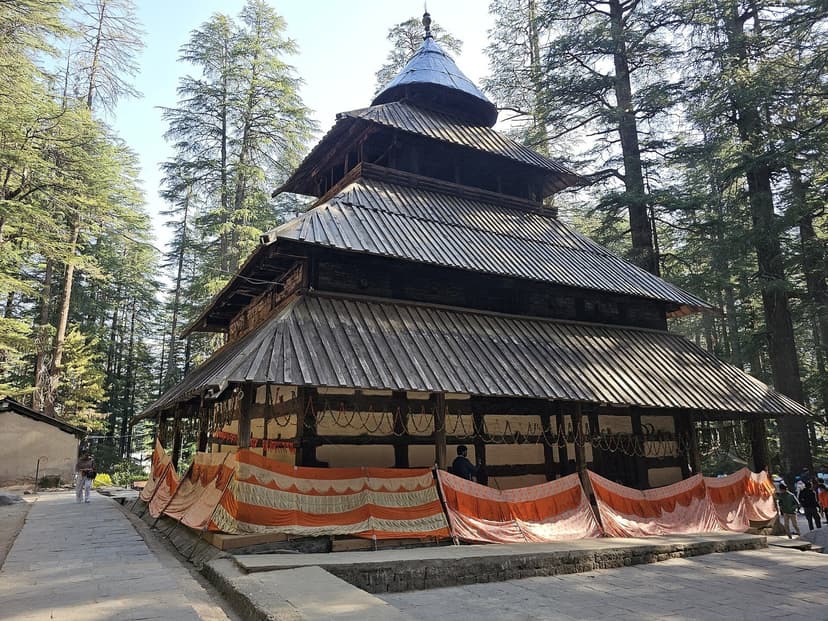
Three annual fairs are held at Prashar, Kashi, Rishi Panchami and Sauranahuli. On those days, the village deities of Shanor, Badar and Uttarshal are carried up in palanquins, with drums and Kullu caps and the kind of crowd that makes the meadow loud for a weekend and quiet for the rest of the year. If you happen to be there for one of these, do not photograph the deity without asking. The priests at this kind of shrine are firm about that.
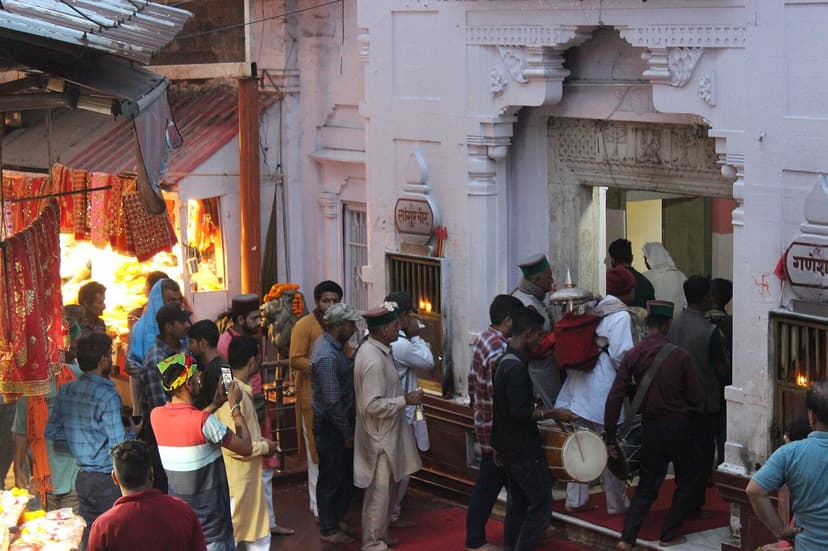
What I want to flag here is the relationship between the temple and the lake. Most people post the lake. Some people post the floating island. Almost nobody posts the temple as the subject. It is a 700-year-old wooden building at 2,730 metres, kept standing through snow and rain by a roof made of split slate, and it deserves more attention than the algorithm gives it. If you read our guide to kath-kuni and pagoda architecture first, you will see the temple differently when you arrive.
The trek, kilometre by kilometre
The standard route starts at Baggi, a roadside village about 50 km from Mandi via Kataula and Bagsiad. In summer the road continues a few kilometres further toward the lake, and a vehicle can drop you within a couple of kilometres of the meadow. In winter, Baggi is the last drivable point. Plan around that.
Summer Prashar versus Winter Prashar
| Summer (Apr to Jun) | Winter (Dec to Feb) | |
|---|---|---|
| Day temperature | 10 to 25 C | -5 to 5 C |
| Night temperature | 5 to 10 C | -10 to -15 C |
| Trail condition | Dry, well-marked, wildflowers | Snow-covered, slippery, may need crampons |
| Vehicle access | Drive close to the lake | Stops at Baggi, full 7 to 8 km on foot |
| The lake | Deep blue, floating island clearly visible | Partially or fully frozen, island sometimes locked in ice |
| Camping | Comfortable in dome tents | Need a -10 C sleeping bag, gear matters |
| Crowds | Moderate to high, especially weekends | Low, mostly serious trekkers |
| Best for | Beginners, families, weekend Delhi escapes | Photographers, snow trekkers, repeat visitors |
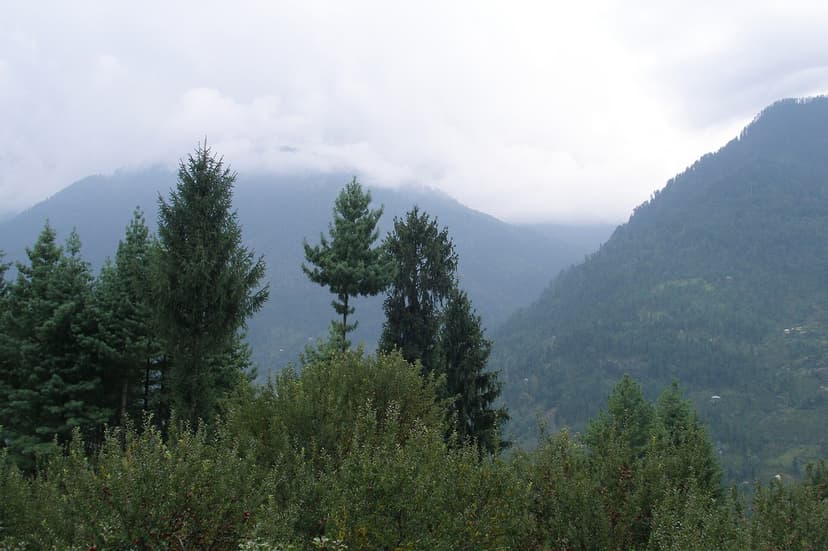
The first two kilometres out of Baggi are gentle. The road still runs alongside the trail in places, terraced fields drop away below you, and you settle into a walking rhythm. The next three kilometres are the climb. Mostly chir pine, with patches of deodar where the slope shades north, and a series of switchbacks that drag the elevation up in earnest. This is where most beginners decide they are not as fit as they thought they were. Take that as data, take a five-minute break every 20 minutes, drink water you have actually carried up.
From kilometre five the trail opens out. The forest thins, the meadow widens, and the first mountains visible to the north are the Pir Panjal range. The Dhauladhar are to your south and west, but at this altitude they hide behind the closer ridges and only show themselves once you are at the lake itself.
The reveal is around kilometre seven. The trail crests a small ridge, the meadow falls open, and the lake is suddenly there, smaller than you expected, rounder than the photographs make it look, with the temple to the left and the Tahla floating somewhere in the middle. There is a stone path down to the water. Most people sit on it for a while before they say anything.
You should carry trekking poles. You should wear shoes that grip on damp leaf-litter; trail runners are fine in summer, but real trekking shoes start being non-negotiable from October onward. Layers matter even in May because the meadow at 2,730 m gets cold the moment the sun goes behind a cloud. A rain jacket is sensible from April through October. Sunscreen is not optional at this altitude.
Drive up, instead of trekking
This deserves its own section because of how often the question gets asked. Yes, you can reach Prashar without walking the full 8 km. In dry season, roughly April to October, a vehicle road continues from Baggi for several more kilometres, ending within 1 to 2 km of the lake. A taxi from Mandi to that drop-off costs roughly ₹2,000 to ₹3,000 round trip in 2026.
The road past Baggi is, as one Hindi-language report put it, well connected but the last 20 km is not maintained well. Translation: the surface is broken in long stretches, switchbacks are tight, the gradient is steep, and a small hatchback will suffer. Locals drive Boleros and Sumos for a reason. If you are coming in your own vehicle, take a 4×4 if you can, take it slow if you cannot.
Winter changes everything. Above Baggi, the road is blocked by snow from roughly mid-December through March. In those months, the only way up is on foot. TripAdvisor reports from January and February 2026 are uniform on this point: vehicles do not pass.
"Bro why call it a trek? I mean Prashar Lake isn't even that far from the road.", u/NmnDemon, r/delhi.
Fair point in summer. Wrong from December onwards. Both can be true.
Hailstorms in spring
YouTuber Swati Rojha (270k views, April 2026) titled her video about the same drive Stuck in Hailstorm on my way to Prashar Lake, toughest day of my life. April and early May produce sudden hailstorms on this route. Carry a windproof shell. Carry a working headlight on your vehicle. Do not rush the descent in bad weather.
Two completely different lakes, depending on the month
Summer Prashar and winter Prashar are not the same place. They share a postcode and not much else.
The summer version, April through early July, is the version most people see. The lake is blue. The meadow is green. Primulas, anemones and alpine asters come up in waves through May and June. The road goes most of the way up. Day-trippers are common. Weekend crowds in May and June are thick enough that you should aim for a Tuesday or Wednesday if you can.
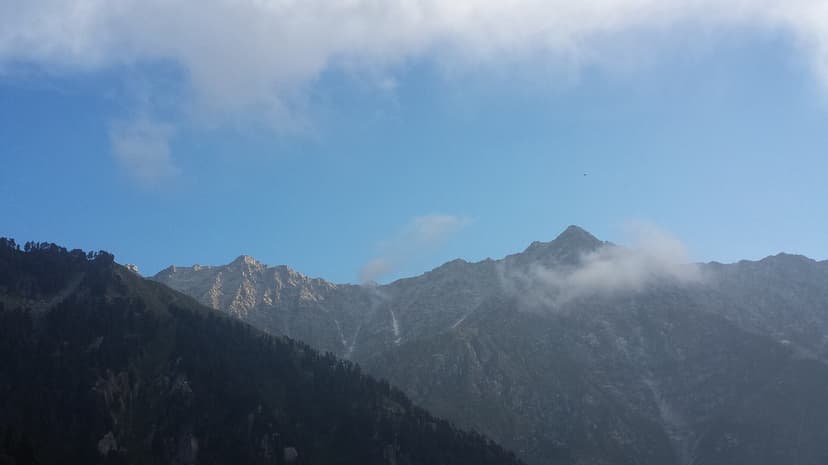
September and October are an underrated window. The monsoon has cleared the air, the meadows are still green, the crowds are thinner, and the light at golden hour is the best the year offers. I think of these two months as the secret season. The local economy does not run on them and the operator packages do not feature them, but they reward the visitor who shows up.
July and August are the months to skip. Heavy rain on a thin road surface produces leeches in the forest, mud in the meadow, and landslide warnings on the Mandi-Aut stretch of NH-3. The Tribune regularly logs cloudburst events in this district. Postpone.
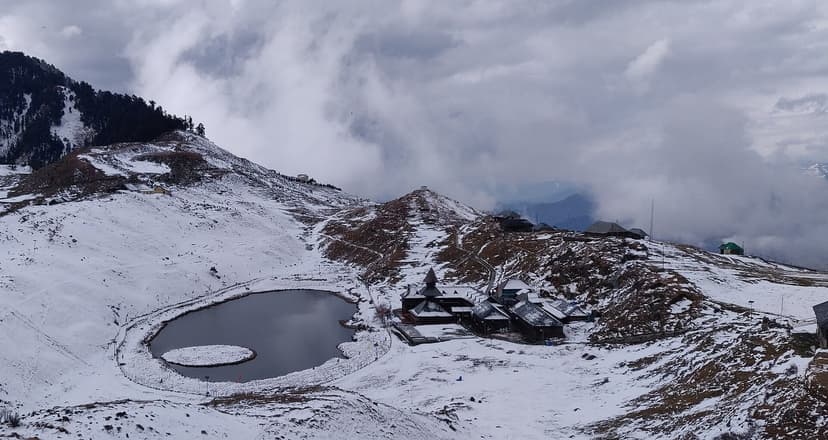
December through February is, for me, the version worth coming back for. The lake partially freezes. The meadow goes white. The temple roof carries a heavy load of snow that the slate handles better than any other roofing material on earth. Night temperatures fall to between -10 and -15 C. The trek, harder. The reward, much larger. HimTrek's December guide is a reasonable starting point. Carry a -10 C sleeping bag if you are camping. Hire a local guide. Do not solo this in winter unless you have done snow trekking before.
March is a transition month. Snow melting, mud arriving, weather unstable. November is the same in reverse. Both can be lovely, both can be miserable, neither is reliably one or the other.
For the broader seasonal picture, our month-by-month guide to Himachal Pradesh covers the full state.
Where to sleep
You have four real options at the lake, and a fifth in Mandi if you only want a day trip.
What it costs to stay at Prashar (per person, per night, 2026)
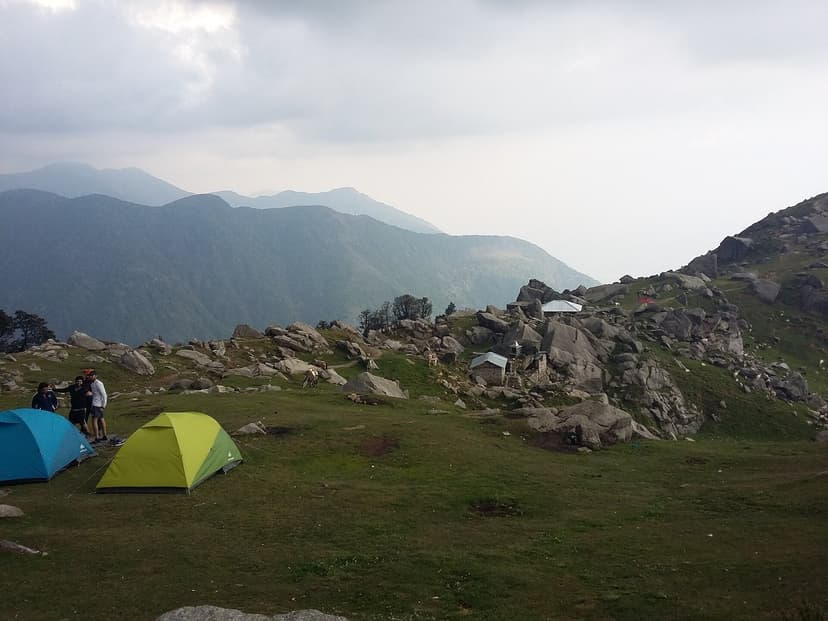
- Budget tent operators (₹999 to ₹1,500): Basic dome tent, sleeping bag, foam mat, simple meals (Maggi, dal-rice, chapati). Booked at Baggi or through small Mandi-based outfits.
- Mid-range packages (₹1,999 to ₹2,499): Thrillophilia at ₹2,199 and Deyor at ₹2,499 are the live 2026 references. Dome tent, three to five meals, transport from Mandi or Panarsa, guide.
- Forest Rest House (₹1,000 + 12% GST per room): The PWD Rest House sits directly above the lake. Book through himatithi.nic.in or the Him Atithi app. Geyser, heater, food on order. Chowkidar reachable on 8219337228 if the portal is moody. Rooms are limited; book early.
- Mandir Sarai (₹200 to ₹500 per person): The temple guest house. Walk-in only. Often full during the three annual fairs. Bedding is basic. The view is not.
- Premium ex-Delhi packages (₹3,000 to ₹5,500): MyGoodTrip's ₹5,500 weekend package includes Volvo from Delhi, all meals, guide and dome tent. Worth it if you do not want to assemble the trip yourself.
- Permit status: No permit required. Forest Rest House booking optional via himatithi.nic.in
- Trailhead village: Baggi (around 1,700 m, 27 km from Mandi, 7 to 8 km trek to the lake)
One quiet thing about the Forest Rest House
The Him Atithi page lists Prashar PWD Rest House at 2,700 m with geyser, heater and food. It does not always show pricing on the public-facing page, but the standard private-visitor rate in 2026 is ₹1,000 per room per night plus 12 percent GST. HP Ecotourism's Prashar page also takes bookings. If both portals are full, call the chowkidar on 8219337228 in the morning; cancellations sometimes free up rooms by 11 a.m.
If you want something stronger than camping, plan to book three to four weeks ahead in May, June, September and October, which are the peak windows. December and January are easier on availability and harder on temperature; pick your trade.
If you have a question about a homestay in Mandi or want me to make a phone call to the rest house chowkidar before you commit, write to hello@refuje.com and one of us will help.
Getting there, every route
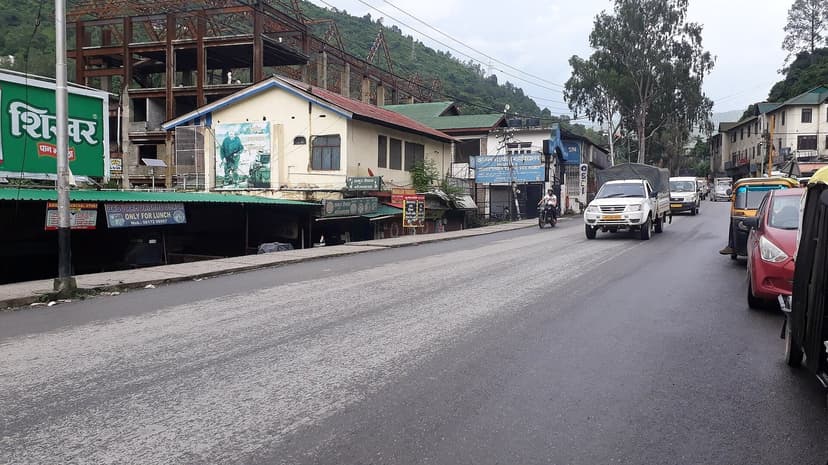
Mandi is the trailhead town for Prashar. Everything routes through it. Once you are in Mandi, you have two ways up: the Kataula-Bagsiad-Baggi road (the standard 50 km route, used by most trek operators) or the longer Pandoh-Aut-Katindhi approach from the Kullu side, which is quieter but adds time.
From Delhi: The simplest plan is an overnight HRTC Himsuta Volvo from ISBT Kashmere Gate to Mandi. The 2026 fare runs ₹1,049 to ₹1,067 one way (verified on AbhiBus and the HRTC portal). Departures spread between roughly 6:40 p.m. and 10:30 p.m. You arrive in Mandi at 5 a.m., have a paratha at the bus stand, and either take the 7:30 a.m. local bus to Baggi or split a taxi for ₹800 to ₹1,200. Self-drive from Delhi is possible but exhausting; plan for 11 to 12 hours including breaks.
From Chandigarh: Five to six hours by car or HRTC Volvo. Cheaper, more frequent, and the road through Kiratpur and Bilaspur is in better condition than the Delhi stretch. If you can stage from Chandigarh, do.
From Shimla: About 200 km on NH-205. Five to six hours. The route through Bilaspur is unpleasant in monsoon and excellent in October.
From Manali: Three to four hours, downhill. If you are already in Manali, Prashar is a natural southward extension; pair it with our Spiti road-trip guide if you are continuing east.
From Mandi to Baggi by HRTC bus is ₹50 to ₹80 and takes about two hours. Shared taxi is ₹200 to ₹300 per person. Private taxi is ₹800 to ₹1,200 one way. From Baggi onwards in dry season, an additional taxi to the road-end above the lake costs ₹1,500 to ₹2,500 one way. See our live road-status guide before you commit; the Mandi-Aut stretch is in active repair through the 2026 monsoon.
The Mandi Triangle: a circuit nobody has actually mapped
This is the part of the article I am most invested in, because it is what locals do and almost no English-language guide has written it down. From Prashar, three other lake-and-temple sites sit within a 4 to 5 day drivable circuit. Each has its own minor mystery. None of them are tourist-grade famous. All of them are reachable in a single trip if you accept that the roads will tire you.
The Mandi Triangle, 5-day version
- Day 1: Mandi to Baggi to Prashar Lake. Drive Mandi to Baggi (about 50 km, 2 hours), trek the 7 to 8 km to the lake, camp at the meadow or stay at the FRH.
- Day 2: Prashar to Shangarh Meadow. Descend from the lake to Baggi, drive via Aut Tunnel to the Sainj Valley turnoff, reach Shangarh by mid-afternoon. Walk the holy meadow at golden hour. About 70 km from Baggi.
- Day 3: Shangarh to Janjehli. Long driving day. Shangarh back to Aut, south on NH-3 toward Mandi, then southeast to Janjehli. About 130 km. Stay at a homestay in Janjehli; eat siddu at any of the village dhabas.
- Day 4: Shikari Devi summit and Kamrunag. Jeep from Janjehli to the Shikari Devi base, walk the final stretch to the roofless temple at 3,359 m, descend, drive to Rohanda, walk 8 km to Kamrunag Lake. Camp at Kamrunag if you can; otherwise return to Janjehli.
- Day 5: Kamrunag to Mandi. Down to Janjehli, then back to Mandi via Karsog or via Sundernagar. Train or bus onward.
The mysteries are the point. Prashar gives you the floating island. Shangarh gives you a sacred meadow that local custom forbids ploughing or digging on; the grass underfoot has been left undisturbed for generations and feels different from any other meadow I know. Shikari Devi gives you a roofless temple where snow does not settle on the idol. Kamrunag gives you a small lake where coin offerings dating back centuries are visible underwater on a clear day. None of these are explained. All of them are real.
For the deeper read on the second-to-last stop, see our guide to the Shikari Devi mystery. Negi has written that piece from a researcher's vantage and it pairs well with this article.
Budget, honestly
The total cost of a Prashar trip depends almost entirely on two variables: package or self-organised, and starting city. A self-organised trip from Mandi can be done for under ₹2,000 a head, end to end. A weekend package from Delhi will cost between ₹4,500 and ₹6,000. A premium ex-Delhi tour with private transport runs ₹7,500 to ₹12,000.
Prashar Lake trip budget, 2026
| Line item | Range (₹) |
|---|---|
| Delhi to Mandi (HRTC Volvo, one way) | 1,049 to 1,067 |
| Mandi to Baggi (shared taxi) | 200 to 300 |
| Mandi to Baggi (private taxi) | 800 to 1,200 |
| Baggi to road-end above lake (summer only) | 1,500 to 2,500 |
| Camping (basic to mid-range) | 999 to 2,499 |
| Forest Rest House (per room) | 1,000 + 12% GST |
| Trek guide (optional in summer) | 500 to 1,000 |
| Food (carrying own supplies) | 300 to 500 |
| Self-organised, ex-Mandi, 2D 1N | 1,050 to 1,880 |
| Mid-range, ex-Delhi, 2D 1N | 4,500 to 6,100 |
| Premium ex-Delhi | 7,300 to 12,200 |
The cheapest version requires nothing more than HRTC, a tent, and a willingness to eat what the dhabas serve. The most expensive version is comfortable in ways that, at 2,730 m, frankly do not matter as much as you think they will. My advice, for a first-time visitor, is mid-range. ₹2,199 to ₹2,499 buys you a dome tent, hot food and a guide, and lets the lake be the focus.
If the budget question is less about totals and more about how to make the trip cheaper without ruining it, write to hello@refuje.com with your dates and starting city; we will reply with a specific plan rather than a list of options.
Voices
I have spent more time at this lake than at any other lake in Mandi district. Below are the voices that capture, better than I can, the range of what visitors find here.
"Prashar lake it's very popular tbh.", u/TitlerxD on r/HimachalPradesh.
"Places that were offbeat in 2019 like Prashar Lake are mainstream now.", u/ankur_24, same subreddit.
The honest framing. Prashar has crossed from secret to known. It still rewards a visit.
"The lake partially freezes, surrounded by white peaks, and the small floating island adds a surreal touch. The short trek to the lake is often through snow." u/WalkstheTalk on r/travelindia, December 2024.
"Visit Parashar lake, Mandi by scooty if u have an extra day.", u/princessbhc on r/SoloTravel_India. The drive-up vote.
"Parashar Lake (Mandi), Rewalsar Lake & Naina Devi (Mandi), Kamrunag Trek (8km hike but worth it), Shikari Devi Temple (Janjehli). If on a budget travel in government buses. Your commute will be roughly 1500, 1000 for food expenses, and the rest of 2500 for accommodation.", u/pahadi_chora on r/HimachalPradesh.
The local circuit, summarised in one comment. This is essentially the Mandi Triangle as a Reddit user described it before we did.
The Hindi-language sources tend to be more philosophical. Tripoto in 2021: ऋषि पराशर झील की गहराई को आज तक कोई भी नहीं नाप सका है। इस झील में एक टापू है जो हमेशा ही तैरता रहता है। ("Sage Parashar lake's depth has not been measured by anyone to this day. There is an island in this lake that always keeps floating.") This is what locals tell you, in slightly different words, when you sit at the temple step long enough.
Frequently asked questions
Is the Prashar Lake trek difficult?
No. It is one of Himachal Pradesh easiest treks, suitable for first-time trekkers. The 7 to 8 km trail from Baggi gains about 900 m of elevation through pine forest. Most people complete it in 4 to 5 hours at a comfortable pace. There are no technical sections. Difficulty rises sharply in winter (December to February) when snow makes the trail slippery and vehicles cannot reach Baggi, adding distance.
What is the best time to visit Prashar Lake?
Two windows. April to June for green meadows, blue water and clear views of the floating island. December to February for the frozen lake, snow-covered surroundings, and the harder version of the trek. September and October are the underrated alternative, post-monsoon clarity and fewer crowds. Avoid July and August for monsoon, leeches and landslide risk on the Mandi-Aut stretch.
How long does the trek take?
Four to five hours up, two to three hours down. Standard format is 2 days and 1 night. Day-trip is possible from Mandi in dry season if you start by 6 a.m. and accept that you will not have time to linger.
What is the floating island in Prashar Lake?
A circular mass of vegetation, locally called the Tahla, that floats on the lake surface and changes position over time. It is composed of decomposing plant matter, peat and root mass, held aloft by oxygen trapped in the roots. Similar floating mats exist at Loktak Lake in Manipur and as floating gardens on Dal Lake in Srinagar. What is unusual about the Tahla is that it has retained a roughly disc-like shape across decades, and the lake depth has never been measured to model its movement formally. The only academic paper on it is Sharadendu Bali (2024) in the Scholars Journal of Arts, Humanities and Social Sciences.
How deep is Prashar Lake?
Nobody knows. The depth has never been formally measured. Multiple soundings have been attempted; some were abandoned for sacred reasons, others returned figures that were never published. This is one of the lake genuine open questions. Reddit user u/BinarySkolex on r/wikipedia made the same point with 30 upvotes.
Who built the temple at Prashar Lake?
Raja Ban Sen of the Mandi royal family. The standard date in English-language sources is 13th century. The official Mandi district portal corrects this to 14th century. The structure is in the Himachali pagoda style, three concentric tiers of slate-roofed deodar wood. Local tradition holds that the entire temple was carved from a single deodar tree.
Can I reach Prashar Lake without trekking?
In summer (April to October), yes. A motorable road from Mandi continues past Baggi and ends within 1 to 2 km of the lake. A taxi from Mandi runs ₹2,000 to ₹3,000 round trip. The last 20 km of the road is poorly maintained; locals drive Boleros for a reason. In winter, the road is blocked by snow above Baggi, and the full 7 to 8 km trek is the only way up.
Is Prashar Lake open in December?
Yes, year-round. December is one of the more rewarding times to visit if you are equipped for it. The lake partially freezes, the meadow is snow-covered, the trek is harder. Day temperatures sit between -5 and -10 C, nights between -10 and -15 C. Carry a -10 C sleeping bag if you are camping. Hire a local guide; the trail is hard to read under fresh snow.
How do I book the Forest Rest House?
Through himatithi.nic.in (the official HP government portal) or hpecotourism.com/Prashar. The standard private-visitor rate in 2026 is ₹1,000 per room per night plus 12 percent GST. Geyser, heater and food are available. The Prashar PWD Rest House is small and fills fast in May, June, September and October. The chowkidar is reachable on 8219337228 if the portal is acting up.
How much does Prashar Lake camping cost in 2026?
Range is ₹999 to ₹2,499 per person per night. Budget tent operators (₹999 to ₹1,500) provide a basic dome tent and simple meals. Mid-range packages (₹1,999 to ₹2,499, Thrillophilia at ₹2,199, Deyor at ₹2,499 are the live references) include dome tent, three to five meals, transport and a guide. Premium weekend packages from Delhi run ₹3,000 to ₹5,500 (MyGoodTrip is at ₹5,500 for a 2D 1N package with Volvo, all meals and guide).
How do I reach Prashar Lake from Delhi?
Overnight HRTC Himsuta Volvo from ISBT Kashmere Gate to Mandi (₹1,049 to ₹1,067, 10 to 11 hours, departures between 6:40 p.m. and 10:30 p.m.). Reach Mandi at 5 a.m. Take the 7:30 a.m. local bus to Baggi (₹50 to ₹80, two hours) or split a taxi (₹800 to ₹1,200). Trek 7 to 8 km from Baggi (4 to 5 hours). Camp overnight. Descend Sunday morning. Return Sunday evening. Total round trip: 18 to 22 hours of travel for two days at the lake.
What is the Mandi Triangle circuit?
A 4 to 5 day route connecting Prashar Lake (floating island) to Shangarh Meadow (sacred untouched meadow), Shikari Devi Temple (roofless temple where snow does not settle) and Kamrunag Lake (sacred lake with submerged coin offerings). All four sit within Mandi district. Each has its own unexplained quality. No major English-language guide has written this circuit as a single route, though local Reddit users such as u/pahadi_chora describe it informally.
Is it safe to trek Prashar Lake solo?
In summer, yes, the trail is well-marked, day-walkers are common, and the lake meadow has guides and operators. Solo women visitors should consult our solo-women guide before booking. In winter, solo trekking is not recommended without prior snow-trekking experience. Carry a charged phone, share your itinerary, and budget extra time.
Sources
- Wikipedia, Prashar Lake, coordinates, perimeter, lake area, temple attribution.
- Sharadendu Bali, "Floating Island at Parashar Lake, Mystery Behind the Tehla Islet Unravelled", Scholars Journal of Arts, Humanities and Social Sciences, Vol 12 Issue 7, 2024 (DOI 10.36347/sjahss.2024.v12i07.004).
- Moxtain, Mysteries of Prashar Lake.
- HP Ecotourism, Prashar Forest Rest House.
- Him Atithi (HP Govt PWD/Forest), himatithi.nic.in.
- Thrillophilia, Parashar Lake Trek (₹2,199, May 2026).
- Universal Adventures, Day Trek to Prashar Lake (₹1,200, May 2026).
- Deyor, Prashar Lake Trek Package (₹2,499, May 2026).
- MyGoodTrip, Prashar Lake Trek from Delhi (₹5,500, May 2026).
- HimTrek, December guide.
- HRTC OPRS, official booking portal.
- AbhiBus, HRTC Delhi-Mandi fares.
- TripAdvisor, Prashar Lake reviews.
- District Mandi official portal, temple attribution corrected to 14th century.
- Reddit threads cited inline (r/BeAmazed, r/HimachalPradesh, r/wikipedia, r/travelindia, r/SoloTravel_India, r/delhi).
About Rajesh Thakur
Rajesh Thakur grew up in the Kullu valley and has been writing about Himachal Pradesh travel and culture since 2018. Mandi district is the part of HP he has logged the most kilometres in, and Prashar is the lake he keeps coming back to.
You Might Also Like
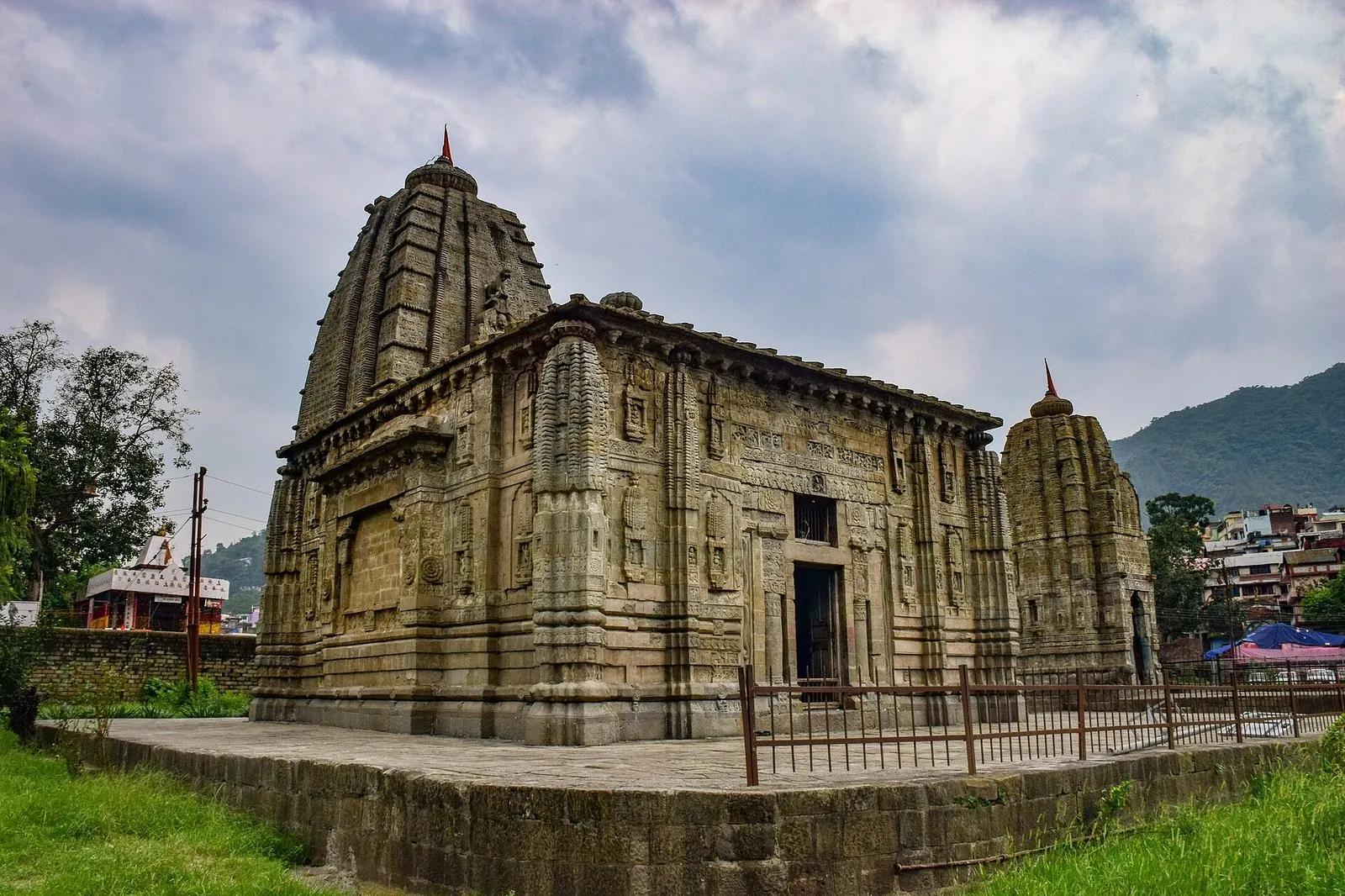
Mandi: Why This 81-Temple Town Is Called the Varanasi of the Hills
Everyone passes through Mandi on the way to Manali. Chhoti Kashi, with its 81 stone temples, a 500-year-old deity fair, Rewalsar and Prashar Lake, is worth stopping for. A Kullu local makes the case for giving it three days.
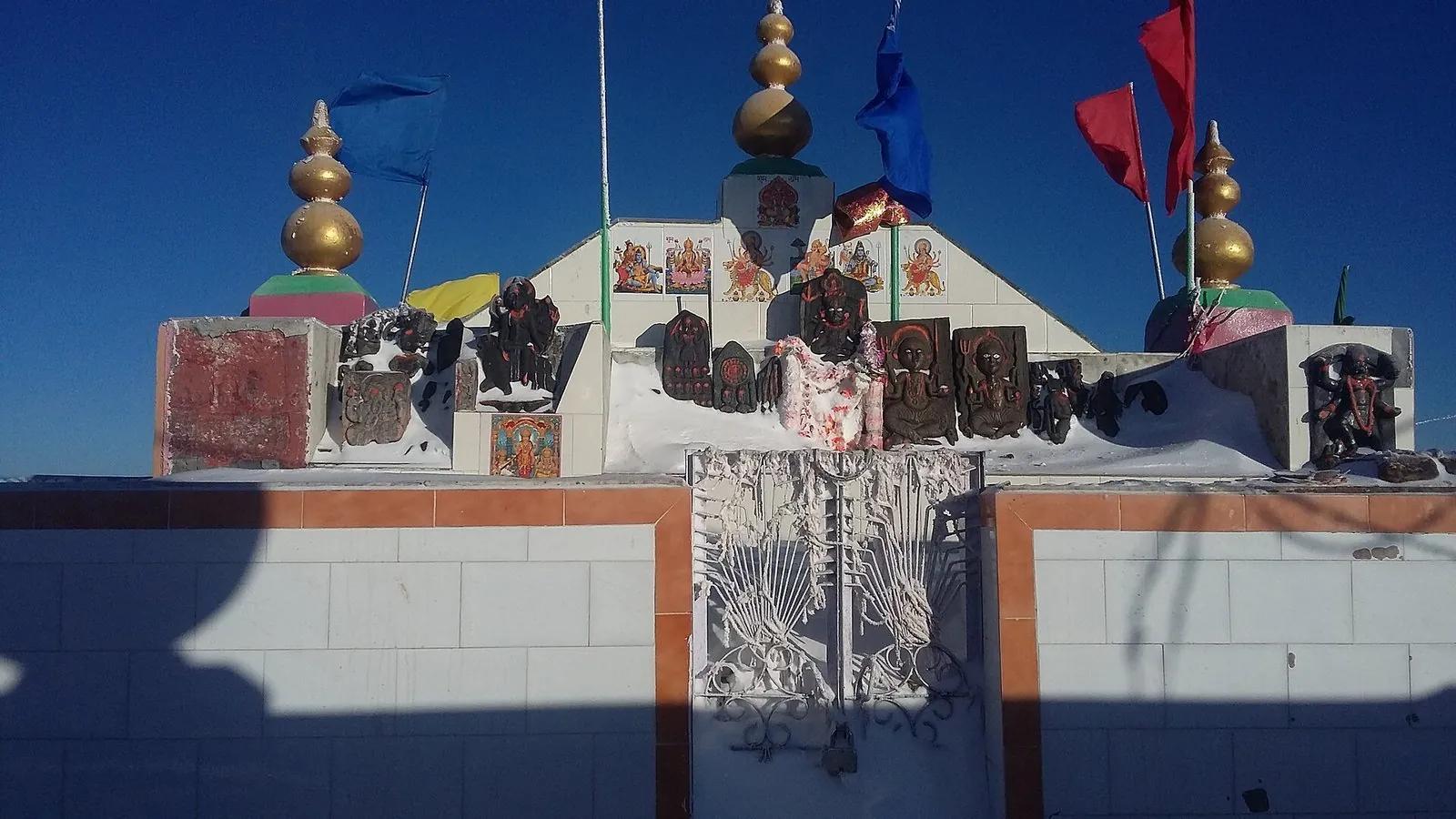
Shikari Devi: The Roofless Temple Where Snow Wont Settle
At 3,359 m on Mandis highest peak, a shrine with no roof. Every attempt to cover it has failed, including orders by a six-time CM. The HP Government itself records that snow doesnt settle on the idol even when the surrounding sanctuary is under 8 to 10 feet. A Kinnauri researchers honest read of the legend, the CM vs goddess story, the Triple Mystery, the Mandi Triangle circuit to Parashar and Kamrunag, and everything April 2026 travellers need to get up there safely. By Ajay Negi.