
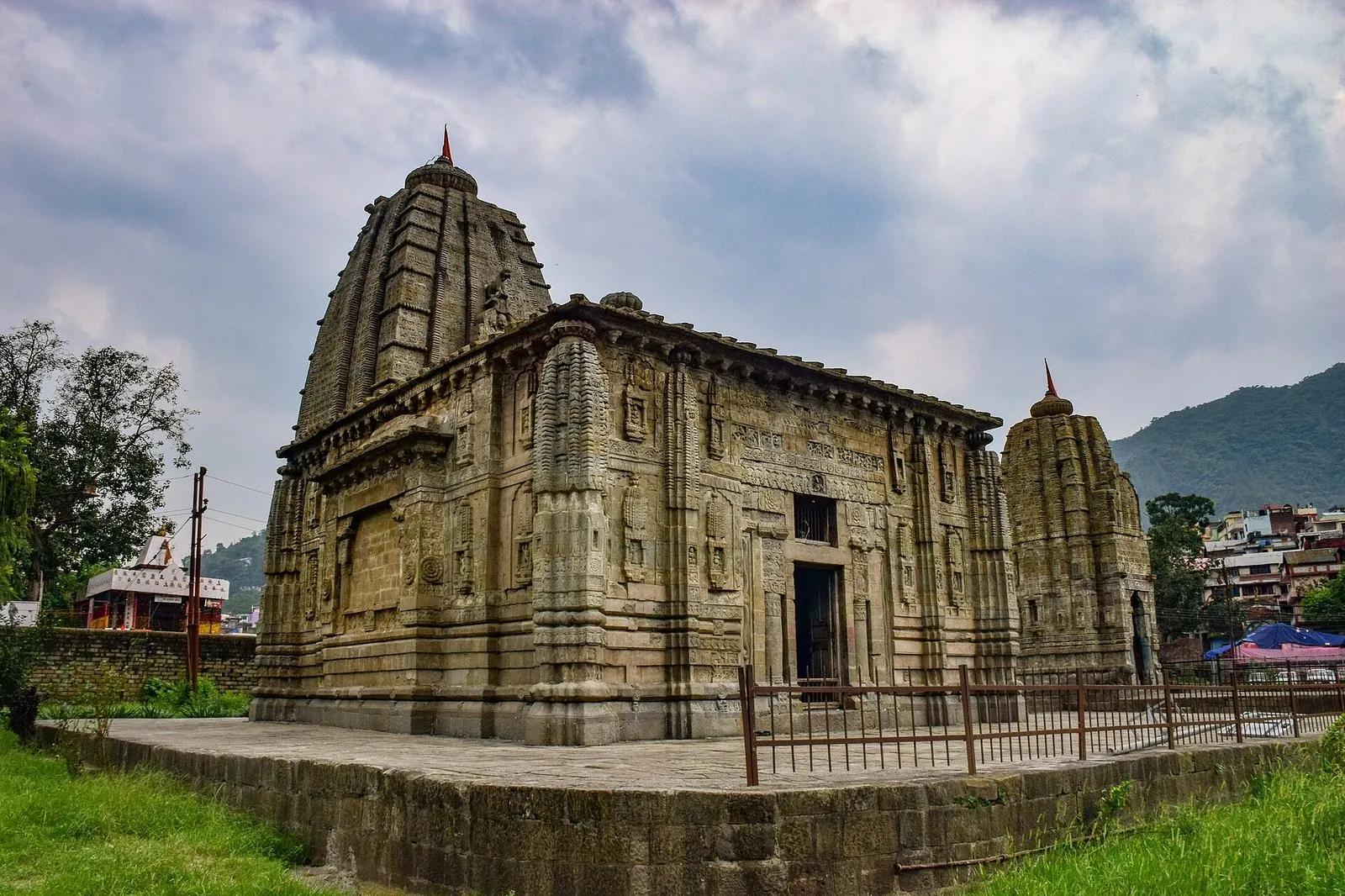
Mandi: Why This 81-Temple Town Is Called the Varanasi of the Hills
Let me get the awkward part out of the way first. I do not love the nickname. "Varanasi of the Hills," "Chhoti Kashi," the little Benares up in the mountains: Mandi has been carrying these labels for so long that nobody questions them anymore. A few years ago a user on the Himachal subreddit, u/obitachihasuminaruto, lost patience with this exact habit and wrote, about a different town, "stop saying things in India are the X of the East, or the Y of India." I think about that line whenever I drive through Mandi.
Because here is the thing. The comparison undersells the place.
I grew up in the Kullu valley, an hour and a bit up the road, and Mandi has always been the town you pass through on the way to everywhere else. Down to Chandigarh for an exam. Down to the plains for a wedding. Back up when the work is done. You hit Mandi, you eat something near the bus stand, you keep moving. For most of my life that is all Mandi was to me, and I suspect that is all it is to about ninety percent of the people reading this. A name on the highway between Delhi and Manali. A petrol stop with temples.
It took me an embarrassingly long time to actually stop the car and walk into the old town. When I did, I found a place that has been a capital, a kingdom, and a pilgrimage centre for five hundred years, sitting there politely while the tourist buses roar past on their way to Manali. So no, it is not the Varanasi of anything. It is Mandi, and that should have been enough of a name all along.
- Where
- Mandi town, on the Beas at 880 m, central Himachal Pradesh
- Known as
- Chhoti Kashi (Little Kashi) for its 81 old stone temples
- The big event
- International Shivratri Fair. The 500th edition ran 16-22 Feb 2026
- Next fair
- 501st edition begins 6 March 2027 (Maha Shivaratri 2027)
- Use it as
- A 2-3 day base for Rewalsar, Prashar Lake and the Mandi Triangle
- Best months
- October to April for the town; April-June and Sep-Oct for the high lakes
- Avoid
- July-August. The 2025 monsoon was catastrophic in this district
- Reach it
- Delhi ~475 km, Chandigarh ~200 km, Manali ~110 km, Bhuntar airport ~60 km
The 81 temples, and a boast worth taking seriously
The local claim, repeated on every tourism board and by every auto driver, is precise: Varanasi has 80 temples, Mandi has 81. The town wins by one. Whether you can actually count 81 working shrines inside the old town depends on how you count, and the district as a whole holds something north of 300. But the boast is not really about arithmetic. It is about identity. This is a town that decided, somewhere in the seventeenth century, that it was a holy place, and then built like it believed it.
What surprised me is how unbothered the temples are by visitors. There is no ticket counter at most of them, no shoe-minder demanding twenty rupees, no guide reciting a script. People come to pray, not to photograph. u/yepubgwalahai, who had visited the year before, put it well: he loved the place, wished he had got a photo of the mandyali kachori, and remembered the sunken garden in the evening more than any single shrine. That is the right register for Mandi. It is not a monument. It is a working town that happens to have a god on every corner.
One local was blunter about the tourist question. Under a photo complaining about litter near the river, u/Weekly_Edge6098 wrote, roughly, which tourist even wanders around Mandi? It is all the locals' own garbage. He was being self-critical, but he accidentally explained the whole town. Mandi does not perform for outsiders, because outsiders do not really come. The mess, the devotion and the mandyali kachori are all for local consumption. You are welcome to it. Nobody will make a fuss either way.
A walk through the stone
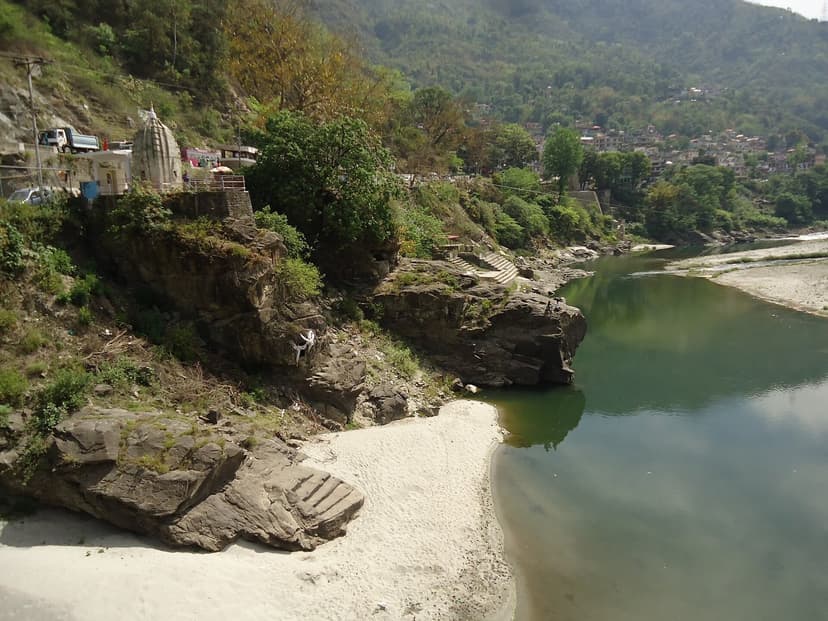
If you only have a morning, walk the temples. Start early. A reviewer on TripAdvisor swears the window is six to seven in the morning at Panchvaktra, and they are right for all of them: the light is low, the priests are doing the first puja, and the day crowd has not arrived. Here is the route I would take.
Panchvaktra first, because it is the best of them and it sits a little apart, down where the Beas meets the Suketi stream. Five-faced Shiva, which is where the name comes from: Aghora, Ishaan, Tat Purush, Vamadeva and Rudra, the five aspects, carved into one image. The temple is bare grey stone, a proper shikhara tower weathered to the colour of the riverbank, and after the monsoon the water comes right up to its base. It is the photograph everyone takes of Mandi without knowing what they are looking at.
Bhutnath is the one that anchors it all, though, and the one to understand. Raja Ajbar Sen built it in 1527, and the story goes that Shiva showed him the spot in a dream; when they dug, a self-formed Shivling was waiting. The Raja then founded the new town of Mandi around the temple, not the other way round. So Bhutnath is older than the city it anchors. The Hindi press has a phrase for what Bhutnath means here, janm se lekar antim sanskar tak, from birth to the last rites. A Mandi newborn is brought here for a first darshan. A Mandi funeral begins here. The town runs its whole life through this one shrine, and on Shivratri morning the crowds for the original Shivling are so thick that, as one Hindi outlet wrote, the moment is overwhelming for the thousands who get a glimpse.
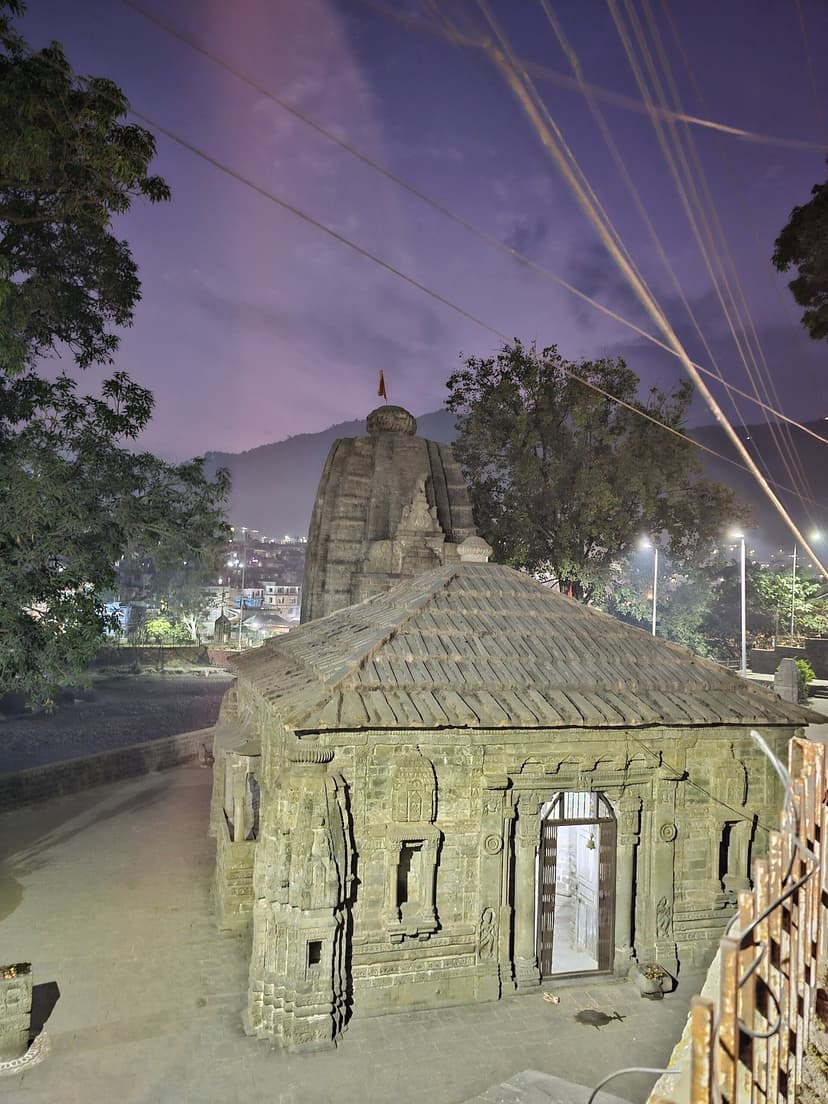
Triloknath sits on the Beas bank too, sixteenth century, built by a queen named Sultan Devi. Shiva as lord of the three worlds. It is quieter than Bhutnath and the carving rewards a slow look.
Then climb. Tarna Devi is up about three hundred steps on the hill above the town, and the climb is the point, because the whole of Mandi unfolds below you as you go. The goddess here is not one image but three pindis, Ugratara in the centre with Ekjata and Neel Saraswati on either side, three forms of Tara. Raja Shyam Sen built it in the seventeenth century after, the story says, he spotted three girls playing on the hill through his telescope, sent men up, and found nobody there. There is one genuinely strange detail that the English guidebooks miss entirely: the front door of the temple is permanently sealed. You enter from the side. Nobody I have asked can tell me exactly why, and I have stopped pretending I know.
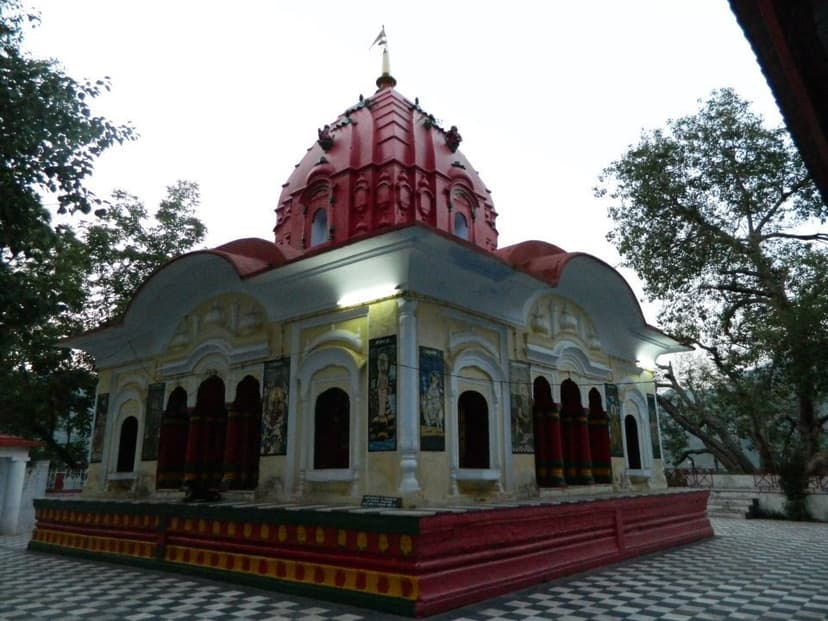
And then there is the temple that explains the whole kingdom. Madho Rai. Raja Suraj Sen, in the seventeenth century, lost all eighteen of his sons in his own lifetime. No heir. So in 1705 he did something I have not seen anywhere else in Indian royal history: he formally handed his entire kingdom to Lord Vishnu, in the form of an idol called Madho Rai, and declared the god the actual ruler of Mandi. The human kings after him were regents, governing on the deity's behalf. That is not a metaphor. When the deities process at Shivratri, it is Madho Rai's palanquin that leads all of them, because he is, in the legal fiction the town still honours, the king.
When two hundred gods come to town
This is the thing Mandi is genuinely famous for, and this year it was bigger than it has ever been. The International Shivratri Fair turned 500 in 2026. Five hundred consecutive years, going back to Raja Ishwari Sen, who, the story goes, came home from twelve years of captivity in Kangra and threw a celebration on Shivratri, inviting every village god in his kingdom. They have done it every year since.
The 2026 fair ran for seven days, the 16th to the 22nd of February. I want to be clear about the timing because the dates move: Shivratri is a lunar date, so the fair is not fixed to the calendar. The 501st edition will begin on the 6th of March 2027, not in February, and run about a week from there. Plan around that if you are coming specifically for it.
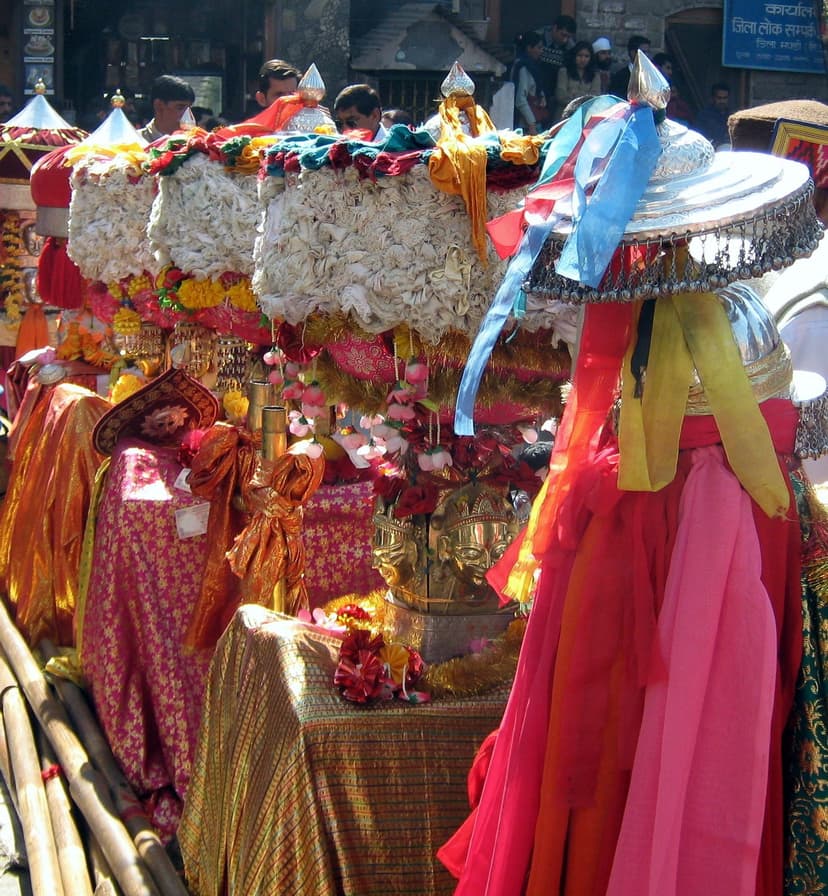
What actually happens is hard to oversell. More than 200 village deities, carried in palanquins down from their home villages across the district, converge on Mandi. Each one travels with its own musicians, its own bearers, its own retinue. They are draped in silk, hung with silver mohra masks, and they come to pay respects to Madho Rai, the king-god. The Hindi papers call it a dev kumbh, a gathering of gods, and for the 500th year there was a detail that made even jaded locals sit up: Bada Dev Kamrunag, who normally stays put at his alpine lake high in the hills south of town, came down to Mandi for the first time in around fifteen years. His meeting with Madho Rai was the emotional centre of the whole event. The state Governor performed the closing puja and led the final Jaleb procession to Paddal ground on the 22nd.
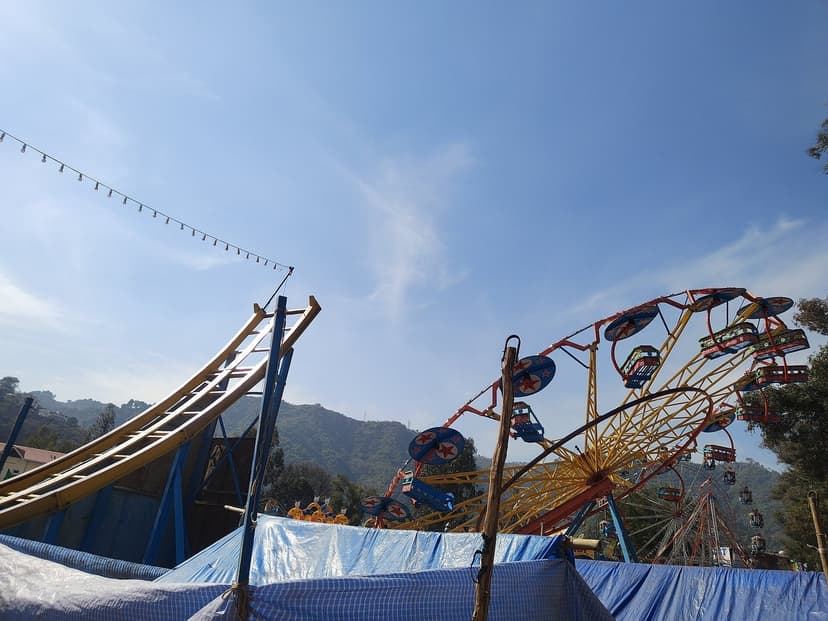
Now the honest part. A Shivratri this size is also, simultaneously, a county fair. Paddal ground fills with chair-swings and a rickety Ferris wheel and stalls selling fried everything. The deity congregation in the morning and the carnival at night are the same festival. If you arrive expecting solemnity all day, you will be confused by the candy floss. Take it as it is. It has been both things for five centuries.
If you come for Shivratri, book your room two to three months out and stay near Seri Manch or Paddal so you can walk to the processions. Rooms triple in price that week and the good ones go first. For the rest of the year, you can roll into town and find a bed the same evening. More on the fair in our Himachal festival calendar.
Rewalsar: three religions, one small lake
Twenty-four kilometres from Mandi, up a winding road, is a small dark lake called Rewalsar, and it is the most quietly remarkable place in the district. Three religions hold it sacred at the same time, on the same shore.
For Tibetan Buddhists it is Tso Pema, the lotus lake, tied to Padmasambhava, the saint who carried Buddhism into Tibet. The legend has the local king trying to burn him alive and the pyre turning into this lake instead. A 37.5-metre copper-and-gold statue of Padmasambhava now sits on the hillside above the water; the 14th Dalai Lama consecrated it on the 1st of April, 2012. For Hindus there are temples to Krishna, Shiva and the sage Lomasha. For Sikhs there is a gurudwara, built in 1930, marking the month Guru Gobind Singh spent here. You can walk the whole circuit in twenty minutes and pass all of it. The water is dark and still and full of carp that nobody is allowed to touch.
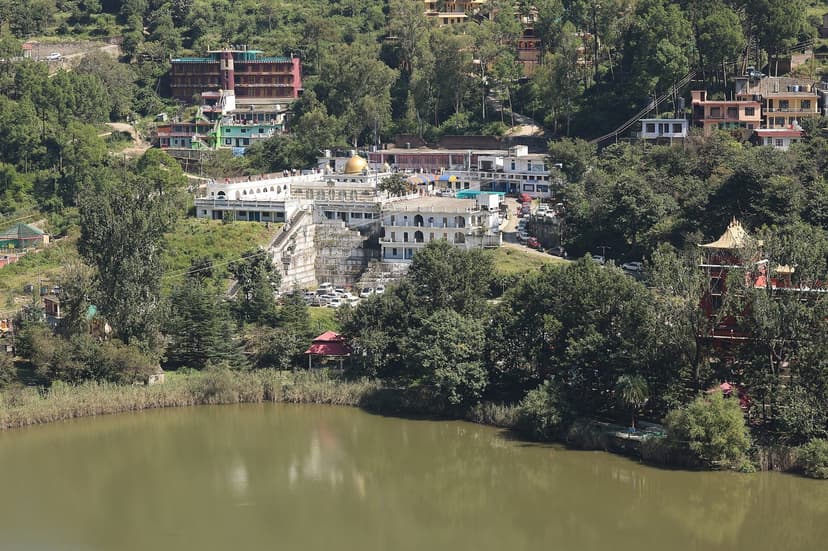
Not everyone is happy about where Rewalsar is heading. There has been money coming in, new roads, plans to develop it as a pilgrimage circuit, and u/butmrpdf asked the obvious question about a World-Bank-funded road project: are they going to turn Rewalsar into a market too? It is a fair worry. The thing that makes the lake special is its smallness and its quiet, and those are exactly the things that "development" tends to erase first. Go now, go softly, and do not be the reason it changes.
The Mandi Triangle, and a hard warning about it
Here is the case for using Mandi as a base rather than a fuel stop. Within about fifty kilometres of town there are three or four places that, packaged together, make as good a Himalayan week as anything in the state, and almost nobody packages them. I call it the Mandi Triangle: Prashar Lake to the north, Shikari Devi and Kamrunag to the south, with Shangarh meadow over in the Sainj valley if you want a fourth corner.
Prashar I will come to on its own. Shikari Devi is the roofless temple on a high ridge where, locals insist, snow never settles on the sanctum, no matter how hard it falls around it. Kamrunag is the alpine lake and shrine of the same Bada Dev who came down for the 500th Shivratri, a hard, beautiful walk-in that pilgrims have been doing for centuries. u/shubh_am, who clearly knows the southern hills, described the view from up there after a rain spell, when the air clears and you can see the whole Dhauladhar and even the farther Pir Panjal massifs lined up behind it. That is the reward for getting up into this country.
But I cannot write about the Mandi Triangle in mid-2026 and pretend the last year did not happen. The southern part of this district, the Seraj and Thunag belt that holds the Shikari and Kamrunag approaches, was destroyed by the 2025 monsoon. On the night of the 30th of June into the 1st of July, cloudbursts dropped 140 millimetres of rain in a day, nearly 1,900 percent above normal by Down To Earth's count, and entire roads, bridges and homes were swept away. People died. More went missing. The damage came back in waves through the whole season, and at the worst point over 300 roads in the district were blocked. The anger up there has been real: a state minister had his car attacked by protesters in Thunag over the pace of relief.
Take the monsoon here seriously. July and August in the Seraj and Thunag backcountry are genuinely dangerous, and the 2025 cloudbursts were among the worst Himachal has seen. Roads are being rebuilt, but check the status before you go anywhere off the main valley. A local trekker put the rule simply: come April to June or September to October, and absolutely avoid the rains.
So the timing advice is not a casual "best season" line. It is a safety line. Do the Triangle in the dry windows, late spring or after the monsoon breaks in September. Carry the local roadhead phone numbers, and call a day or two ahead, the way Himachalis themselves do.
Prashar Lake: 49 kilometres to a floating island
Of the four corners, Prashar is the one most people can actually reach, and it is genuinely worth the climb. A small lake at 2,730 metres, ringed by bald green ridges, with a three-tiered pagoda temple beside it built in the thirteenth century by Raja Ban Sen and dedicated to the sage Prashar. The oddity that gives the lake its fame is a small island of matted vegetation that drifts around the surface and, the legend insists, marks a spot of unmeasurable depth.
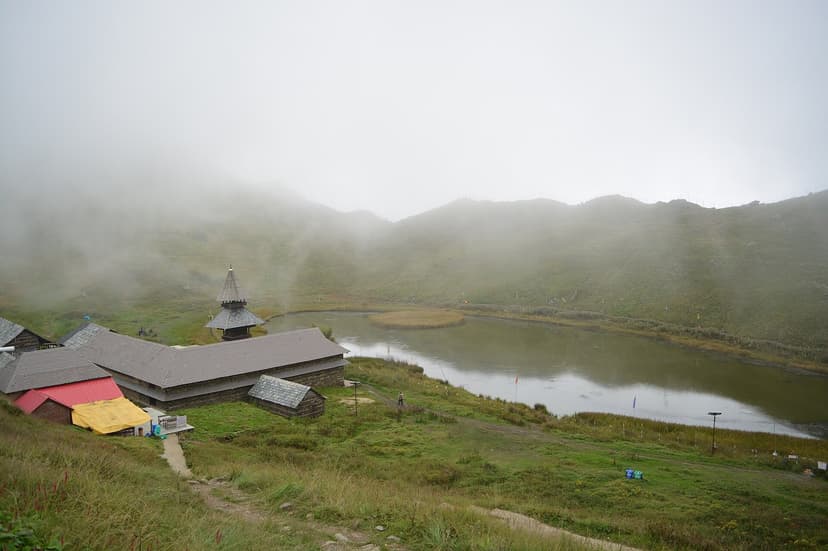
The road goes most of the way now, via Baggi village, about 27 kilometres from Mandi, and from there it is a short walk-up rather than a real trek. Easy enough that you can do it as a long day from town. But winter changes everything. u/ranaanshul, who camps up there a lot, left the best advice I have seen on it: Prashar in December and January gets brutally cold, stay options are very few, the roads snow over, and you should find a place on the map and phone them three or four days before you go to check whether the road is even open. Another visitor who went up one December summed up the temperature with a phrase I cannot reprint, but the gist was that things froze that he would have preferred stayed unfrozen. Take warm gear seriously. There is a fuller account in our Prashar Lake trek guide.
Barot, and a small argument about Switzerland
If you have a fourth day, point the car north to Barot. It is about 67 kilometres away in the Chauhar valley, on the Uhl river, and technically it straddles the Mandi and Kangra boundary, as one local carefully pointed out when someone got territorial about it online. Trout in the river, a colonial-era hydel history, deep quiet, and the kind of green that makes people reach for comparisons.
Which brings me back to where I started. There is a whole genre of Barot photo on the Himachal subreddit captioned "Switzerland of India," and under one of them u/Few-Veterinarian-992 finally snapped: stop calling every second place in Himachal Switzerland. Someone agreed and extended it to the whole tic of naming Indian places after foreign ones. They have a point, and it is the same point that makes the "Varanasi of the Hills" tag sit wrong on Mandi. These places are not lesser copies of somewhere more famous. Barot is Barot. Loud, green, a bit chaotic in season. The same locals will tell you, in the same breath, that it is one of the most under-rated places in the state and that tourists are already wrecking it, littering and driving like they own the cuts in the road. Both things are true. Go, and be better than that.
If trains are your thing, the old Kangra Valley narrow-gauge line ends at Joginder Nagar, about 55 kilometres from Mandi, and the haulage section above it that once pulled wagons up the mountain on a cable is a piece of engineering history most people have never heard of.
So, why stay instead of pass through
Put it together and the argument makes itself. Here are the two ways to do Mandi.
| Pass through (most people) | Stay 2-3 days (what I would do) | |
|---|---|---|
| Time in Mandi | 45 minutes at the bus stand | Two or three nights in the old town |
| What you see | A petrol pump and a dhaba | 81 temples, Rewalsar, Prashar, the Triangle |
| Cost | The price of a thali | Roughly 2,500-4,000 rupees a day, all in |
| Crowds | You are in the Manali traffic jam | You have the temples to yourself at dawn |
| Who it suits | People racing to Manali | Anyone who likes a real town over a resort one |
| Verdict | A wasted chance | One of the better-value stops in Himachal |
A sane three days looks like this.
- Day 1: The old town on foot
Temples at dawn, Panchvaktra and Bhutnath first, then Triloknath and the climb to Tarna Devi. Afternoon by the Beas and the sunken garden at Indira Market. Eat siddu and a mandyali kachori before dark. - Day 2: Rewalsar
Drive the 24 km up to the lake. Walk the circuit slowly, monastery to gurudwara to the Hindu temples, up to the Padmasambhava statue. Back to Mandi by evening, or stay the night if the quiet gets you. - Day 3: Prashar Lake
Long day trip via Baggi to the pagoda temple and the drifting island at 2,730 m. Carry layers even in summer. Call ahead in winter to check the road is open. - Optional Day 4: Barot or the Triangle
North to Barot in the Chauhar valley for trout and quiet, or south toward Shikari Devi and Kamrunag in the dry season only. Skip the south entirely in the monsoon.
Want a Kullu local to sanity-check your Mandi plan before you book? Email us your draft itinerary. We will tell you which day is too ambitious, whether the Prashar road is open this week, and where the road south has been rough since the floods.
What to eat
Mandi sits squarely in Himachal's non-vegetarian heartland, and its food culture is its own, distinct from Kullu or Kangra. The thing to chase is a Mandyali dham, the sit-down festival feast served on the floor. What sets the Mandi version apart from every other valley's dham is one dish: sepu vadi, fried lentil dumplings simmered in a spinach-and-curd gravy, made strictly without onion or garlic. A dham is incomplete without it, as one Himachali food account put it, and they are right. If you can get yourself invited to a wedding or a temple bhandara during your stay, go.
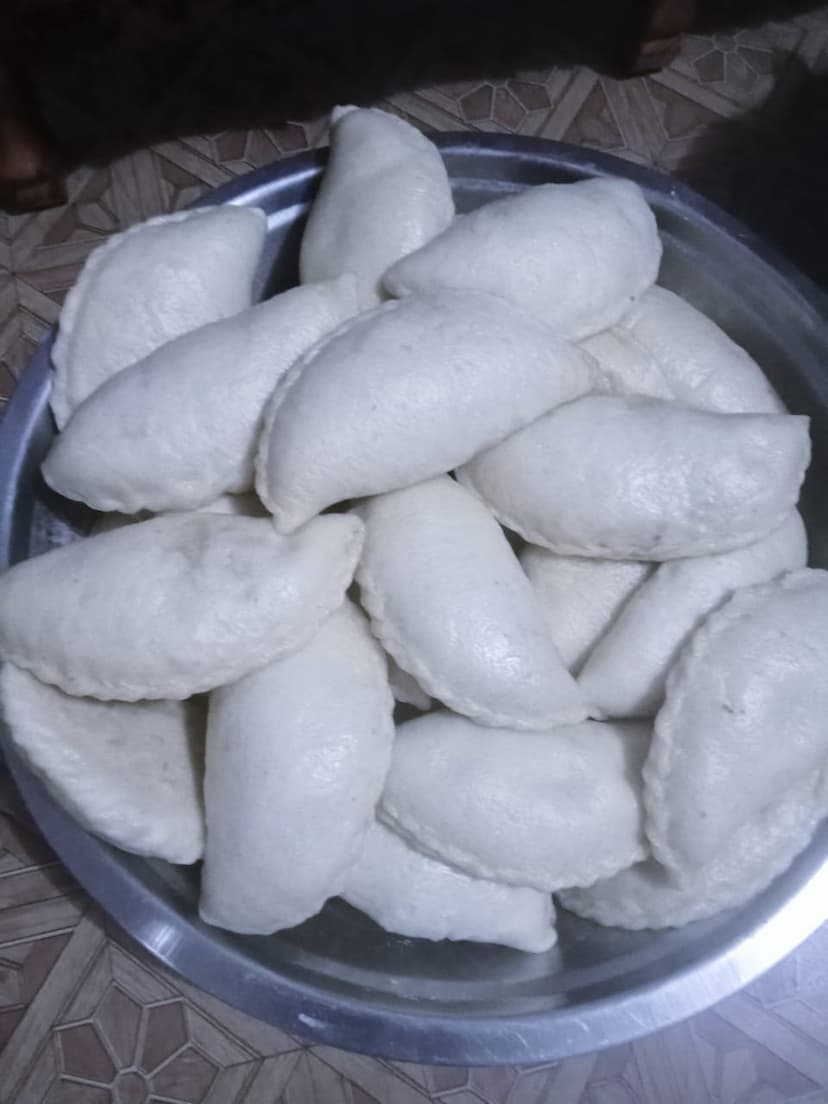
Short of that, eat siddu, the steamed stuffed bread that turns up everywhere here, with ghee or a walnut chutney. Try madra, the slow chickpea-and-yoghurt curry. And the mandyali kachori that Redditor was pining for is worth hunting down near the old bazaar. For the full regional picture, our Himachali food guide and the deep dive on the seven regional dhams both go further than I can here.
Where to stay, and what it costs
Mandi is cheap by Himachal standards, except for the one week it is not. Outside Shivratri, mid-range hotels in and around town such as Munish Resorts near Paddal, Hotel Parmar Palace or the smaller homestays run roughly 1,500 to 3,500 rupees a night, and a budget room can be had for less. During the Shivratri week those same rooms run two to three times higher, and pilgrims who plan ahead use the temple dharamshalas or the temporary tent town the tourism department sets up at Paddal. These are early-2026 rates; reconfirm before you book, because Himachal prices drift upward every season.
| Item | INR | Notes |
|---|---|---|
| Room | 1,500-3,500 | Mid-range double outside Shivratri. Two to three times this during the fair week. |
| Food | 400-700 | Three meals of siddu, dham-style thalis and chai. Less if you eat at dhabas. |
| Local transport | 600-1,500 | Shared taxis or a half-day cab to Rewalsar or Baggi. Buses are far cheaper. |
| Temple and lake entries | 0-100 | Most temples are free. Small parking or camera fees at a few spots. |
| Prashar day trip | 1,500-2,500 | Cab share to Baggi and back if you are not self-driving. |
Planning the budget end of a Himachal trip and not sure where Mandi fits? Send us your route and we will tell you whether to give Mandi a night, a day, or just the dawn temple walk on your way through.
How to reach Mandi
Mandi is one of the easiest hill towns in Himachal to get to, because the whole world drives past it on the way to Manali. It sits on NH-3, the Chandigarh-Manali highway, at the point where the road from the plains meets the road to the high valleys.
By bus: ordinary and Volvo HRTC buses run through the day and night from Delhi's ISBT Kashmere Gate, roughly 10 to 12 hours and somewhere between 600 and 1,400 rupees depending on the bus. From Chandigarh it is about 200 kilometres and six hours. If you are coming down from Manali, it is only about 110 kilometres, near three hours through Kullu, not the 175 some sites quote, which is the long Manikaran detour. Our Delhi to Manali bus guide covers the overnight run in detail; Mandi is simply the stop you should not sleep through.
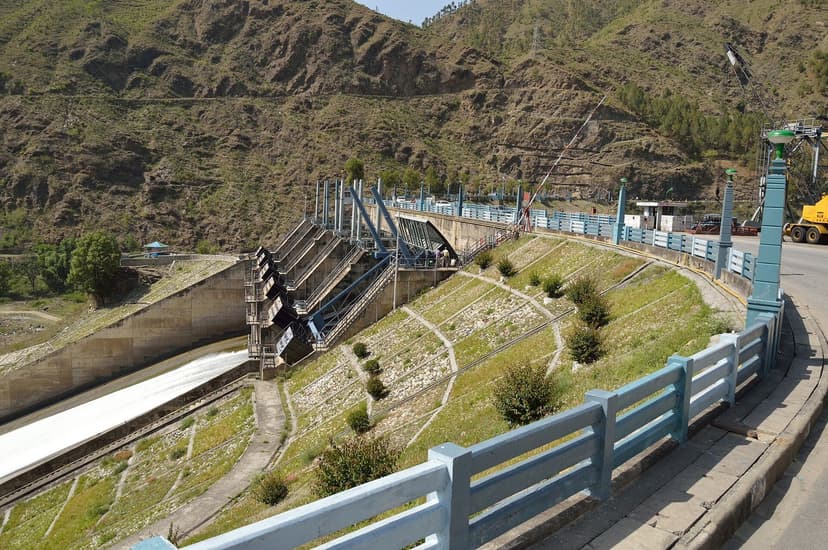
By air: the nearest airport is Bhuntar near Kullu, about 60 kilometres up the valley, with limited flights from Delhi and Chandigarh. By car: the drive up from Chandigarh through Bilaspur and over the new four-lane is straightforward, and the stretch along the Beas past Pandoh dam, with its turquoise reservoir, is the prettiest part. The campus of IIT Mandi at Kamand, 14 kilometres out under the Dhauladhar, is worth a slow drive past if you like your engineering colleges set in postcard country.
When to go
October to April is the sweet spot for the town itself: cool, clear, the temples at their best, the festivals stacked up through winter. February or early March if you want the Shivratri fair, with the 501st edition landing on the 6th of March 2027. The high lakes, Prashar especially, are best from April to June and again from September into October. Avoid July and August. I keep repeating it because the 2025 disaster earned the repetition: the monsoon in this district is not a matter of a spoiled view, it is a matter of roads that are no longer there. For the wider seasonal picture across the state, see our month-by-month guide to visiting Himachal.
Mandi will never headline anyone's Himachal trip. It is too modest, too busy with its own life, too far from the snow the Instagram crowd drives up for. But it has been quietly being itself for five hundred years, gods and garbage and dawn bells and all, and if you give it three days instead of forty-five minutes, it pays you back better than almost anywhere on that highway. Stop the car next time. Walk into the old town. You will see what the buses are missing.
Frequently asked questions
Why is Mandi called the Varanasi of the Hills?
Mandi sits on the Beas river and holds about 81 old stone temples inside the small old town, which is why locals call it Chhoti Kashi, or Little Kashi. The proud local boast is that while Varanasi has 80 temples, Mandi has 81. The town has been a temple and pilgrimage centre for around 500 years.
How many temples does Mandi actually have?
The local claim is 81 old temples in the town itself, with more than 300 across the wider Mandi district. The best known are Panchvaktra (five-faced Shiva at the river confluence), Bhutnath (built 1527, the towns presiding shrine), Triloknath (16th century) and the hilltop Tarna Devi.
When is the Mandi Shivratri Fair held?
The fair runs for seven days starting on Maha Shivaratri, which is a lunar date and moves each year. The 500th edition ran 16 to 22 February 2026. The next, 501st edition begins on 6 March 2027 (Maha Shivaratri 2027) and runs about a week from there. More than 200 village deities gather in the town.
Is Mandi worth visiting, or just a stop on the way to Manali?
It is worth two or three days, not the forty-five minutes most people give it. Use Mandi as a base for the temple old town, Rewalsar lake (24 km), Prashar Lake (49 km) and the Mandi Triangle hills. Most travellers pass straight through to Manali, which is a wasted chance at one of the better-value stops in Himachal.
What is Rewalsar Lake near Mandi?
Rewalsar, or Tso Pema, is a small sacred lake 24 km from Mandi at 1,360 m, holy to three religions at once: Buddhists (a 37.5 m Padmasambhava statue consecrated by the Dalai Lama in 2012, plus monasteries), Hindus (temples to Krishna, Shiva and sage Lomasha) and Sikhs (a 1930 gurudwara marking Guru Gobind Singhs stay).
How far is Prashar Lake from Mandi and how hard is it?
Prashar Lake is about 49 km from Mandi by road, or 27 km to Baggi village where a short walk-up begins. The lake sits at 2,730 m with a drifting island and a 13th-century pagoda temple. The road covers most of the distance, so it is an easy day trip in good weather, but it snows over in winter, so call ahead to check the road.
What is the Mandi Triangle?
It is a loose circuit, our own framing, using Mandi as a base: Prashar Lake to the north, Shikari Devi (the roofless temple) and Kamrunag Lake to the south, with Shangarh meadow as an optional fourth corner. All lie within about 50 km of Mandi and are rarely combined by other guides.
Is it safe to travel around Mandi in the monsoon?
Be very careful in July and August. The southern Seraj and Thunag belt of Mandi district was hit by catastrophic cloudbursts in late June and July 2025, with roads, bridges and homes washed away and many lives lost. Reconstruction continued into 2026. Avoid the high backcountry in the rains and travel the Mandi Triangle only from April to June or September to October.
What food should I try in Mandi?
Chase a Mandyali dham, the floor-seated feast whose signature dish is sepu vadi, fried lentil dumplings in a spinach-and-curd gravy made without onion or garlic. Otherwise eat siddu (steamed stuffed bread), madra (chickpea and yoghurt curry) and the local mandyali kachori. Mandi is firmly non-vegetarian country.
How do I reach Mandi?
Mandi is on NH-3, the Chandigarh-Manali highway. HRTC buses run from Delhi ISBT Kashmere Gate (10 to 12 hours, about 600 to 1,400 rupees), it is about 200 km and six hours from Chandigarh, and only about 110 km from Manali. The nearest airport is Bhuntar (Kullu), around 60 km away.
What is the best time to visit Mandi?
October to April for the town, its temples and winter festivals. February or early March for the Shivratri fair (6 March in 2027). April to June and September to October for the high lakes like Prashar. Avoid July and August because of monsoon landslide and flood risk across the district.
Sources
Primary and official: District Mandi, Government of Himachal Pradesh (Shivratri Fair 2026 maps and venues, places of interest); Himachal Pradesh Tourism. Journalistic: The Print and Devdiscourse on the 500th fair commencing 16 Feb and concluding 22 Feb 2026; ETV Bharat on the International Cultural Parade; Himachal Guardian on the opening Jaleb; Down To Earth and Tribune India on the June-July 2025 Mandi cloudbursts (1,939% excess rain, Seraj and Thunag). Reference: Wikipedia for Mandi, Rewalsar Lake, Prashar Lake and the Mandi Shivaratri Fair; Drik Panchang for Maha Shivaratri 2027 (6 March). Traveller voices: public r/HimachalPradesh threads on Mandi, Rewalsar, Prashar Lake and Barot Valley, mined June 2026 (each quote carries its username and subreddit). Coordinates verified via the Wikipedia coordinates API.
About Rajesh Thakur
Rajesh Thakur grew up in the Kullu valley and has been writing about Himachal Pradesh travel and culture since 2018. He is most at home in upper Kullu, Lahaul, and the Spiti circuit, and has done the Manali-Kaza loop more times than he can count.
You Might Also Like
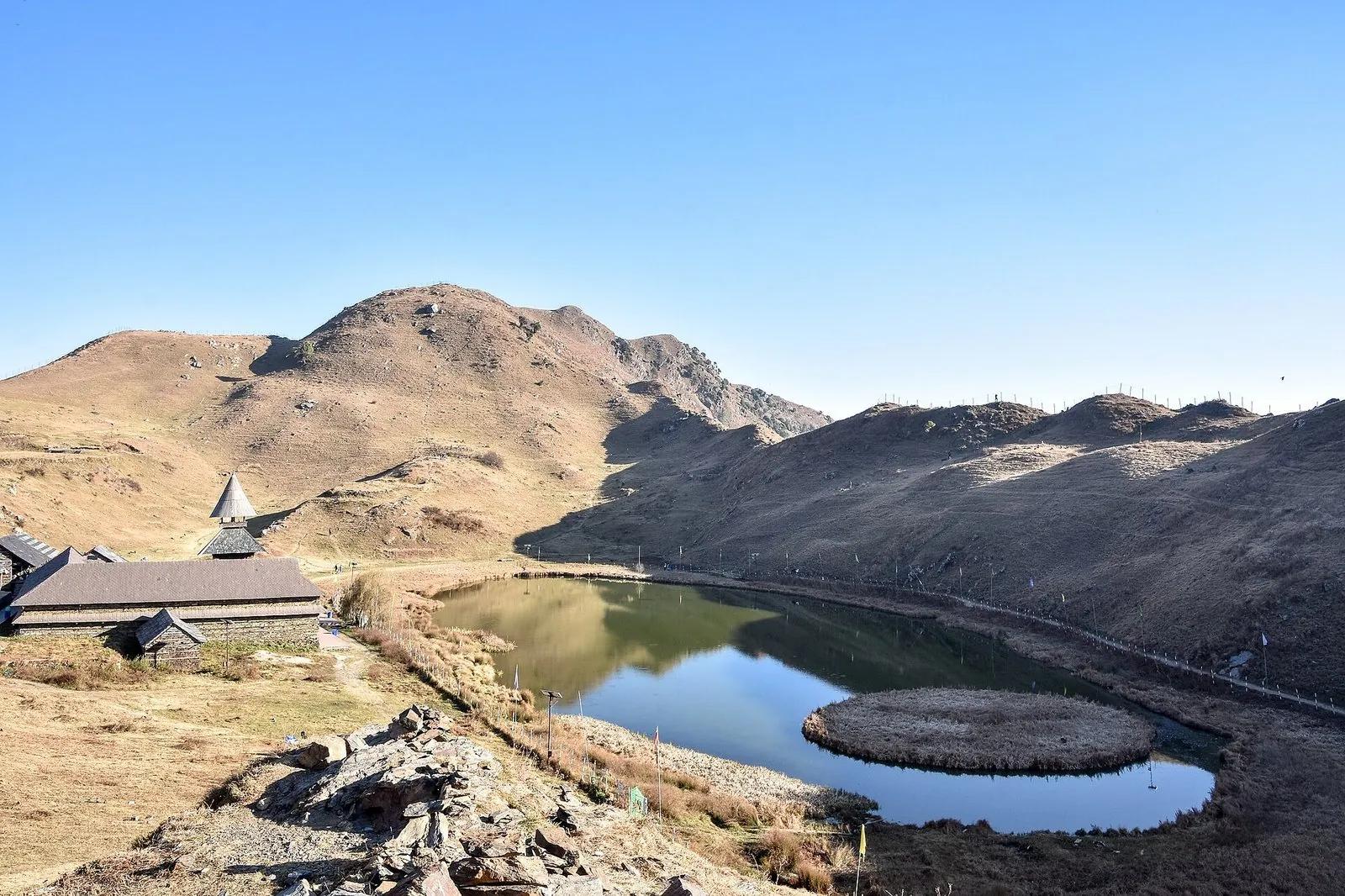
Prashar Lake Trek: The Floating Island Mystery and Complete Guide (2026)
A floating island that drifts across an alpine lake at 2,730 m. A pagoda temple attributed to a 14th-century Mandi raja. A depth nobody has measured. The complete Prashar Lake trek guide for 2026 by a Mandi-region writer who has stood at this lake more times than he has counted.
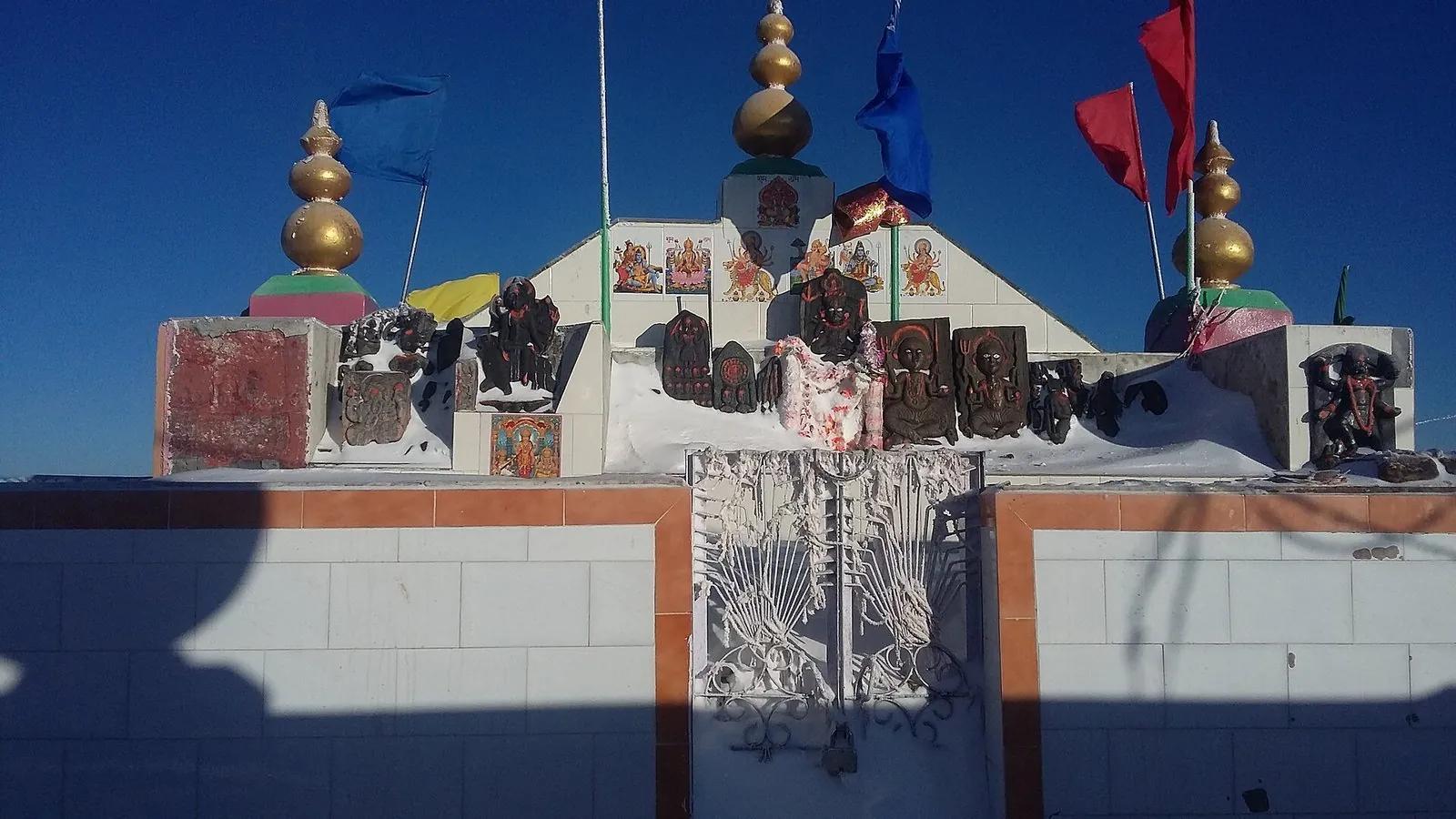
Shikari Devi: The Roofless Temple Where Snow Wont Settle
At 3,359 m on Mandis highest peak, a shrine with no roof. Every attempt to cover it has failed, including orders by a six-time CM. The HP Government itself records that snow doesnt settle on the idol even when the surrounding sanctuary is under 8 to 10 feet. A Kinnauri researchers honest read of the legend, the CM vs goddess story, the Triple Mystery, the Mandi Triangle circuit to Parashar and Kamrunag, and everything April 2026 travellers need to get up there safely. By Ajay Negi.