
Worst Time to Visit Himachal Pradesh: The Honest Month-by-Month Guide (2026)
Every travel site in India will tell you the best time to visit Himachal Pradesh. Type the opposite question into Google, the worst time, and you get the same recycled best-time articles with one nervous line about rain in paragraph eight. Nobody publishes the do-not-come guide, because the people writing travel content are mostly selling trips.
I am from Kullu. The highway everyone gets stuck on in August is the road to my home, and the town everyone jams into at New Year is forty minutes up the valley from me. So this is the article the industry will not write: twelve months, ranked by how likely each one is to ruin your trip, with the death tolls, the traffic numbers and the Reddit testimony that best-time listicles politely leave out.
Quick answer (June 2026): the single worst window is mid-July to mid-August, when monsoon landslides close highways for days and the SDMA death count climbs daily (451 dead in the 2025 season). The second worst is December 20 to January 2, when Shimla absorbs 1.5 lakh tourists in a day and hotels triple their rates. May-June is overcrowding, not danger. October is the best month of the year. The one monsoon exception: Spiti and upper Lahaul, which sit in rain-shadow. IMD forecasts a below-normal 2026 monsoon for most of HP, but above normal over Lahaul-Spiti and northern Chamba, so even the rain-shadow advice needs a daily road check this year.
- Single worst window
- July 15 to August 15 (peak monsoon lethality)
- 2025 monsoon toll
- 451 dead (HP SDMA final bulletin), Rs 4,842 crore damage
- 2023 monsoon toll
- 441 dead, Rs 12,000 crore damage, 165 landslides
- Worst crowd window
- December 20 to January 2 (Shimla and Manali)
- Shimla on Christmas
- 1.5 lakh tourists in one day, 5-6 hour jams
- Manali in May-June
- 20,000-30,000 tourists a day, 4,500 vehicles
- The monsoon exception
- Spiti and upper Lahaul (rain-shadow)
- The best month
- October. It is not close.
- Emergency helpline
- 1077 (HP disaster control rooms, 24x7 in monsoon)
The numbers no travel site will print
Start with the dead, because everything else in this article is downstream of these three lines. In 2023, the monsoon killed 441 people in Himachal and did roughly Rs 12,000 crore of damage, with a state-record 165 landslides. In 2024, a milder year, 174 people died. In 2025 the State Disaster Management Authority counted 451 dead by its final September 23 bulletin, with 262 in rain-related incidents, 189 in road accidents and 47 still missing, against Rs 4,842 crore of damage.
The Supreme Court, hearing the 2025 devastation, warned that Himachal Pradesh may vanish from the map. That is the language of a constitutional court, not a clickbait headline, and it followed a season in which 47 cloudbursts, 98 flash floods and 148 major landslides hit one small state (the Aaj Tak tally from September 2025).
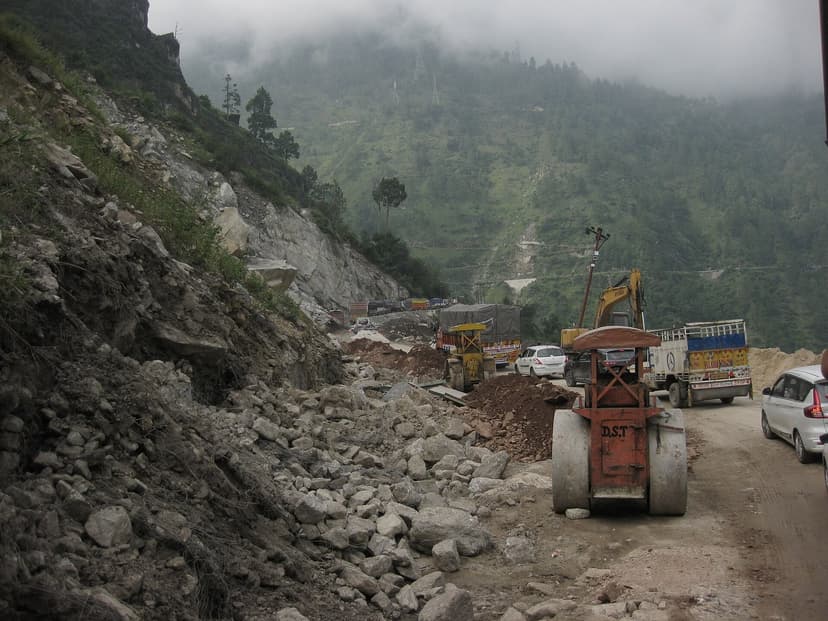
None of this appears in a best-time-to-visit article. I checked. The standard treatment is one sentence, usually some cousin of avoid the monsoon season, placed where nobody reads it. Meanwhile the 2025 numbers say a single fifteen-day window, June 20 to July 4, killed 72 people and injured 113. On one day that July, the state lost Rs 50 crore and 63 lives. Aaj Tak ran the breakdown; the travel industry ran 10 Best Waterfalls Near Manali.
And the science says this is the new normal, not a bad patch. July 2023 brought 431 percent above-normal rainfall in five days, the highest since 1980. August 2025 ran 44 percent above normal. A 2026 Springer paper on the 2025 season documents rising rainfall-triggered landslide activity across the northwest Himalaya, and our own reporting on the HP snow drought covers the other half of the same broken cycle: weak winters, violent summers.
52 hours to Manali
If you want one story instead of statistics, take the thread that 1,900 people upvoted on r/SoloTravel_India in August 2025. A traveller boarded a Volvo in Delhi on August 17 and reached Mandi at five in the morning, where the highway had already been closed for almost 25 hours. They waited on the road the whole day. The police opened one lane in the evening, then shut it again at dark.
We spent the night in a hotel, and the next morning around 11, we took a private taxi to Manali through the alternate route via Kataula. But again, we had to spend the whole day stuck in the mountains waiting for the road to open.
That is u/Gloomy_Height_2119, verbatim. The ordeal ended with him crossing the landslide zone on foot at midnight, flagging a taxi on the far side, and rolling into Manali 52 hours after leaving Delhi. A normal run takes 12 to 14. His advice to everyone reading: cancel your bookings, the money is not worth it.
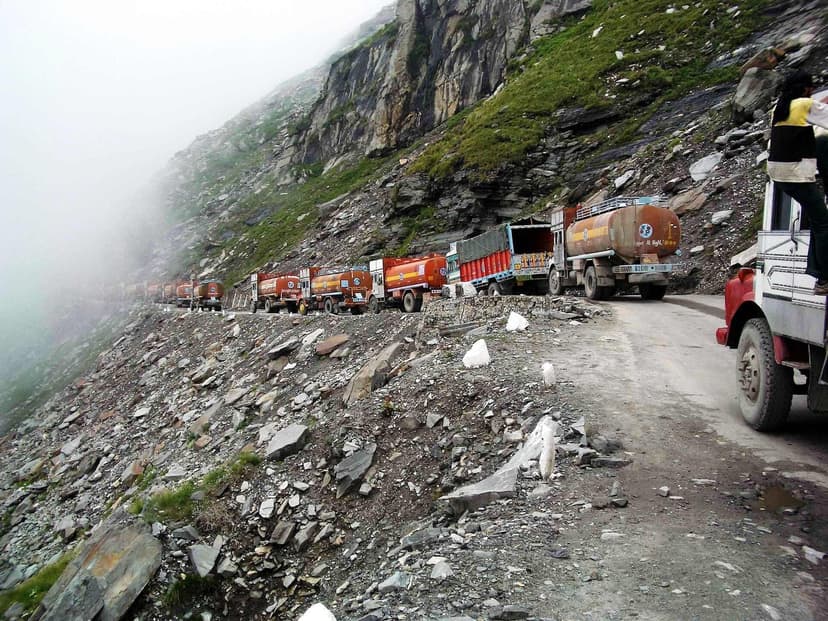
The comments under that thread are their own dataset. One person stuck in the same blockade wrote that they ate apples and dry bread and paid Rs 9,000 for a grim single room after the owner literally auctioned it to the highest bidder. u/salamandertha put the season in one line: the locals and officers have no choice, but tourists do. And u/NoZombie2069 predicted, correctly, that nothing would change: the sub would still get three or four weekly threads asking if the mountains are safe in monsoon, and someone would still answer yes, we went last week, the pahadon wali Maggi was lovely.
Himachalis read those threads differently than tourists do. We know the trucks in that queue were carrying vegetables, fuel and a couple of policemen reporting for duty. The road does not care who you are. It just closes.
So here is the calendar, month by month
| Month | Verdict | What actually goes wrong |
|---|---|---|
| January | Risky for Spiti, Kinnaur, high passes | Minus 25 to minus 29 C nights in Kaza, black ice (locals call it pala) below 2,500 m, 100+ roads shut after every big fall. Lower HP fine with the right gear. |
| February | Same as January | Snow stabilises late in the month. Good for skiing at Solang and Narkanda. Spiti still effectively sealed from the Manali side. |
| March | Go | Slush and mud at altitude, Spiti still closed, but lower and mid HP are quiet and cheap. |
| April | Go | Prices start climbing, first heatwave refugees arrive from the plains. Still comfortably ahead of the rush. |
| May | Avoid Manali, Shimla, Kasol | Peak crowds begin. 20,000-30,000 tourists a day into Manali, 2-5 hour jams, hotels at 2-3x. Tirthan, Jibhi and the quieter valleys still work. |
| June | Avoid the famous names | Crowds peak, water runs short, pre-monsoon storms start. Manali sewage output runs roughly 8x its treatment capacity. Spiti opens and is glorious. |
| July | Avoid everywhere except Spiti | Peak monsoon. Cloudbursts, landslides, blocked highways, cancelled flights. The deadliest month in the deadliest seasons. Spiti sits in rain-shadow. |
| August | Avoid everywhere except Spiti and Lahaul | Soil is saturated, slides outnumber cloudbursts, the Aug 11-14 window is historically the most lethal 96 hours of the HP calendar. |
| September | Caution until the 20th | Monsoon retreats but late cloudbursts continue and roads carry two months of damage. Late September turns the corner. |
| October | Go. Best month of the year | Post-monsoon clarity, repaired roads, open passes, apple harvest, empty homestays. The payoff. |
| November | Go (lower HP) | High passes close (Kunzum, then Rohtang). Short days. Lower HP is crisp and quiet. |
| December | Avoid Shimla and Manali after the 20th | 1.5 lakh tourists in Shimla on Christmas, 3x hotel rates, 5-6 hour jams, 200+ roads shut after snowfall. Go Dec 1-15 instead, or pick Narkanda, Dalhousie, Kalpa. |
January and February: the cold is at least honest
Winter is the one season whose dangers announce themselves. Kaza records January lows between minus 25 and minus 29 C. The Manali route into Spiti over Kunzum is shut. After any serious snowfall, a hundred-plus roads close statewide; the Christmas 2024 storm shut more than 200 at once, three national highways among them.
The killer nobody photographs is black ice. Locals call it pala: meltwater that refreezes after sunset into an invisible sheet on shaded bends. Hindi papers run warnings about it every December for the tribal belts and upper Shimla, and it is the number one winter driving hazard above roughly 2,000 metres. If you have never driven on it, the first time should not be a rented Creta full of your friends on the Kufri road.
Verdict anyway: lower Himachal in January is genuinely good if you pack for it (our 3-layer winter packing guide exists for exactly this trip). Shimla, Dharamshala, even Manali town are fine. It is Spiti, upper Kinnaur and the passes that punish casual plans.
March and April: go
The shortest section in this article, because there is the least to warn about. March has slush at altitude and a still-closed Spiti. April has rising prices and the first wave of heatwave refugees from the plains. Both are quiet, green, cheap by HP standards, and safe. The rhododendrons turn whole hillsides red, the apple blossom comes through Kotgarh and Kinnaur, and the famous towns are at maybe a third of their June density. If your leave calendar is flexible, April is the smart pick almost nobody makes.
May and June: the season everyone books and nobody enjoys
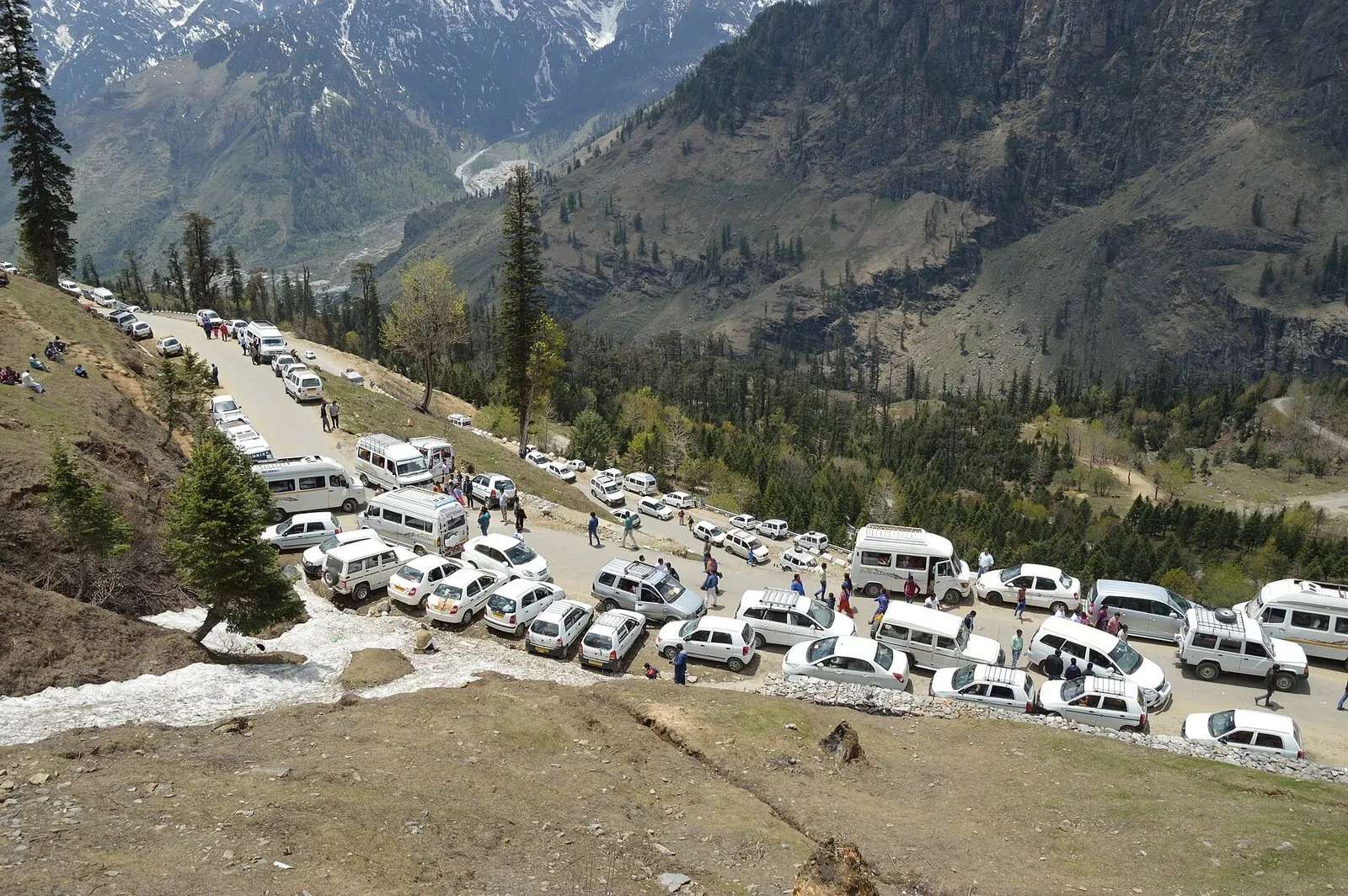
Now the crowds. Manali in peak season takes 20,000 to 30,000 tourists a day, 40,000-plus on weekends, with about 4,500 vehicles entering daily. The two kilometres to Hadimba Temple can take an hour. A single June weekend produced a documented 700-car queue at Solang. On the one road into the district, 1,200 to 1,300 vehicles enter Kullu every day of the season.
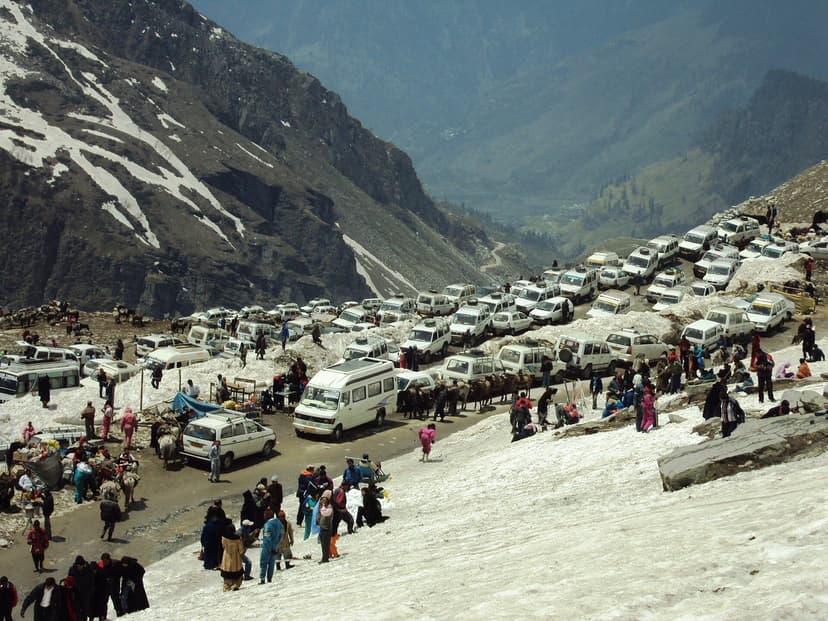
The infrastructure arithmetic is worse than the traffic. Manali produces roughly 15 to 16 MLD of sewage in peak season against 1.82 MLD of treatment capacity, which means the Beas river absorbs the difference. Water shortages hit the tourist towns in late May, before the rain arrives. Hotels run at double to triple their winter rates. On the 282-comment Reddit thread we analysed about whether Manali is overrated, the most upvoted reframe came from u/gaurav_kumrawat: it is not overrated, it is overcrowded. A drier joke from the same corner of Reddit, courtesy u/devilaturdoor: Manali peak season runs January to December.
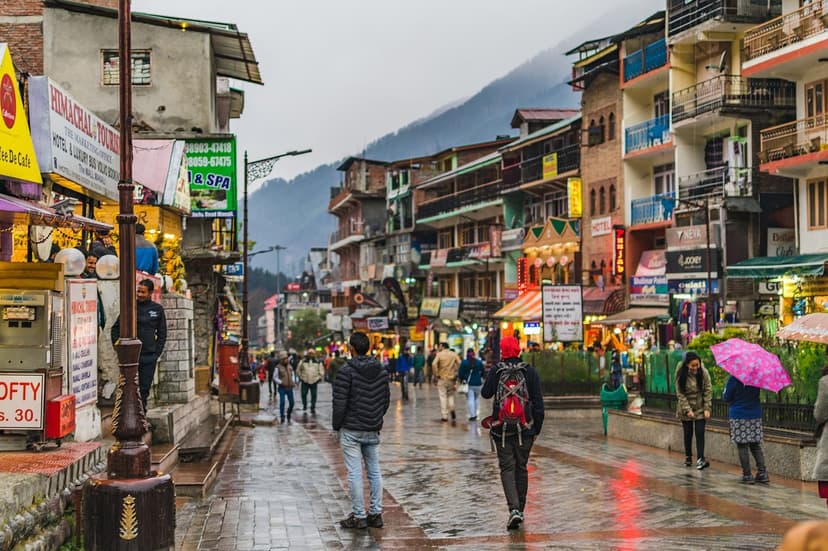
Here is the thing though. May-June Himachal is only miserable where you have heard of it. Drive ninety minutes past Aut into the Tirthan or Banjar valleys and the same month is green, cool and nearly empty. The crowding is a routing problem, not a state-wide condition. The fix is in the where-to-go-instead table further down, and in our Tirthan Valley guide.
July: the worst month, full stop
Everything in the death-toll section above concentrates here. The cloudburst clusters of 2025 started on June 25, when four hit Kullu district inside 24 hours (Sainj, Garsa, Manali, Banjar) and a fifth sent a flash flood through the Manikaran pilgrimage corridor. Five days later the Karsog-Dharampur cluster in Mandi killed 11 people with 34 missing inside 48 hours. Mandi has earned the grim nickname of HP cloudburst capital in the Hindi press, which ran an explainer literally titled why do clouds burst over Mandi.
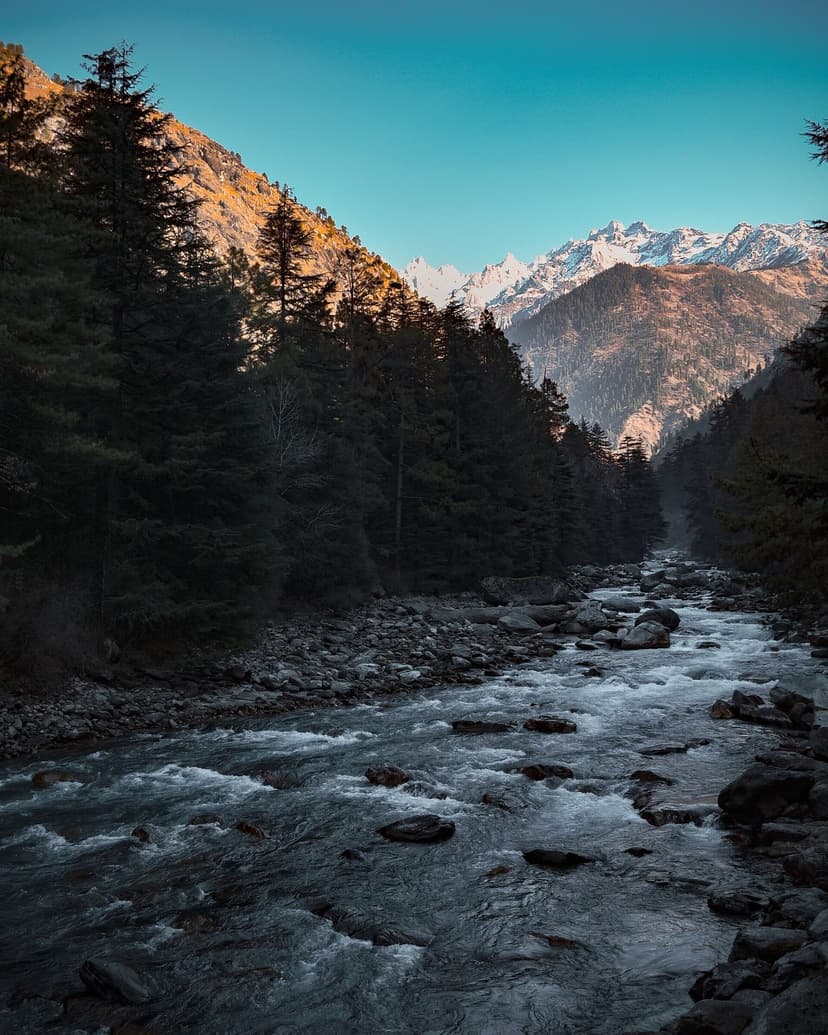
What this means for a traveller is simpler than the meteorology: in July the three main approaches to the popular valleys (the Mandi highway, the Kinnaur highway, the Parvati road) are all active slide zones at once. Flights to Bhuntar and Gaggal cancel routinely. Treks close. The Kalka-Shimla toy train suspends during heavy spells. u/Hefty-Assist-6613 posted from Chamba at three in the morning during the August 2025 peak: the district had lost all road connectivity, Kullu had lost its highway, and people were being airlifted off the Manimahesh route. Never seen rains this destructive, they wrote, after a lifetime in the state.
The one exception is real and it is dramatic: cross into the rain-shadow and the monsoon simply stops. More on that in the Spiti section below.
August: the soil gives up
August is second only to July, and some years it is worse, because by August the slopes are saturated and slide without needing a cloudburst. The historical pattern in the Hindi disaster archives is blunt: August 11 to 14 is the most lethal 96-hour window in the HP monsoon calendar, and 2023 followed the script exactly. In 2025, August ran 44 percent above normal rainfall; on August 30 alone, 842 roads were closed statewide, and the Chandigarh-Manali highway stayed shut for six straight days at Dwada.
This is the month of the 52-hour bus ride. It is also the month of u/kidrock-, stuck in Kasol behind a landslide while shopkeepers charged double for essentials. And of u/Pro_RazE, whose family lesson dates to the 2013 Kedarnath disaster one state over: never travel to these areas during monsoon, we made that mistake once and were stuck for a week. The shortest version came from u/ItWillChangeInTime: please do not make any plans in August.
If you only remember one sentence from this article: the mountains will still be there in October. The top-voted Reddit answer to every monsoon Kasol question says the same thing in five words. Kasol will always be there.
September: the hangover
The rain retreats; the damage stays. Early September still produces cloudbursts (the 2025 season was still killing people in its second week), and every road you drive carries two months of undercut edges, half-cleared slides and one-lane diversions. u/nageshkyo posted a typical late-season log on the Delhi-Jibhi run: fine till Mandi, then a landslide near Pandoh, five hours stuck, then five more from Mandi to Aut. A Kullu local replied with the whole calendar in one line, and it is worth quoting because it is exactly what we say to each other every year: I am leaving Kullu tomorrow, this happens every year, July-August is best to stay away from HP, why do you all come at this time?
After roughly the 20th, the equation flips fast. The crowds have not arrived, the rain has mostly left, and the long golden run-up to October begins.
October and November: the payoff
After six months of warnings, here is the reward. October in Himachal is post-monsoon air so clean the ranges look freshly painted, repaired roads, open passes, working apple orchards, and homestay owners with time to talk. It is harvest season in Kinnaur and the Shimla hills, festival season in Kullu, and the single best month for every route in the state, Spiti included. Even the Reddit monsoon threads agree; the standing advice under the stuck-in-Mandi posts is go after the first week of October (u/pro_homie, among many).
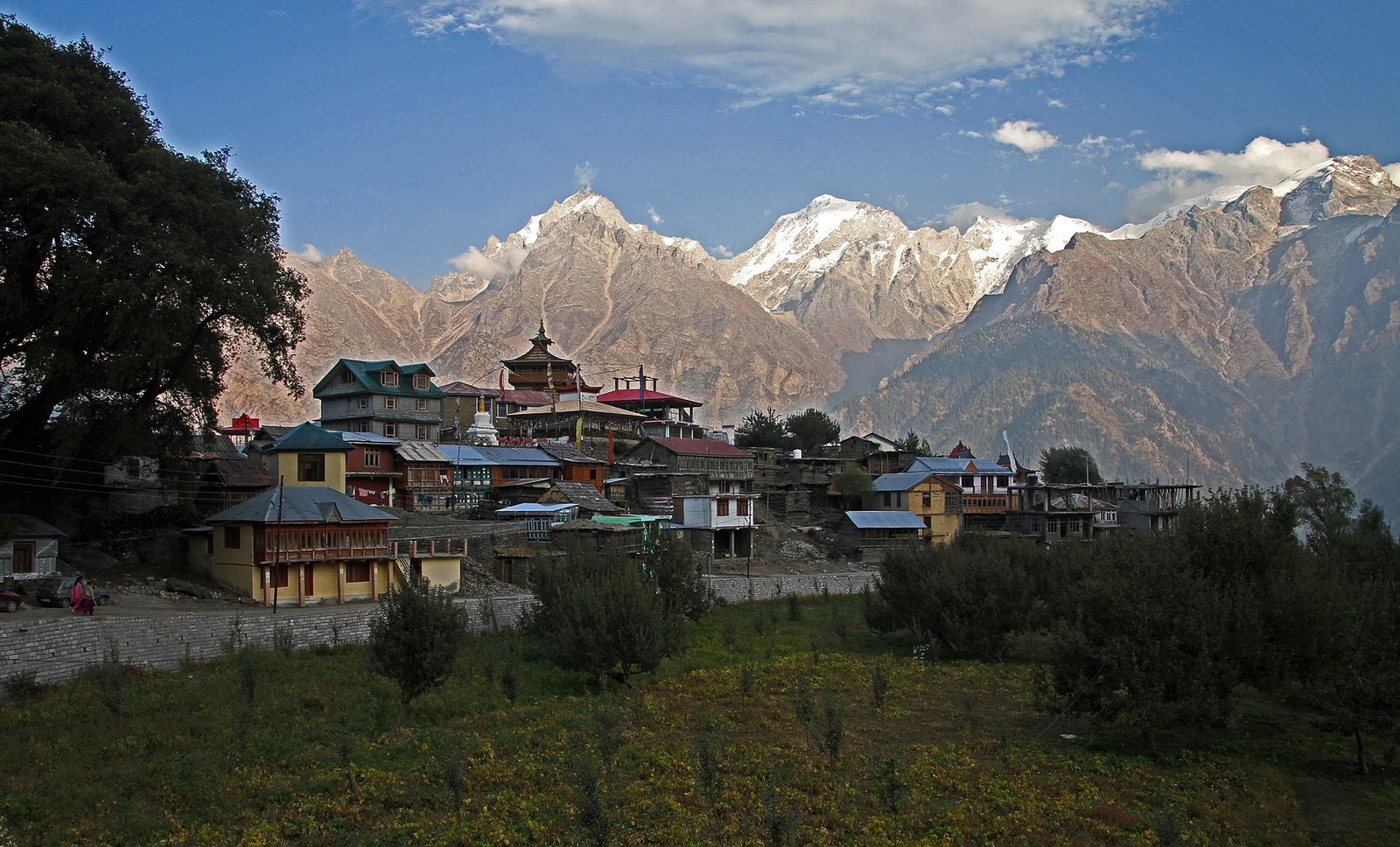
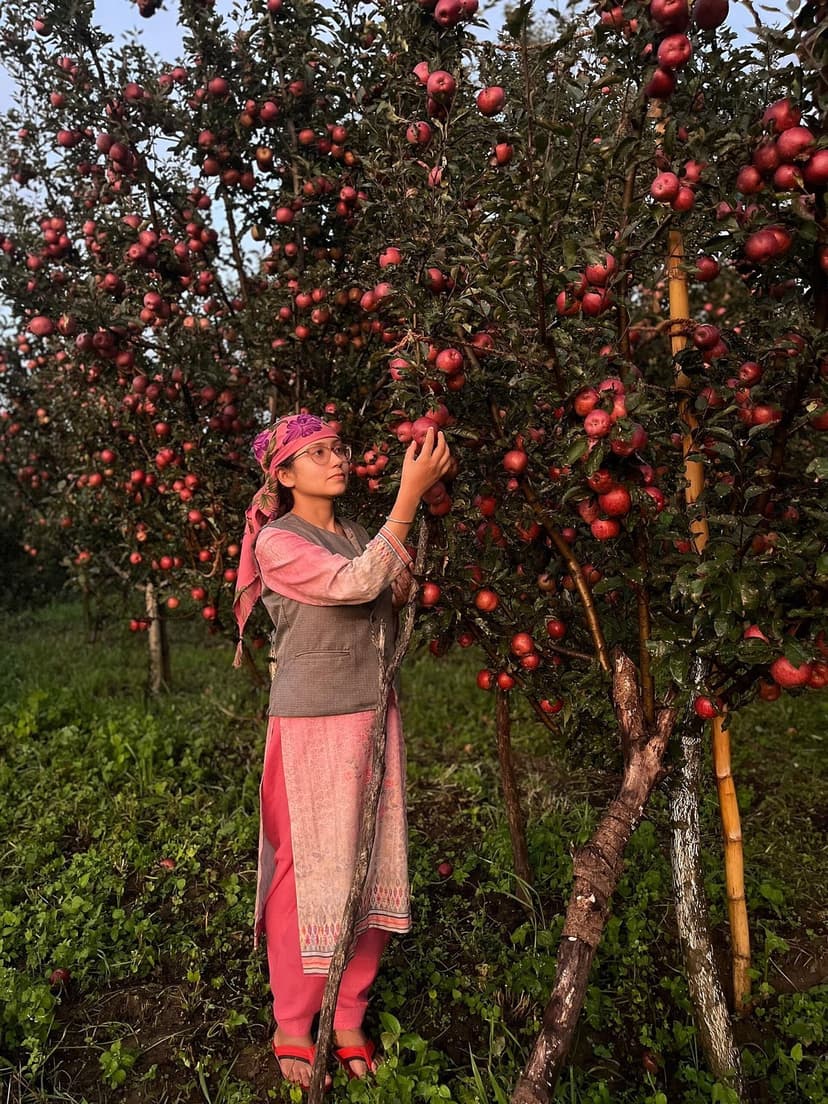
November keeps most of it. The high passes close (Kunzum first, then Rohtang, which in 2026 had opened on May 17, the earliest since 2019), days shorten, and upper Spiti empties out. Lower Himachal stays crisp and quiet deep into the month. If October is the king month, November 1-20 is the quiet duke. Our month-by-month best-time matrix maps this in detail.
December: the Christmas trap
December splits into two different months. December 1 to 15 is lovely: early snow chances, empty hotels, honest prices. Then the schools close and the plains empty into two towns.
The Shimla numbers from the last few year-ends read like festival crowd control because that is what they are: about 1.5 lakh tourists in town on Christmas Day, 8,000 to 10,000 vehicles arriving daily through the year-end week, around 400 police deployed, and a One Minute Traffic Plan in which the police meter vehicles into the city to keep the Cart Road from gridlocking solid. Hotels charge triple. Jams run five to six hours. On Christmas 2024, a single day put 3,000-plus private vehicles and 150 Delhi Volvos into Manali, a town with parking for roughly 500.
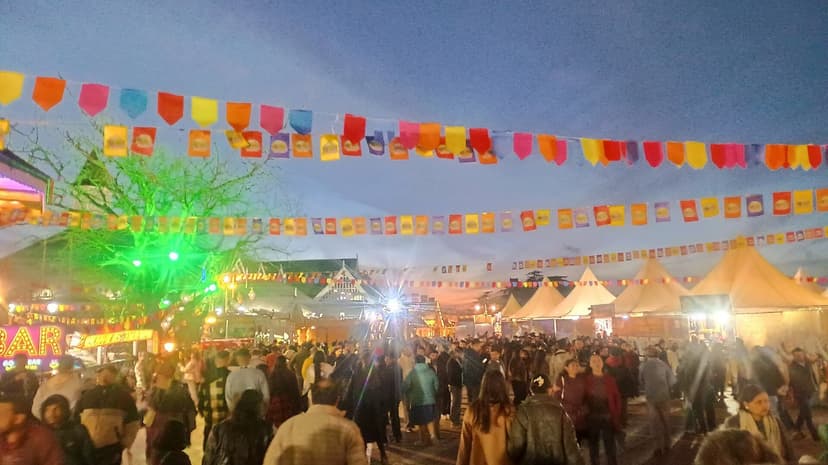
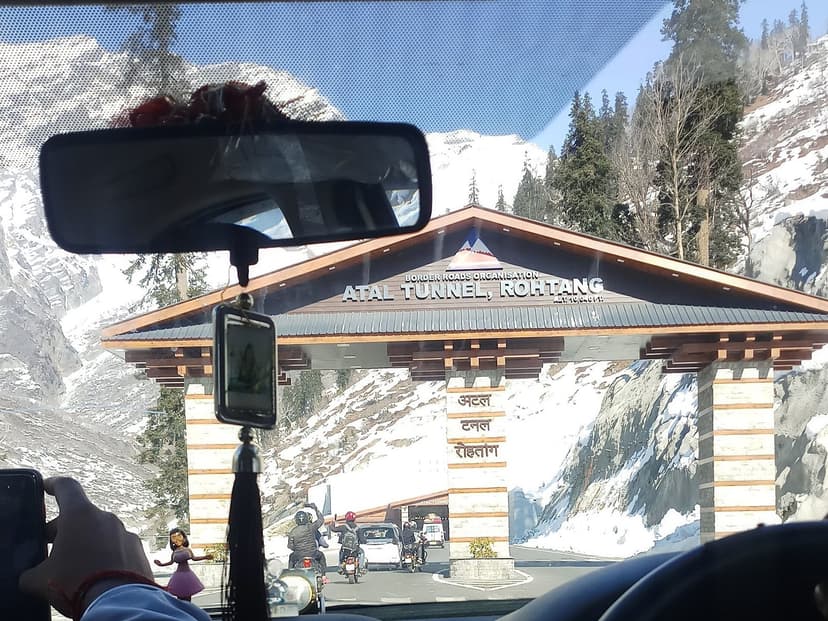
And the snow you came for is the same thing that closes the show. The Christmas 2024 storm shut 200-plus roads; in January 2026 a heavy fall produced an 8 to 15 km continuous jam from Kothi down to Manali, with thousands of tourists stuck overnight, hungry and thirsty in their cars, as TV9 put it. The single best account of that mess on Reddit is u/UdtaHagtaKabootar, who entered the Atal Tunnel at 5:15 on a Sunday evening and came out at 6:15 the next morning. Thirteen hours inside a tunnel. No food or water, he wrote; people were relieving themselves beside their cars and in the emergency exits.
I will make the claim plainly and you can argue with me: December 20 to January 2 in Shimla or Manali is the worst value-for-money window in Indian tourism. You pay triple to stand in a queue in the cold. Eight days earlier the same room costs a third and the same snow is twice as likely to be clean. If the dates are fixed, at least aim somewhere that is not the bullseye: Narkanda, Kalpa, Dalhousie, or the quieter corners in our Shimla hidden gems map and day-trips guide.
The three corridors that do the killing
Most of the monsoon body count happens on three stretches of road, and they are the three stretches every tourist itinerary uses.
NH-3, Mandi to Manali. The Pandoh-Aut stretch is the landslide chokepoint of the state. The 52-hour blockade happened here. The six-day Dwada closure happened here. This is the road my own valley depends on, and in August even we stop using it.
NH-5 through Kinnaur. The Tapri-Nigulsari-Nathpa belt is an active slide zone where the road periodically falls into the Sutlej. The August 2025 cluster blocked it at five named points simultaneously. If you are doing the Kinnaur-Spiti loop in monsoon because the internet told you Spiti is dry, remember that this wet, unstable highway is how you get there.
The Parvati Valley. Bhuntar to Kasol to Barshaini is flash-flood country; the June 2025 Manikaran cloudburst put a wall of water through a pilgrimage corridor that was crowded an hour earlier. Treks above it (Kheerganga, already under a camping ban) turn into leech-farms with zero visibility.
Before any HP drive between June and September, check the live sources in our road status guide, and the SDMA bulletin at hpsdma.nic.in. The disaster helpline is 1077, staffed round the clock through the season.
When locals do not travel
Here is the cheapest forecasting tool in Himachal: watch what Himachalis do. In July and August we do not drive the highways unless we must. The wedding season pauses. Deliveries get planned around the SDMA bulletin. When a dhaba owner on the Mandi road tells a customer do not go that way today, he is not being dramatic; he watched three slides come down that bend in the last fortnight.
At Christmas, the traffic flows the other way: tourists pour in, locals stay home. Nobody from Kullu goes near Mall Road in the last week of December. In October, when the state is at its absolute best, locals are mostly working; the apple harvest does not pick itself, and that is precisely why the roads are empty for you.
Reddit preserves this local calendar in real time. During the June 2025 cloudbursts, u/Oh_choru posted a plain list of what had been destroyed that week and opened with: if you are thinking to travel to Himachal Pradesh in the coming days, cancel it. u/sohneya_s321 added the part locals usually only say to each other: this happens every year, yet there is no decline of tourists. Cancel your plans if you can and give the locals a break. Even the long-stay visitors learn it; one traveller who arrived mid-July 2025 (u/Treacle_Real) counted three or four days of sun in six weeks.
The Spiti paradox
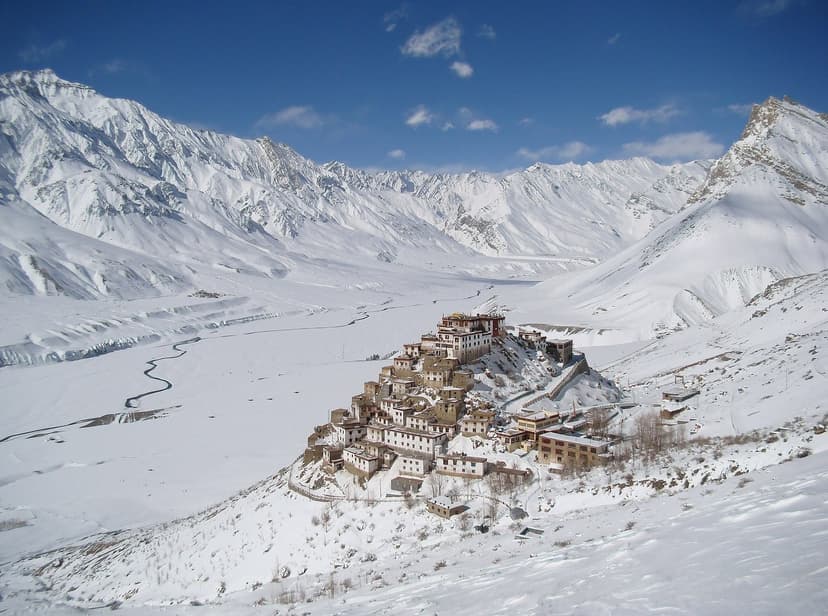
One region breaks every rule above, in both directions. Spiti and upper Lahaul sit behind the Pir Panjal in rain-shadow: the monsoon clouds drop their load on the Kullu side and arrive over Kaza empty. July and August, lethal everywhere else, are Spiti at its finest: hard blue skies, open passes, warm days. This is the one honest monsoon destination in the state, and our Spiti road trip guide and Chandratal guide cover both ways in. One caveat for 2026 specifically: the IMD seasonal forecast puts Lahaul-Spiti and northern Chamba above normal rainfall this year even as the rest of HP runs dry, so treat the rain-shadow as a probability, and check the Gramphoo-Batal road status before committing.
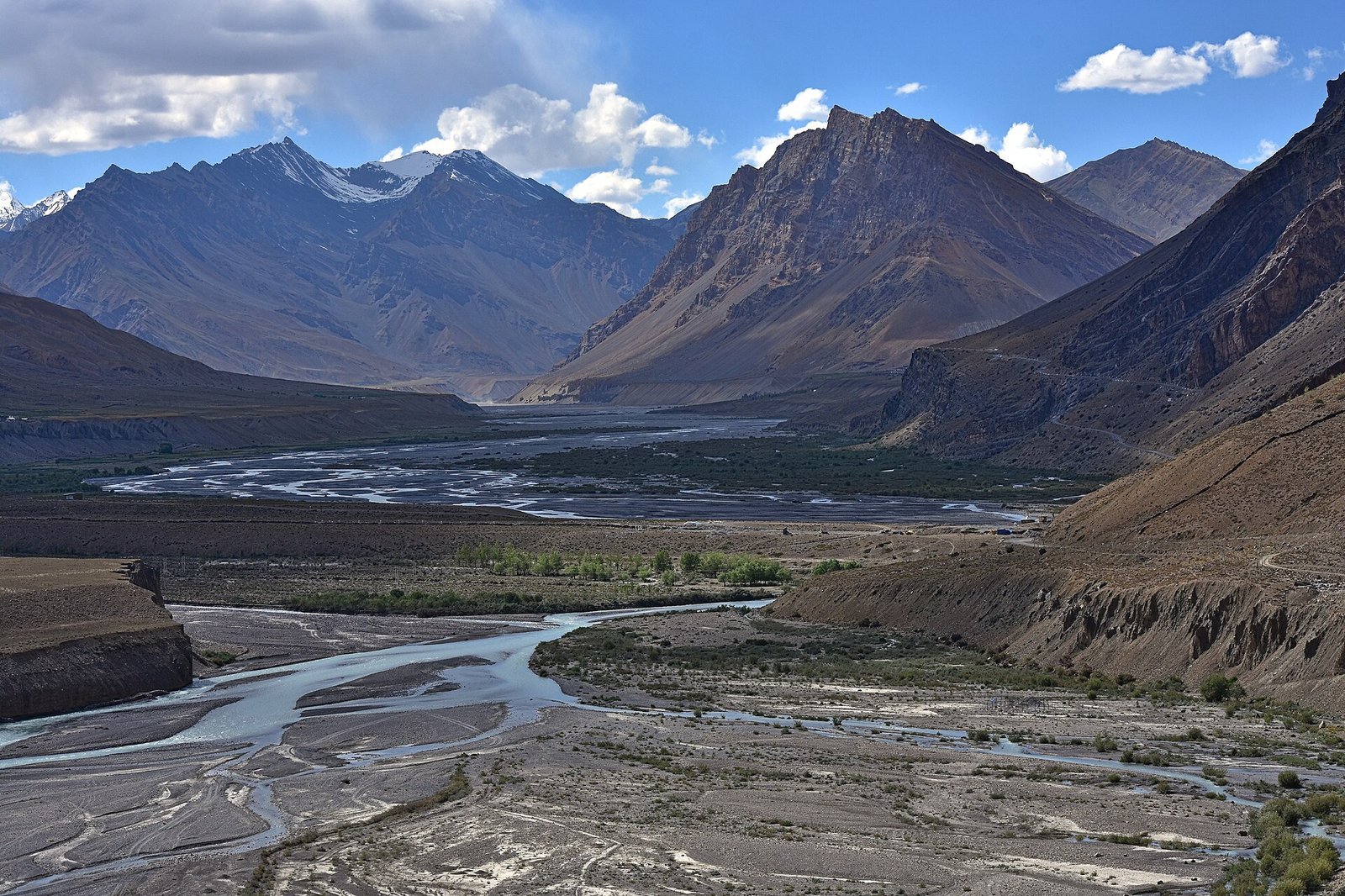
Flip the calendar and the same geography turns hostile. December-to-February Spiti means minus 25 to minus 29 C nights, a closed Kunzum, shuttered guesthouses, black ice on the one open approach road, and altitude sickness that hits harder in extreme cold. People do it; there is a small winter-expedition industry built around snow leopards. But it is an expedition, not a holiday, and the honest substitute is Lahaul: Sissu and Keylong stay reachable all winter through the Atal Tunnel, deliver the deep-snow Himalaya, and let you retreat to Manali in an afternoon.
Where to go instead
Every avoid in this article has a working alternative in the same season. The pattern is always the same: step one valley sideways from the famous name.
| Period | What you are skipping | Where to go instead |
|---|---|---|
| Manali in May-June | Mall Road, Solang, Rohtang queues | Tirthan Valley, Jibhi, Barot. Same green, roughly a tenth of the crowd. |
| All of HP in July-August | Monsoon corridors and cloudburst country | Spiti via the Shimla-Kinnaur road once it is stable, or upper Lahaul via the Atal Tunnel. Or a different state entirely. |
| Shimla on Christmas-New Year | The Ridge with 1.5 lakh people on it | Narkanda (60 km), Kalpa, or Dalhousie. Or simply go December 1-15: same snow odds, a fraction of the crowd. |
| Spiti in deep winter | Minus 29 C and closed guesthouses | Sissu and Keylong in Lahaul. Atal Tunnel keeps them reachable year-round, and the cold is survivable. |
| Kasol in monsoon | Parvati flash-flood corridor | Wait for October. The valley does not go anywhere, as the top Reddit answer puts it. |
Booked for the wrong month and not sure how bad it is? Email us your dates and route. We will tell you honestly whether to reroute, postpone, or relax.
Already booked for July? Damage control
Maybe the leave is locked, the tickets are non-refundable, and the family outvoted you. Fine. Here is the protocol, in order.
- Reroute to the rain-shadow
Swap Manali-Kasol plans for Spiti or upper Lahaul. July and August are their best months. Check pass status first; Kunzum usually opens fully only by mid-June. - Buy real travel insurance
Trip interruption plus medical evacuation, not the checkbox version the booking site offers. Helicopter evacuations happened on the Manimahesh route in August 2025. - Keep every onward leg flexible
Do not pre-book the Kasol bus from Manali or the return Volvo on a fixed date. The 52-hour traveller missed every onward connection he had. - Download offline maps and the road-status pages
Signal dies exactly when the road does. Save the HP road status sources before you leave Delhi. - Carry two days of food and water in the vehicle
The people stuck near Pandoh in August 2025 ate apples and dry bread and bid against each other for one hotel room. - Check the SDMA bulletin every morning
hpsdma.nic.in publishes district-wise advisories. The helpline is 1077. If a district shows an orange or red alert, do not drive through it that day. - Listen to the dhaba owner
When a local who watches that road every day says do not go that way today, that is the single most reliable forecast available in the state.
For what actually stays open and pleasant in the wet months, we wrote a whole companion piece: Monsoon HP: what is actually open. And if you are coming by road, read the Delhi-Manali bus guide first; the night Volvo into a closed highway is how the 52-hour story started.
Want a local read on your rebuilt itinerary? Send us the draft. We will flag the stretch that floods, the town that triples its rates, and the week your plan actually works.
The part where I admit this is also about us
It would be dishonest to write the crowd numbers as if they fell from the sky. Himachal received around 18.1 million tourists in 2024, in a state of about 7 million people, on infrastructure designed for a fraction of either number. The sewage math in Manali, the water tankers in May, the 35 tonnes of daily peak-season garbage: that is us, the hosts, having sold more Himalaya than we own. And the construction binge that serves the rush (the four-lane cuts, the slope-edge hotels) is part of why the slopes now fail at five times the historical rate; 5,400 slope failures were recorded in 2023-24 alone. One r/SoloTravel_India commenter, u/AisleSeatJunkie, put it more bluntly than most geologists would: the mountains have been cut so brutally and with so little attention to science that the slips will keep coming.
So the off-peak advice in this article is not only self-protection. Visiting in October instead of July, or Narkanda instead of Shimla on the 31st, is the single most useful thing a traveller can do for this state: same money, spread thinner, in months and places that can carry it. The 2026 season makes the point sharper. The state withdrew its disaster-area declaration in March 2026, the IMD forecast says most of HP runs below normal rain this year, and yet the first June wet spell still closed roads within a week. A dry year here is still wetter than your plans assume.
The verdict
October is the best month, and it is not close. March and April are the quiet runners-up. November and the first half of December are for people who like their hill stations cold and empty, which is the correct way to like them. May and June work only if you skip the famous names. July and August belong to Spiti and to nobody else. Late December in Shimla or Manali is a queue with snowfall, and January belongs to whoever packed properly and respects black ice.
That is the honest answer no travel company gives you, because there is no commission on a cancelled trip. The mountains are not going anywhere. Come in the right month, and they will be the best thing you do all year.
Questions people actually ask
What is the absolute worst time to visit Himachal Pradesh?
Mid-July to mid-August. Peak monsoon brings the highest landslide and cloudburst risk (441 deaths in 2023, 451 by late September 2025 per the SDMA), highways close for days at a time, and flights to Kullu and Dharamshala get cancelled. The Aug 11-14 window has historically been the most lethal stretch of the HP calendar.
Is it safe to visit Himachal Pradesh during monsoon?
For most of the state, no. Landslides, flash floods and cloudbursts are annual certainties, not freak events. The exception is Spiti and upper Lahaul, which sit in rain-shadow and have their best weather in July and August. If you must travel elsewhere, track hpsdma.nic.in daily and keep plans flexible.
Should I visit Shimla for Christmas or New Year?
Not between December 20 and January 2 unless you enjoy queues. Shimla sees around 1.5 lakh tourists on Christmas Day, 8,000-10,000 vehicles arriving daily, hotels at triple rate and 5-6 hour jams. Go December 1-15 for the same snow odds with a fraction of the crowd, or pick Narkanda, Kalpa or Dalhousie.
How bad is Manali in May and June really?
20,000-30,000 tourists a day, 40,000-plus on weekends, about 4,500 vehicles daily, and 2-5 hour jams on the final stretch. Manali produces roughly 15-16 MLD of sewage against 1.82 MLD of treatment capacity, so the Beas carries the difference. Tirthan, Jibhi and Barot offer the same season without the queue.
Which roads are the most dangerous during monsoon?
Three corridors do most of the damage: NH-3 between Mandi and Manali (the Pandoh landslide zone), NH-5 through Kinnaur (active slide zones at Nigulsari, Nathpa and around Tapri), and the Parvati Valley from Bhuntar to Kasol and beyond. All three recorded multi-day closures in 2025.
Can I visit Spiti in December or January?
Only with serious preparation. Kaza records lows between minus 25 and minus 29 C in January, the Manali route over Kunzum is closed, most guesthouses shut, and altitude sickness hits harder in extreme cold. The Shimla-Kaza road stays technically open but closes without notice. Sissu or Keylong in Lahaul are the saner winter substitutes.
Is September better than July and August?
Only slightly, and only late in the month. The monsoon is retreating but late cloudbursts still happen, and the roads carry two months of accumulated damage. After roughly September 20 conditions improve fast, and by October the state is at its best.
What is the best month to visit Himachal Pradesh?
October. Post-monsoon visibility, repaired roads, open passes, the apple harvest in Kinnaur and Shimla district, and almost no crowd. March and April are the runners-up. See our month-by-month best-time guide for the full picture.
How many people die in HP monsoons?
2023: 441 deaths and Rs 12,000 crore in damage. 2024: 174 deaths. 2025: 451 deaths by the SDMAs final September 23 bulletin, with 47 still missing. These figures include tourists, locals and migrant workers.
Are the monsoons getting worse?
The trend points that way. July 2023 brought 431 percent above-normal rainfall in five days, the highest since 1980. August 2025 ran 44 percent above normal. Peer-reviewed work on the 2025 season documents rising rainfall-induced landslide activity across the northwest Himalaya, compounded by construction on fragile slopes.
Why do travel sites not warn about any of this?
Because warnings cost bookings. Search worst time to visit Himachal Pradesh and you get best-time articles with one buried line about rain. The honest material lives on Reddit, where the top answers to monsoon trip questions are simply do not go.
What should I do if I have already booked a July or August trip?
Reroute to Spiti or Lahaul if you can. If not: insurance with evacuation cover, no pre-booked onward transport, offline maps, two days of food and water in the vehicle, the 1077 helpline saved, and a daily check of hpsdma.nic.in before moving. And when a local tells you not to take a road, believe them.
Sources
Casualty and damage figures: HP SDMA via The Sunday Guardian, Sept 23, 2025; The Sunday Guardian SDMA bulletins; Down To Earth on the 2023 record season; Himdhara, monsoon disasters 2023-2024; ETV Bharat Hindi season aggregate; Aaj Tak disaster-type breakdown. Supreme Court warning: Karmactive. Landslide science: Landslides (Springer), 2026. Crowding: Down To Earth on Shimla gridlock; Travel And Tour World, year-end chaos; ETV Bharat Hindi, Manali parking math; Aaj Tak, January 2026 Kothi-Manali jam; ORF on tourism and water stress. Mandi cloudbursts: Aaj Tak, July 2025. 2026 forecast: IMD Shimla seasonal outlook. Reddit threads as linked inline; full comment archives saved during research. Official advisories: HP State Disaster Management Authority.
You Might Also Like
Volunteering in Himachal Pradesh: 12 Organisations and How to Apply (2026)
Teach English in McLeod Ganj, conserve the Great Himalayan National Park, build with earth in Bir, or harvest apples in Kullu. Twelve real HP volunteer organisations with honest costs, the visa rule that gets foreigners deported, and how to apply.
How to Travel Himachal Without Wrecking It: A Quiet-Travel Manual
A non-preachy field manual for responsible travel in Himachal, by a Kullu local: how to behave, when to go, where to go instead, and the 2026 rules and bans that actually matter.
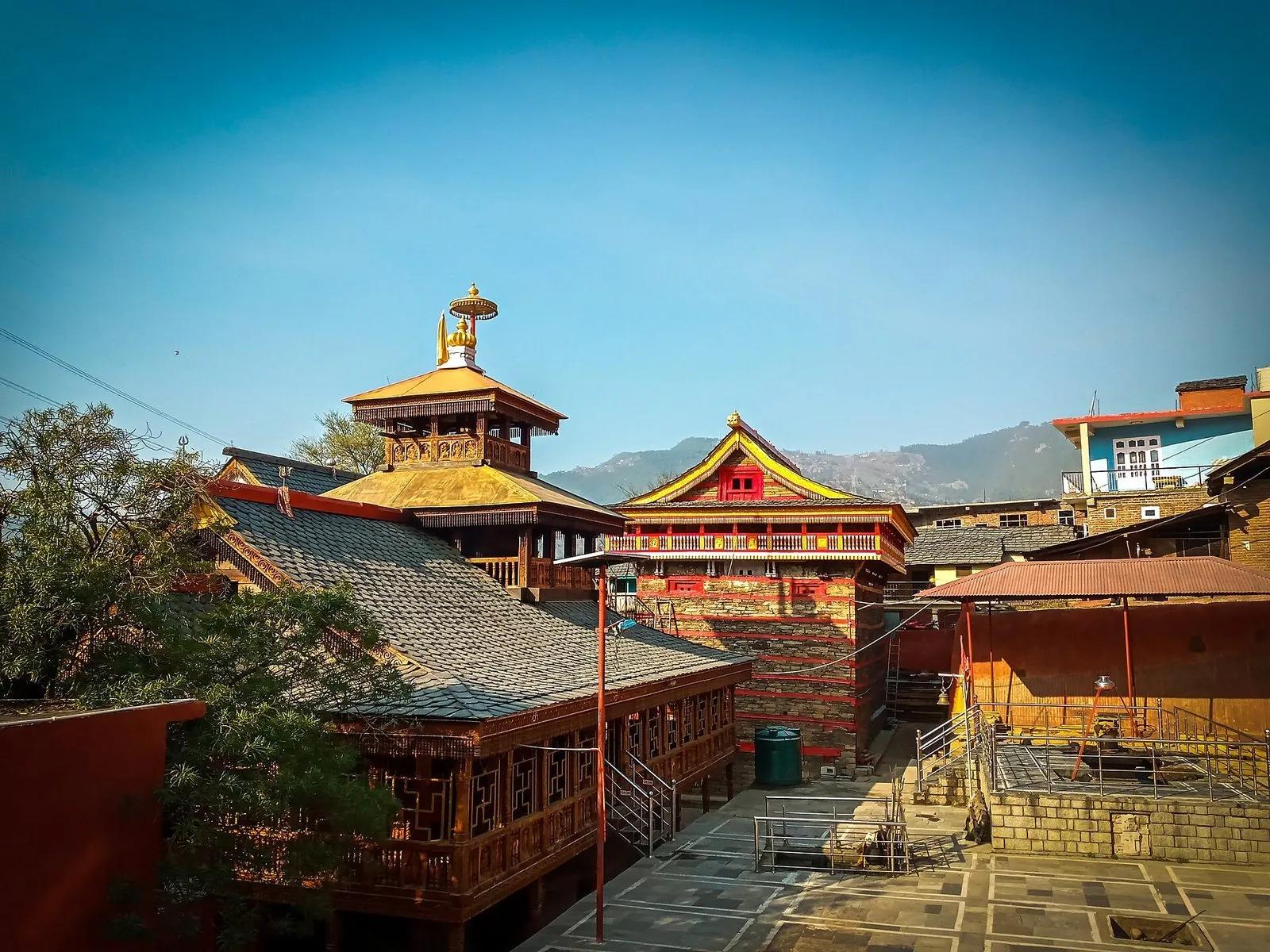
Mamleshwar Mahadev: The Eternal Flame Temple of Karsog
An eternal fire, a fist-sized wheat grain and a six-foot drum, kept in a mortar-less timber temple in the quiet Karsog valley. The honest story of Mamleshwar Mahadev: what is real, what is faith, and how to go.