Day Trips from Shimla: 10 Excursions with Real Costs and Honest Verdicts
Most travelers think of Shimla as a destination. They are wrong, or only half right. The town is fine. The Ridge at 2,200 m is fine. What is genuinely interesting about Shimla is what sits around it. Forty minutes out, you can be standing in an apple orchard nobody owns the brand rights to, or on Lord Curzon's old golf saddle in the deodars, or watching steam come off the Sutlej where it bends past Tattapani. Push three hours out and you are at an 800-year-old shakti temple, or inside a brewery that has been making whisky since before the Mutiny ended, or in the orchard where Samuel Stokes planted the first Red Delicious in India one Tuesday in 1916.
I am from Kullu, not Shimla, so this is not my hometown. But the Shimla bypass is on my drive every time I leave HP, which means I have stopped at most of these places at one point or another, often because traffic forced me to. Tour operators in Shimla sell tourists three options. Kufri. Naldehra. The toy train. Two of those three are tourist traps and the third is great but not what most people expect. Meanwhile there are seven more day trips no one mentions in the brochure, and that quieter list is where Shimla actually earns the praise it gets.
Ten places below. Four short trips, back in time for lunch. Six longer ones, back in time for dinner if you leave early. Every card has the distance re-checked against Wikipedia or OSM in April 2026 (some of the numbers in older guides are off by 5 to 15 km — Shimla math is not a precise science), the costs verified against live April 2026 listings, and a flat skip-or-go verdict. Where a place has changed since 2018, the article says so. Tattapani especially has changed in a way most websites have not caught up with.
Quick facts before you pick
- Best base: Shimla town centre or Mashobra
- Half-day picks: Mashobra, Naldehra, Kufri, Fagu
- Full-day picks: Narkanda, Tattapani, Chail, Kotgarh, Kasauli, Sarahan
- Cheapest by HRTC: Mashobra and Naldehra under Rs 50
- Most rewarding: Narkanda + Hatu Peak (60 km)
- Skip if rushed: Sarahan (180 km, 12+ hours round trip)
- Verified: April 2026
The day-trip map
Twelve markers, all verified against Wikipedia or OpenStreetMap. Zoom out to see how Sarahan really sits relative to everything else; that is your honest answer to whether to attempt it as a day.
The honest framework: half-day vs full-day
Step one isn't picking a place. Step one is how much daylight you actually have. December sunset in Shimla is 5:30 PM, which sounds early until you are on the wrong side of a landslide at 4:45 trying to get back to a hotel. June sunset is 7:30, which is plenty. Half-day in this guide means you eat breakfast, drive, walk around, drive back, eat a late lunch. Full-day means leaving by 8 AM and being back for dinner; this is the schedule for Narkanda, Tattapani, Chail, Kotgarh, Kasauli.
| Trip type | Distance | Time out | Best for |
|---|---|---|---|
| Half-day | Under 25 km | 3 to 5 hours | Travelers with one full day in Shimla; families with kids; weather-uncertain afternoons |
| Full-day | 45 to 80 km | 6 to 10 hours | Travelers with 2+ days in Shimla; one experiential day; willing to leave early |
| Borderline (Sarahan) | 165 to 180 km | 12+ hours | Realistically not a day trip. Better as the first night of a Kinnaur run. |
Half-day option 1: Mashobra (13 km)
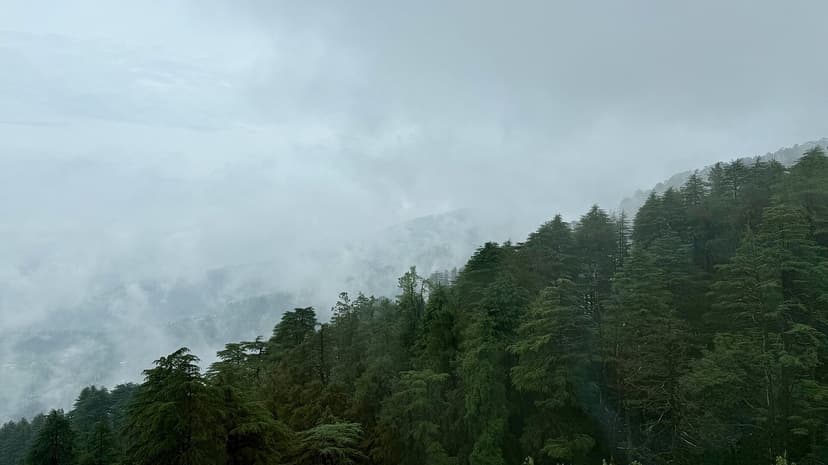
Mashobra is the place I send people who came to Shimla and told me the Mall Road exhausted them. It is the same height as Shimla (2,146 m versus Shimla's 2,200), the same deodars, the same air, but you are not standing among 4,000 strangers. The drive is 30 to 40 minutes up the Hindustan-Tibet Road from the Lift. There is no ticket booth at the other end. Nothing to buy. People come because the walks are good and the air is clean, and that is the entire reason.
Here is something most guides do not mention. Mashobra is where the President of India keeps a summer retreat. The complex is called Rashtrapati Niwas Mashobra and it is one of only two such retreats; the other is in Secunderabad. The estate is closed to walk-ins most of the year. But the village wrapped around it has been a hill-station settlement for 174 years. That pre-dates a lot of what is called new Shimla. The deodar woods you walk through past the estate gates have never been logged, because under the British these were the Viceroy's personal woods. They have been off the timber map since the 1840s.
One Reddit thread on r/india put it well: Mashobra to and fro will take 1.5 to 2 hours so take that into account. Do stay out late and have a late dinner and a nice walk after dinner. They are kind of the highlights. The point is the walk after dinner, not a sightseeing list.
How to get there. HRTC bus from the New Bus Stand (Old Bus Stand also works) to Mashobra; fare under Rs 40. Buses every 30 to 60 minutes. Shared taxi from the New Bus Stand also runs. Private taxi Rs 800 to Rs 1,200 round trip. The road is paved, signed, and uneventful.
Skip Mashobra if: you want activities, shopping, or a defined itinerary. There is nothing to do here in the conventional sense.
Don't miss Mashobra if: you have spent two days in Mall Road traffic and want to remember why you came to Himachal.
Half-day option 2: Naldehra (23 km)
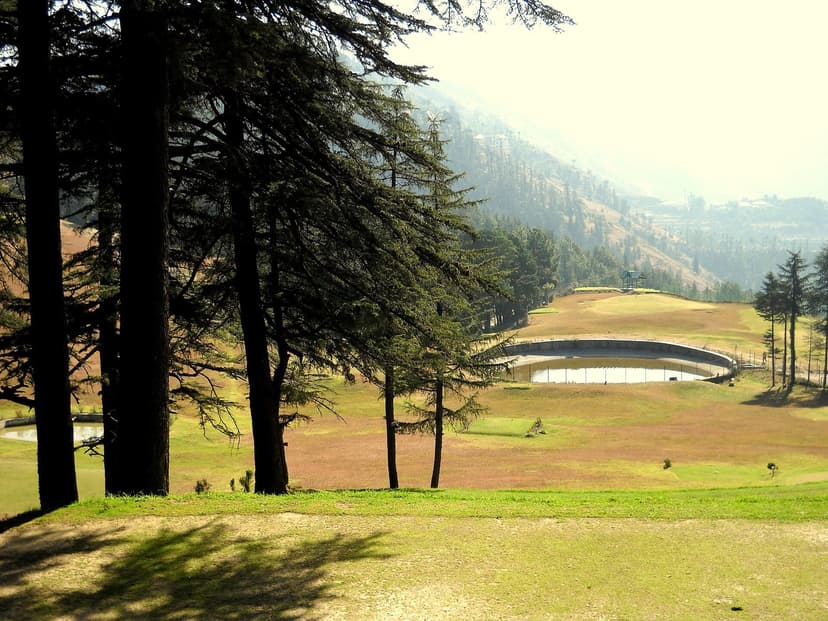
Lord Curzon ran British India from 1899 to 1905 and got into more public arguments than any of his predecessors. He also wanted to play golf and the Annandale ground inside Shimla bored him. So in 1903 he had a nine-hole course built on a deodar saddle 23 km out, and named the saddle Naldehra because somebody told him the local word for the place was something like that. The course is still there. Still nine holes. At 2,200 m it is one of the higher operating golf courses in the country, though not the highest. You do not need to play to enjoy the walk; most people who come to Naldehra never lift a club. They walk the fairways, sit on the benches, photograph the pines from angles already photographed many times before, and drink tea at the chalets. The drive out takes 40 to 50 minutes if you do not get stuck behind a school bus on the curves.
If you have time for one half-day trip and are choosing between Naldehra and Kufri, the r/shimla consensus is unambiguous. From u/varunlal in 2024: I'd recommend Naldehra over Kufri as it is less crowded. That is the entire framing in one sentence.
Green fees on the day vary by membership status; the standard public-walk-on rate ranges from approximately Rs 300 to Rs 500 per round at the time of writing, but this is one of the items that I could not nail down for April 2026 without a phone call. Confirm with HPTDC or the course office before you turn up with clubs. Horse riding along forest trails runs Rs 200 to Rs 500 per ride.
Why Naldehra wins for me. The walk between the eighth tee and the ninth fairway runs through one of the densest stands of mature deodar I have seen at this elevation outside Bharmour. You don't need a club to enjoy it; you just need to know to look up.
Half-day option 3: Kufri (12 km)
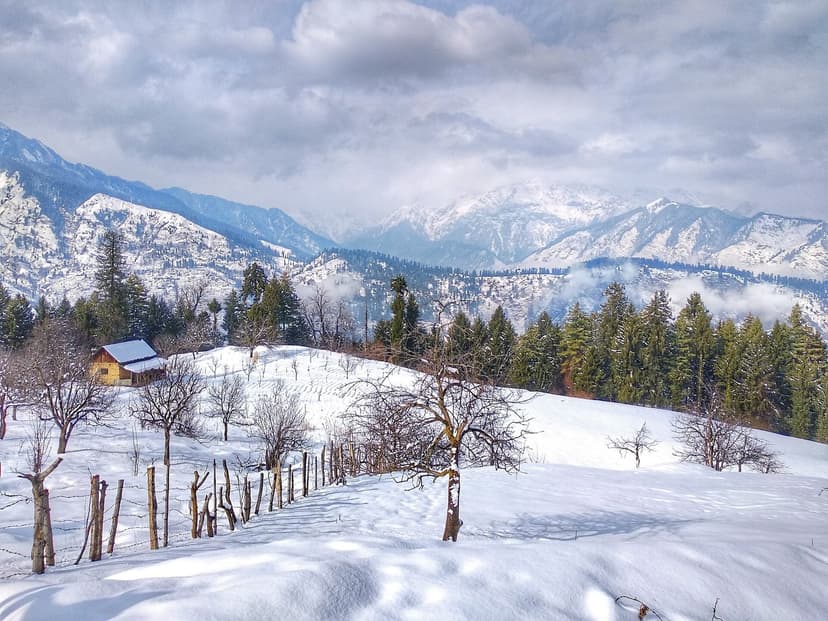
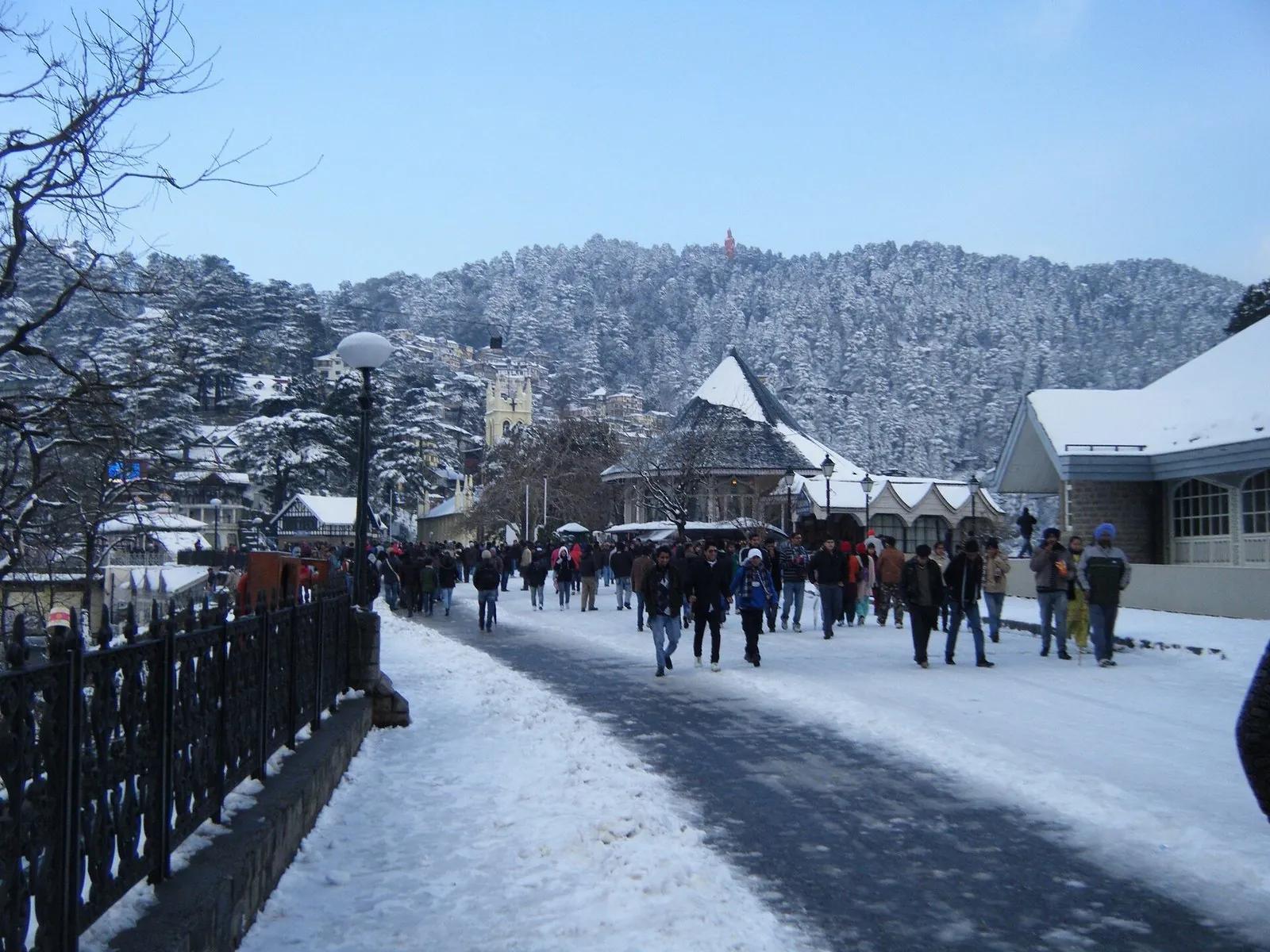
Kufri is the most-visited day trip from Shimla and most of the people who go come back annoyed. This is not a hot take. It is the consensus on r/shimla in pretty much every Kufri thread of 2024 and 2025. From u/1600116969: Kufri is literally full of horse shit and nothing else. From u/reetxoxo, April 2025: It is all vibes and no unique experiences. Families with kids end up at Kufri Fun World, the small adventure park, where the zipline queue alone can eat an afternoon if you go on a Saturday. The Himalayan Nature Park is real, but it is a state-run zoo, and a small one. Some monals, a couple of gorals, a few pheasants in cages. Worth a 30-minute walk-through if you are already there. Not worth a separate trip.
If you must go to Kufri, go in winter, by which I mean December through February. Snow at 2,720 m is genuine in those months. The yak rides and horse trips and sledging become at least partly worth what the operators charge for them, which is more than they should but less unreasonable when there is actual snow on the ground. Kufri also received fresh snow on April 8, 2026, per Amar Ujala video footage, which is later than usual; if you visit in late March or early April, snow is still possible but stops being the central draw.
The bus from Shimla's Lakkar Bazaar stand to Kufri takes about 1.5 hours in current traffic, per u/Zealousideal_Tie8155 in April 2025. Lakkar Bazaar is the right pick-up; the New Bus Stand is for longer routes.
Three Kufri honest-traveler rules. First, do not pay the upfront "package" rates; activities are individually priced and you don't need to buy them all. Second, the horse "rides" are short uphill walks at fixed prices that often inflate at the destination; agree to a flat rate at the start point only. Third, the Kufri-Chail link road that locals once used to chain together both day trips is in a 25 km dilapidated stretch as of 2026 (per Amar Ujala); if you were planning Kufri-then-Chail in one day, route back through Shimla instead.
Skip Kufri if: you have already seen any Himachal hill station. Shoulder-season Kufri without snow is a parking lot.
Don't miss Kufri if: you have kids who want a day at an adventure park, or it is December and you want to see snow without driving to Manali.
Half-day option 4: Fagu (22 km)
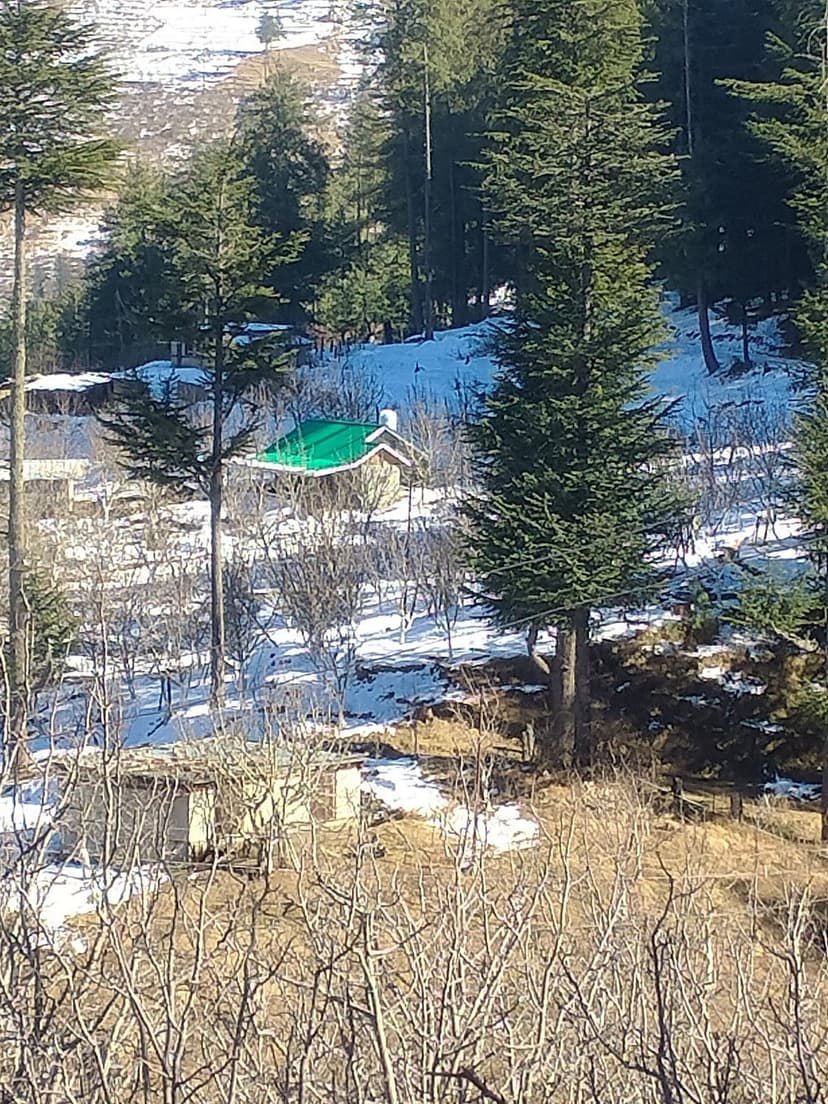
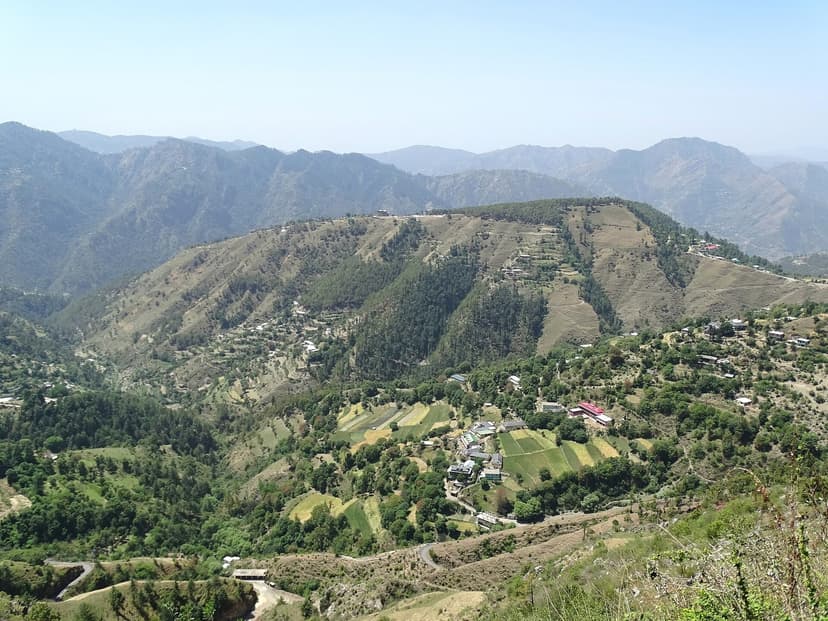
Fagu sits 22 km out on the Hindustan-Tibet Road, between Kufri and Theog. Most travelers drive through without stopping. That is the reason to stop. The view across the valley is the same one Kufri sells to tour buses; the difference is that Fagu has no buses, no horses, and no signage.
Here is the Fagu day. Park near the HPTDC hotel (it is the only obvious building). Walk the road for half an hour in one direction. Walk back. Look at apple orchards while you do it. Eat lunch on the HPTDC verandah, or open your packed sandwiches if you brought any. The food at the HPTDC restaurant is the kind of food HPTDC restaurants make: serviceable, not memorable, hot. The view from the verandah, however, is excellent.
If one person in your group wants apple-belt photographs and another just wants to sit and do nothing, Fagu does both jobs at the same place. That is rarer than it should be. The drive is 50 to 60 minutes from Shimla; HRTC buses heading to Theog or Narkanda all pass through. Fare under Rs 50.
Full-day option 1: Narkanda (60 km)
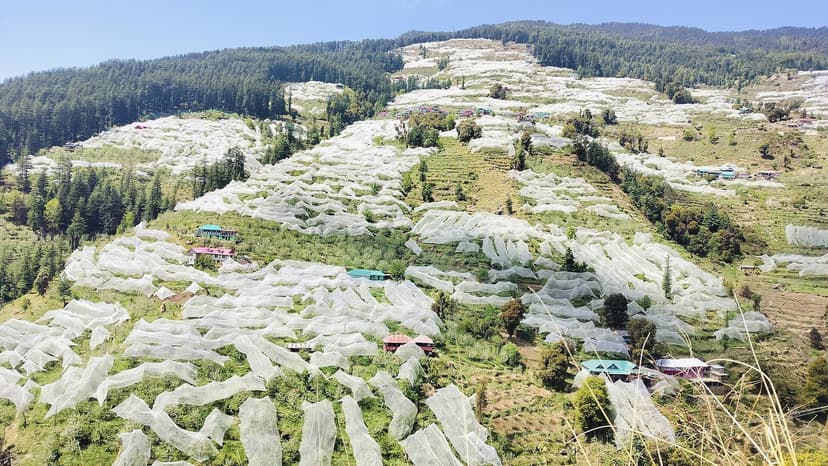
If somebody asked me which single full-day trip from Shimla earns the diesel and the early start, I would say Narkanda. It is 60 km on NH-5, sits at 2,708 m, and on a single day you get three different things. A working apple landscape, with people on ladders and crates. Hatu Peak above it at 3,400 m, with the kind of 360-degree view people normally drive to Spiti to see. And a basic ski slope from December to February for the curious. Three places, one day, no overlap with anyone else's itinerary.
The road is in fixable but not pretty shape. As of April 24, 2026, NH-5 between Dhalli and Theog is around 90 percent patched up; the stretch from Theog to Narkanda is still being worked on. This is from Amar Ujala quoting Arvind Kumar Bhardwaj, the executive engineer at NH Mandal Theog. The genuinely bad bit, between Dehnghati and Sunarghati, was prioritised and is passable. What this means for your day: drive carefully, leave more time, expect contraflow somewhere along the way. Plan for 2 to 2.5 hours each way, not the older 1.5-hour figure.
What to do once you actually reach. Hatu Peak is 8 km from Narkanda town up a mostly-rideable road; my Maruti Brezza did it without complaint, a low-clearance sedan would. The wooden Hatu Mata temple sits at the summit. In March 2026 the village still ran the Hatu Mela festival, where the choltu folk dance has 300-year continuity, per a community thread on r/HimachalPradesh. Sunrise at the peak is the magic moment if you can leave Shimla by 5:30 AM. If that is unrealistic, target sunset and drive back in the dark with the lights of Narkanda below you.
The Hatu ropeway is not a thing. Several aggregator sites still mention a planned ropeway from Narkanda to Hatu Peak. As of January 2026, the project is stalled, Amar Ujala reports no operating company has been found for either the Parwanoo-Shimla or Narkanda-Hatu projects. Do not factor a ropeway into your day plan; you walk or drive.
Skiing at Narkanda is for beginners and for people who like the idea of skiing more than the practice of it. The slope is short. The lift, when it is running, runs. The rental skis are functional. Have a fun January afternoon there if you are in town. Do not plan a Himachal ski trip around it. For actual skiing inside HP, drive to Solang. For India's best beginner skiing, that is in Auli, in Uttarakhand.
Full-day option 2: Tattapani (52 km)
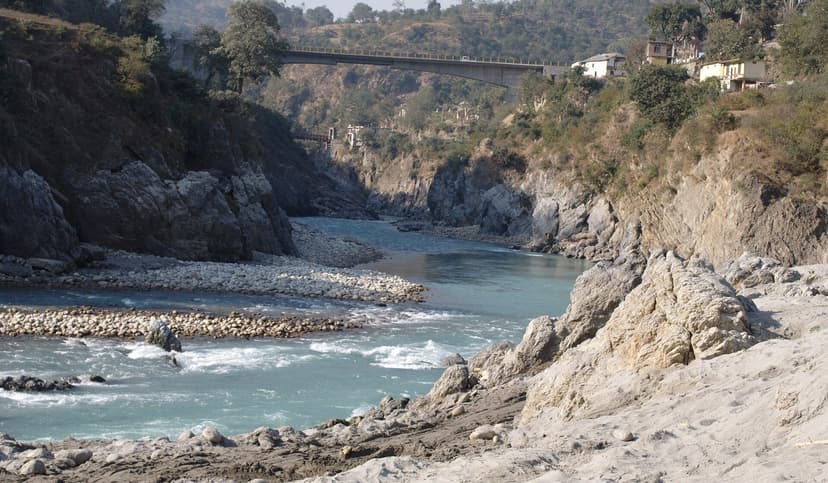
This is the section where most existing Shimla guides are out of date. Tattapani means "hot water" in local Hindi (तत्तापानी = तत् hot + पानी water), and the village has been a sulphur-spring pilgrimage for centuries. Pre-2015, you could bathe in the natural pools at the Sutlej riverbank. That ended when the Koldam dam reservoir filled and the original springs were submerged. Most websites still describe the natural springs as if they were the experience on offer. They are not.
What is on offer in April 2026: hotel-arranged sulphur baths in tubs and small commercial pools, around Rs 350 per head depending on the operator (TripNetra). Water sports on the Koldam reservoir are the new draw, run by the Tattapani Water Sports Association, jet-ski, motor-boat trips, hot-air balloon rides over the lake. And Sutlej rafting upstream of the dam: Thrillophilia listed a 1.5-hour package starting at Rs 643 (down from Rs 799) at the time of writing, with group-shared rafting as low as Rs 300 per head from local operators.
The state government recognised the loss. In February 2026 they directed Koldam management to prepare a detailed project report (DPR) on reviving the natural springs, per Amar Ujala. Translation: the original sulphur experience is on the policy agenda, but it is not back yet. Plan accordingly.
What still works at Tattapani. Drive 52 km from Shimla via Suni, about 2 hours. Book a hotel sulphur bath at any of the Sutlej-bank properties (Hotel Hot Spring, Sutlej Resort and similar). Spend an hour in the water, eat lunch, do an hour of rafting or jet-ski on the reservoir, and drive back. The day works. The day does not work as a "natural hot springs experience" the way 2018 guides describe it.
Skip Tattapani if: you came specifically for the natural sulphur springs; come back in 2027 or 2028 when the revival project may be done.
Don't miss Tattapani if: you want HP's most unusual day combo, sulphur bath plus reservoir water sports plus river rafting in the same six-hour window.
Full-day option 3: Chail (44 km)
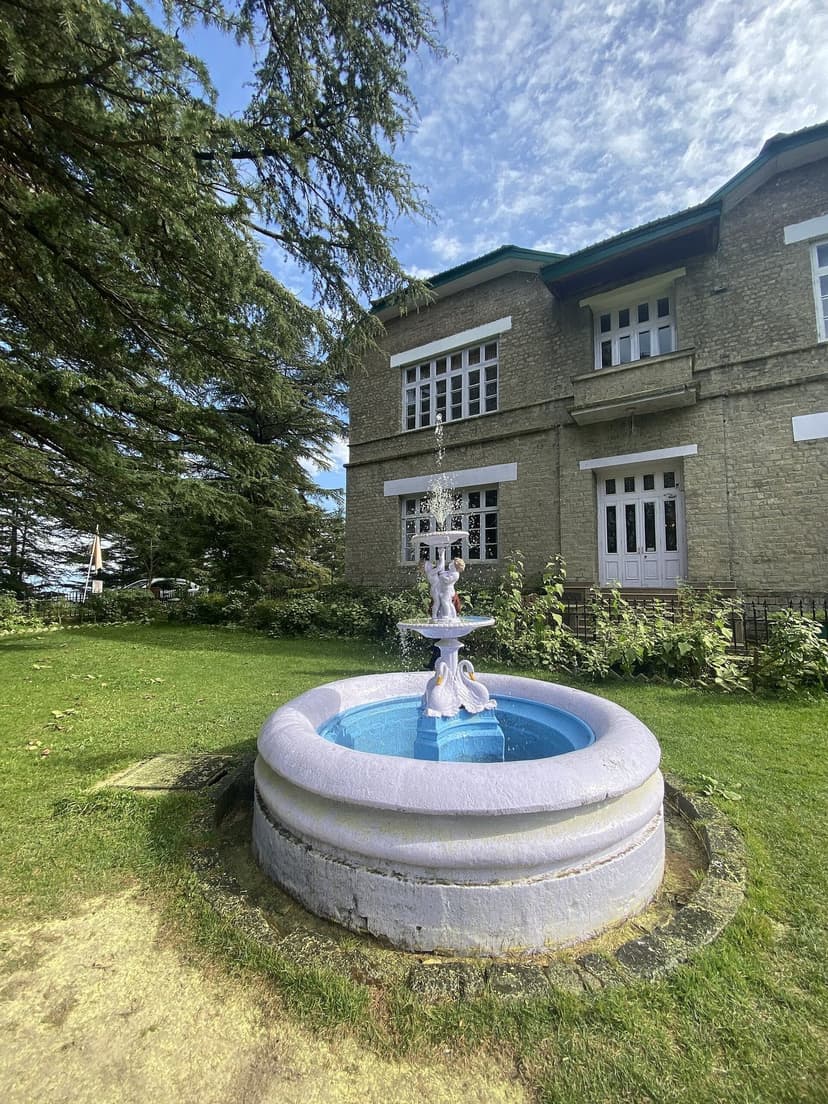
Chail exists because Bhupinder Singh, the seventh Maharaja of Patiala, fell out with the British in the early 1890s over a romantic indiscretion involving the daughter of a senior British officer and was banned from Shimla. He responded by building his own hill station 44 km away at a higher altitude than Shimla's Mall Road, planting more deodars than the British had, and sticking the world's highest cricket ground on top of it at 2,444 m. The story is the trip.
What you actually do in Chail: the cricket ground is on Chail Military School grounds and is officially a school playground; the field is occasionally used for polo during school vacations. Civilian entry is at the discretion of the school authority and by all account is normally permitted on a request basis. There is no fee. Then you walk to Chail Palace (now an HPTDC heritage hotel), through the deodar grounds, and to Sidh Baba Temple. The whole circuit is 4 to 6 hours including the drive.
r/shimla user u/Shhray put it well in May 2025: You can look for homestays in Chail on MMT. Kufri can be explored on the way to Chail. Just remember the warning above: the direct Kufri-Chail link road is in poor condition, so the safer route is Shimla, Kandaghat, Chail.
The drive is the day. Chail's road from Kandaghat is one of the most under-photographed deodar drives in HP, mostly because it has zero brand recognition outside India. Allow 1.5 to 2 hours each way and stop at Sadhupul (Sirmaur side) on the return for a riverside lunch.
Full-day option 4: Kotgarh / Thanedar (80 km)
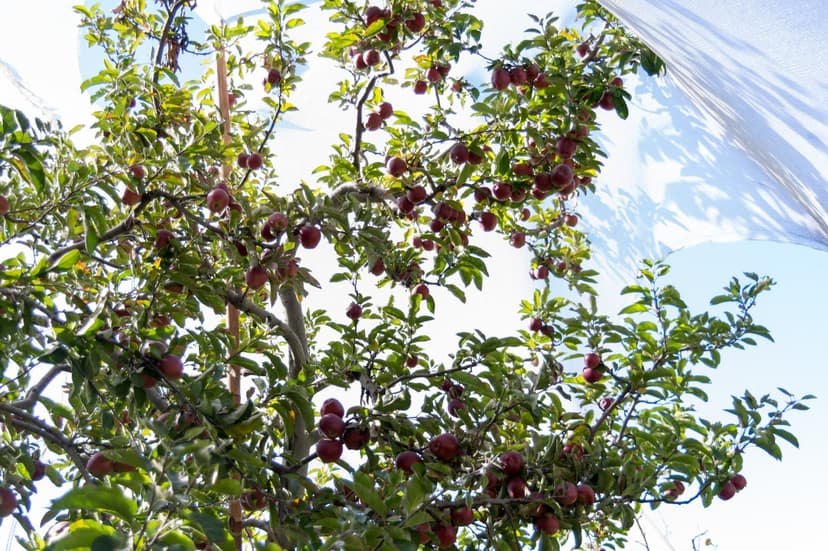
Kotgarh is the origin story of the Indian apple industry. In 1916 Samuel Evans Stokes, an American Quaker who had moved to HP, married a Kinnauri woman, converted to Hinduism, and renamed himself Satyanand, planted Red Delicious saplings sourced from Stark Brothers in Missouri. The variety took. A century later, HP harvests over six lakh tonnes of apples a year, and the Stokes descendants still operate the orchard. You can stay at Grandma Stokes B&B (Vinay Sirkeck, +91 9816420213, four bedrooms, cook Chameli) or just walk the original orchard for free.
The trip is 80 km, 3 hours via Theog and Narkanda. The same NH-5 status notes from the Narkanda section apply, drive cautiously through the Theog-Narkanda stretch. Kotgarh sits 15 km past Narkanda, so this trip pairs naturally with a Hatu Peak detour: Shimla → Narkanda → Hatu Peak → Kotgarh → return. You will need to leave by 7 AM to do all three.
Best timing: April-May for blossom or September-October for harvest. In other months the orchards look the way orchards look in any other dormant period, pretty, but the story is harder to tell yourself.
If the apple-origin angle interests you, the longer story is told in our piece on Kotgarh and the first Indian apple.
Full-day option 5: Kasauli (77 km)
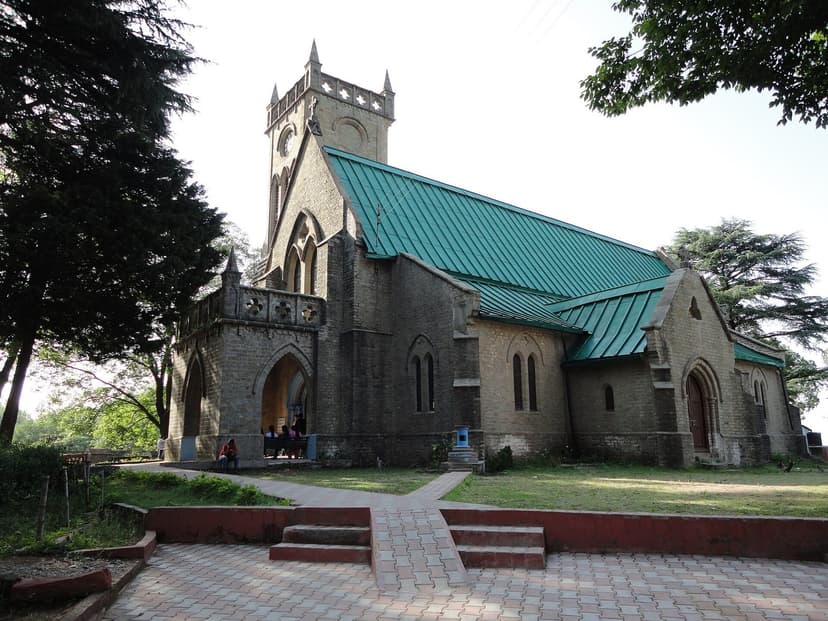
Kasauli is a cantonment town, which means it has a different character from anywhere else on this list. The British set it up as a sanatorium in 1842 because the climate reminded them of Scotland. Edward Dyer set up his brewery here in 1855, Asia's first European-style brewery, still operating today as Mohan Meakin. They made Asia's first beer (Lion) and India's first single malt whisky (Solan No. 1). Per the current Wikipedia entry, the bar and brewery are open to public visitors. Older guides describe access as "by arrangement only", which used to be the case; the current door is more open.
What to do in a day. Christ Church (1853, Gothic, stained glass, quiet). Monkey Point, the highest point in town, panoramic over Sutlej and Chandigarh on a clear day. The Gilbert Trail forest walk. Kasauli Brewery. Mall Road. None of these have entry fees; most are free walks.
April 2026 update. A fierce fire on April 13, 2026 destroyed eight shops in Kasauli's 150-year-old heritage market on Mall Road. Eight LPG cylinders exploded during the blaze. Per follow-up Amar Ujala coverage, business is back on track and rebuilding has started, but expect parts of upper Mall to look like a construction site through summer 2026. The brewery and Christ Church are unaffected.
Drive: 77 km, 2.5 to 3 hours via Solan and Dharampur. HRTC buses run roughly hourly from Shimla ISBT. Fare Rs 80 to Rs 120. The bus does not enter the cantonment proper; you alight at Dharampur or Kasauli Bus Stand and walk in.
Weekend caution: per Amar Ujala's Solan coverage, weekends through April 2026 saw Kasauli hotels housefull and Chail at 80 percent occupancy. If you want a meal at the Kasauli Club or a table at Hotel Ros Common, book in the morning before you leave Shimla.
Full-day option 6: Sarahan (180 km, borderline)
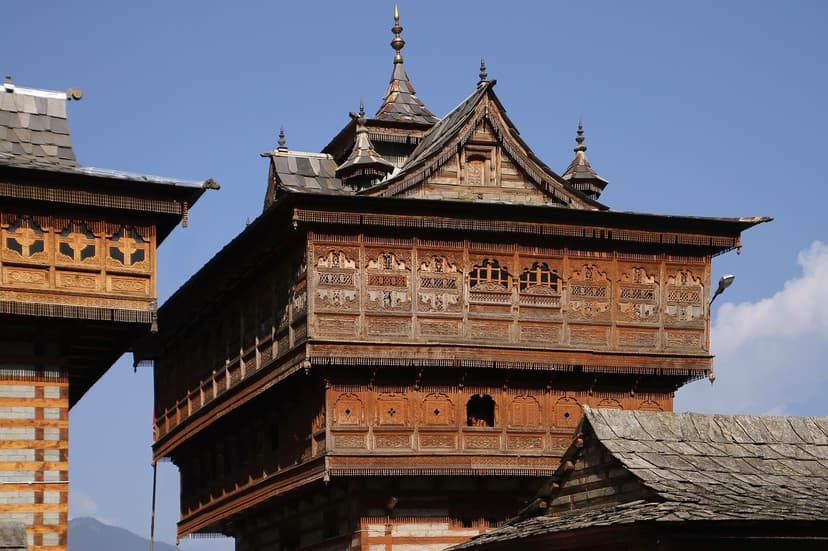
I am including Sarahan because you will search for it. I am also being honest with you: Sarahan as a day trip from Shimla is not a great idea. The drive is 180 km on NH-5, six to seven hours each way (with the 2026 patchwork repairs adding at least 30 minutes), giving you a 12 to 14 hour round trip. You will reach Sarahan tired, walk through Bhimakali Temple in 45 minutes, eat once, and drive back in the dark.
The right way to do Sarahan is as the first night of a Kinnaur trip. Drive Shimla → Sarahan, sleep at HPTDC Hotel Srikhand or one of the village homestays, see the temple at 6 AM in dawn light, and continue to Sangla or Kalpa the next morning. That is how locals from Reckong Peo and Kinnaur do it; it is how the temple is meant to be experienced.
What is at Bhimakali Temple. An 800-year-old shakti peetha, one of 51 in the Hindu tradition. Pagoda-style architecture that fuses Hindu shikhara and Buddhist gompa elements; you do not see this style anywhere west of Sarahan. Free entry, open 5 AM to 10 PM. The complex includes a museum and a treasury. Across the courtyard, on a clear day, you can see Kinner Kailash on the Kinnaur range.
For a complete itinerary that pairs Sarahan with the Kinnaur valley, see our Kinnaur Valley Travel Guide.
Bus or taxi: how to actually get there
Shimla has three major bus stands and people get them confused. Lakkar Bazaar (near the ice-skating rink) is for short local routes, Mashobra, Kufri, Naldehra. The Old Bus Stand on Cart Road serves intermediate destinations. The new ISBT at Tutikandi handles inter-state and long-distance, Chail, Kasauli, Narkanda, Sarahan all leave from here.
HRTC operates a "Him Bus Pass" card system since 2026. With the card you get concessional travel on most routes; without it you pay full fare. Some special-bus services have an additional Rs 25 surcharge per Solan News reports. None of this is prohibitive, HP buses remain among India's cheapest, but it explains the price ranges below.
| Trip | HRTC bus (one way, Rs) | Private taxi (round trip, Rs) |
|---|---|---|
| Mashobra | 20 to 40 | 800 to 1,200 |
| Naldehra | 30 to 50 | 1,000 to 1,500 |
| Kufri | 25 to 40 | 800 to 1,200 |
| Fagu | 30 to 50 | 1,000 to 1,500 |
| Narkanda | 80 to 120 | 2,500 to 3,500 |
| Tattapani | 60 to 100 | 2,000 to 3,000 |
| Chail | 50 to 80 | 1,500 to 2,500 |
| Kotgarh | 100 to 150 | 3,000 to 4,000 |
| Kasauli | 80 to 120 | 2,500 to 3,500 |
| Sarahan | 200 to 300 | 5,000 to 7,000 |
Bus fares above are estimates that should be verified at the counter; 2026 fare adjustments under the Him Bus Pass system mean printed schedules at hotels are often six months out of date. Taxi rates were checked against Shimla taxi-union postings in April 2026; rates are negotiable for off-peak weekdays.
The "if you have only X days in Shimla" picker
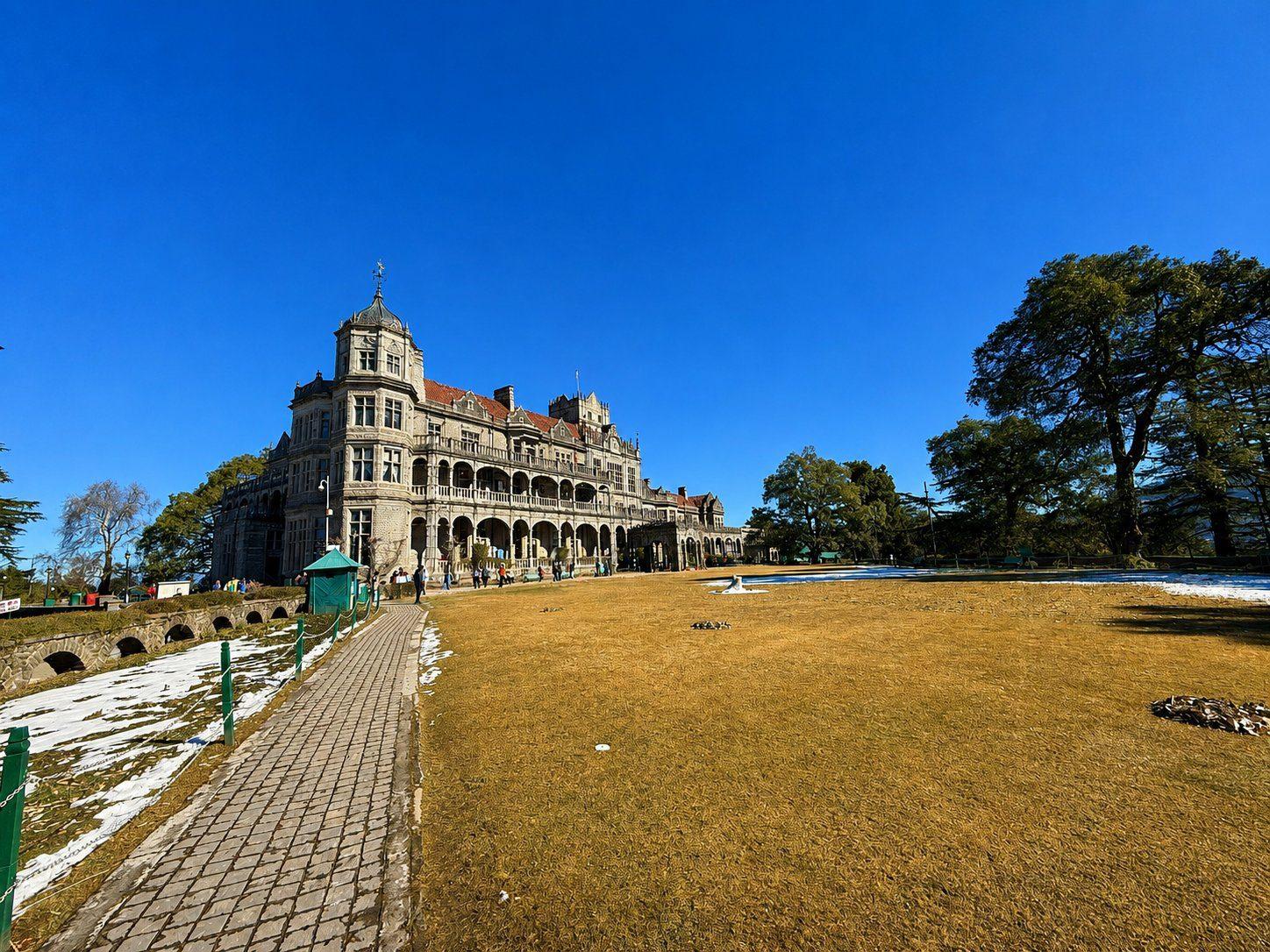
- One day in Shimla: Pick one half-day trip in the morning. My pick: Mashobra. Return for lunch on Mall Road. Spend the afternoon at the Indian Institute of Advanced Study (former Viceregal Lodge) and walk the Ridge at sunset.
- Two days in Shimla: Day 1 Mashobra morning + Mall Road afternoon. Day 2 full-day Narkanda + Hatu Peak. Leave 7 AM, sunset at the peak, back by 8 PM.
- Three days in Shimla: Day 1 half-day Mashobra. Day 2 full-day Narkanda + Hatu + Kotgarh. Day 3 full-day Tattapani for the rafting + reservoir.
- Four days in Shimla: Add a full-day Chail on day 4.
- Five days in Shimla: Add Kasauli as day 5.
- Skip Sarahan as a day trip: Plan a separate Kinnaur leg instead.
Seasonal sanity check
| Season | Best for | Watch out for |
|---|---|---|
| April to June | Mashobra walks, Naldehra golf, Narkanda apple blossom, Hatu Peak views, Kasauli, Chail | Snow possible at Kufri and Narkanda till mid-April 2026; weekend tourist surge from Delhi |
| July to September | Tattapani if rafting is your goal; deodar forests at peak green | Landslides on NH-5; Sarahan road occasionally cut; cloudbursts in Solan-Kasauli belt |
| October to November | Kotgarh apple harvest; clearest Hatu Peak views; Hatu Mata and Bhimakali festivals | Cold mornings at Hatu and Kufri; first snow possible from late November |
| December to February | Kufri snow activities; Narkanda basic ski; Kasauli quiet and crisp | Roads to Kufri/Narkanda close after snowfall; Sarahan often inaccessible |
| March | Hatu Mela (March 26 in 2026); fresh snow recorded as late as March 20, 2026 | Shoulder season; some hotels on winter staff |
Where Shimla day trips fit in your bigger HP plan
Most travelers come to Shimla as a stand-alone destination. They miss the point. Shimla works best as either the first or last hub of a longer HP run. If you are heading north to Kinnaur and Spiti, Shimla is night one and Sarahan is night two. If you are coming back from Kinnaur, Shimla is the soft landing where you do your laundry and re-enter the plains. The day-trip belt is what you do with the day or two in between.
For trip planning, our HP Travel Guide 2026 covers state-wide context, and Best Time to Visit HP goes month by month. If your concern is the road condition itself, HP Road Status: How to Check Live has the official portals. For the toy train (Kalka-Shimla, UNESCO heritage), the Kalka-Shimla Railway article is in production and will be linked here when published.
If a single day trip from this list is the one that decides your direction, it is usually Narkanda. A full day at Hatu Peak with a Kotgarh detour will tell you fairly fast if you want to keep going east into Kinnaur. If yes, our Kinnaur Valley Travel Guide picks up where this article ends.
Want help building the day-trip plan?
If you want a Refuje-built Shimla day-trip plan with the right mix of half-day and full-day options for your group, we will put one together for you. Tell us how many days you have in Shimla, your group size, whether kids are travelling, and the rough season, we will reply with a day-by-day plan within 48 hours. Drop a line at hello@refuje.com.
Frequently asked questions
What are the best day trips from Shimla?
Top three by experience: Narkanda (60 km, full day, Hatu Peak summit at 3,400 m and apple country); Mashobra (13 km, half-day, the calm alternative to Mall Road); Tattapani (52 km, full day, Sutlej rafting plus Koldam reservoir water sports). Skip the Kufri-only day if you have already seen any Himachal hill station.
How far is Kufri from Shimla?
12 km per Wikipedia, 1 to 1.5 hours by HRTC bus from the Lakkar Bazaar stand depending on traffic. Best in winter (December to February) for snow. Shoulder season Kufri without snow is mostly a parking lot per repeated Reddit feedback.
Is Tattapani still worth visiting from Shimla?
Yes, but not for the reason older guides say. The natural sulphur springs were submerged when the Koldam dam reservoir filled. Today you bathe in hotel-arranged sulphur tubs at around Rs 350 per head. The current draws are Sutlej rafting (from Rs 643 per person on Thrillophilia) and reservoir water sports (jet-ski, motor-boat, hot-air balloon) run by the Tattapani Water Sports Association. The state government commissioned a revival DPR in February 2026.
What is there to do in Chail?
Worlds highest cricket ground at 2,444 m on Chail Military School grounds (free, civilian access by school discretion); Chail Palace heritage hotel; Sidh Baba Temple; deodar walks. The story behind the place, Maharaja Bhupinder Singh of Patiala building Chail in the 1890s after the British banned him from Shimla for a romantic indiscretion, is half the visit.
Can I visit Narkanda in a day from Shimla?
Yes. 60 km on NH-5, allow 2 to 2.5 hours each way (current patchwork repairs add 30 minutes). Leave by 7 AM. Morning at apple orchards, afternoon trek or drive to Hatu Peak (8 km from Narkanda, 3,400 m summit), back by 8 PM. HRTC bus Rs 80 to Rs 120. Best months: April-May (blossom), September-October (harvest), December-February (basic skiing).
Is Sarahan really doable as a day trip from Shimla?
Technically yes, practically no. 180 km each way on NH-5, 6 to 7 hours of driving in one direction. Round trip is 12 to 14 hours and you reach Bhimakali Temple too tired to absorb it. The right approach is to make Sarahan the first night of a Kinnaur trip, drive from Shimla, sleep at HPTDC Hotel Srikhand, do the temple at 6 AM, and continue to Sangla.
Which day trips from Shimla are free?
Mashobra walks (no fees, no tickets); Fagu valley views; Chail Cricket Ground (free, civilian access by school authority); Sarahan Bhimakali Temple (no entry fee, 5 AM to 10 PM); Kotgarh-Thanedar orchard walks. Naldehra is also walk-able for free if you do not play golf. Most of Shimlas best day trips cost nothing beyond transport.
What is the best day trip from Shimla for families with kids?
Kufri Fun World adventure park if kids want activities (zipline, roller-coaster, the Himalayan Nature Park zoo). Chail if they want space to run around (the cricket ground meadow, deodar grounds, Sidh Baba forest). Mashobra if they need a slow morning with a meadow walk and a packed lunch. Avoid Narkanda or Tattapani for under-tens, long drives and limited child-specific activity.
Can I take HRTC buses for all ten day trips?
Yes, all ten destinations have HRTC service, but at different frequencies. Frequent (every 30 to 60 minutes): Mashobra, Kufri, Chail, Kasauli. Regular (every 1 to 2 hours): Naldehra, Fagu, Narkanda, Tattapani. Less frequent (3 to 4 services a day): Sarahan, Kotgarh. The Him Bus Pass card gets you concessional fares; without it you pay standard rates. Buy the card at any HRTC depot if you plan to use buses on most days.
What is the best day trip from Shimla in winter?
Kufri (12 km) or Narkanda (60 km) for snow. Both received fresh snowfall as recently as April 8, 2026 per Amar Ujala video reports, so the season is wider than usual. For a non-snow winter day, Kasauli is one of the few low-altitude trips that stays clear and crisp through January and February, the Mall Road, Christ Church and Gilbert Trail all stay walkable.
Sources and verification
Distances were cross-checked against Wikipedia and OpenStreetMap (Nominatim) in April 2026, which is why several numbers in this article differ slightly from older guides, Kufri is 12 km not 16, Tattapani 52 not 55, Narkanda 60 not 65, Kasauli 77 not 70, Sarahan 180 not 165. The April 24 2026 Theog-Narkanda NH-5 repair status comes from Amar Ujala citing Executive Engineer Arvind Kumar Bhardwaj. The Tattapani natural-springs submergence and the February 2026 revival DPR are from Amar Ujala citing Tattapani Water Sports Association secretary Prem Raina. Tattapani rafting prices are from the live Thrillophilia listing. Kasauli Brewery date (1855) and Mohan Meakin operating status are from the Kasauli Brewery Wikipedia article. The April 13 2026 Kasauli heritage-market fire is from Amar Ujala Solan. Hatu Peak ropeway stall is from Amar Ujala Shimla, January 2026. Reddit voices were sourced via Pullpush.io from r/shimla and r/india threads dated 2020 to 2025; usernames and permalinks are preserved.
If you find a fact in this article that has gone stale, write to hello@refuje.com. We update active articles on a 60 to 90 day cycle.
About Rajesh Thakur
Rajesh Thakur grew up in the Kullu valley and has been writing about Himachal Pradesh travel and culture since 2018. He is most at home in upper Kullu, Lahaul, and the Spiti circuit, but knows the Shimla day-trip belt better than tourists who base in Shimla, because every trip from Kullu out of HP funnels through it.
You Might Also Like
Hosted Himachali Food Near Shimla
Compare the advertised tasting and story-making formats at Sarog, including guest activities, group conditions and the timings to settle before booking.
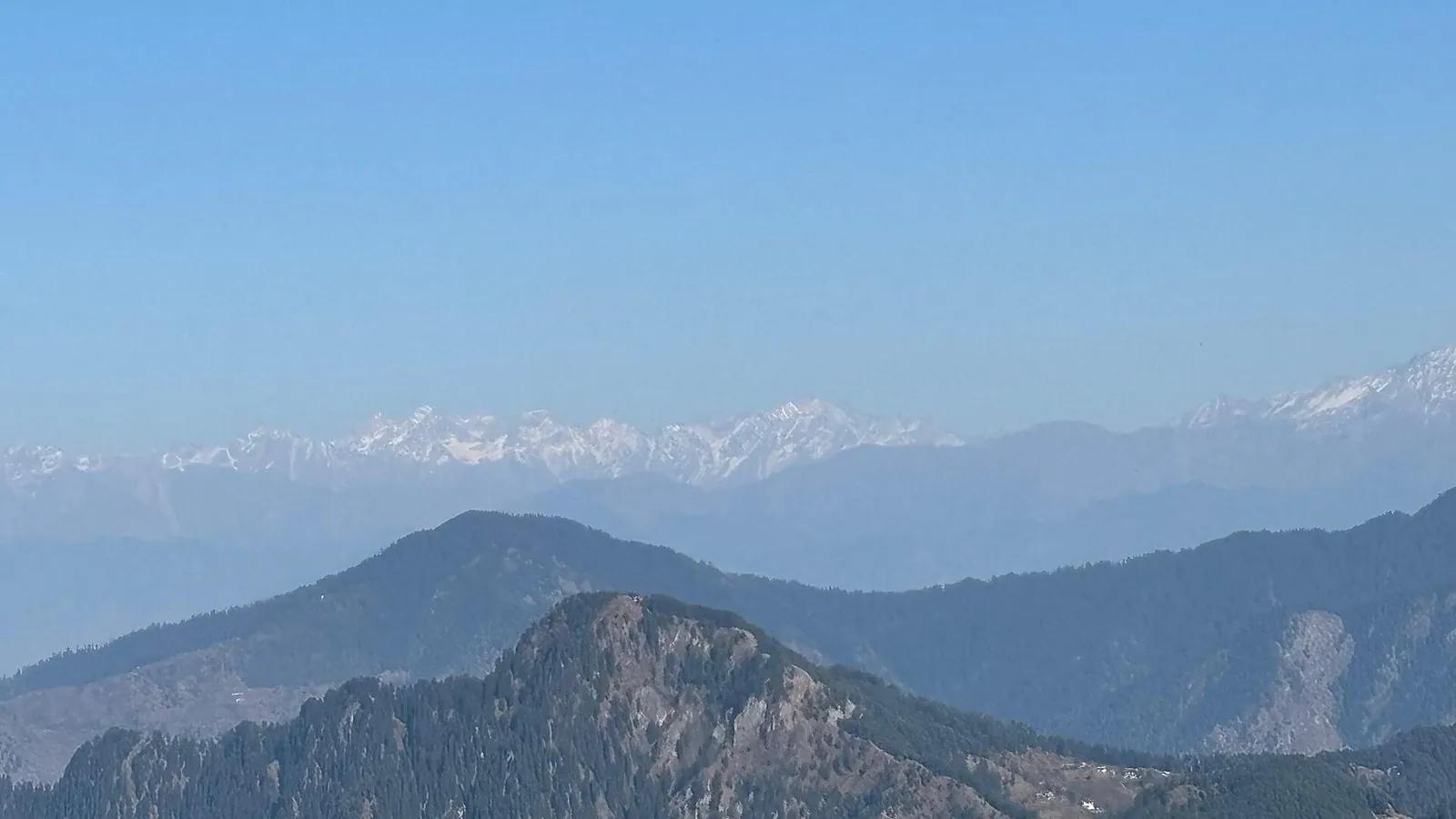
Day Hikes and Forest Walks Around Shimla (2026): Jakhu, the Glen, Tara Devi & Shali Tibba
The on-foot Shimla, sorted by effort: from the Jakhu and Tara Devi temple walks and the easy Glen forest to the full-day Shali Tibba climb to a 2,870 m summit. What each one costs your legs, and what is at the top.
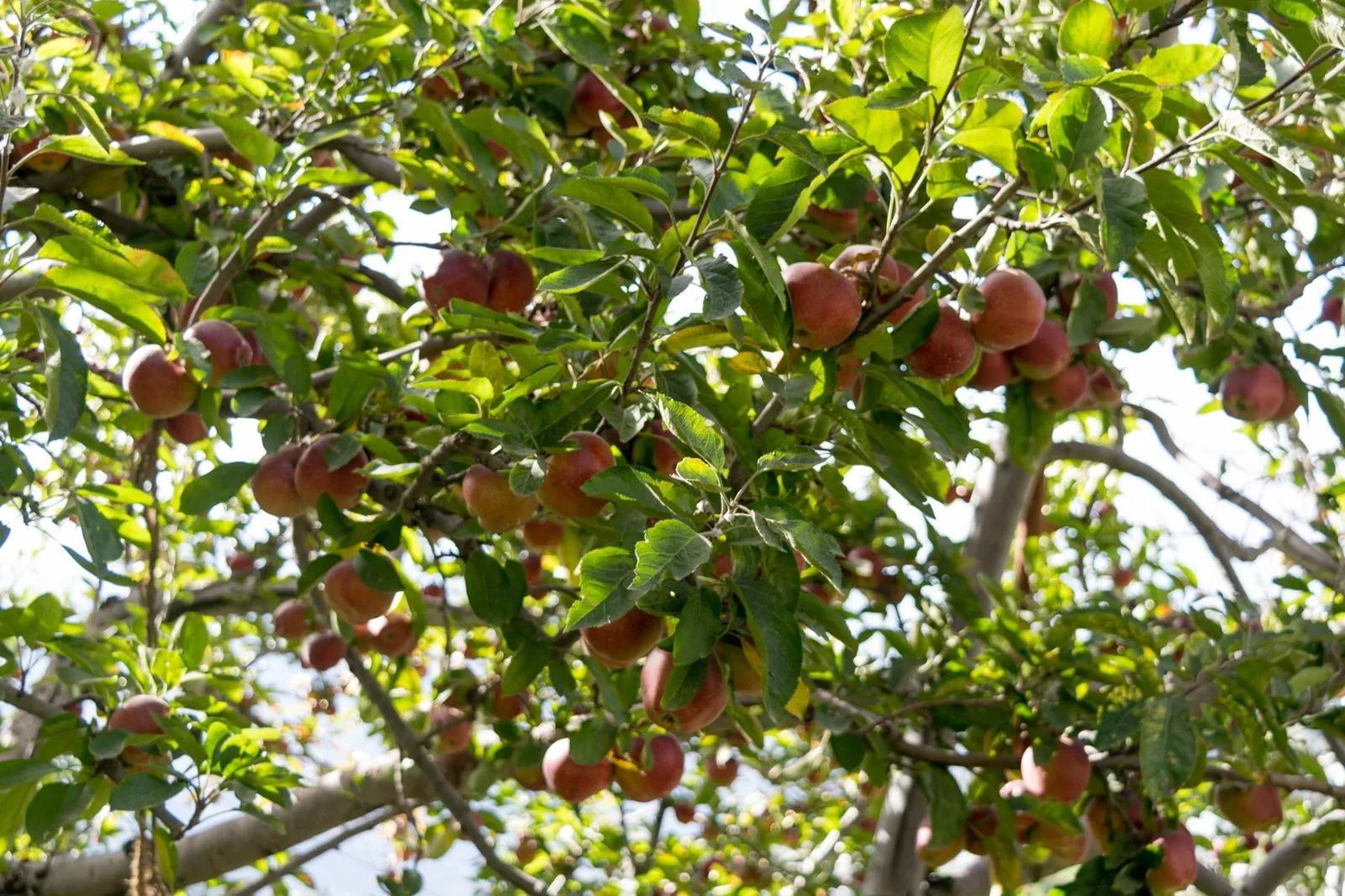
Kotgarh: Where India's First Apple Was Planted
In 1916 a 33-year-old American Quaker, later known as Satyanand Stokes, planted a handful of Red Delicious saplings at Barubag village in Thanedhar panchayat. Today Himachal's apple industry is worth Rs 5,000 crore a year. Here's the real Kotgarh story, the visit guide, and how to stay with the Stokes family.