
Himachal Pradesh Travel Guide 2026: A Locals Complete Guide to All 12 Districts
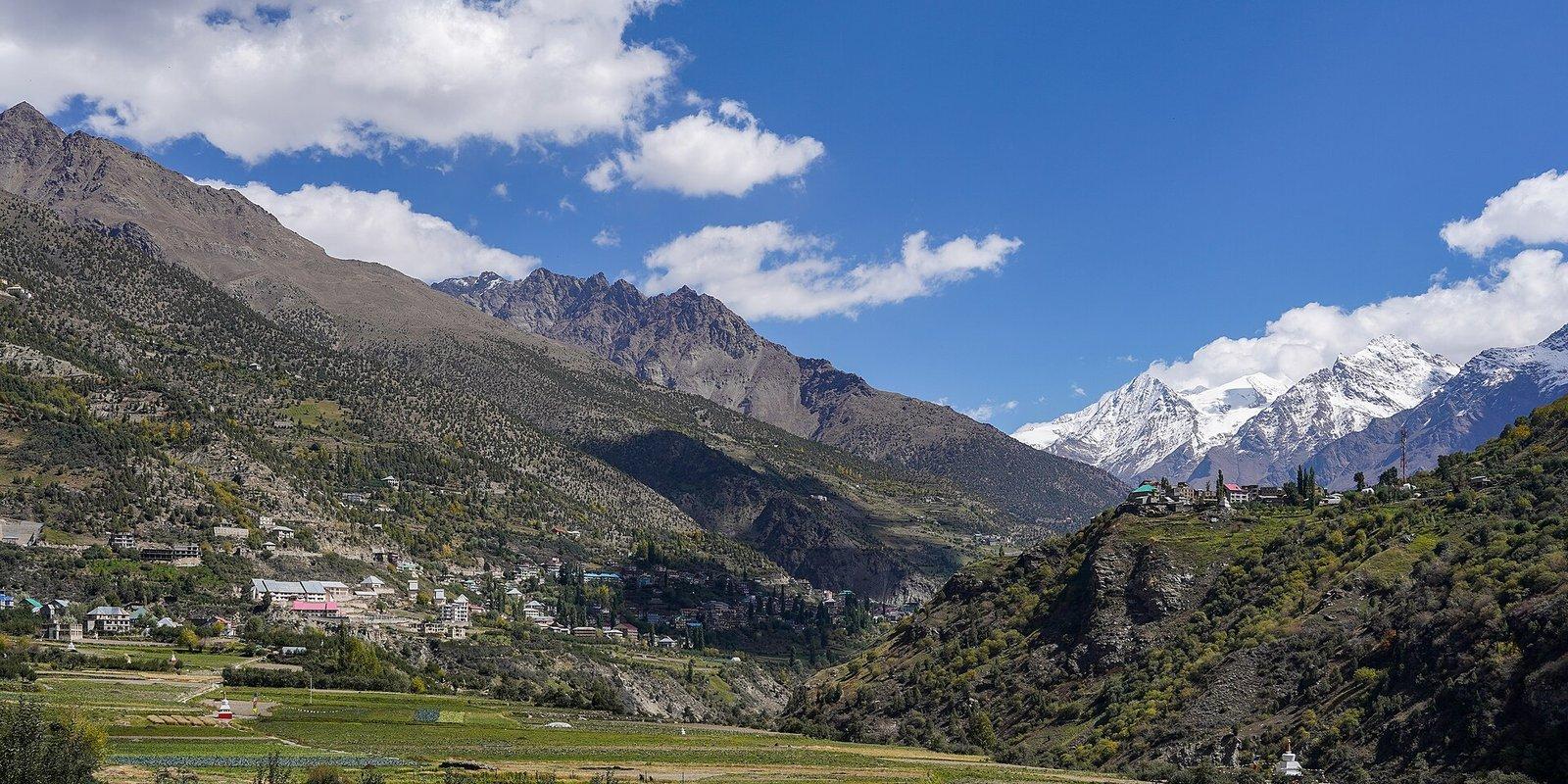
The first time you cross from Punjab into Himachal Pradesh, the road bends past a sign that says "Welcome to Devbhoomi" and then climbs for the next eight hours. By the time you stop the car, the air has changed twice. The trees are different. The voice on the radio has switched languages. You have driven 250 km and arrived in three different countries.
That is the thing nobody warns you about. Himachal is not one place. It is twelve districts that share a state government and almost nothing else. Una sits at 369 metres, hot enough in May to fry on. Keylong, the same state, the same season, sits at 3,080 metres with snow still on the ridges. People in Kinnaur speak a language with no written form. People in Sirmaur eat Pahari food I have never seen anywhere else. The Booking.com Traveller Review Awards 2026 (released in February) put HP fifth in the world for hospitality, the only Indian region in the global top five, and the third year running we have been India number one. That is not a tagline. It is what shows up when you ask 1.81 million accommodation partners to forward their guest reviews to a single ranking system.
This guide covers all twelve. Not as a sales pitch. As a map.
- Area
- 55,673 sq km
- Districts
- 12, from 369 m to 6,975 m
- Best months
- Mar-Jun, Sep-Nov
- Daily budget
- from Rs 1,000
- Booking.com 2026
- World No. 5 most welcoming
- Most welcoming city
- Bir, Kangra district
- UNESCO sites
- 1 (Great Himalayan NP) + 1 railway
- Languages
- Hindi, Pahari, Kinnauri, Lahuli
Why Himachal in 2026 is not the Himachal of 2018
Three things have shifted since the last time most travel guides updated their HP page, and they have shifted enough to change which districts you can sensibly visit and when.
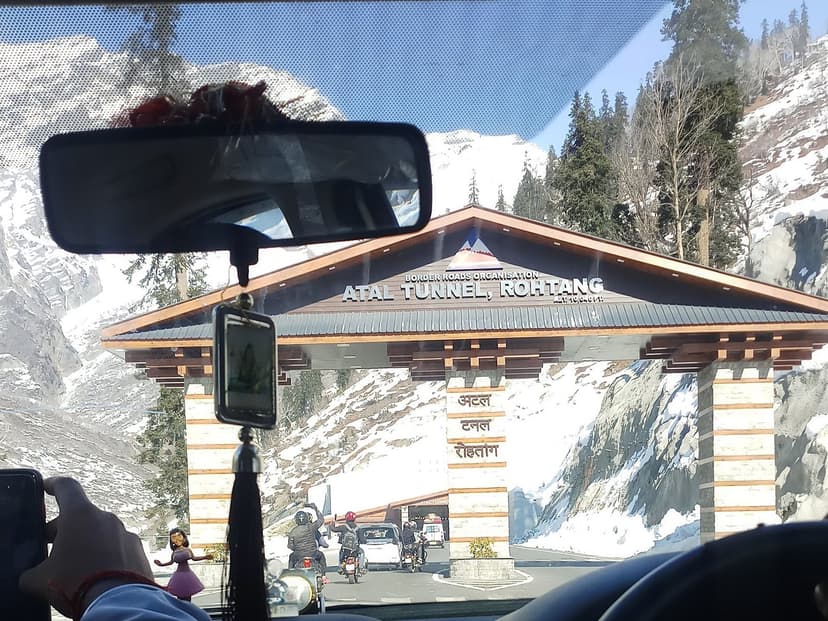
The first is the Atal Tunnel. It opened in October 2020. It is 9.02 km long, runs under the Rohtang massif, and it ended Lahauls six-month exile from the rest of the country. Before the tunnel, Keylong spent winter as an island. The road over Rohtang closed in November and reopened sometime in May, depending on how heavy the snow was, and in between the only way out was a helicopter or a ten-day walk. Now the drive from Manali to Keylong is two hours, year-round, with a lunch stop. Lahaul has tripled its visitor count and is still the part of HP fewest English guides bother to write about.
The second is the SheTravel Policy. Himachal became the first Indian state to launch a women-specific travel safety policy, formally announced in February 2026. The headline pieces are the SheShield app (real-time SOS, vetted accommodation list, escort service), 500 trained female safety marshals being deployed at major sites by 2027, and a mandatory annual gender audit at the top 200+ tourist sites. The pilot districts are Shimla, Kullu, and Solan. The state target is to push solo women from 18 percent of total travellers to 35 percent by 2028. Whether the implementation matches the headlines is something we will know in a year. The policy itself is the right kind of statement of intent.
The third is the over-tourism pushback. This one is less of a press release and more of a feeling. Locals on r/HimachalPradesh have been openly asking, in English, for fewer tourists to be told about places like Sainj Valley and Shoja. "Let them stay hidden" is the actual phrase that keeps coming up. The HP government has responded with a 2026-27 budget that allocates Rs 317 crore for tourism site upgrades and three new "satellite townships" of around 10,000 bigha each, intended to decongest Shimla and Manali. Whether spreading footfall is the same thing as protecting the things visitors come for is a question I do not have a clean answer to.
Twelve districts, twelve worlds
Here is the fastest way to get your head around Himachal. Look at the altitude range of the district capitals. Una, in the south, 369 metres. Keylong, in Lahaul, 3,080 metres. Same state. Same legislative assembly. 2,711 metres apart, vertically. Una in May is hot enough that the local kids eat mangoes straight off the trees. Keylong in May still has frozen streams on the Kunzum side. One legislator. One flag. Two climates. That is the spread, and that is the thing no single-district travel guide ever captures.
What follows is what each of the twelve districts actually is, in plain language. Some get a paragraph. A few get three. One or two get one line, because there is not much more to say than the one line.
Shimla
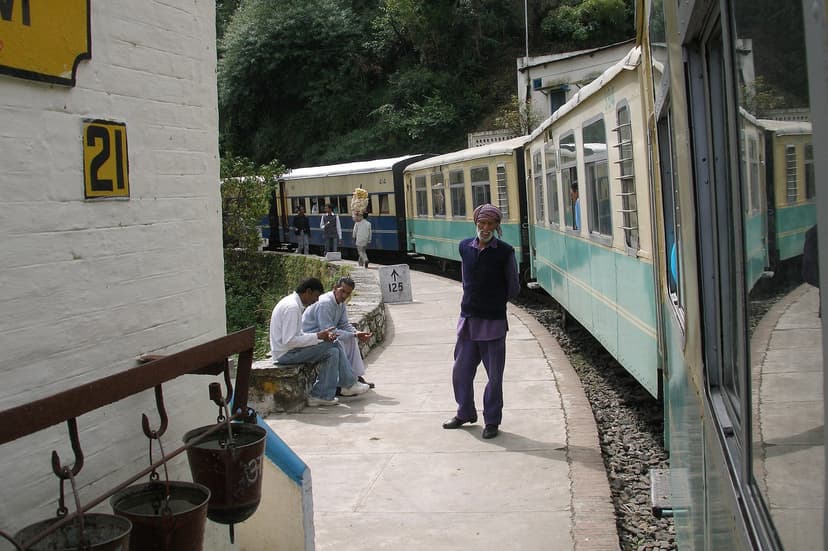
2,206 metres. Colonial capital. The Ridge with its open lawn and Christ Church and the slightly smug Mall walkers, plus a toy train down to Kalka that costs less than a coffee in Bandra. Locals will roll their eyes when you say you are going to Shimla. They will not be wrong. The trick: stay one night, ride the train, then keep moving. Forty kilometres out, the apple orchards start and the crowds stop. Narkanda, Kotgarh, Mashobra. Those are the places worth your second day.
Kullu
Adventure district, apple district, Dussehra district. Also: the place where the Beas finally becomes a real river. Kullu town itself is an administrative stop and you should not expect much from it. The valley is the point. Manali sits at the top of it, Kasol up the Parvati fork, and Tirthan and Sainj down a side road that most rented Innovas never bother with. The October Dussehra here pulls in around 200 village deities, who travel in by foot and palanquin from a hundred surrounding hamlets and assemble for seven days in a single ground. I have been to it twice. Both times I left with the strong sense that I had stumbled into something older than the country I was standing in.
Mandi
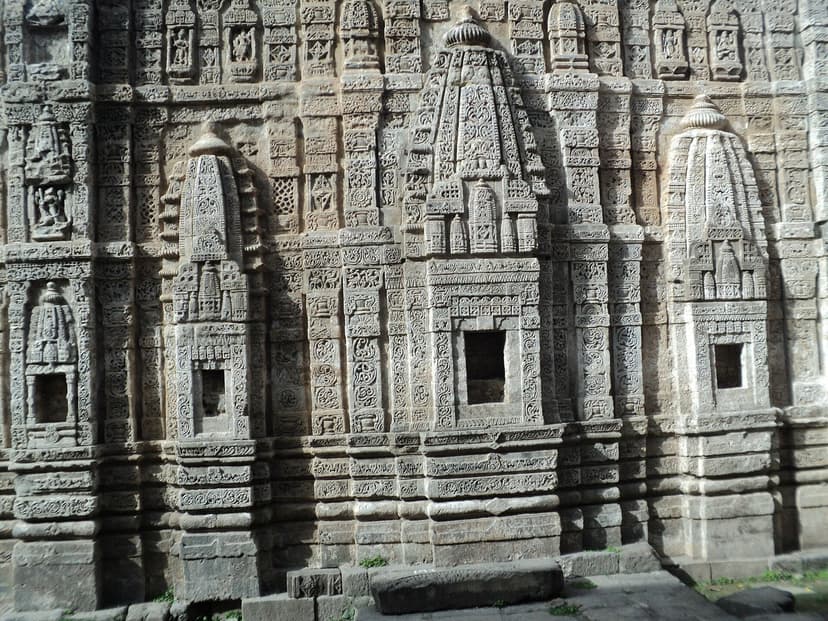
Mandi is the one I argued with myself about. It does not have the brand that Manali has, the way Manali rolls off a Punjabi familys tongue when they are planning their summer trip. What Mandi has is 81 stone temples in a single town of 26,000 people. Eighty-one. In a town that small. The seven-day Shivratri here is the kind of festival you have to see to believe, with around a hundred village devtas walking in from a hundred surrounding hamlets and assembling in the ground for a week. Up the road, in Parashar Lake, a 13th-century three-tier pagoda temple sits at 2,730 metres next to a small lake with a floating island in the middle of it. And then there is Rewalsar, the lake that Hindus, Buddhists, and Sikhs all consider sacred for three different reasons. If your interest is the religious life of these mountains, Mandi is where the most layers stack on top of each other in the smallest physical area. Tier one. End of argument.
Kangra
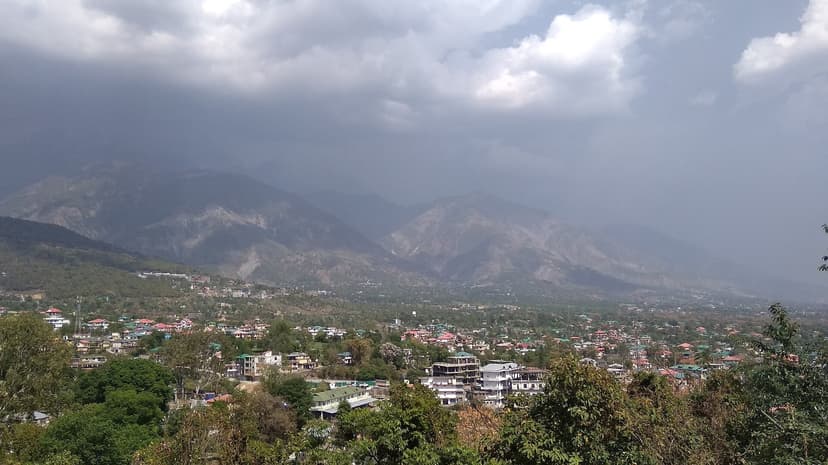
Kangra is the loaded one. Dharamshala is in Kangra. Bir is in Kangra. McLeod Ganj is in Kangra. Kangra Fort, one of the oldest forts in India and the one nobody outside the state seems to know about, is also in Kangra. The valley sits below the Dhauladhar wall, which is the second range you cross driving in from Punjab, and which is probably the most photographed mountain face in the state. The reason Booking.com picked Bir as one of Indias most welcoming towns again in 2026 is not, in my experience, complicated. The homestay operators in Bir answer their phones. They remember which room you stayed in last time. They will text you a photograph of the dog you fed two visits ago. That is the brand.
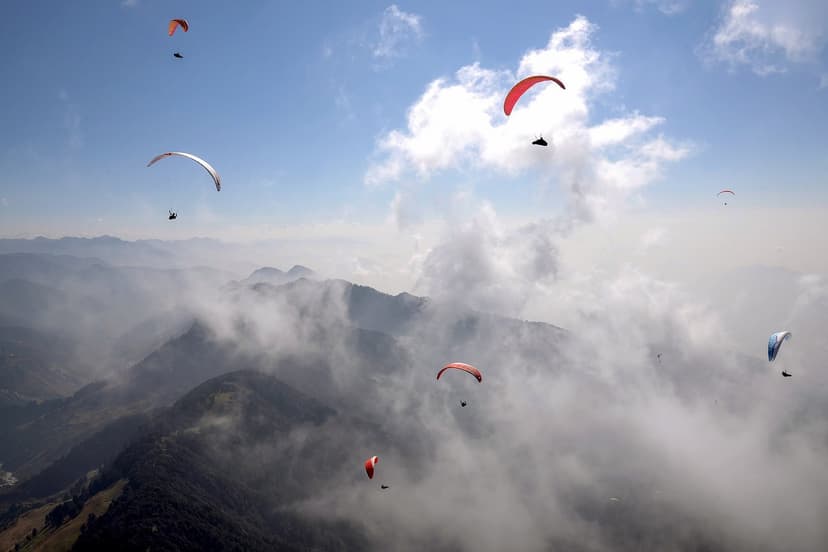
Chamba
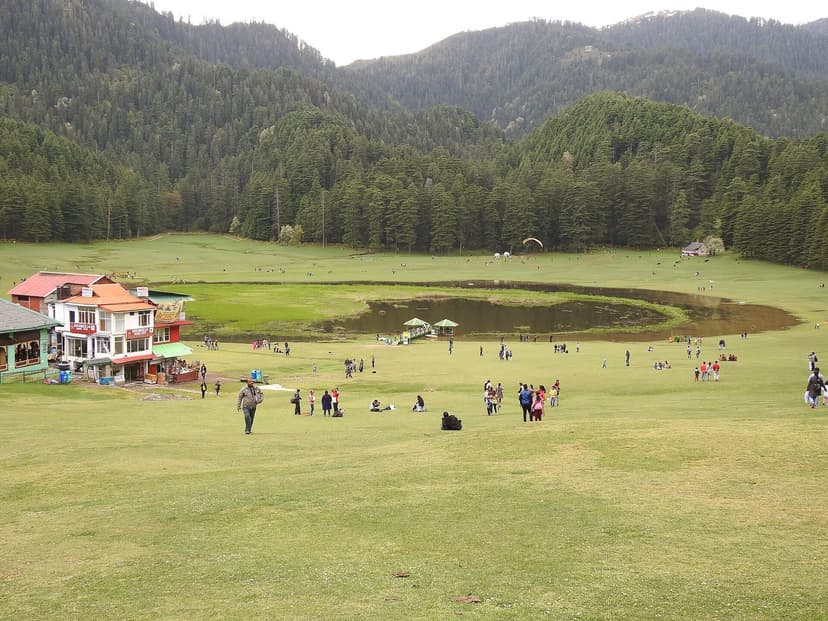
The forgotten one. Chamba town has 6th-to-8th-century stone temples and almost no visitors. Khajjiar, the absurdly perfect circular meadow ringed by deodar with a small lake in the middle, is in Chamba. So is Bharmour, with its 84 stone temples crowded around a single courtyard. So is Manimahesh, the lake at 4,080 metres that is Shivas summer home in the local cosmology and a pilgrimage point that fills up for two weeks in August and is empty for the rest of the year. So is the Pangi valley, which is technically in Chamba district but which sits on the wrong side of the Pir Panjal and might as well be a separate country. If your goal is to see HP without other tourists, this is still where it is possible.
Lahaul-Spiti
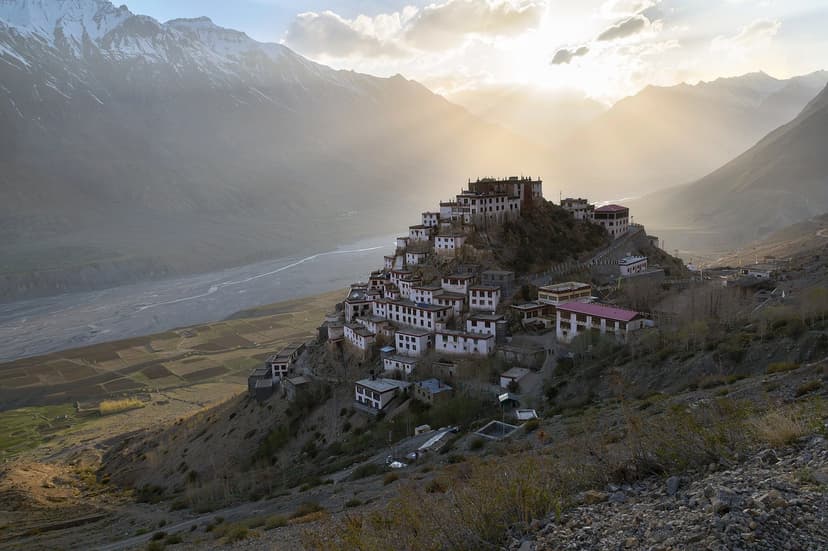
The high one. Two valleys, one district. Lahaul on the Manali side, running north toward Leh. Spiti on the east side, running out toward the Tibetan plateau. The district HQ is Keylong, in Lahaul, at 3,080 metres. The Spiti side gets the famous postcards: Kaza (the only fuel pump in the entire Spiti valley, write that down), Key Monastery on its hilltop, Langza with its prehistoric ammonite fossils, Komic with the highest motorable village in Asia, Hikkim with the highest post office in the world, and Chandratal lake at 14,100 feet. Until October 2020, the only way in or out of Lahaul was a road that closed for six months a year. The Atal Tunnel ended that. It is still the most physically extreme district in HP, by a long way. Acclimatise. Carry a paracetamol strip. Drink water you do not feel like drinking. Take it slow on day one. The mountain does not negotiate.
Kinnaur
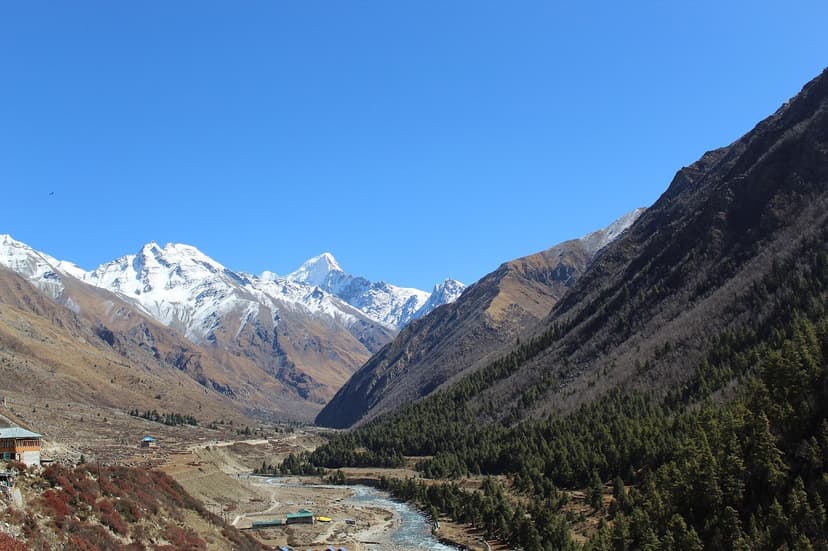
The apple kingdom. Reckong Peo is the district capital at 2,670 metres, and the road from Shimla follows the Sutlej upstream for most of a day before you finally turn off it. Kalpa, just above Peo, gives you a head-on view of the Kinner Kailash range. The peaks light up at dawn in a way that ruins you for ordinary mountains. Below Kalpa: Sangla, Chitkul (the last Indian village before the road runs out), Nako, the old Hindustan-Tibet road that the British built and could not believe themselves, and apple orchards on slopes that should not physically support farming but somehow do, year after year. Foreigners need a Protected Area Permit to go beyond Jangi. Indians do not. The road is loose in places. Especially after rain. Drive slow, watch for trucks coming the other way on blind bends, and do not try to make Chitkul from Shimla in one day even though Google Maps will swear it is possible.
Solan
The mushroom one. Solan town sits at 1,550 metres on the Shimla highway, an hour out of Chandigarh, and the district produces a serious chunk of Indias commercial mushrooms. Kasauli is in Solan, with its colonial Christ Church and its Monkey Point and a ridge walk that is shorter and quieter than Shimlas, which is the entire reason to go. Then there are the small places people just drive past: Subathu, Dharampur, and Barog, named after the British engineer who built the Kalka-Shimla railway and is supposedly buried inside tunnel 33 of his own line. He miscalculated, the story goes. The tunnel did not meet in the middle. He took his own life. They named the station after him by way of apology. Most people drive through Solan on the way to somewhere else. Stop. Even just for the chai.
Bilaspur
Indias first planned hill station. The original Bilaspur sits underwater. The British (and then independent India) built the Bhakra Nangal dam in the 1950s, the old town went under, and the replacement was laid out on the slopes above. The lake the dam created, Gobind Sagar, runs 90 km long. There is mahseer fishing, water sports in season, and the Naina Devi Shakti Peeth on the ridge above the water. Bilaspur sits at 673 metres. Low. Hot in May. Gentle in winter. English travel guides leave it out. Hindi guidebooks remember it. Make of that what you want.
Sirmaur
The southern district. Renuka Lake is here. So is Rajgarh, which the locals call the Peach Valley because the orchards stretch end to end and the air in April is genuinely a thing you can taste. Haripurdhar, a 3,000-metre temple ridge that nobody outside Sirmaur had heard of until Hindi YouTubers started filming it last year, is also here. Nahan, the district HQ at 932 metres, has a clean colonial grid layout, several temples, and almost no tourists. The thing nobody tells you about Sirmaur is that it is the answer to a specific question: HP without the crowds, while still being a five-hour drive from Delhi. Most people will not believe me on this until they go.
Hamirpur
Smallest district. Education hub of HP. For travellers, it matters for two things. The first is Baba Balak Nath at Deotsidh, a cave temple 30 km from town that pulls in one of the larger pilgrim crowds in the state. The second is Sujanpur Tira Fort, built in 1758 by the Katoch dynasty on a flat plateau above the Beas, half ruined now, entirely free to wander, with honest views over the river bend. Hamirpur is not a destination. It is a stop. The kind where you intended to spend an hour and ended up staying for the night.
Una
The lowest. 369 metres. HP at the threshold of the Punjab plain, geographically and culturally. The draws are religious: Chintpurni Devi (one of the major Shakti Peeths in north India), Dera Baba Bharbhag Singh, and the Pong wetland on the Beas, which is one of the most important migratory bird sites in the country and which almost no English-language travel writer ever mentions. Una is hot in May. Mild in winter. The temperature in May 2025 hit 42 degrees and the local newspaper ran a wry piece about how the hill station that gave Una its postcode could no longer call itself one. The whole district is the antithesis of what most people picture when they hear "Himachal Pradesh." Which is exactly the point.
The seasonal matrix: when to go where
The most useful single piece of advice about Himachal is that the season decides which district you can visit, not the other way around. A guide that says "best time to visit Himachal Pradesh is March to June" is lying by omission, because in March the road to Spiti is still closed and in June the monsoon is already starting to hit Kullu.
Here is the version that actually works.
March to early May. Spring across most of HP. Apple blossom in Kinnaur, around mid-April. Shimla and Manali clear of crowds and most of the snow. Lahaul accessible via the Atal Tunnel. Spiti via Manali still closed (the road through Kunzum opens late May or early June). The Shimla-Kinnaur road is open. This is the window I most often recommend for first visits.
Mid-May to mid-June. Pre-monsoon. The Spiti circuit opens both ways (Manali side via Kunzum, Shimla side via Kinnaur). High passes are clear. This is also peak summer holiday traffic from the plains, so Manali, Shimla, Kasol, Dharamshala are all busy. Lower districts (Una, Bilaspur, Hamirpur) start to feel hot. Rohtang permits are in heavy demand.
July to mid-September. Monsoon. Lower and middle Himalaya get hammered. Landslides on the Mandi-Manali stretch, the Kullu valley road, the Kinnaur road below Wangtu. Rivers rise. The only districts that stay reliably dry are Lahaul and Spiti, because the main rain shadow falls right at Rohtang. If your trip is in August, your only sane option is the Spiti circuit. Counterintuitive but true.
Mid-September to early November. Post-monsoon. The clearest air of the year. Apple harvest in Kinnaur and Kotgarh. Kullu Dussehra in October (check the dates, it shifts). Snow has not arrived in the high country yet, but the night cold is honest. This is the photographers window.
Late November to February. Snow season. Shimla, Narkanda, Manali, Auli (across the border in Uttarakhand) all reliable for snow. Bilaspur and Una stay warm enough that you can use them as a base if you are travelling with people who hate cold. Atal Tunnel keeps Sissu and Keylong accessible for day trips even in mid-winter, which is something no other Indian high-altitude region can offer.
What it actually costs in 2026
The numbers below come from cross-checking three independent 2026 sources (EpicTravelJournal, TakeABreak, BudgetYourTrip) and from what we and our partner properties are seeing on the ground. They are honest. They will go up six or seven percent by next April.
| What | Cost | Notes |
|---|---|---|
| Backpacker / dorm bed | Rs 1,000-1,800/day | Hostel, dhaba meals, public bus. |
| Mid-range / private room | Rs 3,000-5,500/day | Homestay or guesthouse, cafes, occasional taxi. |
| Comfort / boutique | Rs 7,000-15,000/day | Boutique homestay or 4-star, private vehicle. |
| Local thali | Rs 100-180 | Roadside dhaba, generous portion. |
| Trout (Tirthan, Barot) | Rs 400-700 | Whole fish, locally farmed. |
| Volvo Delhi-Manali | Rs 900-1,500 | Overnight, 12-14 hours, book a week ahead in season. |
| Flight Delhi-Bhuntar | Rs 3,500-8,000 | 1.5 hours, then 2 hour transfer to Manali. |
| Rohtang Pass permit | Rs 550 | Rs 500 base plus Rs 50 congestion. 1,200 vehicles a day. Closed Tuesdays. |
| Bir paragliding | Rs 2,500-3,500 | Standard 20-30 min tandem. GoPro Rs 500-800 extra. |
| Royal Enfield rental | Rs 1,000-1,500/day | Manali and Shimla, season rates. |
| Workation monthly room | Rs 8,000-25,000 | McLeod Ganj, Bir, Old Manali. WiFi quality varies. |
Two bits of practical advice nobody else will give you. One: book your Volvo bus to Manali a clean week ahead in May, June, October, and December. Last-minute prices climb 30 to 50 percent during peak weeks, and the 4 PM and 5 PM departures from Delhi sell out first. Two: do not pay tourist taxi rates inside HP if you can help it. HRTC government buses are reliable, frequent, and cost a fifth of a private car. The discomfort is real and the savings are honest.
How to reach and how to get around
HP has one functional airport, at Bhuntar near Kullu. Flights from Delhi run about Rs 3,500 to 8,000 each way, take ninety minutes, and get cancelled often enough that you should never book a non-refundable second leg the same day. Dharamshala has an airport at Gaggal, which works on calmer days. Shimla has an airport at Jubbarhatti that is open in theory.
The real way in is by road. Volvo overnight buses from Delhi go to Manali (12 to 14 hours), Shimla (9 to 10 hours), Kasol (10 to 12 hours), and Dharamshala (12 hours). Booked at the right time, all four cost between Rs 700 and Rs 1,500. HRTC, the state-run service, is the safest by reputation. The private operators are more comfortable but vary wildly in driver quality. If you are planning to push into the high country (Spiti, Kinnaur, Lahaul) the Volvo gets you to your gateway town, and then the local HRTC fleet takes over, often in vehicles that look like they have been doing this for thirty years. They have. They still get there.
From Chandigarh, which is the closest major airport for most of central HP, the road to Shimla is two to three hours, the road to Mandi is four hours, and the road to Manali is eight. From Pathankot (the closest railhead for Kangra), Dharamshala is ninety minutes and Bir is two and a half.
The Kalka-Shimla railway deserves its own paragraph. Built between 1898 and 1903, it is a narrow-gauge line that climbs from 656 metres to 2,076 metres in 96 kilometres. It uses 102 tunnels and 988 bridges to do it. UNESCO World Heritage since 2008. The five-and-a-half-hour ride costs less than a thousand rupees in the Shivalik Deluxe Express. It is the best ten dollars you can spend in north India.
Within HP, the inter-district HRTC bus network is dense and slow and entirely usable. Inside towns, shared taxis and cycle-rickshaws are the norm. For Spiti, Kinnaur, and Lahaul you will want either a rented Royal Enfield (Rs 1,000-1,500 a day, Manali) or a hired car with a driver (Rs 4,000-6,000 a day, all-inclusive). Driving yourself in those districts is for people with high-altitude mountain experience. It is not where you learn.
Hidden Himachal: what locals actually know
This is the list I am most uncomfortable writing. Most of these places have already made it into some travel content somewhere. None of this is a real reveal. An attentive Reddit reader could find any of it in a weekend. The thing is: there is a real difference between "named once on someones blog" and "named in a top-ten listicle on a tier-one travel site." For a few of the places below, that difference is what is keeping the village livable. So I am going to name them, because not naming them at all is also a choice with consequences. But I am going to name them with caveats.
Two-three cafes, limited stays, amazing atmosphere.
Reddit user describing Shoja, r/india_tourism
Shoja, Jibhi, and Ghiyagi. Kullu district, near Jalori Pass. Three small villages on the Kullu side of the pass. Wooden Kath-Kuni houses, thick deodar forest, cheap homestays, bad mobile signal, and almost nothing to do except walk. Shoja is the highest of the three at 2,700 metres. It is also the quietest. Jibhi has a few cafes and a stream and slightly more pulse. Ghiyagi sits between them. The local advice, which I have followed myself and will keep following: pick one, stay three nights, and use the days to walk. Serolsar Lake is a flat forest walk from Jalori Pass. Raghupur Fort is a 360-degree viewpoint half an hour above the pass. That is the whole agenda. The first morning you will be restless. By the third morning you will not want to leave.
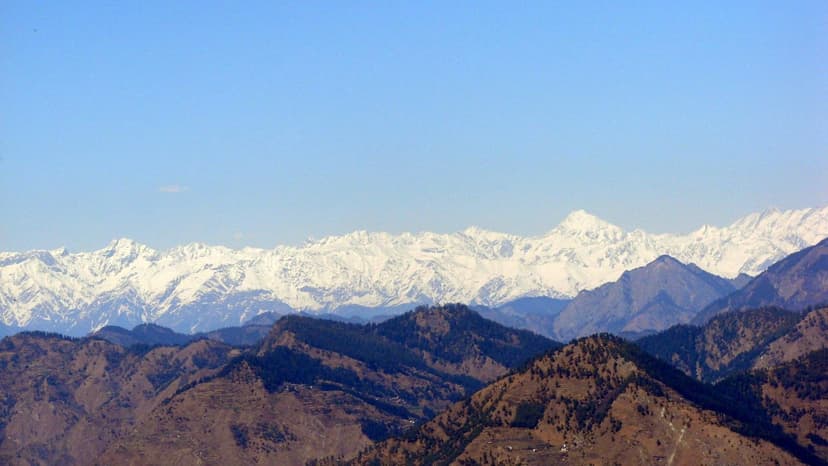
Sainj Valley. Kullu. A sub-valley that runs east off the main Kullu valley into the Great Himalayan National Park. Most people drive past the turn-off because Manali is on the same road and they have already decided where they are going. Sainj is what Manali was in 1995, except the people in Sainj have read all the news stories about what happened to Manali after 1995, and they are openly ambivalent about whether they want the same trajectory. Wooden bridges. Riverside homestays. Walking trails into the GHNP buffer zone. If you go: stay quiet, tip well, do not put it on Instagram with a geotag, and do not write a Tripadvisor review with the homestay name in the title. I am not joking about the last one.
Tirthan Valley. Kullu. The original entry point to GHNP. More developed than Sainj, still genuinely small. Trout fishing on the Tirthan river. Riverside cottages. The official GHNP trekking permit office is at Sai Ropa, run by a small staff who will spend an hour walking you through the route maps if you ask politely. Tirthan is where I send first-time HP visitors who want to feel like they are off the trail without actually being off the trail. Trainer-wheels offbeat. I mean that kindly.
Renuka Lake. Sirmaur. The largest natural lake in HP. Shaped, in the local mythology, like a reclining woman. Surrounded by forest. A wildlife sanctuary on the far shore. A temple and an annual fair in November. Almost no English-language travel guides cover it. Three hours from Chandigarh. Quietly the cleanest day-trip lake in the state, and one of the only ones where you can sit on the bank without somebody trying to sell you a boat ride within the first ten minutes.
Suralu and the Pangi valley. Chamba on paper. Geographically: another country. Pangi is a sub-divisional unit of Chamba district that sits across the Pir Panjal from the rest of HP and is administratively closer to Lahaul than to its parent district. Suralu, inside Pangi, has been called Indias most isolated village by Hindi-language travel media, and the description holds up. The road in is open from June to October. The phone signal is essentially zero. People drive Royal Enfields here mostly for the bragging rights. If you make it, do not show up empty-handed. Carry a packet of biscuits, a packet of tea, and the basic decency to ask before you photograph anyone.
Barot. Mandi district. A small valley on the Uhl river, two hours off the main highway from Mandi town, where the Punjab government built one of the earliest hydropower projects in the British era. The thing that survives now is the trout hatchery, a 19th-century fishing club still standing, three or four homestays, and a walking trail that goes over the Bara Bhangal pass into Kangra if you have eight days and a guide and a working set of knees. Barot is the kind of place where the nearest cafe is a kilometre away and you have to ask the homestay aunty to call ahead. Which is, when you think about it, exactly the kind of friction that the rest of HP has lost.
Pooh, Nako, Sumdo: the rain-shadow Kinnaur. Once you get past Kalpa and head deeper into Kinnaur, the rain shadow of the main range starts to take over. The landscape goes from forest to cold desert in about thirty kilometres. The villages along this stretch (Pooh, Nako, Sumdo) get less attention than they deserve because they are on the way to somewhere else and most people drive through them on the way to Tabo or Kaza. Do not. Stop. Spend a night in Nako, sit by the small high-altitude lake at the centre of the village in the late afternoon, and watch what happens to the light. The Hindu-Buddhist transition happens here, in real time, on the same road. You can taste it in the food before you can see it in the architecture.
What to eat across HP
I am going to keep this short because we have a separate guide for it. The two things I want you to know if this is your first visit are that Himachal Pradesh is not vegetarian by default (it is, in fact, the most non-vegetarian state in north India by household consumption), and that the regional Dham, the ceremonial feast served at weddings and festivals, is different in every district and is the single best window into how food works here.
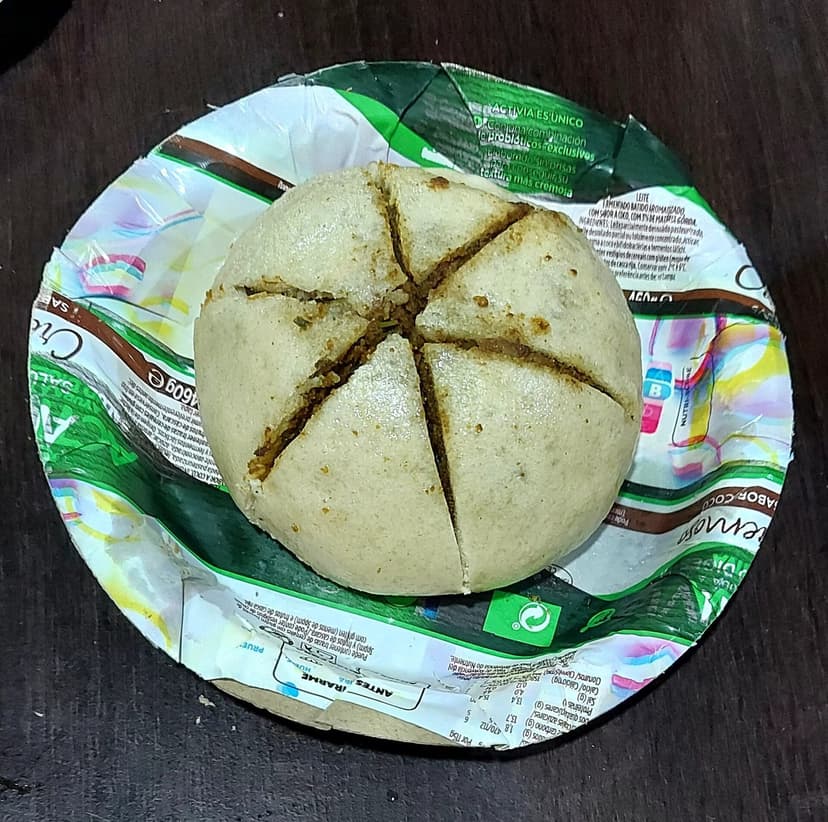
The dishes you should try at least once: siddu (a soft, yeast-leavened, steamed wheat bread, typically stuffed with walnut and poppy seed paste, eaten with ghee or chutney, mostly Kullu valley), madra (chickpeas in a thick yogurt and ghee gravy with whole spices, the centrepiece of most Kangra and Chamba Dhams), chha gosht (lamb cooked in besan and yogurt, the most distinctive Pahari meat dish I know), tudkiya bhath (a one-pot rice with lentils, potato, and mountain spices), and bhey (fried lotus stem from Mandi). For something sweet, try babru (a fried bread stuffed with black gram paste, Kullu) or bhagjar (a fermented sourdough that takes three days to make, Mandi). A local thali at a roadside dhaba should cost you Rs 100 to Rs 180. Trout, when you can find it (Tirthan, Barot, Sangla), is the splurge: Rs 400 to Rs 700 for a whole fish.
Our complete Himachali food guide goes deeper, dish by dish and district by district.
Permits, paperwork, and the things that trip people up
The single most common piece of misinformation in English-language HP guides is that you need an Inner Line Permit to visit Kinnaur or Spiti. You do not, if you are an Indian citizen. Foreigners need a Protected Area Permit (PAP) to go beyond Jangi in Kinnaur, beyond Sumdo on the Spiti side, and into a few specific border-area pockets. The PAP is issued at District Magistrate offices in Shimla, Reckong Peo, Kaza, and Keylong. It takes about an hour if you have your documents in order.
The thing called e-Aagman, at eaagman.hp.gov.in, is not a travel permit at all. It is a vehicle entry registration system. If you are driving a private car into HP, you log the vehicle through the e-Aagman portal at the border check post. It is free. It takes two minutes. Most travel guides describe it incorrectly as a tourist permit and then wonder why their readers panic.
The Rohtang Pass permit is real and you do need one if you are driving from Manali up to the pass. It costs Rs 550 (Rs 500 base plus Rs 50 congestion charge), the daily quota is 1,200 vehicles, no permits are issued on Tuesdays (maintenance day), and the application is at rohtangpermits.nic.in. Vehicles going beyond Rohtang to Lahaul or Spiti are exempt from the daily quota but need a separate "Beyond Rohtang" permit, also free.
Two more practical bits. SIM cards: BSNL is the only network with reliable signal in Lahaul, Spiti, and the deeper parts of Kinnaur. Jio works in Manali, Shimla, Kasol, Dharamshala, Bir, and most of the valleys up to about 3,000 metres. Carry a BSNL prepaid for the high country, and buy it in Reckong Peo or Kaza if you are already on the road. Cash and ATMs: Kaza has the only ATM in Spiti and it is unreliable. Carry physical cash before you cross Wangtu. The same goes for Pangi.
Three sample itineraries that actually work
These are the trips I send people on most often. They are deliberately not "see all of HP in seven days" because that does not exist. Pick one shape, do it properly, come back for the next one.
- 3 days: Shimla escape from Delhi. Day 1, overnight Volvo Delhi-Shimla, check in by 7 AM, walk the Ridge and Mall, evening Christ Church and Jakhoo Hanuman temple. Day 2, toy train to Kandaghat or Solan and back, afternoon at Annandale or the State Museum. Day 3, day trip to Kufri or Mashobra (skip the photo-op horse rides), evening Volvo back to Delhi. Costs Rs 8,000-15,000 per person depending on hotel.
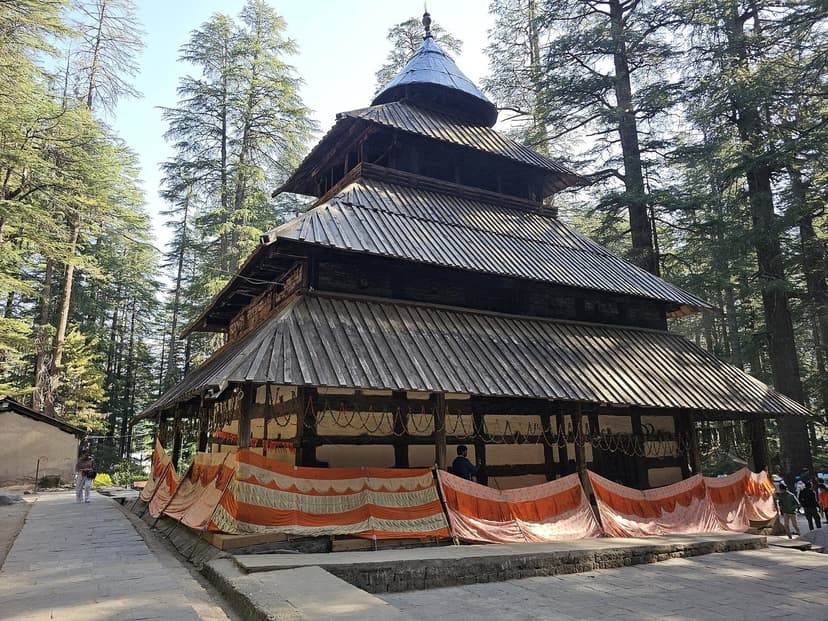
- 7 days: Kullu valley deep dive. Day 1, Volvo to Manali. Day 2, Old Manali, Hadimba, Vashisht hot springs, Manu temple. Day 3, Solang Valley and Atal Tunnel day trip, afternoon at Sissu in Lahaul (you can be back in Manali by sundown, which is the thing nobody could do five years ago). Day 4, drive to Naggar, see the castle and the Roerich estate, push on to Jibhi or Shoja. Day 5, walk to Serolsar Lake and Raghupur Fort viewpoint from Jalori Pass. Day 6, Tirthan valley, trout for dinner. Day 7, drive back to Manali, overnight bus to Delhi. Costs Rs 22,000-40,000 per person.
- 14 days: Shimla to Manali via Kinnaur and Spiti (the loop). Day 1, Volvo to Shimla. Day 2-3, Shimla and Narkanda, sleep at Hatu peak base if open. Day 4, drive to Sarahan, see Bhimakali temple. Day 5, push to Sangla in Kinnaur. Day 6, Chitkul day trip and back to Sangla. Day 7, drive to Kalpa, Kinner Kailash sunrise next morning. Day 8, drive to Nako, optional detour to Tabo. Day 9, Tabo to Kaza, see Dhankar on the way. Day 10, Key, Kibber, Chicham bridge. Day 11, Langza, Komic, Hikkim. Day 12, Kaza to Chandratal via Kunzum. Day 13, Chandratal to Manali via Atal Tunnel. Day 14, overnight bus back to Delhi. Costs Rs 35,000-60,000 per person, more if you hire a private vehicle.
Shimla or Manali: which is right for you
This is the single most-asked question we get from first-time HP travellers, and the honest answer is "neither, go to Tirthan", which is not a useful answer if you have already booked Volvo tickets. Here is the practical version.
| Shimla | Manali | |
|---|---|---|
| Best for | Heritage walks, families, first-timers, snow days | Adventure, road trips, cafes, gateway to Lahaul/Spiti |
| Altitude | 2,206 m | 2,050 m (Old Manali higher) |
| Crowd shape | Day trippers from Punjab and Haryana | Long-stay backpackers and adventure tourists |
| Food scene | North Indian and continental, Mall Road dominated | International, Israeli, Italian, cafes everywhere |
| Budget room | Rs 800-1,500 in season | Rs 600-1,200 in Old Manali |
| Day trips | Narkanda, Mashobra, Kufri, Tattapani | Solang, Atal Tunnel/Sissu, Naggar, Manikaran |
If your itinerary stops in HP and goes back to the plains, Shimla is the easier choice. If your itinerary uses HP as a launch pad for somewhere harder (Spiti, Lahaul, Ladakh, Manali-Leh), Manali is the only sensible base. Both are fine. They are just answering different questions.
Frequently asked questions
What is the best time to visit Himachal Pradesh?
Depends entirely on which district. March to early May is spring across most of HP and the window for Kinnaur apple blossom. Mid-May to mid-June opens the full Spiti circuit (both ways), but it is also when the summer holiday crowds show up. July to mid-September is the monsoon and only Lahaul and Spiti stay reliably dry, because the rain shadow falls right at Rohtang. Mid-September to early November has the clearest air of the year and the apple harvest. Late November to February is snow season for Shimla and Manali. The trick is to match the month to the region you actually want to see, not the other way around.
How much does a Himachal Pradesh trip cost in 2026?
Honest ranges, cross-checked with three 2026 budget sources. Backpacker: Rs 1,000 to 1,800 a day, sleeping in dorm beds, eating at dhabas, taking HRTC buses. Mid-range: Rs 3,000 to 5,500 a day, private room in a homestay, cafe meals, the occasional taxi. Comfort: Rs 7,000 to 15,000 a day, boutique property, private vehicle. A five-day Manali trip from Delhi runs about Rs 12,000 to 30,000 per person, all in. The Volvo from Delhi to Manali is Rs 900 to 1,500 if you book a week ahead. Last minute it can be fifty percent more.
Is Himachal Pradesh safe to travel?
Yes. Booking.coms 2026 Traveller Review Awards ranked HP fifth in the world for hospitality and India number one for the third consecutive year. The risks that actually exist: monsoon landslides from July to mid-September on the lower roads, winter pass closures north of Manali, and overnight bus accidents on the curves between hill stations. HP recorded 789 road fatalities in 2025, with the worst risk window being 6 PM to midnight. Solo women report consistently positive experiences in McLeod Ganj, Bir, and Old Manali. The 2026 SheTravel Policy adds the SheShield app with real-time SOS, 500 trained female safety marshals at major sites, and mandatory annual gender audits. Always check HRTC road status before high-altitude drives.
How many days do you need in Himachal Pradesh?
Five days minimum for one region. Shimla-Narkanda, or Kullu-Manali, or Dharamshala-Bir. Seven to ten days to cover two. Fourteen days minimum for the full Spiti circuit from Shimla back to Manali. The advice from people who live here, and from every Reddit thread I have ever read on this topic: pick one base and go deep. Trying to see all of HP in a week produces eight memories of car windows and one memory of actually being somewhere.
What are the hidden gems of Himachal Pradesh?
The Reddit short list: Shoja and Jibhi (Kullu, near Jalori Pass), Sainj Valley (Kullu, on the GHNP edge), Tirthan Valley (Kullu, trout and trekking), Barot (Mandi), and Chitkul (Kinnaur). The Hindi-source additions that English guides mostly miss: Renuka Lake (Sirmaur, HPs largest natural lake), Suralu in Pangi (Chamba, and the most isolated village in India by most measures), Roghi near Kalpa, and Haripurdhar (Sirmaur). Lahaul as a whole is now the most under-visited part of HP, given that the Atal Tunnel has made it year-round and almost no English guidebooks have caught up.
How do you reach Himachal Pradesh from Delhi?
Three ways. Volvo overnight buses from Delhi go to Manali (12-14 hours, Rs 900-1,500), Shimla (9-10 hours, Rs 700-1,000), Kasol (10-12 hours, Rs 800-1,200), and Dharamshala (12 hours). Flights to Bhuntar near Kullu take 90 minutes and cost Rs 3,500 to 8,000 each way, but they get cancelled enough that you should always leave a buffer day on either side. And then there is the Kalka-Shimla heritage train, which is the one that is actually worth doing once: Delhi to Kalka by regular train, then the narrow-gauge toy train through 102 tunnels and 988 bridges up to Shimla. Five and a half hours. Less than a thousand rupees. UNESCO since 2008.
Which is the most welcoming state in India?
Himachal Pradesh, by Booking.coms numbers. The 2026 Traveller Review Awards (released February 2026, based on 309 million verified guest reviews across 1.81 million accommodation partners) placed HP fifth in the world for hospitality. India number one for the third year running. Bir, in Kangra district, was again named one of the most welcoming towns in India in the same awards. The metric is essentially: do the people running the properties do their jobs well, and do they treat guests like humans. HP scored highest.
Can you do a workation in Himachal Pradesh?
Yes, and it is a real scene now. The three best bases: McLeod Ganj in Kangra (the oldest cafe and coworking scene, strong Tibetan community, decent Jio and Airtel signal), Bir in Kangra (smaller, more dedicated to the digital nomad pattern, slightly slower internet), and Old Manali in Kullu (the most infrastructure, also the most distractions). Monthly room rentals range Rs 8,000 to Rs 25,000 depending on the property. BSNL is the most reliable backup network for the deeper valleys, including Lahaul and Spiti. Carry a personal hotspot dongle and you will never lose a day of work.
What permits do you need for Himachal Pradesh?
Indian citizens: nothing for most of HP, including all of Kinnaur and all of Spiti. Foreigners: a Protected Area Permit (PAP) to go beyond Jangi in Kinnaur and beyond Sumdo on the Spiti side, issued at District Magistrate offices in Shimla, Reckong Peo, Kaza, and Keylong. The Rohtang Pass permit, Rs 550 all in, online at rohtangpermits.nic.in, is required for any vehicle driving from Manali up to the pass itself. Daily cap of 1,200 vehicles, no permits issued on Tuesdays (maintenance day), permit valid for a single day. The thing called e-Aagman (eaagman.hp.gov.in) is a vehicle entry registration system, not a tourist permit at all, and is free.
What food should you try in Himachal Pradesh?
A shortlist. Siddu, a yeast-leavened steamed bread, mostly Kullu valley. Madra, chickpeas in a thick yogurt and ghee gravy, the centrepiece of most Kangra and Chamba Dhams. Chha gosht, lamb cooked in besan and yogurt, the most distinctive Pahari meat dish I know. Tudkiya bhath, a one-pot rice and lentil dish with mountain spices. Bhey, fried lotus stem from Mandi. Babru, a fried bread stuffed with black gram paste. Trout, where you can find it (Tirthan, Barot, Sangla). Every district has its own Dham, the ceremonial feast served at weddings and festivals, and they are genuinely different in every district. HP is one of the most non-vegetarian states in north India by household consumption. That surprises most visitors. It should not.
Is Himachal Pradesh good for solo female travellers?
Yes, with the usual caveats. The safest bases, by reported experience on r/TwoXIndia and r/SoloTravel_India: McLeod Ganj (Kangra), Bir (Kangra), Old Manali (Kullu). HRTC government buses are safe for solo women, the homestay network is dense enough that you can usually find female-run accommodation, and the local culture in tourist areas is broadly respectful. The 2026 SheTravel Policy adds the SheShield app for real-time SOS, 500 trained female safety marshals at major sites, and mandatory annual gender audits, with pilot deployment in Shimla, Kullu, and Solan. Standard caveats apply: avoid isolated areas after dark in any hill station. If the homestay aunty tells you not to walk a particular road at night, trust her and take a taxi.
What is the difference between Shimla and Manali?
Different questions, different answers. Shimla is colonial, walkable, family-friendly, heritage-led, and the easier first-timer choice. Manali is adventure-led, cafe-heavy, gateway to Lahaul and Spiti, and the only sensible base if you are pushing further into the high country. Shimla suits three-day escapes from Delhi. Manali suits seven-day-plus trips that use it as a launch pad for the next thing. Budget rooms are slightly cheaper in Old Manali (Rs 600 to 1,200) than in Shimla (Rs 800 to 1,500). Both get crowded in May, June, and December. Both have HRTC bus connectivity from Delhi and Chandigarh. Pick by what you want to do next, not by which one is prettier.
Plan your Himachal trip with Refuje
This guide is the map. We are the local concierge that turns it into a trip. We work with vetted homestays and small operators across all twelve districts, and we will not put you in a property whose host we have not met. Every itinerary we run is built around the responsible-travel principles in our about page. If you want a Himachal trip designed around a specific district, season, or interest (food, paragliding, photography, monasteries, solo women, family with kids), email us at hello@refuje.com and tell us what shape you want it to take.
For the deep dives on the things this guide only touched: the complete Himachali food guide goes dish by dish and district by district. The Spiti Valley road trip guide covers the loop from Manali in detail. And the Spiti villages guide walks village by village from Tabo up to Komic.
If you want us to build the trip for you, mail hello@refuje.com with your dates, your budget, and your honest dealbreakers. We answer within 24 hours.
You Might Also Like
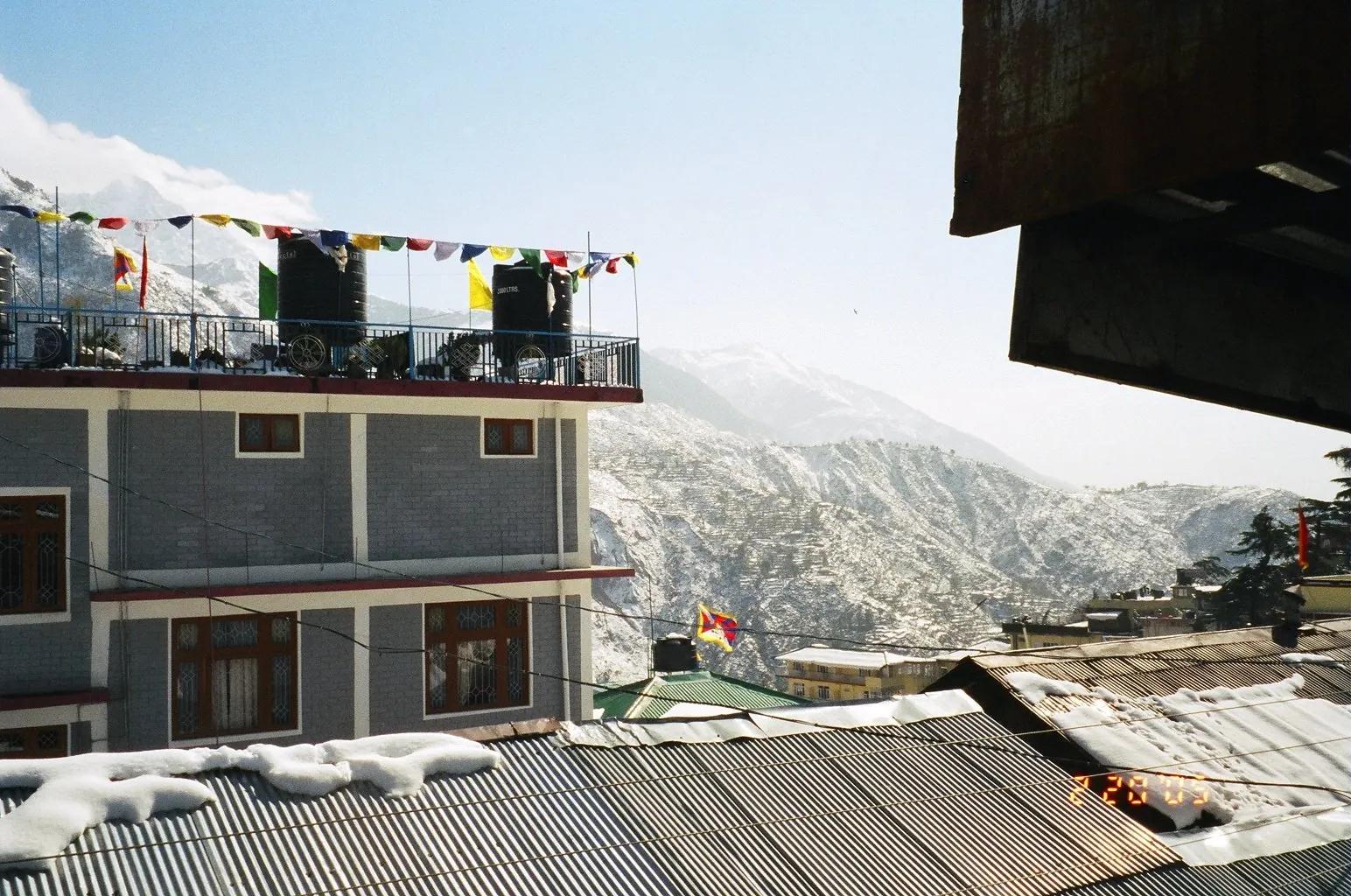
Volunteering in Himachal Pradesh: 12 Organisations and How to Apply (2026)
Teach English in McLeod Ganj, conserve the Great Himalayan National Park, build with earth in Bir, or harvest apples in Kullu. Twelve real HP volunteer organisations with honest costs, the visa rule that gets foreigners deported, and how to apply.
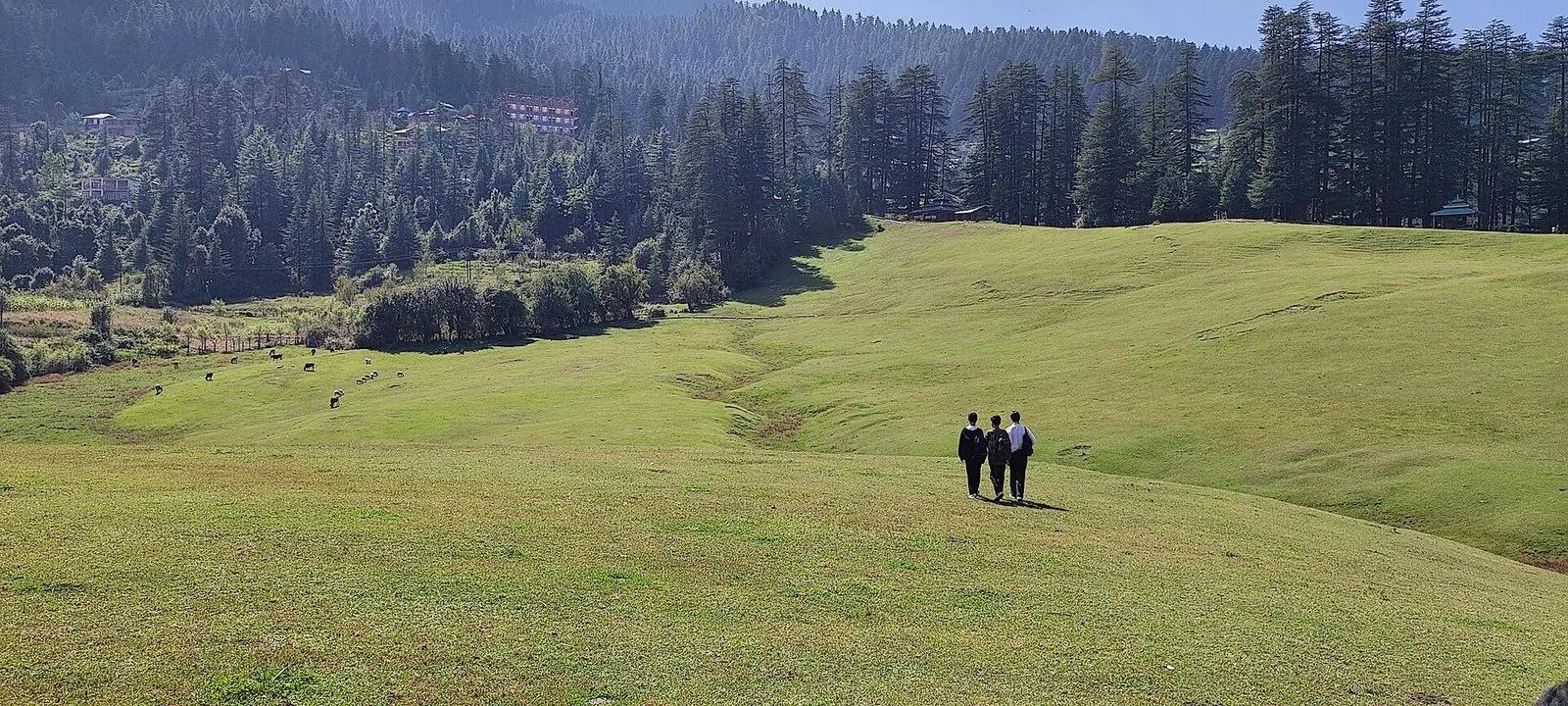
How to Travel Himachal Without Wrecking It: A Quiet-Travel Manual
A non-preachy field manual for responsible travel in Himachal, by a Kullu local: how to behave, when to go, where to go instead, and the 2026 rules and bans that actually matter.
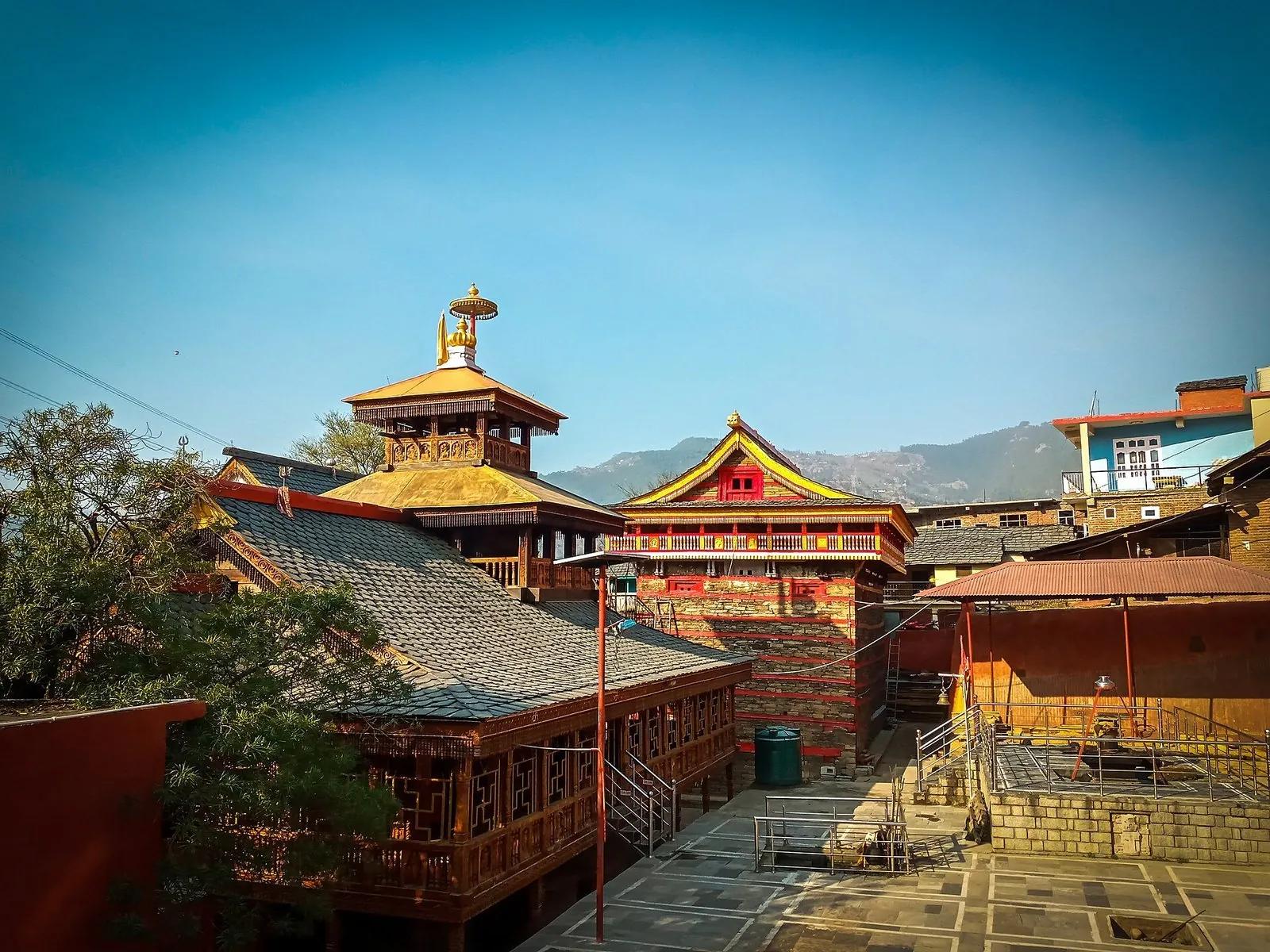
Mamleshwar Mahadev: The Eternal Flame Temple of Karsog
An eternal fire, a fist-sized wheat grain and a six-foot drum, kept in a mortar-less timber temple in the quiet Karsog valley. The honest story of Mamleshwar Mahadev: what is real, what is faith, and how to go.