
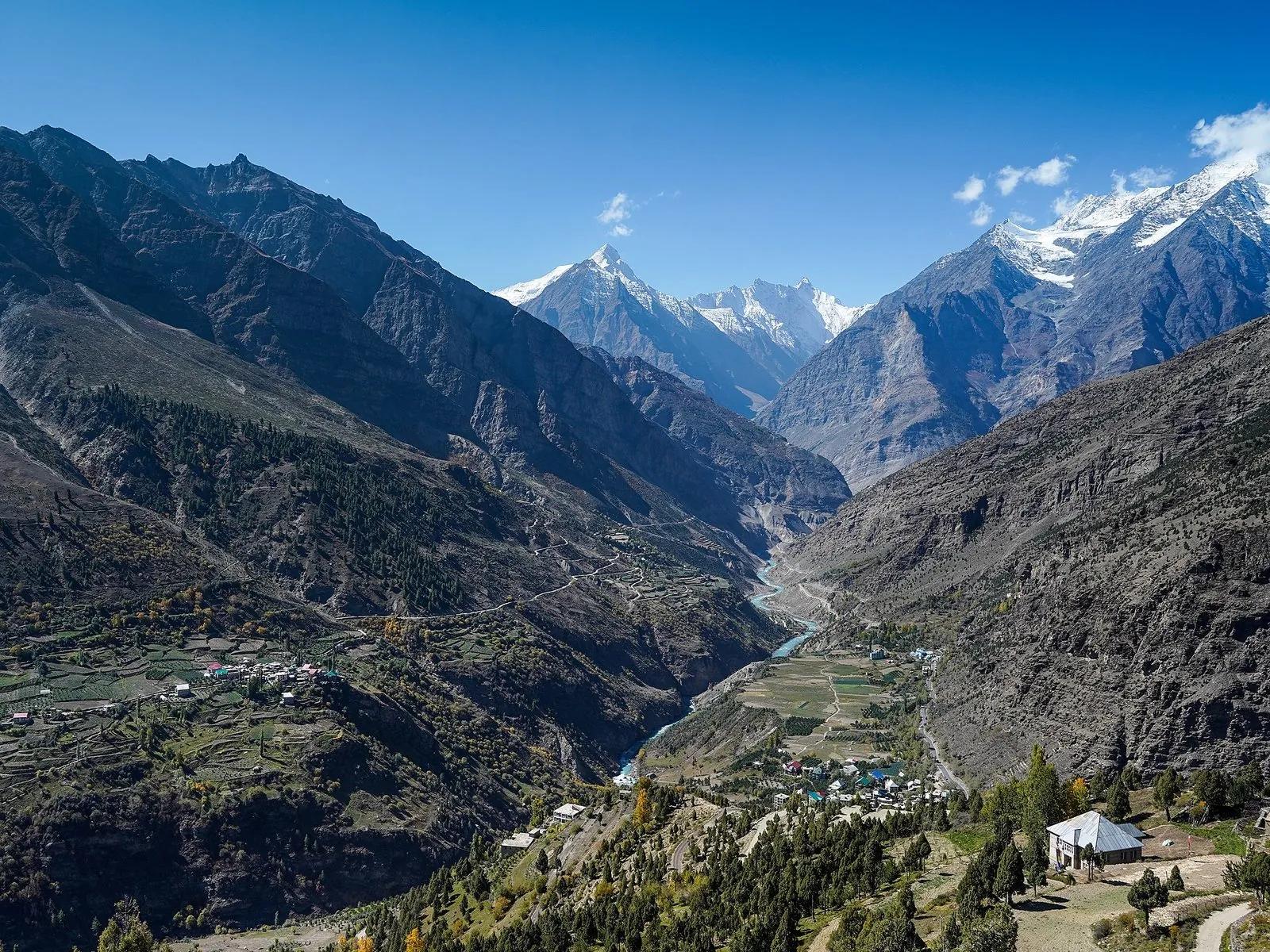
Snow Drought: Why Himachal Pradesh's Winters Are Changing
In Kinnaur, we have counted snow the way coastal families count tides. Apple families in Kalpa, Sangla, Ribba, and Nichar watch the same cold hours every December. A young Red Delicious tree needs about 1,200 cold hours, strung between zero and seven degrees Celsius, to set fruit the following summer. Royal needs 1,000 to 1,100 hours. Spur 800 to 900 hours. Gala, the lower-chill variety now being planted higher up the valley, needs 700-800 hours. When the cold hours arrive on time, the orchards set. When these cold hour windows are missed, the blossoms succumb to frost or the trees fail to flower correctly, causing an entire year of a household's labour to vanish.
This count used to be straightforward. Snow showed up in the first week of December, the frost set in, and by late February, the trees had their cold hours. The last fifteen years have broken the straightforward part. Snow now arrives mid-January, sometimes in February, and sometimes not at all. In December 2025, Himachal Pradesh as a whole recorded a ninety-nine per cent winter precipitation deficit. A Kinnauri orchardist watching that month would have recognised the pattern immediately. The leading edge of this shift has been visible from the Sutlej corridor for three decades.
This article is about that pattern, what the data say, what it means for travellers who want to see snow in Himachal, and which parts of the state still hold up to a changing climate. Most of those places are either in or at a reachable distance from my home district, Kinnaur, because I, as an orchardist, watch these weather patterns closely. A few of the places holding up to climate change are in Spiti and Lahaul, which are more resilient for reasons I will explain later in the blog. And I will bluntly tell about which popular destinations, including Shimla & others, can no longer be relied on for the one thing most visitors come for.
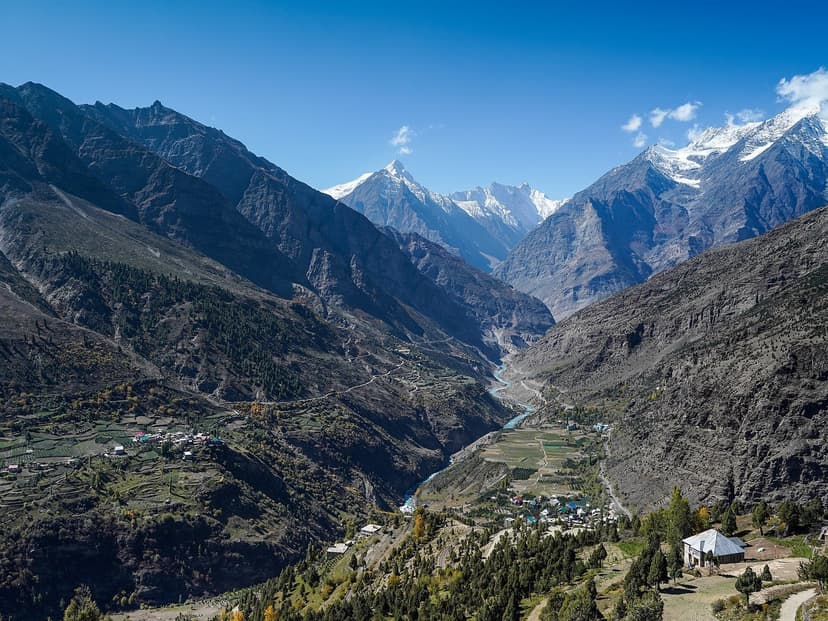
The Bhaga Valley at Kardang, Lahaul, late October. Brown lower slopes, snow persisting only above the treeline. This is what a Himachal winter increasingly looks like: less snow at 2,000 to 3,000 m, more of it confined to peaks above 4,500 m. Photo: Wikimedia Commons, CC BY-SA 4.0.
- Dec 2025 precipitation deficit
- 99% below normal (IIRS/ISRO)
- Jan 2026 rainfall deficit
- 95% below normal, driest since 1901
- Feb 2026 rainfall deficit
- 78% below normal (HimachalScape)
- 5-year snowfall decline
- 25% below the 1980-2020 average
- Snow persistence 2025
- 23.6% below normal, 23-year record low
- HP glacier area lost (2000-2020)
- 97.59 km sq., Satluj basin
- Snow leopard count
- 51 in 2021, 83 in 2025 (HP Forest Dept)
- Apple production 2024-25
- 2.09 crore boxes, against a 2.91 crore target
The numbers I actually watch
For three generations, apple-growing families in Kinnaur have observed snow levels with the same precision as coastal mariners. What agencies like the IIRS, IMD, and the state's horticulture department currently release as official bulletins, our ancestors recorded as seasonal almanacs well before the first satellites were launched. While the magnitude of change is unprecedented, this deep-rooted tradition of climate vigilance remains unchanged.
So here are five numbers, from institutions with no reason to exaggerate.
December 2025 landed at 99 per cent below normal. The Indian Institute of Remote Sensing, which is ISRO's satellite arm, measured snow cover and precipitation across the north-western Himalaya between 30 November 2025 and 10 January 2026. HP got 0.2 mm of rain against a normal of 38.1 mm. Eleven of the twelve districts saw zero precipitation. Lahaul and Spiti managed 0.7 mm, which still rounds to a 99 per cent shortfall. This is not a bad year, it's a broken one.
January did not rescue February. The snow that usually arrives in the second half of January showed up for 5 days, the fourteenth through the nineteenth, mostly above 3,000 m, and then stopped. HimachalScape, who track IMD subdivision data, reported a 78 per cent rainfall deficit for February; 14.4 mm against a normal of 64.1 mm. November 2025 was already the driest in HP since 1901. Calling this a "snow drought" is an understatement. Given the severity of the lack of moisture, simply calling it a drought is far more precise.
Then there is snow persistence, which is the number I personally care about most. It measures how long the snow that falls stays on the ground. Himalayan Geographic, pulling MODIS satellite records, clocked snow persistence 23.6 per cent below normal in the 2024-25 winter cycle; the lowest reading since the 2003 satellite record. The snow persistence is what fills the summer river, the orchard stream, and the taps. While social media highlights fleeting winter aesthetics, the true measure of our survival—persistence—is fading.
Over the last five years, snowfall in the north-western Himalaya has declined by a quarter against the forty-year 1980-2020 baseline. That is the IIRS/ISRO number. A quarter of the snow, gone, in less than a decade. If you line up Kinnaur's snow records from the mid-1980s next to 2020, you can see the shift without needing a scientist to explain it.
And the glaciers. Between the years 2000 and 2020, the state lost 97.592 kilometres of glacier area in the Satluj basin alone. That comes from the 2025 ScienceDirect review, which pulled multi-sensor satellite data going back to 2000. Over eighty per cent of the glaciers in this basin are retreating. The Satluj feeds my home district. If you drink from a tap in Shimla, Kalpa, Sangla, or Sarahan, you are drinking water that started as snow on those shrinking slopes. Every one of us is connected to that number, whether we know it or not.
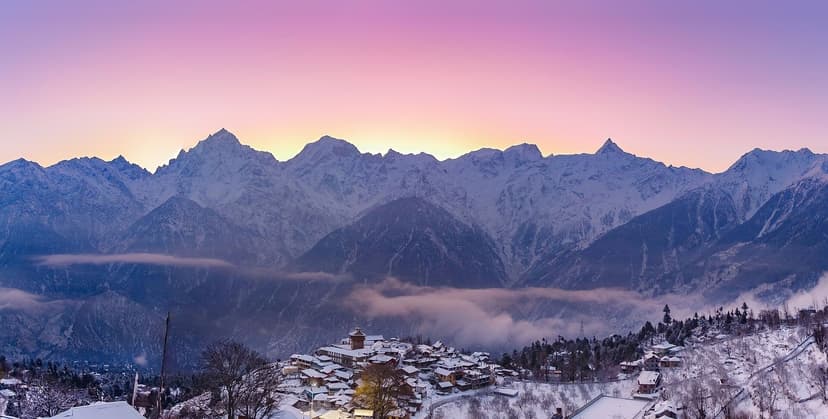
Kinner Kailash from Kalpa, dawn, in a year when winter still delivered. The shortening of this window (good Kalpa snow used to run December through February, increasingly it runs mid-January through late February) is the story this article is about. Photo: Wikimedia Commons, CC BY-SA 4.0.
There is a single figure that should stay with you: The HP Forest Department's snow leopard count. The 2021 HP Forest Department snow leopard census counted 51 individuals. The second census, released in October 2025, counted 83. This count rose not because the feline population exploded, but because their geography shifted. They have migrated upward, retreating from the heating lower slopes into high-altitude terrain that had stayed off our census maps. Where they are clustered: the Spiti and Pin valley, followed by the upper reaches of Kinnaur and Tabo. These are climate refugees, just with paws instead of footprints.
Why changing winters matter for the apples, the rivers, and your trip
A warm winter is not a cosmetic problem; it breaks three systems at once. The first is biological. Red Delicious apple trees, the foundation of HP's apple economy, need roughly 1,200 continuous hours of chilling at temperatures between 0 °C and 7 °C during dormancy. ETV Bharat Hindi published the full chilling-hour requirements by variety: Royal needs 1,000 to 1,100 hours, Spur 800 to 900 hours, Gala 700 to 800 hours. If the chilling window is shorter or broken by warm spells, the tree does not set fruit properly, and the next summer's yield collapses. That is the mechanism. This is not a theoretical risk.
The 2024-25 season is the proof of concept. The Joint Director of Horticulture estimated the crop at 2.91 crore boxes before the season started. The actual arrivals at HP markets totalled 2.09 crore, according to ETV Bharat's December 2024 reporting. That is a shortfall of roughly 82 lakh boxes, or twenty-eight per cent, in a single year, on a single state's dominant cash crop. Down To Earth Hindi reports that in a bad year, individual orchards can see production fall by more than fifty per cent.
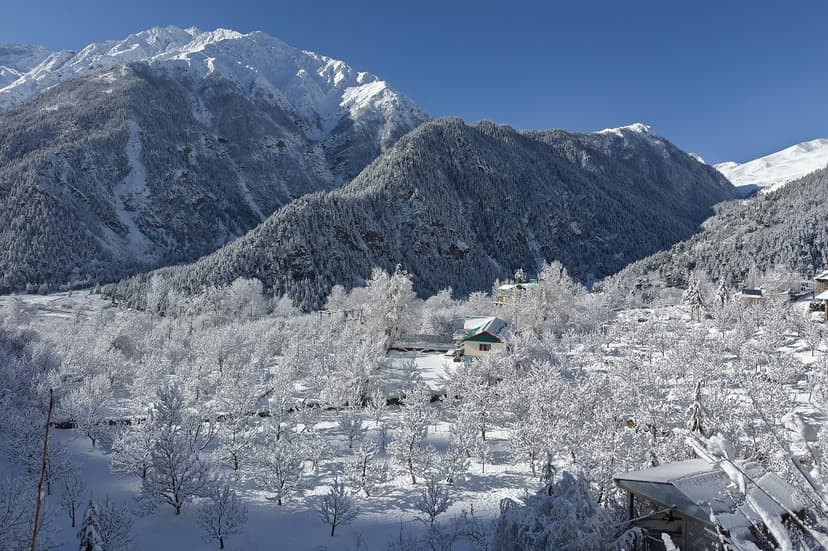
Sangla orchards under a full winter blanket. Red Delicious needs roughly 1,200 continuous hours between 0 oC and 7 oC to set properly. When this snow does not arrive, the chilling clock never starts. Photo: Wikimedia Commons, CC BY-SA 4.0.
The second system is hydrology. Glaciers and seasonal snowpack feed the Beas, the Satluj, the Chandra, the Bhaga and the smaller Kinnauri streams. The 2025 ScienceDirect review tracks the problem: as glaciers thin, they release more water briefly (a "peak water" window), then flow declines sharply. The Chhota Shigri glacier, India's benchmark site for mass-balance studies, has been monitored by Jawaharlal Nehru University since 2002. It has lost mass in every measured year. Bara Shigri, HP's largest glacier and the source of the Chandra that becomes the Chenab, is retreating too. You cannot visit these glaciers from the road, but their meltwater is in every tap and every hydro turbine between Keylong and Bhakra Dam.
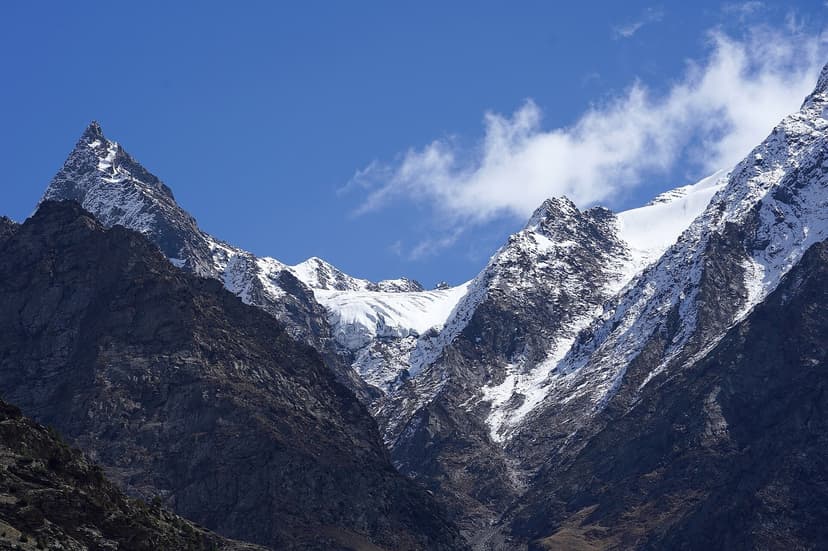
A glacier near Gemur, Lahaul, is retreating into a high col. HP lost 97.59 km² of glacier area between 2000 and 2020. The Satluj basin alone, which my home district of Kinnaur drinks from, has over eighty per cent of its glaciers in retreat. Photo: Wikimedia Commons, CC BY-SA 4.0.
The third system is the monsoon itself, which is not a winter problem but is the same underlying problem. Warmer air holds more moisture. When that moisture does reach the mountains in the summer months, it arrives as intense bursts rather than steady rain, resulting in Flash floods, cloudbursts, and landslides. The Observer Research Foundation counted 47 cloudbursts, 98 flash floods and 148 landslides in HP during the 2025 monsoon alone. 425 roads were closed at one point. The slopes are no less stable than they were thirty years ago. The weather hitting them is getting heavier and more concentrated.
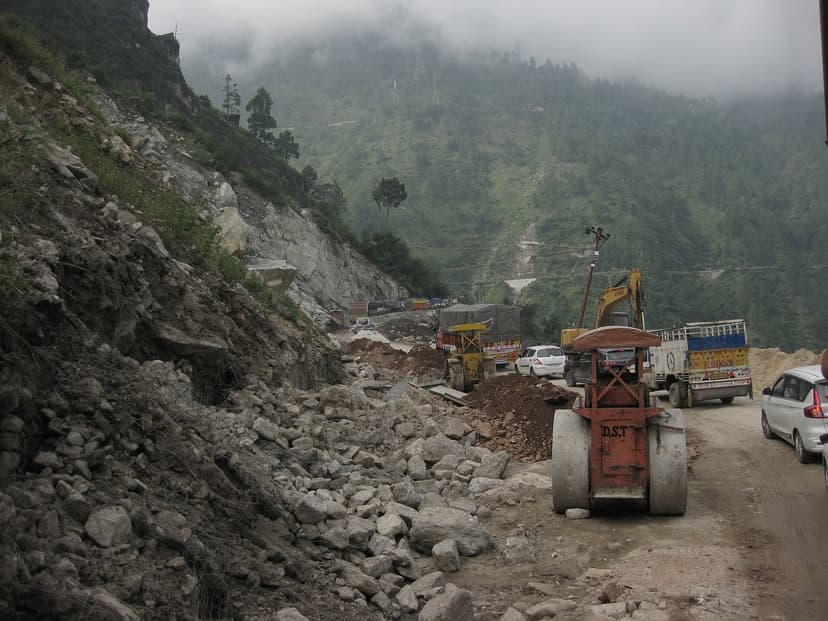
NH-5 at Nigulsari in Kinnaur is blocked by a post-monsoon landslide. BRO rebuilt this zone after the 2021 tragedy, but the pattern keeps repeating: warmer air holds more water, monsoons arrive in intense bursts, and the slopes give. Photo: Wikimedia Commons, CC BY 4.0.
Perspectives from the Local Community
While statistics provide a necessary framework, the experiences shared by residents offer a deeper understanding. The following accounts from the local Hindi press highlight the current reality for those living through these changes.
In the Ropa Valley of upper Kinnaur, the struggle for survival has become literal. One farmer described the extreme measures taken to protect their livelihood: "To combat these drought conditions and save our plants, we are travelling to higher altitudes to collect snow. We transport it back in our vehicles and carry it on our backs from the road to the orchards, spreading it around the apple trees to provide necessary moisture". This desperate act of manual labour serves as a stark illustration of local adaptation in a climate that no longer supports traditional agricultural cycles.
Numbers are useful. Voices are more useful. Here is what residents are telling Hindi-language press in the last few months.
A farmer in Ropa Valley, upper Kinnaur, quoted by Down To Earth Hindi: "To save the plants from drought conditions, we are going to higher areas, bringing snow down in our vehicles, and carrying it on our backs from the road to the orchards to spread around the apple trees." Farmers, carrying snow on their backs, just to save their trees. Read that sentence twice. This is what adaptation looks like when the climate stops cooperating with a sixty-year-old cash crop.
Himachal's Horticulture Minister, Jagat Singh Negi, is also from Kalpa and represents the Kinnaur assembly constituency. In April 2026, after a round of unseasonal hail and snow pounded the apple belt a second time in one year, he told Amar Ujala: "This time the weather has been extremely unusual. There has been intermittent hail and widespread rain, which has caused significant damage to the apple belt and other crops."
Consider Devki Nand, an orchardist from Rampur Bushahr, who spoke to Amar Ujala in April: "Hailstorm destroyed a year's labour." That is the climate story stripped of its data: one sentence, representing one season of vanished work for one family.
A Shimla resident, u/maxemile101 on r/shimla, posted last year: "Does anyone remember, it didn't snow at all last winter? Add to that overwhelmingly high rainfall events coupled with reckless construction." This is what the climate story looks like from the ground: not one event, but a cascade of them, compounded by things that have nothing to do with weather and everything to do with how we have built on top of these slopes.
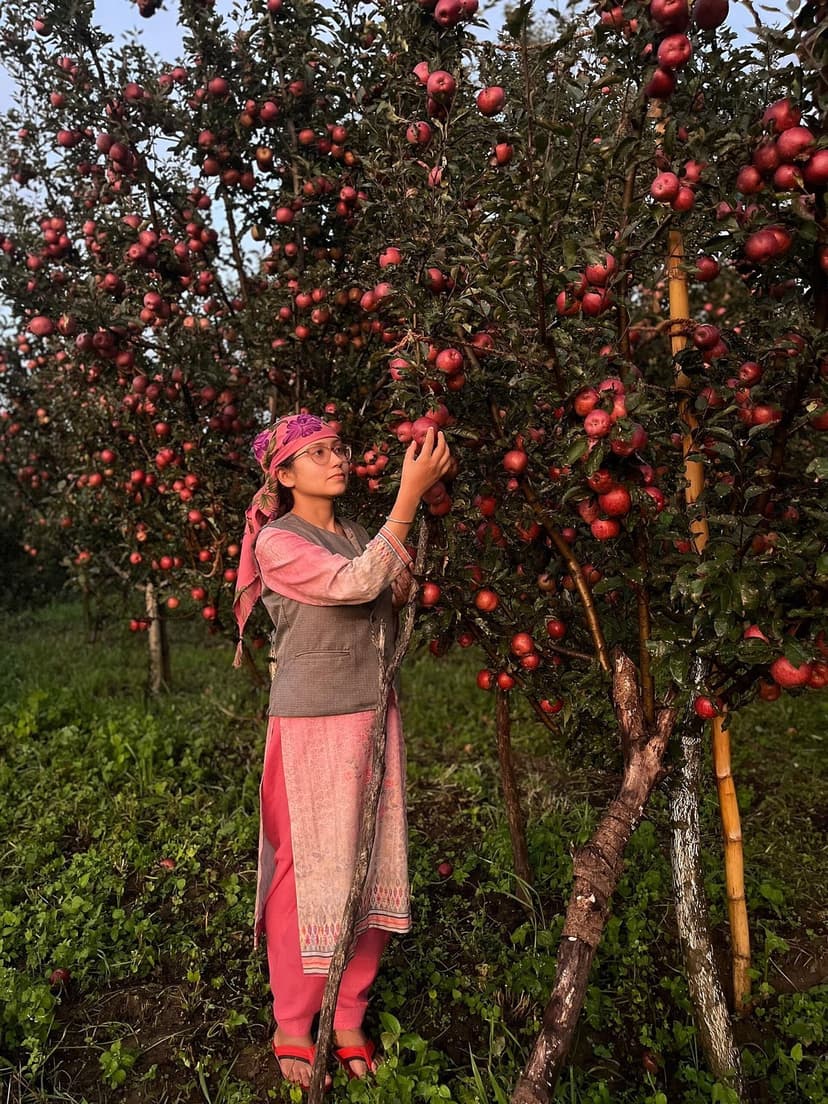
Apple harvest in a Himachal orchard. Behind every box of Red Delicious is a family that spends the year watching snow levels. The HP Horticulture Department's 2024-25 target was 2.91 crore boxes. Actual arrivals: 2.09 crore. A 28 per cent shortfall in one year, on one state's dominant cash crop. Photo: Wikimedia Commons, CC BY-SA 4.0.
Shimla will not always have snow when you come. Plan accordingly.
The single most common query landing on travel sites in October and November is some variant of "will there be snow in Shimla this December?". The honest answer is: increasingly, no.
Shimla sits at 2,200 metres. That altitude was enough for reliable December snow for most of the twentieth century, but not anymore. The freezing level has moved up. When a western disturbance pushes moisture into the state now, it arrives as rain in Shimla and as snow only above 2,500 metres. The 2025 Winter Carnival, which is an annual Shimla tourism board event named for the snow that usually wraps the Ridge, went ahead on schedule in December. The carnival happened. The snow did not.
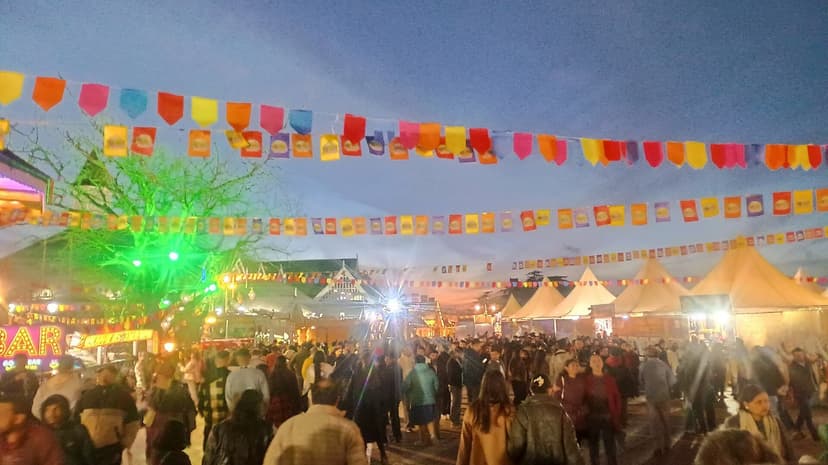
The Ridge, Shimla, during the 2025 Winter Carnival. The carnival happened on schedule. The carnival's reason for existing did not. December 2025 ended with Shimla at 99 per cent below normal winter precipitation (IIRS/ISRO). Photo: Wikimedia Commons, CC BY-SA 4.0.
If your trip hinges on seeing snow, and most first-time HP winter trips do, you have two options. Move your date window or move your altitude. January is now more reliable than early December. Mid-February is more reliable than mid-January. And everything above 2,700 metres is more reliable than anything below it.
What follows is the specific altitude framework I share when relatives or colleagues seek my advice on where the snow remains certain. These observations aren’t academic; they are the result of three decades spent tracking Himachal’s winter cycles from my Kinnaur orchard and ten years of managing mountain experiences for those visiting the state.
The altitude snow guide
Altitude | Location | Mid-Dec reliability | Mid-Jan reliability | What to know |
|---|---|---|---|---|
2,200 m | Shimla | Unreliable | Possible | Stop planning around it. Snow is a lucky bonus, not a plan. |
2,622 m | Kufri | More reliable than Shimla | Good | Day-trip option from Shimla. Go for the afternoon and head back. |
2,700 m | Narkanda | Usually yes | Very good | 65 km past Shimla on NH-5. Often, HP's first snow every year. |
2,700 m | Sethan | Reliable | Very reliable | Above Manali. A small village. Less crowded than Solang. |
2,960 m | Kalpa (Kinnaur) | Reliable | Reliable | Kinner Kailash backdrop. Best window has shifted to late-Jan and February. |
3,080 m | Keylong (Lahaul) | Reliable | GuaranteedThe | Atal Tunnel keeps it year-round accessible from Manali. |
3,120 m | Sissu (Lahaul) | Reliable | Guaranteed | First village past the Atal Tunnel. Lowest-effort snow access in HP. |
3,450 m | Chitkul (Kinnaur) | Reliable | Heavy | Last village before Tibet. Road closes mid-Jan most years. |
3,662 m | Nako | Reliable | Extreme | Upper Kinnaur. Lunar landscape, frozen lake, very cold. |
3,800 m+ | Spiti Valley | Extreme | Roads may close | Rain-shadow, stable, dry, cold. Kaza, Komic, Kibber, Hikkim. |
The rule of thumb I use. Every 500 metres of altitude you gain significantly improves your odds of reliable snow during the peak winter months. Narkanda at 2,700 m has become the minimum altitude I would recommend to someone who specifically wants to see snow in December or early January. If you cannot get above 2,700 m, move your trip dates to late January or February instead, when the freezing level drops a little further.
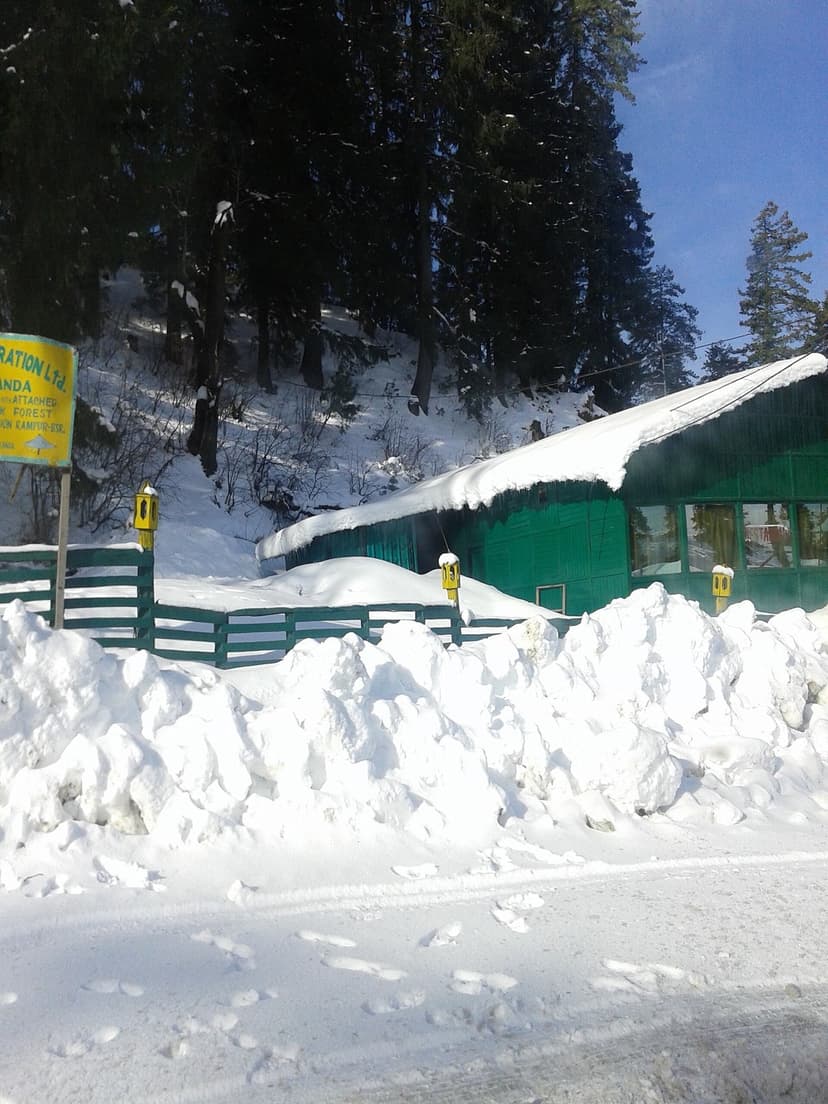
Narkanda at 2,700 metres, after a real winter dump. The HPTDC forest cabin is a useful proxy: you can read how much snow was actually here by how much the roof is carrying. Narkanda is 65 km past Shimla on NH-5 and usually carries double the snow the capital does. Photo: Wikimedia Commons, CC BY-SA 4.0.
Where snow still falls reliably: the climate-resilient destinations
When I organise Himachal's winter hubs by climate resilience—ranking them from the most durable to the most vulnerable—the map shifts significantly. This hierarchy isn't arbitrary; it relies on three specific variables: altitude (ensuring the freezing level still delivers snow by December), geography (the rain-shadow protection that buffers against monsoon intensity), and reliable winter road connectivity.
Climate resilience ranking
Resilience | Destination | Why does it hold up | What to watch |
|---|---|---|---|
Highest | Spiti Valley | Rain-shadow, high altitude (3,800 m+), arid, stable snow when it does arrive | Kunzum closes Nov-May. Access via the Atal Tunnel from the Manali side only in winter. |
Highest | Lahaul via Atal Tunnel | Rain-shadow side, year-round access since Oct 2020, lower monsoon flood risk | Avalanches Apr-May at tunnel portals. Check BRO before you drive. |
High | Upper Kinnaur (Nako, Tabo side) | 3,000 m+, rain-shadow edge, cold and stable | NH-5 landslide risk post-monsoon. Sep-Oct best window. |
Medium | Lower Kinnaur (Kalpa, Sangla, Chitkul) | Altitude helps. NH-5 is the weak point. | Road closures at Nigulsari and Wangtu during and after the monsoon. |
Medium | Tirthan, Sainj, GHNP buffer zone | Forested, moderate altitude, protected by national park status | Monsoon flooding on the Tirthan River. Trout season protections Jun-Oct. |
Low | Shimla and day-trips | 2,200 m is too low for reliable December snow anymore | Water stress in the peak tourist season. Plan around unreliability. |
Low | Manali-Kullu corridor | Monsoon floods and landslides, Rohtang instability, Beas floods | 2023 destruction is a preview, not a one-off. Avoid Jul-Aug entirely. |
Low | Kasol and Parvati Valley | Flash flood history, roads cut easily, cloudburst-prone | Do not camp by the river. Do not go in the monsoon. |
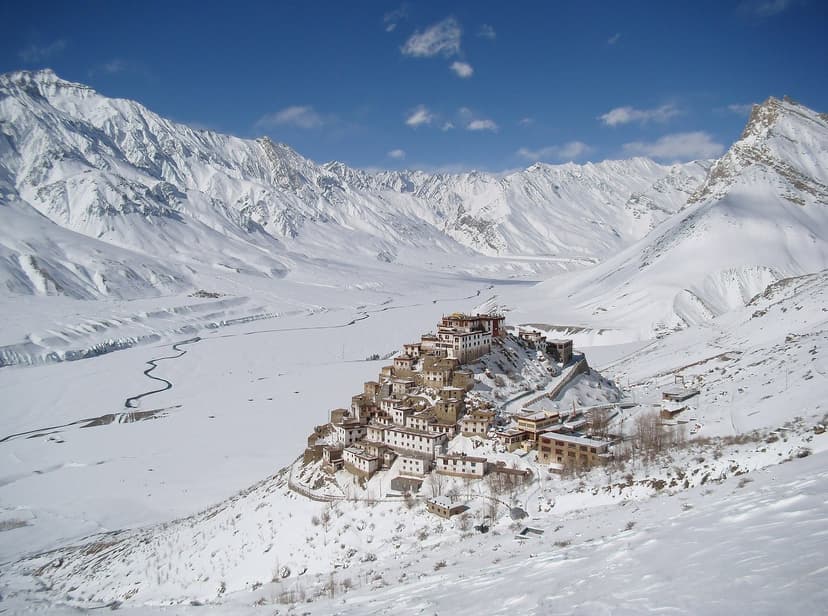
Key Monastery in the Spiti Valley, winter. Spiti sits behind the Great Himalayan range, so the monsoon never reaches it. The valley is arid and stable, and when winter snow does arrive, it stays. For travellers chasing reliability in a changing climate, this side of the range is a better bet than Shimla. Photo: Wikimedia Commons, CC BY-SA 4.0.
The pattern is obvious in the table. Altitude and rain-shadow are the two variables that matter the most. The destinations that rank highest are the ones where the Great Himalayan range itself blocks the monsoon from reaching them. That same range is what keeps winter snow on their slopes longer than it stays on Shimla's.
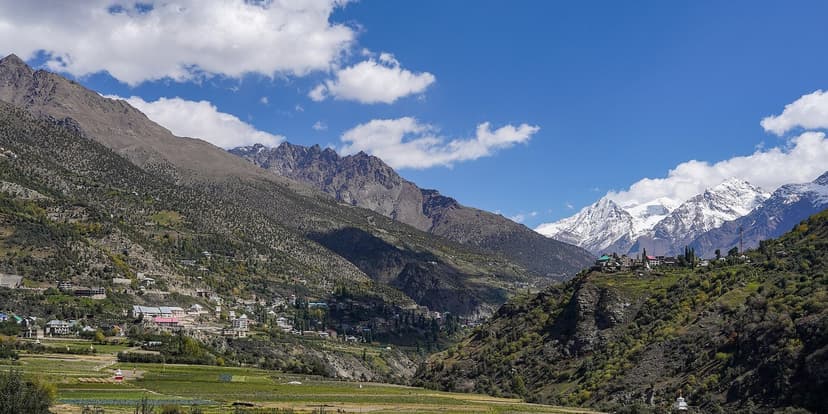
Keylong at 3,080 m, Lahaul's district HQ. Brown lower slopes in October, reliably white by late November thanks to the rain-shadow geography. The Atal Tunnel opened year-round road access below. On the altitude-resilience scale, this is where the map tips in travellers' favour. Photo: Wikimedia Commons, CC BY-SA 4.0.
Budget for a climate- an honest HP winter trip
If you are shaping a winter trip around where snow actually falls now, the numbers change a little. The Atal Tunnel corridor trips cost more than Shimla weekends. Spiti self-drive costs more than a group tour. Here is a per-day per-person budget breakdown with April 2026 rates for the three most relevant tiers.
| Category | Cost (INR) | Note |
|---|---|---|
| Narkanda day + night from Shimla | Rs 2,500 to 4,000 | HRTC bus Shimla-Narkanda Rs 155, HPTDC Hatu Rs 2,800-3,500/night, meals Rs 600 |
| Sissu 2-night via Atal Tunnel | Rs 5,500 to 8,500 | HRTC Manali-Keylong Volvo Rs 750, Zostel Sissu Rs 1,200-1,300, Forest Dept entry Rs 50 |
| Kalpa 3-night from Shimla | Rs 6,500 to 10,000 | HRTC Shimla-Reckong Peo Rs 540, Kinner Camps Rs 1,800, homestays Rs 800-1,500 |
| Spiti 5-night Kaza base | Rs 12,000 to 22,000 | Shared taxi Manali-Kaza Rs 1,500/seat, Kaza guesthouses Rs 800-1,500, Langza/Komic day-tours Rs 800 |
| Chitkul 2-night via Sangla | Rs 7,000 to 12,000 | Winter access uncertain after mid-Jan, Kagyupa Camps Rs 2,500, Thakur Niwas Rs 1,500 |
| Kinnaur + Spiti loop 8-10 nights | Rs 22,000 to 38,000 | Full Shimla-Kalpa-Nako-Tabo-Kaza-Manali circuit. My preferred winter route. |
| Total | Rs 22,000 to 38,000 for the full climate-resilient loop |
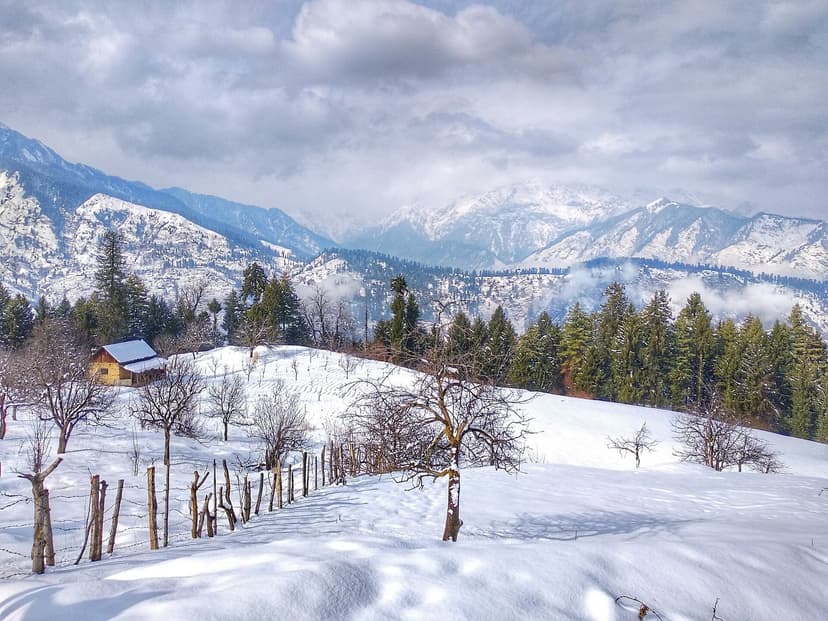
A camping slope at Kufri, 2,622 m, after a good dump. Kufri sits 400 m higher than Shimla and carries a few more weeks of snow as a result. In a bad year, it is Shimla's backup. In a good year, it is a day trip worth making on its own. Photo: Wikimedia Commons, CC BY-SA 4.0.
Where HP is changing, visualised
This is the altitude-and-resilience map. Each pin holds its elevation and a one-line note on reliability.
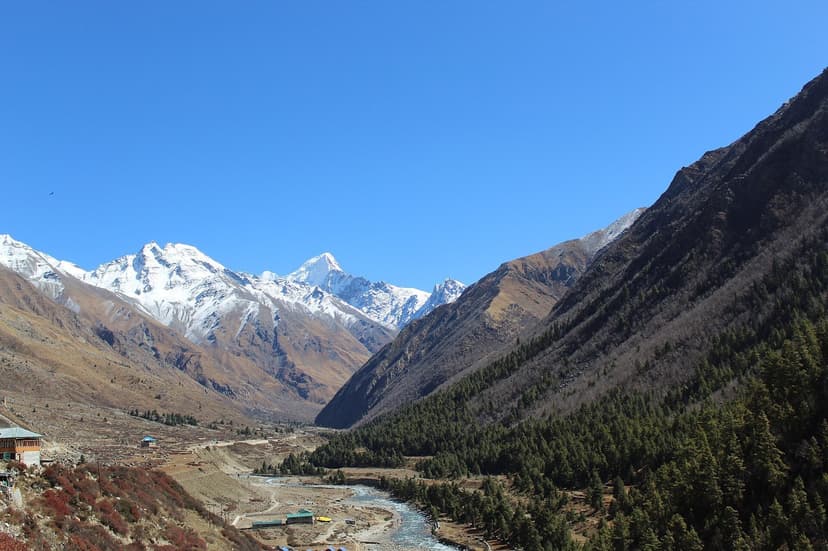
Chitkul at 3,450 m, the last village before the Tibet border. Higher altitude, reliable December snow, and the Baspa running clear beside it. Kinnaur's upper villages are closer to the weather that used to be, and one of the few places in HP where the winter calendar still roughly holds. Photo: Wikimedia Commons, CC BY-SA 4.0.
The two dates that matter in 2026
If you are flexible about when to come, two windows are worth optimising for.
Late January to mid-February. The western disturbance cycle has shifted. What used to arrive in December now arrives in mid-January, and the snow that falls then is the year's most reliable. Chitkul road usually closes by 15 January. Spiti via Kunzum is already closed. But Sissu, Keylong, Kalpa, Narkanda and Sethan are all open and carrying real snow. This is my personal recommended window now.
Mid-September to end-October. If you cannot travel in winter, this is the second window, not for snow but for stability. The monsoon has finished, roads have been repaired, the apple harvest is ending (Kinnaur peaks around 15 September), clarity is the year's best, and night skies over Spiti are as dark as anywhere in India. You will not see fresh snow at village elevation, but the high peaks above 5,000 m will have their first winter coat. Photographically, this is actually the better window than deep winter.
July and August are the months to avoid entirely unless you are specifically going to Spiti or Lahaul through the Atal Tunnel. Those two are rain-shadow areas; they are the exception. For everywhere else, monsoon risk is now at a level I would not recommend to anyone.
What I would not do in a snow-drought year. Do not book a Shimla-only December trip expecting snow. Do not camp by a Himachal river in monsoon, anywhere, ever. Do not drive through the Rohtang La old road in winter; use the Atal Tunnel. Do not chase Chandratal after Kunzum closes (Oct-end to May). Do not rely on "somewhere near Manali" logic. Go above 2,700 m or move your dates.
What a responsible winter trip actually looks like
I run small-group experiences for Refuje from Telangi near Kalpa, and I have written long sections elsewhere on what makes a "good" trip in this state. For a climate-honest winter trip, the principles are simpler than people assume.
Choose climate-resilient destinations first. Spiti, Lahaul via Atal Tunnel, Upper Kinnaur, and the higher villages of the apple belt. These are the places where your visit will not be cancelled by weather and where your rupees land with families who have the longest history here.
Go in the shoulder seasons when you can. Late September, October, late January, and February. Peak-season water consumption in Shimla and Manali is one of the top three reasons urban HP is now water-stressed. You pushing your dates is the easiest, cheapest thing you can do.
Stay in homestays over chain hotels. In Kalpa, Sangla, Chitkul, Nako, Kaza, Langza, Sissu, Keylong. The tourism rupee in a homestay stays local. In a chain hotel, it leaves the state by Monday morning.
Do not camp by the rivers. The 2023 Beas floods should have ended this debate, but I still see commercial camps being rebuilt in the same floodplains. If an operator offers you a "tent by the river" package, assume they have not updated their risk model since 2022 and walk away.
Reduce waste. Bring a sturdy water bottle and refuse single-use plastic. Kinnaur does not have a waste management system that can absorb 18 million visitors a year.
Honest Refuje note. Our experiences are built around the climate-resilient destinations on the map above. The Kinnaur winter loop, the Lahaul via Atal Tunnel weekend, and the Spiti January circuit are three we run directly. If you want the version that your rupees support families on these slopes, email us at hello@refuje.com with your dates.
Eight common questions, answered honestly
Why is there less snowfall in Himachal Pradesh?
Human-driven warming is heating the Himalayas faster than the global average. Snowfall in the north-western Himalayas has declined 25 percent in the last 5 years against the 40-year 1980-2020 baseline, according to the IIRS/ISRO assessment. December 2025 recorded a 99 percent precipitation deficit statewide (IMD/IIRS). At lower altitudes like Shimla (2,200 m), precipitation that used to fall as snow now falls as rain because the freezing level has risen.
Will there be snow in Shimla in December 2026?
Honest answer: possible, not reliable. Shimla at 2,200 m is now too low for dependable December snow. December 2025 was 99 percent below normal. If you want snow, either shift your trip to late January or February, or go 500 metres higher to Narkanda (2,700 m), Kufri (2,622 m), Sethan (2,700 m) or Sissu (3,120 m via Atal Tunnel). I would not book a December Shimla trip around snow expectations.
Where can I see guaranteed snow in Himachal Pradesh?
Above 3,000 m is where reliability becomes almost guaranteed in mid-winter. My top picks for accessible guaranteed snow are Sissu (3,120 m via Atal Tunnel from Manali), Keylong (3,080 m), Kalpa (2,960 m), Chitkul (3,450 m until mid-Jan road closure) and Narkanda (2,700 m). Visit late January through February rather than early December.
What exactly is a snow drought?
Snow drought is a prolonged period when snowfall is significantly below the long-term normal. The Hindu Kush-Himalaya region hit a 23-year low in snow persistence in 2025, with the 2024-25 winter season recording 23.6 percent below normal persistence. For Himachal specifically, November 2025 was the driest November since 1901 (95 percent rain deficit), and December 2025 followed with a 99 percent snow deficit. This impacts water supply, apple production, glacier mass balance, hydropower and tourism.
How does climate change affect HP tourism?
Four ways. One, less reliable snow disappoints winter tourists who booked for December. Two, more intense monsoons increase flash-flood and landslide risk during July-August (ORF counted 47 cloudbursts, 98 flash floods, 148 landslides in HP during 2025 alone). Three, water stress in Shimla, Manali and other popular towns, driven by 18 million annual visitors on an already-strained supply. Four, the shoulder-season window is widening: October and early November are getting warmer and longer, which is actually good for travellers who move their dates.
Are Himalayan glaciers retreating in Himachal?
Yes. ScienceDirect 2025 tracked HP losing 97.59 square kilometres of glacier area between 2000 and 2020 in the Satluj basin alone. More than 80 percent of glaciers in this basin are in retreat. Chhota Shigri glacier, Indias benchmark site for mass-balance studies (monitored by JNU since 2002), has lost mass in every measured year. Bara Shigri, HPs largest glacier at 27 km long, is similarly retreating. This affects river flow, irrigation, hydropower and downstream agriculture.
Is it safe to visit HP during monsoon (July-September)?
Mostly no, with two exceptions. Landslides, flash floods, road closures and cloudbursts are now routine across Kullu-Manali-Kasol-Dharamshala. One traveller documented a 52-hour Delhi-Manali drive in August 2023 after the Beas floods. The exceptions are Spiti (rain-shadow, monsoon does not reach it) and Lahaul accessed through the Atal Tunnel (also rain-shadow). For everywhere else, I would push my dates to late September or October.
Why have snow leopards increased in HP while everything else is getting worse?
The 2025 HP Forest Department census recorded 83 snow leopards against 51 in 2021, a 62 percent increase in four years. This is partly better surveying methodology (more camera traps across more terrain), and partly a genuine upward shift in population range as the cats move to higher altitudes following their prey (blue sheep and ibex) also moving uphill. Highest densities are Spiti, Pin Valley, Upper Kinnaur and Tabo. The increase does not mean climate impact is reversing, it means the impact is pushing the ecosystem vertical.
What can travellers actually do about climate change in HP?
Five concrete things. One, choose climate-resilient destinations (Spiti, Lahaul via Atal Tunnel, high Kinnaur) over flood-prone corridors. Two, travel in shoulder seasons to reduce peak-season water stress. Three, stay in homestays and local guesthouses rather than chain hotels. Four, refuse single-use plastic and carry a refillable bottle. Five, do not camp by rivers during monsoon and do not book operators who still do. The rupee you spend is the policy lever you most directly control.
Is it worth coming to Himachal at all if the climate is this unpredictable?
Yes. The state is changing, it is not gone. Spiti, Lahaul and Upper Kinnaur are more reliable than they have ever been thanks to the Atal Tunnel. Apple valleys still flower, monasteries still function, old stone villages still stand. What has changed is that you need to pick your destination and your season more carefully than you used to. Treat that as part of the trip, not an obstacle to it. The people living here have already made that adjustment. It is fair to ask visitors to make it too.
One last thing, about the apple belt
The orchards around Kalpa, Ribba, and Nichar are slowly shifting. According to Kisan India and HP Horticulture Department data, growers are replacing Red Delicious, Royal, and Golden with lower-chill varieties like Gala, King Rot Spur, and Red Velox, which can set fruit in 700 to 900 hours instead of the 1,200 that Red Delicious demands. The apple belt is moving uphill, slowly, one varietal decision at a time, one replanted row at a time.
This is the climate-honest reality of Himachal's current trajectory—falling between catastrophic despair and dismissive optimism. Our state is in the midst of an active transition, mirroring how we in Kinnaur have survived five centuries of shifts: by observing the environment with precision and preparing for what comes next. If you choose to visit, do so at the correct elevation, during the resilient windows, and with a clear understanding of these ecological changes. The Kinner Kailash still carries its white mantle through February, and our orchards still deliver their harvest in September. While our glaciers are undeniably receding, the rivers continue their flow. This landscape may not remain unchanged indefinitely, but its current beauty remains a vital, witnessable truth.
Contact: hello@refuje.com. Ask for the climate-resilient HP winter circuit, the Kinnaur Atlas our team is building, or a Kalpa-based work week in apple season. The team answers its own email.
About Ajay Negi
Ajay Negi is a co-founder of Refuje and a Kinnauri native. He grew up in the Sutlej corridor and writes about Kinnaur, Spiti from the east, and how winters in these mountains are actually changing.
You Might Also Like
Volunteering in Himachal Pradesh: 12 Organisations and How to Apply (2026)
Teach English in McLeod Ganj, conserve the Great Himalayan National Park, build with earth in Bir, or harvest apples in Kullu. Twelve real HP volunteer organisations with honest costs, the visa rule that gets foreigners deported, and how to apply.
How to Travel Himachal Without Wrecking It: A Quiet-Travel Manual
A non-preachy field manual for responsible travel in Himachal, by a Kullu local: how to behave, when to go, where to go instead, and the 2026 rules and bans that actually matter.
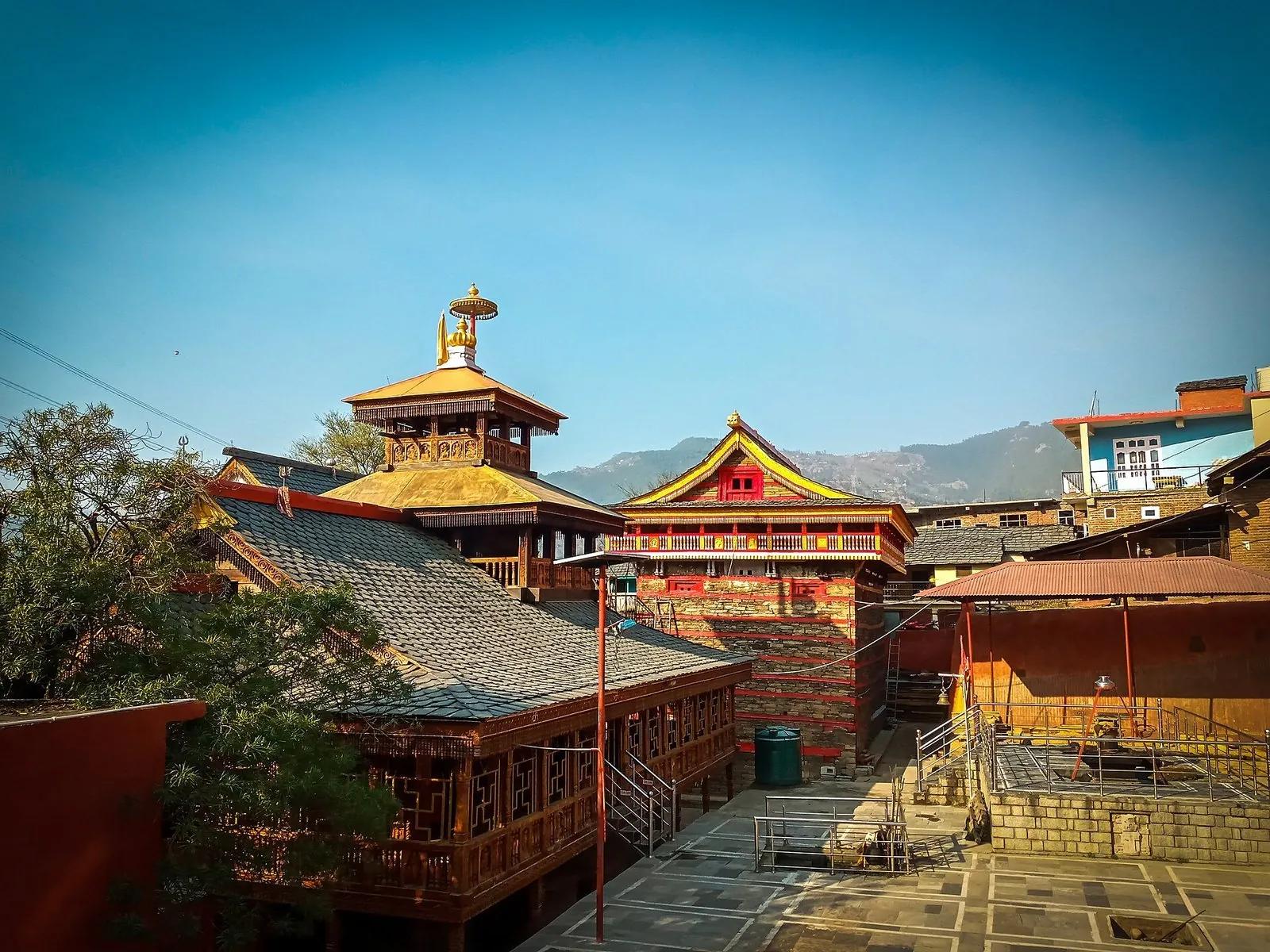
Mamleshwar Mahadev: The Eternal Flame Temple of Karsog
An eternal fire, a fist-sized wheat grain and a six-foot drum, kept in a mortar-less timber temple in the quiet Karsog valley. The honest story of Mamleshwar Mahadev: what is real, what is faith, and how to go.