
Winter Packing for Himachal Pradesh: The 3-Layer System (2026)
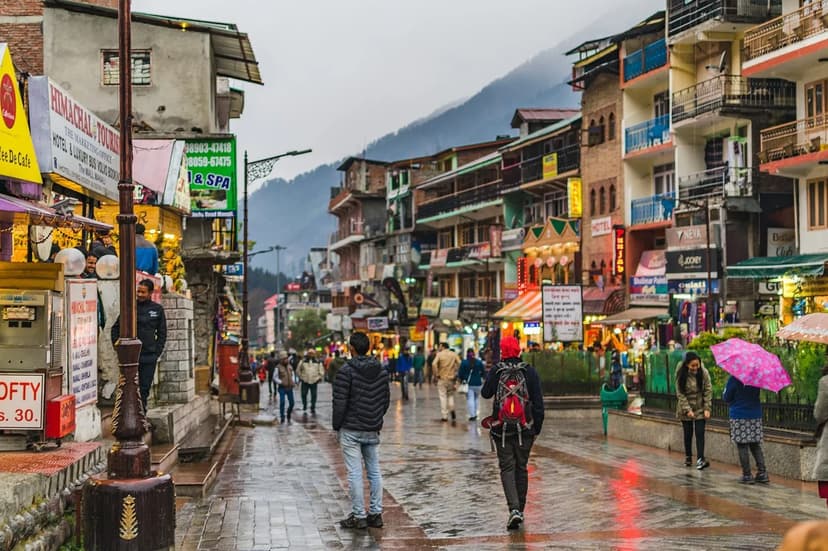
Every December a version of this scene plays out on Mall Road in Manali. A traveller arrives off the overnight bus from Delhi in a leather jacket they bought for the trip. By the time they have walked from the bus stand to a hotel, it has started to sleet. By evening the jacket is heavy, stiff, soaked through, and useless. They are in a roadside shop buying a polyester puffer for two thousand rupees because the eight thousand they spent in Karol Bagh has been ruined in an afternoon.
I am from Kullu, an hour south of Mall Road. I have watched this happen across more winters than I want to count. The pattern is so consistent that on r/HimachalPradesh, the strongest single piece of consensus I have ever read on any thread is this: do not bring a leather jacket to Himachal in winter. Not in a "consider not bringing" tone. Direct. Repeated. Unanimous.
This guide exists because the system that actually works in our cold is simple, cheap, and almost the opposite of what most travellers from the plains pack. It is the three-layer system, and once you have used it through one Himachal winter you will never go back.
Quick answer (May 2026). Wear a three-layer system: thermal base (Decathlon Quechua Trek 100, around Rs 800-1,200 a set), a fleece mid-layer (Decathlon MH120, Rs 800-1,200), a synthetic padded outer rated to at least -5 C (Decathlon Quechua MT100, around Rs 3,000). Add a woollen cap that covers the ears, three to four pairs of wool socks, waterproof shoes with grip, SPF 50, and proper sunglasses. Do not pack a leather jacket. Do not pack cotton socks. The only Decathlon physical store in HP is in Solan; everything else ships from decathlon.in. Snow gear rents in Palchan and at Manali Main Chowk for Rs 200-250 a day.
Why the leather jacket fails (and what the snow actually does to it)
Leather is not waterproof. It absorbs water, gets heavy, gets stiff, and once it has dried out in the cold it cracks. The salt mixed into snow on the higher roads accelerates this. A weekend in Manali or Sissu is enough to take a new jacket from Karol Bagh to unwearable.
On the canonical Reddit thread on what to wear in sub-zero Manali, u/PuchooHimachali put it cleanly: "Nothing beats a down jacket if you have one or can get a genuine one which is water and windproof at the same time. Fleece is fine but can get wet in rain and snow, hence would suggest something with a shell over it." u/ramseydotraw added the one-line version that everyone on the thread agreed with: "Just wear a -10 degrees jacket. The one that is made for trekking and hiking, available in Decathlon. I know it will look a bit weird but that thing is most helpful." Nobody on the thread argued for leather, ever. (Permalinks at the end of this guide, for anyone who wants to read the full thread.)
The other failure mode of one big jacket, leather or otherwise, is that it gives you a single setting. You are either too hot (sweating inside, which makes you cold the moment you stop walking) or too cold (the jacket is not enough on its own). Three layers give you a dial. Walking briskly up a road behind your hotel in afternoon sun, you can pull off the mid-layer. A cloud crosses the Dhauladhar and the temperature drops six degrees in ten minutes, you put it back on. The system adapts to the wild swing inside one day in our hills. A single heavy jacket cannot.
The three layers, named
This is the architecture every Himachali I know uses, every trek leader at India Hikes recommends, every climber on the Dhauladhar uses, and every Decathlon employee at the Solan store will walk you through. There is no debate about the structure. The debate is only about which specific products go in which slot.
Layer 1: the base layer (it manages moisture, not temperature)
The base layer sits against your skin. Its job is to pull sweat off your body and let it evaporate. If sweat sits against your skin in cold air, the skin loses heat fast and the chill comes from the inside out. India Hikes calls this the leading cause of hypothermic incidents on Indian winter treks. Cotton is the worst material here. Cotton absorbs water, holds it, refuses to dry, and turns into a clammy second skin once you stop walking. Use synthetic polyester or merino wool only.
The Decathlon Quechua Trek 100 thermal set (top plus bottom) costs about Rs 800-1,200 and is what most people in our valleys end up in. The Wedze BL 100 ski base layer is a step warmer for Spiti and high passes, around Rs 700-1,200 per piece. Local synthetic thermals from any Manali or Shimla market are functional at Rs 400-600 if you are doing one trip and do not want to invest. Carry two sets if your trip is short, three if you are out more than four days, because one will always be drying.
u/Melkor_Elder-King on r/HimachalPradesh broke the system down in the cleanest one-comment summary I have seen: "1 base layer, thermals upper and lower. 2 middle, fleece upper. No middle layer for lowers. 3 outer layer, a padded jacket. Recommend Decathlon, minus ten degrees." That is exactly the spec, and it works.
Layer 2: the mid-layer (this is where your warmth actually lives)
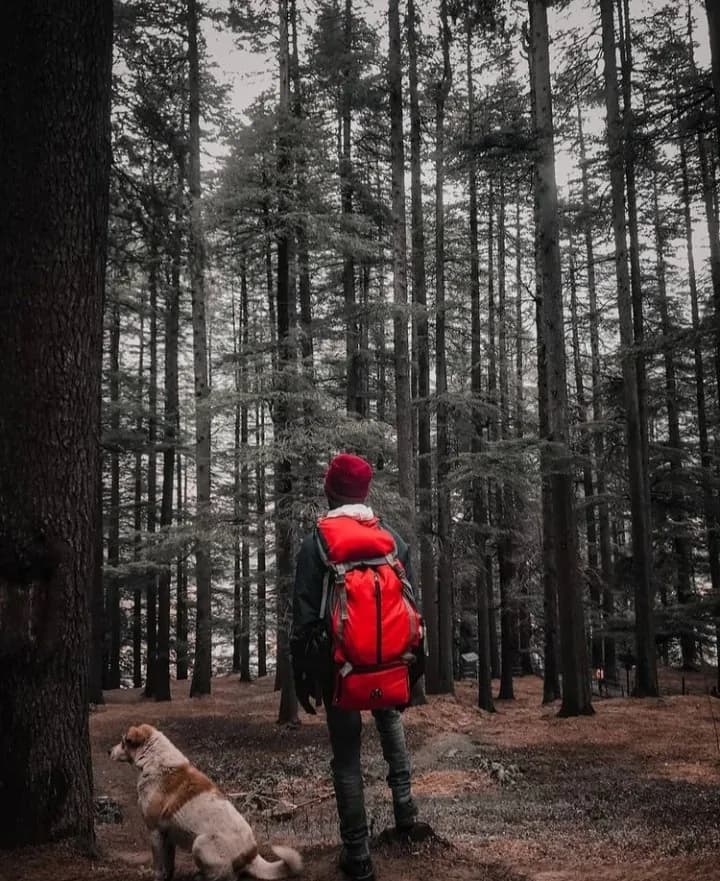
The mid-layer's job is to trap warm air between you and the world. Fleece does this with synthetic loft. Wool does it the old way. Down does it best by weight, but only as long as it stays dry. The Decathlon Quechua MH120 fleece, around Rs 800-1,200, is the budget anchor. The Forclaz Trek 100 at Rs 1,000-1,500 is a touch warmer with a proper full zip. For Spiti or any night camping above 3,000 m you want a down vest or a thin down jacket on top of the fleece, around Rs 2,000-3,500, because the night-to-morning swing breaks anything thinner.
Local advice cuts through a lot of overthinking on this layer. An anonymous Himachali on the same thread wrote: "I'm from Himachal and would recommend to buy nothing specifically. Carry a jacket or coat, boots and thermals. You're good to go. It's not that cold." For 80% of HP winter travel, between Shimla and the Manali side of Atal Tunnel, a single fleece is the entire mid-layer answer. Travellers who arrive with a packed bag of mid-layers usually wear one and watch the other three sit in the room.
Tibetan markets in Manali, McLeod Ganj and Dharamkot sell thick wool sweaters for Rs 500-1,500 that are as warm as anything Decathlon makes, and they look better in photos. The compromise is weight; a wool sweater is double the weight of a fleece of equivalent warmth, which matters if you are carrying a backpack up an icy path.
Layer 3: the shell (this is what fights the weather)
The outer shell blocks wind and water. The two together are what take a -5 C night from "uncomfortable" to "not a problem." For Himachal, the shell needs to be rated to at least -5 C, with windproof and water-repellent fabric (DWR coating is the spec). Decathlon's Quechua MT100 at around Rs 3,000 is the value choice and the one India Hikes' own trek-leader gear guide recommends. The Trek 500 at Rs 5,500 is the next tier; rated to -10 C, suitable for Spiti winter and the Pin Valley side. The MT100 Down at Rs 4,500 is a high-loft alternative if you are travelling for several weeks and want compression for transit days. Skip the MT 50; it is rated to 0 C only and will be the wrong answer the first night Manali drops below freezing.
One thing to know about all padded jackets, including the MT100 and Trek 500: they are insulating layers, not rain jackets. They will resist a snow flurry and a brief shower, then they will get wet and start to lose their loft. If you are spending a week somewhere with sustained snow or sleet, layer a cheap waterproof shell over the padded jacket. The India Hikes blog flags this clearly in their Decathlon write-up; it is the spec people most often miss.
Which Decathlon outer jacket fits which trip
| Jacket | Spec and price | Trip it fits |
|---|---|---|
| Quechua MT100 padded | Around Rs 3,000. Rated below 0 C. India Hikes pick. Best value. | Manali, Sissu, Sethan, Narkanda, Kalpa. Not enough for Kaza in January. |
| Quechua Trek 500 padded | Around Rs 5,500. Rated to -10 C. Heavier loft. | Spiti, Pin Valley, Chandratal approach, deep Kinnaur winter. |
| Quechua MT100 Down | Around Rs 4,500. High fill, compacts small. | Long trips where pack space matters. Same temperature band as MT100 padded. |
| Quechua MT 50 padded | Around Rs 2,000. Rated to 0 C only. | Avoid. Not enough for any HP night below 2,500 m in December-February. |
The accessories nobody packs and everyone regrets
Jackets get all the attention; the things that actually ruin a winter trip are colder ears, colder hands, colder feet, and burnt eyes. Get these right and the rest is forgiving.
Footwear: this is where most trips fail
Smooth-soled shoes on wet stone or packed snow are a fall waiting to happen. You want waterproof boots or trekking shoes with deep, aggressive tread. Decathlon's Quechua SH100 insulated waterproof boots at Rs 2,500-3,500 are the budget anchor most Himachalis I know use for winter walking. For anything beyond casual snow play, the new Forclaz MT500 or SH900 are worth the upgrade if you can stretch the budget.
If you are coming for one trip and do not want to buy snow boots, rent them. Palchan village on the road to Solang, the Manali Main Chowk shops, and the cluster just before the Atal Tunnel south portal all rent full snow suits with overalls, gloves and boots for Rs 200-250 a day. Multiple sources from Vyas Adventures to Clifftop Journeys confirm this price band for the 2026 winter season. Inspect the gear before you pay. Quality varies. Boots that have been on twenty pairs of feet that week may not seal at the seams.
From r/SoloTravel_India on the same shoe question, u/ExaltFibs24 wrote: "I bought Terrex AX4 online, the best hiking shoes I ever owned. If you are looking for budget options, visit decathlon and try out their shoes." And u/Different_Brief8055, more terse: "Check Wildcraft Terralite." Both are real options if Decathlon stock is out.
Head, neck, hands
A woollen cap or beanie that covers your ears is the single highest-payoff accessory in the kit. Ears go from cold to painful to numb faster than any other part of the body, and the heat loss through an uncovered head is real. Rs 100-300 at any market stall in Manali, Shimla or Dharamkot will buy you one that lasts the trip. u/Arjun_Pandit on the clothes-recommendation thread put it as plainly as it can be put: "Definitely heavy woolens and a good wind cheater. Also a good pair of trekking shoes if u can. Feet are the first thing that gets cold esp in snow (Rohtang) so they will come in handy. Also a woolen fleece cap which will cover your ears too."
A muffler or neck gaiter (a buff is more flexible) handles the cold air that gets in around the collar. Rs 100-200, also from a market. For Spiti or high passes above 4,000 m, a balaclava covers the rest of the face for the wind; Rs 200-400.
For gloves, fleece-lined ones at Rs 500-800 from Decathlon or any local shop are the working answer. If you plan to use your phone for photos without taking the gloves off, get the touchscreen-compatible ones; otherwise you will be peeling them off in the cold every ninety seconds and that is how cold hands turn into miserable ones. For Spiti and the Chandratal route, waterproof ski gloves at Rs 1,000-2,000 are worth the upgrade.
Socks: this is the most underrated item in the kit
The rule from every Himachali I know and every Reddit thread on winter HP that I have read: extra socks beat extra sweaters. Cold feet end a trip faster than a cold torso. Three to four pairs of wool or fleece-lined socks (never cotton), a Decathlon two-pack at Rs 300-500 or local wool at Rs 100-200 a pair, is the minimum. Keep an extra pair in a zip-lock bag in your daypack. If your feet get wet in snow, change socks immediately. The change is the trip-saver.
Two things almost no guide mentions, and both will catch you
Snow blindness is the first. The medical name is photokeratitis, and it is a sunburn of the cornea from UV light reflected off snow. Symptoms are delayed; the pain, light sensitivity and watering eyes hit six to twelve hours after exposure, so you usually realise it that night, in the hotel, far from a doctor. At altitude in HP, UV climbs roughly 10-12% per 1,000 m of elevation gain, and snow reflects up to 80% of UV back at the face. You are being hit from above and below at the same time. Polarised UV400 sunglasses are enough for Shimla, Manali and Dharamshala. For Spiti, the Chandratal track or any extended snow walking, side-shielded snow goggles are the right answer.
The second is sunscreen, in winter, at altitude. SPF 50 or higher, reapplied every two to three hours on the face, neck, ears and under the chin (the chin is from the reflected light off snow, which catches people by surprise). The sunburn travellers get in HP in January is the kind that produces peeling for a week and they have no idea where it came from.
The power bank problem (and why your phone will die at noon)
Lithium-ion batteries depend on ion movement that slows in the cold. At 0 C, your phone's effective capacity drops 20-40% temporarily. At Spiti night temperatures, batteries can simply shut off mid-shot, then come back to life when you warm them in an inner pocket. This is not a phone fault. It is chemistry.
Cold-battery survival kit. Carry a 20,000 mAh power bank, two of them for Spiti or any multi-day off-grid drive. Keep both the bank and the phone in an inner jacket pocket, against your body. Start every day from a full charge; do not trust 60% to last. Take photos in bursts, then pocket the phone. Do not charge a cold phone, let it come to room temperature first, because charging a cold lithium cell can permanently damage it. A wool sock works as an improvised insulator for the power bank in your daypack.
The altitude tier you are actually travelling to
This is where every other packing guide fails by treating "Himachal winter" as one condition. The difference between Shimla at 2,200 m and Kaza at 3,650 m is the difference between a -5 C jacket being plenty and a -5 C jacket being dangerous. Here is the calibration I use when friends ask.
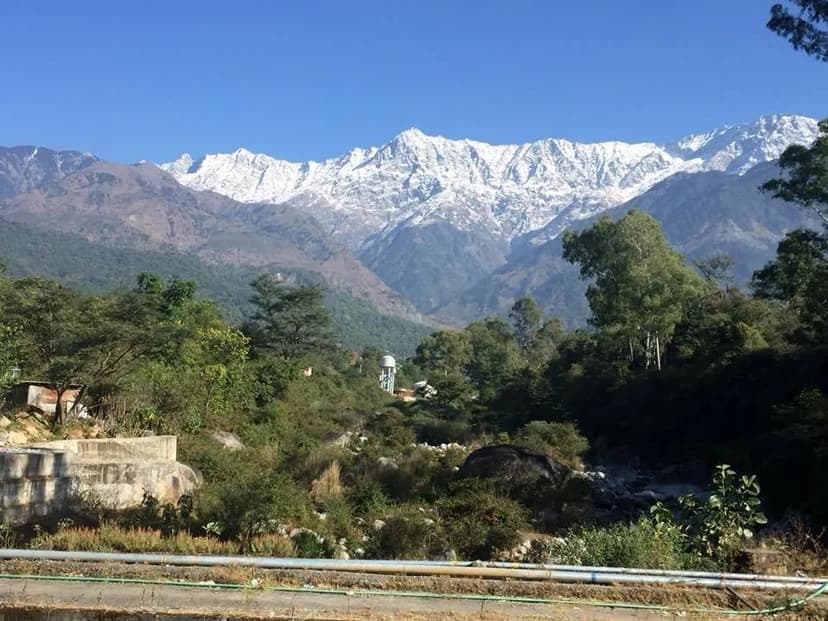
The three winter altitude tiers in Himachal
- Tier 1: 2,000-2,500 m. Shimla, Dharamshala, McLeod Ganj, Dalhousie, Palampur. Day 5-12 C, night 0-5 C. Snow possible, not guaranteed.
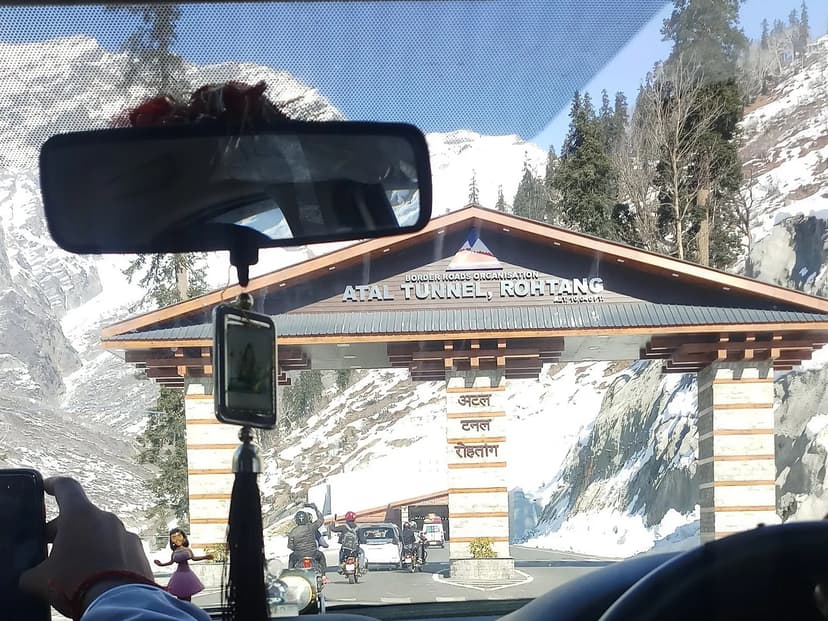
- Tier 2: 2,500-3,500 m. Manali, Solang, Sethan, Kalpa, Narkanda, Kufri, Sissu (via Atal Tunnel). Day 0-8 C, night -5 to -10 C. Snow very likely December-February.
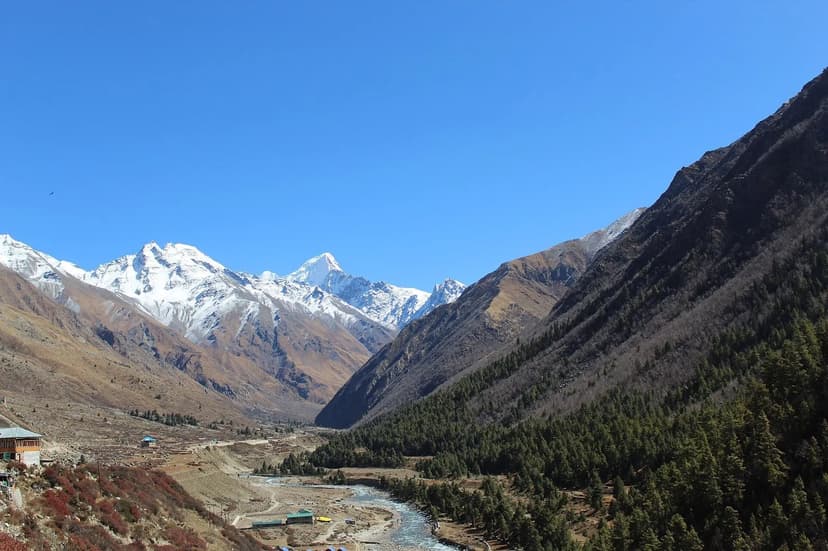
- Tier 3: 3,500-4,500 m and above. Spiti (Kaza, Tabo, Dhankar), Chandratal approach, high passes, deep Chitkul. Day -5 to 0 C, night -15 to -25 C. Persistent snow, ice and high winds.
Tier 1: Shimla, Dharamshala, McLeod Ganj, Dalhousie, Palampur
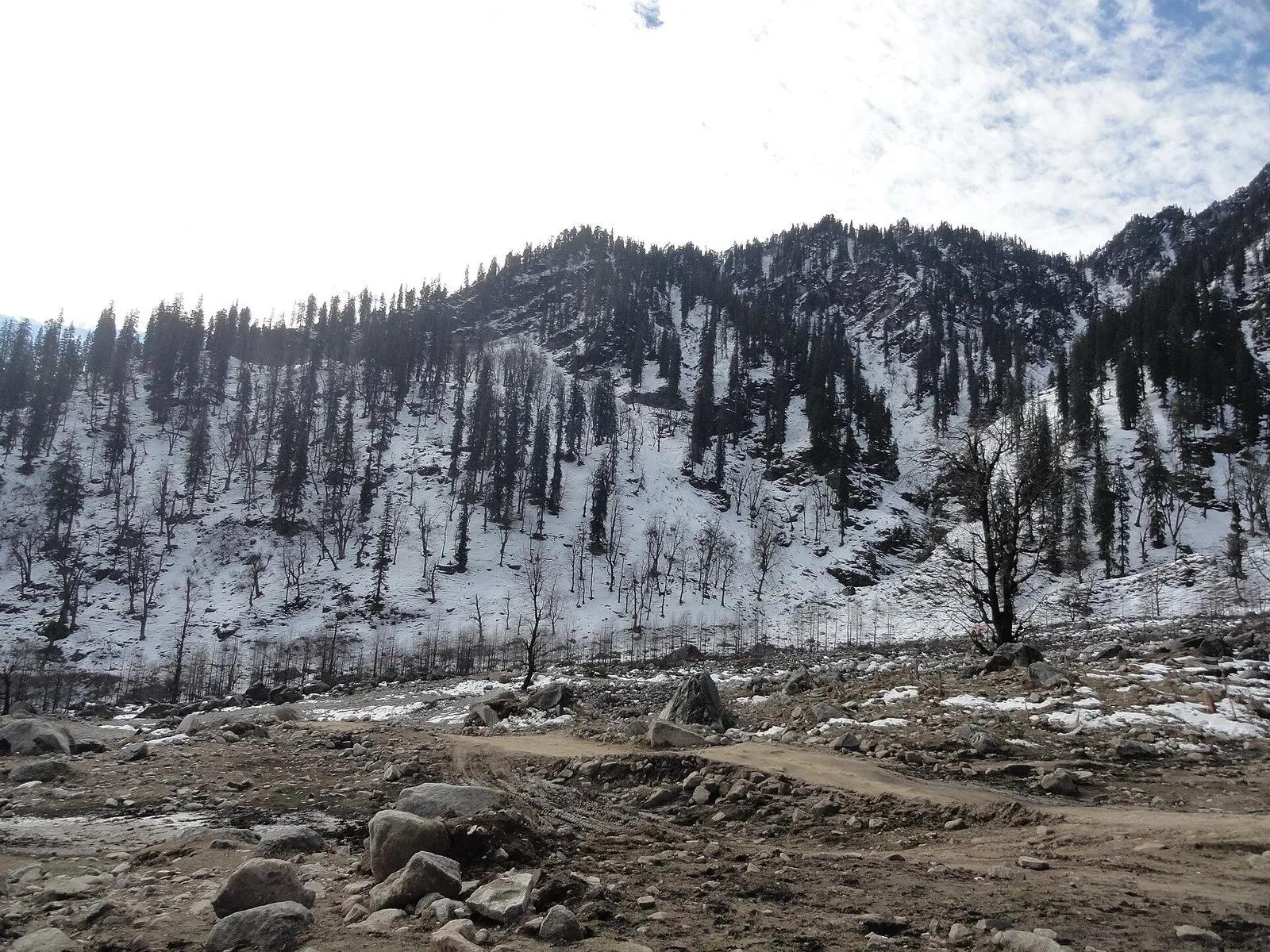
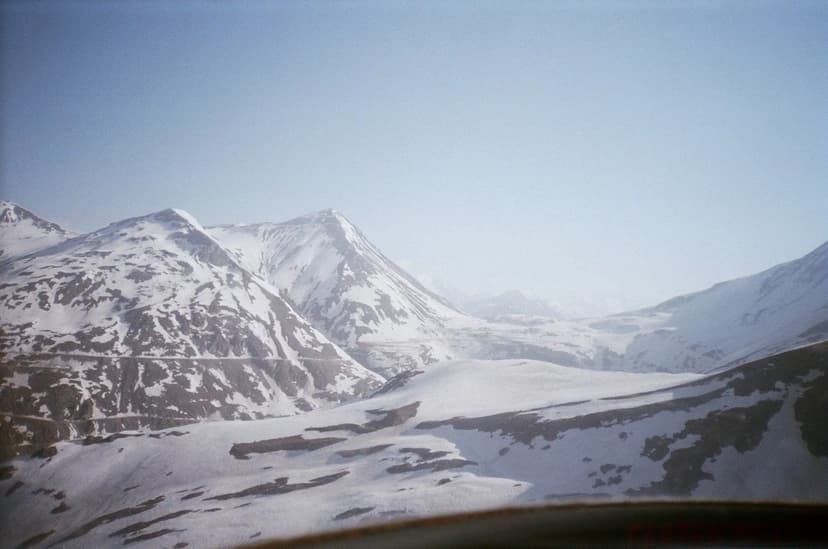
This is the band where the standard three-layer system is genuinely enough, and where many travellers actually over-pack. A thermal base set, one fleece, a padded jacket rated to 0 C or -5 C, waterproof trekking shoes (snow boots optional and often overkill), a wool cap, gloves, two or three pairs of wool socks. Sunscreen and sunglasses are sensible but not critical at this altitude unless there is snow on the ground. The reality on this band is the one in the Dhauladhar shot above: peaks in snow, town in the 5-10 C band, a single fleece often handles the day. If it snows it is usually light, melts within a day, and the boots stay in the room.
Tier 2: Manali, Solang, Sethan, Kalpa, Narkanda, Kufri, Sissu
This is where the system starts being load-bearing. The outer jacket must be -5 C rated minimum (MT100 floor, Trek 500 preferred). Snow boots become essential, not optional; the morning ice on hotel paths in Old Manali catches more travellers than any other surface. Add a second mid-layer for evening, either a thin down vest or a doubled fleece. Lip balm becomes a need not a want; the dryness at this band cracks lips inside two days. Power bank management starts mattering because nights drop devices. Sunscreen and sunglasses are mandatory.
For this band, renting in Manali makes economic sense if it is a one-time trip. A full snow suit with boots for Rs 200-250 a day from Palchan, Main Chowk or the Atal Tunnel approach saves you from buying gear you may not use again. Buy your thermals and your fleece, because those are personal and need to fit; rent the outer shell and the boots. This hybrid approach is the one Reddit converges on every time the question is asked.
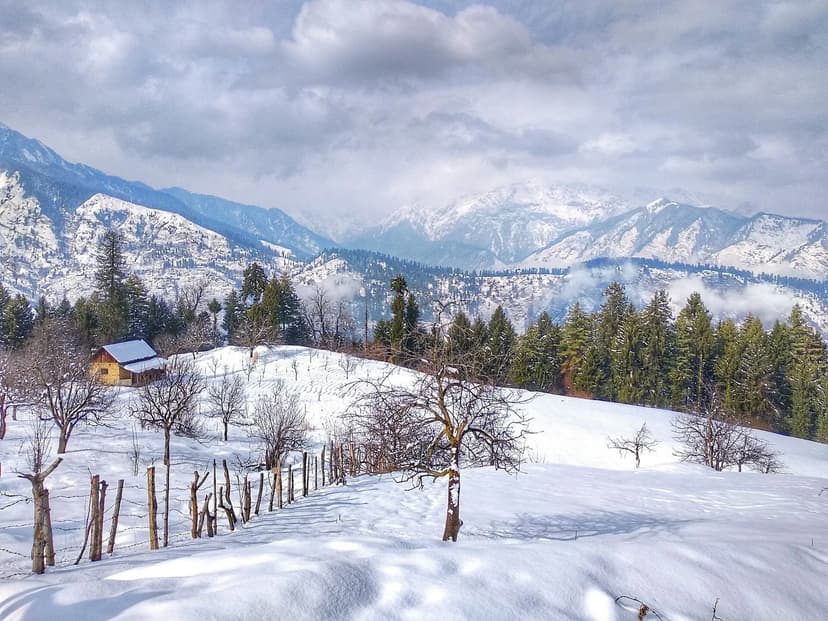
Tier 3: Spiti, Chandratal track, high passes, deep Chitkul
This is not a casual tourist tier. Roads close. Medical help is hours away. Spiti night temperatures are genuinely dangerous to someone wearing the wrong thing. The outer jacket needs to be -10 C rated minimum (Trek 500 or MT500 Down at Rs 5,500-6,000). The base layer steps up to mid or heavyweight thermals (the Wedze BL 580 ski base, around Rs 1,500-2,000 per piece). You may need either three layers of insulation or a swap to a down jacket plus an insulated shell. Add a balaclava, waterproof ski gloves, snow goggles with side shields, hand warmers (chemical heat packs, Rs 50-100 each at Decathlon Solan or online), a liner sock under your wool sock, and a thermos for hot water because there are no chai stalls between Losar and Kaza in January. Two power banks, not one. Diamox in the kit if you are going above 3,500 m for more than a day; consult a doctor first.
The honest truth on Tier 3 in deep winter is that it is preparation, not shopping. A poorly-fitted Rs 6,000 jacket from a hurried purchase will not save you. A well-rehearsed Rs 3,000 system will. Spiti in January is what every gram of the kit is for.
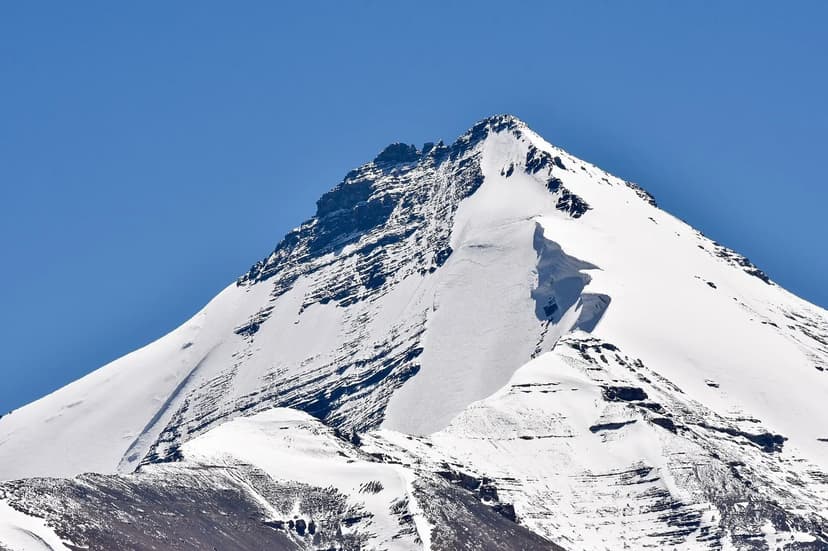
The full winter kit under Rs 5,000
The single most common message I read from first-time winter travellers is the one from r/shimla: "Hesitant to spend Rs 4K on a winter jacket." The good news is you do not need to. Here is the floor-spec kit that has worked for every traveller I have sent up the valley, all from Decathlon online or local markets.
Floor-spec Himachal winter kit (Rs 4,700-6,700 total)
| Item | Source | Cost (INR) |
|---|---|---|
| Thermal top + bottom (1 set) | Decathlon Quechua Trek 100 | 800-1,200 |
| Fleece jacket | Decathlon MH120 | 800-1,200 |
| Padded jacket (outer) | Decathlon MT100 | 2,500-3,000 |
| Wool cap, ear-covering | Local market, Manali or Shimla | 100-200 |
| Muffler or neck gaiter | Local market | 100-200 |
| Gloves | Local market or Decathlon fleece-lined | 200-500 |
| Wool socks, 2-3 pairs | Decathlon or local wool | 200-400 |
That comes to Rs 4,700-6,700 for the complete kit, the core three layers landing at Rs 4,100-5,400 and accessories adding Rs 600-1,300. To push below Rs 4,500 total, skip Decathlon for the mid-layer and buy a thick wool sweater from a Tibetan stall in Manali or McLeod Ganj for Rs 300-800. The look is more Pahari and less Instagram, and the warmth is identical.
On the "Decathlon stores in HP" myth. A lot of older blogs still claim there are sixteen Decathlon stores across Himachal Pradesh. There is one. The Decathlon at G Square Mall on Rajgarh Road in Solan, the only physical Decathlon in the state as of June 2026 per Decathlon India's own store locator. Everything else ships from decathlon.in to your hotel in two to three days. If you forget something you can either order it ahead to the hotel address or buy a serviceable equivalent from a local market on arrival. Do not detour to "the Decathlon in Manali"; it does not exist.
Rent or buy: the decision framework
The rule that holds across every winter I have watched: rent the outer gear if it is a one-time trip, buy the base and mid if you are going to come back. The base layer and the fleece are personal items that need to fit and that sit close to your skin; you do not want a stranger's last seven trips on them. The outer shell and the snow boots are the bulky, expensive items, and the rental market for them in Manali is solid.
Rent, buy, or both
| Approach | Best for | Specifics |
|---|---|---|
| Rent the kit | One-time trip. 1-3 day snow plan. Tight budget. Tier 2 maximum. | Rs 200-500 a day from Palchan, Main Chowk Manali, Atal Tunnel approach. Inspect at pickup. |
| Buy the kit | Repeat traveller. 4+ days in snow. Want fit. Going above 3,500 m. | Decathlon online or Solan. Budget Rs 4,700-6,700 for full kit; under Rs 4,500 with a local sweater. |
| Hybrid (recommended) | Buy thermals + fleece. Rent the outer shell and boots. | This is what most Reddit voices end up converging on. Personal stays personal, expensive stays rented. |
What not to bring
Leather jacket. Already covered. Do not.
Cotton socks. The same moisture trap as the cotton base layer, except now your feet are the part of you that cannot dry while you walk. Wool or synthetic only. Cold wet feet in snow turn into blisters in hours and worse in days.
Cotton base layers. Cotton T-shirts and underwear under a jacket make you colder, not warmer, the moment you stop walking. Synthetic or merino wool only against the skin.
Too many clothes. First-time travellers pack seven outfits for a five-day Manali trip. The three-layer system needs two or three base sets, one or two mid-layers, one outer. You wear the same thing every day; what varies is what is on top of it.
Suitcase. Cobblestones, stairs, snow, mud, packed dirt; nothing in Himachal is friendly to suitcase wheels. A 40 to 60 L backpack handles it all. Bus and HRTC luggage holds are sized for bags.
Formal or fashion shoes. Leather dress shoes, ballet flats, heels. On Mall Road in January they are an injury waiting to happen.
Heavy books. A Kindle, a phone, a small daypack of essentials. Keep the weight on your back honest.
For women specifically
The search query "outfits Manali trip female winter" is one of the highest-volume HP packing queries by some distance. The gap most guides have is the assumption that warm cannot be presentable. It can.
Women's-cut thermals from Decathlon's Quechua Trek 100 line fit closer under outer clothes than a unisex pair. Fleece-lined leggings (any decent brand at Rs 700-1,200) are warmer than thermal bottoms and more comfortable. A coloured fleece mid-layer (red, mustard, deep blue) photographs well against snow; the outer shell can be the boring practical one, and you peel it off for the shot. The dryness of mountain air plus the static charge from a wool cap is a real problem for hair; carry a small leave-in conditioner and braid your hair under the cap. Moisturiser, SPF lip balm and sunscreen matter more at altitude than in the plains. Pharmacies in remote HP hill stations stock the basics but not always specific brands; carry extras of anything you cannot replace.
For men, two things
Jeans are a bad idea in snow. Cotton denim absorbs water, freezes at the cuff, holds the cold against the leg for hours. Trek pants or fleece-lined trousers, Rs 1,000-2,500 from Decathlon, are the working answer. The Quechua MH100 trek pants are the budget anchor.
Cold dry mountain air dries facial hair faster than people expect. A small bottle of beard oil prevents the itching and the dryness that ruins the second half of the trip.
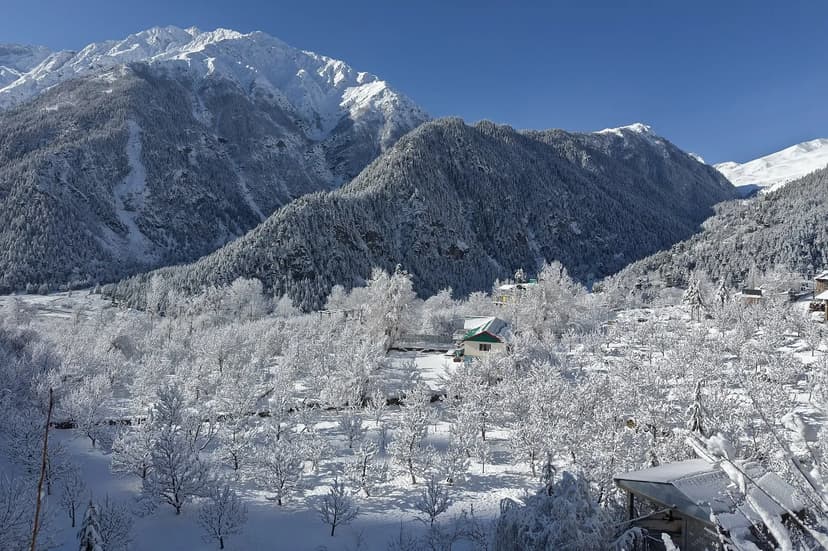
The complete checklist, in order
Copy-this Himachal winter packing checklist
- Clothing, the three layers. Thermal top x 2-3. Thermal bottom x 2-3. Fleece jacket x 1. Thick sweater or second fleece x 1 for evenings. Padded jacket rated to -5 C or lower x 1. Trek pants or fleece-lined trousers x 2. Underwear x 4-5 (synthetic preferred).
- Accessories. Wool socks x 3-4 pairs. Wool cap covering ears x 1. Muffler, neck gaiter, or buff x 1. Warm gloves, touchscreen-compatible preferred, x 1 pair. UV400 polarised sunglasses x 1.
- Footwear. Waterproof trekking shoes or snow boots x 1 pair. Flip-flops or sandals for the hotel room x 1 pair.
- Skincare and health. SPF 50+ sunscreen x 1. SPF lip balm x 1. Heavy moisturiser x 1. Basic medicines (paracetamol, cold and cough, upset stomach, band-aids). Diamox if going above 3,500 m, after consulting a doctor.
- Electronics. 20,000 mAh power bank x 1, two for Spiti. Phone charger and cable. Camera charger and spare battery if applicable. Earphones.
- Bags. 40-60 L backpack x 1, not a suitcase. Small daypack 15-20 L x 1. Zip-lock bags x 5-10 for wet socks, electronics, and trash.
- Extras. Thermos or insulated water bottle x 1. Snacks (nuts, energy bars, chocolate) for long road days. Photocopies of ID in a waterproof bag. Cash; ATMs are unreliable in remote HP, carry Rs 5,000-10,000 extra.
Two notes from Hindi-language sources, since most people miss these
The Hindi travel-press write-ups on this question converge on the same three-layer doctrine but with one additional point that English blogs skip. TheHealthSite Hindi puts it as "the innermost layer should be cotton, then wool or thermal over it, then a windproof outer." The Hindi tradition often places cotton against the skin and then layers wool over it, because cotton is what Indian homes had to hand for generations and the assumption was that you would not be exerting hard enough to sweat. For light walking around Shimla or Dharamshala in December, this works. For anything where you might sweat, the synthetic or merino base layer is the safer modern call.
Bajaj Finserv's Hindi traveller guide is clear on the rental option: "When you go into snow, definitely take a rented snow-wear dress and shoes with you." That is the simplest version of the rent-don't-buy logic. The same article confirms Solang and Mall Road Manali rentals at Rs 200-400 a day for snow suits and boots in 2026, matching what English-language operators like Vyas Adventures and Clifftop Journeys list.
Aaj Tak's December 2025 Rohtang report flagged the road-block reality that English guides usually understate: heavy snow closed the Manali-Leh stretch on December 9, 2025, for several days, and the only reliable access to Lahaul through winter is the Atal Tunnel. If you are driving up and there is fresh snow in the forecast, carry chains or a tow strap as part of the emergency kit. The pattern repeats annually.
A note on Delhi sourcing before the bus
If you are flying into Delhi and bussing up, Gandhi Nagar, Sarojini and Janpath sell jacket-and-sweater combos for Rs 500-1,000 that are passable for Tier 1 and survivable for Tier 2 if you layer them under a real shell at Manali. Hindi travel writers like DNA Hindi flag these markets specifically for budget travellers gearing up before a bus to HP. The trade-off is durability; these are one-trip pieces. If you live in a tropical city in the South and this is your first encounter with cold, this is a reasonable bootstrap.
The local-says-buy-nothing perspective
The most-upvoted reply on the canonical r/HimachalPradesh winter clothing thread is a one-line line from an anonymous Himachali: "I'm from Himachal and would recommend to buy nothing specifically. Carry a jacket or coat, boots and thermals. You're good to go. It's not that cold." It is a useful corrective. We who live here mostly do not own specialised gear. The thermals are old. The jacket has done five winters. The boots are whatever was in the cupboard. We are warm because the system is correct, not because the kit is expensive.
The point of this guide is not to tell you to spend money. It is to tell you which slots in the system to fill, in what order. If your jacket is fine, do not replace it. If your boots have grip, do not buy new ones. The list is a maximum, not a minimum. Most travellers who come to me asking for advice end up packing about 60% of what they thought they needed, and reporting back that it was plenty.
If you want to know which other guides on this site to read before you book the bus, this packing piece sits alongside our month-by-month best time to visit HP guide for the weather context, the snow drought analysis for why lower altitudes are getting less snow each year, the Spiti road trip guide for the Tier 3 itinerary, the live road status guide for closures, and the Kullu-Manali cost breakdown for the budget context.
Questions on a specific tier, a specific destination, or a specific piece of gear? Write to hello@refuje.com and ask. We answer everything; the longest reply is usually about Spiti.
Frequently asked questions
Frequently asked questions
Do I need thermals for Himachal in winter?
Yes. Even for Shimla in late December, thermals make the difference between a comfortable evening and a miserable one. They are the foundation of the three-layer system; without them you are relying on outer layers alone, which is less effective and less adaptable. As u/TheOriginals_1 wrote on r/HimachalPradesh: do wear thermals inside your clothes, otherwise you will get cramps especially behind the thighs.
Is Decathlon gear good enough for Himachal winter?
For about 95% of HP winter trips, yes. The Quechua thermals, MH120 fleece, MT100 padded jacket, and SH100 waterproof boots cover Shimla through Kalpa comfortably, and India Hikes recommends the MT100 specifically for trek leaders. You would only need a step up to specialised brands for extended Spiti winter stays or high-altitude mountaineering. For Manali, Dharamshala or even Sethan in January, the full Decathlon kit is plenty.
Can I buy winter clothes after arriving in Manali or Shimla?
Partially, yes. Local Tibetan markets in Manali, McLeod Ganj and Dharamkot sell sweaters, shawls, caps, gloves and socks cheaply. Thermals are sold but the quality is inconsistent. The right strategy: buy the thermal base and the outer jacket in advance (Decathlon online or Solan), buy the mid-layer sweater and the accessories on arrival from the local market.
Should I buy a leather jacket for Himachal?
No. This is the strongest single piece of Reddit consensus on HP winter packing. Leather absorbs water, gets heavy and stiff, can crack, and provides no wind protection. The Manali sleet on Mall Road will ruin a Rs 8,000 jacket in an afternoon. Any synthetic padded jacket rated to -5 C is a better choice at half the price.
Where can I rent snow gear in Manali?
Three reliable clusters. Palchan village on the road to Solang (the busiest cluster, 8 km north of Manali); Main Chowk Manali (multiple shops with similar pricing); and the cluster of shops just before the Atal Tunnel south portal entrance (for Lahaul day trippers). A full snow suit with overalls, gloves and boots is Rs 200-250 a day, typical hours 7 AM to 5 PM. Inspect the gear before paying. Quality varies.
What shoes do I need for snow in Himachal?
Waterproof boots or trekking shoes with deep aggressive tread on the sole. Smooth-soled shoes are a fall risk on packed snow and icy stones. Decathlon Quechua SH100 at Rs 2,500-3,500 is the budget anchor. For one-time trips, rent boots in Manali for Rs 200-350 a day. From r/SoloTravel_India: u/ExaltFibs24 recommends the Terrex AX4 for repeat travellers, or Decathlon as the budget option.
How cold does it get in Manali and Shimla at night in December?
Manali (2,050 m): 0 to -5 C at night, 5-8 C during the day. Shimla (2,276 m): 2-5 C at night, 8-12 C during the day. Solang Valley and Sethan (above 2,500 m): -5 to -10 C at night. Spiti (Kaza, 3,650 m): -15 to -25 C at night. These are averages; cold snaps push the floor 5-10 degrees lower for a few days at a time.
Do I need snow boots for Shimla specifically?
Usually not. Shimla at 2,276 m does not get snow reliably in December; when it does, the snow is usually light and brief. Waterproof trekking shoes with good grip are enough. Snow boots are a real requirement for Manali, Solang, Kufri, Narkanda, and anything above 2,500 m where sustained snow is likely.
What about UNIQLO for Himachal winter wear?
UNIQLO HeatTech base layers and Ultra Light Down jackets are reasonable alternatives to Decathlon, particularly for the moisture-wicking base layer and the compact mid-layer. Quality is well-regarded and fit is closer than the Quechua line. The main constraint is availability; UNIQLO is in major Indian cities, not in HP, so order online ahead of time.
Backpack or suitcase for Himachal?
Backpack. Always. HP terrain has stairs, cobblestones, snow, mud and uneven paths everywhere. Suitcase wheels stop being useful the moment you step off the airport floor. Bus and HRTC luggage holds are sized for bags. A 40 to 60 L backpack handles a one-week winter trip with room to spare, plus a 15-20 L daypack for daily walks.
How many Decathlon stores are there in Himachal Pradesh?
One. The G Square Mall, Rajgarh Road, Solan, as of June 2026 per Decathlon India's own store locator. Older blogs claim sixteen; that figure was always wrong. For Manali, Shimla or Dharamshala based travel, order ahead from decathlon.in to your hotel address; delivery is two to three days. If you forget something, every Manali or Shimla market sells a serviceable equivalent.
Is it worth the trip if there is no snow at the lower altitudes?
For most travellers, yes, if you adjust your expectations. Shimla and Dharamshala in early December are often just cold-and-clear, not snowy. The reliable snow during late December and January is at Kufri, Narkanda, Solang, Sissu, Kalpa and above. If snow is the whole point of the trip, plan around those destinations rather than the lower hill stations.
Sources
Reddit deep-mine, June 2026, via the browser-vytel Reddit app surface. The canonical thread for HP winter clothing is r/HimachalPradesh post 18eymt0, "Seeking Advice: What to Wear in Manali's Sub-Zero Temperatures?", with the named voices quoted here (u/ramseydotraw, u/PuchooHimachali, u/BiasedNewsPaper, u/yewverma, u/TheOriginals_1, u/Melkor_Elder-King, u/Afraid-Click-7884, plus the anonymous Himachali "buy nothing specifically" comment). Companion threads: r/HimachalPradesh ws5vl3 (u/Arjun_Pandit, u/Ok_Association_6773, u/Hasta_Mithun on clothes for a November school excursion); r/SoloTravel_India 1hce35i (u/ExaltFibs24 and u/Different_Brief8055 on snow boots). Comment trees saved at /blog-content/t33_supporting/reddit_18eymt0_comments.json and three companion files.
India Hikes, Which Trekking Jackets To Buy (And Not To Buy) From Decathlon, indiahikes.com/blog/trekking-winter-snow-jackets-to-buy-from-decathlon, for the MT100 / Trek 500 / MT 50 recommendations and the "insulation, not rain protection" specification.
Decathlon India product pages on decathlon.in for the Quechua Trek 100 thermals, MH120 fleece, MT100 padded jacket, and SH100 waterproof boots; current at June 2026.
Decathlon India store locator (decathlon.in/store) for the verified count of HP physical stores: exactly one, G Square Mall on Rajgarh Road in Solan; older blog claims of sixteen are not current.
Vyas Adventures, Clifftop Journeys and Tripadvisor Manali forum (multiple 2025-2026 threads) for the Palchan-cluster snow suit rental price of Rs 200-250 a day in the 2026 winter season.
Tribune India and the discoverwithdheeraj.com 2026 Manali-Leh status guide for coverage of the May 17, 2026 Rohtang Pass reopening and the BRO daily-permit cap of 1,200 vehicles (800 petrol, 400 diesel), for the year-round access calibration via Atal Tunnel vs the seasonal Rohtang Pass.
Volta Charger and Gaia GPS, on lithium-ion battery cold drain at 0 C (20-40% capacity reduction) and the recommendation against charging a cold phone.
TheHealthSite Hindi (thehealthsite.com/hindi/fitness, on the cotton-wool-windproof traditional Indian layering doctrine), Bajaj Finserv Hindi (on the rent-snow-wear recommendation for travellers from the plains), Aaj Tak (aajtak.in/india/himachal-pradesh, on the December 9, 2025 Rohtang highway closure), and DNA Hindi (on Delhi market sourcing at Gandhi Nagar, Sarojini and Janpath for budget pre-trip gear).
Outlook India and HP Tour Travel coverage of the 2025-26 winter (delayed snow at lower altitudes, fresh falls at higher elevations from early December onward).
UV at altitude science from National Geographic and WHO references (10-12% UV increase per 1,000 m elevation gain; 80% UV reflection off snow); standard data for the snow blindness and SPF 50 recommendations.
Author
Rajesh Thakur writes Refuje's HP-wide travel coverage from Kullu. He has spent every winter since school in the valley, and every working trip since 2014 around the rest of the state. He does not own a Spiti winter trip on his CV; the Tier 3 sections in this guide are calibrated from Reddit voices, India Hikes expert sources, and the Hindi press, not from a personal December at Kaza. The Tier 1 and Tier 2 calibrations come from the years on the ground in Kullu and Manali. Questions, corrections, or specific gear queries are welcome at hello@refuje.com.
You Might Also Like
Volunteering in Himachal Pradesh: 12 Organisations and How to Apply (2026)
Teach English in McLeod Ganj, conserve the Great Himalayan National Park, build with earth in Bir, or harvest apples in Kullu. Twelve real HP volunteer organisations with honest costs, the visa rule that gets foreigners deported, and how to apply.
How to Travel Himachal Without Wrecking It: A Quiet-Travel Manual
A non-preachy field manual for responsible travel in Himachal, by a Kullu local: how to behave, when to go, where to go instead, and the 2026 rules and bans that actually matter.
Mamleshwar Mahadev: The Eternal Flame Temple of Karsog
An eternal fire, a fist-sized wheat grain and a six-foot drum, kept in a mortar-less timber temple in the quiet Karsog valley. The honest story of Mamleshwar Mahadev: what is real, what is faith, and how to go.