
The Atal Tunnel: How One Tunnel Changed Lahaul Forever
Six hundred and twenty-two percent. Not a typo. That is the number Tribune India put on what the Atal Tunnel did to tourism in Lahaul, and I still think about it every time I drive through the south portal. Which is roughly once a month. Less if the road is bad, more if my mother wants daal from the Keylong shop she has been going to since before I was born.
Before October 2020, Lahaul was six hours from my house in Kullu. Every November I watched the pass close as if someone had shut a door on half the district, and it did not open again till late May. After October 2020, Lahaul became forty-five minutes. Forty-five. Minutes. That is the difference between a bad Delhi commute and the first real valley across the main Himalayan ridge.
It has changed everything up there. And not everyone in Lahaul is sure the change has been good.
This is what happened, told from the Kullu side.
The tunnel at a glance
- Tunnel length: 9.02 km
- Altitude: ~3,100 m (10,170 ft)
- Opened: October 3, 2020
- Manali to Sissu: 45 min (was 6 hrs via Rohtang)
- Toll: Free. e-Aagman registration required and also free
- Tourist growth: 622% from 2018 to 2021 (Tribune India)
The tunnel by the numbers
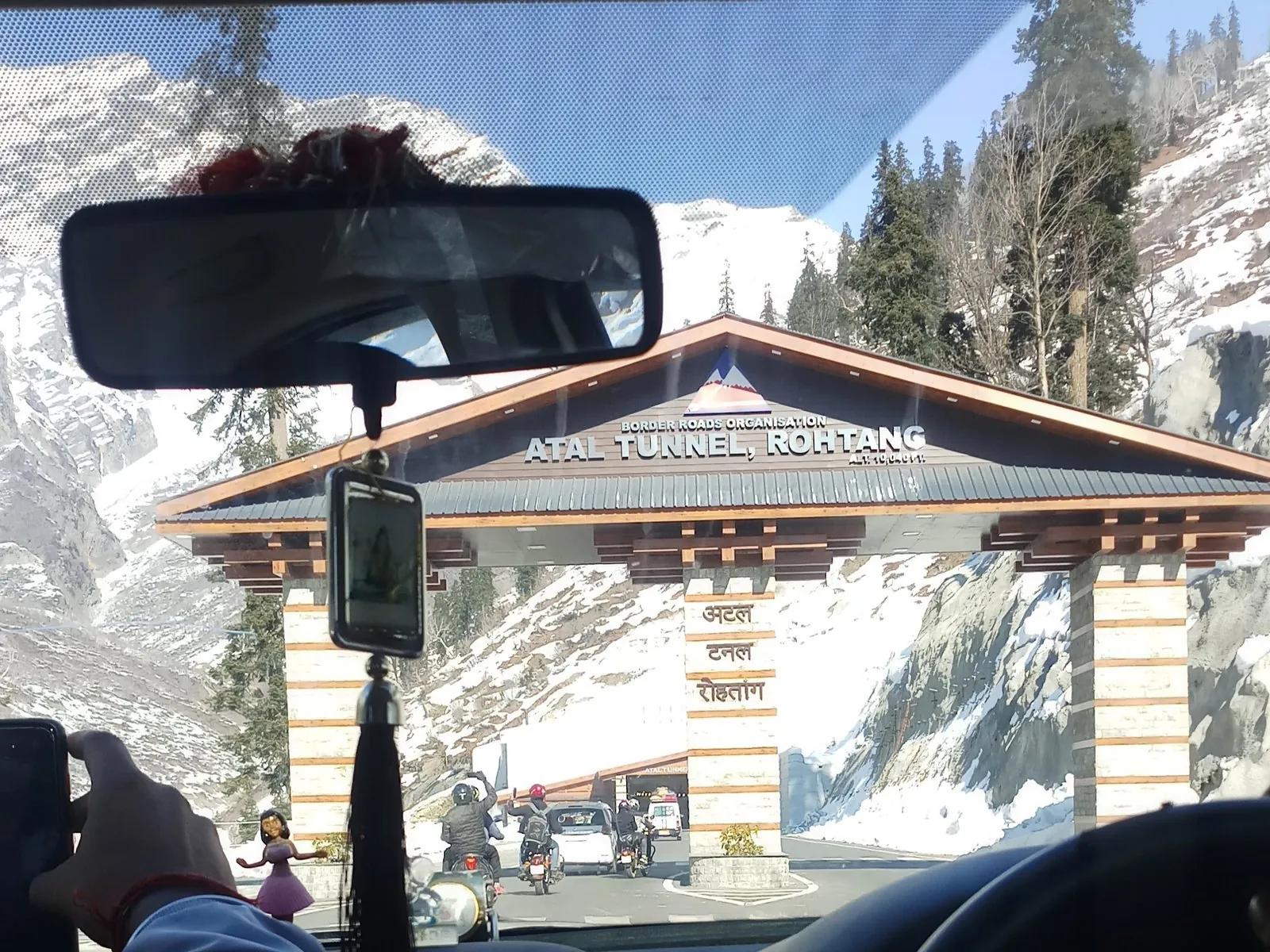
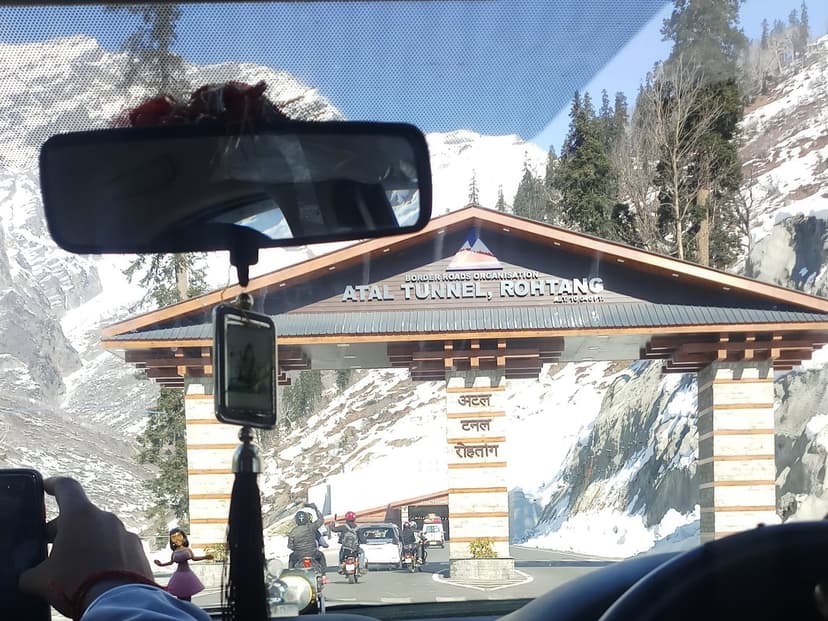
9.02 km. That is the full length, south portal near Dhundi to the north portal at Teling, a village you will miss if you blink. The tunnel sits roughly between 3,000 and 3,100 metres above sea level, which is what gives it the world record: longest highway tunnel above 10,000 feet. Two lanes. 80 km/h posted. Overhead clearance of 5.525 metres, which is specific in a way that tells you it was a real engineering constraint and not a round number. Fifteen minutes to drive through at speed. Less if nobody is in front of you. Much less if it is a weekday morning. And traffic, for the record, has become a genuine problem in the last two winters.
The construction story is longer than the tunnel. Much longer.
The first proposal came from the Moravian Mission in 1860. Then nothing. Dr. John Bicknell Auden of the Geological Survey of India wrote the first real engineering paper on it in 1942, and that paper sat unread for fifty-eight years before Vajpayee stood up in Lahaul and announced the project on June 3, 2000. Sonia Gandhi laid the foundation stone on June 28, 2010. Then it took another decade. Ten years, not the planned seven. And the final cost came to ₹3,200 crore, not the ₹500 crore originally budgeted. The contract went to AFCONS Infrastructure plus Strabag of Austria, and the two of them had to solve a Himalayan problem that nobody writes about on the brochure: the Seri Nala fault zone, where water ingress would stop work for years at a stretch, and a 30-metre roof collapse in October 2013 that very nearly ended the whole project. Locals in Sissu still talk about which year the work was closest to being abandoned. They land on 2013.
Through most of its build the tunnel was called the Rohtang Tunnel. PM Modi renamed it on December 25, 2019, Vajpayee's birthday, after the man who had announced it back in 2000 but died in August 2018, two years before it opened. Stand at the south portal and read the BRO signboard: the man the tunnel is named for never got to drive through it.
The ₹500 crore that became ₹3,200 crore
Every engineer I have spoken to in Lahaul has an opinion on the budget overrun. The consensus is that the Seri Nala fault zone and a rebid in 2009 (when the original contractor walked) accounted for most of it, and that the 2013 collapse added the rest. BRO's official page acknowledges both without using the word "overrun." The ten years of construction, the repeated redesigns, and the avalanches that buried camp sites are the reason the final number looks the way it does.
Before: six months in the dark
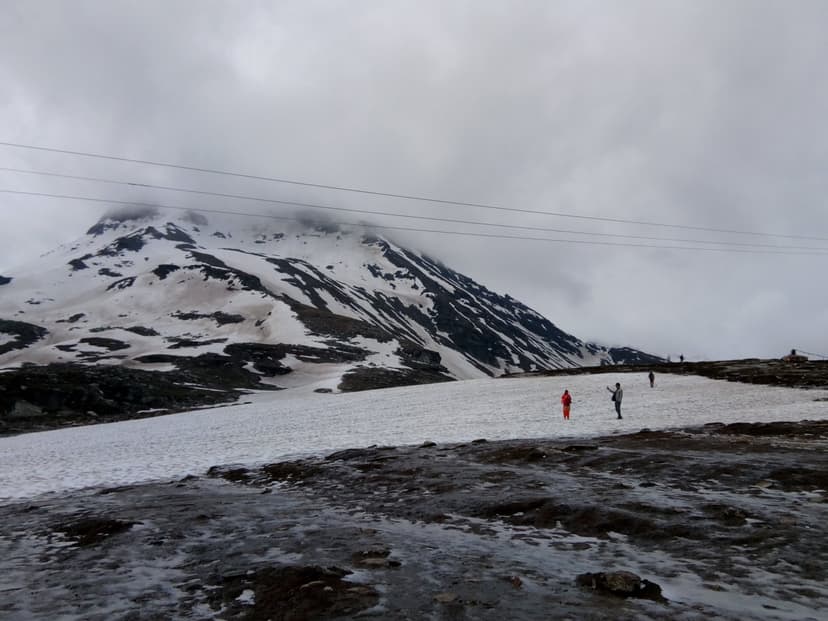
I am old enough to remember what Lahaul was before 2020, and I was not even doing this full time then. If you had to reach Keylong in January, you flew by helicopter or you waited until May. There was no third option. The Rohtang Pass, at 3,978 metres, closes under the first real snowfall of the year and does not reopen until the Border Roads Organisation cuts a road back through in late May or early June. That is roughly six months a year with no road.
During those six months, Lahaulis lived the way their grandparents did: on food stockpiled in late September and October. Potatoes, green peas (the cash crop), dried apricots, barley, salted butter tea, and whatever dal the panchayat shop had managed to bring in before the pass shut. Medical emergencies were helicopter-only, weather permitting, and the Hindi-language press archives from Lahaul are full of stories of people who did not make it to Manali in time. "Because of the helicopter not arriving on time, many people lost their lives," is how Amar Ujala summed up the pre-tunnel reality in one retrospective piece, almost as a casual line.
Even in summer, the old road was a six-hour negotiation with a pass at almost 4,000 metres. Dozens of hairpin bends on both sides, permit lottery at Gulaba (₹550, sold out by 7 a.m. most days), altitude sickness stops at Marhi, and the constant risk of a flash snowstorm even in August. If you left Manali at 6 a.m., you reached Sissu around noon. If you left at 8, you reached nothing.
The before and after, in one table
| Before (pre-2020) | After (post-October 2020) |
|---|---|
| Rohtang Pass 3,978 m, open May to October | Atal Tunnel 3,100 m, open year-round |
| Manali to Sissu: 5 to 6 hours on a good day | Manali to Sissu: 45 minutes |
| Manali to Keylong: 8 hours | Manali to Keylong: 1.5 hours |
| Six months of winter isolation for Lahaul | Year-round access, Lahaul is a 12-month destination |
| ₹550 Rohtang permit, daily quota, lottery at 6 a.m. | Tunnel is free, e-Aagman registration is free |
| Medical emergencies = helicopter or wait | Emergencies drive out through the tunnel |
| Lahaul stockpiles 6 months of food every autumn | Shops in Sissu and Keylong get fresh supply weekly |
After: forty-five minutes changed everything
On October 3, 2020, Modi cut a ribbon at the south portal. By the afternoon, Lahaulis were driving back and forth just for the novelty of it. By evening, the first bus from Manali had already stopped in Sissu. And inside two years, the numbers Tribune India ran every few months stopped reading as numbers and started reading as a narrative.
Here is the arc. 2018: 172,000 tourist arrivals in Lahaul-Spiti. 2019: 118,000. 2020: 15,000 (the tunnel opened in October). 2021, the first full calendar year of tunnel access: 960,952 tourists. From a 2018 baseline, that is a 622% increase, which is why the Tribune India headline read the way it did. The numbers have stayed high. Tribune India reported a further 13% surge in 2024. Infra Junction, citing New Indian Express, counted 34,426 vehicles through the tunnel in a single week, December 21 to 27, 2025. And India Today's count of cumulative tunnel crossings since October 2020 had passed 17 lakh by early 2026. One one-hundred-and-seventy-thousand, to a million, to seventeen lakh. In six years.
The effect on the ground is everything you would expect. Ratan Katoch, a tourism operator in Lahaul, told ETV Bharat in March 2026: "Before Atal Tunnel, agriculture and livestock were the only economic sources here. Now tourism has opened new employment opportunities. After Atal Tunnel, the picture of Lahaul Valley has changed." Pretty much every working-age adult in Sissu now runs a homestay, a dhaba, or holds a seasonal job at one of the two dozen hotels that have come up since 2021. The green peas and potatoes have not disappeared. They are just Plan B now. Not the whole plan.
Before Atal Tunnel, agriculture and livestock were the only economic sources here. Now tourism has opened new employment opportunities. After Atal Tunnel, the picture of Lahaul Valley has changed.
Ratan Katoch, tourism operator, quoted by ETV Bharat, March 2026
Six places that opened up
Here is what the tunnel unlocked, in the order you hit them driving north from the portal.
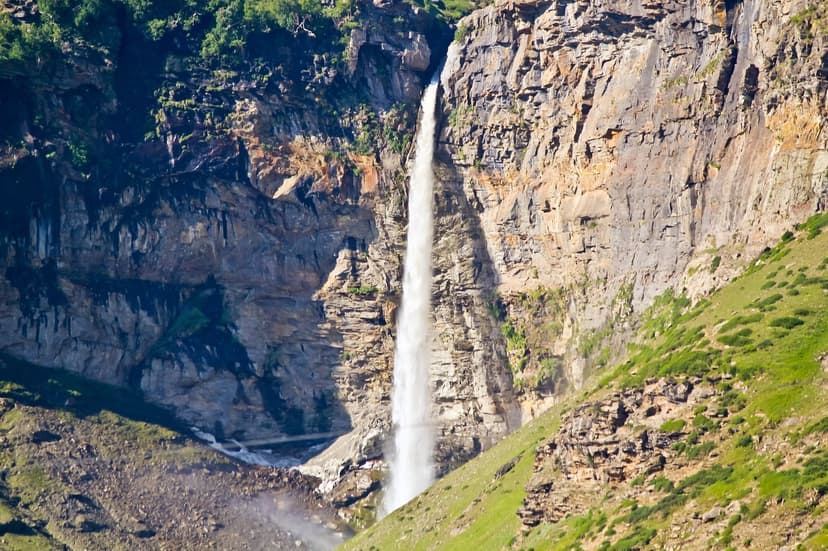
Sissu (3,120 m, 6 km from the portal). Half of everyone who crosses into Lahaul stops here. That is not my guess. That is a Lahaul-Spiti Forest Department count, quoted in Amar Ujala in April 2026. There is a waterfall that drops off a vertical cliff behind the village. A small glacial lake sits behind the waterfall. Willow trees. A helipad that doubles as a viewpoint. And in winter, ten feet of snow. Sissu is the closest thing Lahaul has to a mass-tourism village, and on its current trajectory, five years from now it will look a lot like Manali does today. Make of that what you will. Zostel opened in Sissu in 2022; their mixed dorm now runs ₹1,200 to ₹1,300 a night, which is roughly double what it was in 2021.
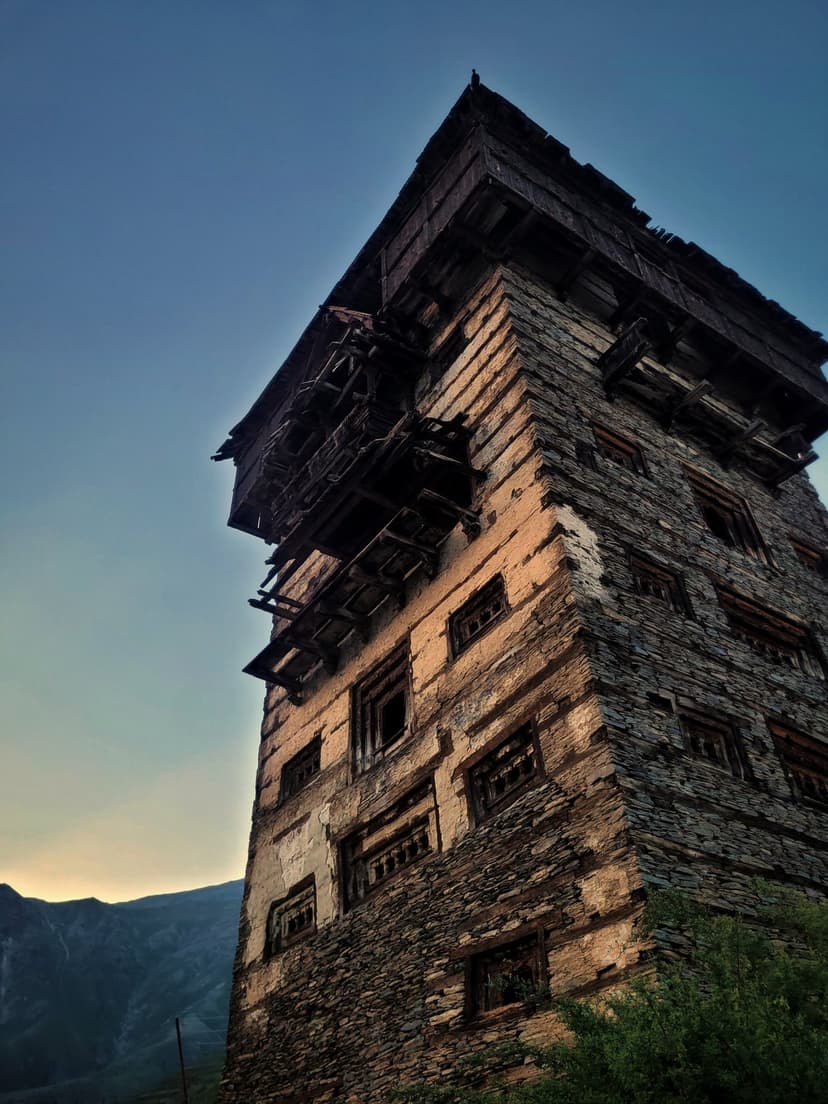
Gondhla (3,180 m, 15 km from the portal). The Gondhla Fort. Seven stories. Stone, deodar, and the kind of carved wooden balconies that make you wonder if someone got paid by the inch. It belongs to the old Thakur family. Roughly four centuries old. Most tour groups skip it because it is not on the Manali-Keylong-Jispa loop. That is your cue to stop.
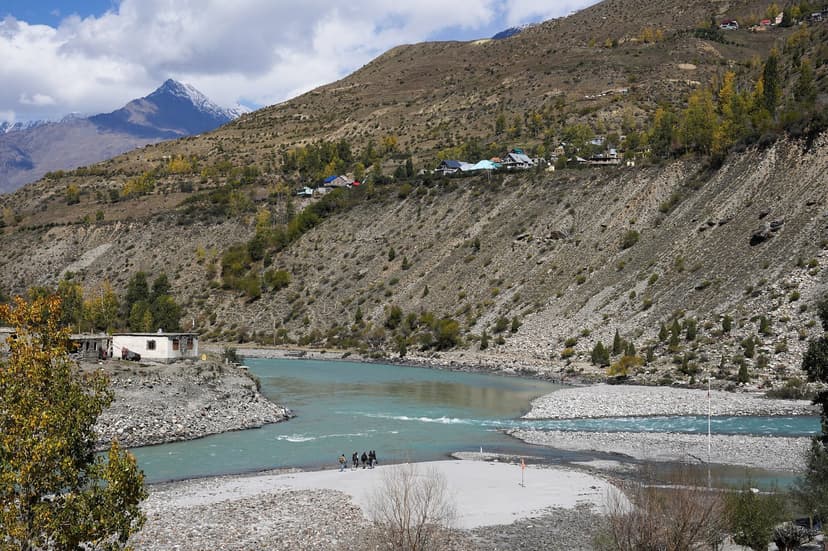
Tandi (28 km). Chandra plus Bhaga equals Chenab. That river then flows on into Jammu and, much later, into Pakistan. You can stand on the small bridge above the confluence and watch two rivers become one. It is less dramatic than you expect and more affecting than you expect, and I have not figured out why. The other famous thing about Tandi is its petrol pump. It is the only one for roughly 365 kilometres if you are Ladakh-bound. Which means, in July, it is also where you meet every Royal Enfield in the country.
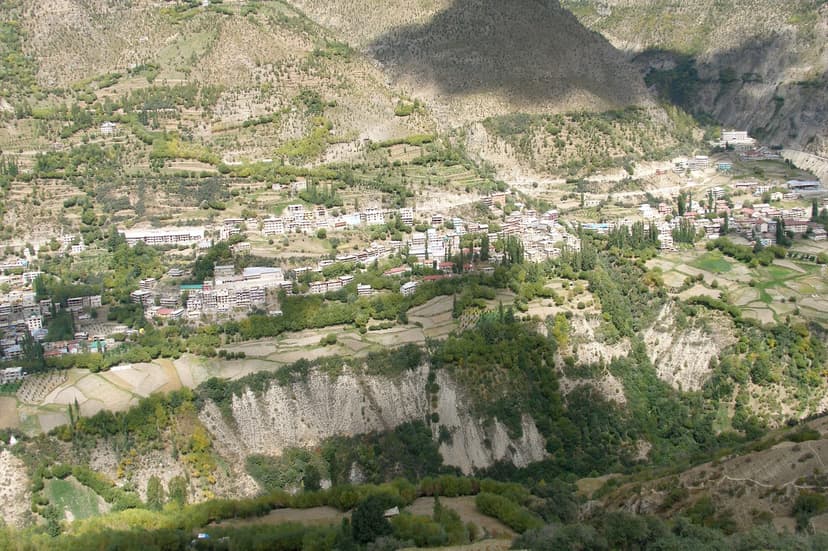
Keylong (3,080 m, 33 km). The district headquarters of Lahaul-Spiti. Last proper market before the high valleys. Base for the monastery trail. This is where government staff actually live, where the HRTC bus stand is, where the one ATM that works even half the year lives. Basic stays start at around ₹1,100 a night. Mid-tier homestays like Lha Pomo and ZAMLING Cafe run closer to ₹2,000 to ₹2,500 and are better than the price suggests, because running a homestay in Keylong means carrying in most of your supplies in October and hoping the electricity stays on. Come in January and you will have most of Keylong to yourself. Quiet. Very cold. Snow dusting the bazaar. The only real sound is somebody's diesel heater kicking on two houses over.
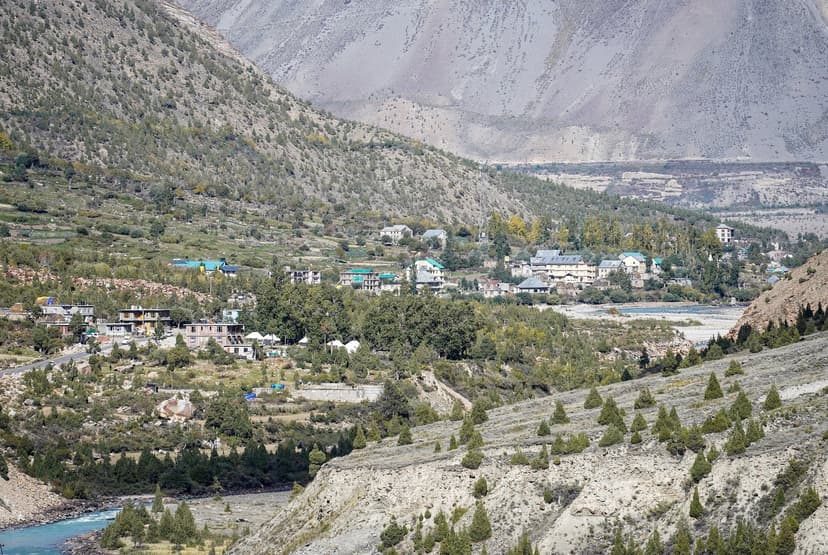
Jispa (3,200 m, 48 km). The campsite village on the Bhaga, last proper stop before Baralacha La and the road to Ladakh. Pretty much the whole local economy here is tents and tea. May to October only. By the first week of November everything shuts, and that is not a suggestion, that is the calendar.
Udaipur (Lahaul) (2,700 m, ~85 km). Not the Rajasthan one. A side-valley off Tandi, up the Chandrabhaga gorge, and home to something most Himachalis themselves do not know exists: the Mrikula Devi Temple, a wooden pagoda with carved panels of Mahabharata and Ramayana scenes that most historians date to several centuries back. The figures on those panels are worn smooth in a few places and crisp as fresh cuts in others, and standing in front of them is one of those moments where you realise nobody is going to stop you from taking a photo because nobody else is here. The Trilokinath Temple two kilometres down the road is a shared Hindu and Buddhist shrine that gets pilgrims from both traditions. Almost nobody makes the turn off at Tandi. Make the turn.
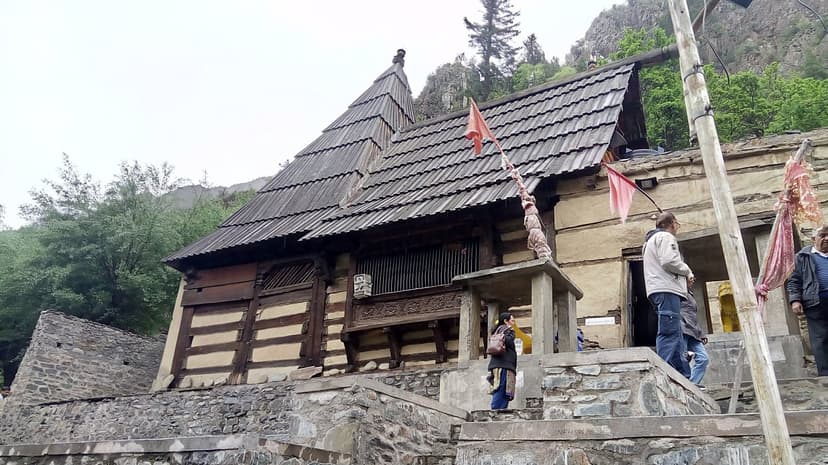
The six villages, side by side
| Village | From portal | Altitude | Main draw | Stay | Season |
|---|---|---|---|---|---|
| Sissu | 6 km | 3,120 m | Waterfall, lake, winter snow | Zostel, homestays | Year-round |
| Gondhla | 15 km | 3,180 m | 7-story kath-kuni fort | Homestay in village | Year-round |
| Tandi | 28 km | ~3,000 m | Chandra-Bhaga confluence, petrol pump | Pass through | Year-round |
| Keylong | 33 km | 3,080 m | Monastery trail, district HQ | Hotels, homestays | Year-round |
| Jispa | 48 km | 3,200 m | Riverside camping, Baralacha gateway | Camps, basic stays | May to October |
| Udaipur (Lahaul) | ~85 km | 2,700 m | Mrikula Devi + Trilokinath temples | Very basic | May to October |
The monastery trail
Four of the oldest Buddhist gompas in the western Himalayas sit within an hour of Keylong. A full day gives you the circuit. A half-day gives you the two best ones.
Kardang Monastery sits across the Bhaga from Keylong. Founded maybe a thousand years ago in some form, rebuilt many times since. It is the largest gompa in Lahaul and the most visited, though "most visited" in Lahaul still means a handful of people. If you only pick one, pick this one. The whitewashed complex looks out over the valley in pretty much every direction, and the morning chant in the main hall is worth setting an alarm for.
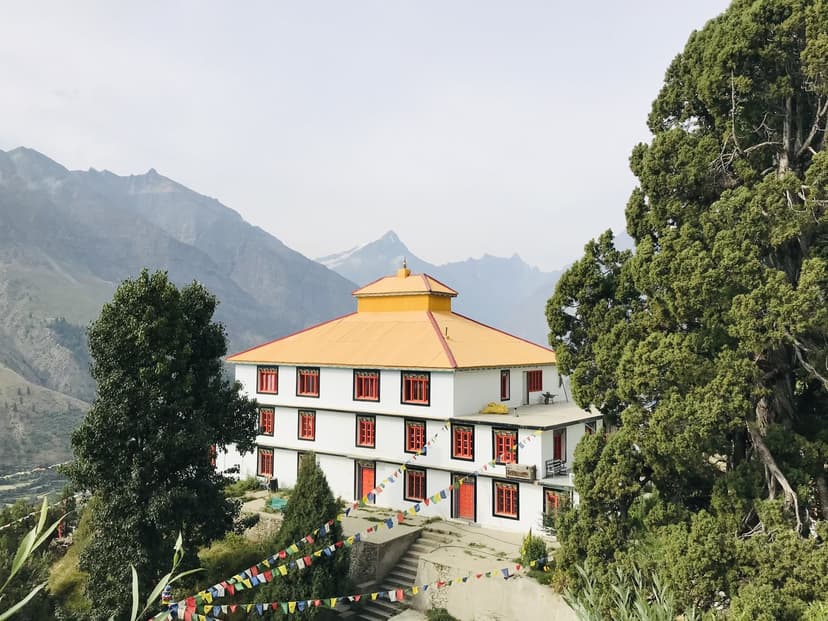
Shashur Monastery is a forty-five-minute walk uphill from Keylong bazaar (or a short taxi if your knees have opinions about altitude). Drukpa Kagyu lineage. About fifty monks in residence. The red-and-yellow pagoda roof is visible from anywhere in town once you know where to look. Go up early, sit in the main hall during morning chanting, and walk back down for breakfast at Ailyak Cafe or whatever else is open.
Gandhola Gompa (also called Guru Ghantal) is near Tandi, above the Chandra-Bhaga confluence, and local tradition credits its founding to Padmasambhava. It is older than the other three by several centuries by most accounts, though dating is uncertain. The building is small and worn. Visit it in late afternoon when the light is good.
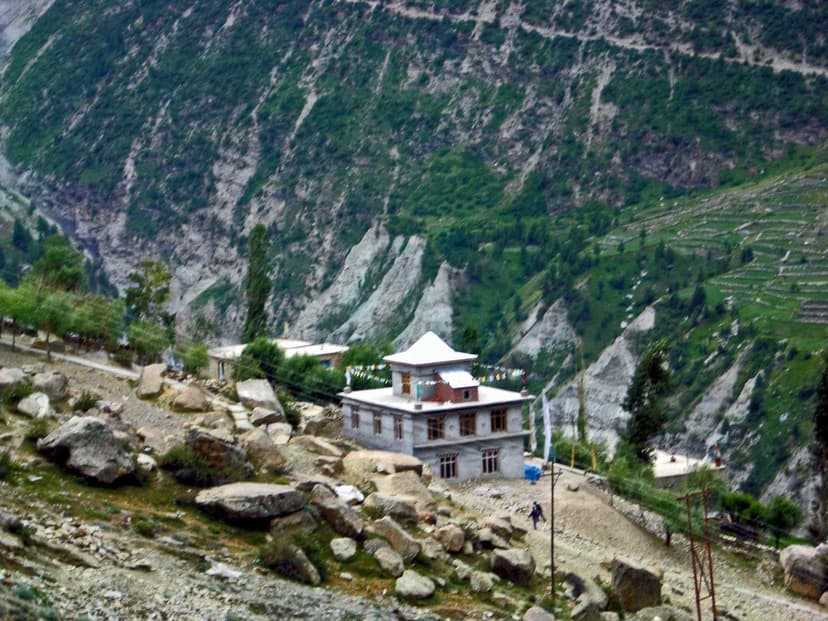
Gemur Gompa, between Keylong and Jispa, is the smallest and the least visited. Whoever is there will usually be happy to let you in. Bring a cap for the wind.
Lahaul in winter
This is the part that has changed the most, and it is the part that still catches people out.
Before the tunnel, nobody visited Lahaul in winter because nobody could. After the tunnel, Sissu in January became an Instagram destination: ten feet of snow, temperatures between minus ten and minus twenty at night, the waterfall frozen solid in a vertical sheet. Zostel runs year-round. The village hosts snow trekking camps. Drones hover.
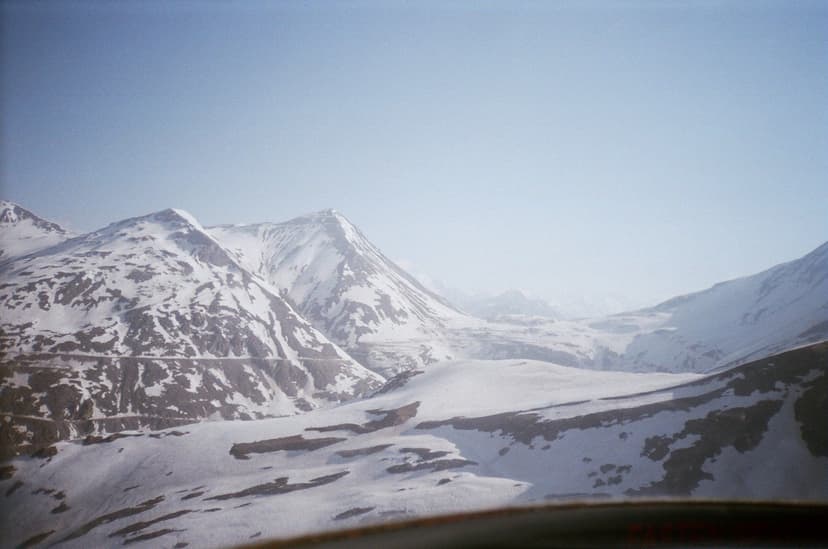
But the tunnel is not a guarantee. It is a corridor, and corridors close. As I write this in mid-April 2026, the Manali-Leh road is still only partially open, the Lahul-Spiti administration has restricted all traffic beyond the Solang Barrier to 4x4 vehicles only (this started on April 4 after two feet of fresh snow), and there was an avalanche near the north portal on April 5-6 that was reported by local news outlets and the Lahul-Spiti Khabarnama Facebook page. DSP KD Sharma of Manali put it plainly in Amar Ujala on April 9: "Snow is falling at Atal Tunnel, so regular vehicles are not being sent beyond Solang Nala; only 4x4 vehicles are being allowed."
Here is what actually matters if you are coming in winter. Drive a 4x4 or do not drive, and even with a 4x4 you carry chains. Leave Manali before nine. Not nine-thirty. Nine. The afternoon is when avalanches happen. Stop at Solang and read the BRO signboard, because the signboard is the truth and Google Maps is not. Keep your plan to Sissu or Keylong between December and March and nowhere beyond, because Jispa and everything past it is shut. And carry cash, because ATMs freeze when the power goes.
The April 2026 reality check
The tunnel itself opened in 2020 and does not close. The roads around it do. From late November till the first week of April, anything beyond Koksar (and sometimes beyond the north portal itself) is weather-dependent. Just this year: avalanche at the north portal on April 5. Two feet of fresh snow on April 4, which shut 2WD access entirely. Snow-clearing closures all through the first week of April. None of this was on anyone's plan. If you are driving in winter or shoulder season, do not try to do Lahaul as a same-day round trip from Manali. Just do not. Budget a night in Sissu or Keylong and spend the afternoon watching how locals actually live here.
Who benefits, who pays
Easiest way to frame what happened: the benefit line moved. Manali used to be the end destination. Now Manali is a stopover, and Sissu, thirty-eight minutes further along, is where people actually stay. ETV Bharat ran that exact headline in March 2026: "Atal Tunnel has made Lahaul-Spiti Himachal's new tourist hub, and Manali a stopover." Everyone I know in the Manali hotel line has felt it. Shorter stays. Guests checking in at 9 p.m. and leaving at 8 a.m. just to clear the tunnel. Meanwhile in Sissu, homestay owners are suddenly discussing what plumbing and power a three-night guest expects. Taxi drivers from Kullu now quote Sissu and Keylong as day-trip destinations. Six years ago, that sentence would not have parsed.
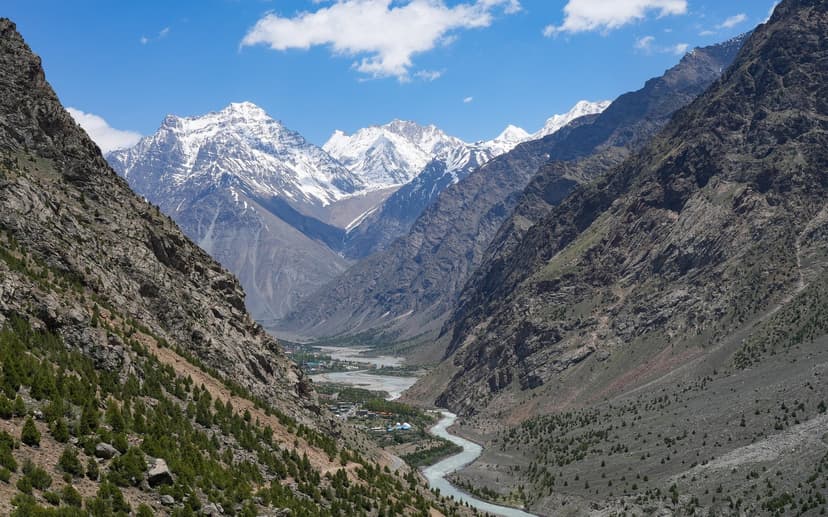
The cost is environmental, and locals are loud about it. Amar Ujala in April 2026 quoted the Lahaul-Spiti Forest Department saying, "The concern over pressure on the valley's environment is growing as vehicle numbers keep rising." In response, the department started charging a small entry fee at the Sissu helipad parking lot in late March 2026, roughly ₹50 for a four-wheeler and ₹20 for a two-wheeler from outside the district, with the money earmarked for plantation work. The Divisional Forest Officer at Keylong, Inderjit Sira, told Amar Ujala: "The money collected through this fee will be used for environmental conservation work in the valley. Visitors are requested to cooperate in environmental conservation."
There is also, as of April 1, 2026, a state-wide change to the vehicle entry tax that matters if you are driving from outside Himachal Pradesh. Under the HP Toll Policy 2026-27, non-HP private cars were initially meant to pay ₹170 per day. After protests, the rate was reduced to ₹100 for passenger vehicles in the second week of April 2026, as reported by Infra Junction on April 9. This is separate from anything at the tunnel itself (still free) or the e-Aagman registration (still free, still online at eaagman.hp.gov.in). It is collected at the state border.
The waste management challenge is real. Plastic bottles in Sissu, diesel spillage at the helipad parking lot, paper in the falls. A r/HimachalPradesh thread from 2023 has a comment from u/MakshiBoiza that reads, in part, "Take tax before the Atal Tunnel and set up a booth, so people do not have to carry [trash] back everywhere." The Forest Department has not done that yet. They should.
Planning your trip
The honest version: Lahaul is a two-to-three-day trip from Manali. Any less and you are just checking Sissu off a list. Any more and you are doing Spiti, which is a different article.
What a Lahaul trip actually costs (2026)
- Budget (2-3 days): ₹12,000 to ₹15,000. HRTC bus + shared taxi + dorm + dhabas.
- Mid-range: ₹20,000 to ₹28,000. Private vehicle, mid-tier homestays, mixed meals.
- Comfort: ₹32,000 to ₹45,000. Hired SUV, best homestay rooms, guide for monastery trail.
- Atal Tunnel toll: Free.
- e-Aagman registration: Free at eaagman.hp.gov.in.
- HP entry tax for non-HP vehicles (2026): ₹100 per day after the April reduction.
- Sissu helipad parking fee (Forest Dept, 2026): ₹50 per 4-wheeler, ₹20 per 2-wheeler.
If you want a shape for the trip, use this as a starting point. Every local itinerary for a first-time visitor looks something like this.
A 3-day (or 4-day) Lahaul outline
- Day 1. Manali to Sissu via the tunnel: Leave Manali by 9 a.m., clear the tunnel in 15 minutes, Sissu Falls by 10, lake walk, lunch at a dhaba in the village bazaar, afternoon at the helipad viewpoint. Stay at Zostel or a homestay.
- Day 2. Sissu to Keylong to monastery trail: Drive to Keylong in 45 minutes, drop bags at the homestay, climb to Shashur for the morning chant, cross the river to Kardang for lunch. Afternoon at the Lahaul Tribal Museum. Stay in Keylong.
- Day 3. Keylong to Jispa or Udaipur, and back: Summer: drive to Jispa for breakfast by the Bhaga. Heritage arc: turn off at Tandi for Udaipur and the Mrikula Devi / Trilokinath temples. Back to Manali by 6 p.m.
- Day 4 (extension). Gandhola and the Chandra-Bhaga confluence: Stop at Tandi, climb to Gandhola Gompa, lunch at the confluence. Drive back to Manali.
If Refuje is planning your Lahaul trip
We run curated Lahaul routings based on exactly this itinerary, with seasonal adjustments baked in, local-family homestays rather than hotel chains, and a driver who has done the Manali-Keylong run enough times to know which switchback the weather turns at. Write to hello@refuje.com with your dates and we will build a plan back for you within a day.
Frequently asked
Is the Atal Tunnel toll-free in 2026?
Yes. The tunnel itself is free. You do need the free e-Aagman registration at eaagman.hp.gov.in to enter Lahaul-Spiti district, but that is a separate online step, not a toll. Non-HP vehicles also pay a ₹100 state entry tax per day at the HP border (reduced from ₹170 in April 2026).
How long does Manali to Sissu take now?
Around 45 minutes. Fifteen minutes through the tunnel, and then six kilometres on the other side. Before October 2020, the same journey via Rohtang Pass took five to six hours.
Is Lahaul open in winter?
Sissu and Keylong are open year-round through the tunnel. Roads beyond Keylong (Jispa, Darcha, Baralacha La) close November to May. Expect 4x4 restrictions on the tunnel approach after heavy snow, as happened in April 2026.
How much does a Lahaul trip cost?
Budget 2-3 days: ₹12,000 to ₹15,000. Mid-range: ₹20,000 to ₹28,000. Comfort: ₹32,000 to ₹45,000. Tunnel is free. e-Aagman is free. Zostel Sissu dorm is ₹1,200-1,300 a night, Keylong homestays ₹1,100-2,500.
What is the Sissu helipad fee?
The Lahaul-Spiti Forest Department started charging a small eco-tourism fee at Sissu helipad parking in late March 2026: roughly ₹50 for a 4-wheeler and ₹20 for a 2-wheeler from outside the district. It is separate from the tunnel, separate from the e-Aagman registration, and goes toward plantation work.
Do I still need a Rohtang permit?
Only if you actually want to cross Rohtang Pass, which is scenic but pointless now that the tunnel exists. The Rohtang online permit (₹550) is required for crossing the pass itself and has a daily quota. The tunnel does not need a Rohtang permit.
How has the Atal Tunnel changed Lahaul?
Tourism arrivals went from 172,000 in 2018 to 960,952 in 2021, a 622% increase (Tribune India). Vehicles through the tunnel passed 17 lakh by early 2026 (India Today). Fifty percent of Lahaul visitors now stop at Sissu alone. ETV Bharat framed it: "Atal Tunnel has made Lahaul-Spiti Himachals new tourist hub, and Manali a stopover."
What is the best time to visit Lahaul through the Atal Tunnel?
June to October for the full valley (Jispa, Udaipur, Baralacha are open). December to February for Sissu and Keylong snow. Avoid April: shoulder-season avalanches at the north portal are common, and traffic is often restricted to 4x4 vehicles after fresh snowfall.
Can I drive my own 2WD car through the tunnel?
Summer yes, winter often no. When the Lahaul-Spiti administration restricts traffic after heavy snow (as they did on April 4, 2026), only 4x4 vehicles with snow chains are allowed beyond the Solang Barrier. In settled summer weather, any vehicle works.
Is the Mrikula Devi Temple really worth the Udaipur detour?
Yes, if you care about wood carving. The temple is one of the very few surviving wooden shrines in the western Himalayas with carved figurative panels in situ. The village is quiet, the temple charges nothing, and almost no one makes the turn. Combine it with the Trilokinath Temple two kilometres away.
Build your Lahaul trip with Refuje
If you want the version of this trip that does not involve parsing ten different road status Facebook pages, write to hello@refuje.com. We will map a Lahaul itinerary around your actual dates, your vehicle, and your altitude comfort, and we will call the homestays in Keylong ourselves. Our advice costs nothing.
Sources
- Atal Tunnel, Wikipedia. Covers specs, construction history, rename date.
- Tribune India on the 622% tourism surge.
- Tribune India, 13% footfall surge 2024.
- ETV Bharat (March 2026): on Lahaul-Spiti becoming Himachal's new tourism hub and the Ratan Katoch interview. Archived via Hindi press; English reporting mirrored by Tribune India.
- Border Roads Organisation official page.
- e-Aagman: Lahaul-Spiti entry registration.
- HP Department of State Taxes: Toll Policy 2026-27.
- Infra Junction (Apr 9 2026): Himachal reduces passenger vehicle toll to ₹100 for 2026-27 after protests.
- Amar Ujala (April 2026) on Forest Department eco-fee at Sissu helipad and on 4x4 snow restrictions.
- Lahul-Spiti Khabarnama (Facebook, April 5-6 2026) reporting avalanche at the north portal.
- Divya Himachal: archival coverage of pre-tunnel helicopter-only medical evacuations.
- Reddit discussions on r/backpacking, r/IndiaSpeaks, r/HimachalPradesh, r/travel, r/desitravellers, r/IncredibleIndia for traveller perspectives.
By Rajesh Thakur, who has been writing about Himachal Pradesh for Refuje since 2018 and has been driving through the Atal Tunnel since the month it opened.
About Rajesh Thakur
Rajesh Thakur grew up in the Kullu valley and has been writing about Himachal Pradesh travel and culture since 2018. He is most at home in upper Kullu, Lahaul, and the Spiti circuit, and has been driving through the Atal Tunnel since the month it opened.
You Might Also Like
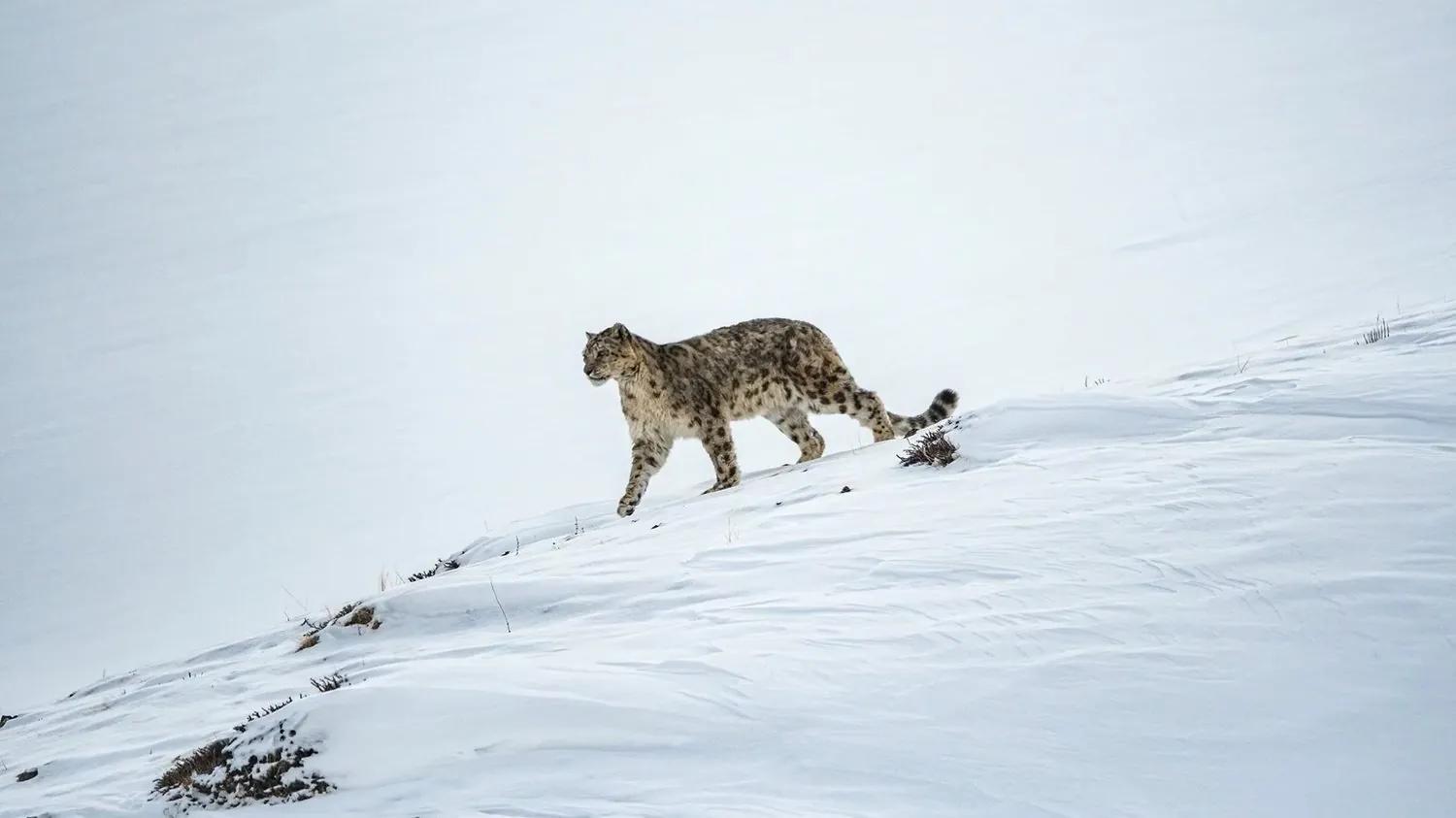
Snow Leopard Expedition in Spiti: Tracking Kibber's Ghost Cat
What a winter snow-leopard tracking trip to Kibber, Spiti is really like: honest sighting odds, the cost ladder, the conservation that funds it, the Kinnaur winter route, and how to view the cat without harming it.
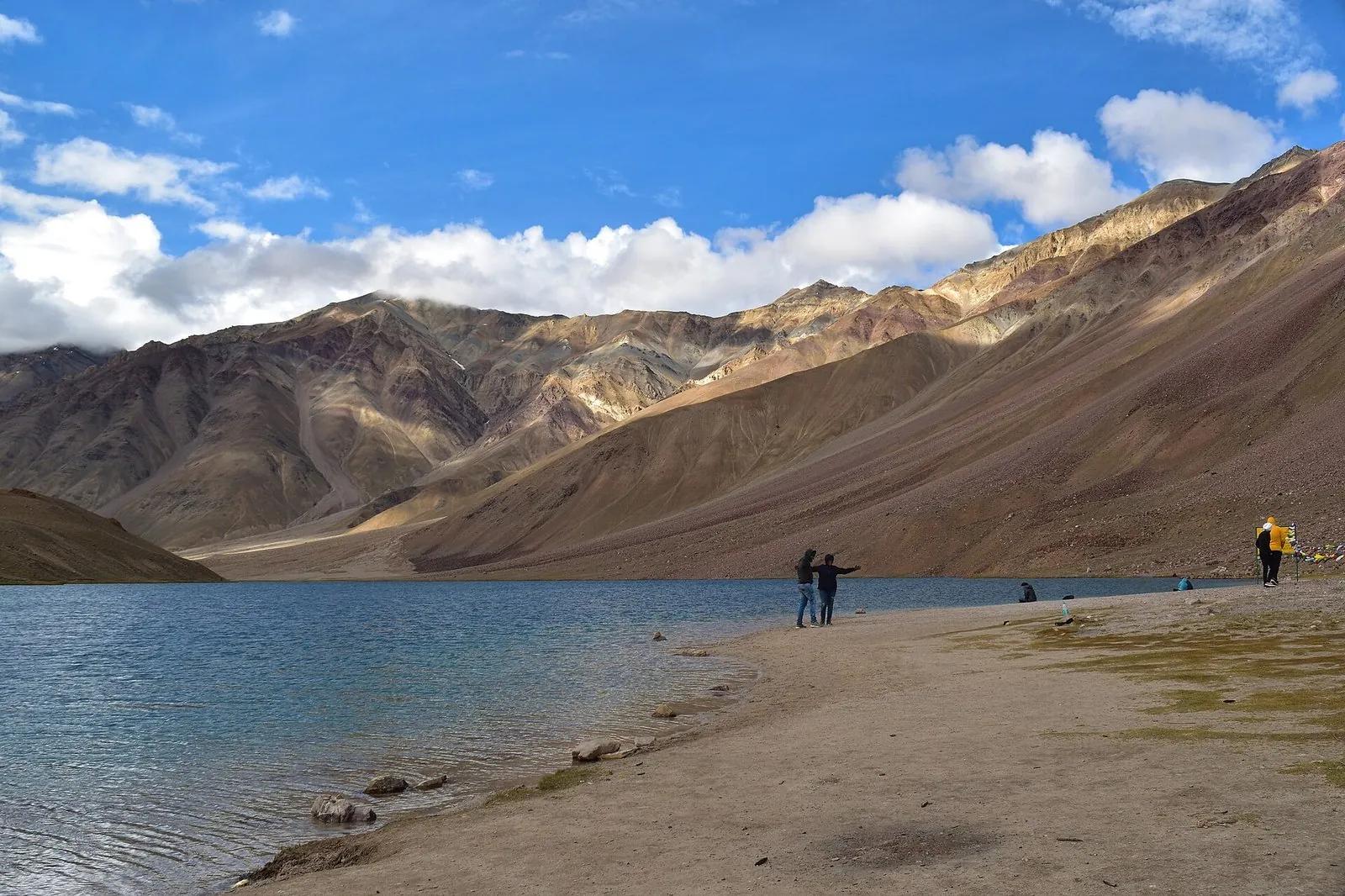
Chandratal Lake 2026: A Kinnauri Guide to the Eastern Approach
Chandratal opens late May to mid-June 2026. Lakeside camping is banned, the lake is a Ramsar wetland. Swiss tents Rs 1,200 to 2,500. The Kaza side via Kunzum beats a Manali day trip on every count except distance from Delhi.
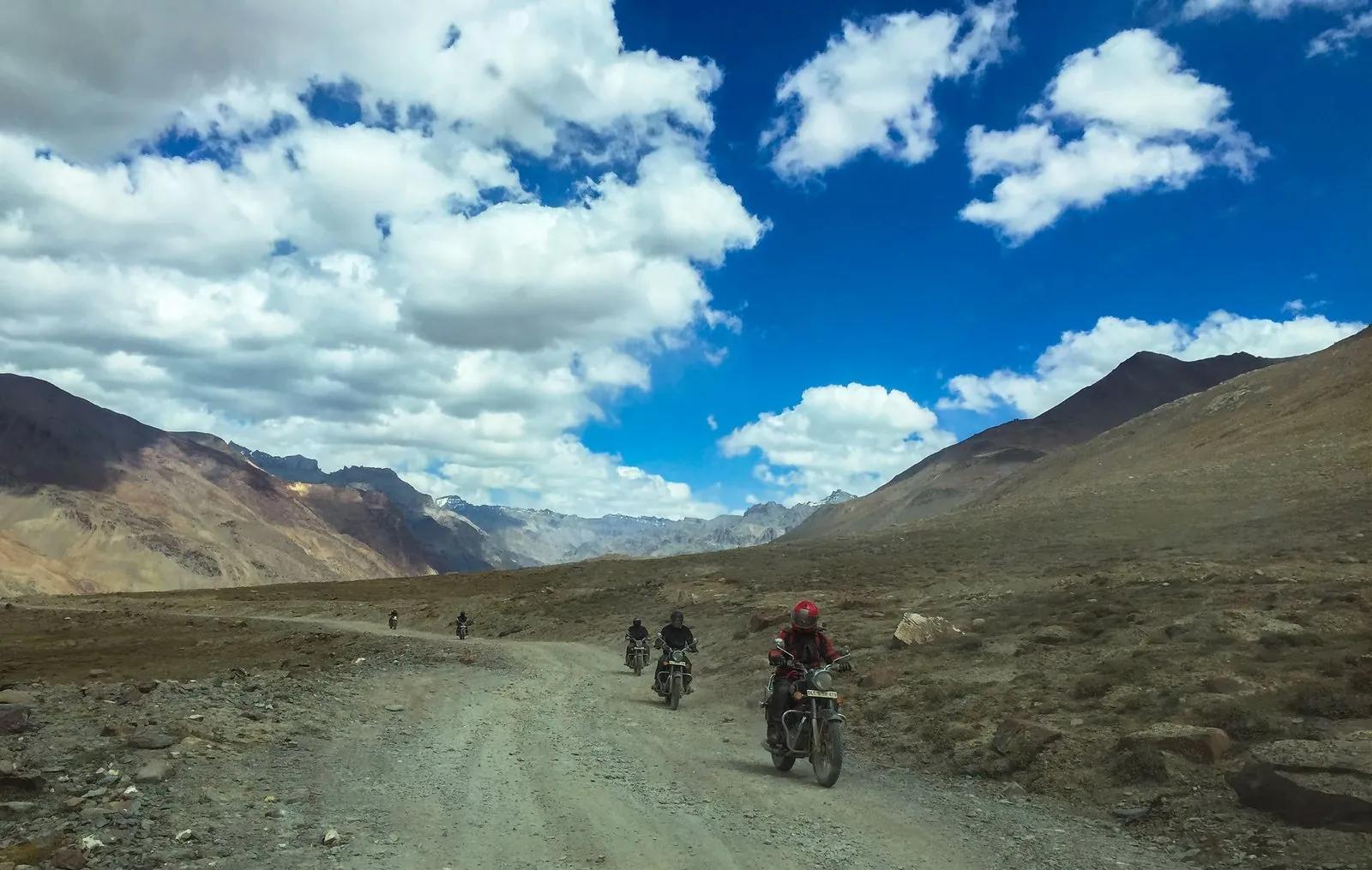
Spiti by Royal Enfield: The Complete Motorcycle Guide 2026
A Kinnauri riders guide to Spiti on a Royal Enfield. Which bike (411 vs 450 vs XPulse), where to fuel, jerry can math, spare parts, mechanic map, water crossing technique, Gramphu-Batal survival, and a 12-day Shimla-Kinnaur-Spiti-Manali loop that lets your body acclimatise properly. By Ajay Negi.