
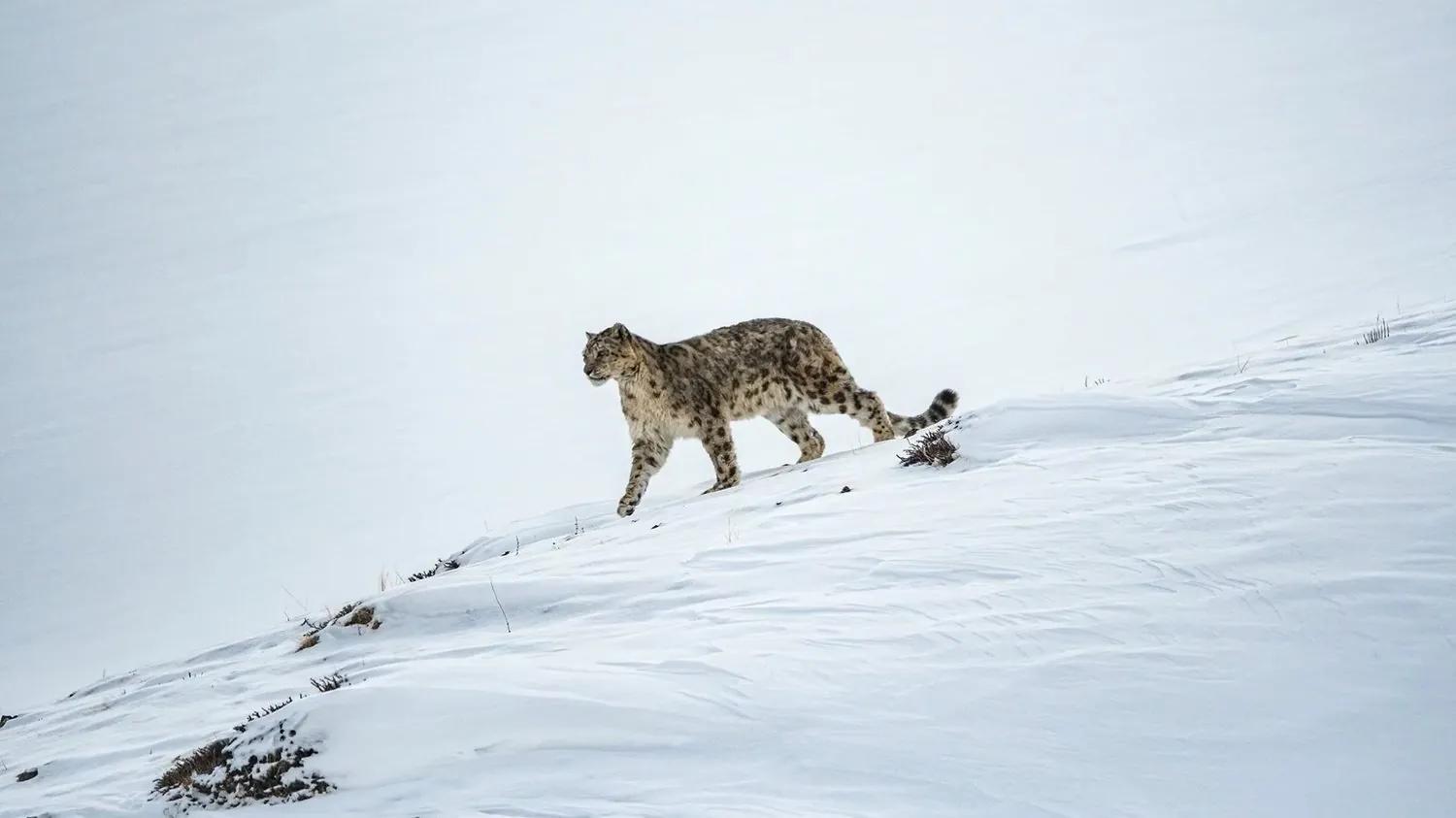
Snow Leopard Expedition in Spiti: Tracking Kibber's Ghost Cat
The honest answer. Yes, you can try to see a wild snow leopard in Himachal, and Kibber in Spiti is about the best place on earth to do it, in deep winter, roughly January to March. But sightings are rare, usually distant, and never guaranteed. Himachal now has about 83 snow leopards (HP Forest Department and NCF, 2025); India has 718 (SPAI, 2024). In winter the only road in is the Shimla-Kinnaur side. Go for the cold, the silence, and the chance. Treat a sighting as a gift.
Let me save you a small heartbreak first. You can come to Spiti in winter, spend a week in the cold, do everything right, and still never see a snow leopard. That is the normal outcome, not the bad one.
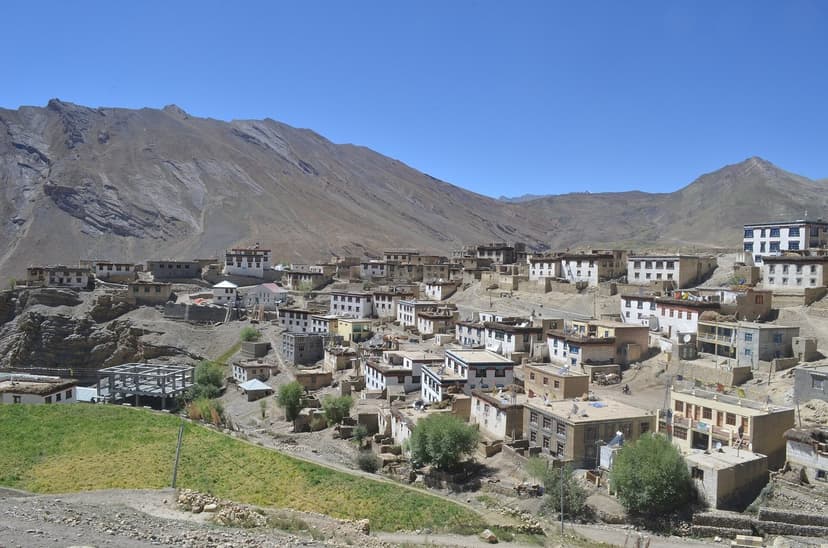
Now the better news. Kibber, a village at 4,270 m in upper Spiti, is about the most reliable place anywhere to try. Not because the cats are tame. Because two decades of patient work turned them from a problem into a livelihood, so the families who once lost goats to them now find them for a living.
I am from Kinnaur, the long way into Spiti, and in winter it is the only way in. So this is honest about all of it: the odds, the cold, the money, and the one rule that matters more than your camera. Keep your distance. The animal you came for is shy, it is still recovering, and it cannot even roar. As somebody put it on r/HimachalPradesh, the ghost of the Himalayas mews.
- Best months
- January to March
- Base
- Kibber, 4,270 m
- Winter access
- Shimla-Kinnaur (NH-5) only
- Temperatures
- About -5C by day, -25 to -30C at night
- HP snow leopards
- About 83 (2025 count)
- Sighting odds
- Luck-dependent, never guaranteed
- Gear floor
- A -25C down jacket and a long lens, 800mm or more
Why Kibber, of all the places in the Himalaya
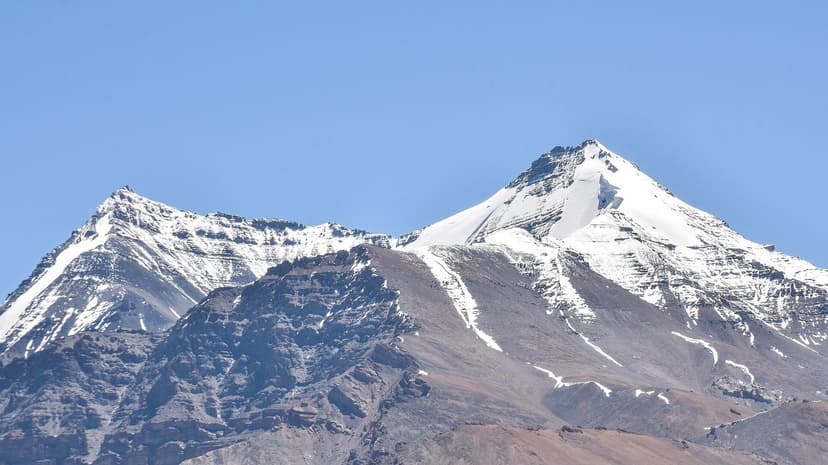
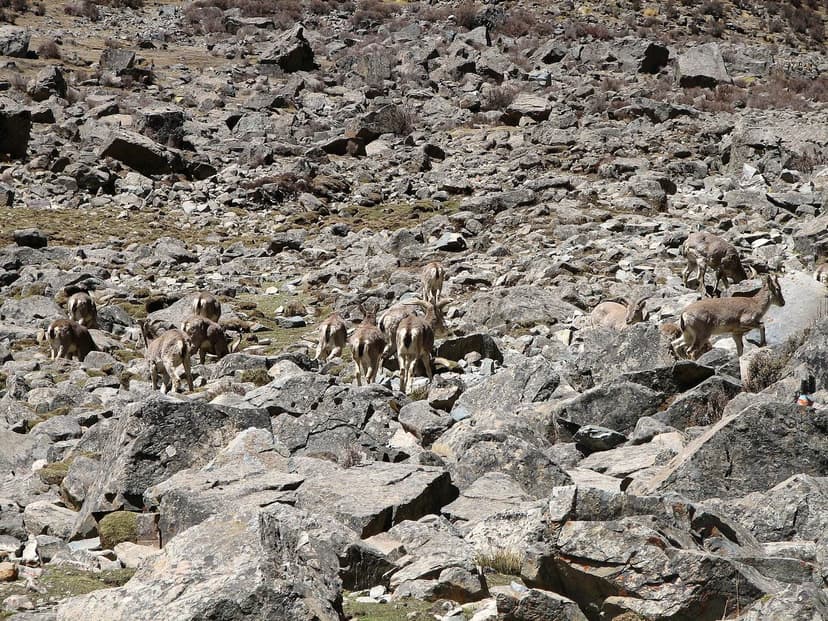
Snow leopards range across the high Indian Himalaya, from Ladakh to Arunachal, mostly in country no road reaches. Kibber is the exception. It sits high in a cold desert where ibex and blue sheep concentrate, and when heavy snow pushes that prey down toward the village, the cats come down behind it. For a few weeks each winter they hunt within sight of homes.
That is the natural reason. The other reason is people, and we will get to that. For now, the geography: Kaza is the valley HQ, Kibber is the last 19 km up, and the cluster of high villages around it, Komic, Langza, Hikkim, Key, Chicham, is where you spend your acclimatising days before the tracking starts.
The part nobody tells you: your trip is the funding
Here is the thing that makes Kibber work, and it is not luck. For close to twenty years the Nature Conservation Foundation and the Snow Leopard Trust have run a coexistence programme here: livestock insurance so a family that loses an animal to a leopard is paid back, predator-proof corrals so the losses fall in the first place, and grazing land set aside so the wild blue sheep recover. Fewer goats killed means fewer leopards killed in revenge. More blue sheep means more leopards, fed and staying close.
Then they trained local young people as spotters and guides. That was the masterstroke. A snow leopard is now worth far more to Kibber alive than dead, because every winter it brings travellers who pay for homestays, drivers and a spotter with a scope. The 2025 survey that counted Himachal up to 83 cats was itself run partly by Kibber youth and women setting the camera traps. So your homestay night and your spotter fee are not extras on the trip. They are the mechanism that keeps the cat on the mountain.
Since a few years now, our village is packed with tourists in winter, who travel from far off places to catch a glimpse of the elusive snow leopard.
That is Kalzang Gurmet, an NCF field coordinator, quoted by the Snow Leopard Trust. The point of money matters here. A cheap trip that bypasses the community is the wrong trip, even if it is legal.
What it is actually like: cold, luck, and a lot of waiting
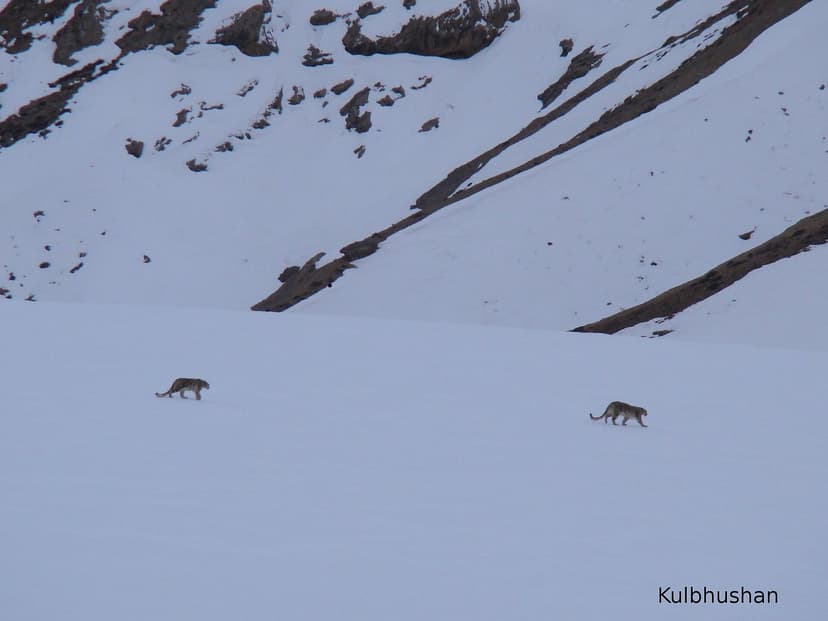
Picture your days. You are out before first light with a spotter, glassing the ridges across the valley, often from the road or a rooftop, in cold that makes your eyes water. Hours pass. Maybe a spotter picks up a shape no untrained eye would find, and you watch a pale smudge move across a slope half a kilometre off. That is a great sighting. That is the win.
The gear talk tells you everything. A wildlife photographer wintering in Kibber shot his snow leopards at 2000mm on a superzoom; another said 800mm is the bare minimum for a decent frame. You are not getting close. When a Himachali traveller congratulated an OC sighting on Reddit, the reply was simply, they are very shy creatures, you got very lucky. Believe that. Spiti Ecosphere, who have run these trips for years, put it plainly: spotting them is a matter of luck, and of course, luck.
And it is genuinely hard on the body. Days hover near -5C, nights drop to -25 or -30C. Homestays run on firewood and a bukhari, water can be frozen in the morning, and altitude is real at 4,000 m plus. This is not a safari from a heated jeep. It is patience in a deep freeze, with no promise at the end.
How not to be the problem
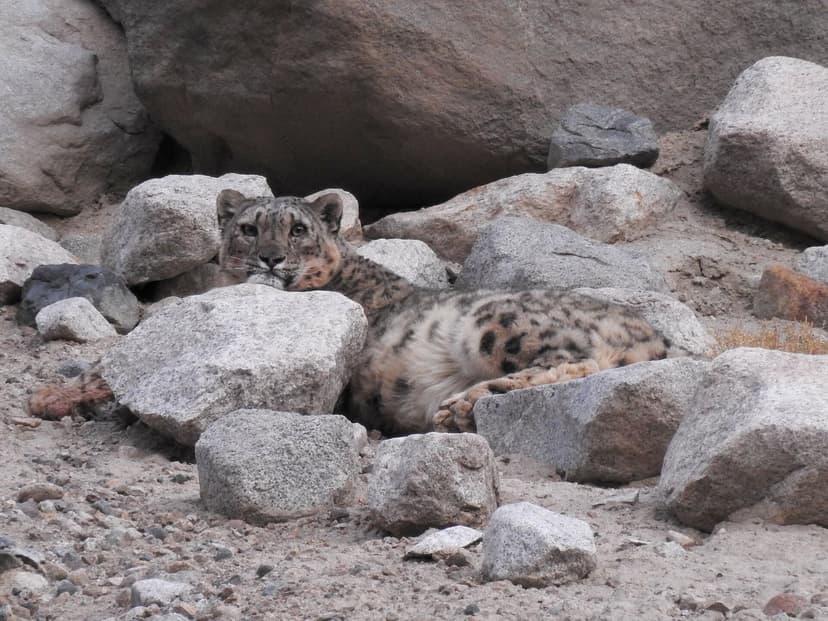
A shy, recovering animal does not need a crowd of us chasing it for a better frame. The rules are simple, and your spotter will hold you to them. Keep your distance, the real distance, not the just-one-step-closer distance. Never surround a cat or block where it wants to go. No baiting, ever. Keep your voice down and your group small. If the spotter says back off, you back off.
And think about where your money lands. Choose an operator that works with the Kibber community and the conservation programme, not one that treats the valley as a backdrop. The cats are recovering because this place got the incentives right. It is on us not to break that for a photo.
Getting in: the Kinnaur winter door
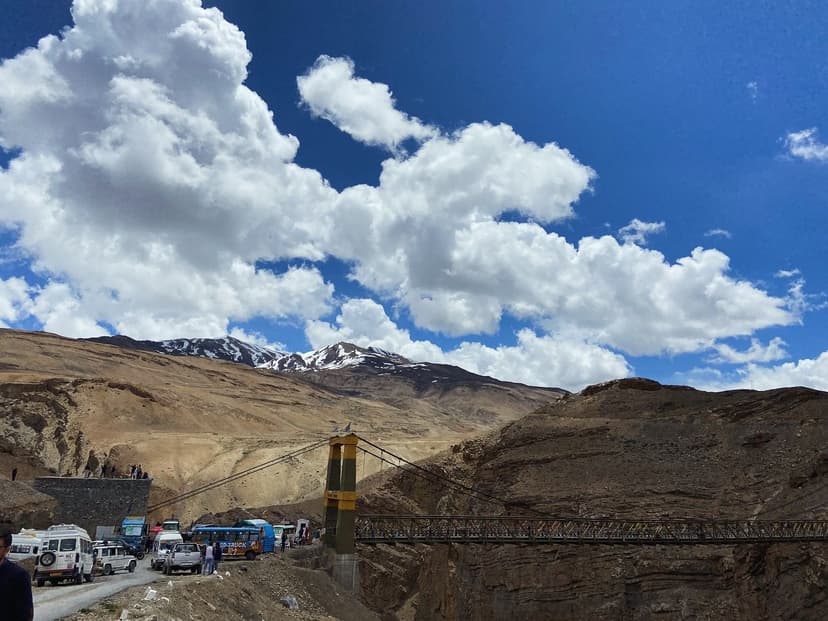
This is where the trip becomes a Kinnaur story. In winter the Manali side of Spiti is shut. The Kunzum Pass closes around October and does not reliably open again until late May, so from roughly November to April the only way to Kaza is up the Hindustan-Tibet road, the Shimla-Kinnaur NH-5, through Sarahan, Kalpa, Nako and Tabo. The eastern approach is not a scenic detour in winter. It is the route.
Take it slowly, because the altitude gain is no joke. One traveller remembered the drive up from Reckong Peo to Kaza as the surreal part, at -14C. The single best piece of logistics advice on the forums is also the most Kinnauri: hire your taxi from Reckong Peo, because the drivers of the higher hills are the ones who can actually drive on snow. Expect the Nako-Kaza stretch to close for a day or three after heavy snow, and check the live road status before and during. Build buffer days in.
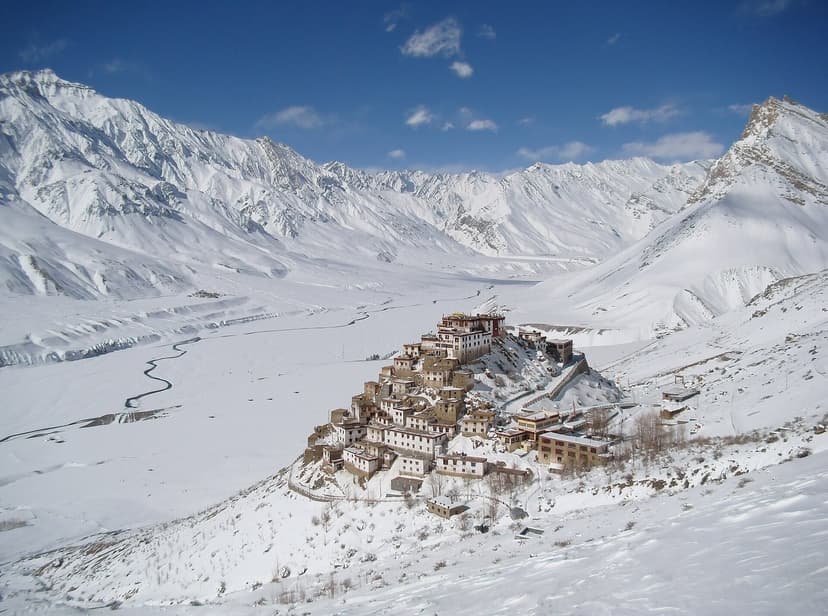
One honest caveat on stays: in deep winter, homestays and the few open hotels often prefer groups and can ask a solo traveller to move to fit a bigger booking, and a heavy snowfall can cut a trip short. This is a season that rewards going with a planned group or a community operator over winging it alone.
What it costs: three very different trips
People quote wildly different prices for Spiti in winter because they are describing three different things. Here is the ladder, in rough 2026 rupees. Reconfirm with the operator before you book, and remember none of them can promise you a cat.
| Tier | Cost pp | What you get |
|---|---|---|
| DIY winter Spiti circuit | about 18,000 | A general 7-day group circuit (Sarahan, Chitkul, Tabo, Kaza, Nako, Kalpa). Stargazing and villages, no spotters. You are not really trying for the cat. |
| Community / group expedition | about 49,000 to 69,000 | 8 to 10 days with trained local spotters, homestays and a scope. Where the conservation money actually flows. Best value for a real attempt. |
| Photography expedition | about 1.2 to 2.2 lakh | 11 to 12 days, small group, porters, backup vehicle, the best glassing time. Spiti United is around 1.26 lakh with tax; the high end buys comfort and camera support, not better odds. |
Notice what the extra money does and does not buy. It buys warmth, safety margins, a backup vehicle and more hours in the field with better spotters. It does not buy a guarantee. The cat does not read price lists.
| DIY winter circuit | Photography expedition | |
|---|---|---|
| Cost pp | About 18,000 | About 1.2 to 2.2 lakh |
| Days | 7 | 11 to 12 |
| Spotters | None | Trained local spotters, dawn to dusk |
| Safety | Your own risk | Pilot and backup vehicle, warm stays |
| Where money goes | Mostly the tour aggregator | Community homestays, spotters, conservation |
| Real shot at the cat | Slim, incidental | The point of the trip |
Not sure which tier actually fits what you want? Tell us your budget and how many days you have and we will say honestly whether a community expedition or a full photography trip makes sense for you, or whether to wait a year and do it properly.
A realistic plan, Kinnaur side
A workable winter shape, built on the route locals actually drive, with two days held back for the tracking and a buffer for snow. This is the slow, safe version; some operators compress it.
- Day 1: Shimla to Sarahan
Ease up the Sutlej, sleep at Sarahan or Narkanda. You are gaining altitude gently on purpose. - Day 2: Sarahan to Kalpa
Into Kinnaur proper, with Kinner Kailash across the valley. A good night to rest before the high cold. - Day 3: Kalpa to Nako or Tabo
Cross into Spitis eastern edge. Tabo and its thousand-year-old monastery are a fine, lower-altitude stop. - Day 4: Tabo to Kaza
Reach the valley HQ. Take it easy on arrival; the altitude is real now. - Day 5: Kaza, acclimatise
Light day-trips only: Key Monastery, Langza, Komic, Hikkim. Let your body catch up before the cold pre-dawn starts. - Days 6 to 7: Kibber, the tracking
Up to Kibber with your spotters. Out before dawn, glassing the ridges, back when the light goes. This is what you came for. - Day 8: Kaza to Kalpa
Begin the descent back down the Kinnaur road. - Day 9: Kalpa to Shimla
Out. Add one or two buffer days anywhere above Nako for snow closures.
Beyond the cat: what you are far likelier to see
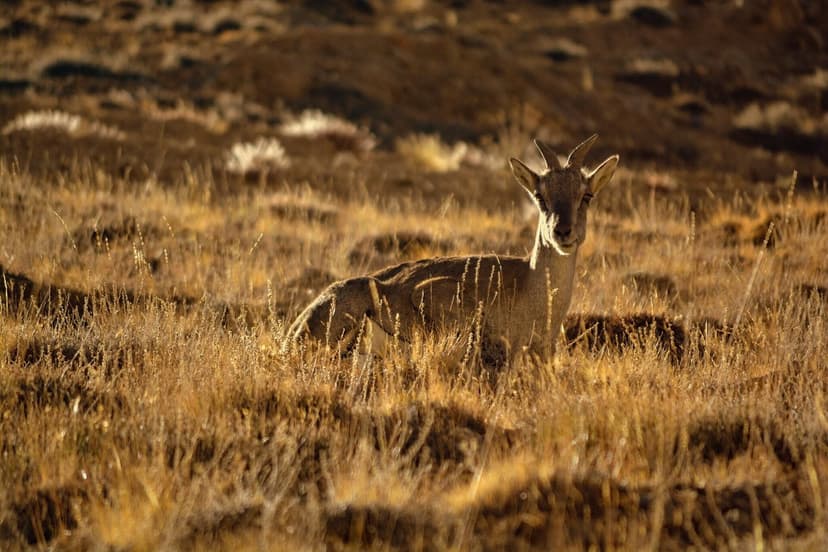
Here is the reframe that saves the trip if the leopard never shows. Spiti in winter is full of life that is easier to find. Himalayan ibex on the cliffs. Herds of blue sheep on the scree. A red fox crossing the snow at dawn. A lammergeier riding the thermals over the gorge. The occasional Tibetan wolf. Even, as the 2025 survey noted, a first confirmed Pallas's cat over in Kinnaur.
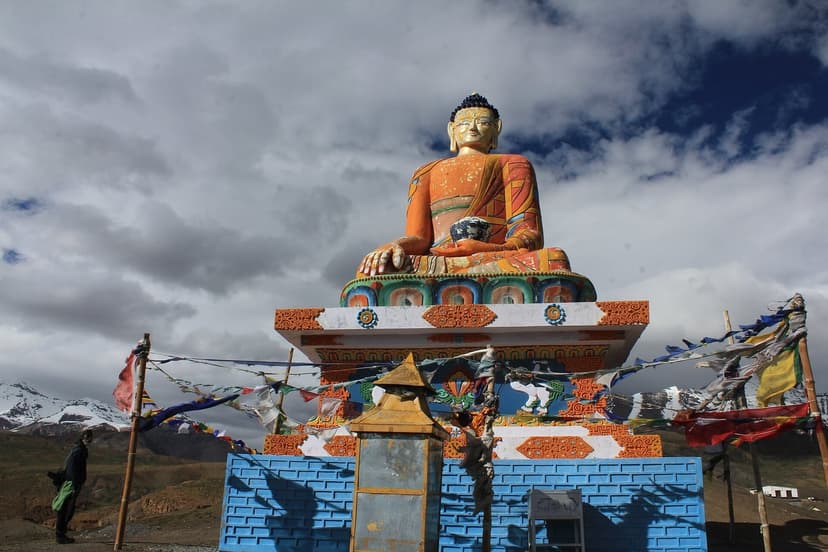
And the place itself: Key Monastery stacked above a frozen river, the Buddha at Langza under a hard blue sky, the cleanest night skies in India. Go in wanting Spiti, and a snow leopard as the bonus. Go in wanting only the cat, and you can end up not seeing the valley you are standing in.
So, should you go?
If you accept the cold, the cost, and a real chance of seeing nothing more than a smudge on a far ridge, then yes, this is one of the great wildlife experiences left in India, and Kibber is the place to try it. If you need a guaranteed close-up, go to a zoo and be honest with yourself. The wild version asks for patience and humility, and it gives back a kind of luck you do not forget. A traveller whose Ladakh flight was snowed out ended up in Spiti instead, saw snow leopards from afar, and called it no regrets. That is the right expectation.
Planning a winter Spiti run and not sure your days add up? Send us your draft plan and we will tell you where to add a buffer day, which Kinnaur stretch tends to close, and how to pick a community operator over a backdrop one.
Common questions
Can you really see a snow leopard in Spiti?
Yes, but it is rare and never guaranteed. Kibber in Spiti is among the most reliable wild sites on earth, yet sightings are usually distant and depend on luck, patience and cold tolerance.
How many snow leopards are there in Himachal?
About 83, per the 2025 state assessment (HP Forest Department and NCF), up roughly 62.7% from 51 in 2021. Indias national SPAI count is 718, from 2024.
When is the best time to track them?
January to March, when heavy snow pushes the cats and their prey, ibex and blue sheep, down toward village level near Kibber.
How much does it cost?
It ranges widely. A general winter Spiti circuit runs around 18,000 rupees; a community-run tracking expedition around 49,000 to 69,000; a dedicated photography expedition roughly 1.2 to 2.2 lakh. Verify current prices with the operator.
How do you reach Kaza and Kibber in winter?
Only via the Shimla-Kinnaur (NH-5) route. The Manali-Kaza road over Kunzum Pass is closed roughly October to May. Hire an experienced local driver, ideally from Reckong Peo, and expect 1 to 3 day snow closures.
How cold does it get?
Around -5C by day and -25 to -30C at night in Kibber and Kaza in deep winter. Water can freeze indoors overnight.
Do you need a permit or pay a fee for Kibber?
Indian citizens do not need an inner-line permit for this area, but the wildlife sanctuary may carry entry, camera or village-council fees. Operators usually bundle these; independent visitors should confirm the current fees with the Kaza forest office.
Is snow leopard tracking ethical?
It can be, done right: keep your distance, never stalk, bait or crowd the animal, follow trained local spotters, and choose operators that channel money to the Kibber conservation programmes that protect the cats.
Read next
- The Kinnaur valley: your winter road into Spiti
- The Spiti villages: Kibber, Komic, Langza and Key in detail
- The summer Manali-side road trip, when the other door is open
- When each Himachal road actually opens
- Is winter even the right season for you
Ajay Negi is from Kinnaur, and grew up between Reckong Peo and Kalpa on the Sutlej side of the Hindustan-Tibet road. He has been crossing into Spiti since he was a kid, mostly the back way through Nako and Gue, and writing about the Sutlej valley and its high cousins since 2019.
Sources. Snow-leopard counts, Down To Earth, HP 83 (2025) and India 718 (SPAI 2024). The Kibber conservation model and the Kalzang Gurmet quote, Snow Leopard Trust and its Kibber hotspot piece. Realistic expectations and trip shape, Spiti Ecosphere. The cat cannot roar: Wikipedia, snow leopard. Traveller voices throughout are quoted from r/HimachalPradesh, r/india_tourism, r/indiatravel and r/travel, linked inline. Prices, road status and fees change every season, so reconfirm before you travel.
You Might Also Like
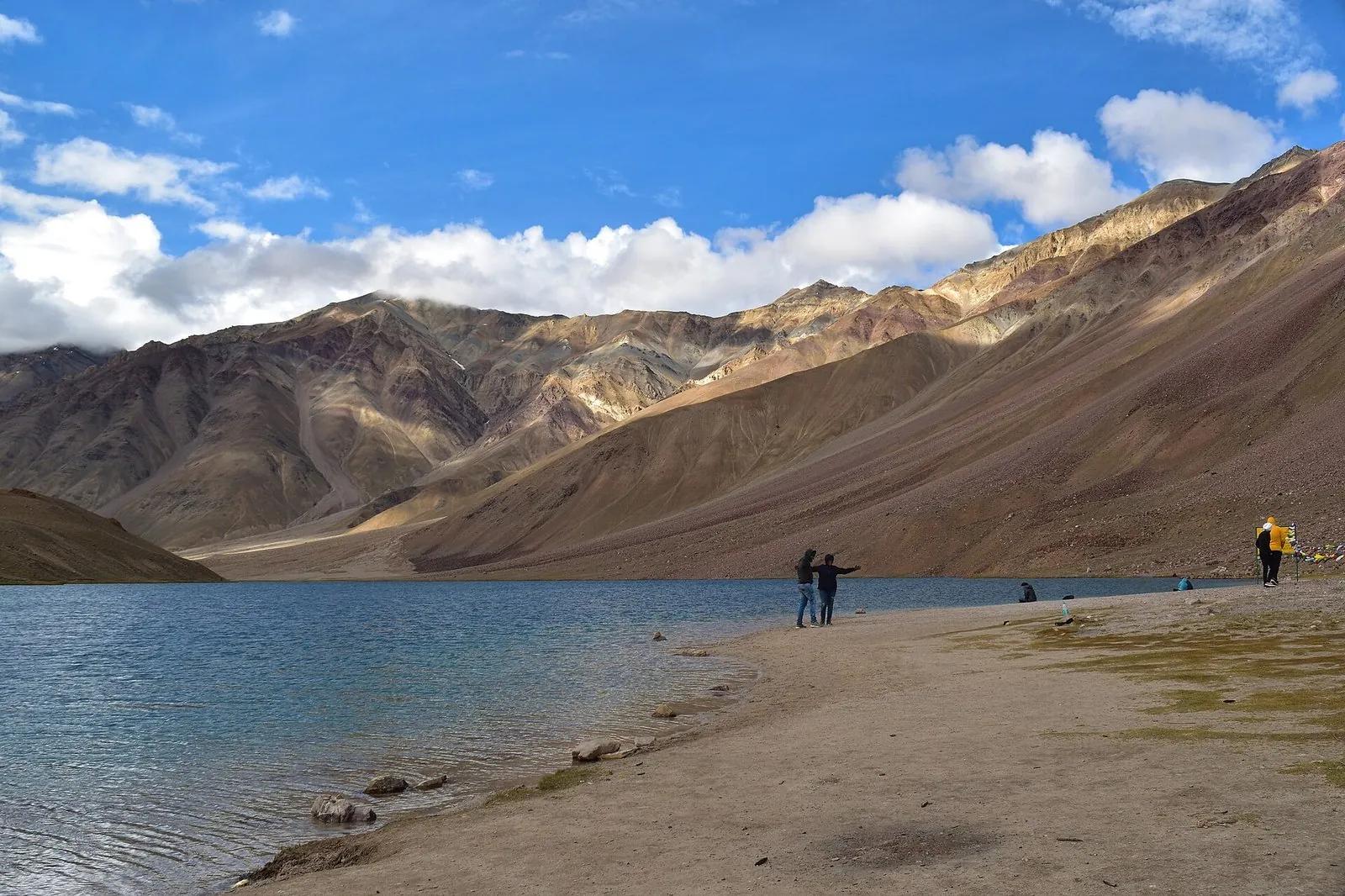
Chandratal Lake 2026: A Kinnauri Guide to the Eastern Approach
Chandratal opens late May to mid-June 2026. Lakeside camping is banned, the lake is a Ramsar wetland. Swiss tents Rs 1,200 to 2,500. The Kaza side via Kunzum beats a Manali day trip on every count except distance from Delhi.
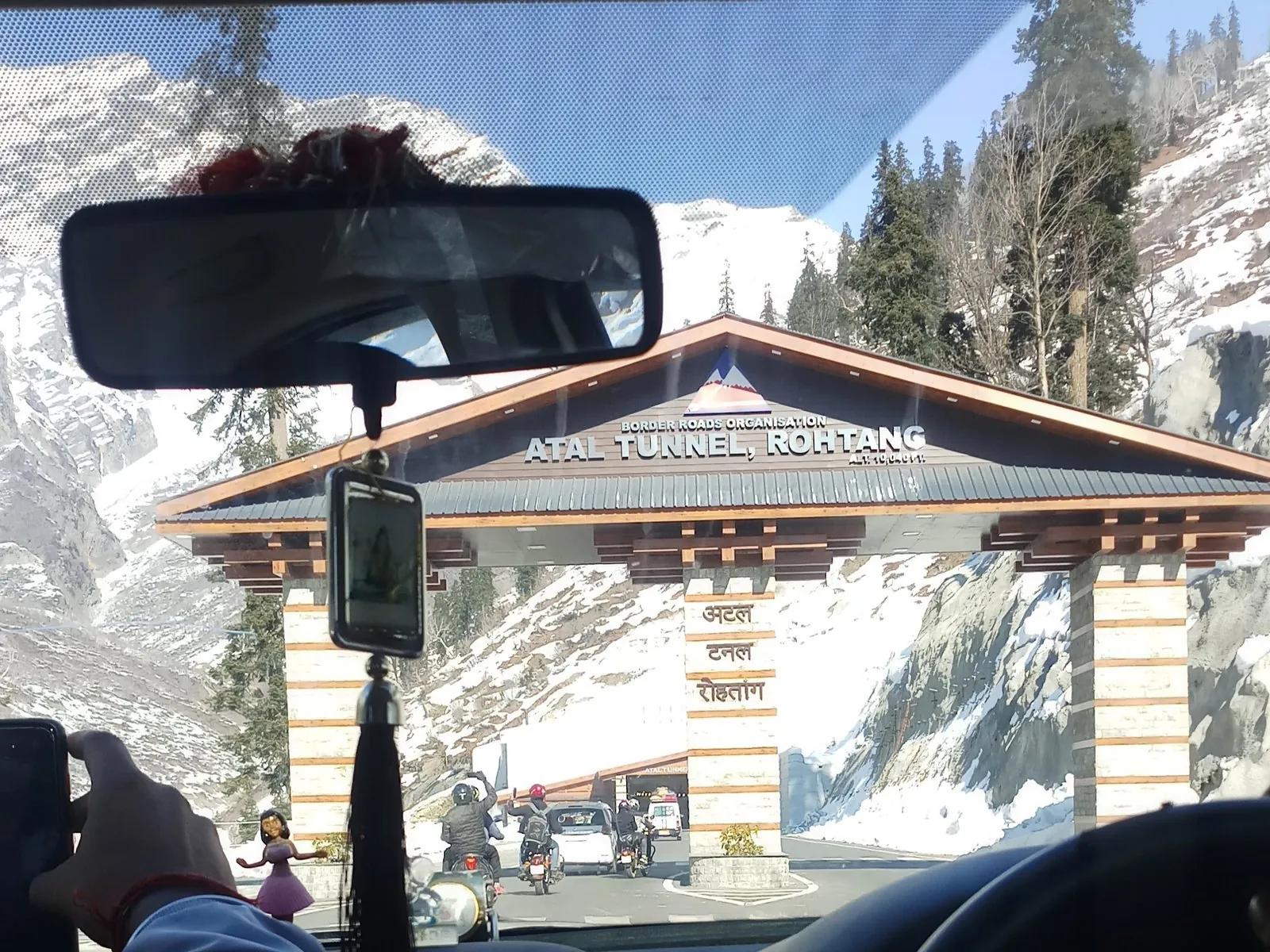
The Atal Tunnel: How One Tunnel Changed Lahaul Forever
Six hundred and twenty-two percent. That is what the Atal Tunnel did to tourism in Lahaul Valley. Before October 2020, Lahaul was six hours from Kullu and cut off six months a year. After October 2020, it became 45 minutes. A before-and-after of what one tunnel did to one valley, told by a Kullu local who has been driving through the portal since the month it opened.
Spiti by Royal Enfield: The Complete Motorcycle Guide 2026
A Kinnauri riders guide to Spiti on a Royal Enfield. Which bike (411 vs 450 vs XPulse), where to fuel, jerry can math, spare parts, mechanic map, water crossing technique, Gramphu-Batal survival, and a 12-day Shimla-Kinnaur-Spiti-Manali loop that lets your body acclimatise properly. By Ajay Negi.