
Himachal Pradesh for International Travelers: The 2026 Guide
About a hundred thousand foreigners visited Himachal Pradesh last year. That sounds like a lot. It is roughly a quarter of what came in 2019, before the West Asian wars and the rupee slide and the India-Pakistan headlines did their slow work on bookings. The state is still here, and quietly the cafe owners in McLeod Ganj are hoping you will come back. So here is everything I would tell my own friends if they were flying to Delhi tomorrow.
HP is genuinely one of the safest, most internationally workable corners of India. The Dalai Lama has lived here since 1960. McLeod Ganj has hosted foreign backpackers since the late sixties. Old Manali has cafes that serve real coffee and label the sourdough. The infrastructure for foreigners is better than most people guess.
What people guess wrong is the bureaucracy. You need a Protected Area Permit for parts of Spiti that Indian nationals do not. Your hotel has to file a Form C with the Bureau of Immigration within twenty-four hours. As of April 1, 2026 you also need an e-Arrival Card, online, no earlier than seventy-two hours before you land. Your SIM card may take two days to come alive. Your travel insurance probably excludes 3,000 metres by default, which is most of Spiti.
This piece is written for that. Not the polished version that turns India into a magic carpet, not the alarmist version that says do not come. Just what it actually takes to land at Delhi airport on a Tuesday in May, get to McLeod Ganj on a Thursday, and make it back without losing your passport.
By Rajesh Thakur. I am from Kullu valley and have been writing about Himachal travel since 2018. I am not a foreign traveller. The view from inside the state is what I can give you; the rest of this article leans on first-person testimonies, government primary sources, and a deep read of the FRRO and PAP paperwork.
- Visa
- e-Visa or embassy. e-Arrival Card mandatory since April 1, 2026.
- PAP/ILP fee
- Rs 250, offline, valid 15 days. Reckong Peo is easiest.
- Currency
- INR. May 2026 rate $1 ~ Rs 95.8.
- C-form
- Hotel files within 24 hours. You keep your passport.
- Best months
- April-June, September-October. Avoid July-August monsoon.
- Daily budget
- $8-20 backpacker, $30-80 mid-range, $120+ comfort.
- Voltage
- 230V 50Hz, Type C/D/M plugs.
- Time zone
- IST, UTC+5:30. No daylight saving.
- Languages
- Hindi widely. English fine in towns. Tibetan in McLeod Ganj. Pahari in villages.
- Plastic ban
- HP enforces a single-use plastic ban. Carry a reusable bottle.
What is actually different for you
The visa and the new e-Arrival Card
Most passports get into India on an e-Tourist Visa. The flat advertised fees ($25, $40, $80 for 30 days, 1 year, 5 years) are not universal. They depend on the bilateral arrangement. UK passport holders pay $484 for the five-year visa. US passport holders pay $160 for the same. Japan and Sri Lanka pay a flat $25. Add a 3% card processing fee or 4% on PayPal. Apply at indianvisaonline.gov.in and budget three to five working days for processing.
The other thing nobody told you about until April 1, 2026 is the e-Arrival Card. It is mandatory now for every foreign passport, including OCI cardholders. You fill it online no earlier than seventy-two hours before your flight lands. It captures the same passport, flight, address and health declaration that the old paper card used to. You get a QR code. You show it at immigration on arrival. Skip it and you do not get sent home, but you do get diverted to a staffed kiosk that will eat your first two hours in India. The form lives at the Bureau of Immigration portal and the Indian Visa Online site. There is also a free mobile app called Su-Swagatam.
Yellow fever vaccination certificate is needed if you are flying in from an endemic country. Otherwise no vaccinations are mandatory, but typhoid, hepatitis A and tetanus are sensible.
The Protected Area Permit, in plain words
Indian citizens can drive into Spiti and Kinnaur with their Aadhaar card. You cannot. The Foreigners (Protected Areas) Order, 1958 requires foreign nationals to carry a Protected Area Permit (sometimes called Inner Line Permit on operator websites; the legal term is PAP) for the inner zones of Lahaul-Spiti and Kinnaur. The named villages are Khab, Samdo, Dhankar, Tabo, Gompa, Kaza, Morang and Dubling. If your route goes anywhere near the Tibet border, the permit applies to you.
As of May 2026 there is no online application. You apply in person at one of these offices: SDM Reckong Peo (by far the most common; if you are coming from the Shimla side, this is where you do it), SDM Kaza (if you are coming the Manali way), SDM Keylong, or the DM office in Shimla if you want it before you start moving. The fee is Rs 250 (about $2.60) if you walk in yourself; agents in Reckong Peo will offer to do it for Rs 600-800 and the difference is theirs. Bring your passport, two photocopies of the photo and visa pages, two passport-size photos, and your itinerary.
Processing is usually thirty to sixty minutes if you turn up before 3 PM. The permit is valid fifteen days. The official rule says foreigners should be in groups of four sponsored by a registered travel agency. The unofficial reality, every Reddit thread and operator blog I can find for 2026, is that solo travellers and pairs get permits at Reckong Peo routinely. Anecdotally Kaza is slightly more strict than Reckong Peo on the group rule. Be polite, be patient.
C-form: what your hotel is doing with your passport
By Indian law every hotel, guesthouse, homestay and Airbnb host who takes a foreign guest must file Form C electronically with the Bureau of Immigration within twenty-four hours of check-in. Twelve hours for Pakistani, Bangladeshi and Chinese nationals. Twice for every guest: one at check-in, one at check-out. The portal is indianfrro.gov.in/eservices.
For you it means: the reception will copy the photo and visa pages of your passport. Sign nothing you do not want to sign. You keep the passport. If a small place asks to hold it overnight, smile and offer a clear photocopy. Big hotels do this routinely. Small homestays in remote Kinnaur and Lahaul sometimes do not realise it applies to them; if they do not ask, ask back. It is in your interest. A C-form on file is the official record of where you slept. If anything goes wrong, that record is what brings help to your door.
Penalty for non-compliant hosts is severe (up to five years and Rs 2 lakh). Penalty on you is zero, but the absence of a paper trail is its own problem.
SIM cards: the part nobody tells you about
You need three things and an Indian address to buy an Indian SIM. Original passport, original visa or e-visa printout, one passport-size photo, and a hotel booking that the shopkeeper can scribble down as your address. Then you wait. Airport kiosks (Airtel, Jio, Vi at Terminal 3 in Delhi) take ninety minutes on a good day. City stores can take up to forty-eight hours and a few of them post-2024 now demand a local Indian person as a reference, which can stall you completely if you do not know anyone.
Practical rules for HP. Jio has the best data coverage in the valleys. Airtel is similar. Vi (Vodafone Idea) is patchier. Once you cross into upper Kinnaur or Spiti, only BSNL works, and it works barely. The implication: if Spiti is on your trip, buy BSNL too. They sell a tourist SIM at the BSNL counter in Delhi airport and at the Reckong Peo BSNL office.
Alternative: a roaming eSIM from Airalo or Holafly, which works the moment you land. About $10-25 for 7-30 days. The catch is the same; in BSNL-only zones the eSIM also gives you nothing. Treat eSIM as your "first night in Delhi" backup, not your Spiti plan.
Need help working out the permit and insurance side before you fly? Email us with your passport country, dates, and the regions you want to see, and we will reply with a short checklist.
Money, cards and the cash problem
One US dollar buys about Rs 95.8 in mid-May 2026. The rupee has weakened about three percent in the last month and about twelve percent over the last year, which means your money is actually going further than it was the last time the popular travel blogs were updated. A pound buys around Rs 128. A euro around Rs 107.
Cards work at mid-range hotels and big-city restaurants. They do not work at dhabas, HRTC buses, vegetable markets, small guesthouses, or anywhere in the inner Spiti and Kinnaur villages. ATMs are reliable in Shimla, Manali, Dharamshala, Kullu, Mandi and Kaza. They are unreliable in Tabo and Nako (one ATM each, often out of cash). Withdraw enough for three or four days at a time when you can.
UPI is everywhere in India and is the closest thing to a magic wand a tourist will see this decade. Most foreigners cannot set it up because it needs an Indian bank account. There is a partial solution called UPI One World, available to foreign visitors at the Bureau of Immigration counters at Delhi and a handful of partner banks; it gives you a prepaid wallet linked to your passport. Useful if you plan to stay more than a week. If you do not have UPI, every chai stall still takes cash.
One Indian habit that protects you: every packaged product (bottled water, biscuits, instant coffee) has a Maximum Retail Price (MRP) printed on it. That is the legal maximum a shopkeeper can charge. If the bottle says Rs 20 and the shop says Rs 50, walk out.
Is HP actually safe?
Yes, with calibration. The US State Department has all of India on a Level 2 advisory (Exercise Increased Caution). The UK FCDO and the Government of Canada say similar things. None of them specifically flag Himachal. The recent State Department refresh adds two things worth knowing: do not bring a satellite phone or a hardware GPS device (Indian law treats them as a security risk; possession can cost up to $200,000 or three years), and do not cross the India-Nepal land border casually (the immigration paperwork can leave you detained).
HP itself is among the safest three or four Indian states. Violent crime against tourists is rare. Petty theft happens, mostly on overnight buses and trains, mostly to unattended luggage. The risks that actually hurt foreigners are natural. In order of how often they kill people each year: rivers, roads, monsoon landslides, altitude.
If a Himalayan river looks calm, that is the moment to step back from it.
Every Himalayan river you will see in HP looks deceptively calm in patches. The Beas, the Sutlej, the Parvati, the Chandra and the Bhaga have all drowned tourists this decade, including foreigners. The Parvati near Kasol kills someone almost every season. The Beas near Manali has riverside cafes whose front-row tables ought to come with a warning. Do not wade. Do not swim. Do not take selfies on the wet rocks.
Mountain roads are the second one. Overtaking on blind corners is normal. The driver of your shared taxi has done this road five hundred times and is very confident, which does not mean nothing will go wrong. If a driver smells of alcohol or seems unwell, get out. Bus drivers in HP are usually careful. Private taxi drivers are mostly careful. Some of them are not. The HP transport department says about ten percent of the state's road accidents kill someone, which is a high number for a state with this much traffic-calming geography.
Monsoon in HP runs July through early September. The 2025 monsoon killed dozens, closed hundreds of roads, and stranded thousands. Kinnaur, Kullu, Mandi, Chamba and Lahaul-Spiti are the most landslide-prone districts. If you are planning a Spiti or Kinnaur trip in July or August, change the dates. The roads will be cut. The flights will be cancelled. The Sutlej side will be in landslide news every other day. Aim for late April through mid-June, or mid-September through October.
The 2025 season also produced something else worth registering. Foreign tourist arrivals in HP fell to about 55,000 for January-September 2025, a decade low. The decline started with the 2020 pandemic, continued with the West Asia conflicts that thinned the Israeli backpacker pipeline through Kasol and McLeod Ganj, and then the 2025 monsoon plus the India-Pakistan headline cycle put another dent in bookings. The state's tourist board has not yet been able to reverse it. The practical implication for you, if it is any comfort: the cafes are quieter, the homestays have rooms, the prices have not climbed.
Solo women, calibrated
HP is significantly safer than most of India for solo female travellers. Most of the credible first-person accounts I have read (LostWithPurpose, TravelLadies, several Reddit threads in r/solotravel and r/IndiaTravelTips) say the same thing in different ways: the tourist-heavy bazaars (New Manali, Kasol, Manikaran) produce the most uncomfortable staring; the more remote villages produce the warmest welcomes; the locals will step in if a domestic tourist crosses a line. None of this is universal. The standard rules apply: do not walk alone in unlit lanes at night, do not drink with strangers, do not get into a private taxi with two men. Refuje has a dedicated guide on this; see the solo women piece linked in the closing reading list.
What it actually costs
Below is what mid-May 2026 looked like in INR, with USD at $1 = Rs 95.8. Three honest tiers.
| Line item | Price (May 2026) | Notes |
|---|---|---|
| Dorm bed / very basic guesthouse | Rs 350-700 per night | $4-7. McLeod Ganj, Kasol, Old Manali, Bir. |
| Clean private double, attached bath | Rs 1,200-2,500 | $13-26. The sensible middle. Most of HP at this price. |
| Boutique homestay or heritage stay | Rs 4,000-9,000 | $42-94. Naggar, Tirthan, Banjar, Jibhi, Bir. |
| Dhaba meal (thali) | Rs 120-220 | $1.25-2.30. Filling. Often local Himachali food if you ask. |
| Sit-down restaurant meal | Rs 350-700 | $3.65-7.30. McLeod Ganj has the best cafe-restaurant value in HP. |
| HRTC ordinary bus, intercity | Rs 100-450 | $1-4.70. The cheapest way to move. |
| HRTC Volvo Delhi-Manali (overnight) | Rs 1,400-1,700 | $14.60-17.75. Book on hrtchp.com. |
| Shared taxi (Manali-Kaza, 1 seat) | Rs 1,200-1,800 | $12.50-18.80. Faster than HRTC, less comfortable. |
| Private SUV, full day Manali area | Rs 5,000-7,500 | $52-78. For groups, splits well. |
| Protected Area Permit / ILP | Rs 250 | $2.60. Reckong Peo SDM, no agent. |
| Domestic SIM (Jio or Airtel) | Rs 350-900 starter pack | $3.65-9.40. Passport + visa + photo at airport kiosk. |
| International eSIM (Airalo, Holafly) | $10-25 | Works on arrival, but not in BSNL-only Spiti zones. |
Some perspective. A Rs 150 dhaba thali is real food, not a tourist trap; a fresh dal, two vegetables, rice, four chapatis, a small bowl of curd. Two of you can eat well at a McLeod Ganj cafe for what one of you would spend in Berlin. A clean private double in Kasol or Bir is $13-20 in 2026, which is the real reason the state still draws long-stay foreigners despite the rupee slide.
What inflates the cost: domestic flights (Delhi-Kullu can swing from $40 to $90 depending on season), private taxis if you book by the day, and the Kaza-Manali shared-taxi run if there are not enough Indian travellers to fill the vehicle.
Health, altitude, and the insurance trap
The most common medical event a foreigner has in HP is travellers diarrhoea in week one. Eat hot food, drink only bottled or filtered water, carry ORS, and the worst of it usually clears in three days. Tourist cafes in McLeod Ganj, Manali and Kasol mostly use filtered water and ice, but always ask. Avoid raw salads in roadside dhabas. Pharmacies are everywhere; a sachet of ORS costs Rs 20.
The serious one is altitude. Spiti runs from 3,000 to 4,600 metres. Kaza is 3,800. Komic is 4,587. Kunzum Pass tops out at 4,551. Chandratal is 4,300. Acute mountain sickness can hit anyone above 2,500 metres regardless of fitness. The two reliable mitigations are gradual ascent and Diamox (acetazolamide, available without prescription at every HP pharmacy, brand names include AmiAcet and Iopar).
If your trip is Spiti, please come up the Shimla-Kinnaur side over two or three days. Narkanda (2,440 m) or Kalpa (2,960 m) for your first sleep. Tabo (3,280 m) for the second. Kaza for the third. The other way, straight up from Manali through the Atal Tunnel and over Kunzum in one day, will give you a headache that ruins three days of your trip if you are unlucky and may put you in a worse place if you are not. Drink three to four litres of water a day. Skip alcohol for the first two or three days at altitude. Eat light: dal, rice, soup. Diamox should start one day before you cross 3,000 metres and continue for two days after.
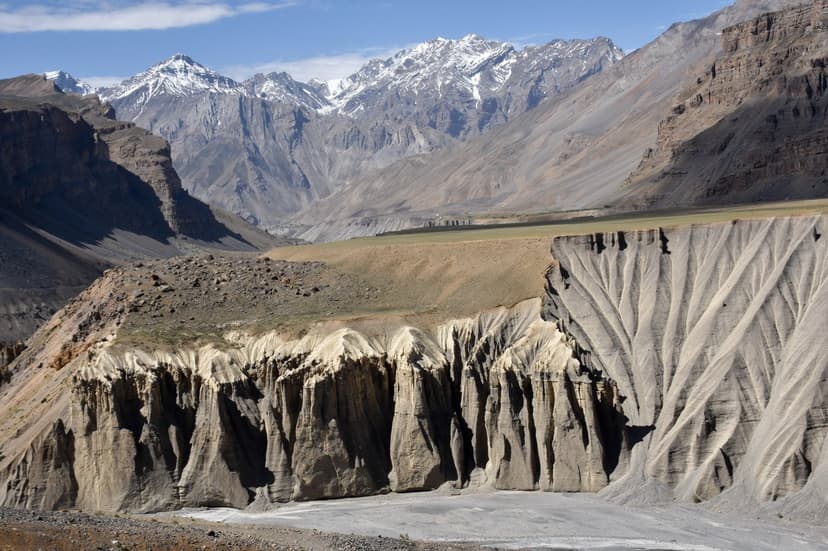
The insurance trap. Most standard travel insurance policies exclude altitudes above 3,000 metres or helicopter evacuation, and a few exclude both. Spiti is mostly above 3,000 metres. Read your policy schedule line by line before you fly. The keywords to search for are "altitude limit", "trekking", and "rescue / evacuation". A specialist policy from World Nomads, Safetywing or IMG Patriot Adventure runs $50-150 a month for HP-grade altitudes and is worth it. If the worst happens, you are looking at a six-to-ten-hour drive from Kaza to a hospital in Manali or Reckong Peo. A helicopter from Kaza to Chandigarh can be Rs 3-5 lakh ($3,100-5,200) if it is even available that day.
Red flags that mean go down right now: persistent vomiting, confusion, loss of coordination, crackling sound in the breath. The treatment for serious AMS is descent. Five hundred metres of altitude loss usually fixes it. Tell whoever you are travelling with the symptoms before you climb. Tell your hotel which direction is "down" from where you are.
What the first three days will actually feel like
If this is your first India trip, your first three days are likely to feel hard. Honest. The horns are constant. The pavement is a suggestion. The hygiene varies by ten levels between cafes one street apart. Strangers ask for selfies in places you did not expect, sometimes a queue forms. None of this is hostility; most of it is curiosity, and almost all of it stops as soon as you cross a state highway out of a tourist town.
The way most foreigners cope, in my reading of the threads and in conversation with cafe owners in McLeod Ganj, is to start somewhere with infrastructure. McLeod Ganj, Shimla and Manali are all easier first stops than landing straight in Spiti. Day one and two in McLeod Ganj feel like a soft entry to India because the Tibetan refugee community has built two generations worth of cafes, bookshops, English-speaking volunteer organisations, a working library, and a Tsuglagkhang complex that anchors the entire town. By day five most foreigners report the streets have stopped feeling overwhelming and the staring has become background noise.
Indian Stretchable Time is a real thing. Buses are sometimes late. Restaurant food arrives in any order. The eight-hour drive will be ten hours. Lean into it. Trying to enforce a Western timetable will burn you out before you get to Spiti.
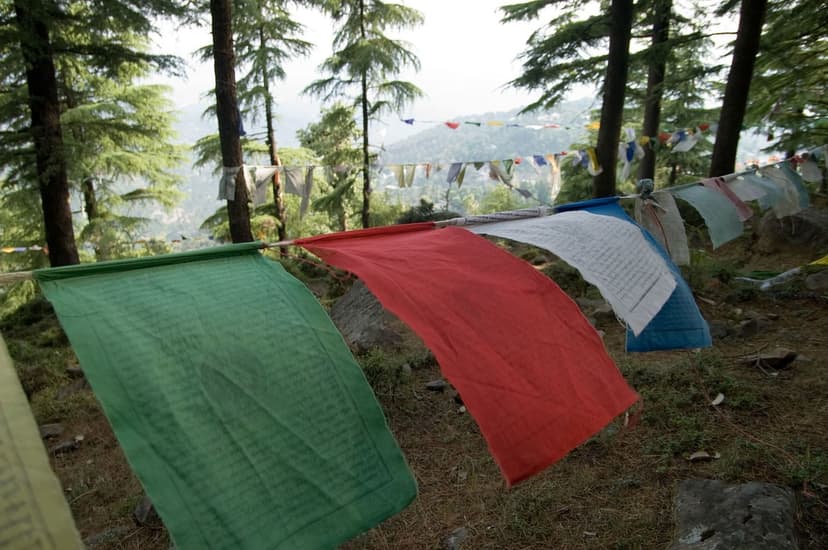
The etiquette that actually matters
I will skip the brochure list and give you the four rules I have actually seen foreign travellers get wrong in HP.
One. Shoes come off before you enter any temple, monastery, mosque, gurudwara, prayer hall or many people homes. There will be a row of shoes outside; that is the line. Some sites also ask you to leave leather items (belts, bags). Watch what locals do.
Two. The left hand is socially unclean for eating, giving and receiving. The cultural reason is that it is reserved for the bathroom. The practical reason for you is that handing money to a shopkeeper with your left hand reads rude. Use your right hand. If a monk hands you a katha (white silk blessing scarf) at Tsuglagkhang, hold it with both hands and bow slightly.
Three. Photography of people, especially older women and especially in remote villages, needs a verbal yes. Many older Spiti and Kinnaur villagers do not want to be photographed at all. Do not photograph military installations near the Tibet border. Do not photograph the inside of any monastery without asking; usually the answer is yes for the courtyard, sometimes no for the inner sanctum during prayer.
Four. Modest dress in temples means knees and shoulders covered. This is for everyone, men and women. In the kora outside Tsuglagkhang it is enforced; you will see foreigners in vests turned away. Pack a thin long-sleeve shirt and a scarf and you are covered for every site in HP.
A small one. "Julley" is the Buddhist greeting in Lahaul, Spiti and Kinnaur. Using it once at a homestay in Tabo will earn you a longer breakfast conversation than any English greeting will. "Namaste" works everywhere else.
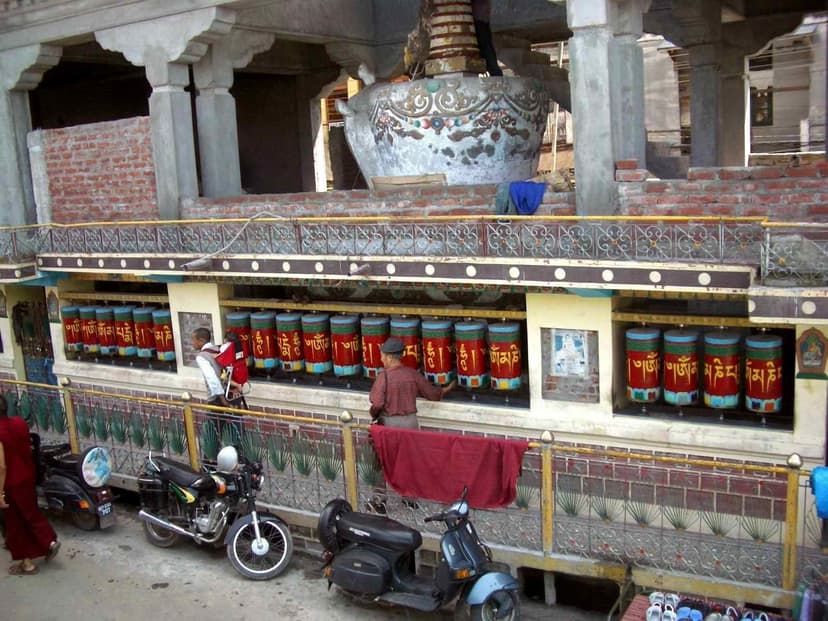
McLeod Ganj: why most foreigners start (or end) here
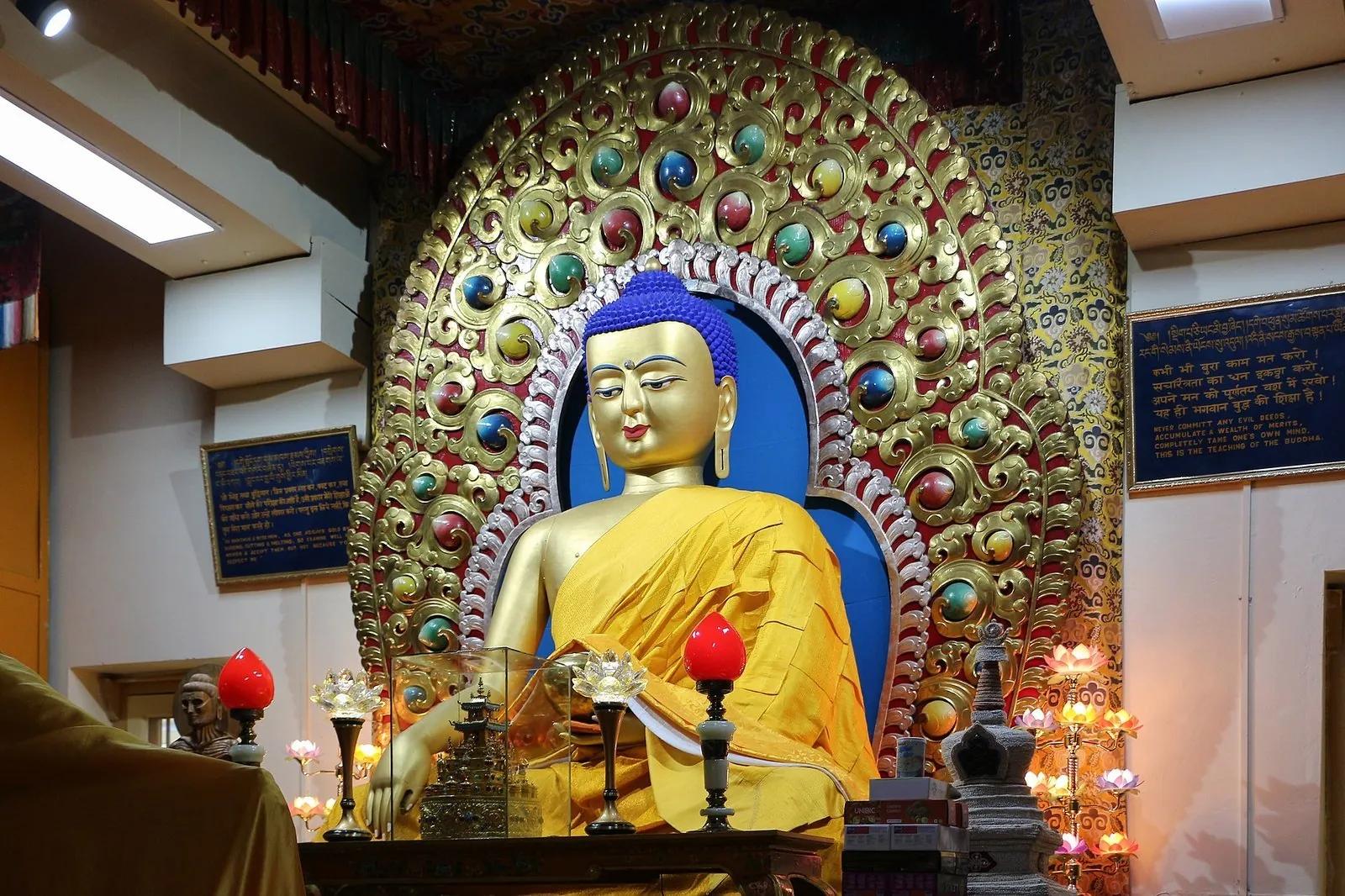
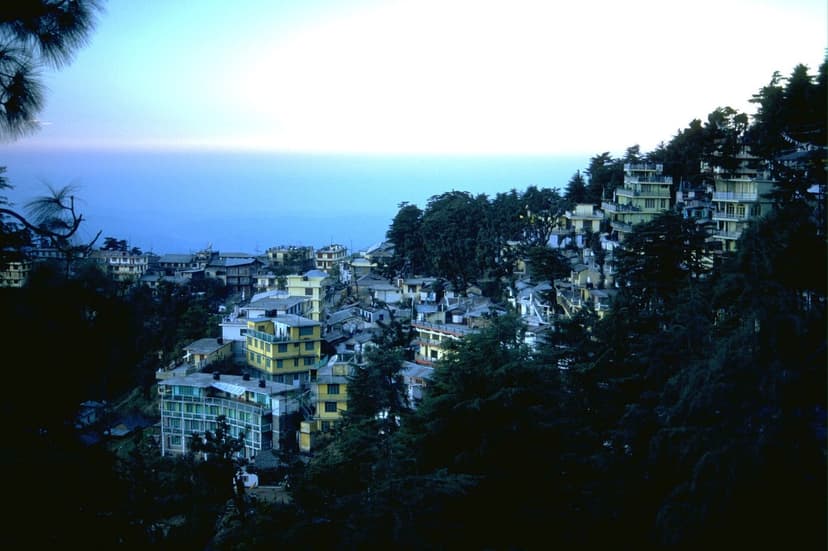
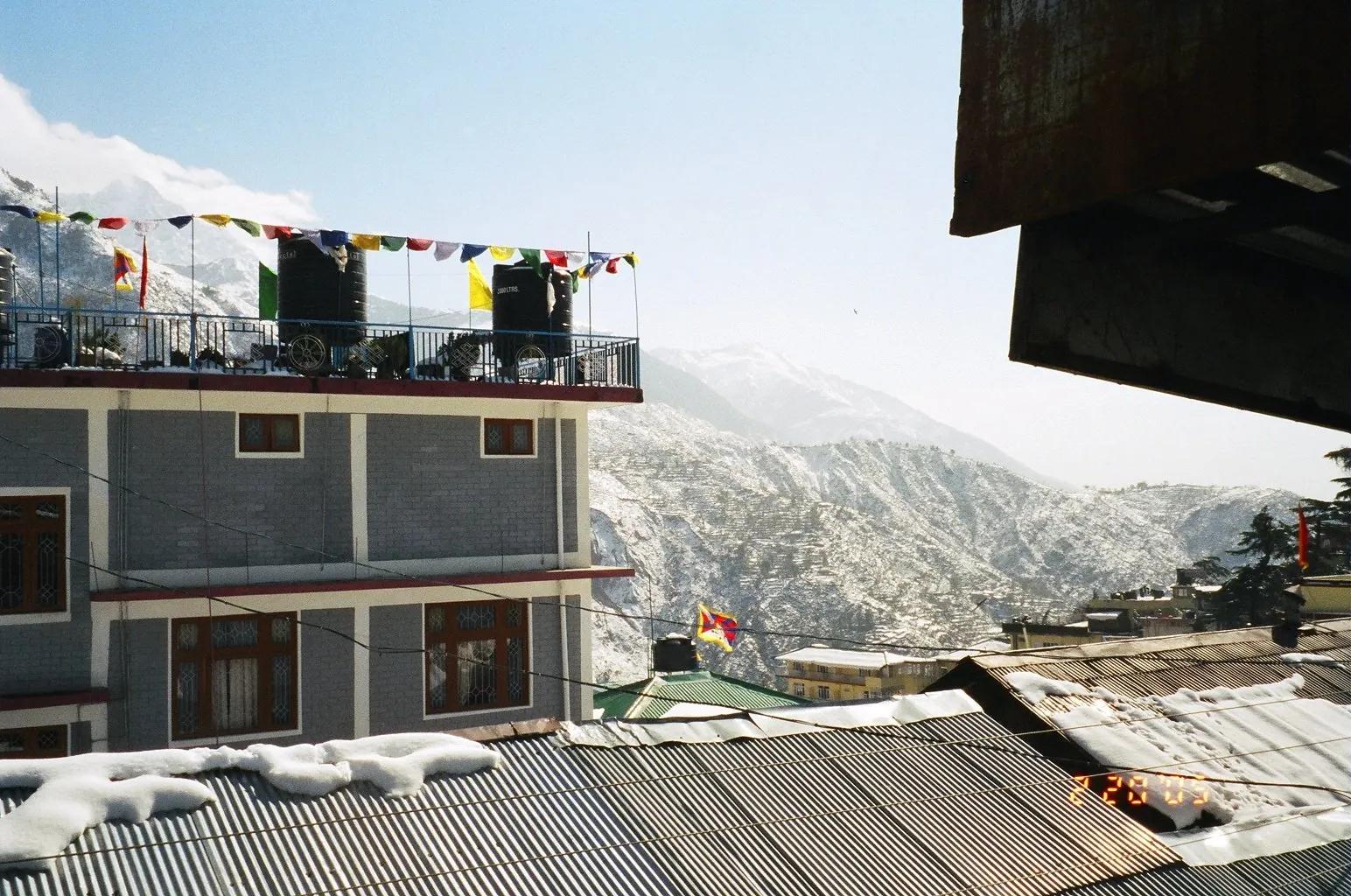
McLeod Ganj is the small Tibetan town a kilometre uphill from Dharamshala proper. The Dalai Lama has lived here since 1960. The Tibetan Government in Exile is headquartered here. Several thousand Tibetan refugees live in and around the area; the wider diaspora in India runs into the tens of thousands. The Tsuglagkhang complex (the main temple, the residence and the museum) is the spiritual centre of Tibetan Buddhism outside Lhasa. The Indian government, under Pandit Nehru in 1960, gave the community the land. They have spent two generations building cafes, schools, monasteries, language centres and the kind of working international infrastructure that you do not normally find in a sub-district of 25,000 people.
For you that means: English is widely spoken. Vegetarian food is excellent. Wifi is generally fine. There is a working library, several bookstores, three or four reliable co-working cafes (Common Ground, Moonpeak Cafe, Jimmy's Italian Kitchen for the long sittings), and a layer of restaurants and bakeries that have catered to long-stay foreigners since the 1970s. Coffee is real. Sourdough is real. Hummus is real.
Volunteering is the other half of why McLeod Ganj works as a base. The Lha Charitable Trust, founded in 1997, is the largest organisation, running English-language teaching, IT tutoring, social work, kitchen support and one-month Tibetan family homestays. Their requirement is one month minimum and no qualifications for the basic conversation-English classes. There is also Tibet World, Learning and Ideas for Tibet (LIT), and a few private projects through individual monks. If you want a meaningful stay rather than a tourist stay, this is the route most foreigners take.
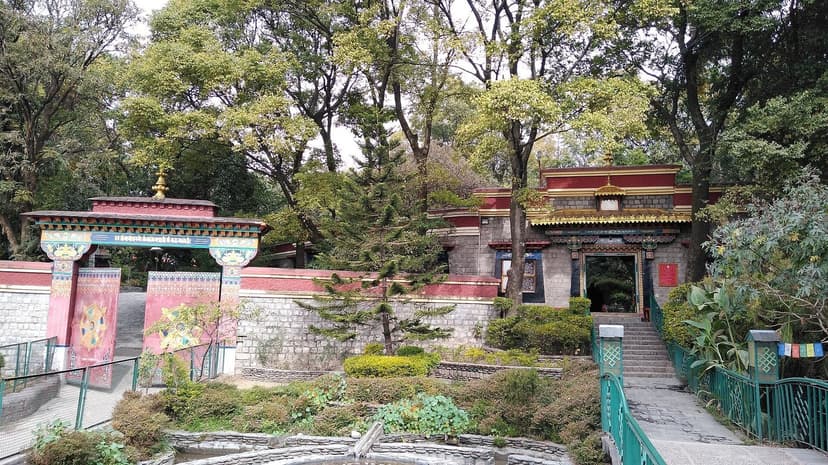
If you have one day here, walk the kora around Tsuglagkhang in the morning, drink coffee at Common Ground, walk to Bhagsu in the afternoon, sit by the waterfall, eat dinner at Tibet Kitchen. If you have three days, add a Triund day trek, an evening at Norbulingka Institute downhill in Sidhpur (the thangka painting and statue-making workshops there are where the Tibetan visual arts tradition has actually survived its exile), and a morning teaching at Lha. If you have a month, do the homestay.
Region by region, for foreigners
HP is not a single trip. Most foreigners pick three regions out of seven and link them with HRTC and a single domestic flight. Here is the rough sorter.
| Region | What you will like | What you should know |
|---|---|---|
| Shimla | Easy intro. UNESCO toy train. Lots of English. Walkable Ridge. | Crowded in summer. Tourist-priced. Not where the wild Himalaya feels are. |
| Manali / Kullu valley | Backpacker-friendly. Old Manali cafes. Cheap onward transport everywhere. | Mall Road is loud. Drug-scam risk in Old Manali at night. Skip Rohtang Pass day trip if Atal Tunnel is open. |
| McLeod Ganj / Dharamshala | Most international-friendly spot in HP. English everywhere. Volunteer infrastructure. Easy Triund trek. | Higher prices than the rest of HP. Bhagsu can feel like a tourist-only ecosystem. |
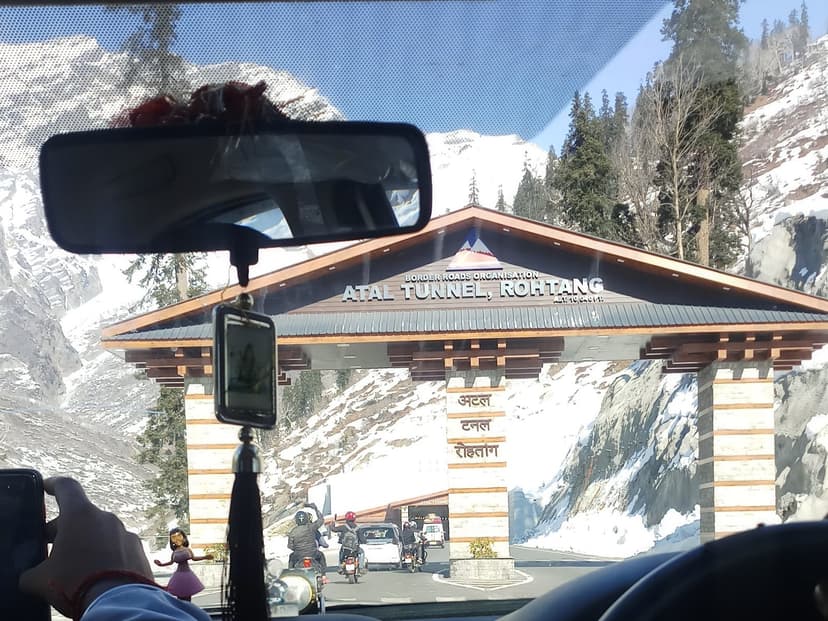
| Spiti Valley (Manali side) | Open year-round via Atal Tunnel. Iconic landscape. Strong homestay scene. | Permit required for foreigners past Tabo. Altitude jump is hard from the Manali side. |
| Spiti Valley (Kinnaur side) | Healthier acclimatisation. Reckong Peo SDM office gives you the permit easily. | Longer. Sutlej road is more landslide-prone. |
| Tirthan / Jibhi / Banjar | Quiet. Trout, walks, slow pace. Refuje is biased toward this side. | Less English than McLeod Ganj. Patchy data signal. |
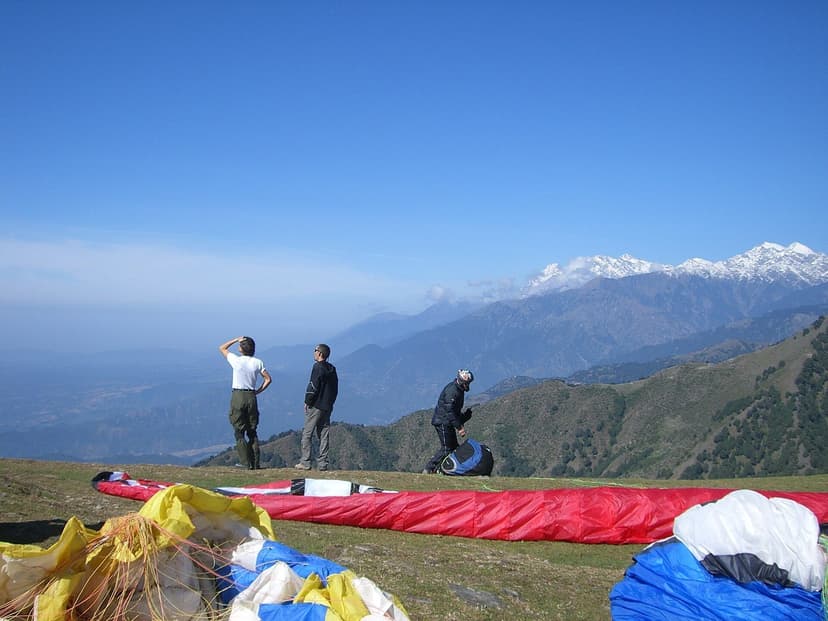
| Bir Billing | One of the planets better paragliding sites. Growing cafe scene. Strong Israeli + European pilot community in October. | Off-season feels empty. Cricket-quiet most of the year. |
| Kasol / Parvati Valley | Israeli + Russian backpacker hub. Great cafes. Cheap. | Drug-scam risk if you get curious. Crowded May-June. |
Two weeks, the standard route I would actually send a friend on
The two-week route below is the safest first-trip plan I know. It comes up the Shimla-Kinnaur side over four days of gentle altitude gain, does Spiti from the safer end first, and comes down to Manali through the Atal Tunnel only after you are properly acclimatised. McLeod Ganj at the end for two or three days of decompression. If you have ten days, drop Spiti and do Shimla-Manali-McLeod Ganj. If you have three weeks, add Tirthan and Bir.
- Day 1 - Land Delhi, sleep at airport hotel
Skip the temptation to start moving immediately. Aerocity has clean hotels at every price. Eat something light. Sleep. - Day 2 - Delhi to Shimla
Morning HRTC Volvo from Kashmere Gate ISBT. 8-10 hours. Or the Kalka-Shimla toy train. Stay near the Ridge. - Day 3 - Shimla, slow start
Mall Road, Ridge, Christ Church, Jakhu temple. Use the day to get your bearings. Buy Diamox at any pharmacy if Spiti is in your plan. - Day 4 - Shimla to Sarahan
HRTC ordinary or shared taxi via Narkanda and Rampur (8-9 hours). Bhimakali temple in the evening. Sleeping at 2,165 m is the start of acclimatisation. - Day 5 - Sarahan to Kalpa (or Reckong Peo)
About 5-6 hours up the Sutlej valley. Pick up the Protected Area Permit at the Reckong Peo SDM office before 3 PM (Rs 250, 30-60 minutes). Kalpa for the night at 2,960 m. - Day 6 - Kalpa to Tabo
Long road day, 6-8 hours, you cross the permit checkpoint at Sumdo. Tabo at 3,280 m. Sleep at the monastery guesthouse if you can; otherwise Maitreya. - Day 7 - Tabo with side trips
Caves above Tabo in the morning. Dhankar monastery in the afternoon. You are at 3,280 m for a second night; that is the point. - Day 8 - Tabo to Kaza via Pin Valley
Slow morning. Pin valley detour through Mud village. Kaza by evening at 3,800 m. Light dinner, lots of water. - Day 9 - Kaza acclimatisation and Hikkim post office
No big climbs. Walk Kaza, send a postcard from Hikkim (worlds highest post office, 4,400 m, but you go up and come back), visit Kye monastery in the afternoon. - Day 10 - Kaza to Chandratal or to Manali via Atal Tunnel
If the road is open and you have a 4WD, Kunzum Pass and Chandratal Lake. Otherwise straight to Manali via the Atal Tunnel (11-12 hours by shared taxi). Sleep low. You will feel it. - Day 11 - Manali rest day
Old Manali, Hidimba Devi temple, Vashisht hot springs. You came up the safe way; reward yourself. - Day 12 - Manali to Dharamshala
HRTC Volvo or shared taxi via Mandi and Kangra. 7-8 hours. - Day 13 - McLeod Ganj decompression
Tsuglagkhang, the kora, Norbulingka in the afternoon. Eat at Tibet Kitchen or Common Ground. - Day 14 - Triund or back to Delhi
Either the Triund day trek or McLeod Ganj to Delhi by overnight HRTC Volvo from Lower Dharamshala. Fly home from DEL.
If you want a Himachali sanity-check on a draft Himachal itinerary, email us your plan. We will tell you which day is over-ambitious, where the road is rough this week, and which homestays are worth the extra hours.
Scams calibrated for foreigners
HP scams are softer than the ones you may have read about in Delhi or Jaipur. Mostly opportunistic overcharging rather than organised cons. Here are the five that come up enough for me to write them down.
Taxi overcharge at airports and bus stations. Standard. A taxi at Delhi airport will quote double the meter for any foreigner. The fix is to take a prepaid airport taxi from the official kiosk inside the terminal, or to use Uber or Ola through the airport (the pickup point is signed). For HP airports (Bhuntar, Gaggal, Shimla Jubbarhatti), ask your accommodation to send a car; they will quote you a fair price.
"Your hotel is closed" redirect. Driver claims your booking does not exist, drives you to a commission-paying alternative. Call your hotel before getting in any taxi. Have the address written in Hindi (Google Translate works).
Drug scams in Kasol, Tosh, Old Manali. A stranger, often a young Israeli-looking man, offers hash. Within ten minutes uniformed men arrive and demand a bribe. India has long mandatory sentences for possession (NDPS Act, ten years minimum for commercial quantities). Do not engage. Walk away from the offer the first time it is made.
Fake government emporium. A shop calls itself "government" and inflates prices. The real Himachal emporium is run by the state and carries an HP Tourism logo and price tags. Anywhere else with the same word in the name is private.
Change confusion. Vendor returns change for a smaller note than you paid. Count the change in front of them. Slip a Rs 500 into one pocket and Rs 100 into another so you know which one you handed over.
One useful sentence in Hindi when you feel pressured: "Bhaiya, theek hai, dhanyavad, mujhe yahi chahiye." (Brother, fine, thank you, I just want this one.) It cuts an upsell short.
Getting to HP from Delhi
One rule first. Do not try to reach HP the same day you land in Delhi. Trans-Atlantic and Trans-Pacific flights land you in a state where the eight-hour bus ride into the mountains is a bad idea. Sleep one night in Aerocity or Karol Bagh. Eat something light. Get on a Volvo the next morning.
Bus. HRTC Volvo AC sleeper from Kashmere Gate ISBT (the ISBT, not the airport). Delhi-Shimla is 8-10 hours and Rs 1,000-1,200 ($10-13). Delhi-Manali is 12-14 hours and Rs 1,400-1,700 ($14-18). Delhi-Dharamshala is 10-12 hours and Rs 1,200-1,500 ($12-16). Book on hrtchp.com or Redbus. Reserve sleeper berths on the upper deck for the smoothest ride.
Flight. Delhi to Kullu-Bhuntar (KUU) is 1.5 hours and runs Rs 3,000-8,000 ($31-83) on Alliance Air or IndiGo. Delhi to Kangra-Gaggal (DHM, for Dharamshala) is similar. Delhi to Shimla (SLV) is the smallest field and has the least reliable schedule. Bhuntar and Gaggal both get weather-cancelled with some frequency in monsoon and winter, so book with refundable tickets if you can.
Train. Delhi to Kalka by Shatabdi (4 hours) and then Kalka to Shimla by the Kalka-Shimla toy train (5-6 hours, UNESCO heritage line). Combined this is about 10 hours and roughly Rs 2,000 ($21). Pretty. Slow. Wonderful if you are in no hurry.
Private car. Rs 8,000-15,000 ($83-156) one way. Comfortable. Long.
Connectivity and the offline plan
HP is the country where you finally accept that the phone you brought may not work. Jio and Airtel are reliable in Shimla, Manali, Dharamshala, Kullu, Mandi, Bilaspur, Bir and Palampur. They are patchy on the Manali-Atal-Sissu corridor and beyond Reckong Peo. They are useless from Tabo onwards into inner Spiti. The only network with any presence in Spiti is BSNL, and BSNL itself is intermittent.
What this means for you. Download offline Google Maps for the whole state before you leave Delhi. If Spiti is on your trip, buy BSNL too. Tell your family ahead of time that two-or-three-day silences are normal once you cross into the inner valleys; this is not a crisis. Wifi exists in tourist towns and at most homestays, with speeds that range from acceptable to painful. Power cuts happen, especially in monsoon. Carry a 20,000 mAh power bank and keep it charged.
One useful piece of practical software: install the HRTC bus booking app before you fly. The website is buggy on phone. The app works.
The map
This is the foreigner-relevant geography of HP: the visa and entry corridor from Delhi, the four main starting towns, the two ways into Spiti, the permit office at Reckong Peo, the FRRO at Shimla, the Lha Trust at McLeod Ganj, and the regions a 14-day trip can cover. Click any marker for the short note.
The trek to end your trip on
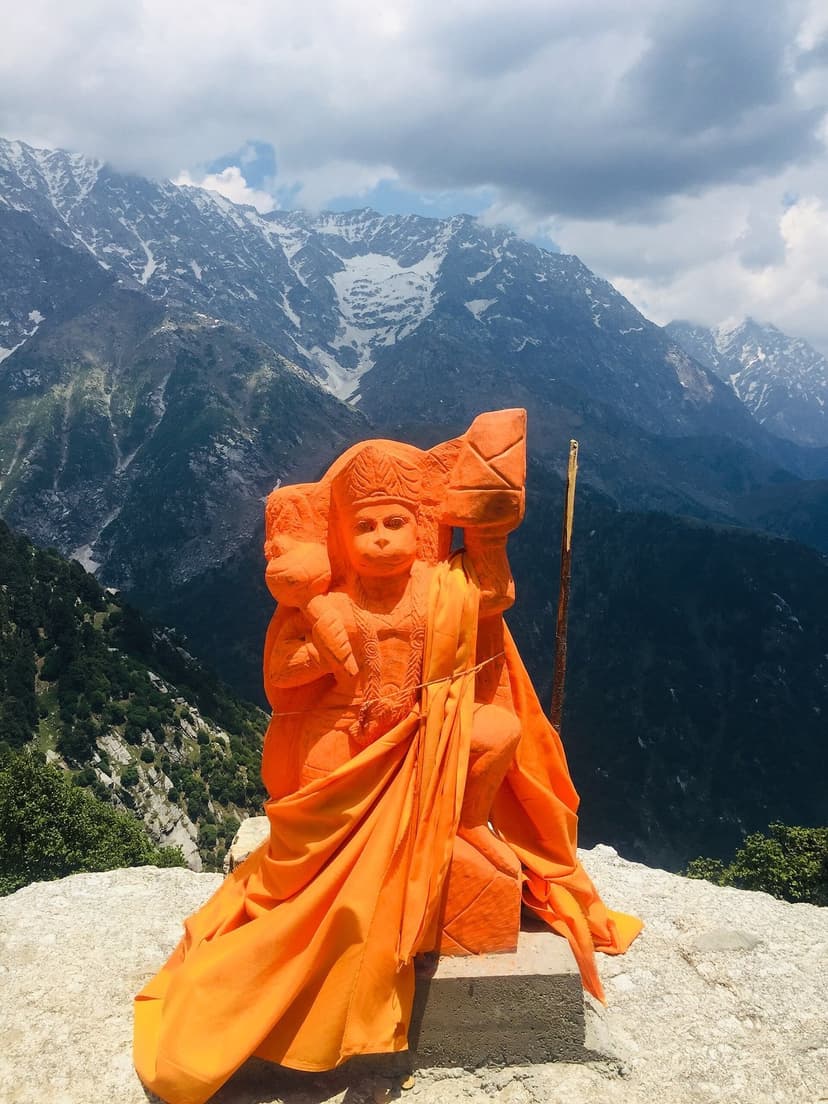
The Triund day trek from McLeod Ganj is the easy Himalayan day hike that gives most foreigners their first proper close-up view of the Dhauladhar range. 4-5 hours up. Two and a half hours down. The grade is steep but never technical. Carry water. Wear shoes with grip. There is a chai shack at the top run by local Gaddi families. The Hanuman idol is a quiet landmark for the last twenty minutes of the climb. If you can stay overnight at the official campsite, the sunrise is worth the cold; if not, the day version is enough.
Frequently asked questions
Do I need a visa for Himachal Pradesh?
Yes. All foreign nationals need a valid Indian visa. Most can apply for an e-Visa at indianvisaonline.gov.in. Fees vary by passport: Sri Lanka and Japan pay a flat $25 for all e-Tourist durations; US passport holders pay $25 for 30 days (or $10 in the April-June low season), $40 for one year, $160 for five years; UK passport holders pay $25 / $40 / $484 for the same three. Visa-on-arrival is not available except for a few short-stay countries. Apply 3-5 business days before travel.
What is the e-Arrival Card and do I need it?
Since April 1, 2026 every foreign passport holder entering India (including OCI cardholders) must fill an online e-Arrival Card no earlier than 72 hours before landing. It is separate from your visa. Fill it on the Bureau of Immigration portal, the Indian Visa Online site, or the Su-Swagatam app. You will get a QR code to show at immigration. Skipping it does not deny you boarding, but it sends you to a staffed kiosk on landing and you risk missing onward domestic connections.
Do foreigners need a permit for Spiti Valley?
Yes, for the inner zone. Indians do not need it but foreign nationals need a Protected Area Permit for Khab, Samdo, Dhankar, Tabo, Gompa, Kaza, Morang and Dubling in Lahaul-Spiti, and inner Kinnaur near the Tibet border. It is offline (no online system as of May 2026). Rs 250 fee, valid 15 days. The easiest office to use is the SDM at Reckong Peo. Bring passport, visa copies and two photos. Officially you should be in a group of four sponsored by an agency, but solo foreigners regularly receive permits at Reckong Peo. Processing is usually 30-60 minutes if you arrive before 3 PM.
Is Himachal Pradesh safe for foreign tourists?
Genuinely safer than most Indian states. The US Department of State has India at Level 2 (Exercise Increased Caution) but HP itself is not flagged. UK FCDO and Canada say similar. Violent crime against tourists is rare. The actual risks in HP are natural: river drownings (do not swim in any Himalayan river), monsoon landslides (July-August), altitude sickness above 3,000 m, and mountain road accidents. Most of these are avoidable with respect and timing.
How much does Himachal Pradesh cost in USD?
At a May 2026 rate of about $1 = Rs 95.8: a backpacker can travel for $8-20 per day (dorm $4-7, dhaba meals $1.25-2.30, HRTC bus $1-3). A mid-range traveller spends $30-80 (private room $13-26, sit-down meals $3.65-7.30, shared taxis $5-15). A comfort traveller spends $120 and up (boutique stay $42-94, fine dining $11-25, private SUV $52-78). Your money goes further than in Southeast Asia and far further than in Western Europe.
Can I get a local SIM card as a foreigner?
Yes, with paperwork. Bring passport (original and copy), valid visa, passport-size photo and an Indian address (your hotel booking is fine). Buy at a Delhi airport kiosk (Airtel, Jio or Vi) for fastest activation, often 1-2 hours. City stores may ask for a local Indian reference, which slows you down. For Spiti and remote Kinnaur, you need BSNL because nothing else has signal. An international eSIM (Airalo, Holafly) works on arrival but will leave you offline in BSNL-only zones.
What about altitude sickness in Spiti?
Take it seriously. Kaza is at 3,800 m, Komic at 4,587 m, Kunzum Pass at 4,551 m. Come up the Shimla-Kinnaur side over 2-3 days if you can. First night halt at Narkanda (2,440 m) or Kalpa (2,960 m), not Kaza. Drink 3-4 litres of water a day. No alcohol for the first two or three days at altitude. Diamox (acetazolamide) is over the counter at any HP pharmacy; start it one day before you cross 3,000 m. Red flags that mean go down immediately: persistent vomiting, confusion, loss of coordination, crackling breath. Confirm your travel insurance covers altitudes above 3,000 m AND helicopter evacuation; many policies exclude both.
Is the water safe to drink?
No, do not drink tap water anywhere in HP. Bottled water (check the seal), water-purifying tablets like Aquatabs, or a portable filter like LifeStraw or Sawyer. Boiled water from guesthouses is usually fine. Avoid ice in basic eateries. Carry ORS sachets (Rs 20 each at any pharmacy) for the first few days.
What does C-form registration mean for me?
Indian law requires every hotel, guesthouse and homestay to file Form C electronically with the Bureau of Immigration within 24 hours of a foreign guest checking in. Twelve hours for Pakistani, Bangladeshi and Chinese passport holders. The hotel will copy your passport and visa pages. You keep your passport. If a hotel asks to hold it overnight, ask for a photocopy instead. Small rural homestays sometimes do not know the process. It is in your interest if they do.
What scams should I actually watch for?
Five that come up in HP. One, taxi overcharging at airports and bus stations, especially for foreigners. Ask your hotel to send a car. Two, the hotel-is-closed redirect by a driver who knows you have a booking. Call your hotel before getting in. Three, drug scams in Kasol, Tosh and Old Manali where a seller appears followed by uniformed men asking for a bribe. Possession in India can mean ten years; do not engage. Four, fake government emporium with inflated prices. Real ones carry the HP Tourism logo. Five, change-confusion at street stalls. Count change in front of the seller.
How do I get from Delhi to Himachal?
Do not try the same day you land internationally. Sleep one night in Delhi. Then HRTC Volvo from Kashmere Gate ISBT (Shimla 8-10 hours Rs 1,000-1,200; Manali 12-14 hours Rs 1,400-1,700; Dharamshala 10-12 hours Rs 1,200-1,500). Or a 1.5-hour domestic flight Delhi-Kullu Bhuntar or Delhi-Kangra Gaggal for $40-90. Or the Delhi-Kalka train plus the Kalka-Shimla toy train (UNESCO heritage line, about 10 hours total).
I am a solo woman. Is McLeod Ganj fine?
Yes, McLeod Ganj is among the easier places in India for solo women. Tibetan refugee community, large international population, cafes that double as social spaces, easy walking everywhere. Apply the same precautions you would use anywhere: do not walk alone in unlit Bhagsu or Forsyth Ganj lanes at night, do not drink with strangers, do not accept the Old Manali rave invitations from someone you have known for an hour. See our dedicated solo women guide for the longer answer.
Where to read next
If you want the deep dive on any sub-topic in this guide, Refuje has a dedicated piece. For the complete permit walk-through (including Rohtang, Atal Tunnel, GHNP and the rest), see our Every Permit in HP 2026. For solo women specifically, our solo women guide goes deeper than the section above. For scams, the full HP guide covers domestic risks too. If Spiti is the trip, our Spiti road trip guide covers the Manali approach and Spiti village by village covers the slower exit through Kinnaur. The HP road status guide tells you what to check before you fly. The connectivity map tells you where your phone will and will not work.
Sources
Primary government sources for permits, registration and advisories: HP Lahaul-Spiti Foreigner Section, HP Kinnaur Tourist Guidelines, HP Kangra Form-C portal, Bureau of Immigration India, Indian Visa Online portal. Travel advisories: US State Department India advisory, UK FCDO India travel advice, Government of Canada India advice. e-Arrival Card: VisaHQ rule summary, May 2026. Altitude protocol: CDC Yellow Book chapter on high-altitude travel. SIM rules: Simology India SIM/eSIM guide. Volunteering: Lha Charitable Trust. Solo women first-person: LostWithPurpose Himachal solo account. Foreign tourist arrival data: Deshbandhu Hindi coverage on West Asia tension impact, Amar Ujala October 2025 30% drop coverage. Permit fee correction: Snow Leopards India Reckong Peo guide, Raacho Trekkers ILP fee. Exchange rate: XE USD to INR 1-year chart.
You Might Also Like
Volunteering in Himachal Pradesh: 12 Organisations and How to Apply (2026)
Teach English in McLeod Ganj, conserve the Great Himalayan National Park, build with earth in Bir, or harvest apples in Kullu. Twelve real HP volunteer organisations with honest costs, the visa rule that gets foreigners deported, and how to apply.
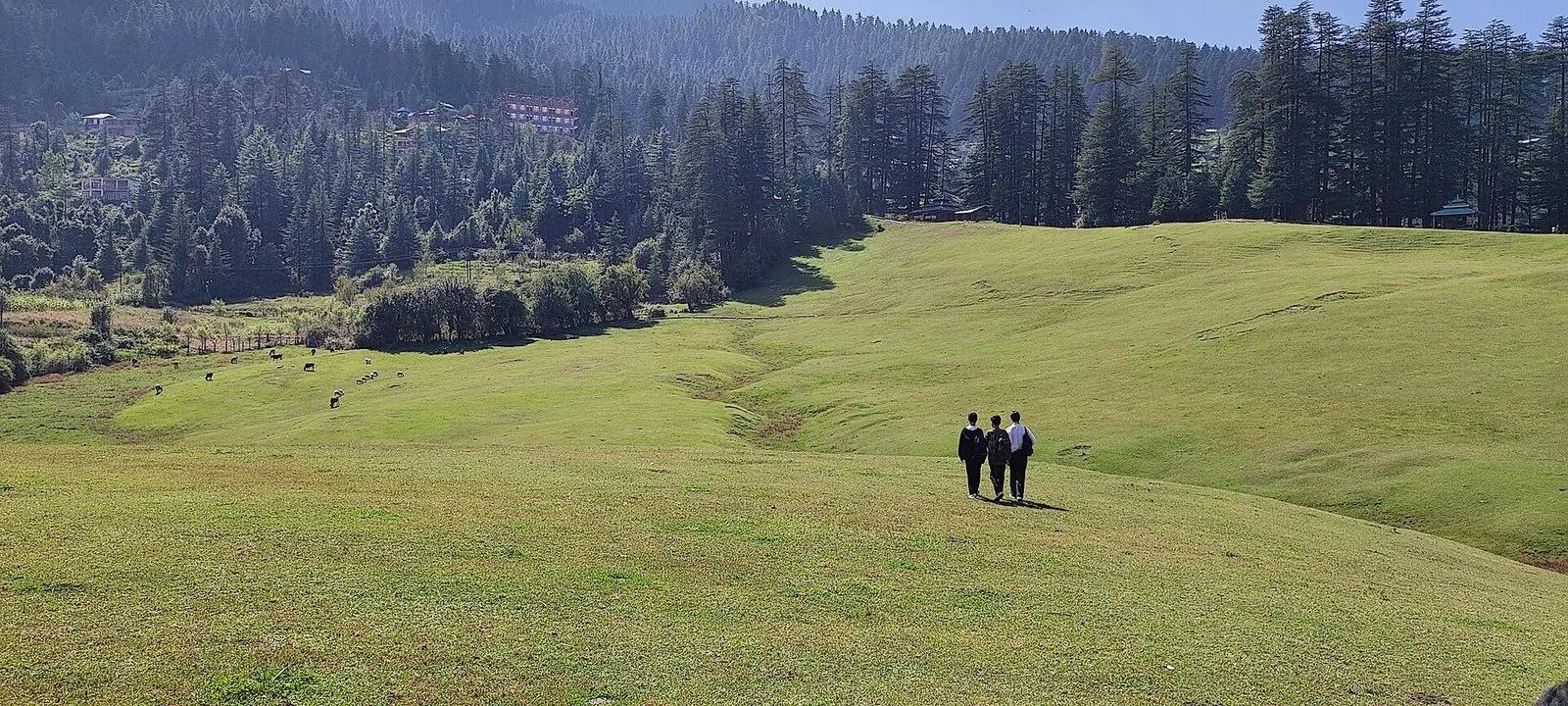
How to Travel Himachal Without Wrecking It: A Quiet-Travel Manual
A non-preachy field manual for responsible travel in Himachal, by a Kullu local: how to behave, when to go, where to go instead, and the 2026 rules and bans that actually matter.
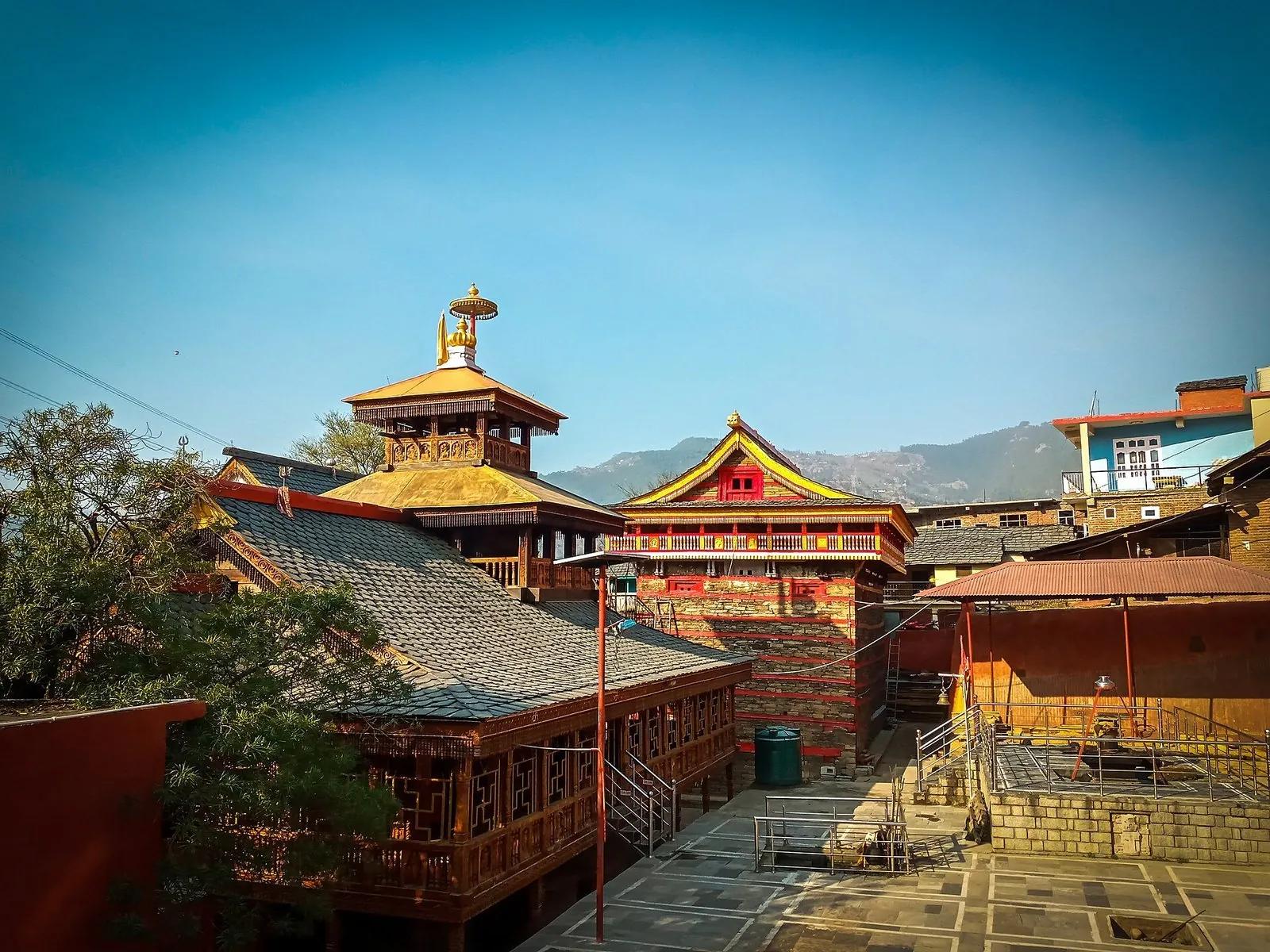
Mamleshwar Mahadev: The Eternal Flame Temple of Karsog
An eternal fire, a fist-sized wheat grain and a six-foot drum, kept in a mortar-less timber temple in the quiet Karsog valley. The honest story of Mamleshwar Mahadev: what is real, what is faith, and how to go.