The Worst Time to Visit Goa (There Are Two, Actually)
There is no single worst time to visit Goa. There are two, and they could not be more different, and which one is a disaster for you depends entirely on why you are going. Turn up in the monsoon expecting a beach-and-swim holiday and you will have a miserable, sodden week. Turn up between Christmas and New Year expecting space, calm or a fair price and you will pay through the nose to stand in a crowd. Both are, for the right person, completely wrong. Both are, for a different person, the best time of the year. So this is not a single date to cross off. It is a short, honest guide to the two bad windows, who each one is actually bad for, and when you should go instead.
I write for Refuje and I do not live in Goa, so this leans on Goans and repeat visitors arguing it out on r/Goa and r/goatravel, plus the hard facts that decide it, checked against current sources. The short version, before the detail: the monsoon (June to September) is the worst time for a classic beach holiday and, for a lot of people, the best time for everything else; and the peak fortnight around New Year is the worst time for your wallet and your patience. Pick your poison, or, better, avoid both.
The monsoon: the worst time for a beach holiday
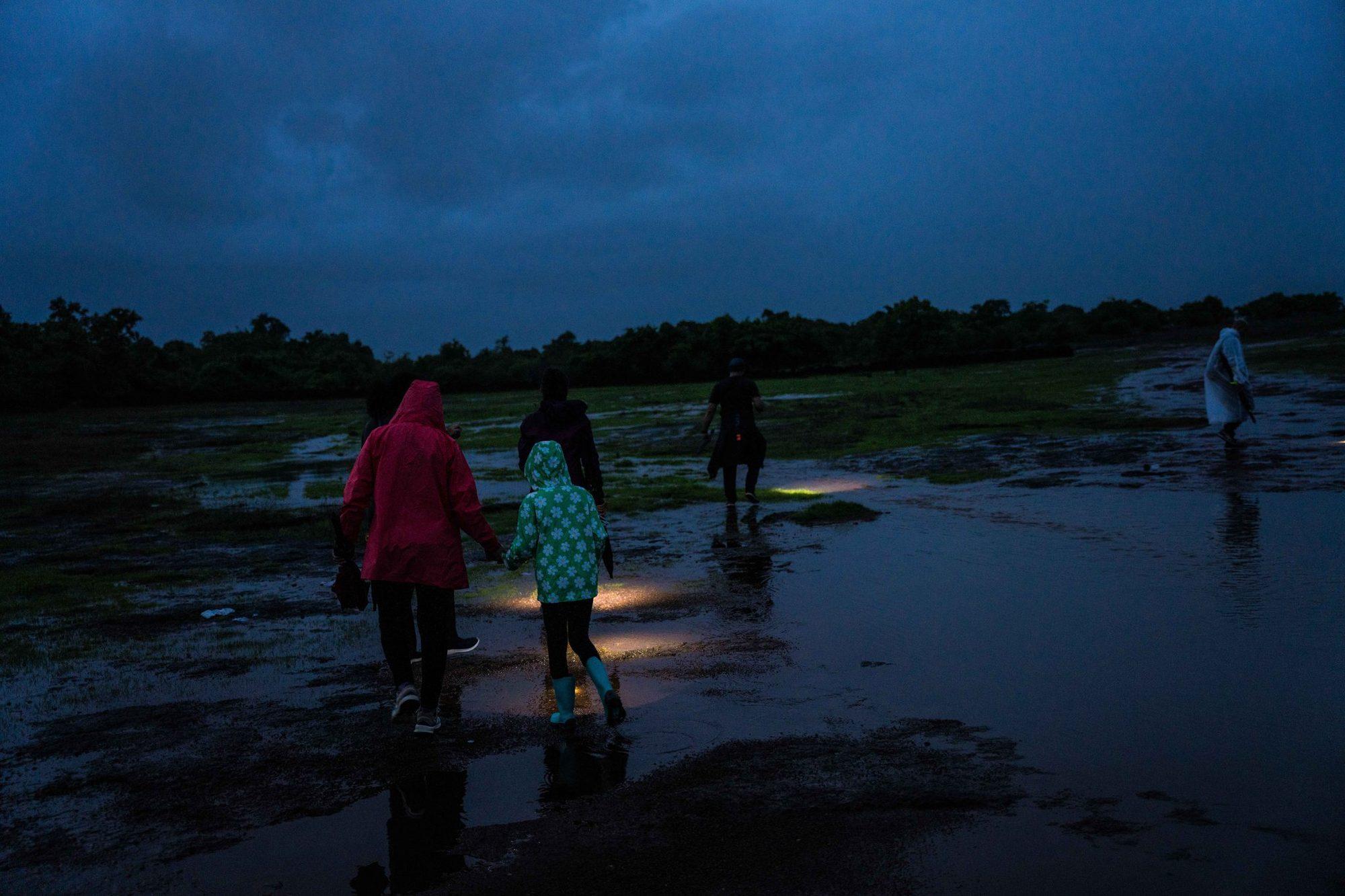
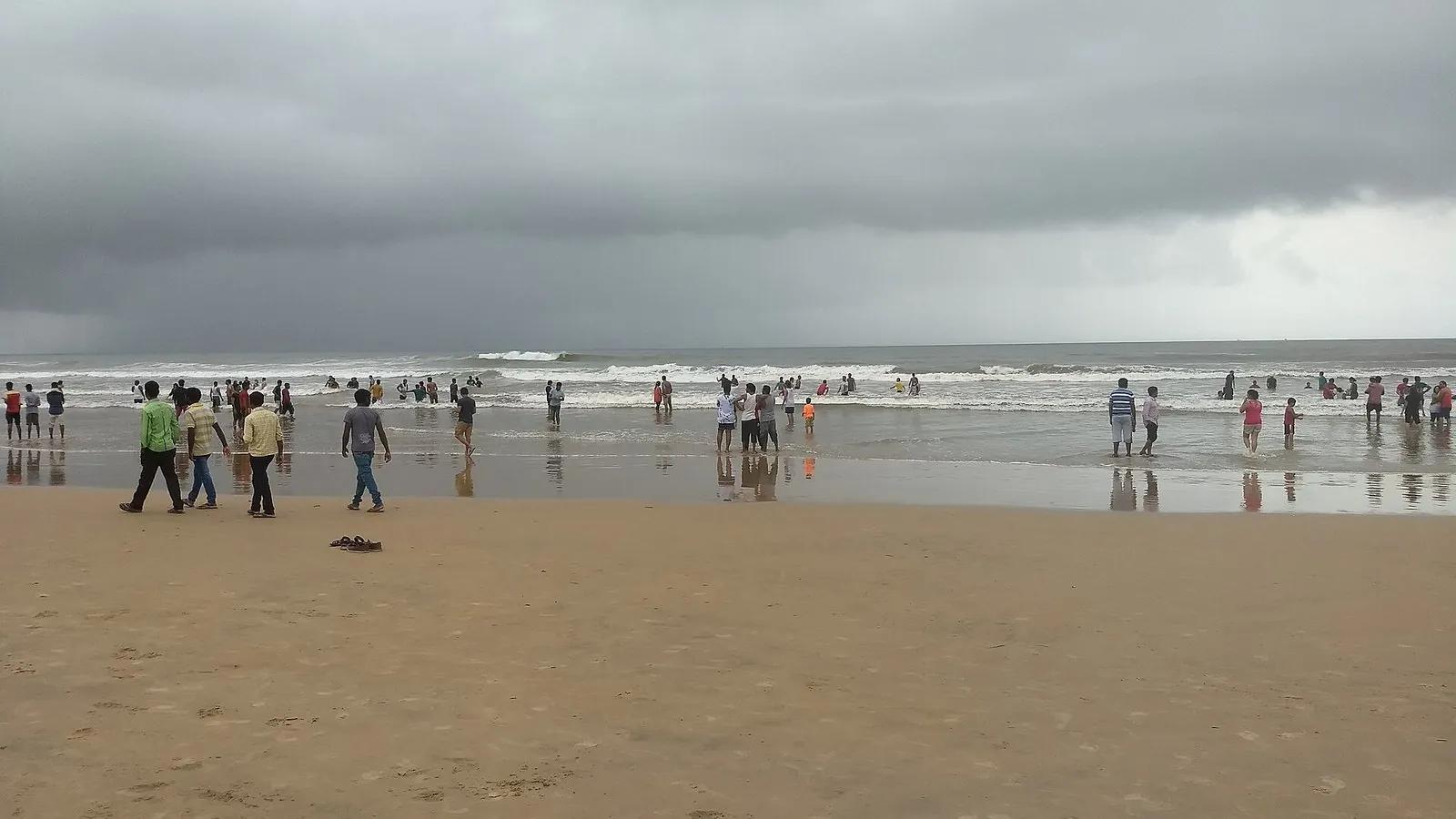
If your Goa is sun, sand and a swim, do not come in the monsoon. From the first of June to the end of September, Goa Tourism officially suspends swimming and water sports, and the state's beach-safety force, Drishti Marine, red-flags every single beach in the state; the lifeguards are there to keep you out of the water, not to watch you enjoy it. The sea turns brown and violent, the current is dangerous, and people do still drown every monsoon ignoring the flags. On top of that, the beach you booked for empties out: the seasonal shacks, the deck beds and umbrellas, the jet-skis and parasails all pack up and go, and some budget places, especially in the south, simply close for the season. Add days of solid rain, the odd power cut, and a lot of insects, and the classic Goa holiday is just not on offer. One r/goatravel commenter put the loss plainly: you will not swim, the shacks are shut, the beaches are empty, no water sports. If that is the trip you pictured, this is the wrong three months.
...unless the monsoon is exactly what you want
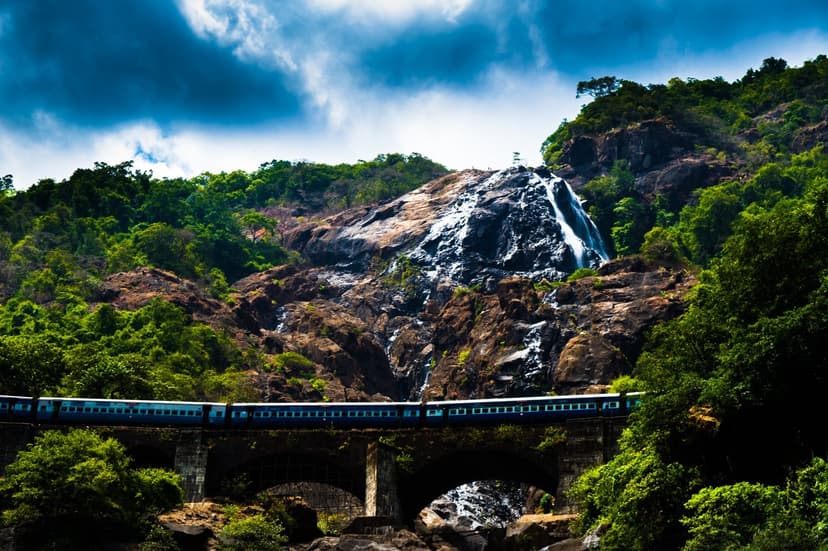
Here is the twist that makes this a genuine debate rather than a warning. A large number of people, including Goans, will tell you the monsoon is their favourite time in Goa, and they are not wrong either. The whole state goes an absurd, glowing green. The waterfalls that are a trickle in December, or dry, come thundering back, and the interior fills with them. The beaches are empty, the air is washed clean, and the prices fall to the floor. And the countryside comes alive in a way the beach season never shows you: as one commenter noted, July and August are when the farming community is out in the fields and the village festivals happen, the mud-soaked Chikkal Kalo among them. A Goan who lives there summed up the case for it, recommending the season for the greenery, peace and beauty; another said the rains turned Goa into a different animal, and that doing nothing in a room while it pours outside was its own kind of bliss; a third, a self-confessed rain-hater, admitted Goa in July was the trip that made them love it. One useful correction from a local, though: the beaches are not literally closed. You can still walk the shore and sit on the sand. It is the water and the water sports that are off-limits, so if you plan around the interior, the food and the green rather than the swim, the monsoon can be the best-value trip you take. Our monsoon-specific guides, to the waterfalls and the safer places to get in the water and to the strange, blooming laterite plateaus that only look alive in the rain, are built for exactly this trip.
The other worst time: peak season and New Year
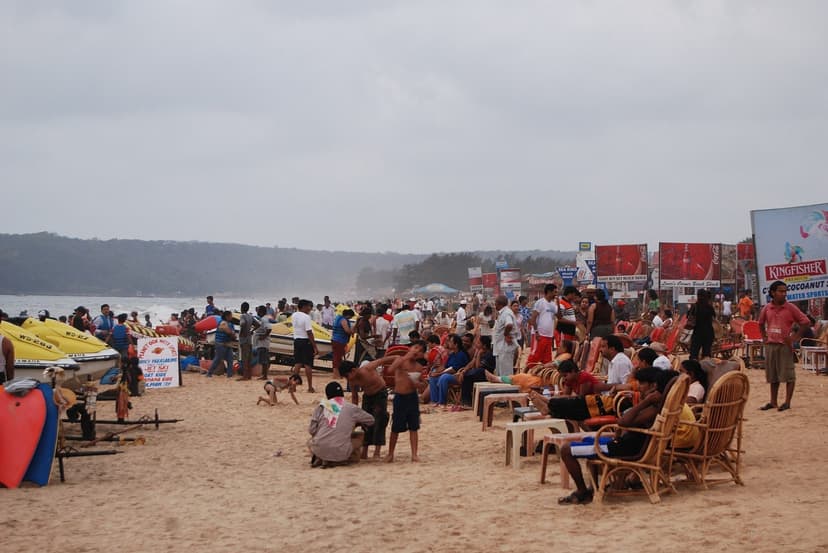
Now the opposite problem. If the monsoon is the worst time for a beach holiday, the fortnight from about the twentieth of December to the second of January is the worst time for a wallet and a nervous system. This is Goas peak, Christmas and New Year, and it is when the whole of India seems to arrive at once. Rooms that go for a fair rate in November are two or three times the price, and worse: r/goatravel regulars report basic Airbnbs asking five thousand rupees a night, and hotels sitting sixty percent empty while still charging a two-hundred-percent premium, citing the season. The roads gridlock, the good restaurants need booking, the beaches are wall to wall, and the taxi and hotel prices spike in a way locals openly call artificial. It is the loudest, most expensive, most crowded Goa there is. Unless the New Year party is the entire point of your trip, and for some people it genuinely is, the peak fortnight is the one to avoid, and the rest of the season around it is far better value.
The smaller bad patches
Two more, less dramatic. May is the least comfortable of the dry months, the hot, sticky pre-monsoon lull when the humidity climbs and the heat sits heavy before the rains break; the beaches are open but the middle of the day is a slog. And there is a strange one that catches people out in early winter: a milky haze that can settle over the coast for a week or two, usually when the first cold fronts of the season meet the humid sea air, flattening the light and dulling the famous sunsets. There is nothing to do about it but wait it out. Neither of these is a reason to cancel a trip, but if you have a choice of dates, a hot week in May and a hazy one in early December are both a notch below the rest of the dry season.
So when should you actually go
The sweet spots are the shoulders of the dry season, either side of the peak crush. November is the classic pick: the rain has stopped, everything has reopened and dried out, the crowds have not built and the prices have not spiked. February and early March are just as good, warm and dry and calmer as the season winds down, though March starts to heat up. Early December, before the peak fortnight lands, is a fine window too. In short, come between roughly November and February, and dodge the last ten days of December, and you get the Goa the brochures sell without the two things that ruin it. And whatever the season, the point of this whole series stands: the Goa worth having is the one beyond the crowded beaches, which happens to be exactly the Goa the monsoon and the shoulder months do best.
| The monsoon (June to September) | Peak season (about 20 Dec to 2 Jan) | |
|---|---|---|
| Worst for | A classic beach-and-swim holiday | Your budget, calm and space |
| The scene | Heavy rain, rough red-flagged sea, shacks gone | Hot, dry, packed, everything booked out |
| Prices | The cheapest of the year | The highest of the year, big premiums |
| Crowds | Near-empty beaches | Wall to wall, and gridlocked roads |
| Actually great for | Green, waterfalls, budget, peace, workation | Only the party and the New Year scene |
It depends. Do you like nature and empty beaches? Then July is best. If the plan is party places with a huge crowd, then July is not for you.
The quick month-by-month. June to September: monsoon, no swimming or water sports (Drishti red-flags every beach), most shacks shut, but green, cheap, empty and full of waterfalls, best for nature, budget and slow trips, not for a beach holiday. October: the rain eases and things reopen, hit or miss early on. November: arguably the best month, dry, reopened, not yet crowded or pricey. Early December: still good value before the rush. Roughly 20 December to 2 January: peak, the most crowded and by far the most expensive fortnight, avoid unless New Year is the point. January: busy but easing, still pricey. February to early March: excellent, warm, dry and calmer, though March warms up. April to May: hot and humid, May the least comfortable. Whenever you come, check the current monsoon timing and any beach advisories, since dates shift year to year.
- The honest answer
- There is no single worst time, there are two. The monsoon (June to September) is the worst time for a beach holiday, and the peak fortnight around New Year (about 20 December to 2 January) is the worst for your budget and for any hope of calm. Which one is bad for you depends entirely on what you came for.
- The monsoon (Jun-Sep)
- Goa Tourism suspends swimming and water sports and Drishti red-flags every beach from 1 June to 30 September; most shacks, deck beds and jet-skis are gone and it rains for days. But it is the cheapest, greenest, emptiest time, with the waterfalls in full flow and village festivals on, and plenty of people call it their favourite.
- Peak season (around New Year)
- The fortnight from roughly 20 December to 2 January is the most crowded and most expensive time by far, with rooms at two to three times the normal rate, gridlocked roads and everything booked out. Worth it only if the New Year party is the whole point of the trip.
- The smaller bad patches
- May is the hot, humid, uncomfortable pre-monsoon lull, and early winter can bring a week or two of milky haze that dulls the sunsets. Neither ruins a trip, but both are a notch below the rest of the dry season.
- When to go instead
- The shoulders of the dry season: November is the classic sweet spot (dry, reopened, not yet crowded or pricey), with February and early March just as good and early December fine before the peak. Broadly, come November to February and skip the last ten days of December.
So the honest answer to when not to go depends on what you want: skip the monsoon if you came to swim, and skip the New Year fortnight if you came for anything other than the party. If the rains do not put you off, note that the water sports and swimming rules are real and worth reading up on in our honest guide to Goa watersports, and the food is glorious in any season, wet or dry, per our guide to what to actually eat. You can see the North Goa experiences that are currently bookable on the North Goa things-to-do page.
Common questions
What is the worst time to visit Goa?
It depends on what you want, because there are two very different bad windows. For a classic beach-and-swim holiday, the worst time is the monsoon, June to September, when swimming and water sports are officially suspended, the sea is rough and red-flagged, and most shacks and beach services shut down. For value and calm, the worst time is the peak fortnight around New Year, roughly 20 December to 2 January, when Goa is at its most crowded and expensive, with room rates two to three times higher than normal. If you came to swim, avoid the monsoon; if you came for space or a fair price, avoid the New Year rush.
Is Goa worth visiting during the monsoon?
Yes, for the right trip, and many people, including Goans, say the monsoon is their favourite time. You cannot swim or do water sports, and most beach shacks are closed, so it is a poor choice for a traditional beach holiday. But the state turns brilliantly green, the waterfalls come alive, the beaches empty out, prices drop to their lowest, and village festivals and farming life are on show. If you plan around the interior, the waterfalls, the food and the greenery rather than the beach, the monsoon can be the best-value and most peaceful trip you take. Just respect the red flags and stay out of the sea.
Is Goa closed during the monsoon?
No, and this is a common misunderstanding. Goa itself is very much open in the monsoon, hotels, restaurants set back from the sea, markets, temples, waterfalls and the whole interior all operate. What changes is the beach: as a Goan put it, no beach is literally closed, but swimming and water sports are suspended and lifeguards actively keep people out of the water for safety, and the seasonal beach shacks, deck beds and jet-skis are packed away until October. So you can absolutely visit and enjoy Goa in the monsoon; you just have to plan a trip that is not centred on the sea.
When is Goa most crowded and most expensive?
The peak is the fortnight around New Year, roughly 20 December to 2 January, taking in Christmas and the New Year parties. This is when the whole of India seems to arrive at once, and prices spike accordingly: r/goatravel visitors report basic rooms asking several times their usual rate and hotels charging steep premiums even when they are half empty. Roads gridlock, restaurants need booking and the beaches are packed. The wider peak season runs through December and January, but that specific New Year fortnight is the single most crowded and expensive window. Unless the New Year party is your reason for coming, it is the one to avoid.
When is the best time to visit Goa?
The sweet spots are the shoulders of the dry season, on either side of the New Year crush. November is the classic best month, the rain has stopped, everything has reopened, and the crowds and prices have not yet peaked. February and early March are just as pleasant, warm and dry and calmer as the season eases, though March begins to heat up. Early December, before the peak fortnight, is also a good-value window. In short, aim for roughly November to February and skip the last ten days of December, and you get the classic Goa weather without the worst of the crowds or the prices.
Is May a bad time to visit Goa?
May is not the worst time, but it is the least comfortable of the dry months. It is the hot, humid pre-monsoon lull, when the heat and humidity build up before the rains break, and the middle of the day can be a sweaty slog even though the beaches are still open and operating. Prices are lower than in peak season and the sea is still swimmable, so a May trip is perfectly doable if you handle heat well and plan around early mornings and evenings. But if you have a free choice of dates, the cooler, drier months from November to February are a clear notch more comfortable.
Sources and a note on this guide
I write for Refuje and I do not live in Goa. The feel of each season, the case for and against the monsoon, and the anger about New Year pricing come from Goans and repeat visitors on r/Goa and r/goatravel, quoted and attributed and reported rather than endorsed. The hard facts are sourced: the June-to-September suspension of swimming and water sports, with Drishti Marine red-flagging every beach, from Goa Tourism advisories and Goan news; the peak-season crowds and price premiums from those same forums and Goan press coverage. Monsoon timing shifts a little every year and prices move constantly, so treat the dates here as the usual pattern rather than a guarantee, and check current advisories and rates before you book. The facts were checked in August 2026.
- The June-to-September suspension of swimming and water sports, and Drishti Marine red-flagging every beach: Goa Tourism monsoon advisories and Goan news reports.
- The monsoon upside (greenery, waterfalls, low prices, village festivals like Chikkal Kalo, workation) and the correction that beaches are not literally closed: attributed r/Goa and r/goatravel threads, quoted inline.
- The peak-season crowds and price premiums (rooms at multiples of the normal rate, high charges even at low occupancy): attributed r/goatravel threads and Goan press coverage.
Weather, prices and rules all change, so check the current monsoon timing, beach advisories and room rates before you commit to dates. And whenever you come, the best of Goa is rarely on the crowded high-season sand, so plan for the quieter Goa and the season matters a good deal less.
You Might Also Like
Edge City India 2026: The Practical Guide
Three weeks in Mandrem, North Goa. October 11 to November 1, 2026. Hundreds of founders, researchers, engineers, and creators living and building on a stretch of beach that is usually known for yoga retreats and quiet cafés, not hackathons. If you have applied, or you are wondering whether you...
Solo Female Travel in Goa: An Honest Safety Guide
An honest, balanced safety guide for women travelling to Goa alone: why it's comparatively safe and loved by many yet has a real, worsening harassment problem concentrated on the party beaches, where to base for a calmer trip, and the practical choices that tilt the odds in your favour.

Working Remotely from North Goa: The Honest Digital-Nomad Guide
An outsider's honest guide to working remotely from North Goa: why it isn't the beach-office of the photos, the power-and-internet problem that decides everything, where to base (Assagao, Siolim, Caranzalem), the cost, solo-female safety, and how to be a good guest rather than a coloniser.