Goa's Laterite Plateaus: The Sadas and the Monsoon World Above the Beaches
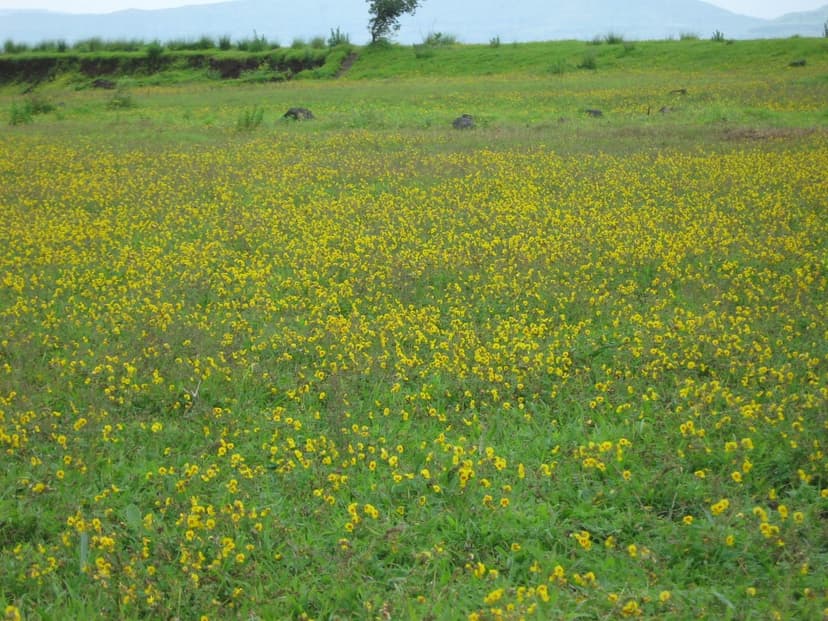
For most of the year a Goan sada looks like a mistake. A flat sheet of bare red laterite on top of a hill, pitted like a rusted sponge, too hard to farm and too plain to photograph, the sort of ground you drive past on the way to somewhere greener. Then the monsoon breaks. Within about a week of the first serious rain, that dead rock vanishes under a thin skin of grass and a scatter of small flowers, purples and yellows and whites, some of them carnivorous, many of them found nowhere else on earth. The sada was never dead. It was waiting.
I write for Refuje and I do not live in Goa, and I have not lain on a plateau in July watching a sundew digest an ant. So this comes from plateau ecologists, Goan conservationists, and the people on r/Goa who are watching these places get loved to death or built over, not from my own boots. But it is the part of Goa I would most want a curious traveller to understand, because it is the one almost nobody climbs the hill to see, and the one Goa is quietly losing. Here is what a sada is, why it matters, and how to walk one without adding to the damage.
What a sada actually is
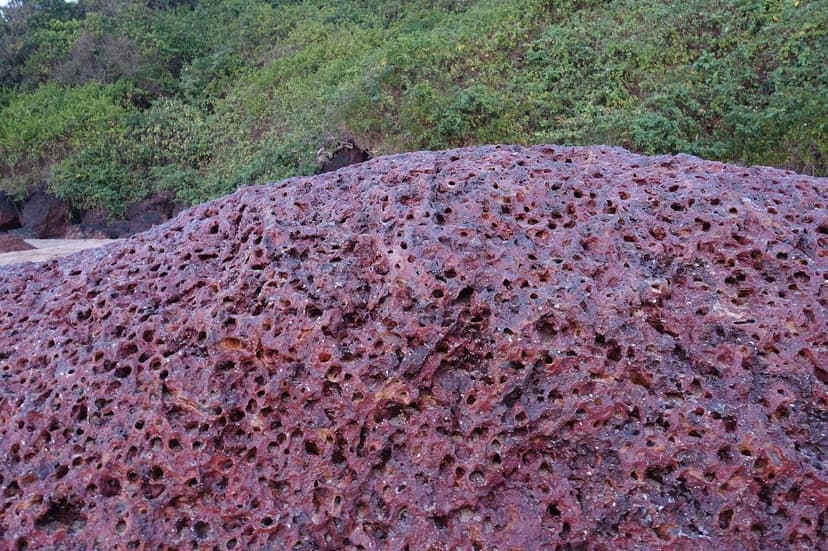
Sada is the Konkani and Marathi word for these flat-topped laterite plateaus, and they run the length of the northern Western Ghats and the Konkan coast, through Maharashtra, Goa, Karnataka and Kerala. Laterite is old, iron-rich rock, baked hard and porous, and the soil that sits on a sada is so thin and starved of nutrients that ordinary plants cannot get a grip. That is the whole trick of the place. What grows there instead is a specialist community of small, tough, fast-living herbs that run an entire life cycle, sprout, flower, seed and die, inside the few monsoon months when shallow pools sit on the rock. Conservationists who study the Konkan sadas call them a globally endangered habitat. One survey put the count at 459 plant species across these plateaus, 105 of them endemic to the Konkan and growing nowhere else on earth.
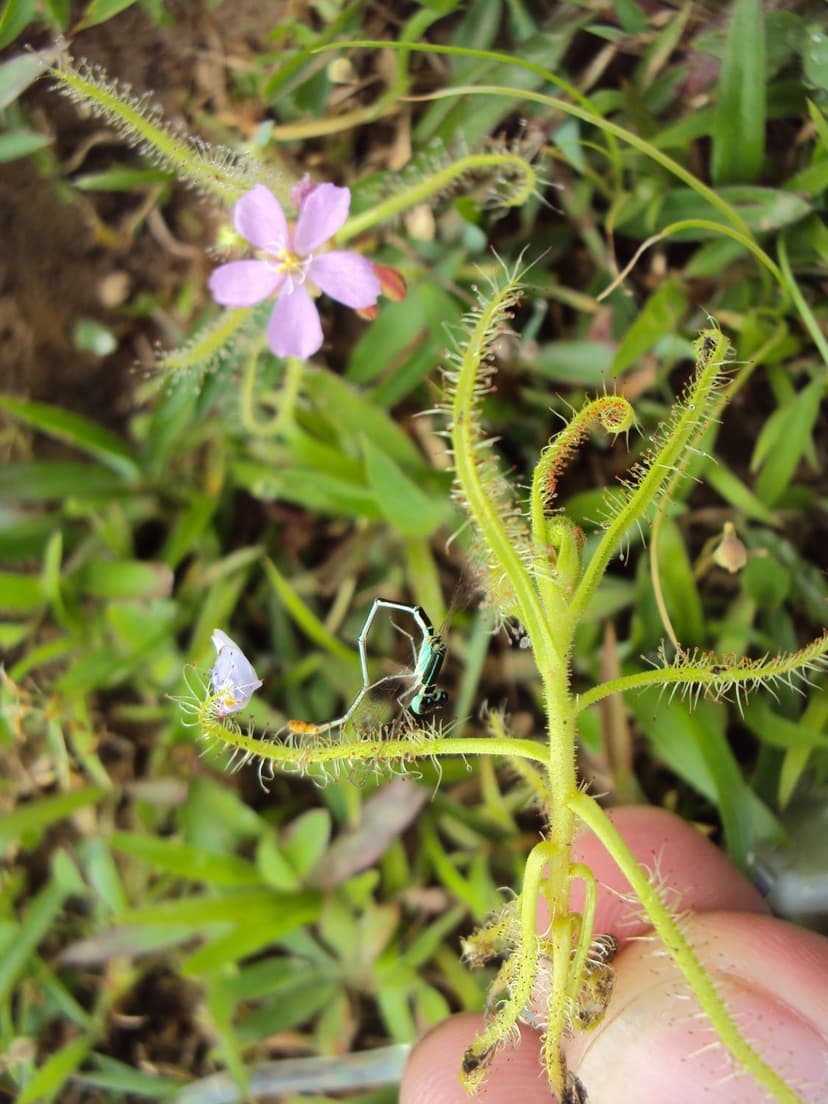
The strangest residents are the meat-eaters. Because the soil gives them so little, several plateau plants take their nitrogen from insects instead. Sundews such as Drosera indica hold their prey on red sticky hairs; bladderworts, the Utricularia, pull tiny animals into underwater traps. Botanists point out that Goa's plateaus can carry more endemic plant species than its forests do, and that much of the plateau life has still not been fully catalogued. There are hilltops in Goa, an hour from the beach shacks, growing plants that science has not finished naming.
- What it is
- A sada: a flat-topped laterite (ferricrete) plateau. Bare red rock in the dry months, a carpet of ephemeral wildflowers in the monsoon.
- Where
- Across the northern Western Ghats and Konkan. In Goa: Cabo de Rama, the Bhagwati and other Canacona plateaus, the Chorla-Netravali uplands, Socorro near Panaji.
- Best time
- The monsoon and just after, roughly July to October, the wettest and greenest part of the year, not beach season.
- Why it matters
- A globally endangered habitat with high endemism, carnivorous plants (Drosera, Utricularia), and a role as a monsoon water-recharge zone for the villages below.
- The rule
- Walk on the rock and bare paths, pick nothing, do not geotag fragile spots, and go with a local naturalist or village-run walk.
Cabo de Rama: the plateau everyone found
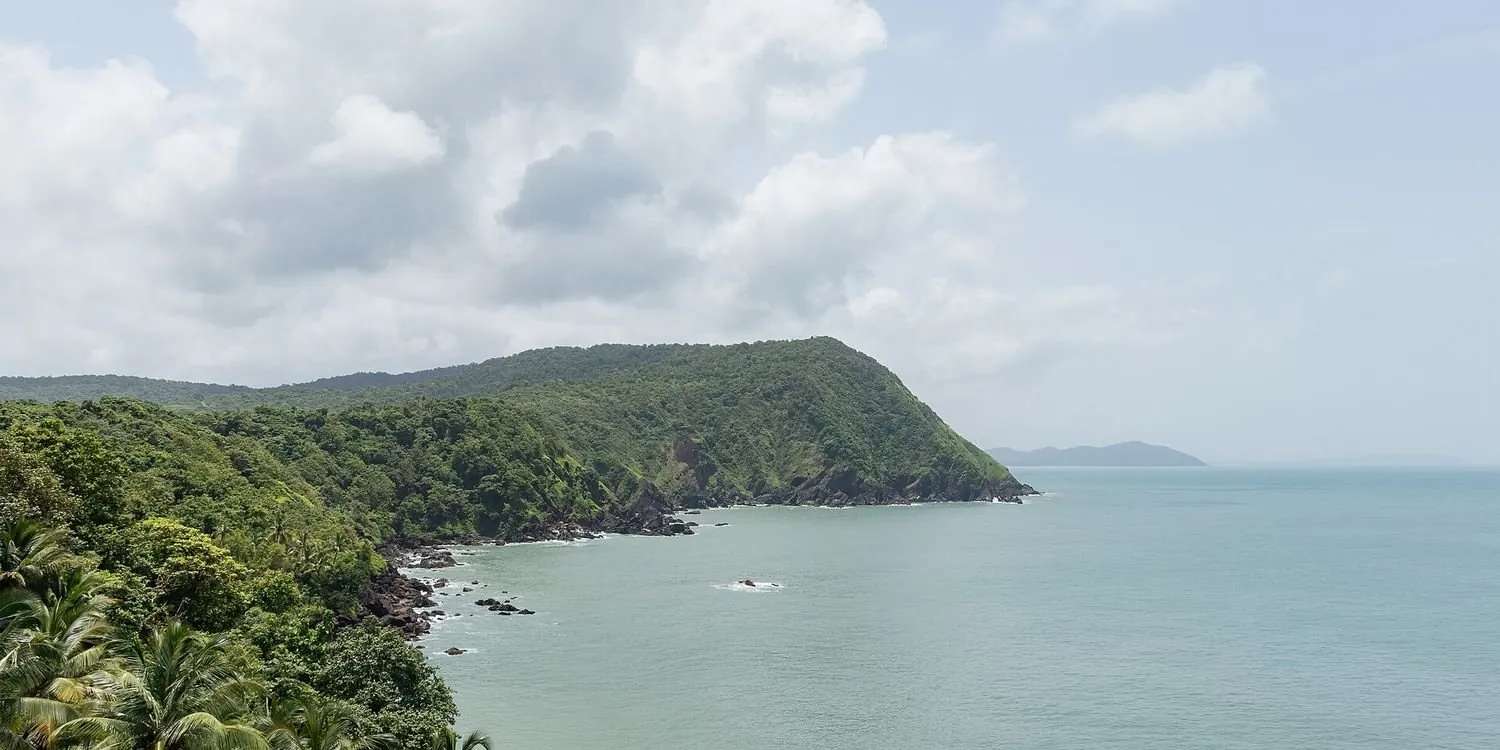
The one plateau most visitors do end up on is Cabo de Rama, a laterite headland in Canacona in the far south, capped by an old fort the Portuguese took in the 1760s and a small chapel still in use. Walk to the edge and the plateau simply stops, dropping into the Arabian Sea, with a path down to a little beach for anyone willing to scramble. It is one of the finest cliff walks in Goa. It is also a cautionary tale. Goans who grew up nearby describe what happened when the internet found it. It used to be a hidden paradise, one Canacona local wrote; back around 2010 there were hardly any tourists, and now the reels and the Insta crowd have made it crowded. Another, from the same town, said it was once his favourite place to watch the sunset and is not any more. A third was blunter still: the constructions you see there are illegal, reported in the local papers, and nothing came of it.
The lesson the locals draw is not to stop coming. It is to come better. One resident put the anger squarely on the influencer economy, calling them the influenza of these places, the crowds turning up for a photo and leaving the dirt behind. So if you go to Cabo de Rama, go early, go out of season, carry your rubbish out, and do not treat a living headland as a backdrop. And save some curiosity for the plateaus that are not on the grid yet, because they are the ones with the most to lose.
Bhagwati, and the plateaus nobody is protecting
An hour inland from that overrun headland, another Canacona plateau shows the bigger threat. Bhagwati plateau, above the villages of Loliem and Poinguinim, is the site of a proposed film city; the state entertainment body signed a deal for around a million square metres of it. Locals and green groups have fought it hard, with a public petition to save the plateaus of Loliem and Poinguinim, because a sada is not spare land. It is a water tower. The porous rock soaks up the monsoon and lets it down slowly into the wells, fields and streams of the villages below, and covering it in concrete, opponents warn, would send that water sheeting straight off into the sea, drying the springs and heating the microclimate. One Goan rallying support online went to the legal heart of it: the plateau holds endangered and endemic species, he argued, and that carries far more weight in law than calling it merely ecologically sensitive.
The major point is that it is home to endangered flora. Endangered and endemic carries far more legal weight than ecologically sensitive.
Bhagwati is one plateau among many. Goa has spent years fighting over the Mhadei river, over mining leases, over the road, railway and power line driven through the Mollem forests that gave rise to the Save Mollem movement. One resident, watching all of it, called it an ecological genocide, and pointed out that it runs from the Nicobars to the Aravallis to Uttarakhand to Goa. You do not have to accept the word to see the pattern. The plateaus are the least understood pieces on the board and the easiest to write off as wasteland, which is exactly what makes them the easiest to lose.
How to walk one without wrecking it
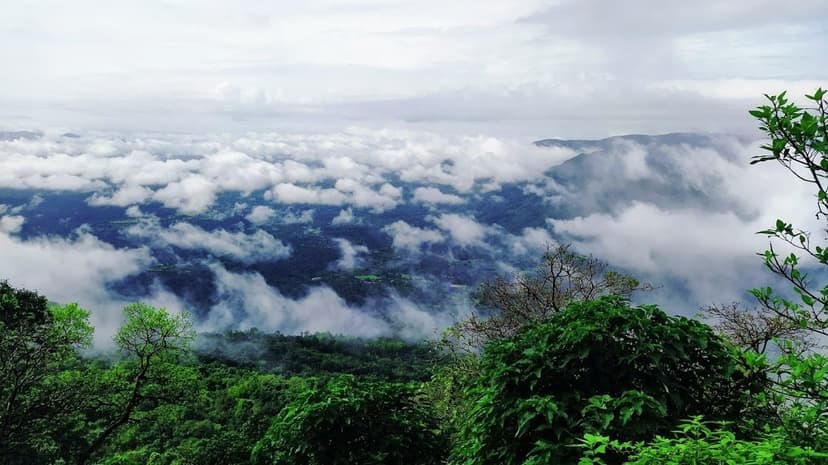
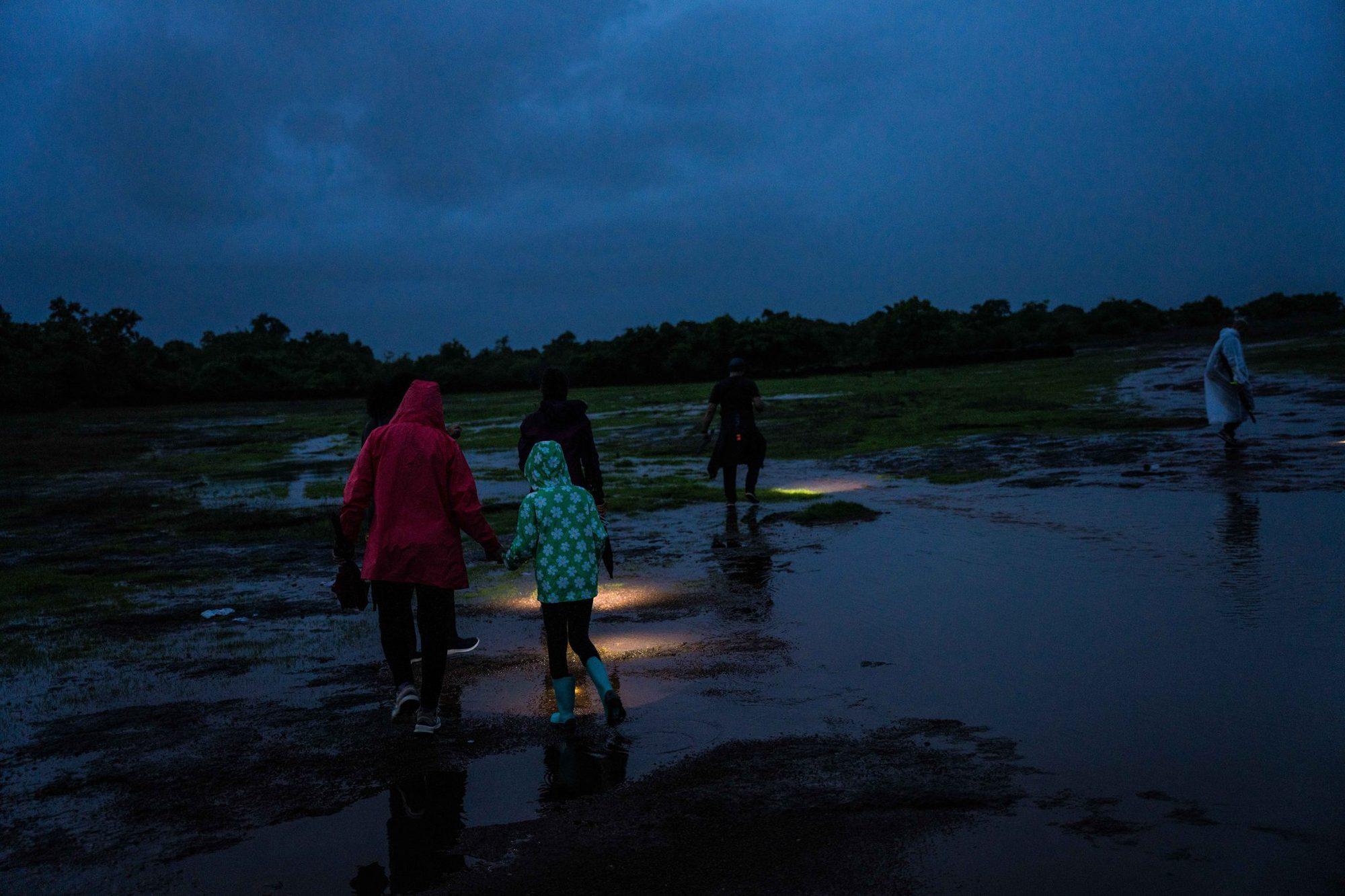
To see a sada at its best you have to be a little uncomfortable. The bloom is a monsoon and just-after event, roughly July into October, which is the wettest, greenest and least crowded stretch of the Goan year and the exact opposite of beach season. Go on foot, go early, and keep to the rock and the bare paths rather than the flowering mat, which is far more fragile than it looks. Pick nothing. Photograph the flowers but not their coordinates, because the surest way to ruin a quiet plateau is to tag it for the next thousand phones. And go with someone who knows the ground, a local naturalist or a village-run walk, who will show you the sundew you were about to tread on and tell you which plateau can take visitors and which cannot. Some Goans have turned the walk itself into stewardship, running plateau cleanup hikes where the whole point is to come back down with a bag of somebody elses litter. That is the right spirit for a sada. You are a guest on a hilltop that was here long before the beaches were fashionable.
A sada, walked responsibly. Go in the monsoon-to-October bloom window, on foot and early, and step on rock and bare trail, never on the flowering mat. Pick nothing and take nothing. Photograph the plants but not the exact location of a fragile or little-known plateau. Go with a local naturalist or a village-run walk who can read the ground and tell you where visitors are welcome. Carry all your rubbish out, and if there is a cleanup hike on, join it. These are globally endangered habitats and a careless afternoon does real harm.
Where a plateau walk fits
A sada walk is the strangest and quietest thing you can do in Goa, and it belongs with the rest of the state nobody photographs. Pair it with the backwater wildlife of the Cumbarjua canal or a mangrove kayak, and you will have met Goa high and low, the plateau and the estuary, in one trip. For the wider case that this green, inland, monsoon Goa is the better one, there is a companion piece on whether the place is overrated.
Guided plateau walks are being added to Refuje's North Goa experiences, including a sea-side plateau morning hike and a monsoon-season trail. Until those are live, the closest slow, nature-first experiences are local-operator kayak and backwater paddles, and the current set is on the North Goa things-to-do page. Whichever you choose, the plateau rule holds: go quietly, on foot, with people who know and protect the ground.
Common questions
What is a sada or laterite plateau?
A sada is a flat-topped laterite (ferricrete) plateau, common across the northern Western Ghats and the Konkan coast including Goa. For most of the year it is bare red rock, because the thin, nutrient-poor soil cannot support ordinary plants. In the monsoon it fills within about a week with a specialist community of fast-living herbs, many endemic to the region, that flower and set seed before the rock dries out again. Conservationists class the sadas as a globally endangered habitat.
Where can you see laterite plateaus in Goa?
The best-known is Cabo de Rama in Canacona, a laterite headland with a fort and sea views, though it is now crowded. Others include the Bhagwati plateau above Loliem and Poinguinim, the uplands around Chorla ghat and the Netravali sanctuary, and the Socorro plateau near Panaji. Many of the finest are little-known and fragile, which is why responsible visitors do not publish precise locations.
When do the Goa plateaus bloom, and when should I go?
The wildflower bloom is a monsoon and immediately-post-monsoon event, roughly July into October. That is the wettest and greenest part of the Goan year, the opposite of the dry beach-tourism season, so you trade comfort for the plateau at its most alive. Go early in the day, and be ready for rain, mud and slippery rock.
Are there really carnivorous plants in Goa?
Yes. The nutrient-poor plateau soils favour insect-eating plants that get their nutrients from prey rather than the ground. Sundews (Drosera) trap insects on sticky glandular hairs, and bladderworts (Utricularia) suck tiny aquatic animals into underwater traps. They are small and easy to miss, which is another reason to walk a plateau with someone who knows where to look.
Is Cabo de Rama worth visiting?
Yes, for the cliff walk and the sea views from an old laterite fort, but with honest expectations. Goans who grew up nearby say it has become crowded and damaged since it went viral, with illegal construction around it. If you go, go early and out of season, carry your rubbish out, stay off fragile ground, and treat it as a living place rather than a photo stop. Consider the quieter, less-publicised plateaus too.
What is the Bhagwati plateau film city controversy?
The Bhagwati plateau, above Loliem and Poinguinim in Canacona, is the proposed site of a government-backed film city covering around a million square metres. Locals and environmental groups oppose it, arguing the plateau is a biodiversity hotspot with endemic species and, above all, a monsoon water-recharge zone that feeds the wells and streams of the villages below. A public petition has called for the projects to be rejected. It is a live example of why Goas plateaus need protection.
How do I visit a Goa plateau responsibly?
Go in the monsoon-to-October bloom window, on foot and early. Walk on rock and bare paths, never on the flowering mat, and pick or remove nothing. Photograph the plants but not the exact location of a fragile or little-known plateau, since geotagging draws crowds that damage them. Go with a local naturalist or a village-run walk, carry all your litter out, and join a plateau cleanup hike if one is running. These are endangered habitats and small carelessness adds up.
Sources and a note on this guide
I write for Refuje and I do not live in Goa or walk its plateaus. The ecology and the geography come from published conservation and science sources; the anger about Cabo de Rama being loved to death, the fight over the Bhagwati film city, and the wider sense of loss come from Goans on r/Goa, quoted and attributed as they appear. Nothing here is a first-hand claim of mine, and I have deliberately kept precise locations of fragile plateaus out of it. The facts were checked in July 2026.
- Sadas / laterite plateaus (globally endangered habitat, ephemeral monsoon flora, endemism, carnivorous Drosera and Utricularia): RoundGlass Sustain, the Sanctuary Nature Foundation 'Protect the Sadas of Konkan' campaign, and peer-reviewed plateau-ecology reviews.
- Goa's plateaus holding more endemic plant species than its forests, and much still undocumented: reporting in Herald Goa and Gomantak Times.
- Cabo de Rama (laterite headland and fort in Canacona, Portuguese capture in the 1760s, chapel): English Wikipedia and goa-tourism.com.
- Bhagwati plateau film city (Entertainment Society of Goa, the roughly one-million-square-metre MoU, the water-recharge argument, the Save the Plateaus petition): Herald Goa, The Goan, Gomantak Times and Mongabay India.
- The Cabo de Rama crowding and illegal construction, the influencer criticism, the Bhagwati resistance, Save Mollem and the ecological-genocide framing: attributed r/Goa threads, quoted inline.
Development plans, petitions and access change, and fragile habitats deserve discretion, so check the current status before you travel and keep sensitive locations to yourself. If you know these plateaus better than the sources here do, that is the correction this guide should carry, so tell us.
You Might Also Like
Edge City India 2026: The Practical Guide
Three weeks in Mandrem, North Goa. October 11 to November 1, 2026. Hundreds of founders, researchers, engineers, and creators living and building on a stretch of beach that is usually known for yoga retreats and quiet cafés, not hackathons. If you have applied, or you are wondering whether you...
Solo Female Travel in Goa: An Honest Safety Guide
An honest, balanced safety guide for women travelling to Goa alone: why it's comparatively safe and loved by many yet has a real, worsening harassment problem concentrated on the party beaches, where to base for a calmer trip, and the practical choices that tilt the odds in your favour.

Working Remotely from North Goa: The Honest Digital-Nomad Guide
An outsider's honest guide to working remotely from North Goa: why it isn't the beach-office of the photos, the power-and-internet problem that decides everything, where to base (Assagao, Siolim, Caranzalem), the cost, solo-female safety, and how to be a good guest rather than a coloniser.