Crocodiles and Otters in Goa: An Honest Guide to the Cumbarjua Backwaters
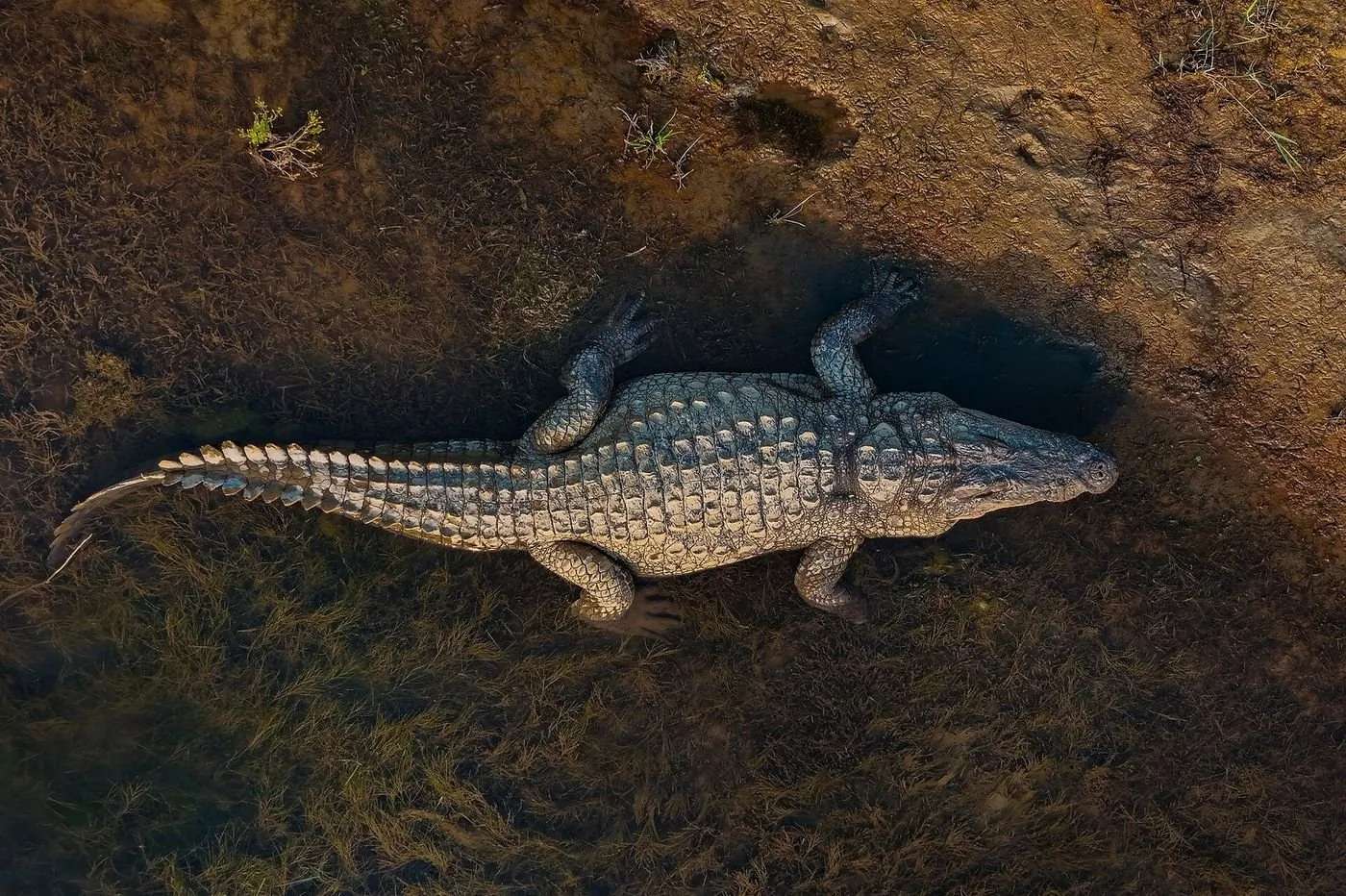
The first crocodile does not announce itself. It is a log, until it is not: a broad-snouted mugger hauled out on a mud bank in the Cumbarjua canal, jaws slightly open, letting the morning sun do the work its cold blood cannot. The boat idles. Somebody points. One Goan who did the trip described exactly this moment, and the less flattering half of it too, when the boat almost tipped as over-excited passengers with cameras and binoculars all lunged for the same crocodile chilling on the bank. That is the appeal, and the warning, of the thing almost no Goa visitor does: going to look for the animals the beach brochures never mention.
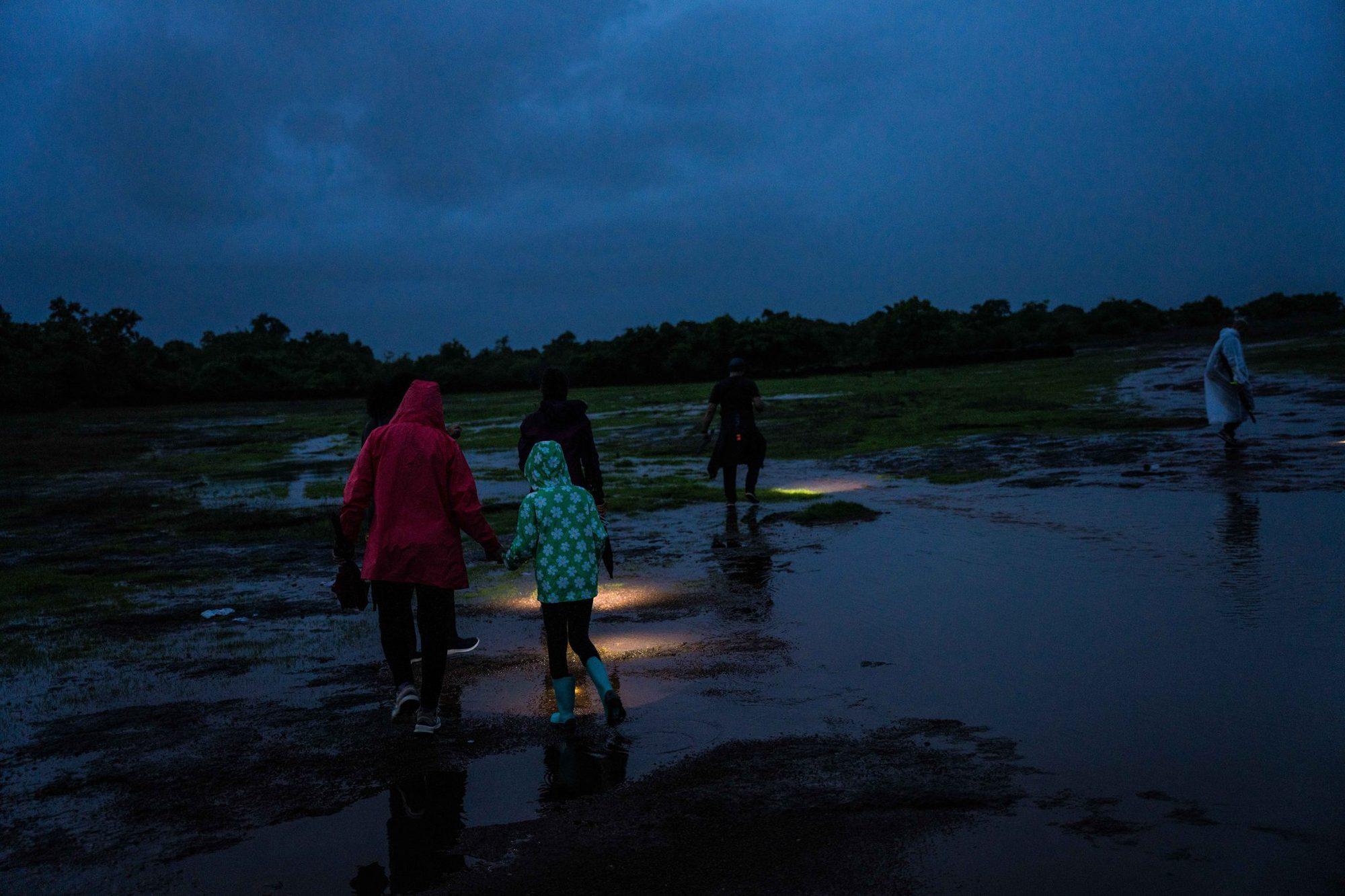
I write for Refuje and I do not live in Goa. I have not sat in that boat. So this is built from what marine and wildlife sources say and what Goans themselves report, not from my own morning on the water. Between the islands of Chorao and Divar, a short drive from Panjim, Goa holds two animals that even Goans are surprised to learn live there: wild crocodiles and a rare, shy otter. Seeing them is real, and much better done slowly and quietly than the way the dolphin-tout boats do anything. Here is where they are, what you will actually see, and how to go without being the person who tips the boat.
The two animals nobody sells you Goa on
Start with the otter, because it is the one that stops people cold. When a Goan posted a grainy phone video of one in a local creek, the top replies were not envy but plain disbelief. Wait, we have otters? one asked. Even I did not know until a few months back, the poster admitted. The animal is a smooth-coated otter, Lutrogale perspicillata, and it is no stray visitor. Chorao island holds a resident population, living in brackish mangrove water far from the freshwater that most people assume otters need. The IUCN lists it as Vulnerable, squeezed by poaching, water pollution and the slow reclamation of the wetlands it depends on. Goa has crocodiles the same way the otters are here: not in a zoo, but out in the canal, wild and unbothered.
What the canal actually is
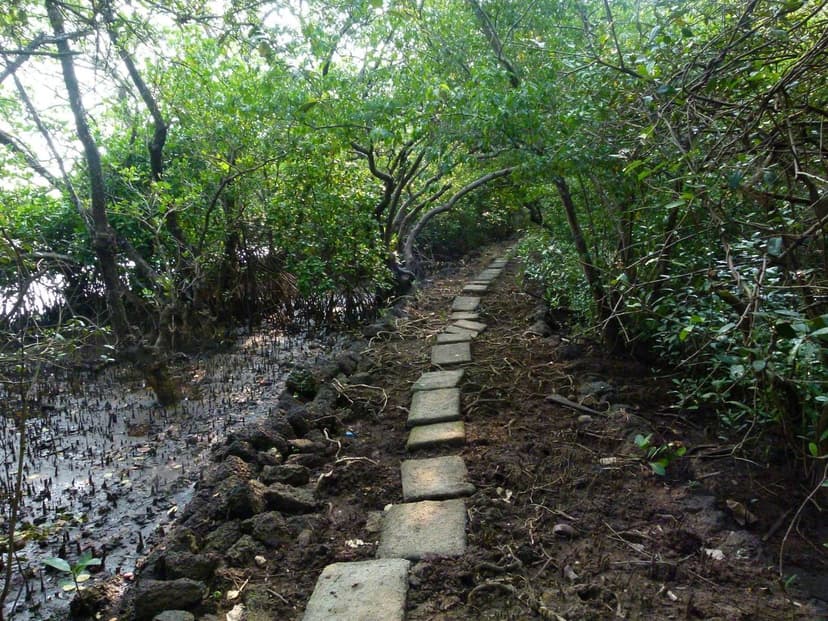
The Cumbarjua canal is not a tourist invention. It is a working waterway, roughly fifteen kilometres of it, cut through the mangroves to join Goa's two big rivers, the Mandovi and the Zuari. It runs past the village of Cumbarjua and threads between two river islands, Chorao and Divar, that most beach tourists never once set foot on. On the western tip of Chorao sits the Dr Salim Ali Bird Sanctuary, 178 hectares of estuarine mangrove notified back in 1988 and reached, slowly and correctly, by a ferry from Ribandar. Mangrove, mud, tide, slack brown water. This is the habitat, and it is the opposite of the beach in every way that counts.
- Where
- The Cumbarjua canal and the backwaters between Chorao and Divar islands, near Panjim in North Goa. Not the tourist beaches.
- What you see
- Wild mugger crocodiles basking on the banks, smooth-coated otters if you are lucky, herons, kingfishers, Brahminy kites and sea eagles over the mangroves.
- Best time
- Early morning or late afternoon, when crocodiles bask, roughly October to May when the water is calm and readable.
- The animals
- Mugger crocodile (Crocodylus palustris), IUCN Vulnerable, CITES Appendix I. Smooth-coated otter (Lutrogale perspicillata), IUCN Vulnerable.
- The real rule
- Go slow and quiet with a local operator who keeps his distance. Never a boat that chases or baits the animals.
The crocodiles, and the part the flyer leaves out
The crocodile here is the mugger, Crocodylus palustris, a broad-snouted marsh crocodile that has shared this water with Goan fishing families for a very long time. Females run around two to two and a half metres, males three to three and a half, and the canal's muggers mostly want what the one on the mud bank wanted: sun, and to be left alone. They are shy of boats more often than not. But the flyers that call them harmless are not being straight with you. The mugger is listed as Vulnerable and protected under CITES Appendix I for good reason, and fatal attacks on people are on record elsewhere in India, in Gujarat and Maharashtra. On the canal the real danger is not the crocodile lunging at the boat. It is a boatful of people lunging at the crocodile. Keep your hands and your phone inside the hull, let the boatman hold his line, and treat the animal as wildlife rather than a photo booth.
Done right, it is a genuine thrill, and people say so. One visitor came off the trip having spotted his crocodile along with a good spread of birds, and called it exactly that, absolutely thrilled. Another Goan, watching a croc surface in the backwaters, joked that he would never kayak there again. That is the correct instinct. The canal is a guided boat trip with someone who reads the water, not a place to go paddling on your own for the story.
The otters: Goa's quietest conservation story
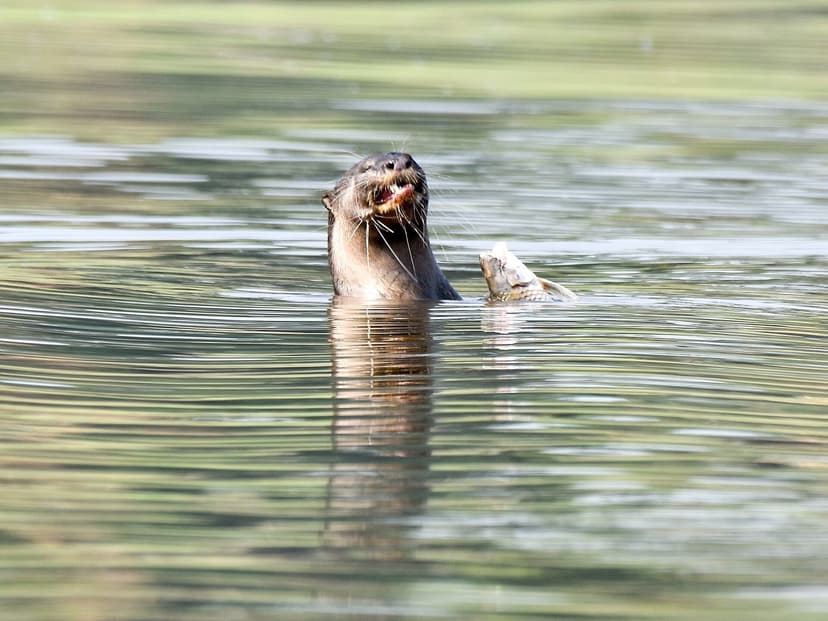
The otters have their own scientists. A Chorao-based outfit called Wild Otters Research has spent years studying the island's smooth-coated otters with camera traps, GPS surveys and, more recently, drones, and has been reported as building what is described as Asia's first dedicated otter research centre. Their fieldwork turned up one lovely detail: the otters den in the very banks that separate the khazan farmland from the estuary, the engineered mud walls Goans have maintained for centuries, and they climb up them to groom and to mark their patch. When a Wild Otters researcher once posted on r/Goa offering guided walks, the thread did not fill with scepticism. It filled with people asking for the contact number. One who had already gone described two walks, on Chorao and at Aldona, seeing otters on a fishing bund and good birds at both, and named the guides who took her out.
There is a right way to be a guest of these animals, and Goans will tell you what it is if you listen. On that otter video, the very first reply was not a question but a plea: please, no disclosing the location, for the sake of the otters. Carry that ethic onto the water. A shy, Vulnerable animal does not need its den geotagged for a hundred more boats. See it, keep the spot to yourself, and let the researchers rather than the influencers be the ones who map where it sleeps.
The birds you didn't come for
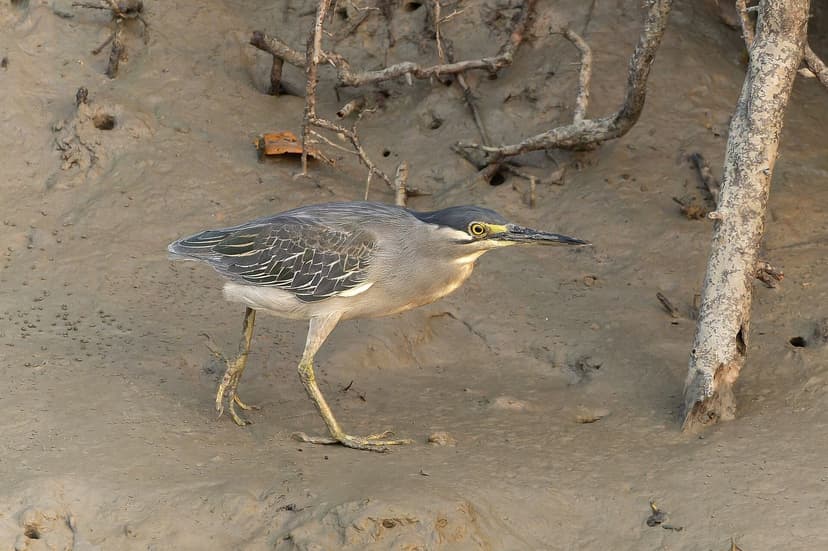
You will end up watching birds, even if you booked for reptiles. These mangroves are one of the richest bird habitats in the state: striated and western reef herons stalking the mud, kingfishers holding the low branches, Brahminy kites and white-bellied sea eagles working the air above, bitterns folded into the roots. The sanctuary exists precisely because Salim Ali, the ornithologist they called the Birdman of India, understood what estuarine mangrove is worth. Some people go for nothing else. One birder on r/Goa was simply looking for others to share a dawn boat into the Salim Ali sanctuary. If the crocodile is the headline, the birds are the reason the trip turns quietly addictive.
The wrong boat and the right boat
Not every boat on Goan water is the same, and this is where the honesty earns its place. The default sold to tourists is the dolphin-sighting speedboat, the one that roars out of Sinquerim or the beach jetties and chases a pod around the bay for a photo. It is loud and usually overloaded, and it is hard on the animals, and Goa's boat-safety record is not spotless: one tourist boat capsized off Calangute, leaving a person dead and twenty rescued. A backwater wildlife trip should be the opposite of that. Slow, quiet, captained by someone who cuts the engine and waits rather than gunning after the animal, with enough life jackets that you never have to ask. If an operator wants to bait a crocodile, race a dolphin, or pack the boat past its limit, that is the operator to walk away from.
We must support and contract more local services, so locals can flourish within Goa and not give up and have to leave.
A responsible backwater boat, in one place. Go with a local operator who moves slowly and keeps his distance from the animals, never one who baits crocodiles or chases dolphins for a photo. Check that there are enough life jackets and that the boat is not overloaded, since Goa's water-sports safety record has real gaps. Keep your hands, limbs and phone inside the hull near the crocodiles. Do not disclose otter locations. And go at first or last light, in the October-to-May season, when the animals are active and the water is calm.
When to go, and what it costs the place
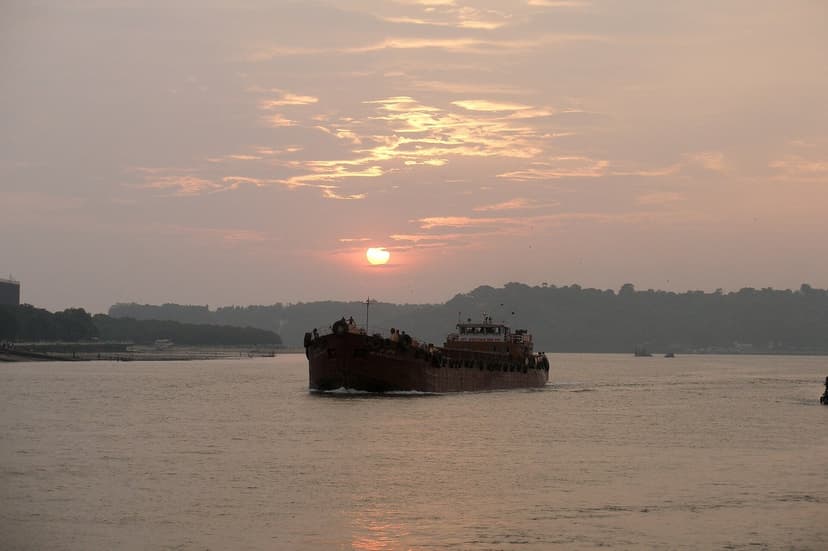
Go early. The crocodiles haul out to bask when the sun is low and the day still cool, so the first trips after dawn and the last before dusk are the ones that deliver, and the boats run roughly October through May, when the water is calm and clear enough to read. Bring binoculars, a hat, water and patience, and leave the drone at home. Then spend where it counts. The Goans who love this coast the most are blunt that the way to keep it alive is to put money into local hands rather than out-of-state operators, so that the people who live beside the canal have a reason to guard it. A quiet, well-run wildlife boat does exactly that. It makes a live crocodile and a resident otter worth more to the village than a drained and reclaimed wetland ever could be.
Where a backwater safari fits
This is the wildlife end of the quiet Goa this series keeps pointing you toward. It pairs naturally with the water you can already book: paddle the mangrove backwaters by kayak one morning and read the same estuary at eye level, then take the wider argument for a slower Goa in the piece on whether the place is overrated. If the khazan walk taught you to read those mud walls from the land, the canal shows you who else lives in them.
A dedicated Cumbarjua wildlife boat is being added to Refuje's North Goa experiences. Until it is live, the closest slow, quiet way onto this water is a local-operator kayak or backwater paddle, and you can see what is currently bookable on the North Goa things-to-do page. Whatever you book, ask one question first. Does the boat go slowly and keep its distance? If yes, go. If it wants to chase or bait the animals, find another.
Common questions
Can you really see wild crocodiles in Goa?
Yes. The Cumbarjua canal, which links the Mandovi and Zuari rivers through the mangroves between Chorao and Divar islands, has a resident population of wild mugger crocodiles. On a morning or late-afternoon boat trip you can see them basking on the mud banks. They are genuinely wild animals, not a captive display, which is exactly why you keep your distance and go with a guide who knows the water.
Where is the Cumbarjua crocodile safari?
On the Cumbarjua canal in North Goa, a short drive inland from Panjim, in the backwaters between the river islands of Chorao and Divar. The same trip usually takes in the mangroves around the Dr Salim Ali Bird Sanctuary on Chorao island, which is reached by ferry from Ribandar. It is estuarine mangrove country, not the coast.
Are the crocodiles dangerous, and is the trip safe?
The mugger crocodiles here mostly bask and avoid boats, but they are large wild predators, listed as Vulnerable and protected, and fatal attacks by muggers are on record elsewhere in India. The real risk on the trip is human behaviour, not the crocodile: people leaning out or rocking the boat for a photo. Go with a careful local operator, keep your hands and phone inside the hull, wear the life jacket, and do not let anyone crowd the animal.
Are there really otters in Goa?
Yes, and even many Goans are surprised by it. Chorao island holds a resident population of smooth-coated otters, listed as Vulnerable on the IUCN Red List, living in brackish mangrove water. A local group, Wild Otters Research, studies and works to protect them. Sightings are never guaranteed, since the otters are shy, but they are genuinely there. If you do see one, do not share the exact location publicly, for the animals sake.
What is the best time for a backwater wildlife boat in Goa?
Early morning or late afternoon, when the crocodiles come out to bask and the light is good for birds, within the roughly October-to-May dry season when the water is calm and clear. Avoid the monsoon, when the backwaters run high and murky. A dawn trip is usually the quietest and the most rewarding for both crocodiles and birds.
What birds will I see on the Cumbarjua backwaters?
The mangroves are one of the best bird habitats in Goa. Expect striated and western reef herons, several kingfishers, Brahminy kites and white-bellied sea eagles, and bitterns in the roots, with many more resident and migratory species around the Salim Ali sanctuary. Bring binoculars; a lot of visitors come for the crocodiles and leave talking about the birds.
How do I choose a responsible boat operator?
Pick a local operator who goes slowly, cuts the engine and keeps a real distance from the animals, rather than one who races dolphins or baits crocodiles for a photo. Check that the boat has enough life jackets and is not overloaded, since Goas beach water sports have a genuine safety and scam problem. Booking with local people, not out-of-state operators, also keeps the money where it protects the wetland. If a boat chases the wildlife, walk away and find one that does not.
Sources and a note on this guide
I write for Refuje and I do not live in Goa or ride its backwaters. The geography and the wildlife facts are from published sources; the surprise that Goa has otters at all, the honesty about crowded boats, and the plea to protect the animals come from Goans on r/Goa, quoted and attributed as they appear. Nothing here is a first-hand claim of mine, and I have deliberately put the animals and safety ahead of the sale. The facts were checked in July 2026.
- Cumbarjua canal (roughly 15 km, linking the Mandovi and Zuari through the Chorao and Divar mangroves) and the mugger-crocodile trip: regional and operator accounts of the Cumbarjua crocodile safari.
- Mugger crocodile (Crocodylus palustris, adult sizes, IUCN Vulnerable, CITES Appendix I, documented attacks in Gujarat and Maharashtra) and smooth-coated otter (Lutrogale perspicillata, IUCN Vulnerable, threats, estuarine habitat): species references on English Wikipedia.
- Wild Otters Research on Chorao, its methods and the reported Asia-first otter research centre, and the otters denning on khazan banks: Mongabay India, Scroll.in and incrediblegoa.org.
- Dr Salim Ali Bird Sanctuary (178 hectares of estuarine mangrove on Chorao, notified 1988, reached by the Ribandar ferry) and its birds: English Wikipedia, incredibleindia.gov.in and goa-tourism.com.
- The surprise at Goa's otters, the near-tipped crocodile boat, the plea not to disclose otter locations, the demand for researcher-led walks, the Calangute boat capsize, and the case for keeping the money local: attributed r/Goa threads, quoted inline.
Wildlife sightings are never guaranteed, and operators and conditions change, so check current reviews before you book and never push a boatman to go closer than he wants to. If you know this water better than the sources here do, that is the correction this guide should carry, so tell us.
You Might Also Like
Edge City India 2026: The Practical Guide
Three weeks in Mandrem, North Goa. October 11 to November 1, 2026. Hundreds of founders, researchers, engineers, and creators living and building on a stretch of beach that is usually known for yoga retreats and quiet cafés, not hackathons. If you have applied, or you are wondering whether you...
Solo Female Travel in Goa: An Honest Safety Guide
An honest, balanced safety guide for women travelling to Goa alone: why it's comparatively safe and loved by many yet has a real, worsening harassment problem concentrated on the party beaches, where to base for a calmer trip, and the practical choices that tilt the odds in your favour.

Working Remotely from North Goa: The Honest Digital-Nomad Guide
An outsider's honest guide to working remotely from North Goa: why it isn't the beach-office of the photos, the power-and-internet problem that decides everything, where to base (Assagao, Siolim, Caranzalem), the cost, solo-female safety, and how to be a good guest rather than a coloniser.