Goa's Backwaters and Mangroves by Kayak (and the Birds on Chorao)
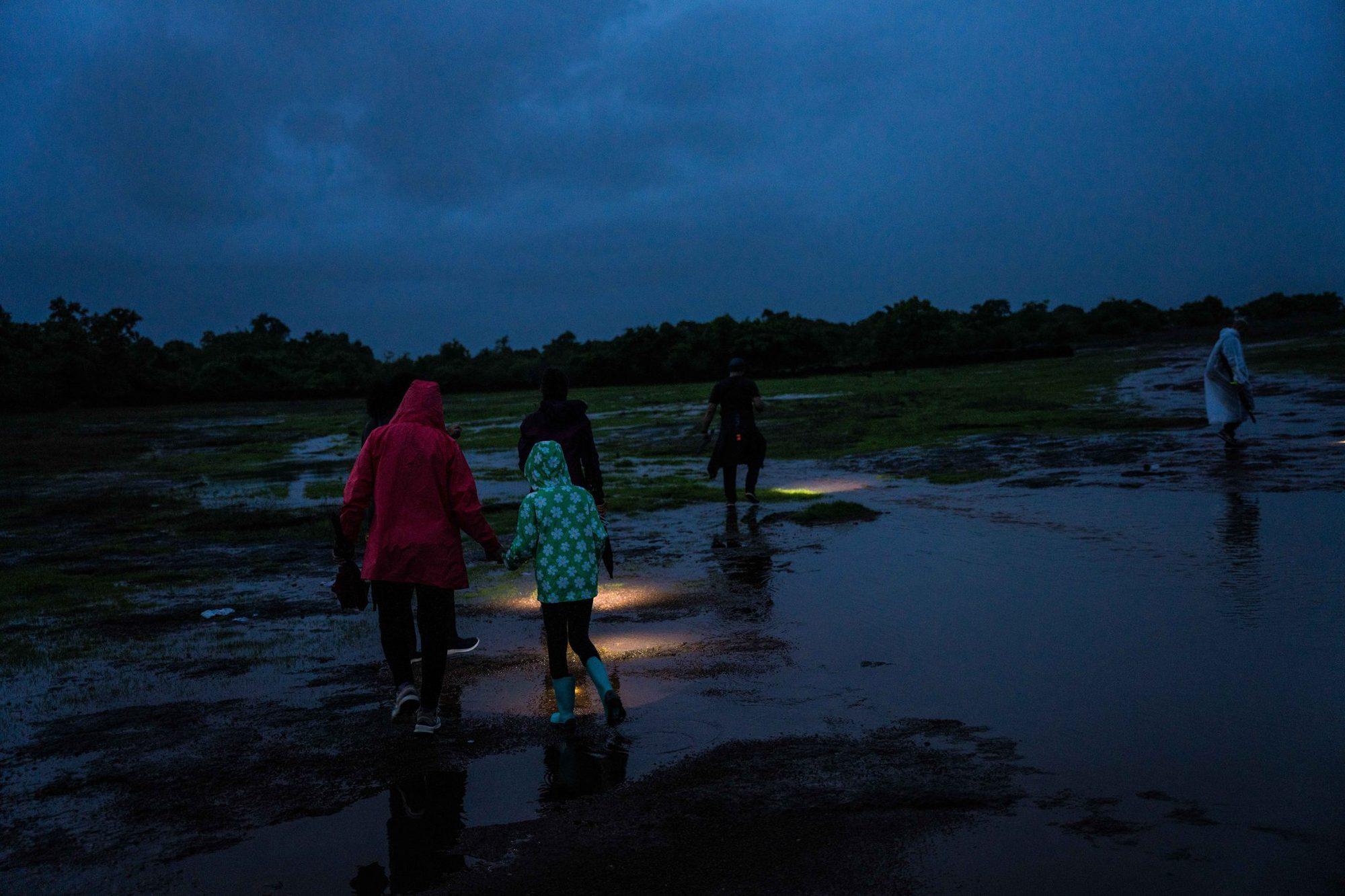
The first thing that goes is the noise. You push a kayak off a muddy bank near Chorao a little after dawn, take three strokes, and the road behind you disappears into the mangroves. What is left is water the colour of weak tea, the drip off your paddle, and birds, an egret lifting off a mudflat, a kingfisher going past like a thrown jewel, the low churr of something you cannot see. Two kilometres away the beach shacks are hosing down last night. Out here it could be a hundred years ago.
I do not live in Goa, so this comes from Goans and paddlers describing their own rivers online, not from my own kayak. But they are unusually agreed on two things. The mangrove backwaters are the best of Goa, quiet and full of life in a way the coast long ago stopped being. And they are fragile, and increasingly poked at, so how you go matters as much as the fact of going. One Goan said it better than any brochure could, that it saddened them how people treat Goa as a place to party when it has so much more, and its own kind of divinity. The backwaters are where you find that, and this is how to paddle them without spoiling the thing you came for.
The other Goa runs on water, not sand
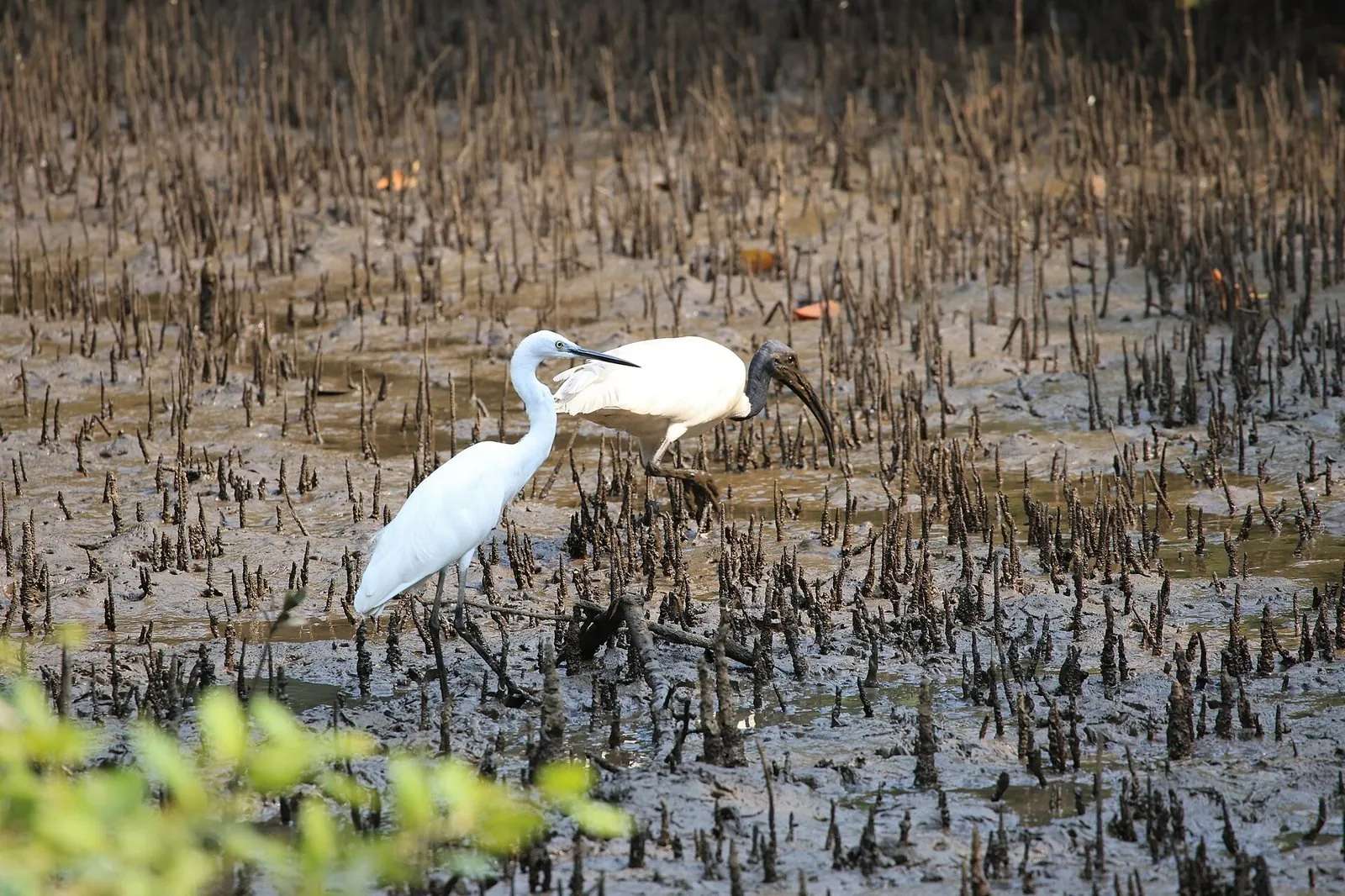
Behind the beaches, Goa is a maze of tidal rivers. The Mandovi and the Zuari braid into islands and creeks and, between them, the Cumbarjua canal; the whole estuary is fringed with low mangrove forest that most visitors never see because it does not photograph like a sunset. That mangrove is the richest habitat in the state. On the western tip of Chorao island sits the Salim Ali Bird Sanctuary, an estuarine reserve named for the great Indian ornithologist, a patch of low mangrove threaded with mudflats where black-headed ibises and egrets stalk the shallows and the mud itself is alive with fiddler crabs and mudskippers.
A kayak is the honest way into it. It is silent, it sits low enough to meet a bird at eye level, and it goes up the narrow channels a boat with an engine cannot. Goan paddlers rate this water highly and quietly; one, describing the backwaters up the coast, called kayaking there a rare experience of calm water, mangroves and incredible birdlife, before adding, in the same breath, that keeping it clean is even better. That pairing, the wonder and the responsibility, is the whole tone of doing this well.
- Where
- The Mandovi estuary and the Chorao mangroves around the Salim Ali Bird Sanctuary, plus the quieter Bardez village backwaters near Moira.
- What you see
- Egrets, herons, ibises, kingfishers and, if you are lucky and quiet, otters; and in the mud, fiddler crabs and mudskippers.
- When
- Dawn, for the birds and the calm. The mangroves are rewarding year-round; the monsoon and just after are greenest and quietest of tourists.
- The catch
- The Cumbarjua channel is home to wild mugger crocodiles. This is a guided-trip habitat, not a rent-and-wander-off one.
- How to go
- With a small local kayak operator, in a small group, carrying your rubbish back out. Quiet water is the point; keep it that way.
Chorao and the sanctioned way in
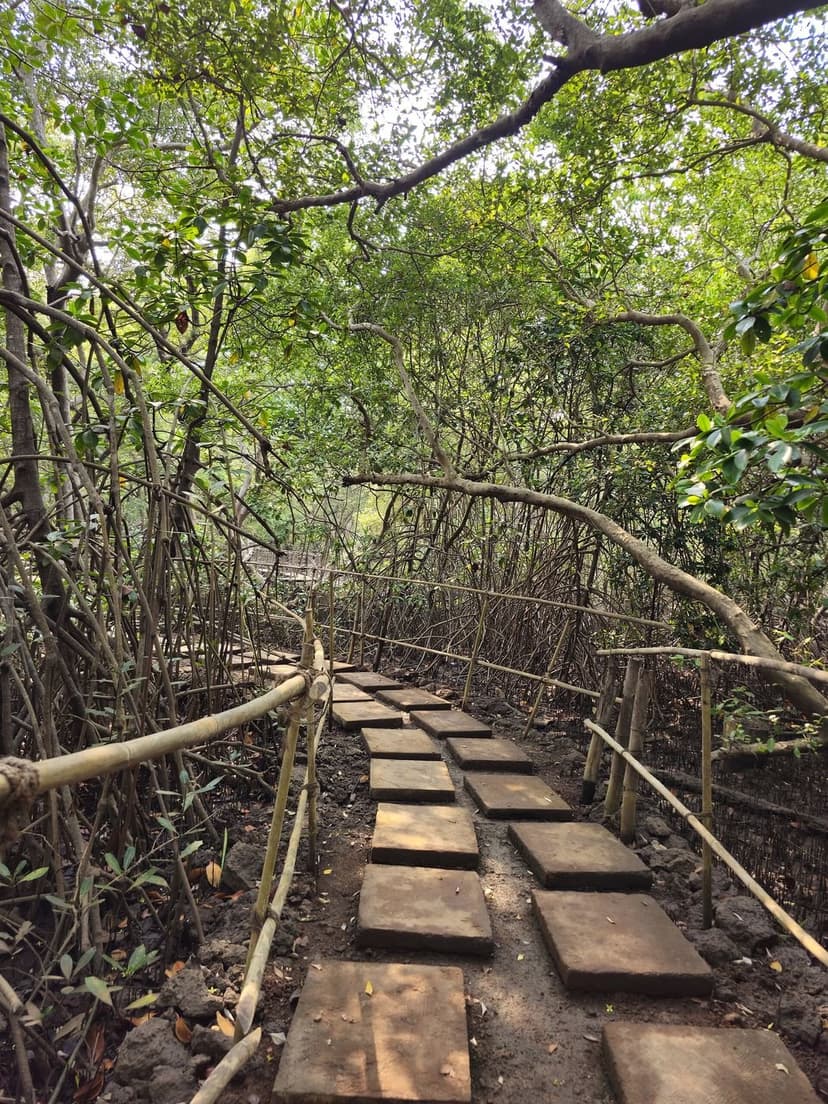
The reason to centre a mangrove trip on Chorao and the Salim Ali sanctuary is that it is the one place set up for visitors to be here without wrecking it. The island is a short ferry from Ribandar, near Panjim, and the sanctuary is a marked, managed reserve with boardwalks over the mud and a purpose: this is somewhere you are meant to come and look, which is not true of every quiet creek in Goa. You can walk the boardwalks, and off the water you can paddle the fringing channels with an operator who knows which are open and which are somebody's oyster patch.
The sanctuary is a designated bird reserve, and when Goan birders are asked how to see the best of it, they tend to steer newcomers toward local birding guides rather than a solo wander, which fits everything else about this water. The birds are genuinely the draw, not a bonus: this is one of those places where sitting still and quiet for twenty minutes shows you more than an hour of moving does, and a kayak lets you sit still on the water itself. Go at dawn, keep your voice down, and let the birds forget you are there.
Kayaking here is a completely unforgettable experience, calm backwaters, mangroves, and incredible bird species. But maintaining it cleanly is even better. Bring back the plastic wraps and bottles.
The honest hazard: this is crocodile water
Here is the part the pretty photos leave out, and the single best reason to go guided rather than alone. The Goan estuaries, and the Cumbarjua canal in particular, are the natural habitat of the Indian mugger crocodile. They are genuinely there, genuinely wild, and people do encounter them. One Goan, describing a backwater boat trip, wrote about the moment a crocodile was spotted and everyone lurched to one side, the boat rocking hard, and noted drily that this is exactly how accidents happen, when one person tries to be a hero. Another, reading the thread, said simply that he would never kayak the backwaters again.
The right response is not fear, it is respect and a good guide. A local operator knows which channels are the crocodile channels and which are the safe, bird-rich shallows, keeps the group calm and together, and reads the water in a way a first-timer cannot. Paddle the sanctuary and the gentler Bardez backwaters, keep out of the Cumbarjua crocodile stretches unless you are on a proper guided wildlife trip built for it, do not dangle limbs or lean out for photos, and treat every log that might not be a log with the seriousness it deserves. Done that way, it is safe and genuinely special. Done casually, it is the thread that ends someone swearing off kayaks.
The Cumbarjua canal and parts of the Mandovi-Zuari estuary hold wild mugger crocodiles. Only paddle the backwaters with a local operator who knows the safe, bird-rich channels; stay in your group, keep limbs in the kayak, do not lean out to photograph wildlife, and never go off alone into the crocodile channels. This is a guided-trip habitat. Respect it and it rewards you; treat it as a swimming pool with birds and it does not.
Two ways to paddle it
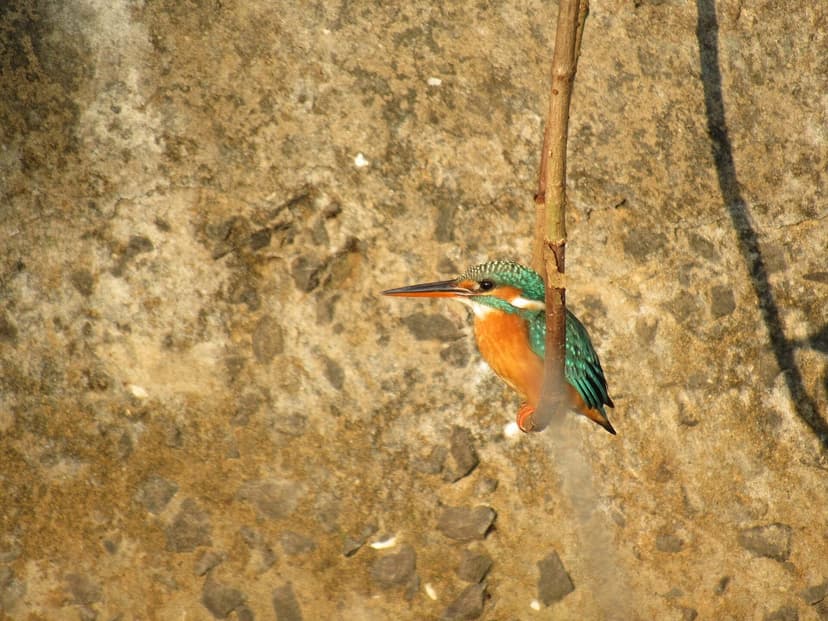
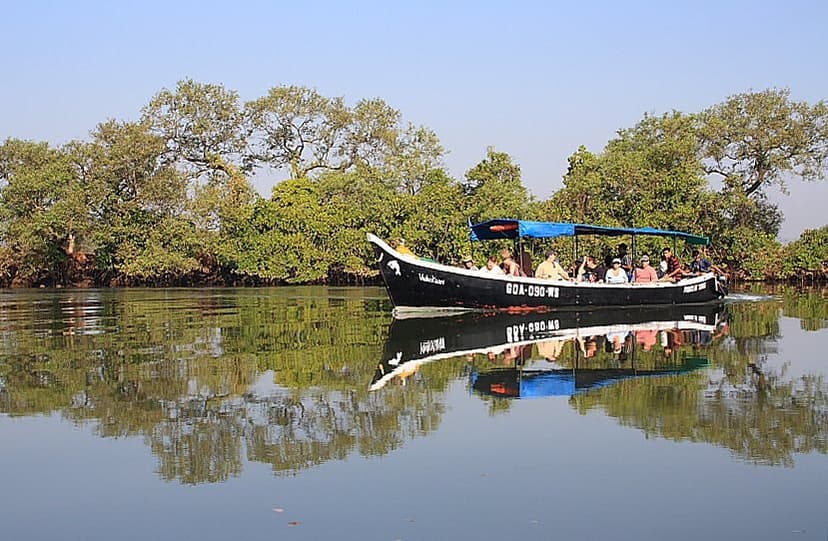
Broadly there are two kinds of trip, and small local operators run both. The classic is the mangrove-and-bird paddle in the Mandovi estuary around Chorao, an early-morning trip built around the sanctuary and its birdlife, on calm sheltered water. The gentler alternative is a backwater paddle in the Bardez village creeks inland, near Moira, quieter still and further from the crocodile channels, better if you want the calm and the herons without the adrenaline. Both are easy, both are slow, and both are the opposite of a jet ski.
- Before the heat, on the water at dawn
Meet your operator early and be paddling as the light comes up. The water is glass, the birds are feeding, and the tour boats and the sun are still hours away. - Into the mangrove channels
Follow a guide who knows the safe, open channels into the fringing mangrove, where the low forest closes in and the fiddler crabs scatter off the mud as your bow wave reaches them. - Sit still and watch
The best part is the part where you stop paddling. Let the kayak drift, keep quiet, and give it twenty minutes. Egrets, herons, an ibis, a kingfisher, and, if the water is lucky, an otter surfacing and gone. - Carry it all back out
Everything you brought comes back with you, and, if you are the kind of paddler Goa needs more of, whatever plastic you can fish out of the reeds on the way. Leave the water cleaner than the last group did.
Why locals keep the good spots quiet
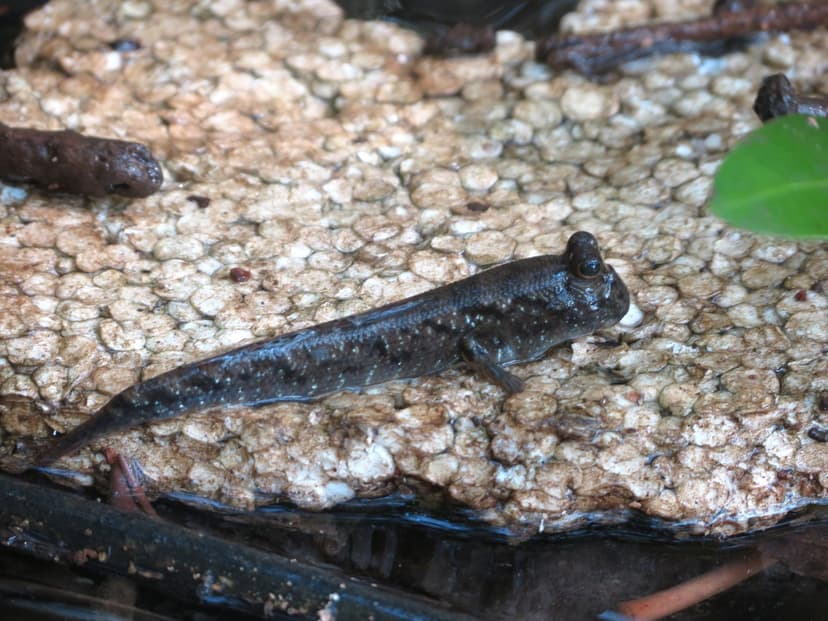
Spend time on this water and you understand why Goans are careful about it. Otters have quietly returned to some of these rivers, and when someone posts a photo, the first reply is often not admiration but a plea. On one otter thread the top comment, upvoted far above the rest, simply asked people not to disclose the location, for the otters' sake. Another local marvelled that the otters in his neighbourhood had thrived over the last couple of years, wondering if the lockdown quiet had helped the ecosystem heal. Read enough of these and the message is clear: the wildlife is coming back precisely because these corners are still quiet, and it will leave again if they stop being.
Which makes the etiquette simple, and the same as the rest of the quiet Goa. Go in a small group. Go with a local, whose livelihood depends on the water staying worth visiting. Do not geotag the exact bend where you saw the otter. Keep the noise down, keep the plastic out, and take the birds and the crocodiles equally seriously. The reward for treating this like the fragile, living place it is, rather than a backdrop, is that it stays the best thing in North Goa.
| The beach-belt Goa | The backwater paddle | |
|---|---|---|
| Water | Crowded sea, jet skis, banana boats | Silent mangrove creeks at dawn |
| What you see | The same beach as everyone | Egrets, kingfishers, mudskippers, maybe an otter |
| Noise | Engines and speakers | A paddle drip and birdsong |
| Impact | One more body on a packed beach | Low, if you go small, guided and clean |
Doing it right, with the people who live there
The practical bit is short. You do not rent a kayak and strike out across a crocodile estuary on your own, and no sensible Goan would let you. You book a small local operator who runs guided backwater and mangrove trips, provides the kayak and the safety kit, and knows the water. Wear something you do not mind soaking, bring sun cover and more water than you think, and go at dawn. The trips are gentle enough for beginners on the sheltered channels; the skill you need is mostly the willingness to be quiet.
The North Goa backwater and mangrove kayaking trips are run by small local operators, among them Moira Kayaking, who run a backwater kayak-and-birdwatching paddle, and Beatroute Explorers, who run a mangrove kayaking experience, both with guides who know the safe channels and the birdlife. Booking directly with them keeps the money on the water it depends on. You can see the North Goa paddling experiences that are currently bookable on the North Goa things-to-do page. Each is run by exactly this kind of small, local, low-impact operator.
So, is the quiet Goa worth the paddle?
More than almost anything else in the state. The backwaters give you what the beaches stopped giving years ago, silence, space, and a genuine wildness that is close enough to reach before breakfast and rare enough that Goans guard its locations. It asks something back, which the coast never does: go small, go guided, go quiet, and carry your plastic home. Do that and a dawn on the Chorao mangroves is the morning you will remember long after the beach photos blur into everyone else's.
Pick the water over the sand, the dawn over the day, and a local guide over a rented boat and bravado, and you have the best and gentlest way to meet the real North Goa. For the wider case on why the quiet Goa is the one worth your time, and how to tread lightly in it, there is a companion piece on whether Goa is overrated.
Common questions
Where can you go kayaking in North Goa?
The best mangrove and backwater kayaking is in the Mandovi estuary around Chorao island and the Salim Ali Bird Sanctuary, and in the quieter Bardez village backwaters inland near Moira. These are calm, sheltered, bird-rich waters, quite different from the open sea off the beaches. They are best paddled at dawn and with a local operator who knows the channels.
Are there crocodiles in the Goa backwaters?
Yes. The Cumbarjua canal and parts of the Mandovi-Zuari estuary are the natural habitat of the wild Indian mugger crocodile, and people do encounter them. This is exactly why you should only kayak the backwaters with a local guide who knows the safe, bird-rich channels and keeps out of the crocodile stretches, rather than renting a kayak and going off alone.
Is kayaking in the Goa mangroves safe?
On a guided trip in the right channels, yes; alone in the wrong ones, no. The real hazards are the mugger crocodiles in the estuary and people panicking near them, which is how boats capsize. Go with a local operator, stay in your group, keep your limbs in the kayak, do not lean out to photograph wildlife, and paddle the sheltered sanctuary and village backwaters rather than the crocodile channels.
What wildlife can you see kayaking the Chorao mangroves?
The Salim Ali Bird Sanctuary on Chorao is an estuarine mangrove reserve rich in birds: egrets, herons, black-headed ibises and several kingfishers, among many others. The mudflats host fiddler crabs and mudskippers, and otters have returned to some of these rivers, though locals ask visitors not to disclose their exact locations. Dawn and quiet give you the best chance.
When is the best time to kayak the Goa backwaters?
At dawn, whatever the season, for calm water and feeding birds. The mangroves are rewarding year-round; the monsoon and the weeks just after are the greenest and least crowded with tourists, though you should check conditions with your operator. Avoid the middle of the day, when it is hot, bright and busier.
How do you get to the Salim Ali Bird Sanctuary?
The sanctuary is on the western tip of Chorao island in the Mandovi river, reached by a short ferry from Ribandar near Panjim. It is a managed reserve with boardwalks through the mangroves, and the fringing channels can be paddled off the water with a local operator. Keep quiet, keep to the marked trails and open channels, and let the birds settle.
Do I need experience to kayak in Goa?
No. The sheltered mangrove and village backwaters are gentle and slow, and local operators run beginner-friendly guided trips with the kayak and safety kit provided. The main thing asked of you is to stay calm, stay with the group and keep quiet, both for the birds and because this is crocodile country where panic is the real danger. It is not a whitewater sport here.
Are the Goa kayaking trips run by locals?
Yes, and it matters more here than almost anywhere. The backwater and mangrove paddles are run by small local operators, such as Moira Kayaking and Beatroute Explorers, whose livelihoods depend on the water staying clean and rich enough to be worth visiting. Booking with them keeps your money on that water and puts a guide who knows the crocodile channels and the birdlife between you and a serious mistake.
Sources and a note on this guide
I write for Refuje and I do not live in Goa. The pull of the backwaters, the crocodile caution, the plastic-out ethic and the request to keep wildlife locations quiet are drawn from Goans and paddlers on r/Goa, quoted and attributed as it appears. Nothing here is a first-hand claim of mine. The place and wildlife facts were checked against current sources in July 2026.
- The Salim Ali Bird Sanctuary (estuarine mangrove reserve on Chorao, reached by ferry from Ribandar, host to mangrove birds, fiddler crabs and mudskippers) and the Cumbarjua canal (Mandovi-Zuari distributary, natural habitat of the Indian mugger crocodile): Wikipedia and standard references, coordinates verified against Wikipedia.
- The kayaking-and-clean-up ethic, the crocodile encounter and caution, the best-birding recommendation, and the otter-location request: attributed r/Goa threads, quoted inline.
- The guided backwater and mangrove kayaking trips are run in North Goa by small local operators; specific operators are named as examples, not endorsements.
Tides, crocodile activity, ferry timings and which channels are open change, so confirm with a local operator and go guided. If you are from Goa and think this gets your rivers wrong, that is the correction it should carry, so tell us.
You Might Also Like
Edge City India 2026: The Practical Guide
Three weeks in Mandrem, North Goa. October 11 to November 1, 2026. Hundreds of founders, researchers, engineers, and creators living and building on a stretch of beach that is usually known for yoga retreats and quiet cafés, not hackathons. If you have applied, or you are wondering whether you...
Solo Female Travel in Goa: An Honest Safety Guide
An honest, balanced safety guide for women travelling to Goa alone: why it's comparatively safe and loved by many yet has a real, worsening harassment problem concentrated on the party beaches, where to base for a calmer trip, and the practical choices that tilt the odds in your favour.

Working Remotely from North Goa: The Honest Digital-Nomad Guide
An outsider's honest guide to working remotely from North Goa: why it isn't the beach-office of the photos, the power-and-internet problem that decides everything, where to base (Assagao, Siolim, Caranzalem), the cost, solo-female safety, and how to be a good guest rather than a coloniser.