
Goa Watersports and Cruises, Honestly: What's Worth It and What's a Rip-Off
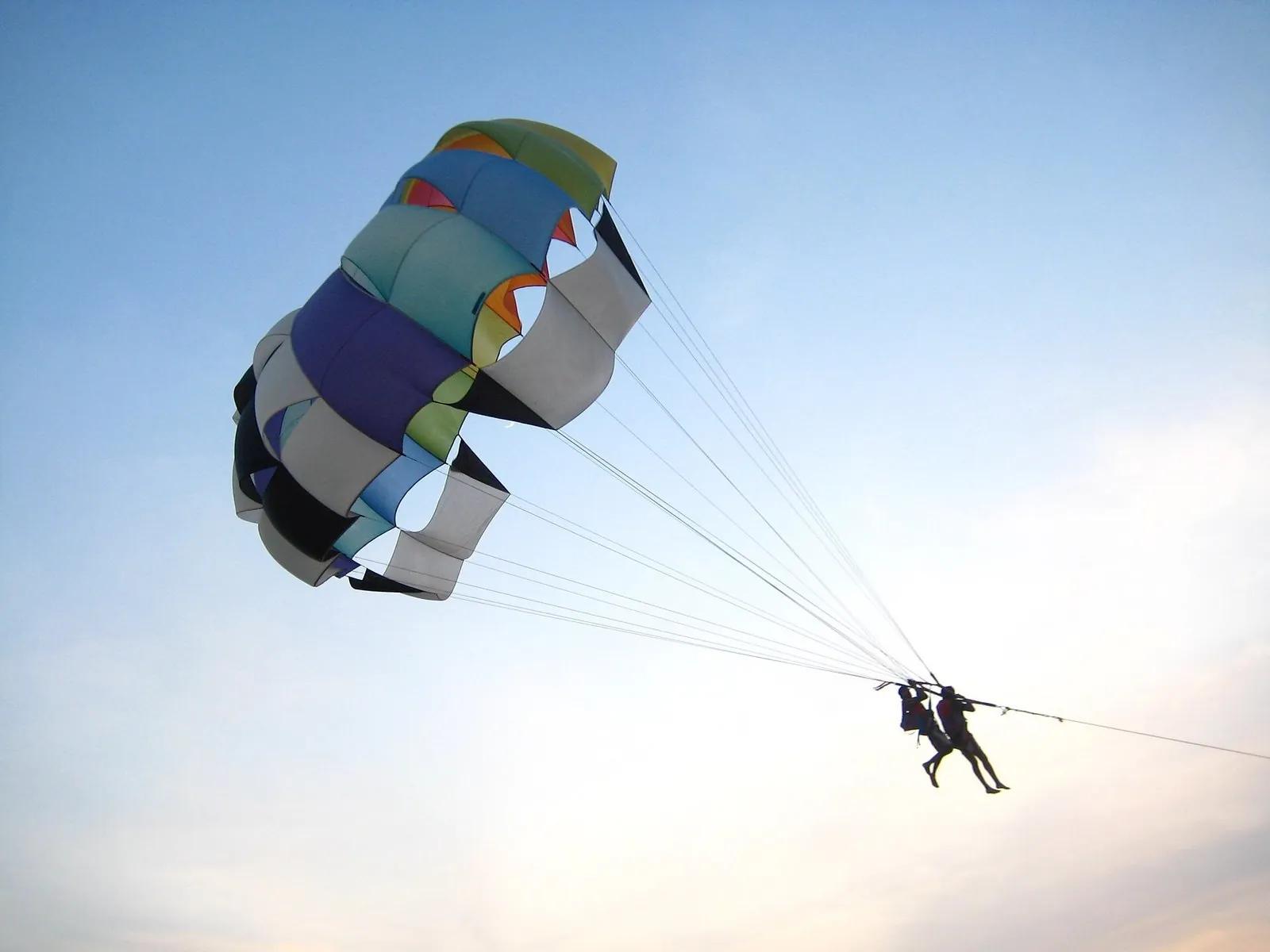
The beach watersports at Baga and Calangute may be the most-booked and most-complained-about thing in all of Goa. The parasail canopy going up over the sea, the jet ski throwing a rooster tail of spray, the banana boat with six shrieking people hanging off it: it is on every package, every reel, every list of things to do. It is also, going by the people who have actually paid for it, one of the easiest ways in Goa to be overcharged, short-changed and put in real danger, all in the same fifteen minutes. That does not make it a thing to avoid completely. It makes it a thing to walk into knowing exactly how the game is played.
I write for Refuje and I do not live in Goa. This is drawn from Goas own tourism rules, the news reports and safety advisories, and a long run of r/Goa threads from people who booked a ride, a cruise or a dolphin trip and came back to warn everyone else. The honest summary is that the mass beach watersports are a buyer-beware zone, the party cruises mostly disappoint, and the cheap online scuba is often not scuba at all, but there are two or three genuinely good things to do on and under this water if you know where to look. Here is how to tell them apart.
What you are actually buying
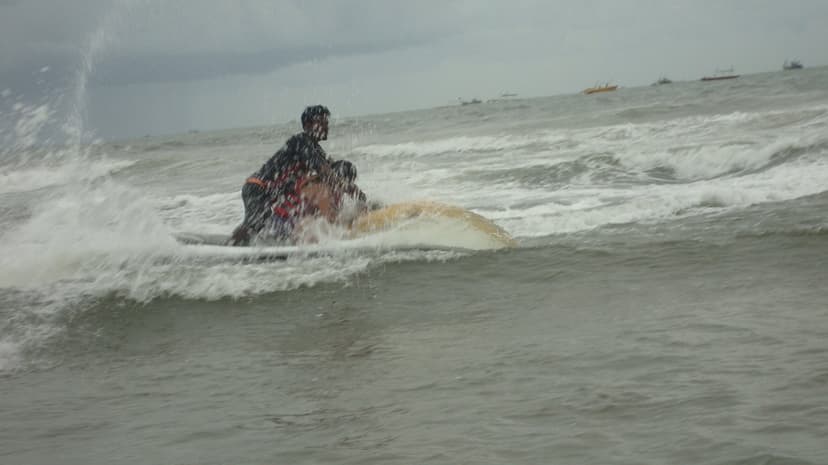
The standard beach combo is sold off the sand at Baga, Calangute and Candolim, the busy middle of the north coast. For a bundled price you get a short jet-ski ride (usually as a pillion behind an operator, not driving yourself), a parasail, a spin on the banana or bumper boat, and maybe a bumpy tube ride thrown in. It is packaged as adventure. In practice, as one r/Goa commenter put it, these are theme-park water rides run with little regard for safety, and calling them sport is generous. Done with a decent operator on a calm day it is genuinely fun. The trouble is that getting a decent operator, a fair price and a working life jacket is close to a lottery, and the lottery is rigged in ways worth knowing before you hand over any cash.
How the money games work
Start with the short-changing. One widely-shared r/Goa post described paying for rides advertised as 1.5 kilometres long and getting about 100 metres, after which the operator gave excuses, admitted the equipment was not working, and refused to refund; the poster named the Baga shop and told everyone not to fall for it. Then there is the pricing itself. A common trick is the coupon tout: a friendly man appears by your parked scooter offering a package much cheaper than the beach rate, which is how one visitor described a Calangute session that turned into a trauma from start to finish. And once you are out on the water there is the captive upsell, memorably summed up by a commenter as the worker in the middle of the sea saying give me 500 more and I will keep you in the air twenty seconds instead of ten. The reason none of this gets competed away is structural, as another local noted: on a given stretch of beach the watersports are effectively run by one operator, so there is no rival to walk to.
This is regular, all the water sports on a beach are under one guy in Goa.
The safety problem is real
The bigger worry is not your wallet but your neck. Goa does have rules: watersports and adventure operators are meant to register under the Goa Registration of Tourist Trades Act and hold safety certificates, and the state has a written water-sports policy that requires certified boat operators, pre-season equipment checks, wind limits, and life jackets. The problem is enforcement. Reporting and safety commentators point to operators working without proper licences or gear, no standardised certification, and, for a sport that dangles you from a cable, no mandatory third-party technical audits of the equipment. The result makes the news. In May 2026 a parasailing harness failed off the Goa coast and a tourist fell into the sea, the rope tangling around her neck; a similar cable snap off Baga dumped another parasailer into the water, after which, the report said, the operator refused a refund and harassed the customer. As one Indian traveller put it bluntly, activities like this need regular safety checkups, and in practice the checkups are a joke.
There is also a season to respect. From June to September, through the monsoon, Goas lifesaving agency Drishti Marine red-flags every beach and swimming and water sports are suspended outright: the seas carry dangerous rip currents and there is nobody who should be selling you a jet ski at all. The legitimate season is the dry half of the year, roughly October or November onwards. If an operator is offering you a monsoon parasail, that alone tells you what kind of operator they are.
The cruises and the dolphin trips
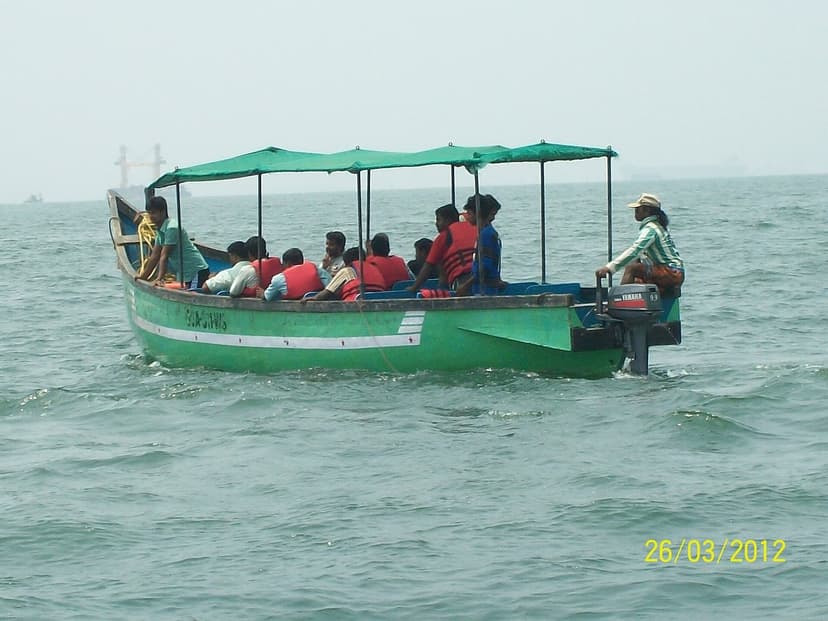
The Mandovi river cruises out of Panjim, the hour-long boats with the buffet and the two included drinks, split people sharply. Plenty enjoy them; plenty do not. One r/Goa poster called the Lexicon cruise a waste of money, a boat that started like a family outing and turned within the hour into a drunk mans floor, with cheap included liquor and food he could not eat. A self-identified cruise operator replied in fairness that at a thousand rupees a head you are buying the cheapest possible product and should not expect a fine-dining evening, which is a fair point: the letdown is often the gap between the reel and the rupees. Go in expecting a loud, cheap, boozy hour on a river and you will be fine; go expecting romance and you will not.
The dolphin trips are their own small disappointment. The boats leave in a flotilla from Sinquerim, Coco Beach and the south, and actually seeing a dolphin is genuinely a coin toss, made worse by a dozen engines crowding whatever animal does surface. The better news is that you often do not need the boat. Goans on r/Goa report seeing wild dolphins for free from the shore in the bay of the Mandovi, between Miramar and Fort Aguada, and off points like Betul in the south. If you do take a boat, a quieter, smaller one that keeps its distance is both a better experience and a kinder one for the dolphins.
So what is actually worth it?
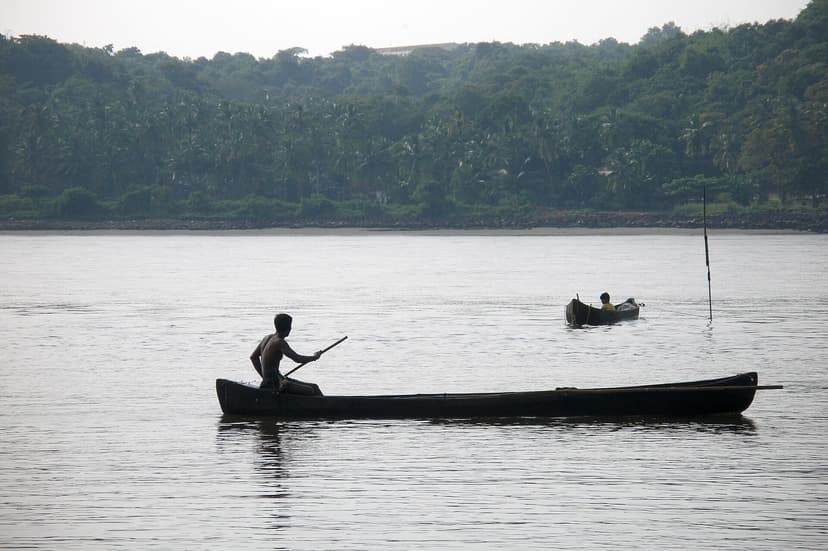
Three things on this water are worth your money and your morning. The first is real scuba diving, which almost no beach-watersports tourist does. It is out at Grande Island off the south coast, an hour by boat, over a coral-covered wreck, and it is the opposite of the beach circus. Just know the tell: proper diving with an authorised operator costs in the region of five to ten thousand rupees, so the two-thousand-rupee scuba package advertised online is the scam that a whole r/Goa thread walked into, booking scuba and getting four inflatable boat rides instead. Check an operators reviews on Google Maps sorted by newest before you pay, and read the honest picture in our guide to diving Grande Island. The second is the wild dolphins in the Mandovi, watched for free from Miramar or Aguada rather than chased by a packed boat. And the third is the genuinely calm water experience this whole series keeps coming back to: the backwaters and mangroves by kayak, paddled slowly, where the only upsell is another hour of quiet.
How not to get ripped off on Goas water. Never do watersports in the monsoon (June to September); the beaches are red-flagged and closed for a reason. Fix the price, the number of rides and the distance or duration before you get in, in front of witnesses, and pay after, not before. Walk away from the coupon tout by your scooter; the too-cheap package is the trap. Refuse any mid-sea upsell. Check that the life jacket actually fastens and, for parasailing, look at the state of the harness and cable. For scuba, only book a certified, well-reviewed operator (check Google Maps reviews sorted by newest), and treat a bargain price as a red flag, not a deal. And if you are cheated, you have recourse: keep evidence, and, as r/Goa advises, file a consumer complaint and tag Goa Police and the tourism department.
- Season
- Watersports run in the dry half of the year, roughly October to May. In the monsoon (June to September) Drishti Marine red-flags all beaches and swimming and water sports are suspended.
- The beach combo
- Jet ski (usually as a pillion), parasail, banana and bumper boat, sold as a bundle off Baga, Calangute and Candolim. Fun on a good day, a lottery on price and safety.
- The red flags
- Coupon touts offering below-beach prices, mid-sea upsells, one operator controlling a beach, no visible safety certificate, and any offer to run in the monsoon.
- Real scuba cost
- Roughly Rs 5,000 to 10,000 per person with an authorised operator (a traveller figure, verify current rates). A Rs 2,000 scuba package is the classic scam.
- Wild dolphins, free
- Often visible from shore in the Mandovi bay between Miramar and Fort Aguada, and off Betul in the south, no packed boat required. Sightings never guaranteed.
| The beach watersports combo | The quieter water | |
|---|---|---|
| What it is | Jet-ski, parasail and banana rides off the busy beaches | Certified scuba, wild-dolphin watching, kayaking the backwaters |
| Price honesty | Haggled, padded, prone to short-changing | Fixed and transparent with a proper operator |
| Safety | Under-enforced; equipment and life jackets a lottery | Certified operators, briefings, the sea taken seriously |
| Crowd | The thick of the tourist strip | A self-selected, quieter crowd off the main beaches |
| Our take | Fun with a good operator, but go in wary | Where the actual reward on this water is |
Where it all is
The pattern, as ever with Goa, is that the loud, packaged version sits right next to a quieter, better one. The beach combo at Baga is the loud version; the slow paddle through the mangroves, the free dolphins off Aguada, the wreck dive at Grande Island are the better ones. For the wider case that this calmer Goa beats the beach-club Goa, there is a companion piece on whether the place is overrated at all.
The beach jet-ski and parasail operators are not Refuje products and never will be. You can see the North Goa experiences that are currently bookable on the North Goa things-to-do page. Book the quiet water, watch the dolphins from the shore for free, and if you do want a thrill on the sea, choose a certified, well-reviewed operator and fix the price before you get in.
Common questions
Are the watersports in Goa worth it?
They can be fun with a good operator on a calm day, but the beach combos at Baga and Calangute are a buyer-beware zone: overcharging, short-changing, mid-sea upsells and under-enforced safety are common complaints. If you want a genuine reward on the water, real scuba at Grande Island, watching wild dolphins from the shore, or kayaking the backwaters are better value and safer than the beach jet-ski circuit.
Are Goa watersports safe?
There are rules (operators should be registered and hold safety certificates, with life jackets and equipment checks required), but enforcement is weak, there is no mandatory third-party audit of the gear, and accidents happen, including a parasailing harness failure off Goa in 2026. Never go in the monsoon, when beaches are red-flagged and closed. If you do go, check the life jacket and harness yourself and choose an operator with recent good reviews.
Is the Mandovi dinner cruise in Goa worth it?
It depends what you expect. The hour-long Panjim river cruises are cheap, loud and boozy, and some travellers find them a fun evening while others call them a waste of money with poor food and cheap included drinks. At around a thousand rupees a head you are buying a budget product, so set expectations accordingly. If you want a quiet or romantic evening on the water, this is not it.
Do you actually see dolphins on a Goa dolphin trip?
Sometimes, but it is not guaranteed, and a flotilla of tourist boats crowding the water lowers your odds and disturbs the animals. Many Goans say you can watch wild dolphins for free from the shore in the Mandovi bay between Miramar and Fort Aguada, or off Betul in the south. If you take a boat, pick a smaller, quieter one that keeps a respectful distance rather than a packed, engine-heavy one.
How much does scuba diving cost in Goa, and why are cheap ones a scam?
Diving with an authorised operator costs roughly five to ten thousand rupees per person, according to divers on r/Goa, so a scuba package advertised at around two thousand is a red flag. A well-documented scam involves booking cheap online scuba and being given a few inflatable boat rides instead. Book a certified, well-reviewed operator, check Google Maps reviews sorted by newest, and read a proper guide before you pay.
When can you do watersports in Goa?
In the dry season, roughly October to May. During the monsoon, June to September, Goas lifesaving agency Drishti Marine red-flags all beaches and swimming and water sports are suspended because of dangerous rip currents and rough seas. Any operator offering monsoon watersports is ignoring the advisory, which is itself a warning sign about how they run things.
What should I do if I get scammed on Goa watersports?
Keep evidence, photos, video, receipts and the shop name, and do not let it go. Goans on r/Goa advise filing a consumer complaint and tagging Goa Police and the state tourism department and local media channels on social platforms. Agreeing the price, distance or duration in writing and paying only after the ride reduces the chance of a dispute in the first place, but if it happens, the recourse exists and using it helps the next visitor.
Sources and a note on this guide
I write for Refuje and I do not live in Goa. The monsoon closure, the registration and safety rules, and the parasailing incident are from Goas tourism department, Drishti Marine advisories and news reports; the scams, prices, cruise and dolphin experiences and the where-to-see-dolphins-for-free tip come from Goans and travellers on r/Goa, quoted and attributed as they appear. The shop and cruise names in those accounts are the posters own, not our verified claims, and the prices are their reports and change over time, so check current rates and reviews before you book. Nothing here is a first-hand claim of mine. The facts were checked in August 2026.
- Monsoon closure of beaches and watersports (June to September, Drishti Marine red-flag advisory): Drishti Marine advisories and Goa press (Prudent Media, Gomantak Times, Digital Goa).
- Registration and safety rules (Goa Registration of Tourist Trades Act, water-sports policy, certificates, life jackets, equipment checks) and the enforcement and audit gap: Goa tourism policy documents and adventure-safety reporting.
- The 2026 parasailing harness failure off Goa: national news reports (NewsX, AOL).
- The Baga short-changing scam, the coupon tout, the mid-sea upsell, the single-operator point, the Lexicon cruise and the operators reply, the fake-scuba scam and real scuba cost, and wild dolphins in the Mandovi: attributed r/Goa threads, quoted inline.
Operators, prices and enforcement all change, so verify current rules, rates and reviews before booking anything on Goas water, and if you are cheated, use the consumer-complaint route. If you run or regularly use these waters and know them better than the sources here do, that is the correction this guide should carry, so tell us.
You Might Also Like
Edge City India 2026: The Practical Guide
Three weeks in Mandrem, North Goa. October 11 to November 1, 2026. Hundreds of founders, researchers, engineers, and creators living and building on a stretch of beach that is usually known for yoga retreats and quiet cafés, not hackathons. If you have applied, or you are wondering whether you...
Solo Female Travel in Goa: An Honest Safety Guide
An honest, balanced safety guide for women travelling to Goa alone: why it's comparatively safe and loved by many yet has a real, worsening harassment problem concentrated on the party beaches, where to base for a calmer trip, and the practical choices that tilt the odds in your favour.

Working Remotely from North Goa: The Honest Digital-Nomad Guide
An outsider's honest guide to working remotely from North Goa: why it isn't the beach-office of the photos, the power-and-internet problem that decides everything, where to base (Assagao, Siolim, Caranzalem), the cost, solo-female safety, and how to be a good guest rather than a coloniser.