
Scuba Diving in Goa: An Honest Guide to Grande Island and Suzy's Wreck
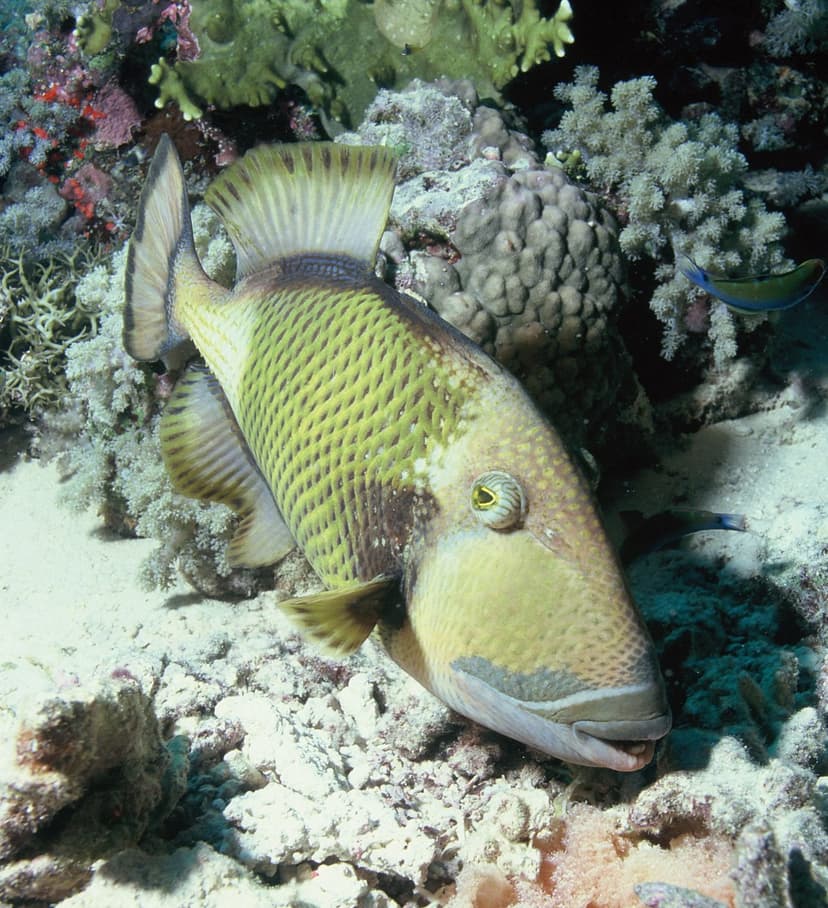
Ten metres down off Grande Island, the old fishing boat lies on its side in the green light, and it does not look like a wreck any more. Every rib and rail is furred with hard and soft coral, and the fish have moved in the way squatters move into an empty house: bannerfish hanging in the current, a fat grouper eyeing you from the hold, a triggerfish that, as one Goan diver put it, will pose for your camera right up until the moment it decides it has had enough of you. This is Suzy's Wreck, and it is the single best reason to do the thing almost no Goa visitor does, which is get in the sea and go down instead of just splashing about on top of it.
Scuba diving is Goa's most literal answer to the whole point of this series: there is more to the place than the beach, and here the more is directly underneath it. I do not live in Goa or dive its reefs myself, so this is built from what dive operators, marine sources and Goan divers say, not my own logbook. And it comes with more honesty than the brochures manage, because Goa diving is genuinely worth doing and genuinely oversold, both at once. Here is where you dive, what you will actually see, when to go, and, most important of all, how to pick an operator who will not get you hurt.
Where you dive: out on the islands, not off the beach
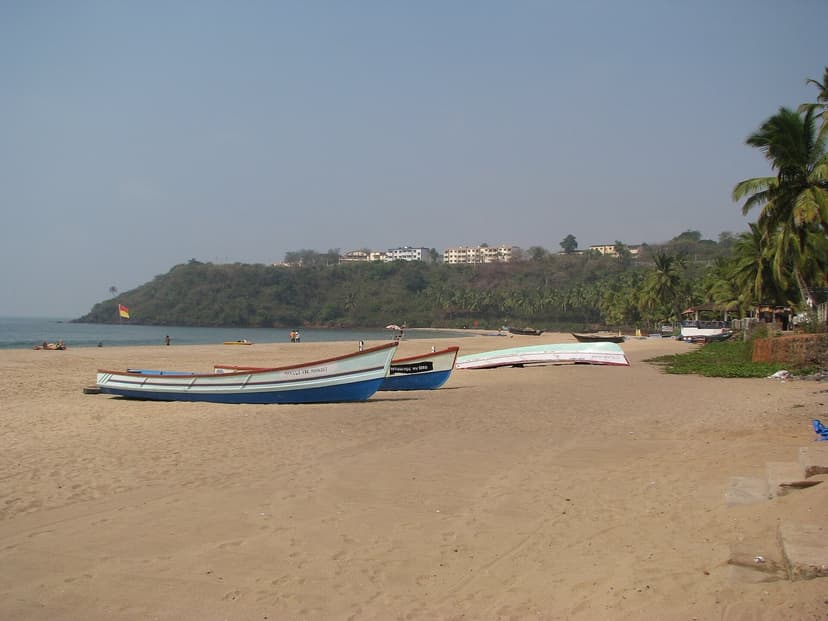
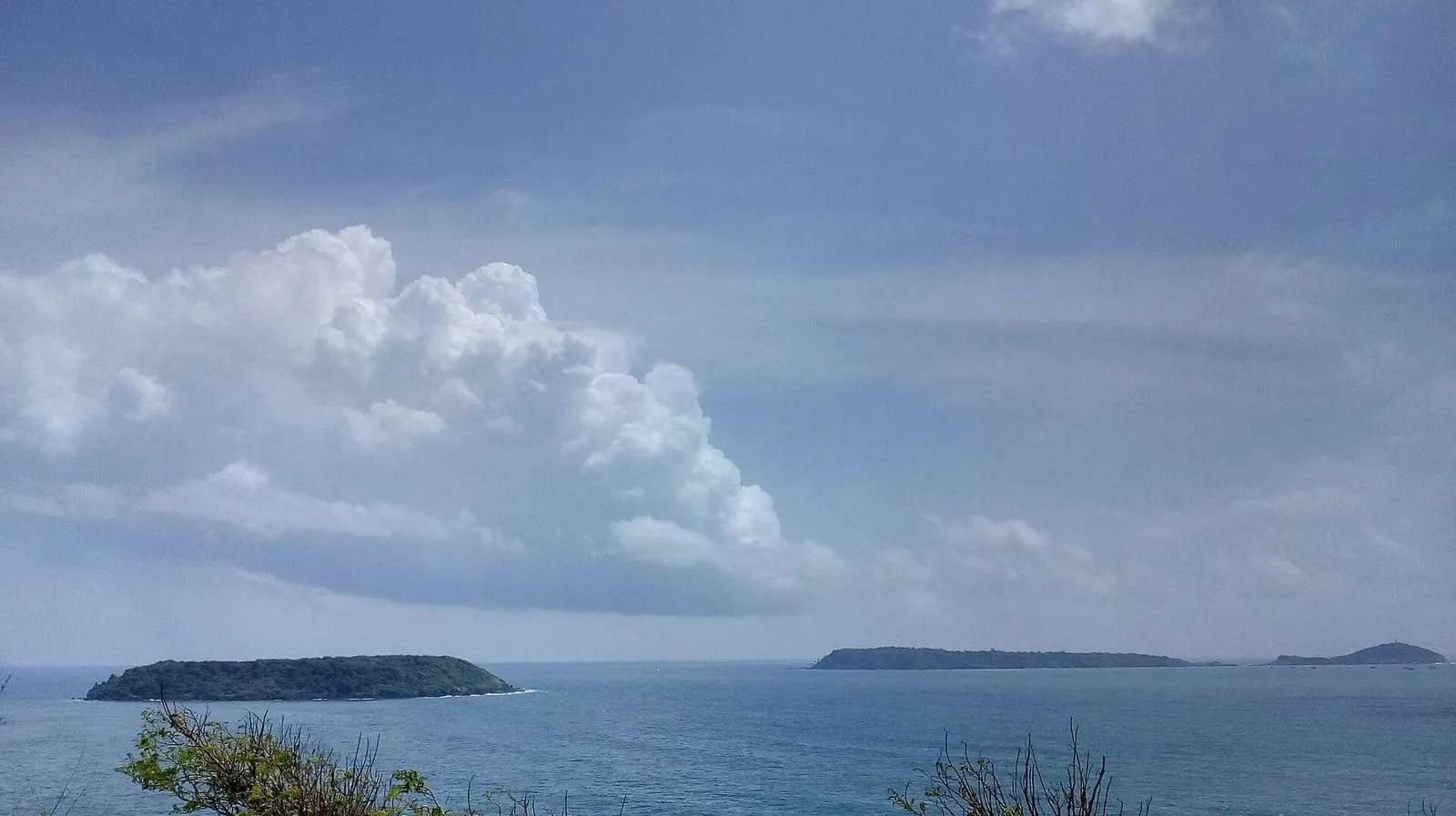
The first thing to understand is that Goa's diving is not off the tourist beaches at all. It is out on a cluster of islands off the south coast near Vasco, chief among them Grande Island, with Bat Island and a couple of reefs nearby. You get there by boat, an hour or so out, which is part of why the divers are a self-selected, quieter crowd than the jet-ski beaches. Grande Island offers coral patches, rocky reef and the star attraction, Suzy's Wreck, a fishing vessel that sank off the island decades ago and has been colonised so completely by coral that it is now, in effect, an artificial reef. It sits at around eight to ten metres, shallow enough that a complete beginner can be taken down to it on a supervised first dive.
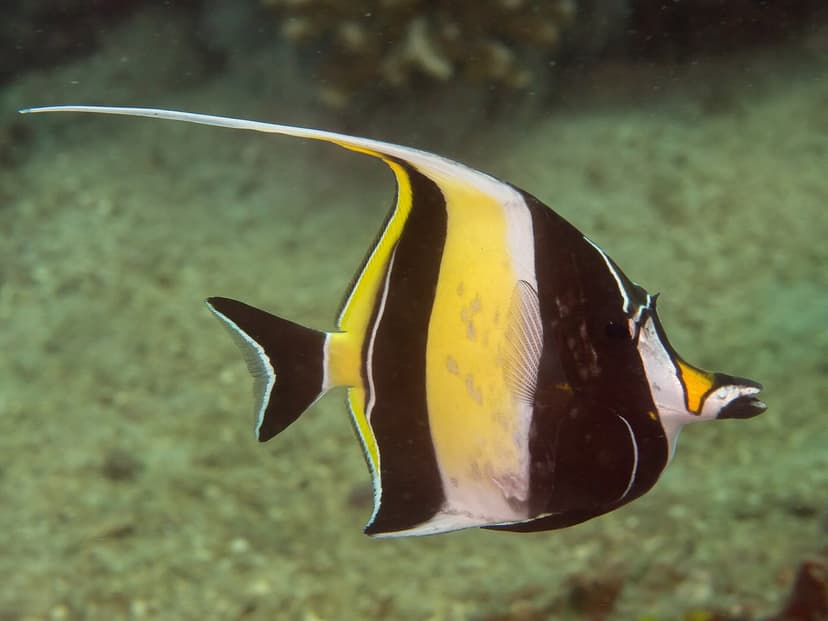
What lives there is a proper tropical reef cast, if not a crowded one. Dive-site accounts and divers list schools of bannerfish, Moorish idols, angelfish, snappers and parrotfish around the wreck and reefs, with the chance of a turtle, a stingray on the sand, a moray in a hole, or a grouper hanging in the shadows. It is not the Andamans and it is not Lakshadweep. But for a first breath underwater, over a coral-covered wreck full of fish, an hour off the Goan coast, it more than does the job.
- Where
- The islands off south Goa near Vasco: Grande Island (Ilha Grande) and Bat Island, reached by boat, not the tourist beaches. Suzy Wreck is the highlight.
- What you see
- Coral gardens and a coral-covered wreck, with bannerfish, Moorish idols, angelfish, snappers, parrotfish, and maybe a turtle, stingray, moray or grouper.
- Best season
- October to May only; diving shuts in the monsoon. Visibility is best December to February, when it can reach 12 to 15 metres.
- For beginners
- Yes. Suzy Wreck sits at about 8 to 10 metres, within range of a supervised Discover Scuba first dive; no certificate needed to try it.
- The real rule
- Choose a certified, safety-first dive operator, never a cheap beach tout. Underwater, safety is not where you save money.
The honest bit: manage your expectations on the water
Goa is not a top-tier dive destination, and it does divers no favours to pretend it is. The thing that varies most is visibility, and it varies a lot. In the clear window from December to February it can reach a genuinely good twelve to fifteen metres; outside that, and whenever the weather turns, it can drop to a murky five, and a Goan diver on Reddit was blunt about why, noting that a storm on the eastern coast around when he dived had stirred up currents and wrecked the visibility that day. Another, asked how good the viz usually is, gave the honest answer that it depends entirely on the season and the day. Go in expecting Maldives-blue water every time and you will be disappointed.
Go in expecting a coral-covered wreck, a boat trip, a swarm of reef fish and the strange, quiet thrill of breathing underwater for the first time, and Goa delivers, especially in the clear months. The move is simple: dive in the December-to-February window if you possibly can, take the day the sea and the operator say is good rather than forcing a bad one, and treat the viz as weather, something you check and accept rather than something you are owed.
When to go, and when not to
The season is not negotiable. Diving in Goa runs roughly October to May and shuts down entirely in the monsoon, when the sea is rough, the visibility is nil and it is simply not safe; one diver, cutting through a hopeful thread, said flatly that water sports in Goa are unsafe in the monsoons at the best of times. Within the open season, aim for the clear-water peak of December to February for the best visibility, with the shoulders either side still perfectly good and often less crowded. Book a morning slot, when the sea is usually calmest, and keep the day flexible enough to move if the conditions are poor.
The one that matters: pick a real operator, not a tout
Every quiet-Goa experience in this series ends on the same note, go with good local people, and for scuba it is not advice, it is a safety issue. Goa's beach water sports have a genuinely bad reputation, and Goans are the loudest critics of it. The forums are full of it: a long thread exposing a jet-ski scam at Baga, another headed simply do not take a jet-ski ride on Anjuna, residents calling the operators out-of-state crooks running rides with, as one put it, absolute disregard for safety, that do not deserve to be called water sports at all. Another made the deeper point that real safety costs money, and that too many visitors would rather spend it on booze than on not getting hurt.
Water sports with due diligence and safety cost a lot, and most people would rather spend on booze than on safety.
Scuba is not the same thing as those beach jet-ski touts, and it is unfair to lump the good dive schools in with them. But the lesson transfers straight down, because underwater a cut corner is far more dangerous than on the surface. So do the boring, essential homework. Dive only with an established, certified operator, a PADI or SSI dive centre with real reviews, not the cheapest boat you can haggle for on the sand. Check that the kit is serviced and the boat has oxygen and a first-aid kit. Insist on a proper briefing and a qualified instructor in the water with you on a first dive. And be honest on the medical form. The good Goa operators do all this as a matter of course; the point is to make sure you are with one.
Scuba safety in Goa, in one place. Dive only with an established, certified centre (PADI or SSI) with genuine reviews, never a cheap beach tout; Goa's unregulated beach water sports have a real safety and scam problem, and underwater the stakes are higher. Check serviced equipment, oxygen and first aid on the boat, a real briefing and a qualified instructor beside you on a first dive, and fill in the medical form honestly. Dive in the October-to-May season only, never the monsoon. And on the reef, watch your buoyancy and touch nothing.
Touch nothing: the diver's version of leave no trace
The last rule is for the reef, not for you. A coral reef is a living thing built over decades, and a careless diver can break in a second what took years to grow. So take the standard reef etiquette seriously, because Goa's reefs are modest and cannot absorb much abuse. Do not touch, stand on or kick the coral; sort your buoyancy out so you hover rather than crash; keep your fins and gauges from dragging across it. Take nothing, not a shell, not a fragment of coral, not the pretty thing on the sand. Do not chase, corner or grab the fish, however much that triggerfish seems to be posing. And wear a reef-safe sunscreen on the boat, because the ordinary kind washes off and harms the coral. Look, photograph, leave it exactly as you found it. It is the same rule as the tide pools and the mangroves, just twelve metres down.
Where a dive fits in a Goa trip
A dive day is a proper half-to-full day out, boat and all, and it is the most adventurous slice of the beyond-the-beaches Goa. It pairs beautifully with the gentler water: paddle the mangrove backwaters one morning and dive the island reefs another, and you have met the Goan sea at both ends, the quiet estuary and the open reef. Add a tide-pool walk and you have seen the shallow marine life from above too, which makes the reef below make more sense.
Dive in the clear season, go with a proper operator, respect the reef, and Goa gives you something almost no one flies in expecting: a first breath underwater over a wreck full of fish. It will not out-dazzle the Andamans, and it does not need to. It only needs to show you that the Goa worth the trip runs right down under the waves too. For the wider case on the quiet, honest Goa and how to travel it well, there is a companion piece on whether Goa is overrated.
The scuba experience is run by local dive operators, Beatroute Explorers among them, who describe loving to watch people take their first breath underwater. Diving is booked directly with a dive centre; Beatroute's other guided experiences, and the wider set of North Goa experiences, are on the North Goa things-to-do page. Whatever you book, the rule is the same: go with certified, local people who put safety first.
Common questions
Is scuba diving in Goa worth it?
Yes, with honest expectations. Goa is not a top-tier dive destination and its visibility varies a lot, but a dive over the coral-covered Suzy Wreck at Grande Island, full of reef fish and reachable by beginners, is a genuinely good experience, especially in the clear December-to-February window. Go expecting a wreck, a boat trip and a first breath underwater rather than Maldives-blue water, and it more than delivers.
Where do you scuba dive in Goa?
Not off the tourist beaches but out on the islands off the south coast near Vasco, chiefly Grande Island (Ilha Grande) and Bat Island, reached by boat. Grande Island has coral patches, rocky reef and Suzy Wreck, a fishing boat that sank decades ago and is now coral-covered. The dive day begins on a boat from the south Goa coast, not on a sunbed.
Can beginners scuba dive in Goa?
Yes. Grande Island suits complete beginners, and the main sites, including Suzy Wreck at about eight to ten metres, are shallow enough for a supervised Discover Scuba first dive with no certificate required. A qualified instructor takes you down and stays with you. It is one of the easier places in India to try diving for the first time, provided you go with a proper, certified operator.
What is the best time for scuba diving in Goa?
October to May, as diving shuts entirely in the monsoon when the sea is rough and unsafe. Within that, December to February gives the clearest water, with visibility reaching twelve to fifteen metres, and is the best time for first-timers. The shoulder months are still good and often less crowded. Book a morning slot and keep the day flexible, since conditions vary.
What marine life can you see diving in Goa?
Around the wreck and reefs at Grande Island you can see schools of bannerfish, Moorish idols, angelfish, snappers and parrotfish, with the chance of a turtle, a stingray on the sand, a moray eel or a grouper. Triggerfish are common and territorial, so admire them from a distance. It is a proper if modest tropical reef community, at its best when the water is clear.
How do I choose a safe scuba operator in Goa?
This is the most important decision you make. Dive only with an established, certified dive centre, a PADI or SSI operator with genuine reviews, never the cheapest boat touted on the beach, because the unregulated beach water sports have a real safety and scam problem. Check for serviced equipment, oxygen and first aid on the boat, a proper briefing and a qualified instructor in the water with you, and answer the medical questionnaire honestly.
Is scuba diving in Goa safe?
With the right operator, yes; with the wrong one, no, which is why the operator choice matters more than anything. Reputable certified dive centres run safe, well-briefed dives with proper kit and instructors. The risks come from cutting corners: cheap unqualified operators, bad equipment, diving in poor conditions or the monsoon, or not disclosing a medical issue. Choose well, dive in season, and follow the briefing.
How does a Goa dive compare to the Andamans or Lakshadweep?
It does not, and that is fine. The Andamans and Lakshadweep have far clearer water and richer reefs, and are the destinations for serious diving in India. Goa is a convenient, beginner-friendly, wreck-focused dive close to the beach holiday, best in the clear winter months. Treat it as a great first dive or a fun day out rather than a top-tier reef trip and you will enjoy it for what it is.
Sources and a note on this guide
I write for Refuje and I do not live in Goa or dive its reefs. The dive-site and season details are from dive-industry sources; the honesty about variable visibility, and the strong feeling about unsafe beach water-sports operators, are from Goan divers and residents on r/Goa, quoted and attributed as they appear. Nothing here is a first-hand claim of mine, and I have deliberately foregrounded safety over sales. The facts were checked in July 2026.
- Goa dive sites (Grande Island, Bat Island, Suzy Wreck), depths, season (October to May), visibility (up to about 12 to 15 m in December to February), beginner Discover dives and marine life: PADI's Goa diving pages and dive-operator and dive-guide accounts.
- Visibility varying with season, weather and currents; the monsoon being unsafe for water sports; and the safety and scam problems with Goa's beach water-sports operators: attributed r/Goa threads, quoted inline.
- The scuba experience and its framing: Beatroute Explorers' own listing (beatroutexplorers.fun), described as offered, not endorsed; specific dive operators are not endorsed here, only the standard of choosing a certified one.
Dive conditions, operators and safety records change, so check current reviews and certifications before you book, and never dive against an operator's advice on conditions. If you dive these waters and know them better than the sources here, that is the correction this guide should carry, so tell us.
You Might Also Like
Edge City India 2026: The Practical Guide
Three weeks in Mandrem, North Goa. October 11 to November 1, 2026. Hundreds of founders, researchers, engineers, and creators living and building on a stretch of beach that is usually known for yoga retreats and quiet cafés, not hackathons. If you have applied, or you are wondering whether you...
Solo Female Travel in Goa: An Honest Safety Guide
An honest, balanced safety guide for women travelling to Goa alone: why it's comparatively safe and loved by many yet has a real, worsening harassment problem concentrated on the party beaches, where to base for a calmer trip, and the practical choices that tilt the odds in your favour.

Working Remotely from North Goa: The Honest Digital-Nomad Guide
An outsider's honest guide to working remotely from North Goa: why it isn't the beach-office of the photos, the power-and-internet problem that decides everything, where to base (Assagao, Siolim, Caranzalem), the cost, solo-female safety, and how to be a good guest rather than a coloniser.