Goa's Tide Pools: The Overlooked Wild Coast Between the Beaches
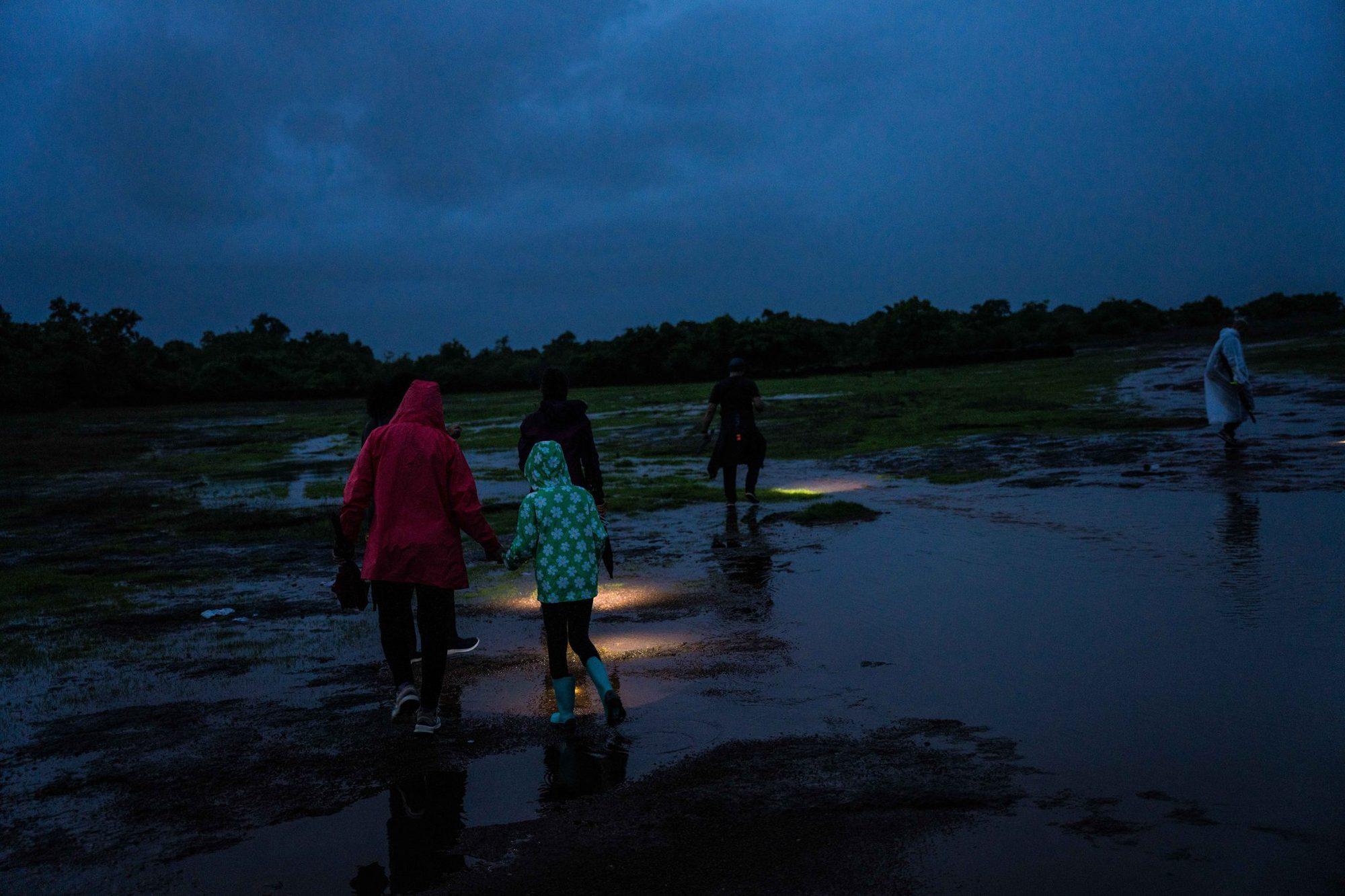
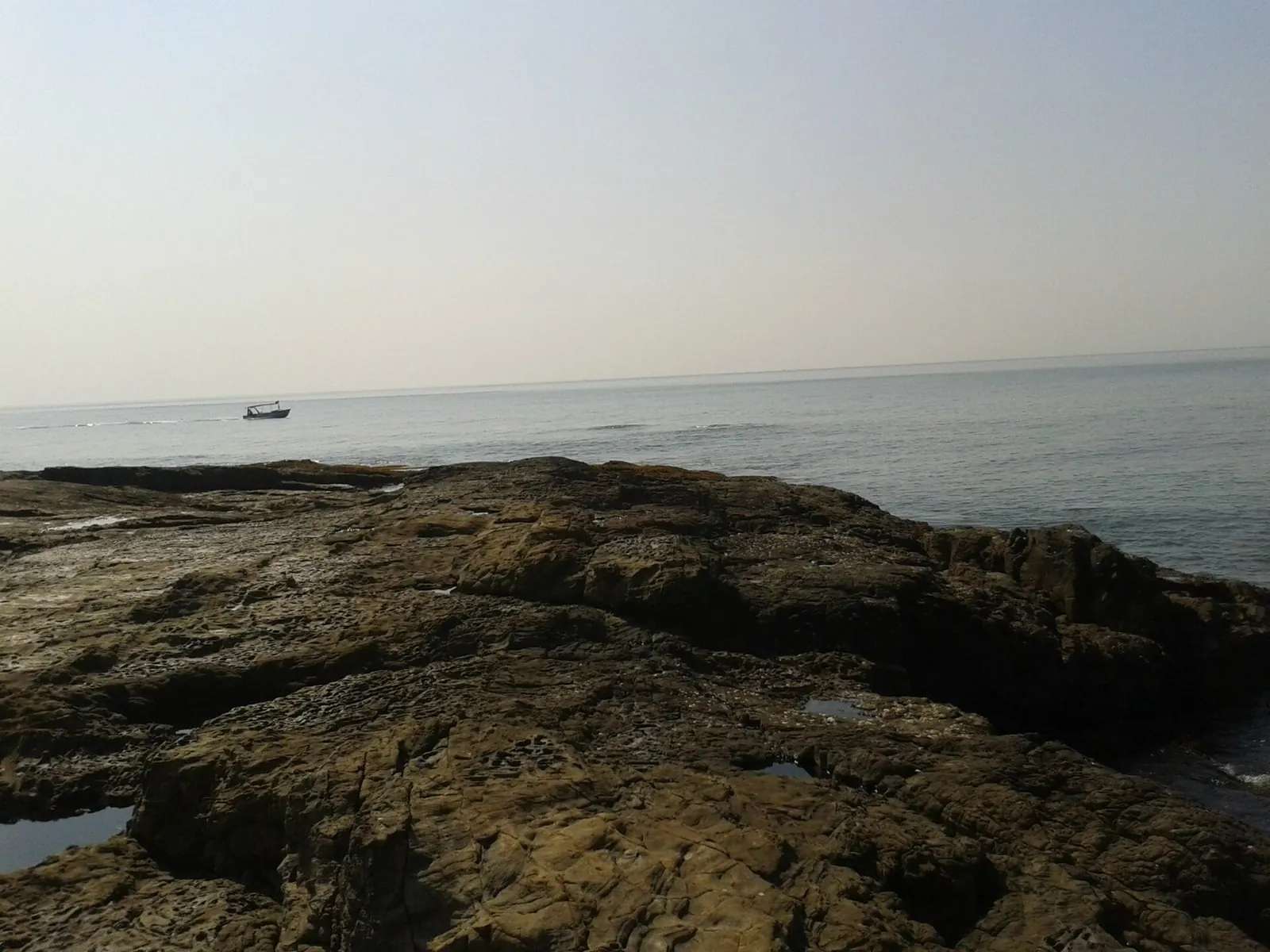
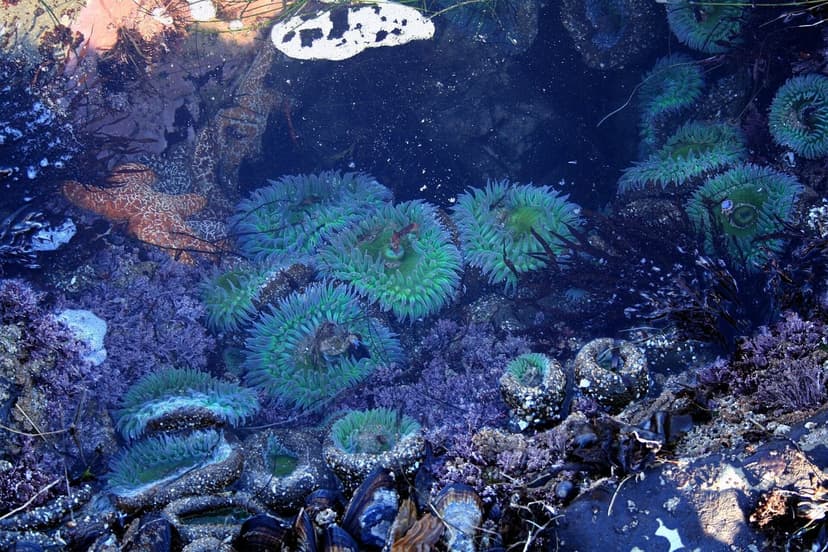
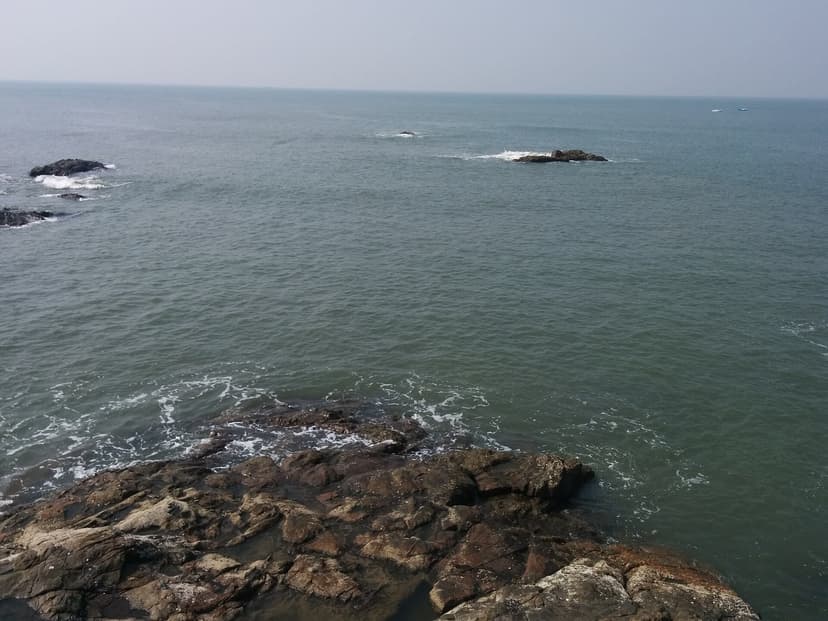
Wait for the sea to leave. Twice a day it does, and at the bottom of a good low tide the rocky shelf below a Goan headland, at Anjuna, say, or the black rocks under Vagator, turns into something most visitors never see. The water drains off the flat rock and leaves a scatter of pools behind, each one a little aquarium the ocean forgot to take with it. Kneel down at one. A sea star folded into a crevice. A hermit crab reversing across the sand. Anemones like green flowers that flinch shut when your shadow crosses them. A whole coast of people is lying on the beach two hundred metres away, and none of them know this is here.
This is tide pooling, and it might be the most overlooked thing you can do on the Goan coast. I do not live in Goa, so this leans on marine researchers and the operators who run these shores, more than on my own boots, and I will be honest that it is niche enough that even Goan travellers rarely mention it. But it is real, it is free if you do it yourself and gentle if you go guided, and there is now a walk that takes you into it properly. Here is what tide pools are, what lives in Goa's, when to go, and the one rule that matters more than any other.
What the low tide leaves behind
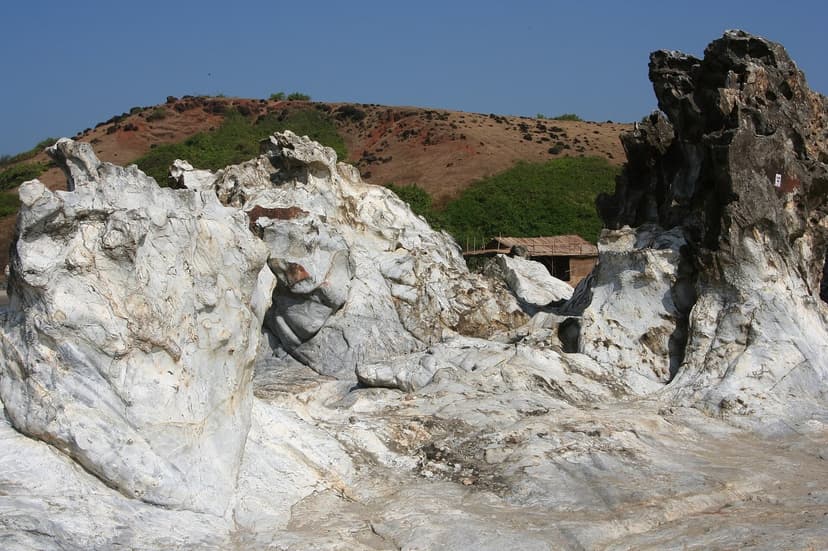
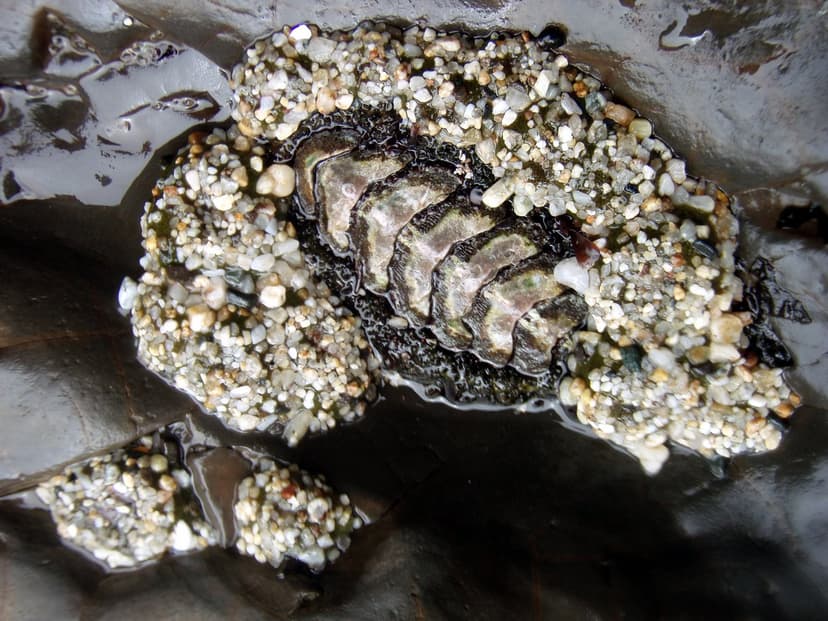
A tide pool is exactly what it sounds like: a pocket of seawater trapped in the rock of the intertidal zone, the strip of shore that is underwater at high tide and bare at low. It is one of the harshest places to live on earth, drowned and dried and baked and cooled twice a day, and the creatures that manage it are correspondingly tough and strange. Goa is thought of as a sand-and-palm coast, but between its beaches are rocky headlands, and those rocks are quietly full of life. Kneel at a Goan pool and, as tide-pool guides everywhere put it, deeper inspection turns up anemones, small crabs, sponges, snail eggs and, if you are lucky, a sea star.
How much life is genuinely surprising. Marine surveys of the rocky intertidal at Anjuna and Vagator have counted on the order of seventy species of seaweed alone between the two, around sixty at Anjuna, and studies of the shore snails, the gastropods, have recorded more than fifty species across the North Goa rocky shores from Anjuna through Candolim and Sinquerim, with more again in the south around Palolem and Betul. That is a lot of biodiversity clinging to rock that thousands of people walk past every day on their way to a sunbed. The tide pool is where you actually get to meet it.
- What it is
- Pools of seawater left in the rock of the intertidal zone at low tide, each a small world of anemones, crabs, snails, chitons, seaweeds and sometimes sea stars or an octopus.
- Where in Goa
- The rocky headlands between the beaches: Anjuna, Vagator, Candolim and Sinquerim in the north, and rocky south-Goa shores too. Not one beach but a whole-coast feature.
- When
- At the bottom of a low tide, and the lower the better. Check a tide table; the biggest low tides come around the new and full moon.
- Best season
- Studies find the richest intertidal life just before and after the monsoon (roughly pre-monsoon May and post-monsoon December); the monsoon itself is poorer and the rocks dangerous.
- The one rule
- Look, do not take. Leave every creature, shell and rock where it is, tread carefully, and watch the tide come back.
Doing it as a guided walk
You can absolutely tide-pool on your own, and half the joy is the free-range treasure hunt of it. But a guide changes what you see, because a rock pool gives up almost nothing to an untrained eye and a great deal to someone who knows where to look and what they are looking at. That camouflaged lump is a resting octopus; that jelly blob is a sea hare; those are not pebbles, they are snails. One local operator, Beatroute Explorers, runs a guided Tide Pool Walk, and describes it, nicely, as a real-life treasure hunt along the coast, when the tide rolls out and the hidden pools fill with sea stars, crabs, slippery seaweeds and maybe a sneaky octopus. It is, they say, the perfect adventure for curious explorers, which is a polite way of saying it is very good with kids.
It is also gentle and cheap in effort, if unforgiving in timing. You go when the tide says so, not when it suits you, which is the whole discipline of it. Wear something with grip and something you do not mind soaking, bring water and sun cover, go slowly, and be ready to spend an hour crouched over a patch of rock the size of a bathmat. What you come away with is not a monument or a viewpoint but the small, durable pleasure of having met a dozen animals you did not know shared the coast with you.
Timing is everything: reading the tide and the moon
Nothing about tide pooling works if you get the timing wrong, so this is the part to actually plan. You want the bottom of a low tide, and the lowest low tides of all come around the new and full moon, when the sun and moon pull together. Check a tide table for the day, aim to be on the rocks as the water bottoms out, and give yourself the hour on either side of it. Get it wrong and you are just looking at wet rock, or worse, standing where the sea is about to be.
There is a lovely piece of natural history in this that a Goan on Reddit spelled out, on a thread about a beach strewn with what looked like dead crabs. Most of them, he explained, are not dead crabs at all but moults, the old shells crabs shed as they outgrow them, and they moult on a rhythm tied to the moon, the same moon that runs the tides. Learn to read that and the shore stops being random. The moult on the sand, the pool in the rock, the fortnight-big tide: they are all the same clock. Tide pooling is really just learning to tell the time by the sea.
The one rule: look, do not take
Every quiet-Goa experience in this series comes with the same ask, and tide pools make it sharpest, because here the thing you are admiring is small enough to pocket. So say it plainly. Take nothing living. Do not lift the anemone, do not bag the sea star for a photo on the sand, do not carry off the pretty shell that a hermit crab may be about to move into. If you turn a rock to look under it, turn it gently back exactly as it was, because that underside is somebody's roof. Tread on bare rock, not on the barnacles and weed, and keep your hands to yourself and your fingers out of crevices you cannot see into. A tide pool survives being looked at forever. It does not survive being harvested by every curious visitor who finds it.
Goans already feel this about their shore. The recurring lament on the local forums is not about tide pools specifically but about the state of the beaches, plastic and litter, and the frustration is real; one resident pointed out, fairly, that much of the rubbish is not even dropped there but washed in by the rivers and dumped on the shore by the high tide. A rocky intertidal is even more fragile than a sandy beach and far less able to shrug off a crowd. The way to keep it worth visiting is the oldest rule in nature-watching: leave it exactly as you found it, take only the photograph and the memory, and put the rock back.
Tide pooling safety and ethics in one place. Go only at a falling or low tide and keep one eye on the water, because an incoming tide over a rocky shelf is genuinely dangerous. Wear shoes with grip; wet rock, weed and barnacles are slippery and sharp. And take nothing living or dead: no creatures, no shells, no rocks. Turn any rock you lift gently back the way it was, tread on bare stone, and keep out of blind crevices, which may hold a moray or an urchin. Look, do not take, and watch the tide.
Who it is for, and where it fits
Tide pooling is the rare Goa activity that is genuinely brilliant with children and genuinely interesting to adults at the same time. It is slow, safe when you respect the tide, needs no skill or fitness, and rewards curiosity over everything. It is not a headline day out; it is a magical hour that you build around a tide table, ideally on a morning you are near a rocky stretch of coast anyway. Pair it with the rest of the quiet Goa and you have seen the coast properly: the water from a kayak in the backwaters, the forest on a night walk, and the very edge of the sea in a rock pool at dawn.
It is, in the end, the smallest and most local version of the argument this whole series makes: that the Goa worth the trip is the one hiding in plain sight behind the beaches. A tide pool is right there, a few metres from the towel, twice a day, free, and almost nobody looks. Learn the tide, go gently, take nothing, and the plainest bit of Goan coast becomes the most surprising.
The Tide Pool Walk is run by Beatroute Explorers, a small local operator, as a guided low-tide exploration of the rocky shore. It is booked directly with them; their other guided experiences, and the wider set of low-impact North Goa experiences, are on the North Goa things-to-do page. All of it is the same quiet, guided, leave-no-trace way of meeting the coast.
Common questions
What is tide pooling and can you do it in Goa?
Tide pooling is exploring the pools of seawater left in rocky shores at low tide, which hold anemones, crabs, snails, chitons, seaweeds and sometimes sea stars or an octopus. You can absolutely do it in Goa: between the famous beaches are rocky headlands, at Anjuna, Vagator, Candolim and Sinquerim in the north and elsewhere, whose intertidal rock is surprisingly rich in marine life. It is one of the most overlooked things on the Goan coast.
When is the best time to go tide pooling in Goa?
At the bottom of a low tide, and the lower the better; check a tide table and aim to be on the rocks as the water bottoms out, with an hour either side. The biggest low tides come around the new and full moon. Season-wise, marine studies find the richest intertidal life just before and after the monsoon, roughly May and December; the monsoon itself is both poorer and dangerous on wet rock.
What animals can you find in the Goa tide pools?
Sea anemones, hermit and other small crabs, sea snails and their eggs, chitons, sponges, a great variety of seaweeds, and with luck sea stars and even a small octopus. Marine surveys have counted around sixty seaweed species on the Anjuna intertidal alone and more than fifty shore-snail species across the North Goa rocky shores, so a good pool at low tide is far busier than it first looks.
Is tide pooling safe, and is it good for kids?
It is very good for children and safe if you respect two things: the tide and the rock. Go only on a falling or low tide and keep watching the water, because an incoming tide over a rocky shelf is dangerous; and wear shoes with grip because wet rock, weed and barnacles are slippery and sharp. Beyond that it needs no skill or fitness and rewards curiosity, which makes it one of the best family activities on the coast.
Do I need a guide for tide pooling in Goa?
No, but a guide greatly changes what you see, because a rock pool hides most of its life from an untrained eye. Beatroute Explorers runs a guided Tide Pool Walk that helps you spot the camouflaged octopus, the sea hare and the snails you would otherwise miss, and keeps the outing safe and low-impact. Going guided is also the easiest way to learn the etiquette of not disturbing the pools.
What is the etiquette for tide pools?
Look, do not take. Leave every creature, shell and rock exactly where it is; do not lift animals out for photos or pocket shells that a hermit crab may need. If you turn a rock to look beneath it, turn it gently back the way it was, since that underside is a habitat. Tread on bare rock rather than on barnacles and weed, keep out of blind crevices, and take only photographs. A tide pool survives being watched forever but not being harvested.
Where are the best tide pools in North Goa?
The rocky headlands between the beaches: Anjuna and Vagator, which have the best-studied intertidal rock, and the rocky sections around Candolim and Sinquerim below Fort Aguada. South Goa has rocky shores too, around Palolem, Betul and Cabo de Rama. The key is not a single beach but any rocky, not sandy, stretch of coast at a good low tide.
How does a tide-pool walk fit into a Goa trip?
As a magical hour rather than a full day, built around a low tide on a morning you are near a rocky shore anyway. It pairs beautifully with the other quiet-Goa experiences, a backwater kayak, a forest walk, so that you meet the coast from the water, the forest and the seas very edge. It is slow, cheap, and completely different from a beach day, and it is especially rewarding with children.
Sources and a note on this guide
I write for Refuje and I do not live in Goa. Tide pooling is genuinely niche on the Goan coast, so this leans more on marine research and the operator than on traveller reports; the natural-history detail about crab moulting and the moon, and the concern about litter on the shore, are from Goans on r/Goa, quoted and attributed as they appear. Nothing here is a first-hand claim of mine. The facts were checked in July 2026.
- The species richness of Goa's rocky intertidal (around sixty seaweed species at Anjuna and over fifty shore-snail species across the north-Goa rocky shores, and the pre- and post-monsoon peaks) is from published intertidal surveys of the Anjuna, Vagator, Candolim and Sinquerim shores; general tide-pool life (anemones, crabs, sponges, snail eggs, sea stars) from tide-pool ecology references.
- Crabs moulting on a lunar rhythm, and litter washing onto the shore at high tide: attributed r/Goa threads, quoted inline.
- The Tide Pool Walk and its description: Beatroute Explorers' own listing (beatroutexplorers.fun), described as offered, not endorsed.
Tide times, safe access and which rocks are exposed change daily, so check a tide table and, if in doubt, go with a local guide. If you are from Goa and know these shores better than the sources here, that is the correction this guide should carry, so tell us.
You Might Also Like
Edge City India 2026: The Practical Guide
Three weeks in Mandrem, North Goa. October 11 to November 1, 2026. Hundreds of founders, researchers, engineers, and creators living and building on a stretch of beach that is usually known for yoga retreats and quiet cafés, not hackathons. If you have applied, or you are wondering whether you...
Solo Female Travel in Goa: An Honest Safety Guide
An honest, balanced safety guide for women travelling to Goa alone: why it's comparatively safe and loved by many yet has a real, worsening harassment problem concentrated on the party beaches, where to base for a calmer trip, and the practical choices that tilt the odds in your favour.

Working Remotely from North Goa: The Honest Digital-Nomad Guide
An outsider's honest guide to working remotely from North Goa: why it isn't the beach-office of the photos, the power-and-internet problem that decides everything, where to base (Assagao, Siolim, Caranzalem), the cost, solo-female safety, and how to be a good guest rather than a coloniser.