Goa's Waterfall Pools: When You Can Actually Swim Them (and When They Drown People)
You have seen the reel. A secret waterfall somewhere in the Goan hills, a deep green pool, a rope swing, clear water, nobody else in the frame. It is a real place, more or less. What the thirty-second clip leaves out is that for much of the year that pool is either a dry scab of rock or a killer, and that in the season it looks most spectacular, the state has made it illegal to get in. Goa drowns people at its waterfalls every monsoon, and the Forest Department now shuts the good ones for the duration. The plunge-pool Goa is real. It just runs on rules the reel skips.
I write for Refuje and I do not live in Goa, and I have not jumped off any rope swing here. So this comes from the Forest Department bans, the drowning reports, the operators who run these treks and the Goans on r/Goa who watch their quiet spots get found, not from my own wet afternoon. The point of it is simple and slightly unromantic. Here is where you can actually swim a Goan waterfall pool, when it is safe and legal to do it, and how to be the kind of visitor these fragile places can survive. If that sounds like less fun than the reel, it is also the version where you get home.
Why Goa closes its waterfalls exactly when they look best
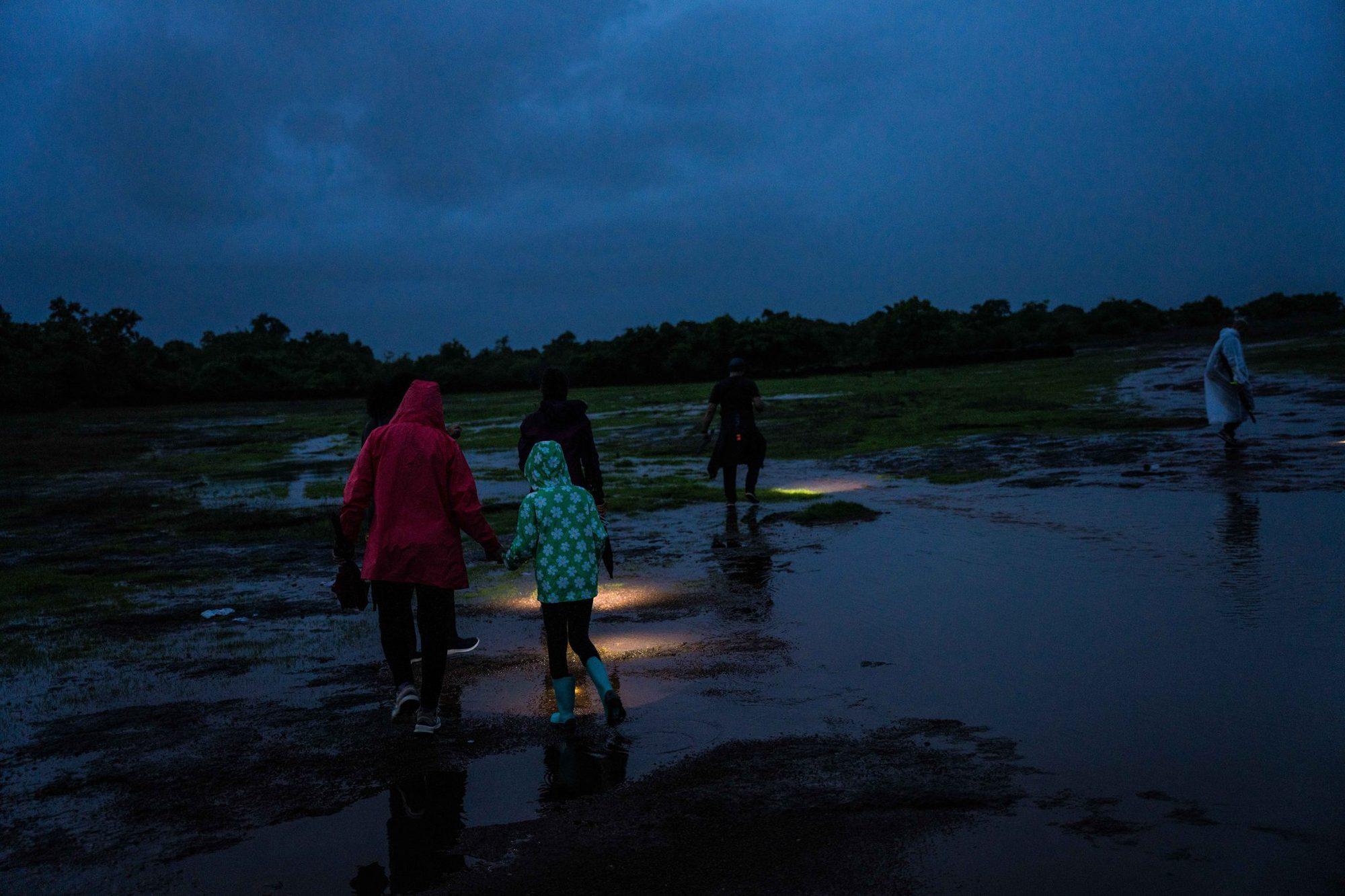
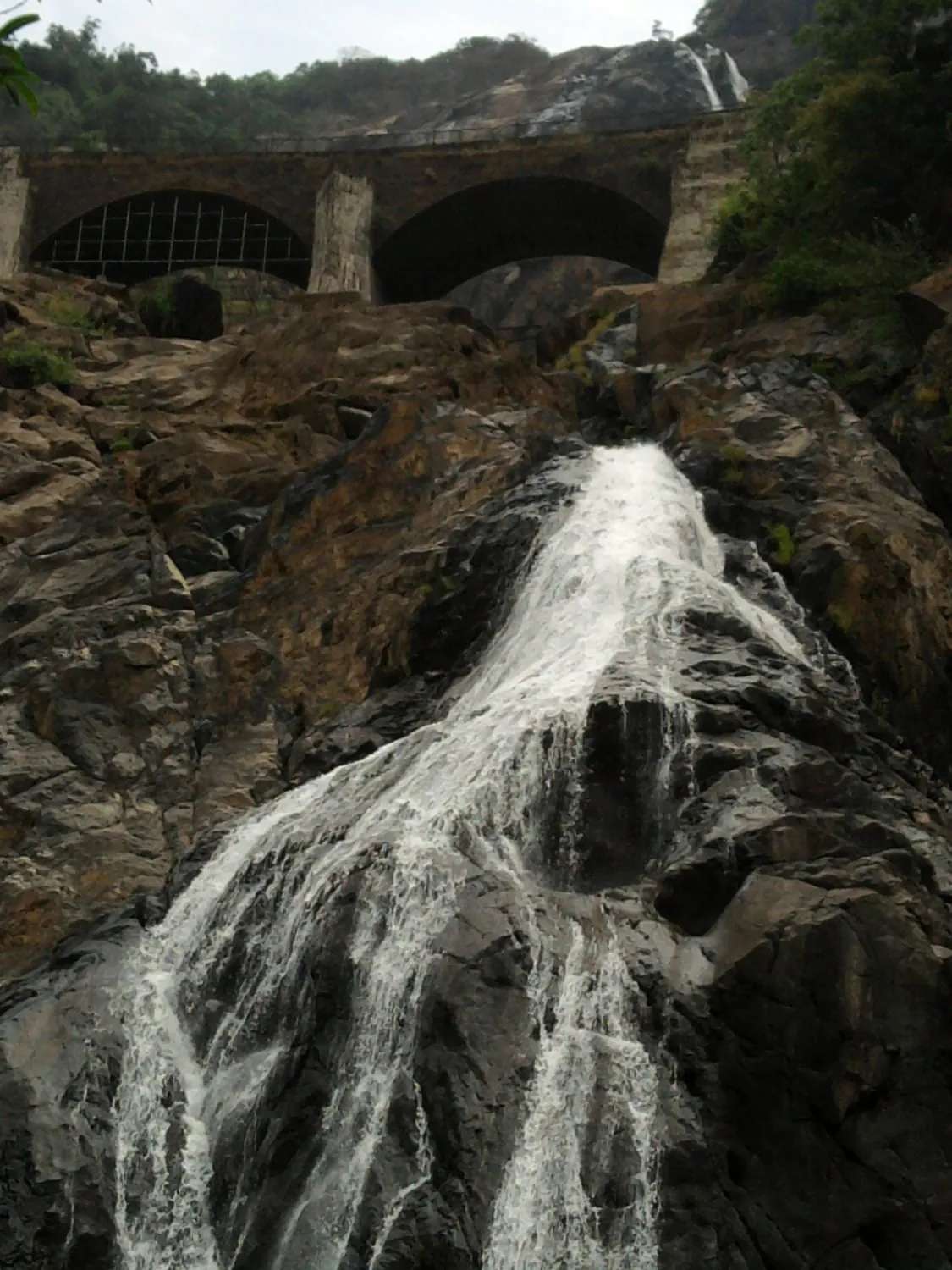
The monsoon is when a Goan waterfall becomes a proper waterfall. It also becomes lethal. After a run of drownings, the Forest Department bans swimming at the waterfalls inside the wildlife sanctuaries, along with the old flooded quarries that people also treat as pools, for the length of the rains. This is not bureaucratic caution. A monsoon plunge pool is deeper than it looks, the current under a calm-looking surface is strong, the rock around the edge is greased with algae, and the water can rise without warning when it is raining upstream where you cannot see it. Dudhsagar, the big one, tells the story plainly. The falls and the jeep route shut from around mid-June, and at least fourteen people have died on the illegal walk along the railway tracks to reach them. Those falls are at their most astonishing in the exact weeks you are told to stay out of the water. Both things are true at once.
Where you can actually swim, and when
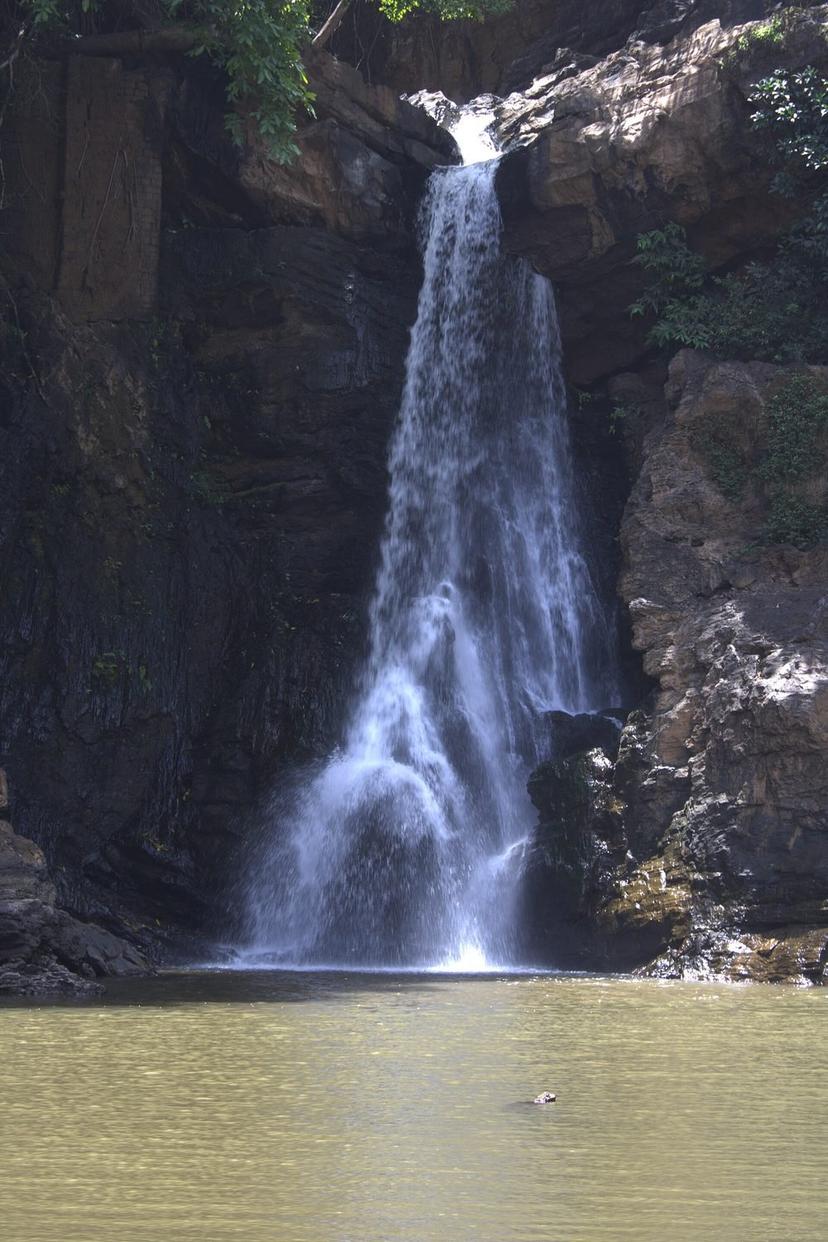
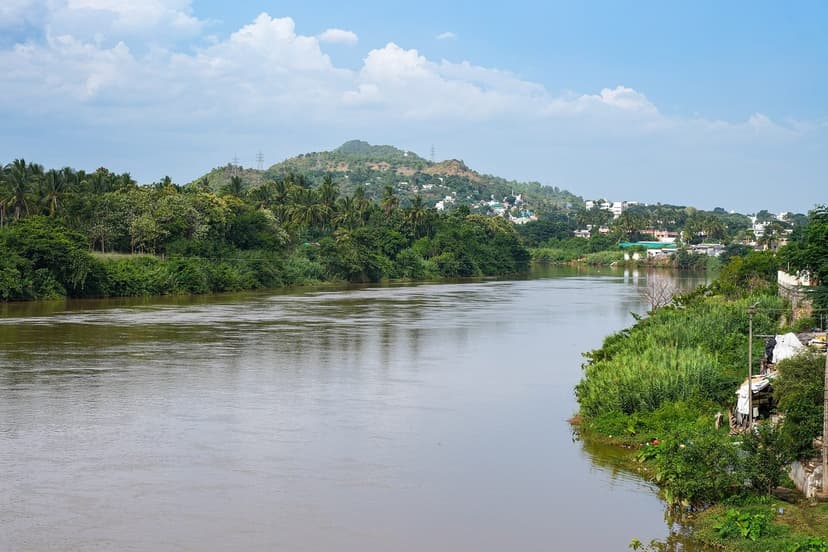
So when can you get in? Broadly, the drier open season, roughly October to May, once the spate has dropped and the Forest Department reopens access. Even then, an open sanctuary is not by itself permission to swim: the rules are set season by season and pool by pool, so check with the Forest Department and your guide on the day. The best-known swimmable pools sit in the Netravali sanctuary down in Sanguem, where the Savri and Mainapi falls each drop into a pool you can bathe in. Our Netravali guide covers both falls in more detail. You pay a small entry fee and pick up a permit from the Forest Department office in Sanguem town, and Savri is a short drive from the gate, then a walk and a few hundred steps down. At Dudhsagar, swimming is allowed only at the base pool in the open season, and only with a compulsory life jacket. The pattern repeats everywhere: the water is for swimming when it is calm and supervised and legal, and for looking at, from dry ground, when it is not.
- Swim season
- Roughly October to May, the drier open season, after the spate drops and the Forest Department reopens sanctuary access, and only at pools where swimming is currently permitted. NOT the peak monsoon.
- Where you can swim
- Netravali sanctuary pools (Savri and Mainapi) near Sanguem, with a Forest-Department permit; the Dudhsagar base pool in the open season, with a compulsory life jacket.
- Monsoon rule
- Swimming is banned at sanctuary waterfalls and flooded quarries during the rains, after a spate of drownings. In the monsoon you look, from safe ground, you do not swim.
- Permits
- A small entry fee and permit from the Forest Department at Sanguem for the Netravali falls. Go with a local guide or a permitted trek.
- The rule of thumb
- Judge the pool, not the reel. Swim only where the Forest Department or the site operator allows it that season, with a local guide who knows the pool. A calm, clear surface is no proof of safety, and brown, fast or rising water is a no, always.
The secret-pool trap
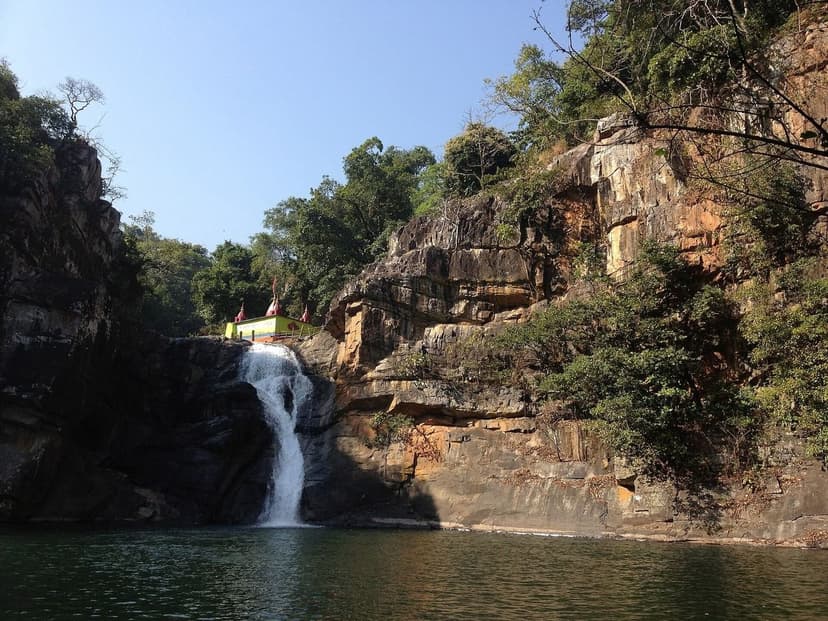
The pools in the reels are usually not the sanctuary ones. They are small, unnamed spots on some stream, and they carry their own problems. They are seasonal, for a start. The same pool that looks perfect in October is a muddy trickle by April, as one Goan noted dryly under a viral photo of exactly such a place. They are unwatched, which means no lifeguard, no permit, and nobody to tell you the water is higher than it was yesterday. And they do not stay secret. Goans have watched spot after spot get geotagged into ruin, from Cabo de Rama to Kakolem to the so-called Butterfly beach, quiet until an influencer was paid to un-quiet it, and then came the crowds and the plastic. One resident, under a photo of a pool like this, was almost pleading: stop sharing the locations of these places with people who cannot respect them. Another remembered a bench at one such spot, thrown into the water for a laugh.
We need to stop sharing locations of these beautiful hidden spots with idiots who cannot respect these places.
How to do it right
None of this means skip the waterfalls. It means do them like an adult. Go in the open season, when the water has dropped and the sanctuaries are properly open, rather than in the height of the monsoon when the good pools are shut and the rest are dangerous. Go with a local guide or on a permitted trek, both because they know which pools are safe on the day and because a guided plunge-pool hike puts your money into local hands. Wear the life jacket where one is required, at Dudhsagar and anywhere else it makes sense, and never get into fast or rising water, however good the photograph would have been. Brown, roaring water is a no, whatever your friend posted last week. Carry every scrap of your rubbish out with you. And keep the location of any quiet spot to yourself, because the surest way to lose one of these pools is to tag it for the next thousand phones.
Goa waterfall pools, done safely. Swim only in the open season, roughly October to May, and only where the Forest Department or the site operator currently permits it; swimming at sanctuary waterfalls is banned in the monsoon after repeated drownings. Never enter fast, brown or rising water, and remember a calm surface can hide a strong current and algae-slick rock. Wear a life jacket where required, as at Dudhsagar, and go with a local guide or a permitted trek. Do not walk the Dudhsagar railway tracks: at least fourteen people have died doing it. Carry out all your rubbish, and do not geotag quiet spots.
Where a plunge-pool hike fits
A waterfall pool is the reward at the end of a forest walk, and it belongs with the rest of the green, inland Goa this series keeps pointing at. Do it in the cooler open months, and save the peak monsoon for watching the falls thunder from safe ground while you spend the wet days on the things that are best then, reading the monsoon plateaus or the night forest instead. It pairs, too, with the wider wild forest and waterfall side of North Goa. The water will still be there in October, and so, if you play it right, will you.
A guided plunge-pool hike through dense forest is being added to Refuje's North Goa experiences, best done in the open season. Until it is live, the closest local-guided, nature-first experiences are the current set on the North Goa things-to-do page. And for the argument that this quiet, inland Goa beats the beach strip, there is a companion piece on whether the place is overrated. Whatever you book, the rule holds: swim in season, with a guide, and leave no trace.
Common questions
Can you swim in Goas waterfalls?
Yes, but only where and when it is currently permitted. Swimming has been allowed at certain pools in the drier open season, roughly October to May, such as the Netravali sanctuary falls (Savri and Mainapi) with a permit, and the Dudhsagar base pool with a compulsory life jacket. During the monsoon the Forest Department bans swimming at sanctuary waterfalls and flooded quarries after repeated drownings, so in the rains you look but do not get in.
Is it safe to visit Goas waterfalls in the monsoon?
To look at, yes, from safe, dry ground; to swim in, no. Monsoon waterfalls are spectacular but dangerous: deep pools, strong hidden currents, algae-slick rock and water that can rise fast when it rains upstream. Swimming is banned at sanctuary falls during the rains for exactly this reason. Never walk the Dudhsagar railway tracks, where at least fourteen people have died.
Where can you swim at a waterfall in Goa?
The best-known swimmable pools are in the Netravali Wildlife Sanctuary near Sanguem in south Goa, where the Savri and Mainapi falls drop into pools you can bathe in, in season and with a Forest-Department permit. The Dudhsagar base pool is swimmable in the open season with a life jacket. Arvalem (Harvalem) falls in north Goa is more accessible. Go with a local guide who knows which pool is safe on the day.
When is the best time for a waterfall swim in Goa?
The open, drier season, roughly October to May, once the monsoon spate has dropped and the Forest Department has reopened sanctuary access. Early in that window the falls still have strong flow, so check with the Forest Department and your guide before getting in; a calmer pool is still no guarantee of safety. The peak monsoon, June to September, is the time to watch the falls in full spate from safe ground, not to swim.
Do you need a permit or a guide for Goas waterfalls?
For the sanctuary falls, yes: the Netravali waterfalls need a small entry fee and a permit from the Forest Department office in Sanguem, and access is controlled. A local guide or a permitted trek is strongly recommended everywhere, both for safety, since they know which pools are safe on a given day, and because booking locally keeps the money in the community that protects these places.
Why do Goas quiet waterfall pools get ruined?
Because they get geotagged. Goans describe a familiar pattern in which a quiet spot is shared on social media, sometimes by paid influencers, and is then overrun with crowds and left full of litter, the way places like Cabo de Rama, Kakolem and Butterfly beach were. The fragile, unmonitored pools cannot absorb that. The responsible move is to enjoy a spot without publishing its exact location.
Is Dudhsagar swimmable?
Only at the base pool, only in the open season (roughly October to May), and only with a compulsory life jacket. In the monsoon the falls and the jeep route are closed and swimming is not permitted or safe. Do not attempt the illegal walk along the railway tracks to reach the falls, where at least fourteen people have died. See the falls in the monsoon from the train or a safe viewpoint, and save swimming for the open season.
Sources and a note on this guide
I write for Refuje and I do not live in Goa or swim its waterfalls. The bans, the seasons, the permits and the death toll are from Forest Department reporting and travel and news sources; the fantasy the reels sell, the seasonality of the pools, the geotagging problem and the near-misses in the water come from Goans on r/Goa, quoted and attributed as they appear. Nothing here is a first-hand claim of mine, and I have kept precise locations of fragile pools out of it. Rules and access change every season, so this is orientation, not a permit, and the Forest Department and a local guide have the final word. The facts were checked in July 2026, and the swimming-safety wording was tightened in October 2026.
- Goa banning swimming at sanctuary waterfalls and flooded quarries in the monsoon after a spate of drownings: Deccan Herald and other Goa news reporting.
- Dudhsagar Falls (about 310 to 320 m, in Bhagwan Mahaveer Sanctuary and Mollem, closed and jeep route suspended in the monsoon, base-pool swimming with a life jacket in the open season, and at least fourteen deaths on the illegal railway-track route): English Wikipedia and Goa travel and safety reporting.
- Netravali sanctuary waterfalls (Savri and Mainapi, swimmable pools, entry fee and Forest-Department permit at Sanguem, access), and Arvalem falls: LBB, Soul Travelling, Indiahikes and goa-tourism sources.
- The reel-driven fantasy, the seasonality of small pools, the geotagging of Cabo de Rama, Kakolem and Butterfly beach, and the near-drownings: attributed r/Goa threads, quoted inline.
Access, permits and safety rules change every year, so check the current Forest-Department position and go with a qualified local guide before you get anywhere near the water. If you know these falls better than the sources here do, that is the correction this guide should carry, so tell us.
You Might Also Like
Edge City India 2026: The Practical Guide
Three weeks in Mandrem, North Goa. October 11 to November 1, 2026. Hundreds of founders, researchers, engineers, and creators living and building on a stretch of beach that is usually known for yoga retreats and quiet cafés, not hackathons. If you have applied, or you are wondering whether you...
Solo Female Travel in Goa: An Honest Safety Guide
An honest, balanced safety guide for women travelling to Goa alone: why it's comparatively safe and loved by many yet has a real, worsening harassment problem concentrated on the party beaches, where to base for a calmer trip, and the practical choices that tilt the odds in your favour.

Working Remotely from North Goa: The Honest Digital-Nomad Guide
An outsider's honest guide to working remotely from North Goa: why it isn't the beach-office of the photos, the power-and-internet problem that decides everything, where to base (Assagao, Siolim, Caranzalem), the cost, solo-female safety, and how to be a good guest rather than a coloniser.