Herping in Goa: A Monsoon Night Walk, and the Snakebite Safety Nobody Tells You
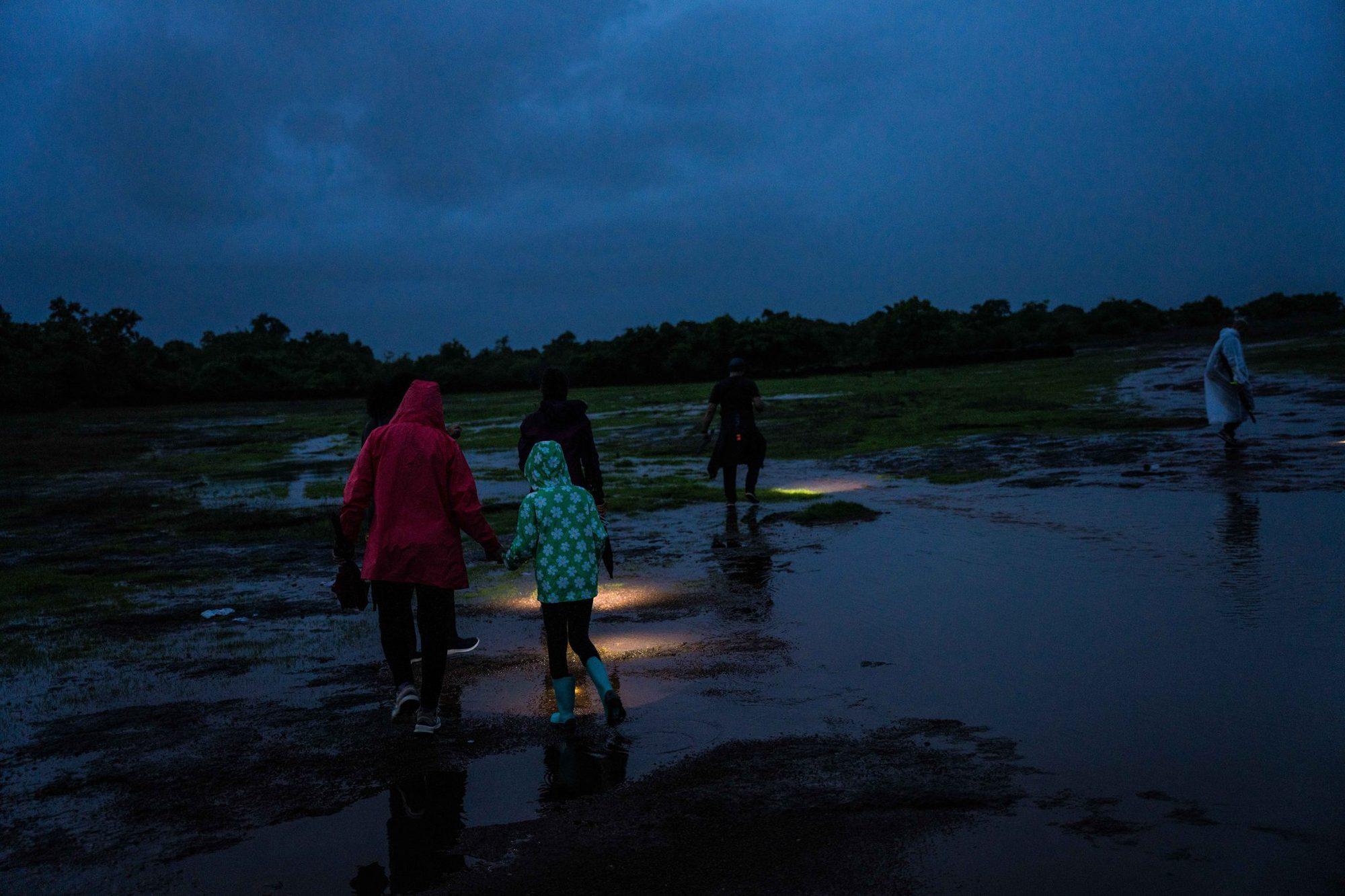
The beach empties at sunset. That is roughly when the other Goa clocks in. Up on the forested eastern edge of the state, where the Western Ghats climb toward Karnataka and Maharashtra, the first monsoon rains flip a switch, and the night fills with noise: a chorus of frogs you hear long before you see anything, the tick of insects, the occasional dry rustle that makes everyone freeze. Walk into it with a good torch and a guide who knows where to point it, and you meet a Goa that has nothing to do with sunbeds: a tree frog the colour of a new leaf, and a pit viper folded on a mossy branch, as patient as furniture.
I write for Refuje and I do not live in Goa. I have not spent a wet July night on a Ghat trail with a torch. So this comes from naturalists, herpetologists and the Goans on r/Goa who live alongside these animals, not from my own field notes. And it has two jobs to do at once, because this is the rare Goa experience that is both genuinely thrilling and genuinely comes with a warning. Goa has some of the richest reptile and amphibian life in India, and it also has snakes that kill people every year. Here is what lives out there, why you go with a guide, and, in plain terms, what to actually do if a snake bites someone.
What actually lives out there
Ask on r/Goa whether the state has many snakes and the answer comes back fast, one person reeling off pythons, cobras and rat snakes after a wildlife documentary. But the action is not on the coast where the tourists are. It runs along Goa's eastern spine, through the Western Ghats forests of Chorla, Mhadei, Netravali and Cotigao, which run straight into one of the most famous herping sites in India: Amboli, just over the Maharashtra border, declared a Biodiversity Heritage Site in 2021 and soaked by around 7,500 millimetres of rain a year. This is one long belt of dripping evergreen forest, and for its size it holds an absurd number of reptiles and amphibians. What turns it on is the monsoon. Come June the rain arrives like a decision, the streams fill overnight, and animals that spent the dry months buried or silent are suddenly everywhere at once, calling and mating and hunting until about September. Miss that window and the same forest can feel almost empty.
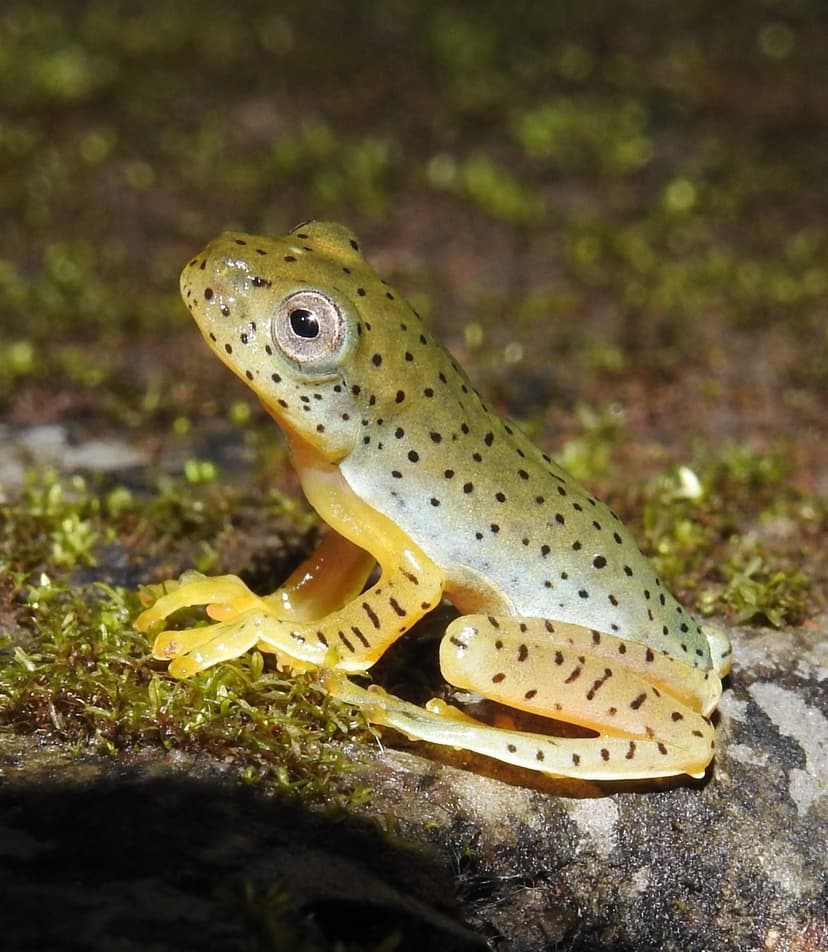
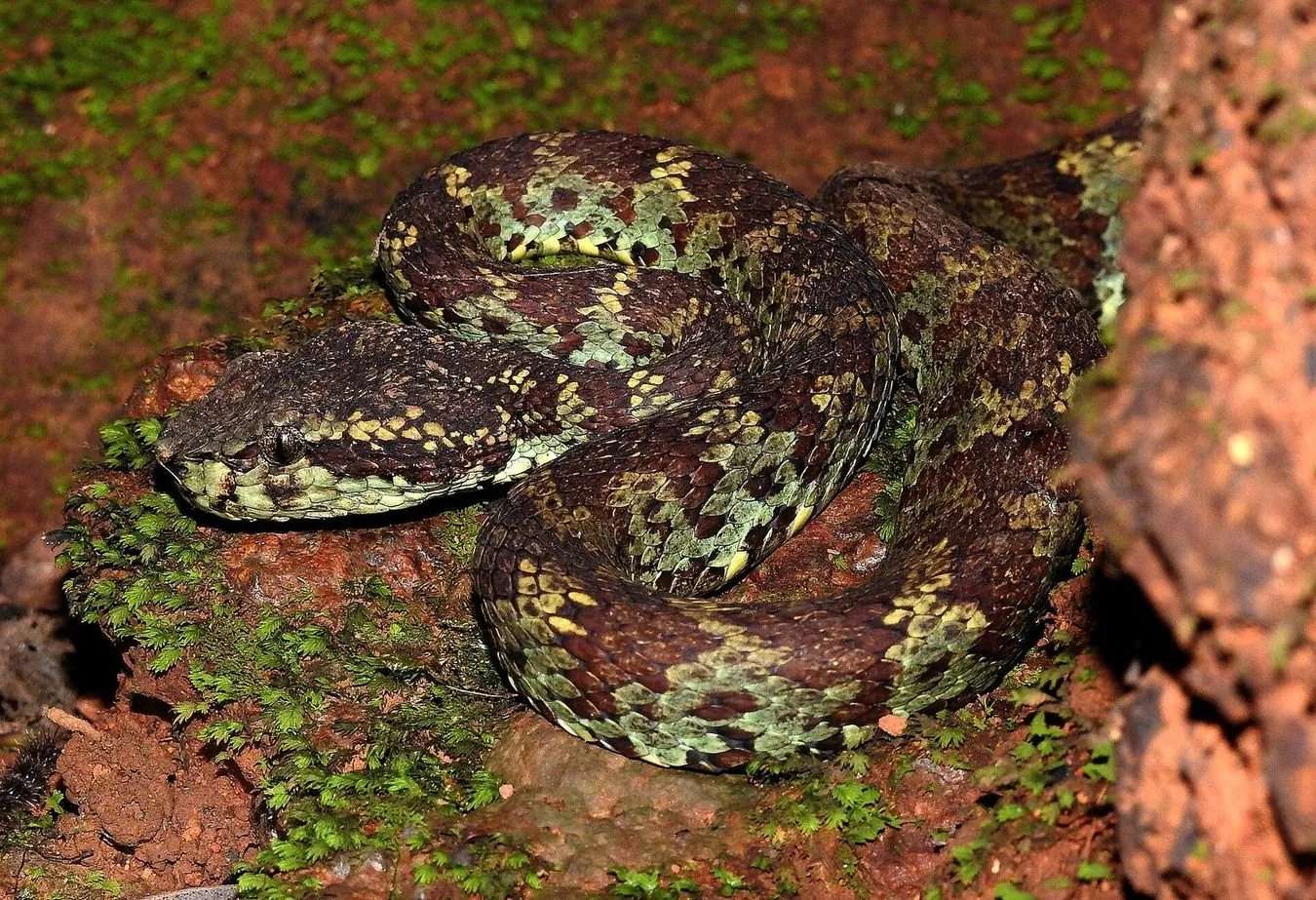
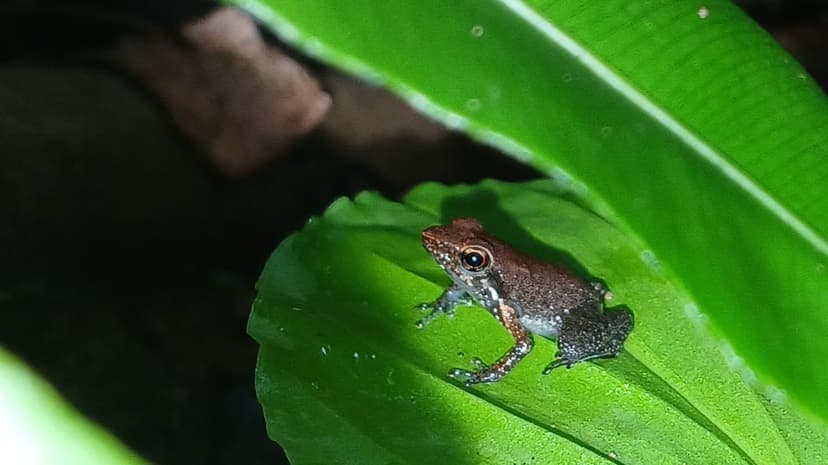
The cast is genuinely strange. There is a frog here, the Malabar gliding, that opens webbed orange feet and parachutes between trees, and a pit viper, the Malabar, that shows up in colours from lichen-green to brick-brown, draped along a branch at eye level like something the forest grew on purpose. Dancing frogs wave their back legs at each other beside the streams, because over the roar of the water nobody can hear them croak. Bush frogs come the size of a thumbnail. Caecilians look like earthworms and are not, and there are geckos and stick insects on every wet trunk. Much of it is endemic, found in this belt of hills and nowhere else on the planet. Some of it was named by science only in the last twenty years, and some has almost certainly not been named yet.
- Where
- The Western Ghats forests on Goa eastern edge: Chorla, Mhadei (Bhagwan Mahaveer), Netravali, Cotigao, and Amboli just over the Maharashtra border.
- When
- The monsoon, June to September, after dark. This is the breeding season and the only time the forest is this active, and it is the opposite of beach season.
- What you see
- Malabar pit vipers, gliding and dancing frogs, bush frogs, geckos, caecilians and insects, plus, if you are lucky, larger snakes. Most are harmless.
- Why a guide
- A naturalist finds the camouflaged life you would walk past, keeps the group safe around venomous snakes, and knows the trail in the dark and rain.
- Safety
- Goa has the Big Four venomous snakes. Never handle anything, know basic snakebite first aid, and get to a hospital with antivenom fast if bitten.
Why you go with a naturalist, not a torch and bravado
You could, in theory, walk into a Ghat forest at night by yourself. Please do not. A good naturalist is the difference between seeing nothing and seeing everything, because most of this life is small, camouflaged and easy to walk straight past, and the guide already knows which leaf the frog sits under and which branch the viper favours. They are also the difference between safe and reckless. They can tell at a glance which snakes are harmless and which are not, they stop the group grabbing or crowding an animal, and they know the way out in the dark and the wet. A night walk with someone who has spent years on these trails is one of the best-value wildlife experiences in Goa. The same walk alone is how people get hurt.
The honest safety talk: Goa's venomous snakes, and what to do
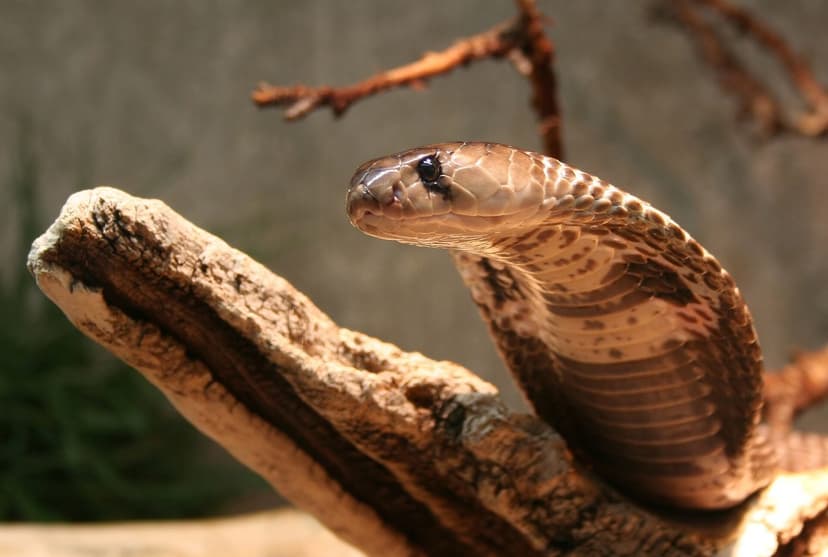
Now the part the brochures skip. Four snakes do most of the killing in India, the ones herpetologists group as the Big Four: the spectacled cobra, the common krait, Russell's viper and the saw-scaled viper. Between them they are blamed for the great majority of the country's snakebite deaths, a toll that runs somewhere between forty-six and sixty thousand a year, more than anywhere else on earth. Goa has all four. You can hear how that sits with people in the way Goans talk about them online. One wrote that he gave up his house after it turned into a cobra nesting site. A woman on the same forum said she stopped walking the trails she loved once she began meeting Russell's vipers on them. And yet none of these animals is hunting you, and the great majority of what you meet on a night walk is harmless. The point is not to scare you off the forest. It is to send you in knowing a few things instead of learning them the hard way.
So, plainly, here is what actually helps. The whole game is to get the bitten person to a hospital with antivenom quickly, and to keep them calm and still on the way, because a racing heart carries venom around the body faster. Slip off any ring, watch or tight sleeve near the bite before the swelling starts. Keep the limb still and roughly level, splinted if there is anything to splint it with. What you must not do is the folklore. A tourniquet, a cut across the fang marks, sucking at the wound, ice, a herbal paste: current medical guidance is clear that every one of those does more harm than good. And the mistake that costs lives in Goa is the instinct to deal with the snake itself. Leave it. Do not chase it and do not kill it.
That last rule comes from a genuinely tragic thread. A Goan wrote that he lost a relative to a viper bite because the local health centre refused to give antivenom without the dead snake to identify it. That is a myth, and a fatal one. You do not need the snake. India's polyvalent antivenom is made against all of the Big Four at once, so a hospital can treat the bite that matters without ever seeing what caused it, as another person on the same thread pointed out. If you happen to photograph the snake safely from a distance, that can help; but nobody should be chasing a venomous snake in the dark, and no hospital should be demanding one. Get to care, and get there fast. None of this replaces professional medical advice, so check the current first-aid guidance and local emergency numbers before you travel.
Polyvalent anti-venom exists, and treats most serious venomous snake bites in India.
Snakebite first aid, in one place (orientation, not a substitute for medical care). Keep the person calm and still. Remove rings, watches and tight clothing near the bite. Immobilise the bitten limb, splinted and roughly level, and get to a hospital with antivenom as fast as possible. Do NOT use a tourniquet, cut, suck, ice or any folk remedy, and do NOT try to catch or kill the snake. You do not need the snake to be treated: India polyvalent antivenom covers the Big Four. Check current medical guidance and local emergency numbers before you go.
The quiet rules: don't handle, don't kill, don't geotag
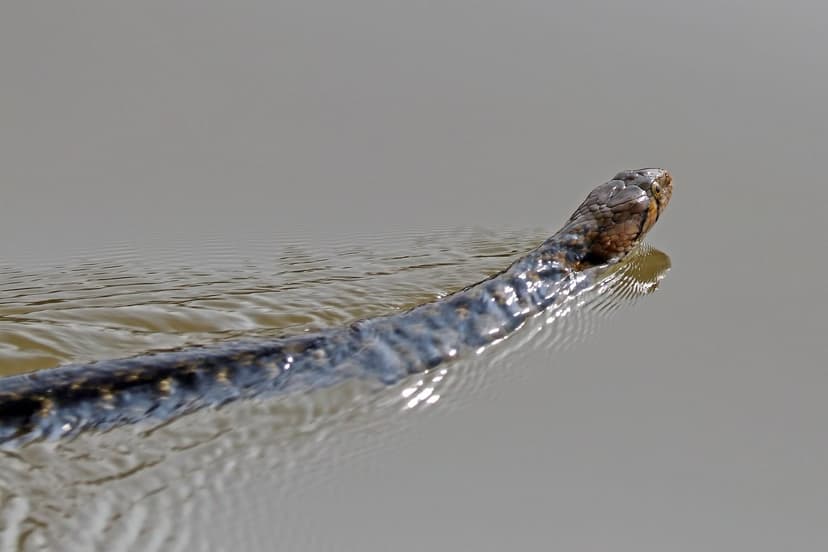
The animals need protecting from us far more than the other way round. Most snakes in Goa are harmless, and even the dangerous ones would much rather you were not there. So the etiquette almost writes itself. Handling is out, however photogenic the animal, because a stressed snake and a careless hand are precisely how bites happen. Killing one out of fear is both cruel and pointless, and Goans on the forums have the better answer: keep a local snake catcher's number and let them carry the thing off safely, since even a cobra in the garden is usually just looking for the exit. Nobody needs to bait or corner a frog for a sharper photo. And the location stays with you. Post the picture, not the pin, because a geotagged rare frog pulls a crowd, and a crowd is the one thing these small populations cannot absorb. Look, shoot gently, and leave the forest as loud and alive as you found it.
When to go, and where a night walk fits
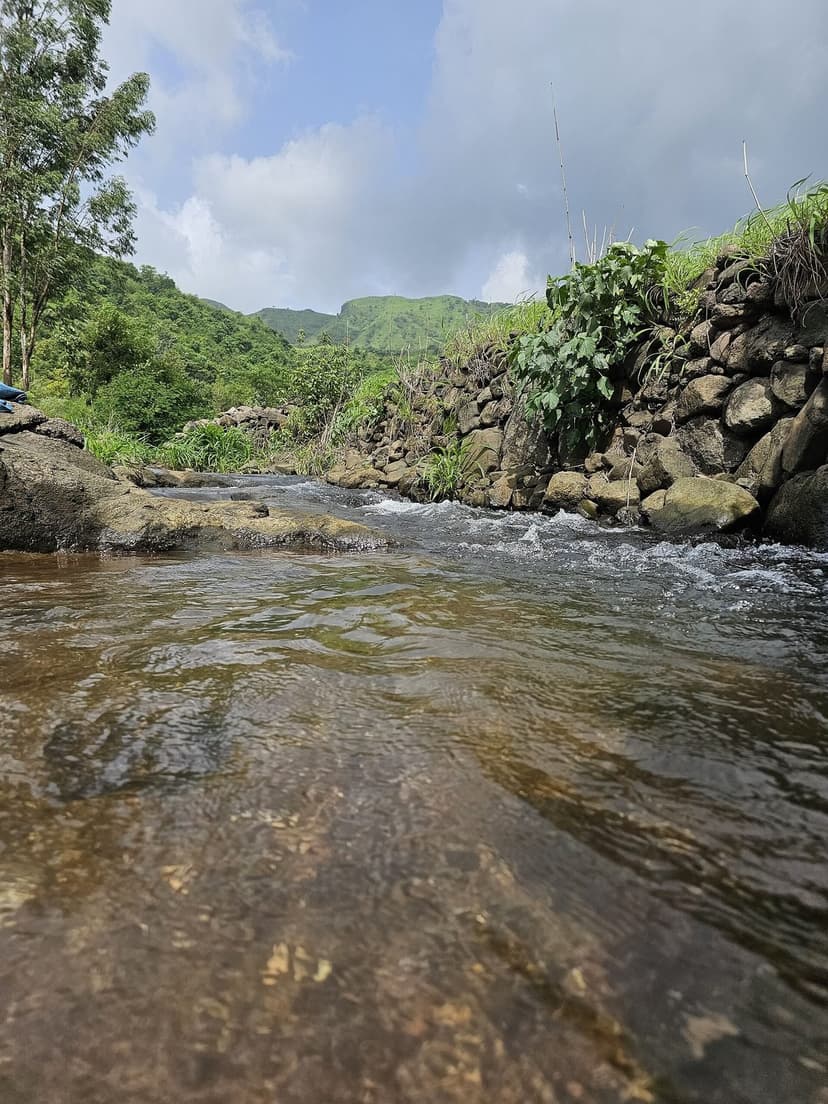
The season makes the walk. The forest is at its loudest and most alive from June into September, in the thick of the monsoon, which is the opposite of beach season and exactly the point. Go after dark, when the reptiles and amphibians come out. Wear proper shoes and long trousers, carry a decent torch and a rain layer, expect leeches and mud, and follow the guide's footsteps rather than your own ideas. A night walk pairs naturally with the rest of the wet-season Goa: read the monsoon plateaus by day and the forest by night, or add the backwater wildlife of the Cumbarjua canal for the water side of the same story. It is the strangest, wildest few hours the state offers, and almost nobody books it.
A guided luminous night walk and herping trip is being added to Refuje's North Goa experiences. Until it is live, the closest nature-first, local-guided experiences are the current set on the North Goa things-to-do page. For the gentler version of a Goan night in the trees, there is also a companion piece on the wild forest, night and waterfall side of North Goa, and the wider case for the quiet, inland Goa in whether the place is overrated.
Common questions
Can you really see snakes and frogs on a night walk in Goa?
Yes, and in the monsoon it is one of the best places in India for it. The Western Ghats forests on Goas eastern edge, and Amboli just over the border, come alive after dark from June to September with frogs, snakes, geckos and other reptiles and amphibians, many of them found only in these hills. A guided night walk with a naturalist is the way to actually find them, since most are small and well camouflaged.
Where do you go for a night walk or herping in Goa?
Not on the coast, but in the Western Ghats forests of the interior: Chorla, the Mhadei and Bhagwan Mahaveer (Mollem) sanctuaries, Netravali and Cotigao, all on Goas eastern edge. The same belt continues into Amboli in Maharashtra, a famous herping site and Biodiversity Heritage Site. Go with a local naturalist or a guided walk rather than wandering in alone.
When is the best time for herping in Goa?
The monsoon, roughly June to September, after dark. The rain triggers the breeding season, and reptiles and amphibians that hide in the dry months are suddenly active and everywhere. It is the wettest, greenest part of the year and the opposite of beach-tourism season, which is exactly why the forest is so alive. Expect rain, mud and leeches, and dress for them.
Is a night walk in Goa dangerous?
With a good guide and sensible behaviour, it is reasonably safe, and most animals you see are harmless. The real risks are venomous snakes and the dark itself, both of which a naturalist manages: they know which snakes are dangerous, stop people handling animals, and know the trail. The danger rises sharply if you go alone, handle wildlife, or ignore basic snakebite safety. Never touch or provoke any animal.
What venomous snakes does Goa have?
Goa has Indias Big Four, the species responsible for most serious snakebites in the country: the spectacled cobra, the common krait, Russells viper and the saw-scaled viper. It also has the beautiful, mildly venomous Malabar pit viper, among others. They are not aggressive and mostly avoid people, but they are a real reason to walk with a guide, never handle snakes, and know first aid.
What should you do if a snake bites someone in Goa?
Get them to a hospital with antivenom as fast as possible, kept calm and still. Reassure the person, remove rings and tight clothing near the bite, and immobilise the limb, splinted and roughly level. Do not use a tourniquet, cut, suck, ice the wound, or try any folk remedy, and do not try to catch or kill the snake. This is orientation, not a substitute for medical care, so follow current first-aid guidance and local emergency numbers.
Do you need to bring or identify the snake for treatment?
No, and believing you do can cost a life. Indias polyvalent antivenom is made against all of the Big Four at once, so a hospital can treat a serious bite without ever seeing the snake. A Goan on r/Goa described losing a relative because a health centre refused antivenom without the dead snake, which is a dangerous myth. If you can photograph the snake safely from a distance it may help, but never chase or handle it, just get to care fast.
Sources and a note on this guide
I write for Refuje and I do not live in Goa or walk its night forests. The wildlife and the safety facts are from herpetological and medical sources; the lived reality of snakes in Goa, and the tragic account of a snakebite death and the antivenom myth, come from Goans on r/Goa, quoted and attributed as they appear. Nothing here is a first-hand claim of mine. The safety section is orientation and does not replace professional medical advice or local emergency services. The facts were checked in July 2026.
- Western Ghats and Amboli herpetofauna (monsoon breeding season, Malabar gliding frog, Malabar pit viper, Amboli bush frog, dancing frogs, Biodiversity Heritage Site 2021, high endemism): Maharashtra Tourism, Nature inFocus and Western-Ghats herping accounts.
- India's Big Four venomous snakes, the estimated 46,000 to 60,000 annual snakebite deaths, and the polyvalent antivenom made against all four: herpetological and public-health sources including PLOS Neglected Tropical Diseases and mainstream reporting.
- Evidence-based snakebite first aid (immobilise and get to antivenom; no tourniquet, cut, suck, ice or catching the snake): Red Cross, Mayo Clinic and WHO-aligned first-aid guidance.
- Snakes as a lived reality in Goa, calling a snake catcher rather than killing, and the fatal bring-the-dead-snake myth corrected by the polyvalent-antivenom fact: attributed r/Goa threads, quoted inline.
Wildlife, access and medical guidance all change, so check current advice before you travel, walk with a qualified local guide, and treat every snake as best left alone. If you know these forests better than the sources here do, that is the correction this guide should carry, so tell us.
You Might Also Like
Edge City India 2026: The Practical Guide
Three weeks in Mandrem, North Goa. October 11 to November 1, 2026. Hundreds of founders, researchers, engineers, and creators living and building on a stretch of beach that is usually known for yoga retreats and quiet cafés, not hackathons. If you have applied, or you are wondering whether you...
Solo Female Travel in Goa: An Honest Safety Guide
An honest, balanced safety guide for women travelling to Goa alone: why it's comparatively safe and loved by many yet has a real, worsening harassment problem concentrated on the party beaches, where to base for a calmer trip, and the practical choices that tilt the odds in your favour.

Working Remotely from North Goa: The Honest Digital-Nomad Guide
An outsider's honest guide to working remotely from North Goa: why it isn't the beach-office of the photos, the power-and-internet problem that decides everything, where to base (Assagao, Siolim, Caranzalem), the cost, solo-female safety, and how to be a good guest rather than a coloniser.