Wild North Goa: Forest Walks, Night Trails and a Waterfall
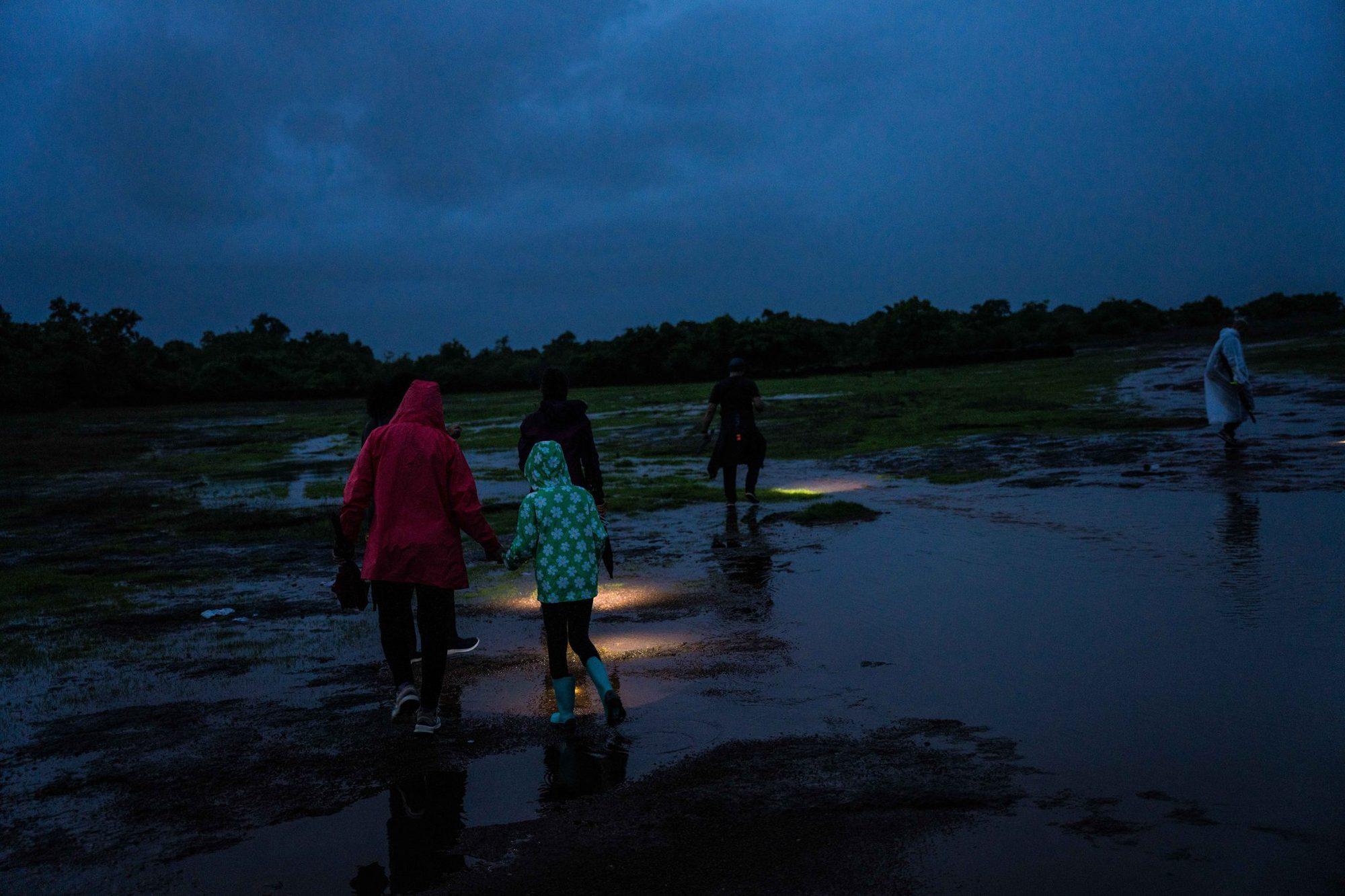
Switch your torch off for a second. That is the instruction, an hour into a night walk in the Sattari forest, and it is worth following. The dark that comes down is total, and the noise is not: a wall of frogs, the saw of insects, something heavier moving through leaf litter off to your left. Switch the torch back on and the beam finds a tree frog the size of a thumb clinging to a stem, its eyes throwing the light back at you. Two hours away, the beach clubs are just warming up. Here, in the far corner of North Goa most visitors do not know exists, the forest is wide awake and you are the only human in it.
I do not live in Goa, so this is drawn from Goans and trekkers describing their own hills online, not from my own boots. But their message is clear and, unusually, comes with a warning attached. Inland Goa, up against the Western Ghats, is a genuine wilderness of forest and waterfalls that has nothing to do with the beaches, and it is worth the drive. And it can hurt you if you go carelessly, especially in the monsoon, which is exactly why the good way to see it is slowly, in daylight or with a torch and a guide, and squarely within the rules the forest keeps for a reason.
Goa has a wild edge, and it is closer than you think
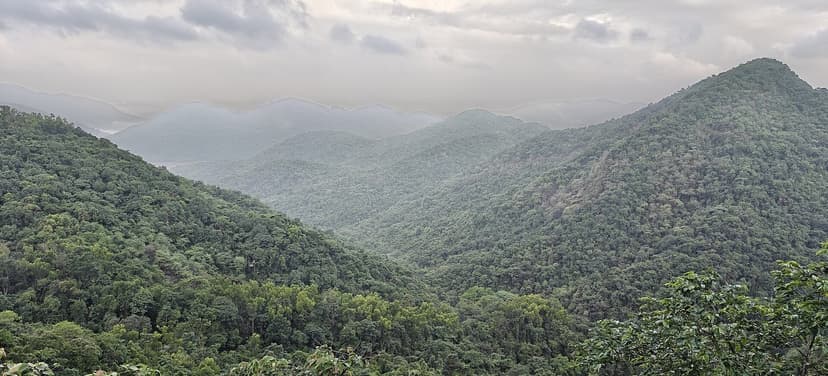
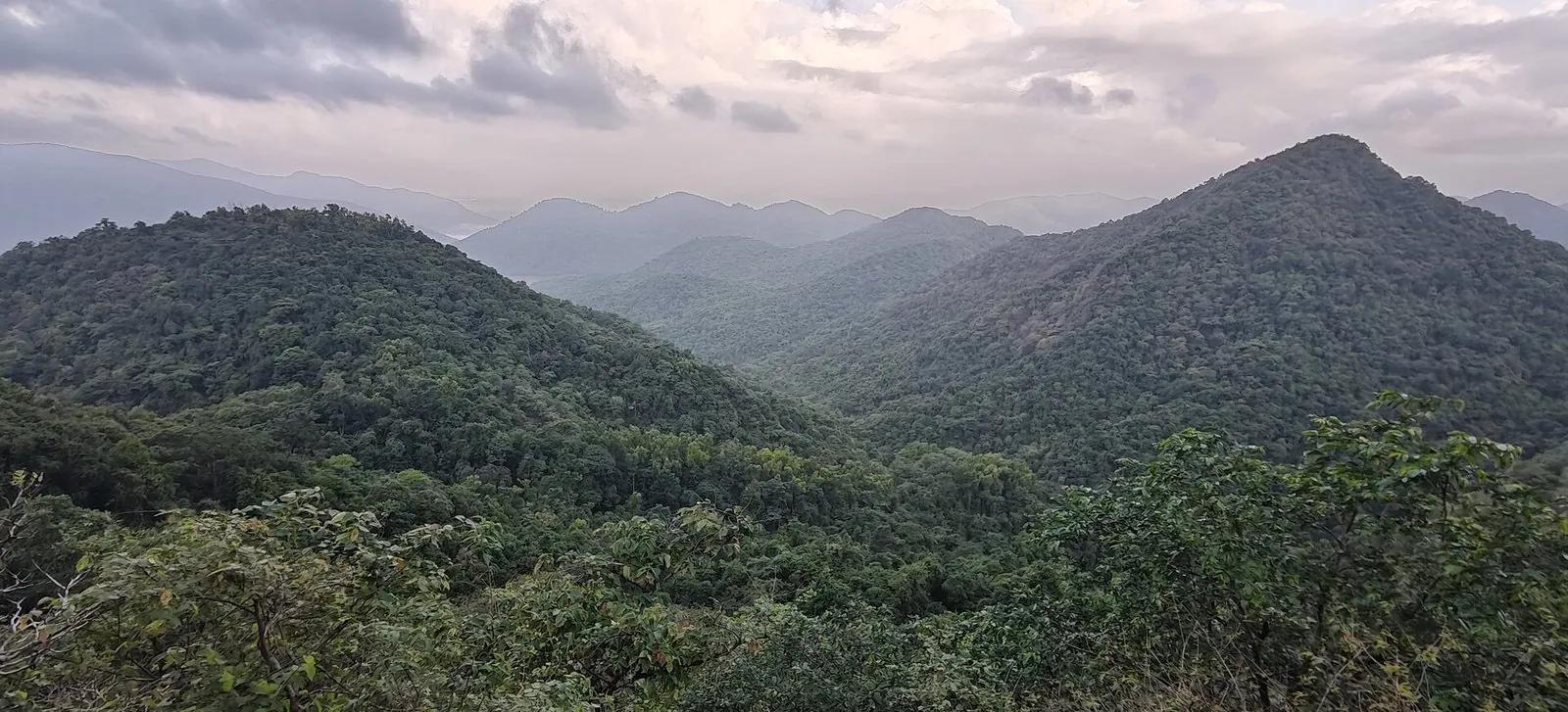
Drive an hour and a half inland from Panjim, up towards the Maharashtra and Karnataka border, and Goa runs out of beaches and turns into mountains. This is the Western Ghats, the Sahyadri, one of the great biodiversity hotspots on earth, and the North Goa share of it is the Mhadei Wildlife Sanctuary, two hundred square kilometres of dense forest in the Sattari hills around the town of Valpoi. It is quietly serious wilderness. Mhadei is genuine tiger country, rich enough that it is being considered as a tiger reserve, though you should hold that fact lightly: you will almost certainly never see one, and that is the point, not a disappointment.
What you will see is everything smaller and stranger. In the monsoon and the weeks after it, the forest is loud with frogs and dripping green; by torchlight after dark it fills with the animals the day hides, tree frogs, geckos, the occasional snake, the eyeshine of something you never quite identify. Goan naturalists call these hills the lungs of Goa, and mean it. It is the exact opposite of the coast, and it is a couple of hours from it.
- Where
- The Mhadei Wildlife Sanctuary and the Sattari hills around Valpoi, in the far north-east of Goa, on the Western Ghats border. Roughly 1.5 to 2 hours inland from Panjim.
- What to do
- Guided forest nature trails by day, night walks for nocturnal wildlife, and waterfall treks, all on foot and all better with a local naturalist.
- When
- The forest is greenest and most alive in and just after the monsoon. But monsoon waterfall access is often restricted for safety; the drier months are safer for the falls.
- Wildlife
- Frogs, geckos, snakes, butterflies, birds and, unseen, bigger things. Genuine tiger habitat, but sightings are effectively never; treat it as real wilderness.
- The rule
- Go with a licensed local guide, keep to the trails, and respect waterfall closures. This is a place that regularly kills careless visitors in the rains.
The honest warning: waterfalls in the rains
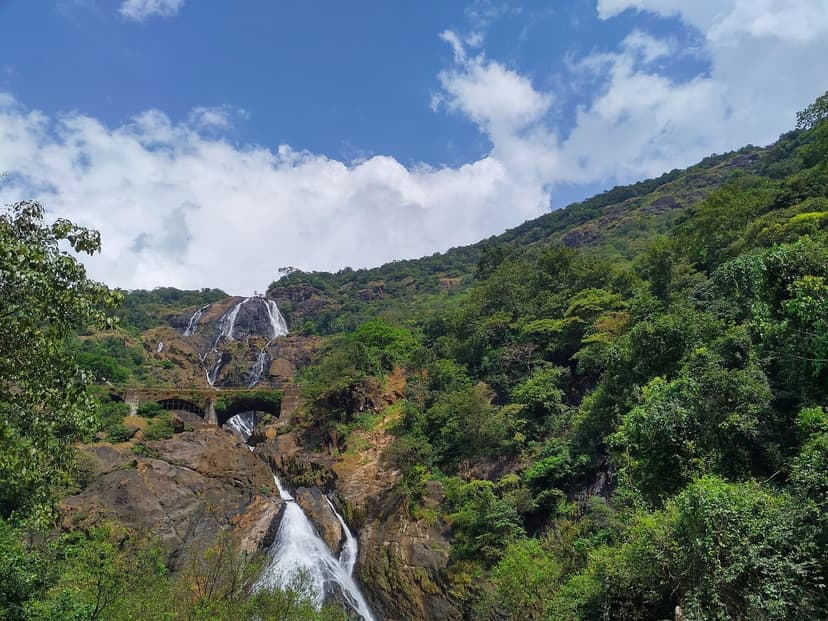
Goa has spectacular waterfalls, the four-tiered Dudhsagar on the Mandovi being the famous one, and a scatter of smaller falls in the inland sanctuaries. They are at their most dramatic in the monsoon, when they are also at their most dangerous, and Goans are blunt about this in a way the tour ads are not. On a thread from someone planning a monsoon day trek, the replies were a chorus of caution: one warned that you will not be allowed to visit the falls and bathe, especially on your own; another asked, plainly, whether the government had not already banned waterfall treks in the rains.
They are essentially right. Access to the big waterfalls is restricted in the peak monsoon precisely because people drown at them, swept off slick rock or caught by a flash rise in the water, and the authorities close them or require guides and permits. The most level-headed advice on that thread put it well.
It is fully rainy season now, very dangerous, and there is a reason the government asks people not to go to the mountains and waterfalls unless it is really important. Try mid-to-late August, when it eases.
So take the falls seriously. Go with a licensed operator who knows the current access rules and the safe pools, never climb around the top of a waterfall or swim alone in fast water, and if the answer this week is that the falls are closed, believe it and do a forest trail instead. The falls will be there next season. The point of this trip is the forest as much as the water, and the forest does not close.
Monsoon waterfalls in Goa are genuinely dangerous, and access to the major falls is often officially restricted or banned in the peak rains because visitors drown. Only visit waterfalls with a licensed local guide who knows the current rules and the safe spots, never swim alone or climb above a fall in spate, and accept closures when they happen. If in doubt, the drier months from roughly October are the safer time to see the falls, and a guided forest trail is the safe monsoon alternative.
The night walk: the forest most people never meet
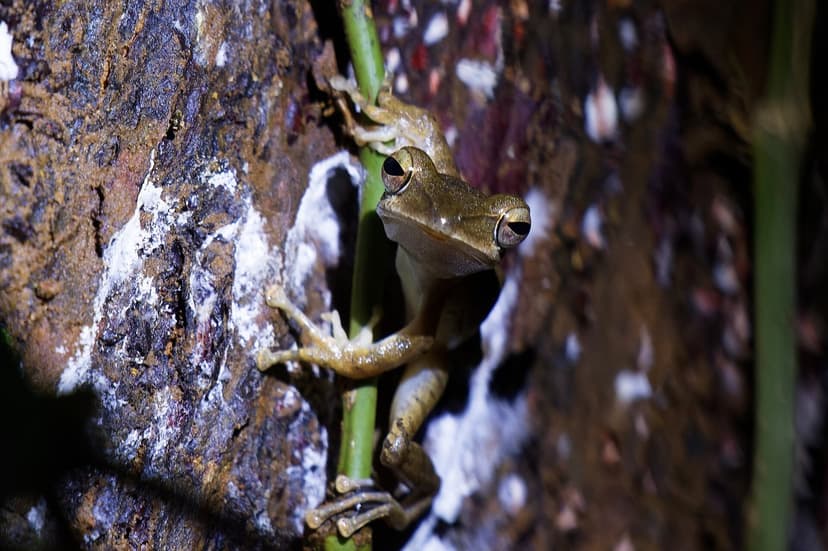
If you do one thing in these hills, make it a guided night walk. A Western Ghats forest after dark is a different planet from the same forest at noon, and it is the single most surprising few hours you can spend in Goa. With a good naturalist and a torch, a slow walk along a forest edge turns up tree frogs in absurd numbers, sleeping birds, spiders whose eyes shine back like dew, geckos, stick insects, and, for the lucky and the quiet, a snake threaded through a branch. It is safe, gentle walking; the skill is entirely in the guide's eyes and your willingness to go slowly and look.
It comes with its own honest caveat, which is the same as its appeal: this is wild forest with real venomous snakes, the beautiful Malabar pit viper among them, and it is not a place to wander at night alone or in flip-flops. That is not a reason to stay in; it is the reason to go with someone who knows where to put their feet, and to wear proper shoes and watch where you put yours. Handled right, meeting a pit viper coiled and calm on a branch, lit up in a torch beam, is a highlight, not a horror.
Three ways into the wild Goa
Small local nature operators run the inland forest experiences, and they break into three, all on foot and all built around a naturalist rather than a view. You can rent a scooter and go looking for a waterfall on your own, and plenty do, but in this particular terrain, with the closures and the snakes and the flash floods, a guide is not a luxury, it is the sensible minimum.
- A day nature trail in the forest
A slow guided walk through the Sattari forest, reading tracks, birds, butterflies and trees with a naturalist. Gentle, and the best introduction to a Western Ghats forest for anyone new to it. - A night walk for the nocturnal life
The standout. After dark, with torches and a guide, the same forest fills with frogs, geckos, spiders and snakes. Two of the strangest, best hours you can spend in Goa. Proper shoes, no wandering off. - A waterfall trek, in the right season
A guided trek to a forest waterfall and its pool, done when access is open and the water is safe, not in the dangerous peak of the monsoon. The reward is a swim in a forest pool with nobody else there.
Leeches, mud and other things worth knowing

Nobody in the brochures mentions the leeches. The trekkers do. Anyone who has walked to a monsoon waterfall in these hills will tell you, as one did of the trail to Mainapi falls, that there are many leeches and you have to be careful of them, and that the paths down to the pools are long, muddy and slick, with laterite steps that get slippery in the wet. None of this is a reason not to go. It is a reason to go prepared: closed shoes with grip, a bit of salt or a repellent for the leeches, clothes you do not mind ruining, and the patience to take the mud slowly.
The terrain itself is forgiving in one way, which a Goan trekker was honest about: there are no truly hard treks in these Sahyadri hills, nothing that needs mountaineering. What it needs is respect for the conditions, not fitness heroics. Go in the right season, wear the right shoes, keep to the guide's pace, and a day in these forests is well within reach of anyone who can walk a few gentle, muddy kilometres.
| The beach-belt Goa | The wild Goa | |
|---|---|---|
| Where | The north-coast sand | The Sattari forest and the Ghats |
| What you meet | Crowds and shacks | Frogs, snakes, waterfalls, near-silence |
| By day and night | The same beach | A forest that changes completely after dark |
| The rule | None, really | Go guided, respect closures, wear real shoes |
Doing it right, with people who know the forest
The practical version is short and firm. Do not go looking for a monsoon waterfall alone; go with a licensed local operator who runs guided trails, night walks and waterfall treks, provides the local knowledge, and knows this week's access rules and safe pools. Wear proper closed shoes, carry water, dress for mud and leeches, and go early for the day trails and after dusk for the night walks. Beginners are fine; the walking is gentle and the danger is entirely in doing it carelessly or alone.
Goan trekkers vouch for the small local groups who run these hills week in and week out, the naturalists and weekend-trek outfits who know which trail is open, which pool is safe, and where the pit vipers like to sit. That local knowledge is the whole product. It keeps you safe, it keeps your money in the villages at the forest edge, and it keeps a guide who actually cares about the place between you and the mistakes that get careless visitors hurt.
The North Goa forest experiences are run by small local nature operators, among them Beatroute Explorers, who run guided forest nature trails, a night forest walk for nocturnal wildlife, and a nature-trail-and-waterfall trek, all with naturalists who know the terrain and the current access rules. Booking directly with them keeps the money at the forest edge and puts real local knowledge between you and the hazards. You can see the North Goa forest experiences that are currently bookable on the North Goa things-to-do page. Each is run by exactly this kind of small, local, licensed operator.
So, is there more to Goa than the beach?
Far more, and the wildest of it is a couple of hours inland from the sand. The Sattari forests give you what no beach can, a night walk alive with frogs and eyeshine, a waterfall in a forest pool with nobody else there, a genuine slice of one of the richest ecosystems on the planet. It asks for respect in return, more than the coast ever does: go guided, go in the right season, wear real shoes, and take the closures and the snakes and the leeches as the honest terms of entry to somewhere genuinely wild.
Trade the beach for the forest for a day, the day for the night on one of those walks, and going it alone for a naturalist who knows the ground, and you meet the North Goa almost nobody flies in for. For the wider case on why the quiet, inland Goa is the one worth your time, and how to tread lightly in it, there is a companion piece on whether Goa is overrated.
Common questions
Is there forest and wildlife to see in North Goa?
Yes, and it is genuinely wild. About one and a half to two hours inland from Panjim, the Mhadei Wildlife Sanctuary in the Sattari hills is 200 square kilometres of Western Ghats forest, rich enough to be considered as a tiger reserve. You will not see a tiger, but you will find frogs, snakes, birds, butterflies and, on a night walk, a forest transformed. It is the opposite of the beaches and close to them.
Are the Goa waterfalls safe to visit in the monsoon?
They are at their most spectacular and their most dangerous in the monsoon, and access to the major falls is often officially restricted or banned in the peak rains because people drown at them. Only visit waterfalls with a licensed local guide who knows the current rules and the safe pools, never swim alone or climb above a fall in spate, and accept closures. The drier months from around October are safer for the falls.
What is a night walk in the Goa forest like?
It is the standout inland experience: a slow guided walk through a Western Ghats forest after dark, with torches, turning up tree frogs, geckos, spiders, sleeping birds and sometimes snakes that the day completely hides. The walking is gentle and safe with a guide; the caveat is that this is wild forest with venomous snakes like the Malabar pit viper, so you go with a naturalist, in proper shoes, and do not wander off alone.
Do I need a guide for the North Goa forests and waterfalls?
Strongly recommended, and for waterfalls in the monsoon effectively required. The hazards, restricted waterfall access, flash floods, venomous snakes, slippery trails and leeches, are all much safer with a licensed local operator who knows the current rules and the terrain. A guide is not a luxury here; it is the sensible minimum, and it keeps your money in the villages at the forest edge.
When is the best time to visit inland Goa forests?
The forest is greenest and most alive in and just after the monsoon, roughly June to October, which is also the best time for the night walks and the frogs. But peak-monsoon waterfall access is often restricted for safety, so if the falls are your goal, the drier months from around October are safer. A guided forest trail or night walk is the reliable monsoon option whatever the waterfalls are doing.
Are there dangerous animals in the Goa forests?
There are venomous snakes, including the Malabar pit viper, and the Mhadei sanctuary is genuine tiger and leopard habitat, though large cats are effectively never seen by visitors. The real day-to-day nuisances are leeches and slippery, muddy trails in the wet. None of this makes the forest off-limits; it makes a licensed guide, proper closed shoes and keeping to the trails the sensible way to enjoy it.
How hard are the treks in inland Goa?
Not very. Goan trekkers are clear that there are no truly tough treks in these Sahyadri hills, nothing needing mountaineering skill. The challenge is the conditions, mud, leeches, slippery laterite steps and the heat, rather than the distance or altitude. Reasonable fitness, closed shoes with grip and a willingness to go slowly are enough for the day trails, night walks and most waterfall treks.
Are the North Goa forest trips run by locals?
Yes, and it matters more here than almost anywhere, because the local knowledge is the safety margin. The forest trails, night walks and waterfall treks are run by small local nature operators and weekend-trek groups, such as Beatroute Explorers, whose guides know which trails are open, which pools are safe and where the snakes sit. Booking with them keeps your money at the forest edge and keeps a knowledgeable local between you and the hazards.
Sources and a note on this guide
I write for Refuje and I do not live in Goa. The pull of the inland forests, the blunt monsoon-waterfall warnings, the leeches and slippery trails, and the no-really-hard-treks reassurance are drawn from Goans and trekkers on r/Goa, quoted and attributed as it appears. Nothing here is a first-hand claim of mine. The place and wildlife facts were checked against current sources in July 2026.
- The Mhadei Wildlife Sanctuary (about 208 sq km of Western Ghats forest in Sattari, North Goa, near Valpoi, being considered as a tiger reserve), the Western Ghats or Sahyadri, and Dudhsagar Falls (the four-tiered Mandovi waterfall, in South Goa): Wikipedia and standard references, coordinates verified against Wikipedia.
- The monsoon-waterfall danger and access restrictions, the leech and muddy-trail warnings, the no-really-hard-treks point, and the recommendation to go with local trek groups: attributed r/Goa threads, quoted inline.
- The guided forest trails, night walks and waterfall treks are run in North Goa by small local nature operators; specific operators are named as examples, not endorsements.
Waterfall access rules, monsoon conditions and which trails are open change constantly and matter for your safety, so confirm with a licensed local operator before you go, and follow closures. If you are from Goa and think this gets your forests wrong, that is the correction it should carry, so tell us.
You Might Also Like
Edge City India 2026: The Practical Guide
Three weeks in Mandrem, North Goa. October 11 to November 1, 2026. Hundreds of founders, researchers, engineers, and creators living and building on a stretch of beach that is usually known for yoga retreats and quiet cafés, not hackathons. If you have applied, or you are wondering whether you...
Solo Female Travel in Goa: An Honest Safety Guide
An honest, balanced safety guide for women travelling to Goa alone: why it's comparatively safe and loved by many yet has a real, worsening harassment problem concentrated on the party beaches, where to base for a calmer trip, and the practical choices that tilt the odds in your favour.

Working Remotely from North Goa: The Honest Digital-Nomad Guide
An outsider's honest guide to working remotely from North Goa: why it isn't the beach-office of the photos, the power-and-internet problem that decides everything, where to base (Assagao, Siolim, Caranzalem), the cost, solo-female safety, and how to be a good guest rather than a coloniser.