
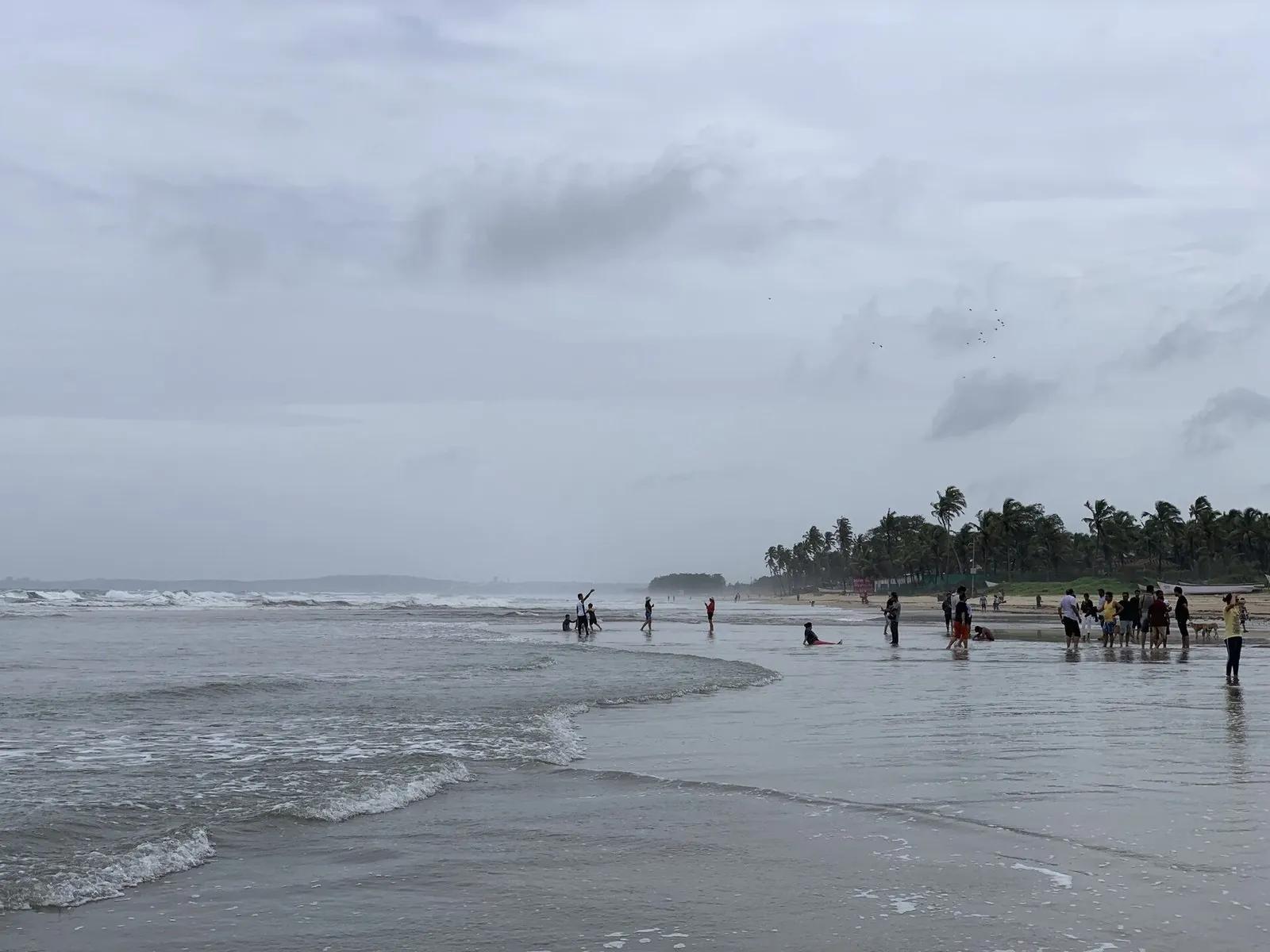
South Goa in the Monsoon: Is It Actually Worth It?
South Goa in the monsoon is worth it only if you want the rain. It is not a cheap version of the winter beach season. From June through September, the coast is greener and quieter, but the sea is unsafe for swimming, temporary shacks largely disappear, and a remote base can feel genuinely remote.
I write for Refuje and do not live in Goa. This verdict comes from current government guidance, a fresh reading of South Goa discussions and an editorial comparison of what survives the rain. My judgement is simple: book a strong fixed-roof stay, keep three or four days loose, and treat every outdoor plan as conditional. If swimming, water sports or a full beach-social scene is the point, come in the dry season.
- Monsoon window
- June through September
- Wettest historical month
- July, 890 mm average on Goa Tourism's table
- Sea rule
- Do not swim; follow lifeguard flags and instructions
- Best fit
- Rain lovers, slow couples, readers, photographers and resort stays
- Poor fit
- Swimming, water sports, shack-hopping, nightlife and rigid sightseeing
- Practical bases
- Benaulim or Colva for resilience; Palolem or Agonda only after checks
- Planning rule
- One base, one booked transfer, one indoor fallback each day
- Verified
- 17 August 2026
| Decision | Come in the monsoon | Choose another season |
|---|---|---|
| Your ideal day | Read, eat, drive in a dry spell and watch the rain | Swim, sunbathe and move between shacks |
| Your base | A fixed-roof hotel or homestay with meals and backup power | A seasonal beach hut chosen from a winter photograph |
| Your pace | One or two flexible plans | A timed checklist of beaches and waterfalls |
| Your evenings | Dinner near the room and an early night | A broad nightlife and social scene |
| Your transport | Pre-arranged car or a compact walkable base | Learning to ride a scooter in heavy rain |
The sea changes the whole trip
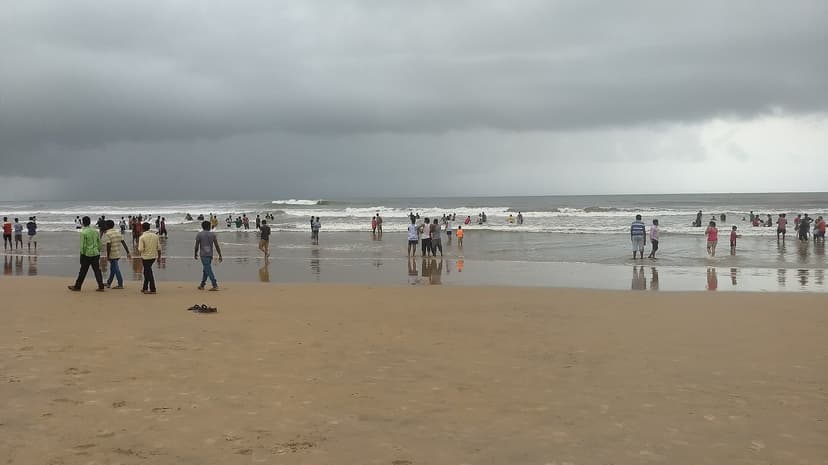
Goa Tourism describes the monsoon as June through September. GTDC goes further: its citizen charter says bathing and swimming in the sea during the monsoon are prohibited and warns that even ankle-deep water can be dangerous because undercurrents can pull a person out. That applies to South Goa as firmly as it does to Baga or Calangute.
A beach being accessible does not mean the sea is open for swimming. Read the flag, listen to the lifeguard and stay out when told. Do not use a sheltered-looking cove, a quiet shoreline or other swimmers as a safety test. Goa Tourism lists helpline 1364; emergencies should go to the appropriate emergency service.
This distinction gets blurred online. You may be able to walk on Colva, Benaulim or Palolem between showers. That is a beach visit. Entering rough water, climbing wet rocks or taking an unofficial boat is a separate risk. Our South Goa quiet-beaches guide is for choosing a coast, not permission to ignore monsoon conditions.
The Reddit record captures the disagreement. u/Wonderful_Sky8680 posted that there was “something so peaceful” about Goa in the rain; u/CompetitiveSea2525 replied to a waterfall question by saying to skip both beach and waterfall because neither felt safe. Those are opinions, not rules. The official prohibition settles the swimming question.
June, July, August or September?
Goa Tourism publishes historical monthly averages of 500 mm in June, 890 mm in July, 340 mm in August and 277 mm in September. Read those numbers as climate, not a forecast for your dates. One July trip can contain long downpours and another can deliver usable daylight between storms.
June is the changeover. The first serious rain can arrive hard, seasonal businesses are winding down, and the landscape has not followed a neat tourism calendar. July is the committed choice: the official table makes it the wettest month by a large margin. August is still monsoon, still rough at sea and still capable of heavy rain, but its historical average is lower. September begins to ease on paper, yet swimming restrictions and business reopenings do not switch on because a traveller has reached a preferred week.
That variation explains the opposing Reddit reports. u/akshay51 said an Agonda visit brought heavy rain mostly at night and usable days. u/partialCertain called monsoon the best time after spending days in South Goa. Neither report predicts your week. Check the IMD warning each morning and keep the room valuable even if the day washes out.
What is open, what needs a call, what should be off your list
The unhelpful answers are “everything closes” and “everything runs normally.” South Goa has villages, stations, hospitals, shops and year-round residents. It does not close. The tourist-facing strip contracts unevenly, especially in the Canacona beach settlements.
- More dependable: fixed-roof hotels, village shops, railway services, established road restaurants, hotel dining and major heritage sites during their posted hours.
- Confirm for your dates: a named café, property restaurant, pool maintenance, spa, power backup, airport pickup, kayak or boat operator, fort access and any guided nature activity.
- Assume unavailable unless an authorised operator proves otherwise: temporary beach huts, a full line of beach shacks, sea swimming, parasailing, jet skis and spontaneous boat trips.
u/BuildingNo6744 asked the question hundreds of readers have: “Are shacks open?” Another traveller, u/LandscapeStriking288, reported that shacks around Palolem were shut during their stay. Treat that as a prompt to call, not as a universal closure list. Ask your property where guests ate last week and get two year-round options on the road, not on the sand.
Temporary beach shacks are seasonal licensed structures. That does not mean every restaurant near a beach is temporary. It does mean a winter video of Palolem is poor evidence for July. A property that says “restaurants nearby” should be able to name them.
Waterfalls are not the easy replacement for the beach
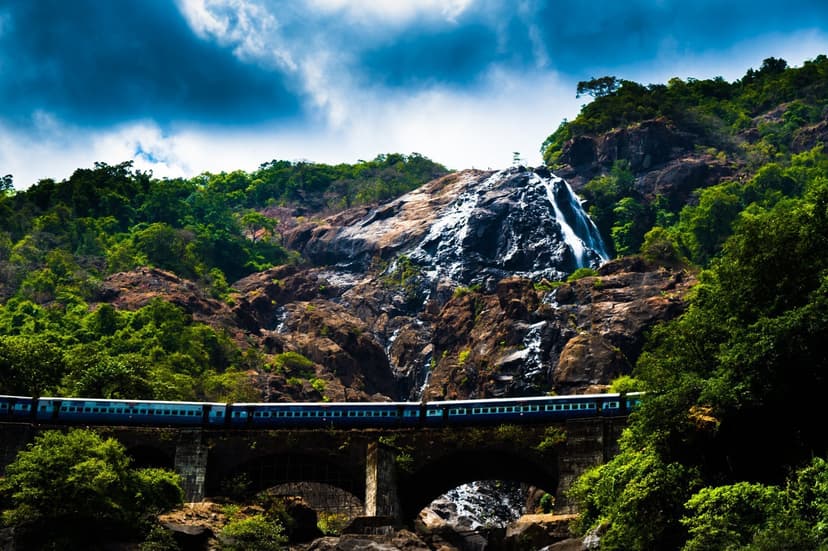
The rain puts Goa’s waterfalls in flow, which is exactly when access and rescue conditions become serious. In July 2026, Goa’s tourism minister warned people away from unauthorised waterfalls, lakes and quarries, saying the government and Forest Department had identified monitored sites. That is the current planning rule: use a designated place and authorised operator, then verify it is open on the day.
Do not follow a reel to an unnamed pool, walk a railway line to Dudhsagar or assume that “with a guide” makes a closed approach legal. A waterfall can be visible while swimming remains prohibited. The deeper safety evidence sits in Refuje’s Goa waterfall and plunge-pool guide; the Netravali and South Goa waterfalls guide covers South Goa’s interior without turning it into a monsoon dare.
u/Left_Print_7640 told a Reddit questioner to avoid water bodies. That advice is blunt, but it is safer than building a trip around an unverified waterfall. The useful monsoon plan has a waterfall as a possible authorised outing, not the reason the holiday succeeds.
Pick the base for a wet day, not a sunny map
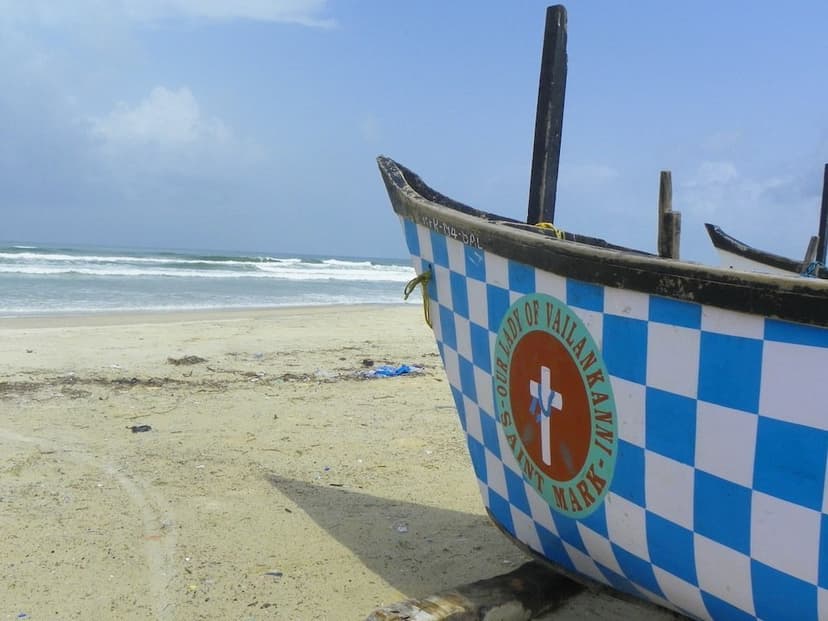
Benaulim or Colva: the resilient choice
For a first monsoon visit, I would start in the Salcete belt. Benaulim is calmer; Colva has more development near its main approach. Both keep you nearer Madgaon, Dabolim and a larger year-round population than the deep Canacona coast. This is not a promise that every venue opens. It is a judgement about how many fallbacks exist when rain cancels the beach.
u/Sidsagentleman singled out Varca for its peace, while u/yeceti liked Goa’s “peaceful and sparsely populated bars and beaches.” Those preferences point toward Salcete, but the room still has to do real work. Confirm breakfast, dinner, backup power, drainage at the entrance and a driver who answers after dark.
Palolem or Agonda: for deliberate quiet
Canacona can be wonderful if silence is the reason you booked it. Palolem gives the better chance of walkable food and basic choice; Agonda is longer, more spread out and more dependent on the exact property. In either place, reject a temporary hut for a fixed roof unless the operator can demonstrate proper monsoon construction and access.
This is where romantic emptiness can become poor logistics. If dinner, transport and dry indoor space all depend on one small property, you are not choosing a beach. You are choosing that property. Read recent reviews, phone it, and ask what stayed open during the latest week of heavy rain.
South Goa monsoon is awesome for someone who love rains and peace!!!! If you wanna party , go to north .
The grammar is casual, but the division is accurate. South Goa in monsoon suits people who value peace more than optionality. If you need cafés, nightlife and activity backups, read North Goa versus South Goa before forcing the southern choice.
A weather-proof three-day plan
- Day 1: make the base earn its price
Arrive with a pre-booked transfer, eat near the room and walk the beach only if the local flags and rain allow. Confirm the next day's indoor and outdoor options before bed. - Day 2: use one dry spell
Choose Cabo de Rama, a heritage stop or an authorised nature outing after checking the forecast and access. Keep lunch and the afternoon flexible rather than stacking another distant stop. - Day 3: choose town over exposure
Use Margao, a long meal, a market or your property's indoor facilities when rain persists. If the weather clears, add a short local beach walk, not a cross-district chase.
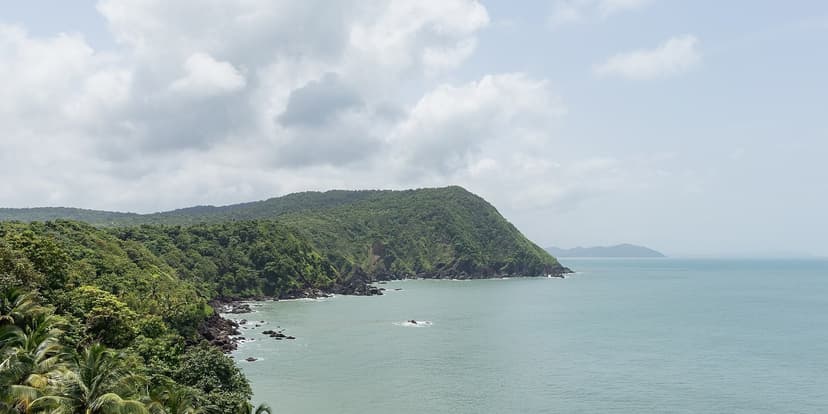
Cabo de Rama is useful because it changes the view without pretending the sea is usable. The headland turns green, but the fort and cliff paths can be slippery and visibility can disappear. Go only in workable conditions and leave before a storm, rather than treating sunset as a fixed appointment.
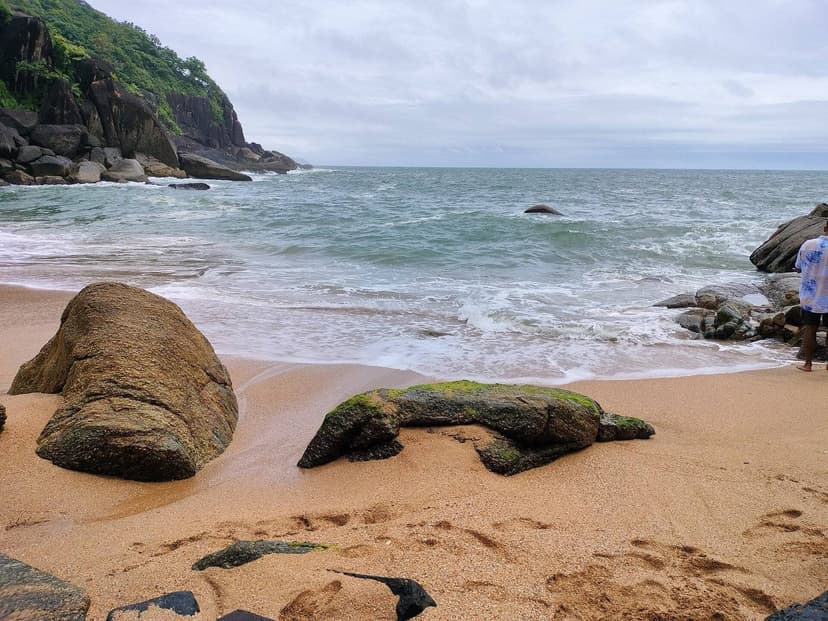
Remote coves should not fill the spare hours. Butterfly Beach is a clear example: boat access and foot approaches are both more conditional in rough weather. Use the quiet-beaches guide to understand the geography, then remove any cove from the day when access or sea conditions are doubtful.
Transport in rain: reduce the number of decisions
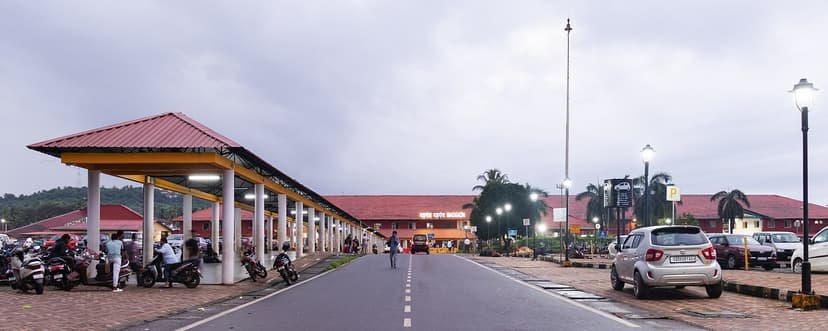
u/grompronte asked about transport in a monsoon planning thread because the base and the vehicle are one decision. Book the Dabolim or Madgaon transfer before arrival, keep the driver’s number and avoid learning to ride a scooter on wet roads. A scooter may be familiar transport for an experienced rider, but a holiday is the wrong time to learn on slick paint, broken edges and reduced visibility.
Stay compact. One long car outing is easier to abandon than a daily web of taxis. If your flight uses Mopa, accept that it sits in far North Goa and leave a wide transfer buffer. The detailed choices between taxi, bus, rental and scooter belong in Refuje’s Goa transport guide.
The room checklist matters more than the discount
- A permanent roof and a dry route from vehicle to reception.
- On-site breakfast plus dinner, or two named year-round places nearby.
- Backup power, working Wi-Fi if needed and a place to dry clothes.
- A cancellation policy that covers your tolerance for severe weather, not an imagined guarantee.
- Current photographs of the access road and ground floor, especially with children or reduced mobility.
- A confirmed airport or station pickup and an after-hours contact.
u/flickerette described simply sitting and observing the rain as a good workation. That can be true when the room has power, a chair, ventilation and food. Without those details, a lower nightly rate is not value. It is a bet that the weather will let you escape the property.
Pack quick-drying clothes, a light rain shell, footwear with grip, dry bags for electronics and any medicine you rely on. Keep valuables away from an open scooter compartment. Families should plan for a full indoor day; solo travellers should retain the ordinary precautions in Refuje’s Goa solo-safety guide.
South Goa monsoon map
Planning a South Goa monsoon stay? Send Refuje your dates, arrival point, group and preferred pace. We can help choose a base and a plan that still works when it rains.
Common questions
Is South Goa worth visiting in the monsoon?
Yes for rain, greenery, quiet, a resort or workation and a flexible three- or four-day break. No if your main goals are swimming, water sports, temporary beach shacks, nightlife or guaranteed outdoor sightseeing.
Can I swim at Palolem or Colva in July?
No. GTDC states that bathing and swimming in the sea during monsoon are prohibited and warns that even ankle-deep water can be dangerous. Follow lifeguard flags and instructions at every beach.
Are South Goa beach shacks open during monsoon?
Do not depend on them. Temporary beach shacks are seasonal and the beach economy contracts sharply. Some permanent road restaurants and hotel dining remain, but confirm named places directly for your dates.
Which South Goa base is best during monsoon?
Benaulim or Colva is the practical first choice because Salcete has better access to Madgaon, Dabolim and year-round services. Palolem or Agonda suits a deliberately quiet trip only after confirming fixed-roof accommodation, food and transport.
Is July or August better for South Goa?
Both are monsoon months. Goa Tourism's historical table lists July as much wetter on average than August, but neither figure predicts a particular week. Swimming restrictions, rough seas and business closures can affect both.
Can I visit Dudhsagar or Netravali in monsoon?
Access changes with rain and official orders. Use only a designated site and authorised operator, verify the same day, and do not swim or follow an unofficial route. Never assume a social-media location is open.
Should I rent a scooter in South Goa during monsoon?
Only an experienced rider should consider it, and even then conditions may make a car wiser. First-time riders, families and anyone travelling in heavy rain should pre-arrange a car or choose a compact walkable base.
How many days should I spend in South Goa during monsoon?
Three or four nights in one strong base are enough. Longer trips can feel repetitive when weather closes options. Do not split hotels merely to collect beach names; move only if the second base changes the trip.
Sources and method
This guide was checked on 17 August 2026. It separates official rules from traveller opinions and does not claim a personal monsoon stay.
- Goa Tourism weather table for the June-to-September season and historical monthly rainfall.
- IMD Goa for the state rainfall context.
- GTDC citizen charter for the monsoon swimming prohibition, undercurrent warning and tourism helpline.
- Goa Economic Survey 2025–26 and the Goa Tourism department for the seasonal shack context.
- July 2026 waterfall warning, reporting the tourism minister's direction to use notified, monitored locations.
- South Goa traveller discussions on Reddit, read when this guide was checked; quoted voices are attributed. Reddit accounts supply experience and questions, not official rules.
- Ten coordinates were re-resolved through Nominatim using OpenStreetMap data. Map pins are orientation points, not statements that a place is open.
If this sounds like the wrong holiday, read the worst time to visit Goa. That is not a failure of South Goa. It is the useful result of matching a season to the trip you actually want.
You Might Also Like
How to Visit South Goa Respectfully: A Guest's Guide
South Goa is a lived-in coast, not a resort set. Here is how to handle waste, sound, roads, heritage, turtle habitat and local spending as a considerate guest.
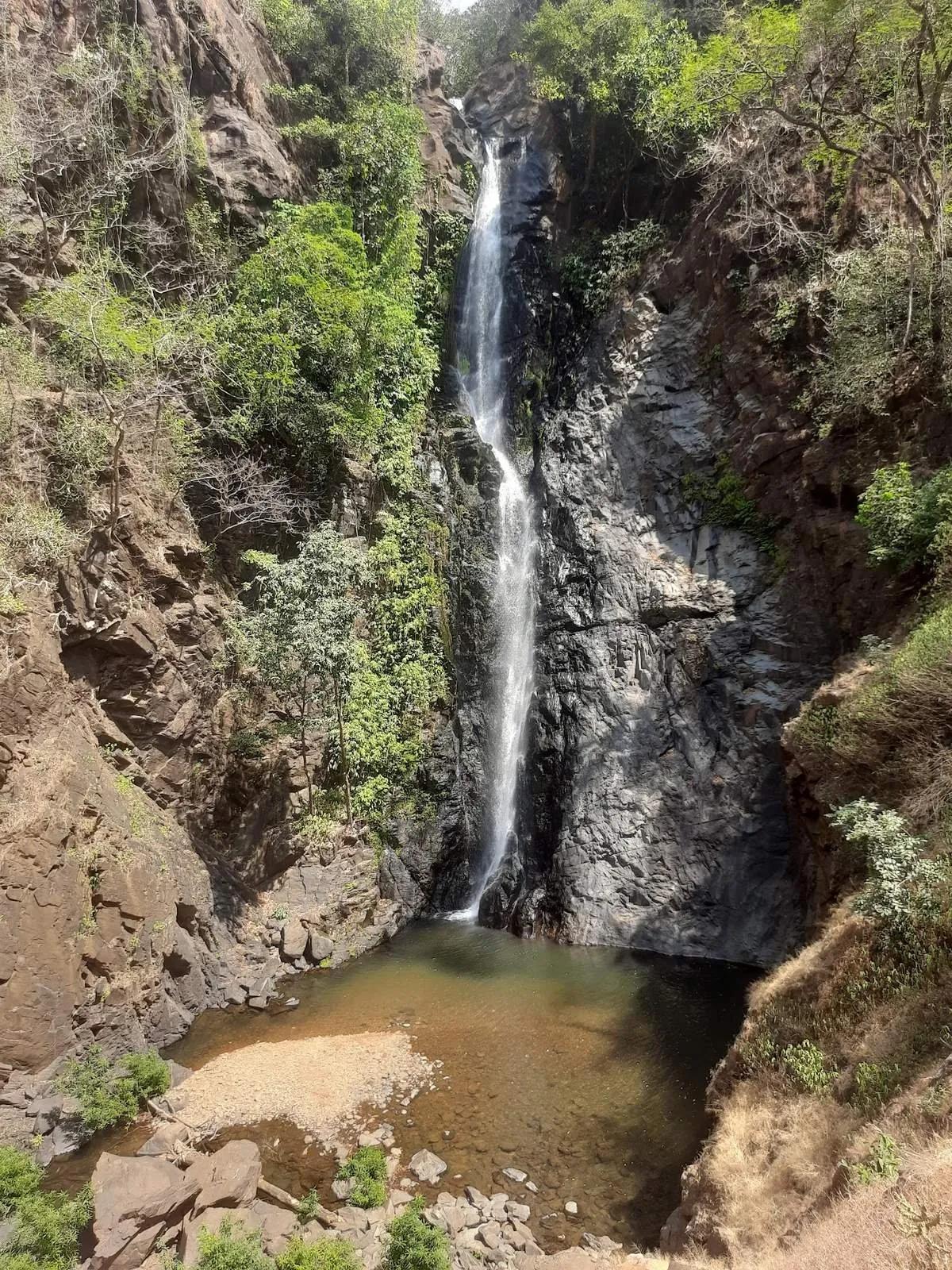
Netravali and South Goa's Waterfalls: Beyond Dudhsagar
Choose Savri or Mainapi, understand the current water-entry rules, and split Netravali from the Cotigao–Kuskem side of South Goa's interior.
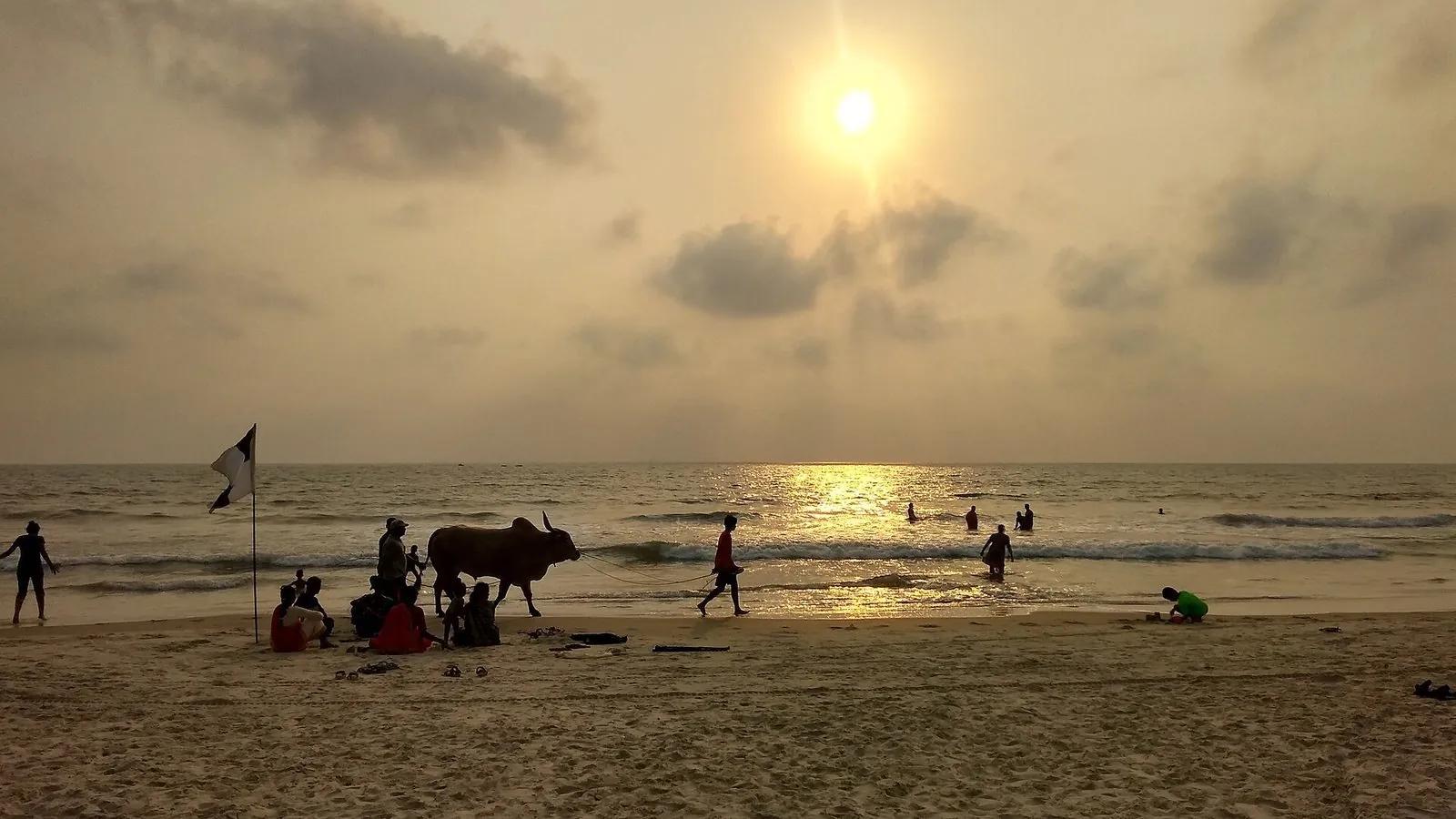
Where to Stay in South Goa (and Why You Should Pick One Base)
Palolem, Agonda, Patnem, Benaulim or Colva? An honest guide to choosing one South Goa base for your trip, airport, family and transport plan.