
How to Visit South Goa Respectfully: A Guest's Guide
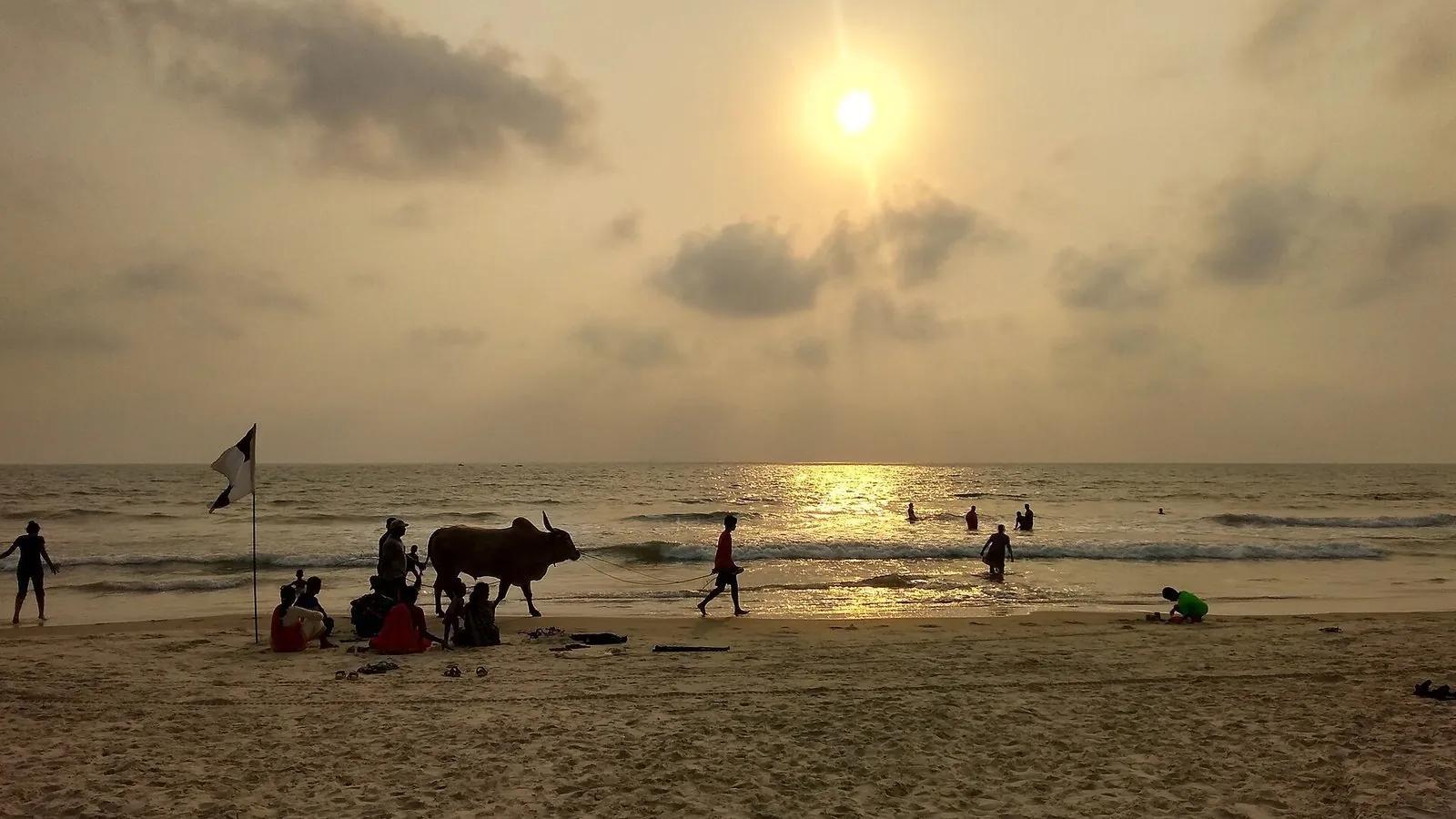
The simplest way to visit South Goa respectfully is to remember that your holiday is taking place inside somebody else's ordinary week. The beach road is also a school run. The lane behind your stay may end at a family home. The strip of sand outside a shack remains wildlife habitat and shared public space.
I write for Refuje and do not live in Goa. I am based in Himachal, and I have not written this as a resident or as a traveller performing local authority. The guide comes from current Goa Police and Tourism material, conservation sources, local reporting, and a fresh reading of Goa-focused Reddit discussions. Where those sources disagree, the disagreement stays in.
This is not a demand for silent, joyless tourism. Goa depends on visitors, directly and indirectly, and one Reddit contributor, u/RavingGooseInsultor, pushed back on the idea that the “death of tourism” could be a solution. The useful question is smaller: how do you enjoy the place without handing residents, workers or the next visitor the cost of your good time?
- Start here
- South Goa is a lived-in district, not a resort compound
- Official basics
- Do not litter, drive on beaches or play loud music outdoors after 10pm
- Beach habit
- Carry out what you carry in when no usable bin is available
- Road habit
- Use legal parking and walk the last stretch to the beach
- Heritage habit
- Treat barriers, worship and residential privacy as real boundaries
- Wildlife habit
- Keep away from enclosures; avoid bright light around nesting habitat
- Money habit
- Use local kitchens, guides, drivers and shops, without bargaining for sport
- Checked
- 17 August 2026
| Moment | Considerate guest | Careless tourist habit |
|---|---|---|
| At the beach | Carries a small waste bag and uses the main access | Leaves bottles or drives onto the sand |
| After dark | Keeps music inside the room or uses headphones | Turns a quiet beach into a private dance floor |
| On a village lane | Parks where permitted and walks | Follows a map pin into a doorstep or blocks a turn |
| At a church or temple | Reads the sign, dresses for the setting and asks before photographing | Treats worship, an altar or a barrier as set dressing |
| At a turtle site | Gives staff, nests and darkness room | Uses flash or crosses a cordon for a closer shot |
| When spending | Pays fairly and tries a locally run business | Demands a cheap deal while expecting private-resort service |
What “respectful” actually means

It means applying ordinary civic sense after the holiday feeling kicks in. u/chandandsa described Goa as villages, fields, early mornings and slow evenings, then asked visitors not to treat it as a “disposable weekend spot.” That phrase is sharper than a sustainability slogan because it catches the problem: a two-night stay can make the consequences feel invisible.
The consequences are not invisible to the person opening a shop beside yesterday's rubbish, sleeping behind tonight's speaker or trying to get an ambulance past a badly parked car. They are also not created only by outsiders. u/Economy_Plane1043 wrote that civic sense is not limited by a vehicle's state registration; u/shinigamiash7 asked whether tourists, local picnickers, weak enforcement and passive bystanders all share the waste problem. Both interventions matter. A visitor does not need an innocent-villagers-versus-bad-tourists story in order to behave well.
Goa Tourism now describes its policy as regenerative tourism, organised around people, environment and economy. A guest cannot deliver that policy alone. You can, however, stop making each pillar somebody else's responsibility.
Carry waste out, even when the bin is missing
A useful beach kit is boring: one reusable water bottle, one light shopping bag for dry rubbish and, if you smoke, a pocket ash container. Glass is a bad beach choice. Food packaging that arrived in a bag can leave in the same bag. u/Street_Soft7957 made exactly that point after rubbish returned to a recently cleaned beach.
Take them back in those same bags.
A bin overflowing onto the sand is not a successful disposal. Take the bag back to your accommodation and ask where its waste is collected. Do not leave it beside a closed bin, burn it, bury it or push it into vegetation. If a snack seller or shack supplied disposable packaging, ask them before ordering how it will be handled.
u/Independent_Paint634, writing as a visitor, described carrying plastic back while kayaking. u/vivekparsekar98 goes a step further and picks up a little extra plastic on treks. Neither gesture repairs the waste system, and tourists should not turn cleanup into self-congratulation. It does show how small the practical hurdle is.
Current enforcement goes beyond etiquette. Times of India and Goemkarponn report that Goa's July 2026 tourism notification lists littering, broken bottles, cooking outside designated areas, beach driving, blocked emergency access and other conduct as nuisance at tourist places. The reported fine range is ₹5,000 to ₹1 lakh. Follow the posted rule at the place; a social post or a driver saying “everyone does it” is not permission.
Keep your soundtrack to yourself

People choose Agonda, Patnem, Benaulim and the quieter parts of the coast because they can hear the sea. A portable speaker does not become considerate because the beach looks empty. Sound travels to huts, homes, nesting areas and the other person who woke early for that silence.
u/no1lives4ever asked visitors not to play loud music on beaches or in secluded places because other people may not share their taste. In a Benaulim thread about music continuing into the early morning, u/joxivop732 redirected the discussion toward residents who have to live with it permanently. Those are community requests. Goa Police supplies the harder edge: its tourist guidance says loud music in open areas after 10pm is not permitted.
The 10pm line is not a target to hit. If your stay is in a residential lane, ask the host about house quiet hours and keep conversations low when returning. Use headphones for your own music. If a licensed venue is loud, do not move the after-party to a beach or balcony after it closes.
Drive as if people live here, because they do

The most respectful transport choice is often not a particular vehicle. It is fewer journeys, a legal parking space and a willingness to walk the last few hundred metres. South Goa's village roads narrow quickly. A minor lane shown by a map may be residential access, not a clever shortcut to the beach.
In a detailed local driving post, u/soyus1297 asks visitors not to drive on the wrong side, park at sharp turns, push cars down small beach lanes or enter private roads at night. The same post says to find the established access and walk from a proper parking area. Goa Police also tells visitors to use designated parking and not to drive vehicles on beaches.
That means no wheel-on-sand photograph, no stopping across a gateway “for two minutes,” and no squeezing past a bus because the road looks empty ahead. Wear a helmet, keep your phone away while moving and do not drink and drive. Refuje's Goa transport guide covers the practical choice between bus, taxi, car and scooter; this article's point is that convenience does not create right of way.
Homes, churches and ruins are not props

A beautiful doorway can be somebody's front door. A whitewashed chapel may be open for prayer, not an improvised portrait session. At an active church, temple or mosque, cover up to the standard posted, lower your voice, put the phone away during worship and ask before photographing people. Goa Police specifically asks visitors to respect local customs and observe dress decorum at religious places.
Barriers at ruins deserve the same seriousness. u/Wildeanethics reported seeing visitors climb an altar and pass explicit barriers at St Augustine's tower for photographs. You do not need to share the writer's faith to understand the boundary: old masonry is fragile, an altar is not a platform, and a security guard failing to intervene does not convert “do not enter” into consent.
u/Diligent-Criticism12 wishes more visitors arrived curious about Goa's culture rather than repeating its booze-and-party stereotype. Curiosity is not measured by how many interiors you photograph. Read before you arrive, use a responsible guide when the context is unfamiliar and accept that some moments are for worship or daily life. Refuje's Old Goa guide is a useful primer for the common day trip north from South Goa.
At turtle beaches, darkness and distance are part of the visit
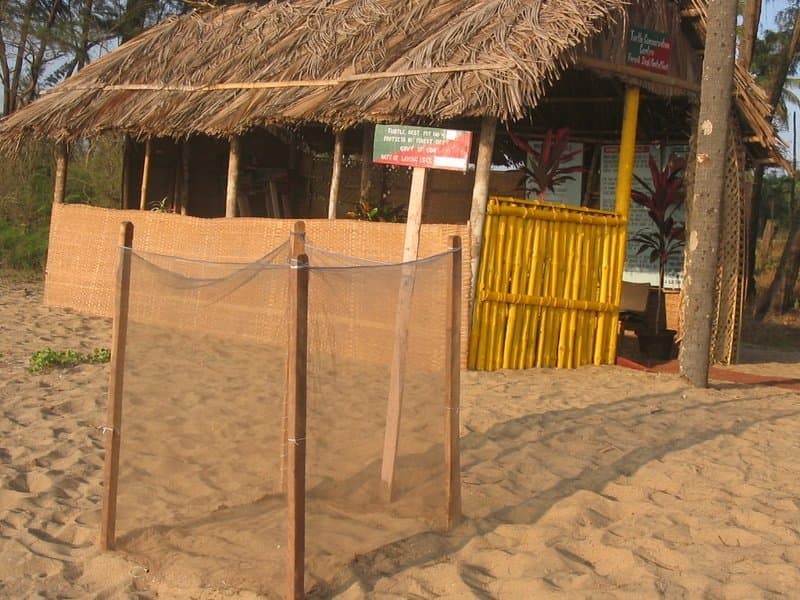
Galgibaga is not improved by a crowd around a nest. Sea Turtles of India identifies the olive ridley as Goa's nesting turtle and describes Galgibaga as a principal conservation site. It also names tourism and artificial lighting among the disturbances. The practical response is to follow Forest Department or on-site staff instructions, remain outside every enclosure and keep dogs away.
Do not use flash, shine a torch toward the water, touch a turtle or hatchling, crowd a track, move a marker, or demand that somebody uncover a nest. If there is no authorised viewing on your night, there is no sighting to collect. Leave. Avoid bright beachfront lighting near nesting habitat and draw curtains at a property facing the sand.
The same restraint applies on rocky shores. Do not pry animals from pools, stack stones or stand on living growth for a photograph. The Goa tide-pool guide explains how to walk the intertidal edge without turning observation into handling.
Spend locally without turning “authentic” into a performance
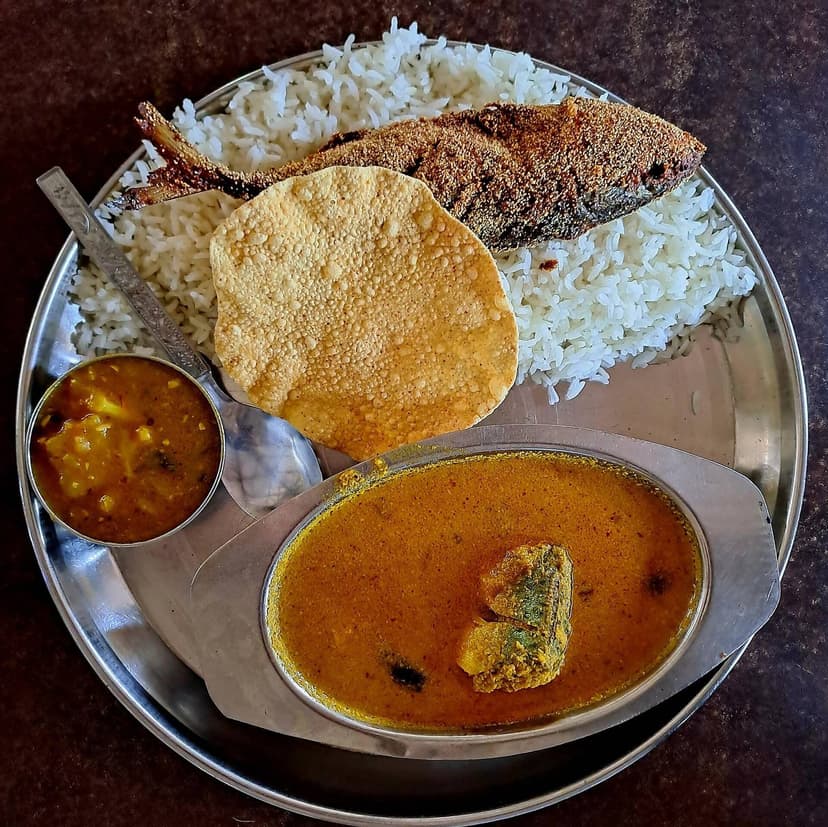
Tourism is work. Drivers, cooks, fishers, cleaners, guides, shopkeepers and homestay families are not background characters in an experience you purchased elsewhere. Eat at a locally run kitchen, take a licensed local guide, buy something you genuinely want from its maker and pay the agreed price on time.
This does not require pretending every business is wonderful or accepting a price you did not agree to. Ask the rate before the ride or activity, read the bill and raise a problem directly and calmly. Bargaining can be normal in the right market; grinding down a small seller for sport, then spending freely at a chain, is not cultural engagement.
A thoughtful visitor essay by u/Electrical_Fix_1383 complicates the usual demand for “high-quality tourists.” The writer argues that Goa should remain accessible to students and young couples while regulating public behaviour more firmly. That is a useful distinction: respect is not a luxury price band. A budget traveller who carries rubbish out and parks properly may cost the place less than a high spender who treats it as private property.
Refuje's honest Goan-food guide is a better starting point than ordering the same global dish beside every beach. If you are still deciding which side of the state suits you, compare North Goa and South Goa rather than assuming the south is an empty version of the north.
A six-step guest check
- Before booking: read the neighbourhood
Check whether the stay sits in a residential lane, how guests reach it, where vehicles park and what quiet hours apply. A sea-view pin is not enough. - Before leaving the room: pack for your own waste
Carry water, a small rubbish bag and only what you can take back. Leave glass behind and ask the stay where collected waste goes. - On the road: choose the obvious access
Use designated parking, keep lanes and gateways clear, follow the correct side and walk the final stretch. Never put a vehicle on the beach. - At the place: look for the boundary first
Read signs, follow lifeguards and conservation staff, respect worship and ask before photographing people or homes. A barrier remains a boundary when nobody is watching. - After dark: shrink your footprint
Use headphones, keep balcony conversations down, avoid bright light near nesting beaches and return through villages without horns or shouting. - When leaving: make a clean exit
Take every item you brought, settle bills, tip when service merits it and give concerns directly. Share useful guidance without geotagging a fragile or private spot.
The last point deserves care. You do not have to hide Palolem or Galgibaga; they are well known. But posting a precise route to an unmarked cove, nest, private lane or fragile pool can move pressure faster than a place can manage it. Share the lesson, not every coordinate. For beach choice without secrecy theatre, use the South Goa quiet-beaches guide.
Respect also includes your own safety and other people's boundaries. Do not make a driver wait unpaid, do not pressure staff into off-book activities, and do not expect a woman travelling alone to welcome company because you are both on holiday. Refuje's solo-female Goa safety guide covers that side of shared space.
Planning a South Goa trip? Send Refuje your dates, base and pace. We can help you build a low-friction plan around established access, local businesses and the places that actually suit your group.
Common questions
What should tourists not do in South Goa?
Do not litter, drive on beaches, block narrow lanes, play loud music outdoors after 10pm, cross heritage or conservation barriers, photograph people or homes without consent, or treat a religious place as a photo set. Follow any stricter posted instruction.
Can I take a car or scooter onto a Goa beach?
No. Goa Police says vehicles must not be driven on beaches, and the July 2026 nuisance notification was reported to include beach driving. Use the recognised access, park legally and walk.
What if there is no dustbin on the beach?
Carry your rubbish back in the same bag it arrived in and dispose of it through your accommodation or another proper collection point. An absent or overflowing bin is not a reason to leave waste beside it.
Is music allowed on South Goa beaches at night?
Goa Police says loud music in open areas after 10pm is not permitted. Earlier than that, a speaker can still spoil the beach for residents, wildlife and other visitors. Use headphones or keep music inside an appropriate licensed venue.
How should I dress at Goa's churches and temples?
Read and follow the rules at the entrance. As a safe default, cover shoulders and knees, remove footwear where asked, keep quiet during worship and ask before taking photographs. Requirements can differ by site.
Can tourists watch turtles at Galgibaga?
Only when and how authorised staff permit it. Remain outside enclosures, avoid flash and bright torches, do not touch turtles or hatchlings and leave if there is no approved viewing. A sighting is never guaranteed.
Does responsible travel in Goa mean spending more money?
No. It means reducing the cost you push onto the place. A budget guest can carry waste out, use public transport, pay agreed prices and respect quiet hours; a large bill does not excuse careless behaviour.
Are only tourists responsible for Goa's litter and noise?
No. Goa-focused discussions also blame residents, local picnickers, weak collection and poor enforcement. That shared problem does not reduce a visitor's responsibility for their own waste, sound, driving and conduct.
Sources and method
This guide was checked on 17 August 2026. It separates official guidance and reported rules from community opinion and Refuje's editorial advice. It does not claim a personal South Goa visit or a single Goan consensus.
- Goa Police tourist tips for litter, sound, parking, beach driving, religious decorum and general road conduct.
- Goa Tourism's February 2026 regenerative-tourism release for the people, environment and economy framing and helpline 1364.
- Times of India and Goemkarponn for reports on the July 2026 tourism nuisance notification and current fine range.
- The Goa Tourist Places (Protection and Maintenance) Act, 2001 for statutory background, not the current fine schedule.
- Sea Turtles of India for Goa nesting species, Galgibaga and the disturbance from tourism and artificial light.
- Traveller discussions on Reddit, read when this guide was checked; quoted voices are attributed. Reddit supplies experiences and arguments, not official rules.
The best test is not whether you can call yourself a responsible traveller afterward. It is whether the road, beach, room and working day remain easier for the people who share them with you.
You Might Also Like
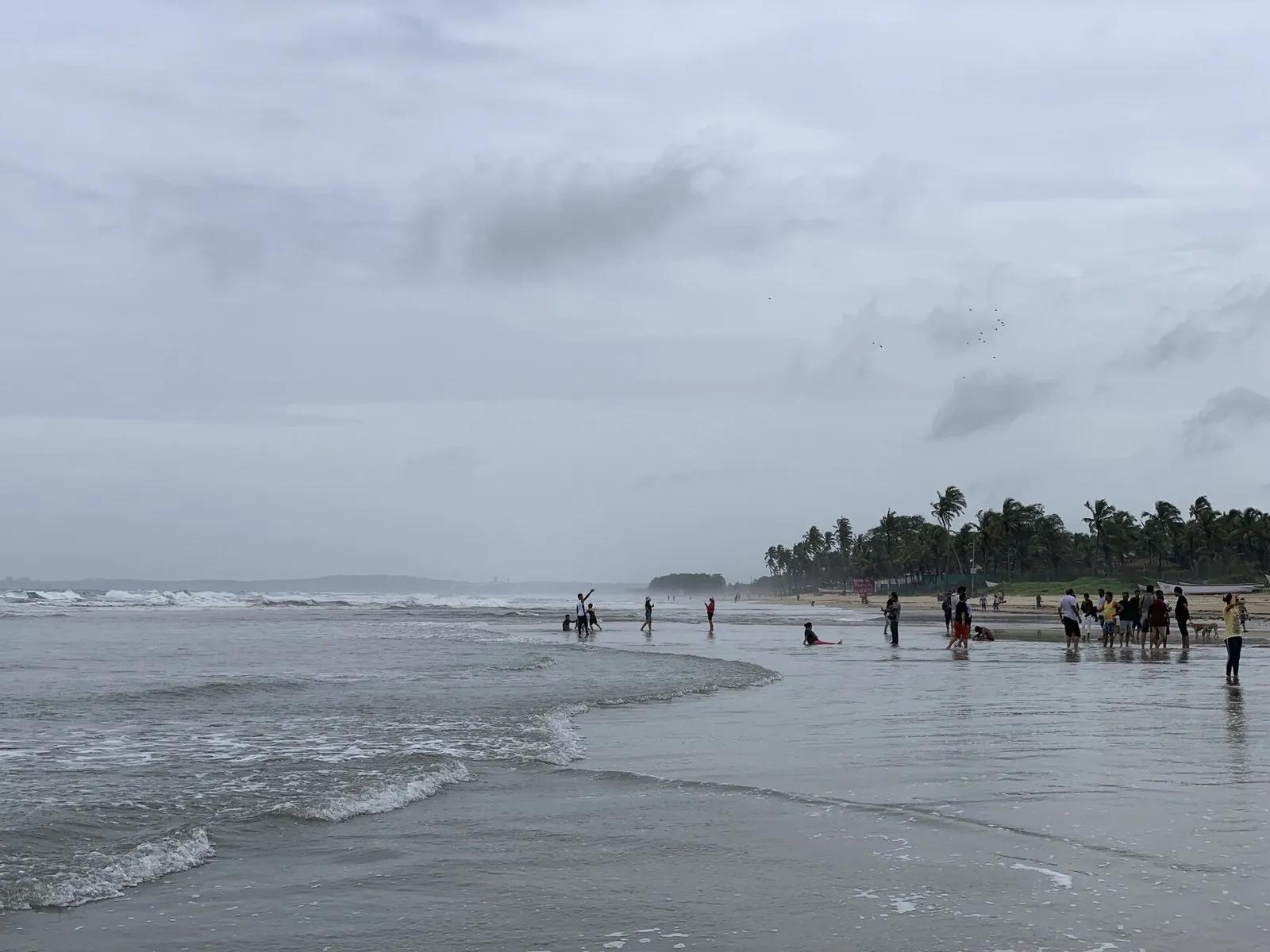
South Goa in the Monsoon: Is It Actually Worth It?
South Goa in July or August can be green, quiet and deeply restful, but it is not a winter beach trip. Here is what works, what closes and who should go.
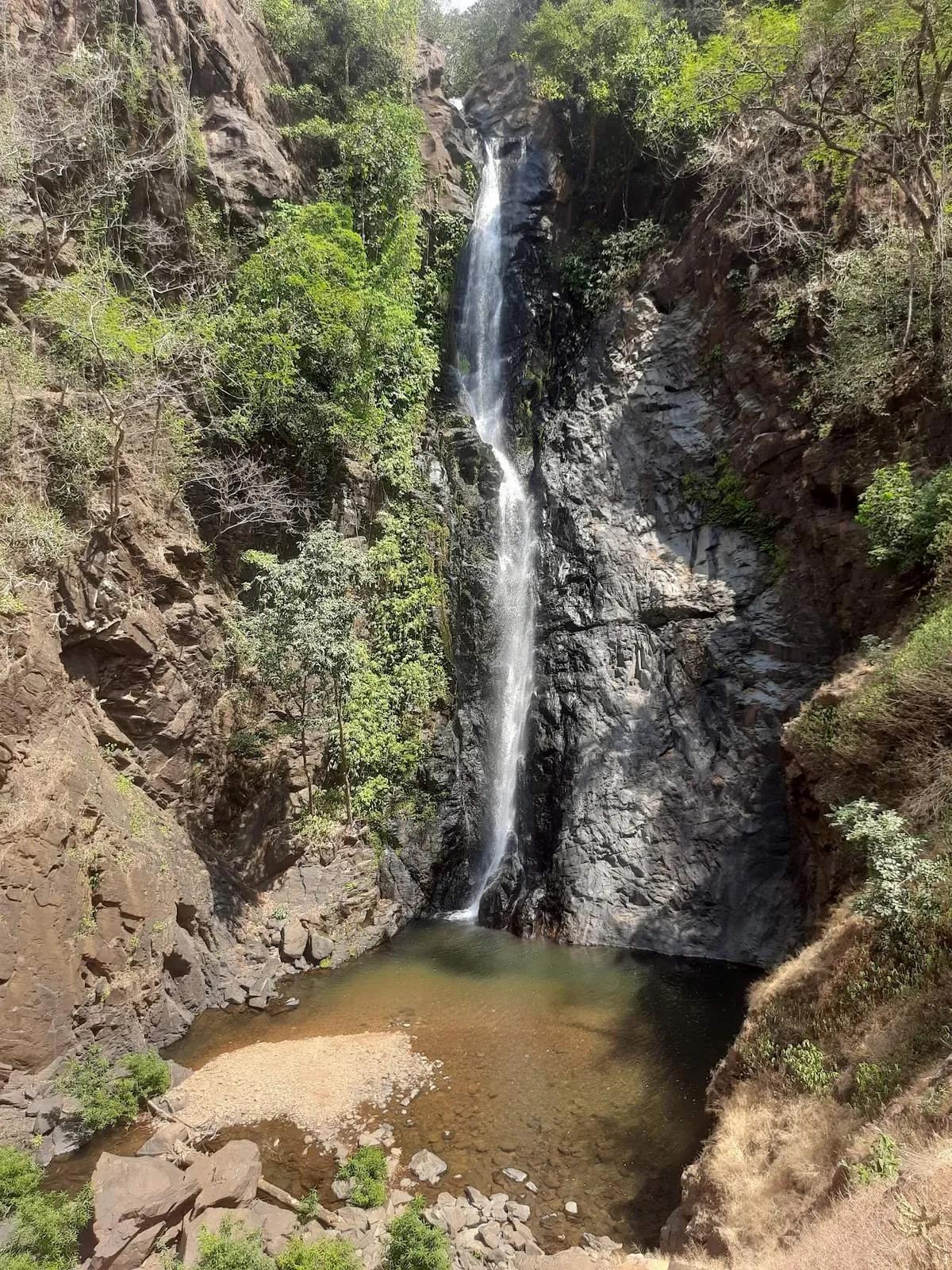
Netravali and South Goa's Waterfalls: Beyond Dudhsagar
Choose Savri or Mainapi, understand the current water-entry rules, and split Netravali from the Cotigao–Kuskem side of South Goa's interior.
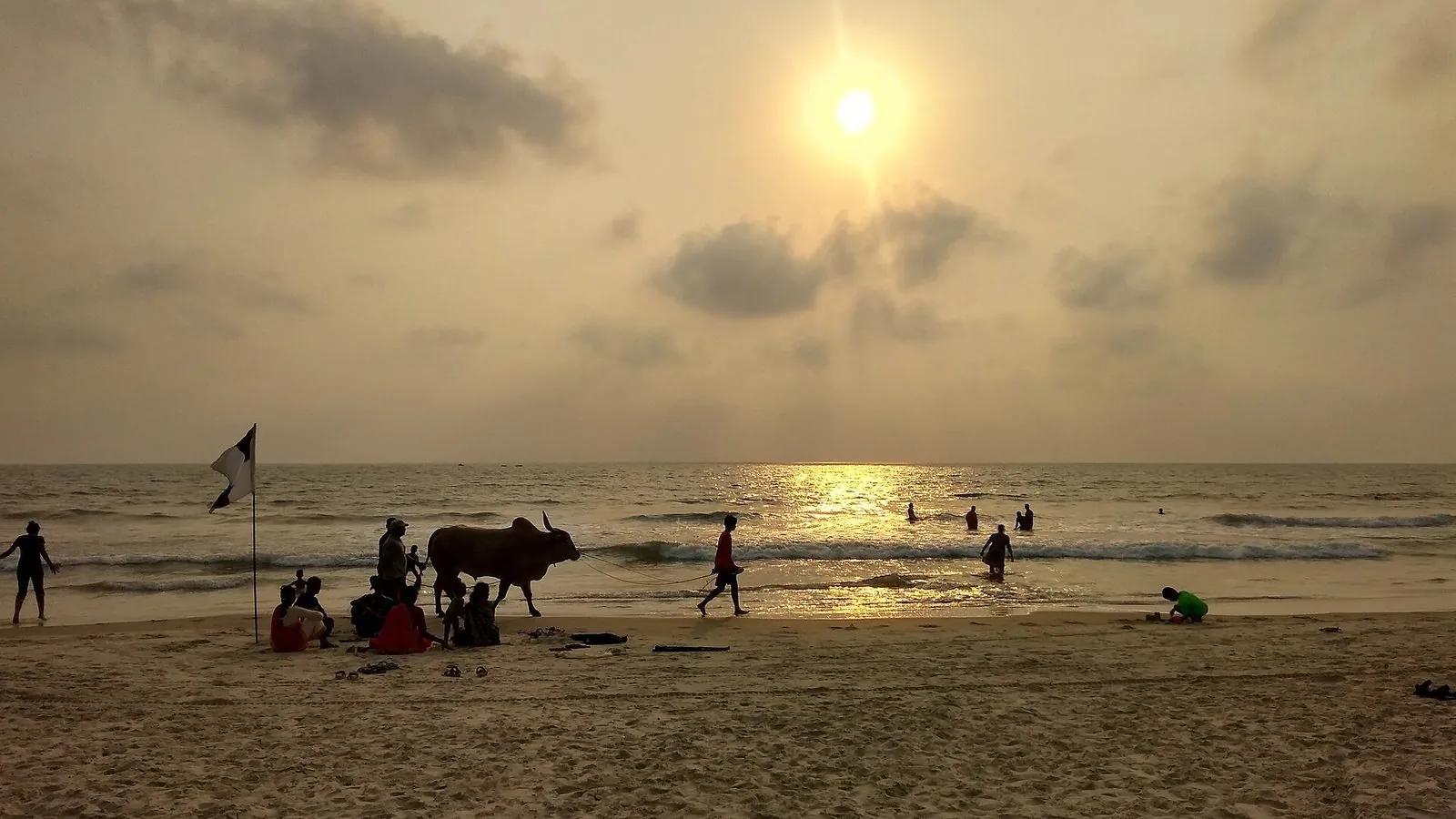
Where to Stay in South Goa (and Why You Should Pick One Base)
Palolem, Agonda, Patnem, Benaulim or Colva? An honest guide to choosing one South Goa base for your trip, airport, family and transport plan.