
The Quiet Beaches of South Goa (the Ones Palolem Isn't)
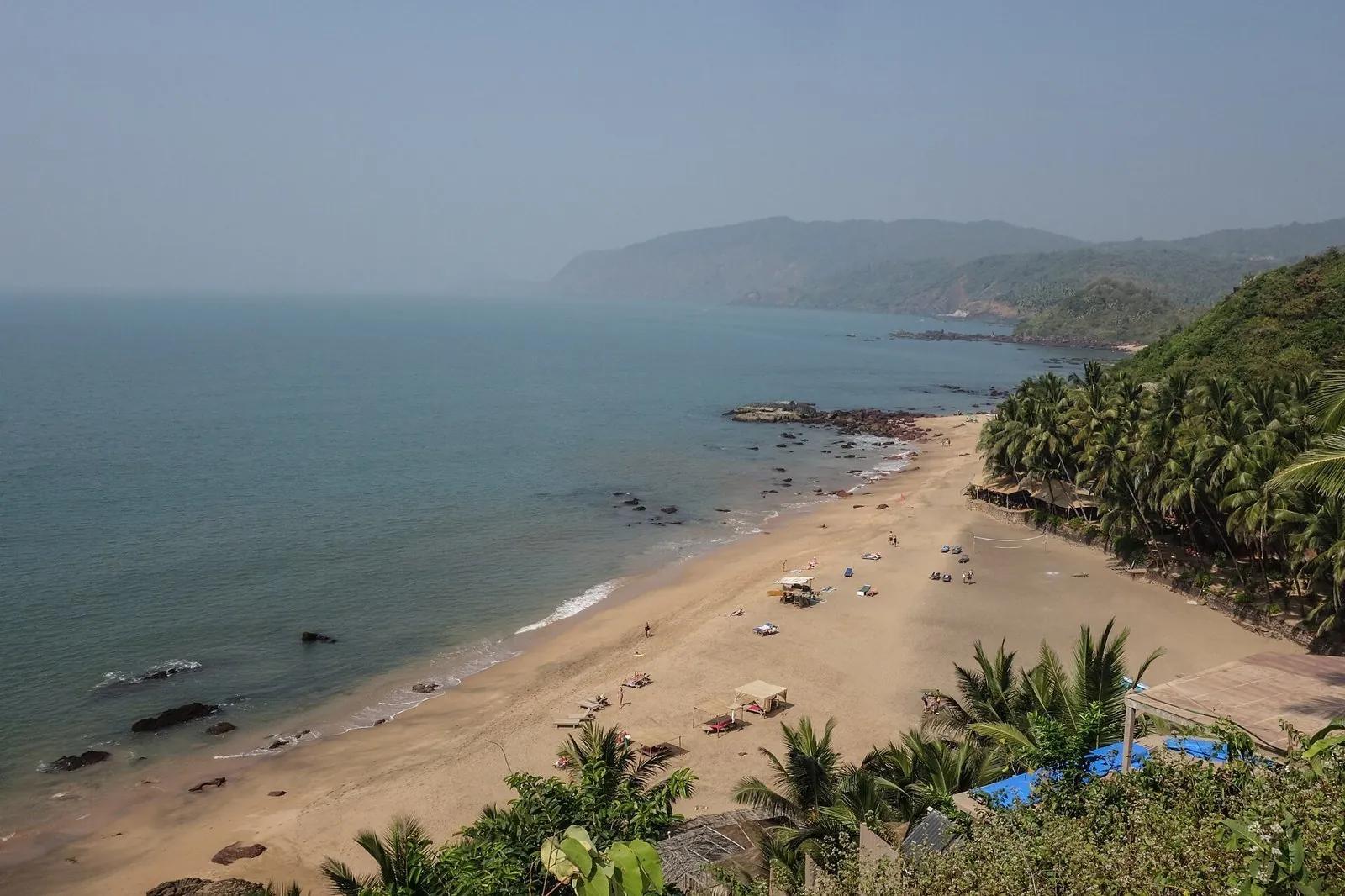
The quiet beaches of South Goa are real. They are just, mostly, not the one you have been sold as quiet. If a listicle told you to go to Palolem to escape the north, it was working off a memory from about 2010. Palolem is now a curved wall of sunbeds and thatch umbrellas with a bed for every metre of sand, and the actual quiet has moved. One cove over. An hour further south. Down a road nobody paves.
I write for Refuje and I do not live in Goa, so the judgement calls here lean on Goans and repeat visitors on r/Goa and r/goatravel, plus a hidden-gems dataset our team built of 49 South Goa spots. One r/Goa user, watching Palolem fill up, put it flatly: the beach has just become another commercialized mass tourist beach. Another counted the cost more precisely, asking how many trees got cut to make room for all the shacks. Names below are theirs, reported rather than endorsed, because a beach that was empty last winter can have a coconut-shack row by the next.
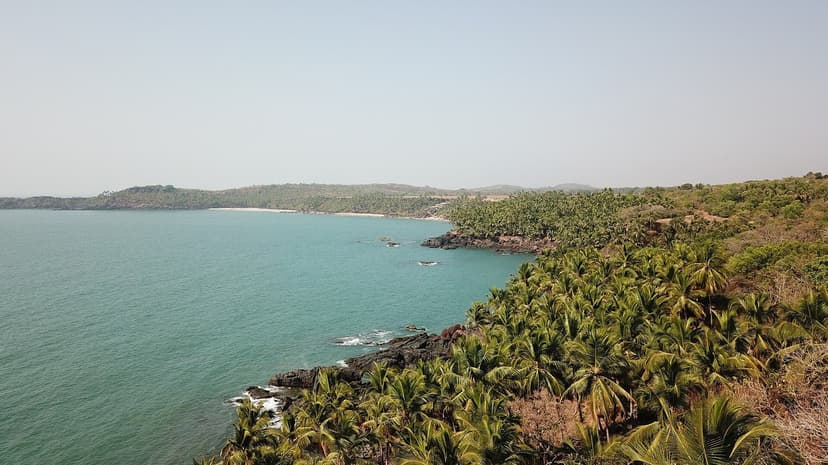
So this is a map of where the quiet actually went: the lagoon at Cola, the coves you reach by boat or by scrambling over rocks, the far-south beaches past the turtle nesting grounds, and the walk-past ends of the beaches everyone else parks at. It also has the part the brochures skip, which is that some of these are getting loved to death too.
- Where
- Canacona (deep south) + Salcete coast, South Goa
- Best months
- November to March, dry season
- The genuinely quiet ones
- Cola, Talpona, Galgibaga, Polem, the boat coves
- Beaches to skip if you want quiet
- Palolem and Colva. They are the busy ones now
- How you get around
- Rented scooter or a taxi. There is no easy public transport to most
- Turtle nesting
- Galgibaga, roughly December to March (Forest Department)
- Nearest airport
- Dabolim, about 1.5 to 2 hours by road
- One rule
- The emptier the beach, the more you carry back out with you
| Palolem or Colva | Cola, Agonda, the far south | |
|---|---|---|
| The crowd | Sunbeds wall to wall in season | A few families, sometimes no one |
| Getting there | Straight off the road, taxis waiting | A rough track, a boat, or a scramble |
| Shacks and sunbeds | Rows of both | One family stall, or nothing at all |
| Swimming | Lifeguards, flags, company | You watch the currents yourself |
| Best for | A lively base with ATMs and stays | The empty beach you actually pictured |
Start with Cola, and the lagoon behind the sand
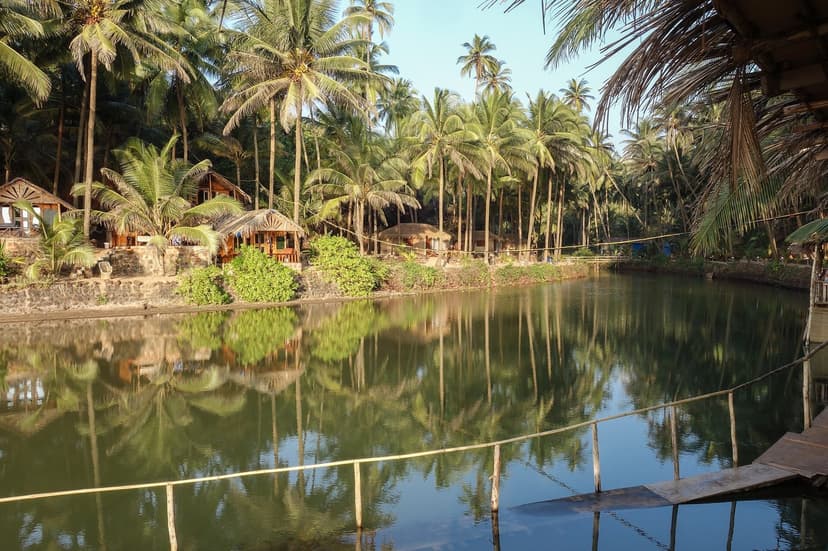
If you do one beach off this list, do Cola. It sits in Canacona, roughly 12 km short of Agonda, and its trick is a freshwater lagoon: a creek runs down off the hills and pools behind the sand before it reaches the sea, green and flat and warm enough to float in. The sea is on one side of a thin sand bar, the lagoon on the other. People come for the lagoon.
Getting there is the filter that keeps it calm. The road is fine as far as Cola village, then it turns to rutted laterite and you either have a sturdy scooter, a taxi driver who agrees to abuse his suspension, or a boat from Agonda. It is not a trek, whatever a blog told you; it is a rough drive and a short walk down some steps. Do that much and you have already lost most of the crowd.
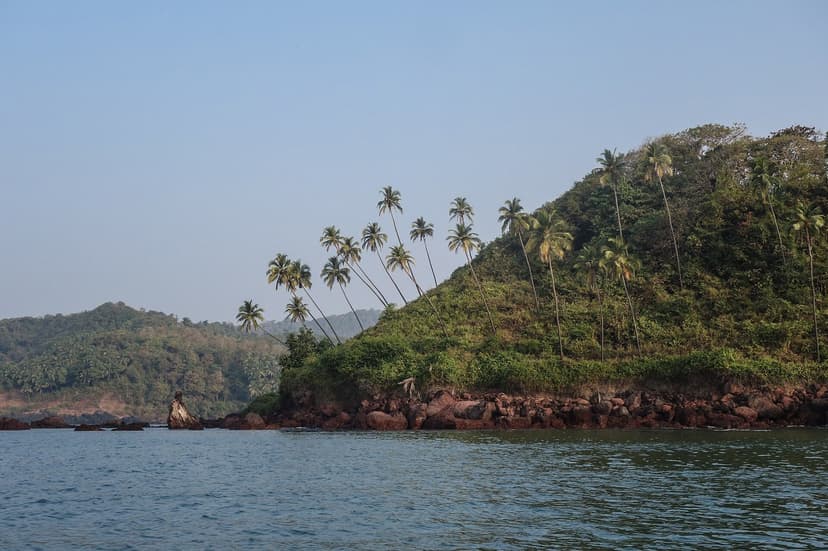
One honest caveat, because it comes up. Cola is no longer a secret, and on r/goatravel you will find people calling it a tourist trap now, the huts overpriced, the lagoon busier than the photos suggest at peak season. Both things are true at once. Go on a weekday, go early, and treat the ten-year-old glowing reviews as aspiration rather than promise.
The coves you have to earn
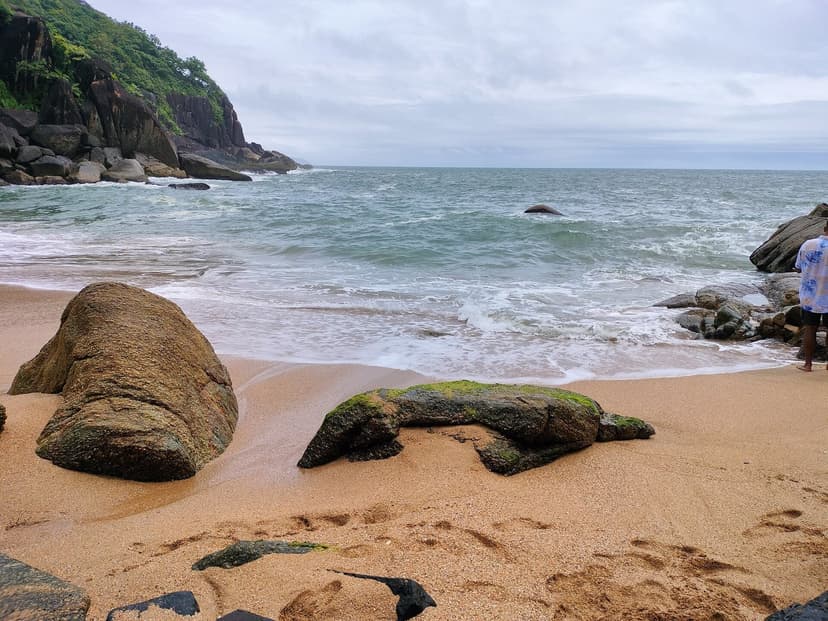
Then there are the beaches with no road at all. Butterfly Beach is the famous one, a small cove tucked between Palolem and Agonda. You reach it two ways. The pretty way is a boat from Palolem or Agonda, fifteen minutes across the water, often paired with a dolphin-spotting loop. The stubborn way, described by one r/goatravel user, is to go to the far left end of Palolem, find the huge rocks, and climb over them. His verdict: quite difficult to reach, but totally worth it.
Be warned that Butterfly has been discovered. The same threads that recommend it also grumble that it is commercialised now, that you cannot really swim there any more, and that the boatmen quote steep rates to shuttle you onward. One regular put the maths bluntly: a thirty-minute boat ride does not make it worth it unless you are staying half a day, so go to swim and sit, not to tick a photo. And, he added, please do not litter.
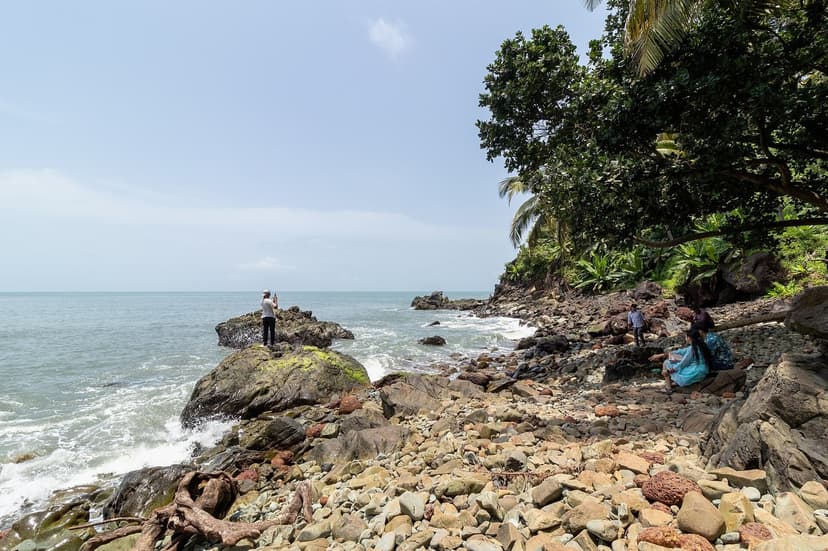
Kakolem, which the boards call Tiger Beach, asks even more of you. The trailhead is off the Cabo de Rama road, and the descent is a steep, slippery scramble of roughly half an hour through scrub down a cliff, then the same back up in the heat. There is no shack at the bottom and no shade, and the half-litre of water you forgot becomes the only thing you think about on the climb back up. Go early, before the heat lands, and carry out whatever you carry in, because nobody down there will do it for you. Honeymoon Beach and the rock everyone calls Monkey Island are boat-only stops on the same stretch, best strung together with a Cola or Agonda boatman for a morning.
You need to go extreme left of Palolem, then you will see some huge rocks which you will need to cross. It is quite difficult to reach tbh, but totally worth it.
The far south, where the map runs out
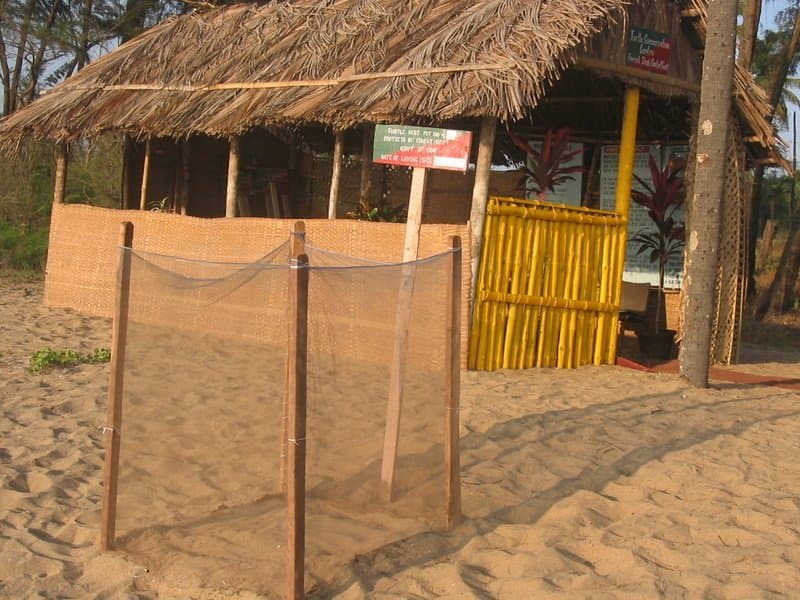
Keep driving south past Palolem and the beaches thin out into the ones almost no itinerary reaches. Talpona is a river-mouth beach with no shacks and no signage, reached past a village on the coastal road; you walk the sand between the river and the sea and that is the entire attraction. Polem is the last beach in Goa before the Karnataka border, a dead-end where most tourists have already turned back at Palolem, which is exactly the point.
Between them sits Galgibaga, better known as Turtle Beach, and it is a working conservation site rather than a scene. It is one of only three beaches in Goa, with Agonda and Morjim up north, where Olive Ridley turtles come ashore to nest, and the Forest Department fences off the nests through the winter. Nesting runs roughly December to March. It has been a thin year: by February 2026 only around sixty-six turtles had come ashore across all of Goa, down on previous seasons. So keep well clear of the netted zones, do not use lights on the beach at night, and treat a sighting as luck, not a scheduled show. Neighbouring Rajbag is quieter still, though it is worth knowing a large resort sits behind it, so it is wild sand rather than wilderness.
The quiet ends of the busy beaches
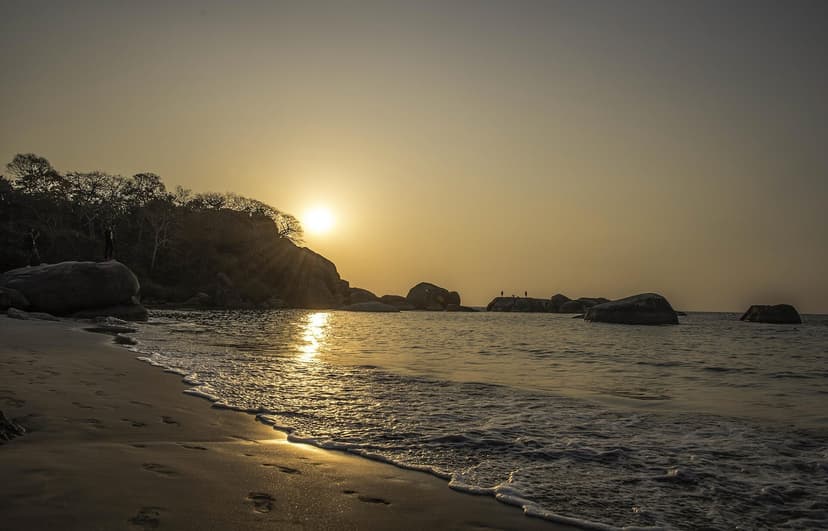
You do not always have to drive to the border. Several of Salcete's long beaches are busy only at one entrance, and empty if you walk. Sernabatim is simply the far end of Colva, ten minutes on foot from the crowds toward Benaulim, and most people never make the walk. Utorda and Arossim sit behind resorts that never bothered to market the actual beach, so on a weekday morning you can have a palm-backed stretch to yourself. Betul, south of the Mobor headland, trades tourists for fishing boats at the river mouth. Hollant is a small locals' beach wedged between the airport and Bogmalo that no guidebook sends you to.
The honest recommendation across all of them is the same. Agonda is the one to base yourself at if you want quiet without going fully feral. It is the beach r/Goa users name first when the question comes up, with morning walks, decent food, and hosts who remember you, and none of the strip-lit thump of the north. One user summed up a lot of threads in six words: Agonda is my favourite of all.
What the brochures leave out
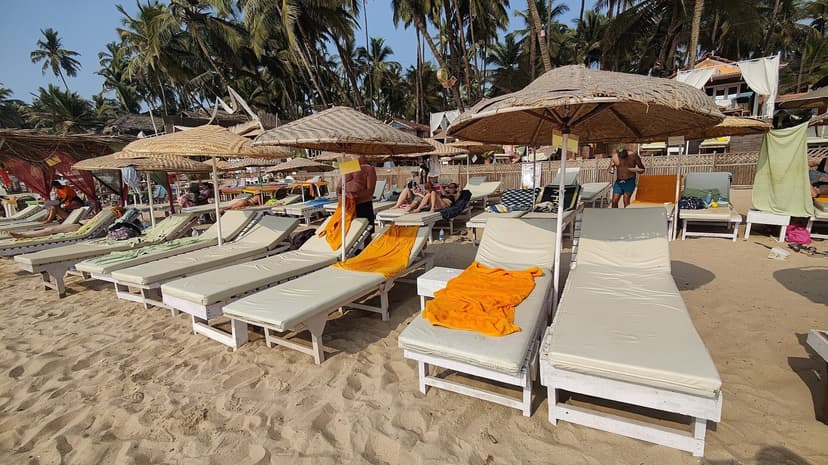
Three things, quickly, because they decide whether the trip works. First, Colva and Palolem are not on this list for a reason. Both are developed, crowded and shack-lined, and if a guide files them under "quiet South Goa," it is running on nostalgia. Use them as bases with buses and ATMs if you like, but drive out for the actual beach.
Second, the sea here is not a swimming pool. The same rip currents that run the whole Goa coast run these emptier beaches too, and the emptier the beach, the less likely a Drishti lifeguard is watching. One r/Goa user described nearly being dragged out at Ashwem in the north without even realising it was happening, saved only because two lifeguards spotted her. On a beach with nobody on it, there is no one to spot you. Respect the red flags, and in the monsoon, roughly June to September, most of these beaches lose their shacks entirely and the swimming stops being sane at all.
The trade for an empty beach is that you are on your own. No lifeguard, no shack, often no phone signal. Carry water, carry your rubbish back out, watch the currents, and do not let a boatman leave you somewhere for longer than you agreed. The single most repeated plea across every South Goa thread is the simplest: do not litter the beaches you came to find because they were clean.
Third, the quiet is fragile, and you are part of the risk to it. Every beach on this list is one viral reel away from a shack row. The Reddit users who name these places also police them, and the recurring ask is to go lightly: buy from the one family running a stall, take nothing, leave nothing, and do not geotag the last empty cove into oblivion.
Want a South-Goa-side read on which of these fits your dates and how you are getting around, without a scooter or with kids? Email us your plan and we will tell you which cove is worth the rough road and which one is a boatman story.
Common questions
Which is the quietest beach in South Goa?
For genuinely empty sand, the far-south Canacona beaches: Talpona, Galgibaga and Polem, plus the boat- or scramble-only coves like Butterfly, Honeymoon and Kakolem. Cola is the most beautiful of the easy-to-reach quiet beaches but is no longer a secret. Agonda is the best all-round quiet base.
Is Palolem still worth visiting?
For a lively, walkable beach with lots of shacks and stays, yes. For quiet, no. Palolem is now developed and crowded in season, which is why Goans point newcomers further south. Use it as a base and drive out to the emptier beaches for the day.
How do you get to Cola Beach?
By road to Cola village in Canacona, then a rough laterite track and a short walk down steps to the sand and the lagoon. A sturdy scooter or a willing taxi does it; a boat from Agonda is the alternative. It is a bumpy drive, not a trek.
How do you reach Butterfly Beach?
Either a 15-minute boat from Palolem or Agonda (often bundled with dolphin-spotting), or on foot by crossing the rocks at the far-left end of Palolem, which is a real scramble. It is small, has no facilities, and is more crowded and commercial than it once was, so come to sit rather than to tick a box.
When can you see turtles at Galgibaga?
Olive Ridley nesting season runs roughly December to March, managed by the Goa Forest Department, which fences off the nests. 2026 has been a low year. Sightings are never guaranteed, keep clear of the netted zones, and avoid lights on the beach at night.
Can you swim safely at these beaches?
Only with care. The Goa coast has strong rip currents, and the emptier the beach, the less likely a lifeguard is present. Respect the red flags, do not swim out, and avoid the monsoon (June to September) when most beaches close for swimming and lose their shacks.
What is the best quiet beach to base yourself at in South Goa?
Agonda is the popular answer: calm, walkable, with good food and quiet stays, and central to the far-south beaches. Cola and Patnem are alternatives, though Colas stays are basic and Patnem is Palolems slightly quieter neighbour rather than truly remote.
How do you get around South Goa?
A rented scooter is the most flexible way and the local recommendation; a car or taxi works but Goas taxi rates are high and fixed. Public buses reach the towns but not most of these beaches, and the walk from Canacona station to Palolem is long and not advised with luggage.
If you want the rest of the coast
This is the south. For the northern half of the same idea, read the quiet beaches of North Goa, and if you are still deciding which half to fly into, North Goa versus South Goa lays out the choice. For eating well once you are down here, see where the real Goan seafood is; for when to come and when not to, the worst time to visit Goa; and because you will need wheels, getting around Goa without the taxi mafia.
Sources and a note on this guide
I write for Refuje and I do not live in Goa. The beach selection comes from a 49-place South Goa hidden-gems dataset our team built, cross-checked against Goans and repeat visitors on r/Goa and r/goatravel, quoted and attributed and reported rather than endorsed. Treat named beaches as leads and expect the quieter ones to change, because that is what they do.
Sourced facts: Cola's freshwater lagoon and its rough-road access (Goa travel references, verified 2026); Butterfly, Honeymoon and Kakolem access by boat or trail (r/goatravel threads + Goa Tourism); Galgibaga, Agonda and Morjim as Goa's three official Olive Ridley nesting beaches, Forest-Department managed, with the low 2026 count of around 66 turtles by February (O Heraldo and The Goan, February 2026). Reddit voices on Palolem's development, Butterfly's commercialisation, Agonda, Cola and rip-current safety are attributed inline. Prices, shacks and boat rates change every season, so confirm on the ground.
You Might Also Like
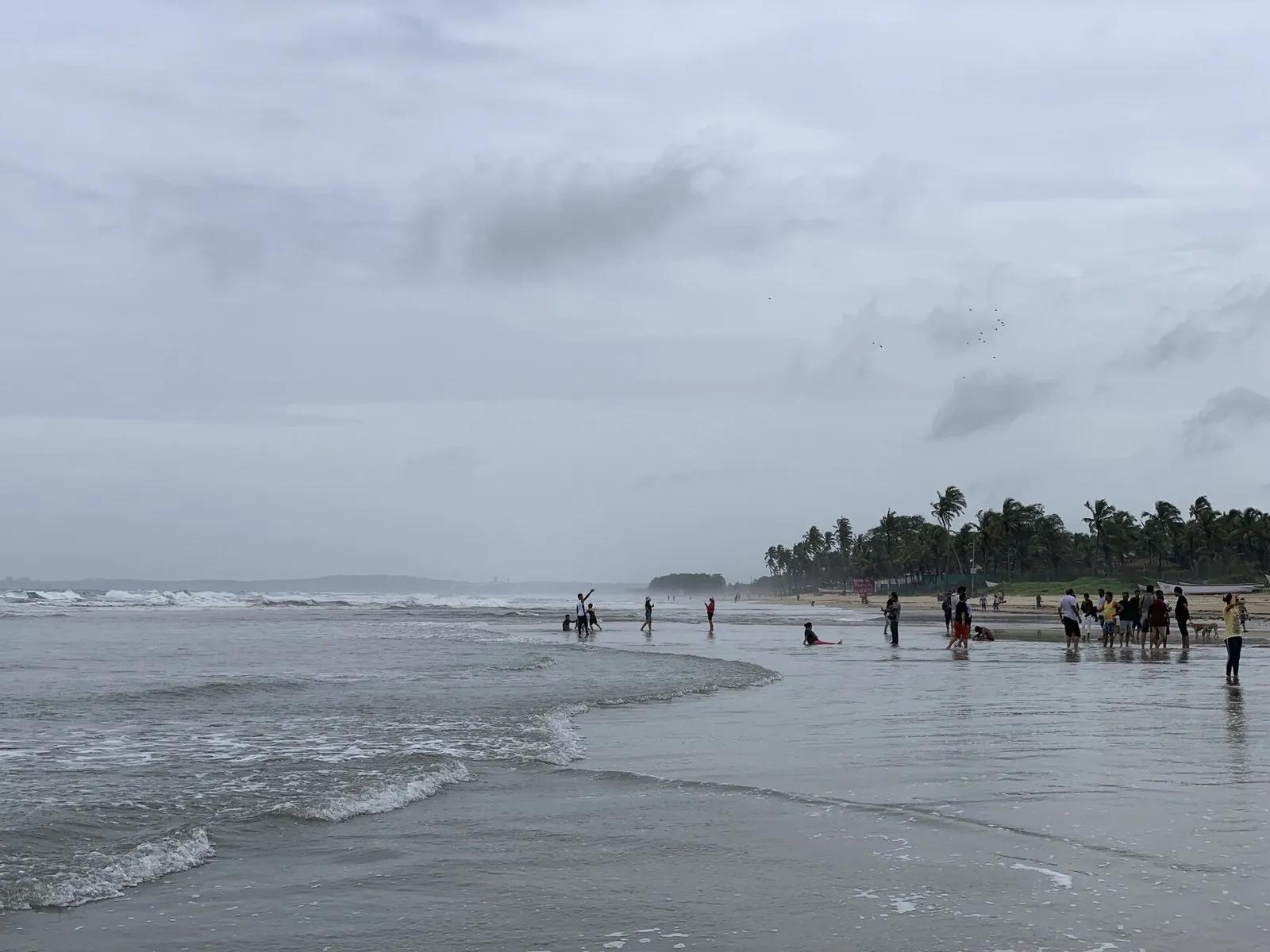
South Goa in the Monsoon: Is It Actually Worth It?
South Goa in July or August can be green, quiet and deeply restful, but it is not a winter beach trip. Here is what works, what closes and who should go.
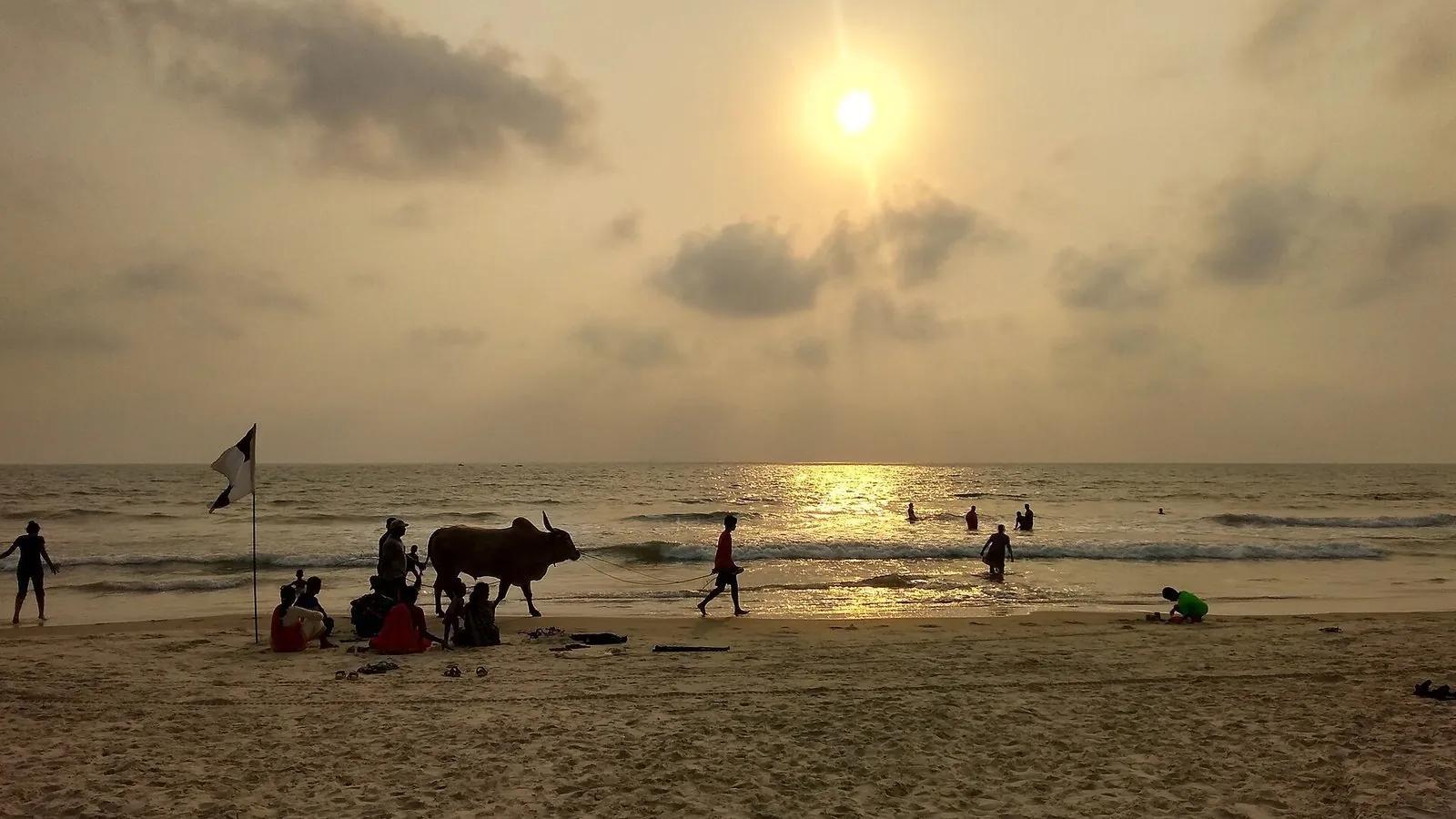
How to Visit South Goa Respectfully: A Guest's Guide
South Goa is a lived-in coast, not a resort set. Here is how to handle waste, sound, roads, heritage, turtle habitat and local spending as a considerate guest.
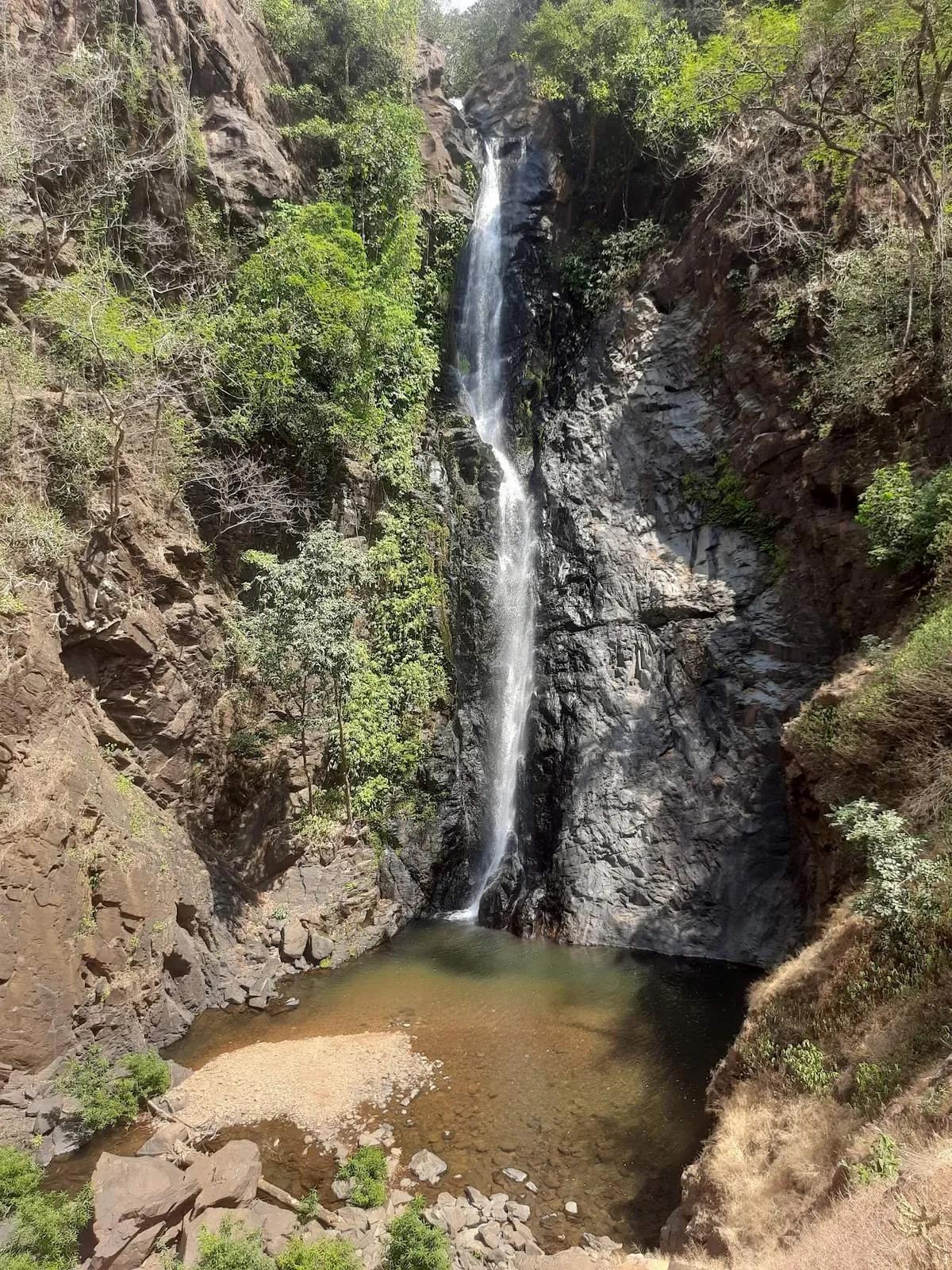
Netravali and South Goa's Waterfalls: Beyond Dudhsagar
Choose Savri or Mainapi, understand the current water-entry rules, and split Netravali from the Cotigao–Kuskem side of South Goa's interior.