The Quiet Beaches of North Goa (and Two Things the Brochures Leave Out)
The most asked and most dodged question on the Goa forums is some version of: are there any quiet beaches left? Ask it and you get the same non-answer every time. The secluded ones will not be named publicly, one local says, you will have to ask around. Please do not post the names here, says another, let them stay a secret. It is not rudeness. It is people who have watched a calm cove become a car park the month after it went viral, and would rather you did the small work of finding it yourself. So this is not a list of GPS pins to somebody's private beach. It is where the quiet actually still is in North Goa, how the pattern works, and two honest things about Goan beaches that the brochures leave out.
I write for Refuje and I do not live in Goa. The beaches here are the ones people are willing to name and the ones you can find on any map, drawn from r/Goa and r/goatravel threads and cross-checked against the coast; the water-quality figures are from Goa's own pollution board. The honest headline is this. North Goa still has genuinely quiet beaches, all of them at the edges of the map, but the popular strip is both packed and, by the state's own testing, not clean, so a little planning and a little care go a long way. Go to the edges, go on foot where you can, and take your rubbish home.
Where the quiet actually is
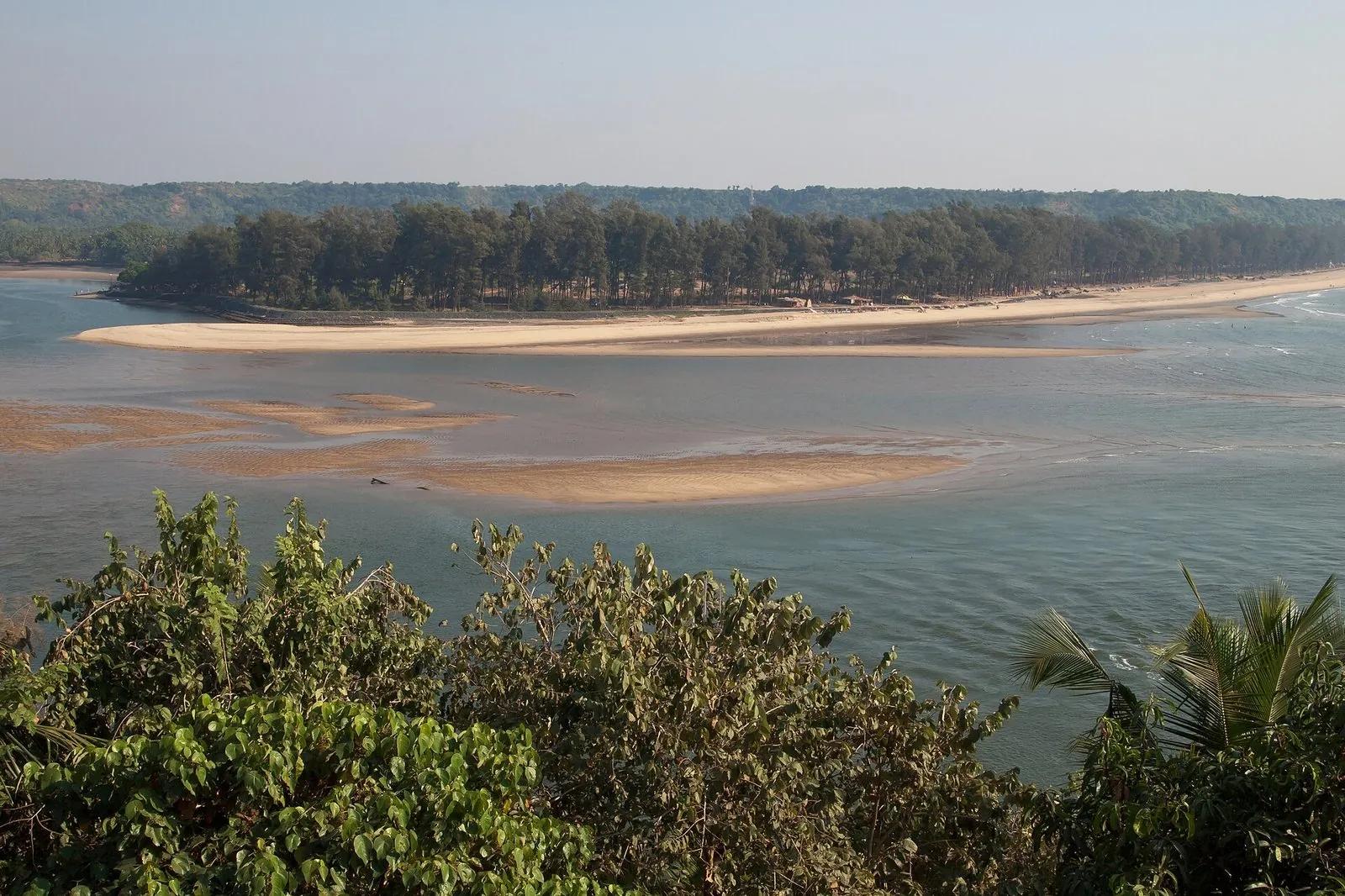
The rule is boringly simple. The crowd stops where the shacks and the car parking stop, so the quiet starts at the edges of the map. Go far enough north and you run out of both. Past Arambol, right up against the Maharashtra border, Querim is a long shack-free sweep of sand where the Terekhol river slides into the sea, and just south of it sits Kalacha, which we will come back to. North of Mandrem, Ashwem is the one Redditors name when you push them, sparser and calmer than the Vagator-Anjuna belt without being a slog to reach. One commenter, asked where you could still find seclusion up here, did not hedge: not Vagator, he said, you have to go extreme north, out towards Querim. Another swore a quiet cliff and beach up that way beat the famous Cabo de Rama down south for sheer peace. It is the answer most locals give and most tourists never act on, because it means an hour of scooter past the room they already booked.
The ones you have to walk to
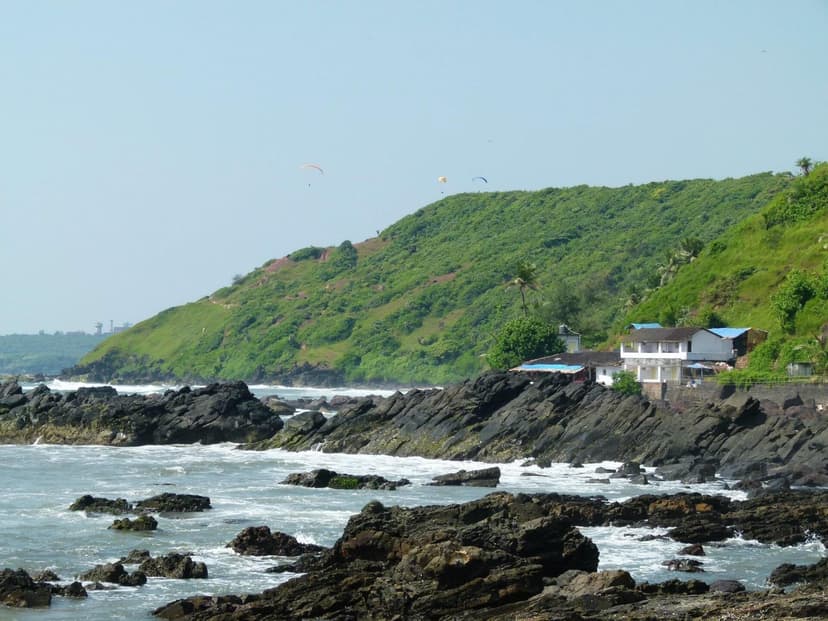
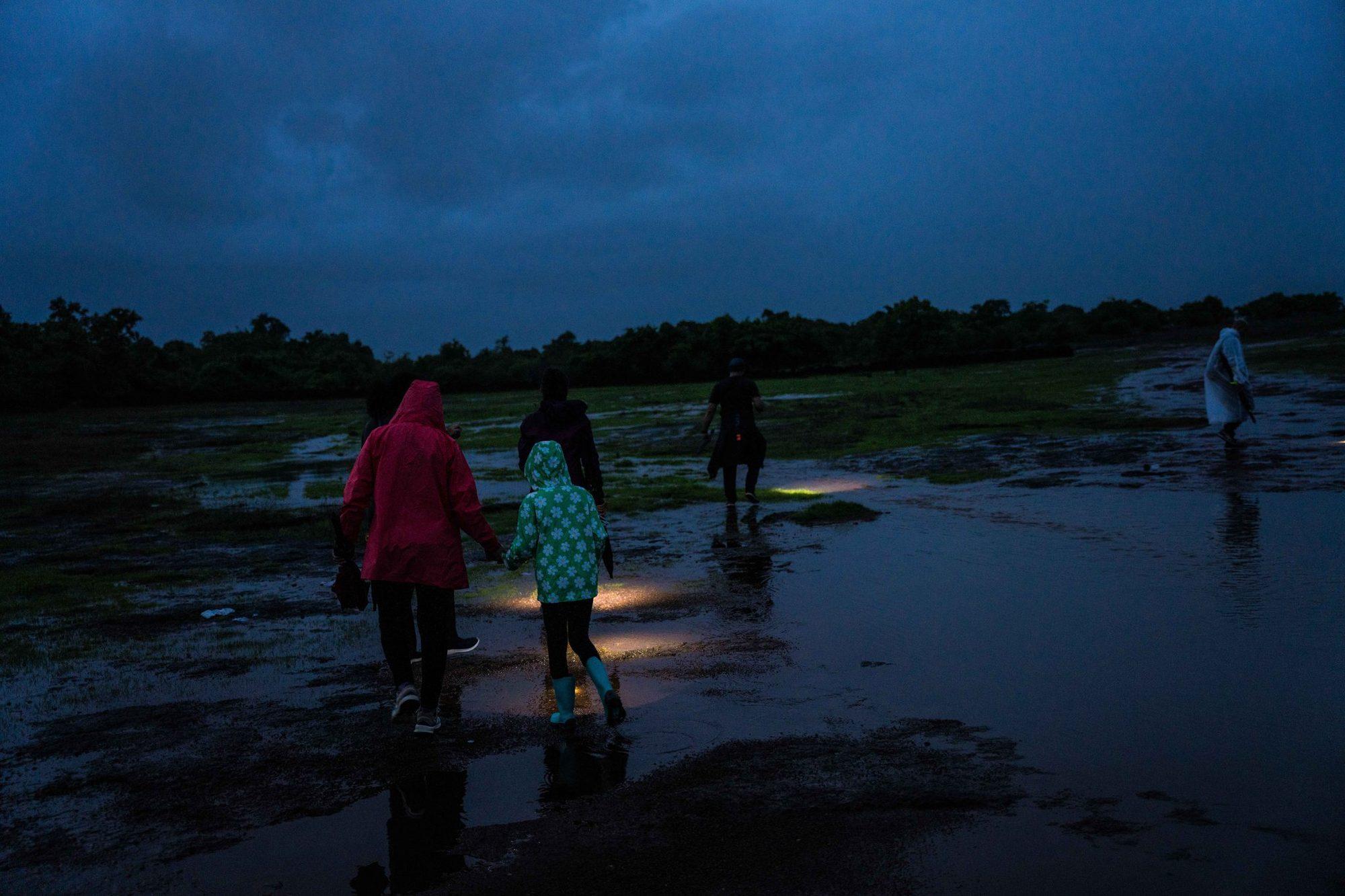
The surest way to a quiet beach in North Goa is to pick one with no road. Kalacha, tucked between Arambol and Querim, is the classic: there is no driving to it, only a twenty to thirty minute cliff walk from Arambol beach or down from the Querim side, and that short barrier is exactly what keeps it calm. Its trick is a sweet-water lake, Vagkolam, sitting just behind the sand, so you get a freshwater dip on one side and the sea on the other, with a paragliding hill above. It is lovely, and I have to be straight about it, because the regulars are: recent reviews and posts flag a growing litter problem, the usual fate of a walk-in spot that got popular, so go early, and carry out everything you carry in, including other people's bottles if you have a spare hand. The walk is the point. It filters out the crowd, and it should filter you in as someone who leaves it better than they found it.
The village and river beaches
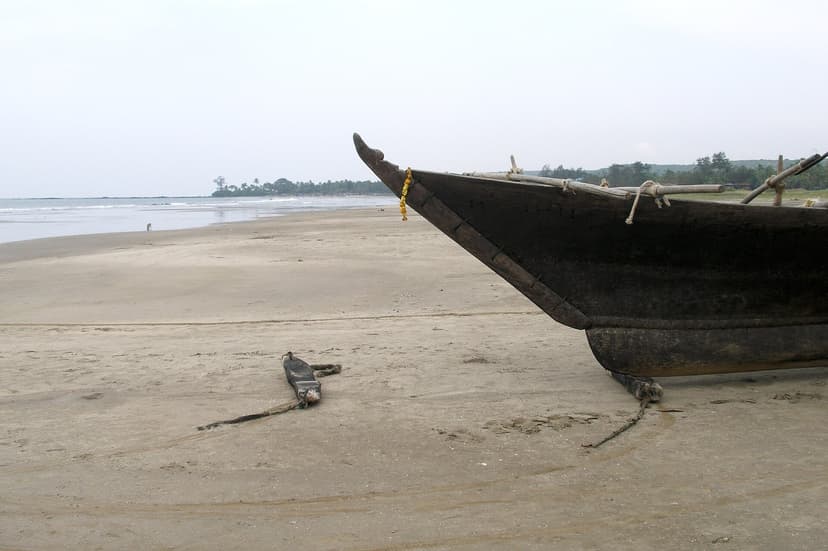
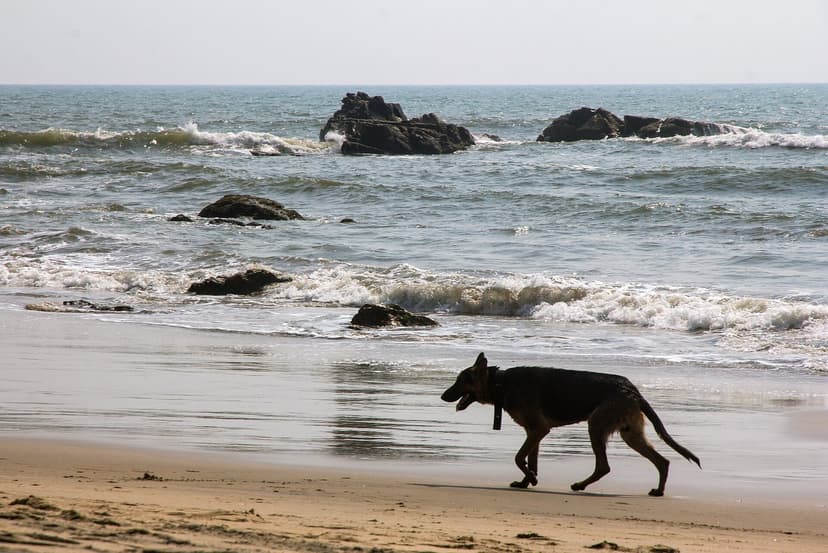
Not every quiet beach needs a hike; some are just overlooked. On the river rather than the open sea, Uddo, on the Siolim side near the Chapora mouth, is a calm strip with a walkway where people kayak at sunset and, by one account, you can have the sand more or less to yourself. Nearer Panjim, Quedevelim is a small village beach by Nerul, below the Reis Magos fort, with no shacks and no water sports, where the local scene is a game of cricket and a sunset rather than a jet-ski; it is rocky in places and not really a swimming beach, but it is about as far from Baga as Goa gets while still being twenty minutes from it. And even the bigger northern beaches, Morjim, Mandrem, empty out startlingly at their far ends if you just walk ten minutes from the shacks. The quiet North Goa beach is usually a working, slightly scruffy, real place, a fishing boat and a dog and nobody selling you anything, not a manicured resort strand. That is the whole appeal.
The secluded ones will not be mentioned publicly. You will have to ask some locals.
Two things the brochures leave out
First, the litter, which follows popularity like a shadow. The moment a quiet beach trends, it starts filling with the plastic of the people who came for the photo; one r/Goa commenter described a content creator hyping a remote spot that was, in reality, already dirty. If you want the quiet beaches to stay worth visiting, the deal is simple: leave nothing, and it helps to take a little extra out. Second, and less romantic, the water. Goa's own State Pollution Control Board tested the sea through 2024 and into 2025 and found faecal coliform levels running from 500 to over 1,000 units against a safe bathing limit of 100, driven by untreated sewage; of nineteen beaches studied, only one, Varca in the south, met the safety mark, and the popular North Goa names, Baga, Calangute, Vagator, Morjim, Arambol, were among those flagged. Goa has no beach that meets blue-flag cleanliness. This does not mean never swim. It means treat the water with sense, especially after rain and near river mouths and towns, favour the open, less built-up stretches, and think of some of these quiet beaches as places to walk, sit and watch rather than to plunge into without a thought.
| The beach-strip beach | The quiet beach | |
|---|---|---|
| Where | Baga, Calangute, Candolim | Querim, Kalacha, Ashwem, Uddo, Quedevelim |
| The scene | Shacks, jet-skis, vendors, crowds | A fishing boat, a dog, almost nobody |
| Getting there | Park and walk to the sand | An hour further north, or a cliff walk |
| The catch | Packed, and the water often fails tests | Check the tide, carry your rubbish out |
| Best for | Nightlife and easy access | A quiet walk, a swim with care, a real coast |
Quiet beaches, done right. Go to the edges: far north (Querim, Kalacha, Ashwem) or the overlooked river and village beaches (Uddo near Siolim, Quedevelim near Nerul). For the hike-in ones like Kalacha, wear grippy shoes, carry water, check the tide before you set off, and go early. On safety, respect the sea, it has strong currents and few lifeguards away from the main beaches, and do not swim alone at a deserted beach. On the water quality, favour open, less built-up stretches, avoid swimming right after heavy rain or near river mouths and drains, and rinse off after. And the golden rule for keeping any of this worth doing: carry out every scrap of rubbish, including a little of what others left. Confirm access and tides locally, since both change.
- The idea
- North Goa still has quiet beaches, but they are all at the edges of the map, and the truly secret ones locals will not name publicly. Go far north or to the overlooked river and village beaches, and be ready to walk.
- Far north and hike-in
- Querim (a shack-free sweep by the Terekhol river), Kalacha (a hike-only beach with a sweet-water lake, between Arambol and Querim, with a growing litter problem), and Ashwem (a calmer stretch north of Mandrem) are the ones locals name for seclusion.
- River and village
- Uddo, a riverside beach near Siolim at the Chapora mouth, is quiet and good for kayaking. Quedevelim, near Nerul below Reis Magos, is a shack-free village beach for cricket and sunsets, rocky and not for swimming. Even Morjim and Mandrem empty out at their far ends.
- The water-quality caveat
- Goas pollution board found faecal coliform far above the safe bathing limit through 2024-25, from untreated sewage; of 19 beaches only Varca (south) passed, and popular North Goa beaches were flagged. Swim with care, favour open stretches, and avoid river mouths and post-rain water.
- The etiquette
- Litter follows popularity, so the deal for quiet beaches is to leave nothing and take a little extra out. Do not broadcast someones private spot, respect strong currents and the lack of lifeguards, and do not swim alone at a deserted beach.
An empty beach with a fishing boat and no one trying to sell you a parasail ride is still very much findable in North Goa, if you are willing to drive a bit further or walk a bit more. It is the same coast this series keeps chasing, the one beyond the beaches everyone books; it connects to the quiet water of the backwaters and mangroves by kayak, some of it off these very river beaches, and to the ferry-and-fields calm of Divar island. You can see the North Goa experiences that are currently bookable on the North Goa things-to-do page.
Common questions
Are there any quiet or secluded beaches left in North Goa?
Yes, but they are at the edges, and the very quietest ones locals deliberately keep off the public lists. The reliable pattern is to go far north, past Arambol towards the Maharashtra border, where Querim, Kalacha and Ashwem are much calmer than the Vagator-Anjuna-Baga belt, or to the overlooked river and village beaches like Uddo near Siolim and Quedevelim near Nerul. The crowd tends to stop where the shacks and parking stop, so a little more distance or a short walk buys a lot more quiet. Do not expect total solitude in peak season, but you can absolutely escape the crush.
Which North Goa beach do you have to hike to?
Kalacha, between Arambol and Querim, is the classic hike-in beach: there is no road to it, only a roughly 20 to 30 minute cliff walk from Arambol or down from the Querim side, which is exactly what keeps it quiet. It has a sweet-water lake, Vagkolam, just behind the sand and a paragliding hill above. Be aware that its popularity has brought a litter problem, so go early and carry everything out. Wear proper shoes for the cliff path, take water, and check the tide before you set off.
Is it safe to swim at Goas beaches?
With care. Two things matter. First, water quality: Goas own pollution board found faecal coliform levels far above the safe bathing limit through 2024 and 2025, mostly from untreated sewage, and only one of nineteen beaches tested (Varca, in the south) met the standard, with popular North Goa beaches flagged. Favour open, less built-up stretches, and avoid swimming right after heavy rain or near river mouths and drains. Second, currents: away from the main patrolled beaches there are few or no lifeguards and the sea can be strong, so do not swim alone at a deserted beach and respect any red flags or local warnings.
Why wont locals share the names of secluded beaches in Goa?
Because they have seen what happens next. On the Goa forums, requests for secret beaches are routinely met with a polite refusal, let them stay a secret, ask a local, because a quiet spot that gets named and geotagged tends to fill with crowds and litter within a season. It is protective rather than unfriendly. The practical takeaway is to do a bit of the legwork yourself, be willing to explore the far north and the village beaches, ask people in person rather than expecting a map online, and, when you find somewhere quiet, extend the same courtesy by not broadcasting it.
What are the quiet beaches near Panjim or the Reis Magos side?
The nicest overlooked one is Quedevelim, a small village beach near Nerul, below the Reis Magos fort, reached on a scenic green road. It has no shacks and no water sports; the scene is locals playing cricket and watching the sunset. It is rocky in places and not really a swimming beach, but for a quiet, authentic stretch that is only about twenty minutes from the Candolim crowds it is hard to beat. Combine it with a visit to the restored Reis Magos fort just up the road for an easy, low-key half day away from the strip.
When is the best time to visit North Goas quiet beaches?
The dry season, roughly November to March, is best for calm seas and clear skies, and early morning is the sweet spot at any beach for both quiet and cooler air, especially at the hike-in ones like Kalacha. Avoid the monsoon months for swimming, when the sea is rough and often officially off-limits. Whatever the month, the far-north and village beaches are quieter on weekdays than at weekends, when Goans themselves head to the coast. Check tide times for anywhere with a cave or a rocky approach, such as the Querim sea cave, which is cut off at high tide.
Sources and a note on this guide
I write for Refuje and I do not live in Goa. The beaches named here are the ones Goans are willing to name on r/Goa and r/goatravel and the ones on any map, quoted and attributed where a specific voice is used, and reported rather than endorsed; I have deliberately not published directions to anyone's unnamed private spot, in keeping with what that community asked. The water-quality figures, faecal coliform levels through 2024 to 2025, the single compliant beach and the absence of blue-flag beaches, are from Goa's State Pollution Control Board as reported in the Goan press. Litter, access, tides and water conditions all change, so treat everything here as a starting point and check locally before you swim or set off on a cliff path. The facts were checked in August 2026.
- The quiet and far-north beaches (Querim, Kalacha, Ashwem, Uddo, Quedevelim), the reluctance to name secret spots, and the litter warning: attributed r/Goa and r/goatravel threads and an offbeat-places research dataset, treated as leads.
- Kalacha as a hike-only beach with the Vagkolam sweet-water lake, and the Querim sea cave cut off at high tide: the research dataset and travel references.
- The water-quality data, faecal coliform levels versus the safe bathing limit, only Varca compliant, and no blue-flag beaches: Goa State Pollution Control Board testing as reported in the Goan press.
Beaches change fast, with erosion, litter, building and shifting water quality, so check current conditions and any advisories before you go, and swim within your limits. If you know a quiet beach worth protecting, protect it, and tell only the people who will treat it well.
You Might Also Like
Edge City India 2026: The Practical Guide
Three weeks in Mandrem, North Goa. October 11 to November 1, 2026. Hundreds of founders, researchers, engineers, and creators living and building on a stretch of beach that is usually known for yoga retreats and quiet cafés, not hackathons. If you have applied, or you are wondering whether you...
Solo Female Travel in Goa: An Honest Safety Guide
An honest, balanced safety guide for women travelling to Goa alone: why it's comparatively safe and loved by many yet has a real, worsening harassment problem concentrated on the party beaches, where to base for a calmer trip, and the practical choices that tilt the odds in your favour.

Working Remotely from North Goa: The Honest Digital-Nomad Guide
An outsider's honest guide to working remotely from North Goa: why it isn't the beach-office of the photos, the power-and-internet problem that decides everything, where to base (Assagao, Siolim, Caranzalem), the cost, solo-female safety, and how to be a good guest rather than a coloniser.