
Cherry Blossoms in Himachal Pradesh: India's Hanami, Before Japan (2026)
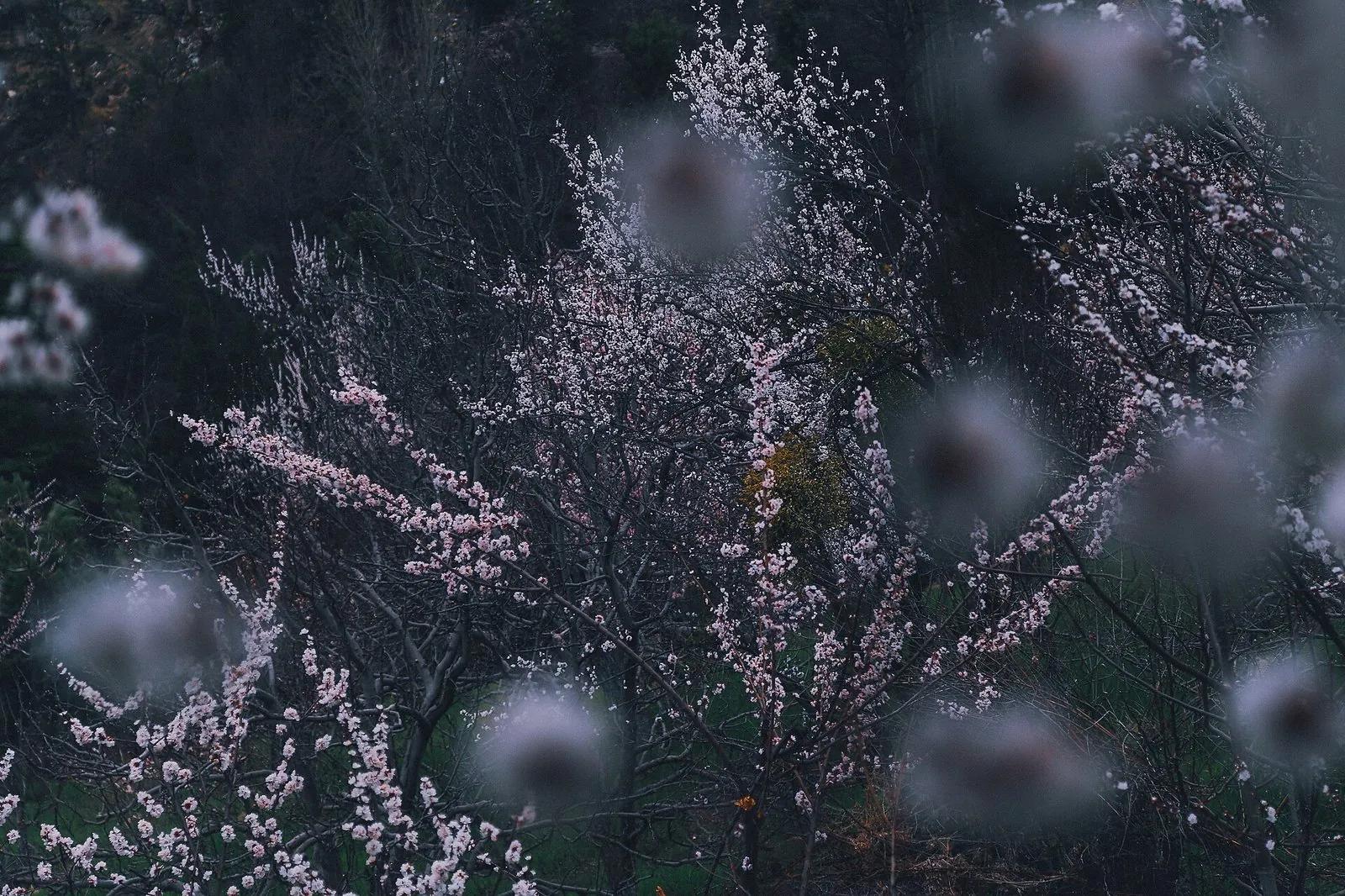
You can go to Japan for cherry blossoms. Or you can drive ninety minutes uphill from Shimla and stand inside the same flush of pink-white, with snow still holding on the Dhauladhar in the distance, and almost no one else there to see it.
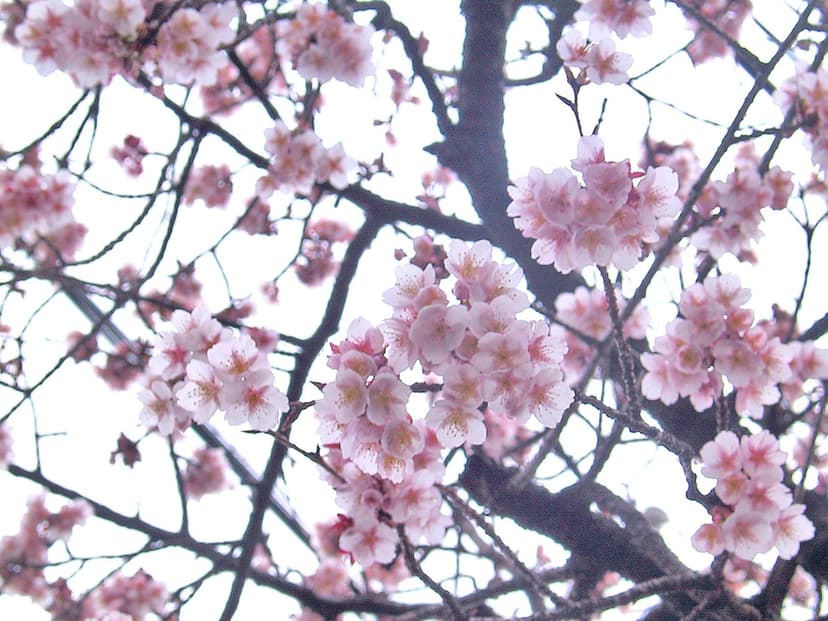
The wild Himalayan cherry, Prunus cerasoides, is native here. It grows from Kashmir through Himachal Pradesh, Nepal, southwest China, Burma. Japan’s famous sakura traces back to ancestors of this tree. The story most people tell, Indian travellers booking flights to Tokyo every March because they love hanami, is upside down. The blossoms came from us.
This is a guide to seeing them properly. Where to stand. What week to come. Which other fruit trees will be blooming at the same time, because in mid-March, Himachal’s hill-orchards explode into a six-species riot of cherry, apricot, plum, peach, pear, and apple in overlapping waves. You have a two-week window. After that the petals drop and green takes over, and you wait another year.
| Quick facts | Detail |
|---|---|
| Species | Prunus cerasoides (Wild Himalayan Cherry) |
| Native range | Kashmir to Burma, 1,200-2,400 m |
| Bloom (lower HP) | Mid-March to early April |
| Bloom (Kotgarh-Thanedhar belt) | 12-25 April (commercial cherry) |
| Bloom (Kinnaur) | Mid-April to mid-May |
| Window | Less than 4 weeks; first 2 weeks ideal |
| Local names | Pajja, Padmak, Painyu, Paiyan |
| Last verified | June 2026 |
The origin reversal: how the blossom got named Pajja
Walk into any village in Kangra in late March and point at the pink-white tree with the glossy bark, and someone will tell you it’s pajja. In the Kumaon side, on the same flowering tree, you’ll hear payya. Across the border in Nepal it’s painyu. In Sikkim, paiyan. The Sanskrit name is padmak, which is also what classical Ayurveda calls the bark when it prescribes it for skin disorders and burning sensations.
Same tree. Same flower. Same root in language, the way the tree itself has the same root genetics from Kashmir to the foothills of Bhutan. The species was already old when humans started mapping it. Wikipedia traces its range as "from Himachal Pradesh in north-central India, through Nepal, to south-western China, Burma, Thailand and Laos." The cherry trees Japan is famous for are, botanically, descendants of this arc.
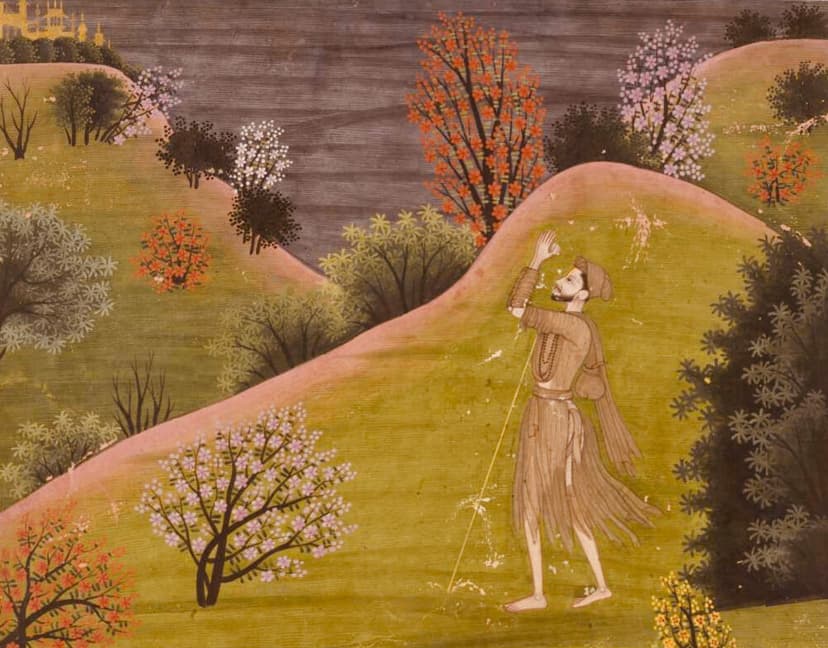
The Pahari painters of the eighteenth century knew. Look at any Guler-school miniature from the 1770s and you’ll find hills dotted with red and pink and white flowering trees, painted with the same care they gave to the figures in the foreground. Sudama’s walk home in one of those paintings is staged across a hillside of orange and pink blossom. Two centuries before tourism brochures discovered the word "sakura," the artists of the Kangra valley were already composing blossom landscapes.
The same species, two different shows. Prunus cerasoides has two flowering windows. The spring flush (January-April) is what Himachal celebrates. The autumn flush (September-November) is what Shillong celebrates with its annual Cherry Blossom Festival each November. Wikipedia confirms both windows for the same species. Meghalaya didn’t import a Japanese tree; it borrowed our spotlight for the second harvest of the year.
The window: why two weeks decides everything
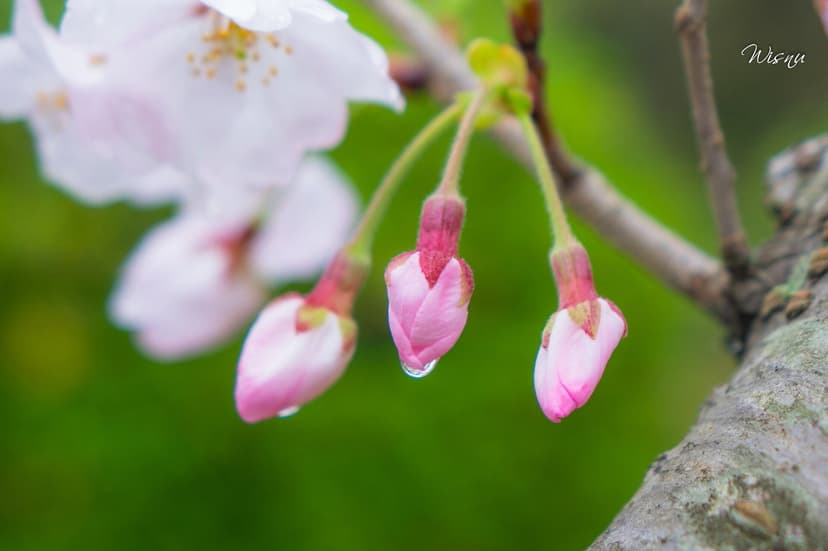
Cherry blossoms in Himachal last under four weeks, total. The first two weeks are the ones to chase. As The Nilaya, a property in Mashobra, puts it: in the early window "there is not even a speck of green in the entire tree." The branches are bare except for flowers. Then leaves emerge, petals drop, and the look softens from pure pink-white into the messy green of regular spring.
The window is also moving. Climate change is pulling it earlier. Dr Vijay Singh Thakur, former vice chancellor of Dr YS Parmar University of Horticulture at Nauni, has called premature blooming "a clear symptom of climate change." In November 2025, apple and cherry rootstock in Balawag village flowered two months early, in a stretch that should have been pre-winter dormancy. ICAR-linked studies place apple productivity drop in HP at around 11 percent over recent decades.
If you want to plan around this, here’s the rough decade-shift: bloom in Mashobra used to peak around the last week of March. Now it can peak as early as the third week. By the time you read "cherry blossoms peak in April" in a national newspaper, half the season is already done at the lower altitudes. Aim for mid-March if you’re going to the Shimla suburbs, and the first ten days of April for the Kotgarh-Thanedhar belt.
Where to stand: the Shimla orchard arc
The geography is easy: a band of orchard country that runs east of Shimla, climbing in altitude as you go, with the highest bloom belts opening last. Most travellers see one of two slices of it. Almost no one sees the whole thing.
Mashobra (10 km from Shimla), the easy entry
Mashobra is the closest serious bloom site to Shimla. About 30 minutes by taxi up through Sanjauli and the deodar forest. It sits at roughly 2,100 m, which puts it in the early-bloom window. By mid-March the orchard belt around the village, cherry, apricot, apple, plum, peach, pear, all at once, turns the hillsides pastel.
The walk to chase: start from Mashobra village, head down through the orchards toward Craignano, then loop back along the upper road. About two hours, gentle gradient, almost no traffic. Morning is better than afternoon for light. The wild Himalayan cherry trees are usually a few weeks ahead of the commercial varieties, so by the time the commercial cherries are flowering in Kotgarh, the wild ones around Mashobra are already finishing.
Naldera (22 km from Shimla), colonial cherry along the fairways
Naldera Golf Course was laid out by Lord Curzon. The cherry trees that line the road in and out of the course are colonial-era plantings, and they bloom the same week as Mashobra. Naldera Sanctuary, just below the course, has stands of deodar that frame the pink in the most photographer-friendly way you’ll find this close to Shimla.
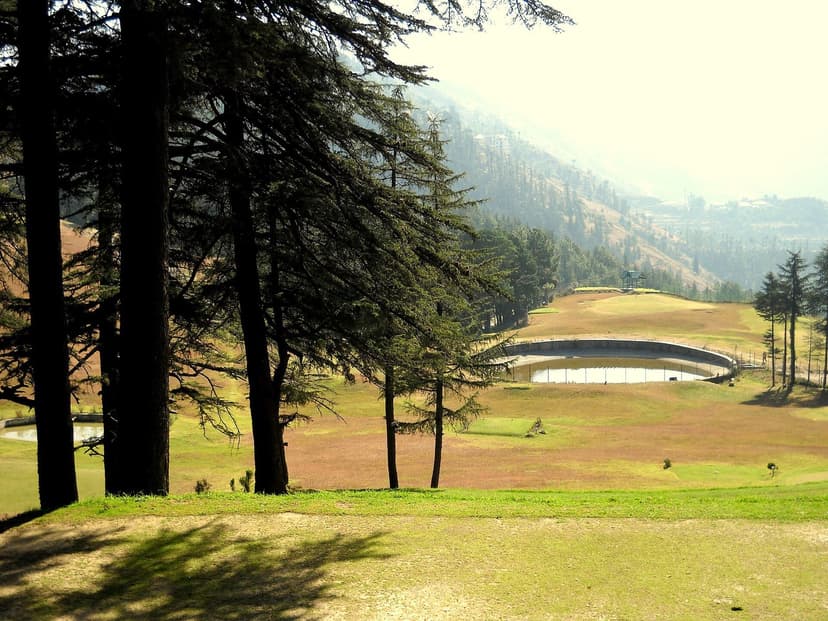
Fagu and Kufri (22-25 km), the lawn in the clouds
Fagu is where Hotel Apple Blossom sits, at about 2,500 m on the Hindustan-Tibet Road. A user on r/shimla, recommending it to someone planning a wheelchair-accessible Shimla trip, wrote: "You don’t have to stay there, but they have this amazing lawn where you can sit amidst the clouds while sipping on some coffee." That lawn faces the orchard belt and the Dhauladhar peaks. In early April, the foreground is pink, the background is white snow on grey rock, and the sandwich of the two is the picture every photographer is after.
Kufri at 2,720 m blooms a week or two later. The view from above Kufri toward the orchards descending into the valley is one of the few places you can see the bloom moving up the mountain, in real time, week by week.
The Kotgarh-Thanedhar belt (90 km), the heritage orchards
This is where the story really starts. In 1916, Samuel Stokes, an American who married a local Rajput woman and converted to Christianity, planted the first commercial apples in Kotgarh. The cherry trees came with the apples. Today the belt of Kotgarh, Thanedhar, Kumarsain, and the villages around them is the densest commercial cherry and apple country in HP. Bloom here runs roughly 12-25 April: a fortnight later than Mashobra, because of altitude.
A Thanedhar resident, posting on r/india, named the whole shape of it: "Hey there, we are in the village of Thanedhar. We have a couple of lovely resorts here, Banjara Thanedhar, and Seetalvan Orchard Kotgarh. Both are closed in the winters though. Look up Airbnb too, Grandma Stokes Guesthouse. 17 kms before us on NH22 is Narkanda at 9,000 ft, one can stay at the Tethys resort there." That’s the lay of the land, from someone who lives in it.
Narkanda-Hatu-Kotkhai-Baghi (65-90 km), the high belt
Above 2,700 m, the bloom shifts another week or two later, and the trees themselves get more compact. A local on r/HimachalPradesh, asked which beautiful places of HP to go to in spring, answered in one line: "u can go to kotkhai kotgarh narkanda side see apple blossom." That single sentence is the local-knowledge map. Kotkhai, Kotgarh, Narkanda, plus their satellites Baghi and Bhutti, are the orchard country.
The view to chase from Narkanda is the Hatu Peak ridge, at about 3,400 m. From the top of Hatu, on a clear day, the orchard belt sits below you in two visible bands: the cherry band, paler and patchier, and the apple band, denser and whiter. By mid-April the upper apple bloom is starting just as the lower cherry bloom is finishing.
Kullu Valley (250 km), the wild stands
The Kullu side blooms a little later than the Shimla side because the wild Himalayan cherry there sits at lower elevations (1,800-2,000 m) in the Solang corridor and the slopes around Naggar. A user on r/InstaCelebsGossip, describing a friend’s trip, wrote: "Spring is one of the best time in Himachal. The blossoms are in full bloom. Specially around manali, apples, walnuts, plums..all kinda." The walnut blossoms are a nice add: April in Manali is also when the deciduous walnut trees flower, and they overlap with the apple bloom for about ten days.
The best single walk on the Kullu side: Naggar Castle to the Roerich Estate, through orchards, in the first week of April. About two hours, mostly downhill if you walk in the right direction.
Kinnaur (250 km, going east), the late season
Kinnaur is the highest commercial fruit district in HP. Apricots and cherries here flower roughly a month after Mashobra. Mid-April in Kalpa is the equivalent of mid-March in Mashobra. The advantage: the bloom in Kinnaur happens against the Kinner Kailash range, which is still fully snow-loaded. The pink-white foreground against full snow is the most dramatic single frame in HP’s cherry blossom inventory.
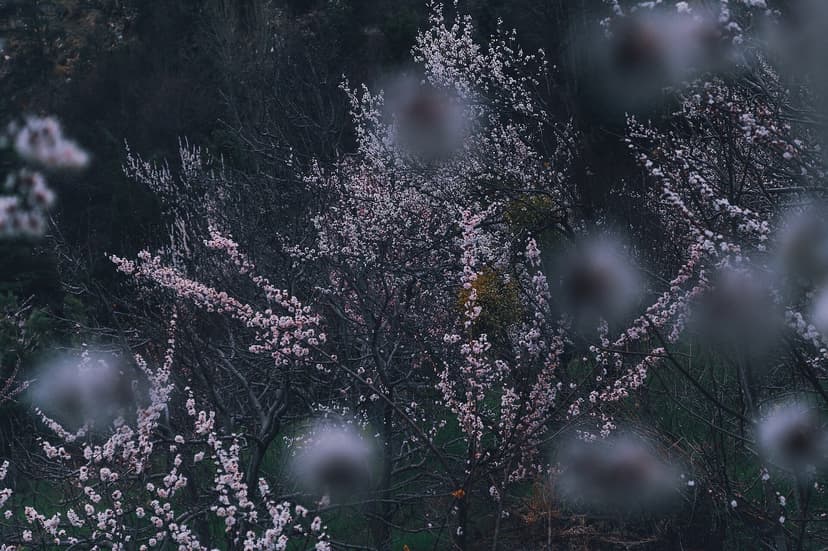
Where to see cherry blossoms in Himachal Pradesh
- Mashobra (early window, 10 km from Shimla)
- Naldera and the Ridge (colonial-era trees, 22 km)
- Fagu, Kufri (mid-altitude, week-later bloom)
- Kotgarh-Thanedhar-Kumarsain belt (commercial cherry, 12-25 April)
- Narkanda-Hatu-Kotkhai-Baghi (the high belt, late April)
- Naggar, Manali, Solang (Kullu side, early April)
- Kalpa, Sangla (Kinnaur, mid-April to May)
- Palampur (Kangra, secondary)
Not just cherry: the full blossom spectrum
Here’s the trick. The cherry-blossom search engine query gets all the attention. But Himachal’s spring orchards don’t bloom in just cherry. Apple, pear, plum, apricot, peach, all flowering trees in the Rosaceae family, come into flower in overlapping waves through March and April. HP Tourism’s own spring page calls it "a riot of colours, ranging from pastel pinks, whites, and purples." That riot is the real reason to come.
If you can’t tell the flowers apart at first glance, the rough field guide goes like this:
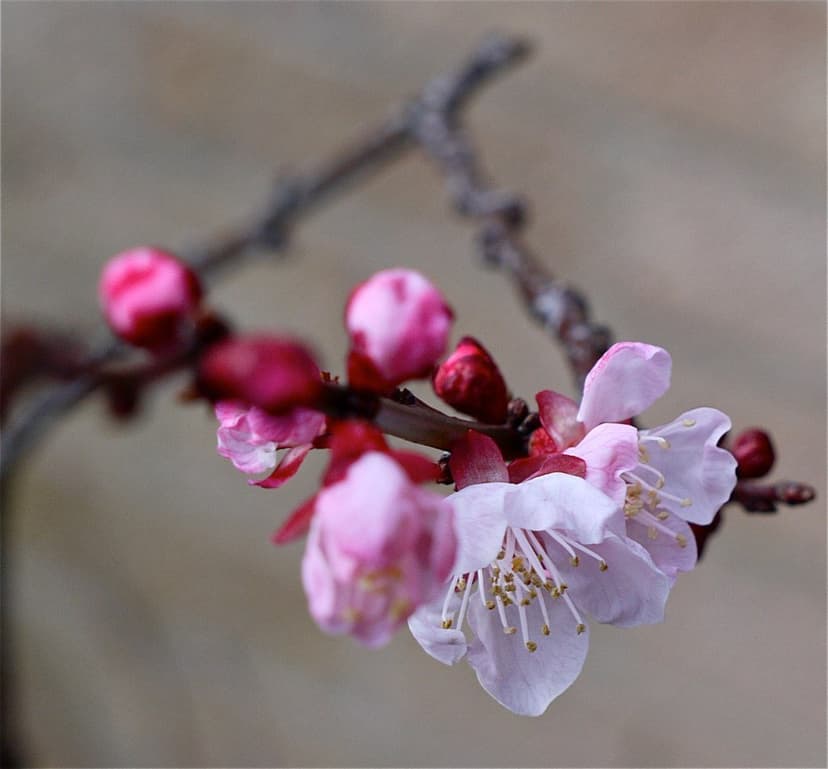
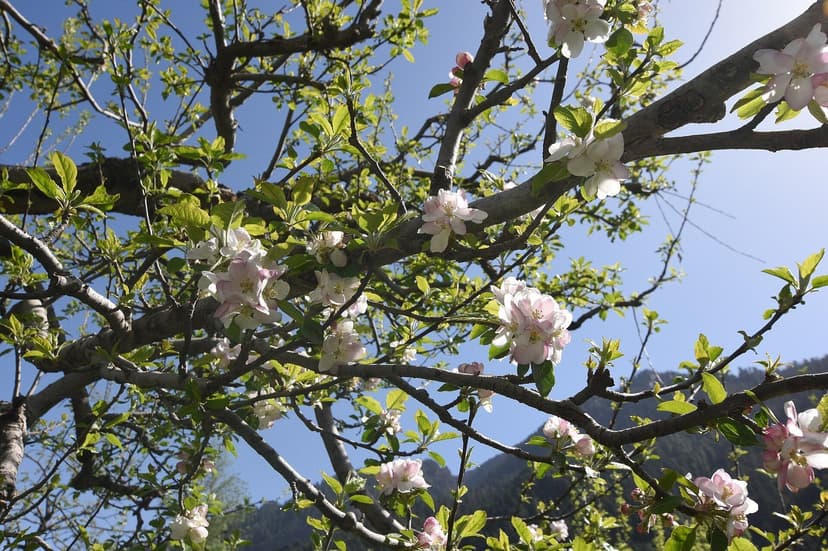
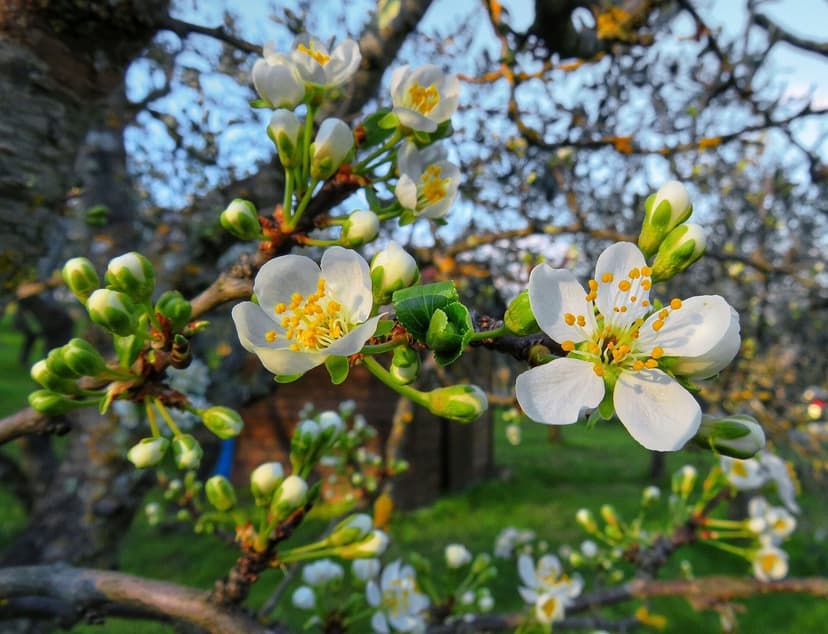
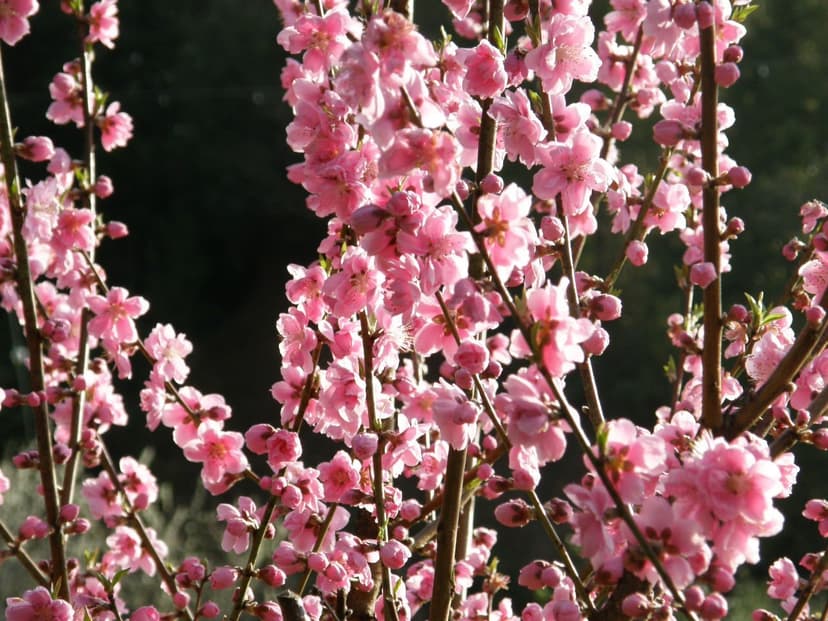
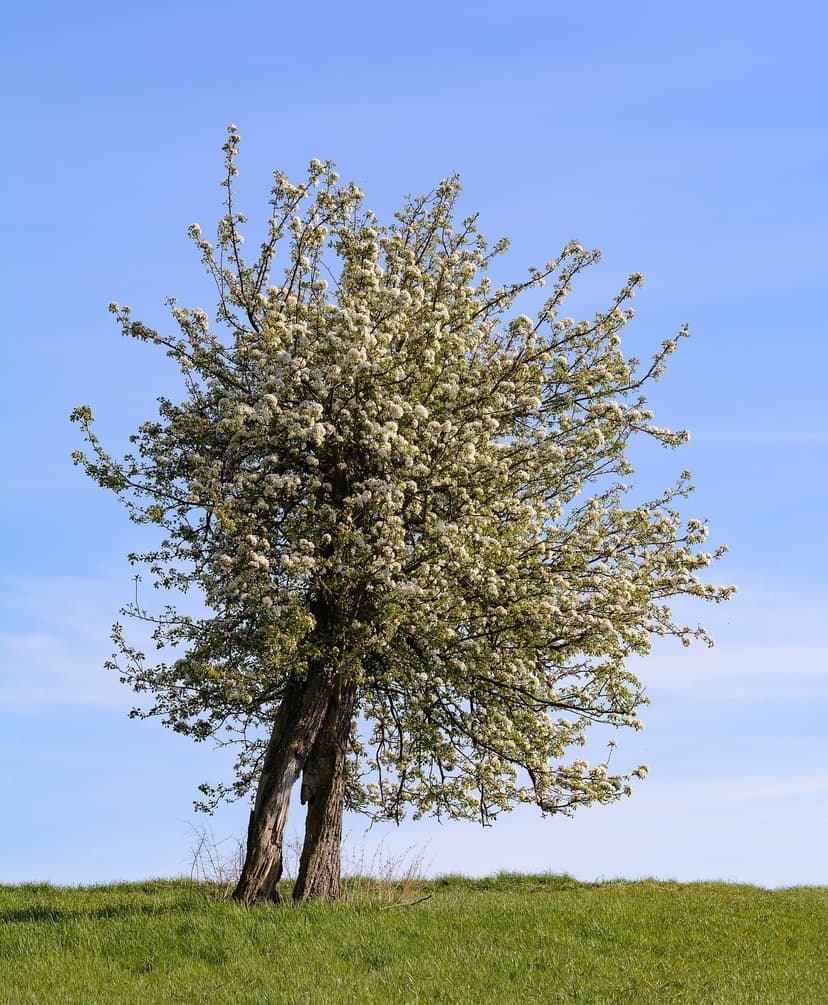
| Tree | What to look for | When |
|---|---|---|
| Apricot | Pale pink to white, earliest opener | February into early March, lower belts |
| Wild Himalayan cherry | Pink-white clusters on bare twigs | Mid-March to early April |
| Plum | White flowers with yellow stamens | Late March into early April |
| Peach | Loud pink, dense along whole branch | Late March to mid-April |
| Commercial cherry | White with pink centre, leaves come fast | 12-25 April, Kotgarh belt |
| Apple | White-pink, leafy five-petalled | Late March to April lower; April-May Kinnaur |
| Pear | Pure white, dense single trees | March-April, lower altitude |
Three day-trip itineraries from Shimla
If Shimla is your base, here are three loops, sized small to large.
Three day-trip itineraries from Shimla
- Half-day: the Mashobra warm-up. Leave Shimla at 7 AM. Drive to Mashobra in 30 minutes. Walk through the orchard belt to Craignano (about 90 minutes round trip). Back to Shimla by 11 AM. Lunch in town. Total: ~20 km round trip, ~3-4 hours, light effort. Best for first-time visitors and families.
- Full-day: the full apple belt. Leave Shimla at 6:30 AM. Drive to Narkanda via Theog (about 2 hours). Quick stop at Hatu Mata Temple for the ridge view. Continue down to Thanedhar and Kotgarh (another 45 minutes). Walk the Stokes orchards. Stop at Kumarsain on the way back. Return to Shimla by 7 PM. Total: ~180 km loop, ~10-12 hours. Best for photographers and serious blossom-hunters.
- Weekend: the Kinnaur late-season. Day 1: Shimla to Sarahan (175 km, ~6 hours). Overnight at HPTDC Bhimakali Inn. Day 2: Sarahan to Sangla (95 km, ~4 hours), drive up to Chitkul if time permits. Overnight in Sangla. Day 3: Sangla to Kalpa (80 km, ~3 hours), photograph the Kinner Kailash range with apricot foreground, return to Shimla. Best for mid-April to early May.
Want us to plan this for you? If you’d rather not piece this together from forum posts and Hindi news clippings, write to us at hello@refuje.com with your travel dates and we’ll put together the right loop for the week you can actually come.
Where to stay
The accommodation pattern for blossom season splits clearly: Shimla town for the Mashobra-Naldera-Fagu-Kufri belt, Thanedhar for the heritage orchards, Narkanda for the high belt, Manali or Naggar for the Kullu side, and Sangla or Kalpa for Kinnaur. Most of the named orchard properties are closed in winter and open back up in March, just in time for bloom.
Where to stay during cherry blossom season
| Property | Tariff (INR/night, 2026) |
|---|---|
| Banjara Orchard Retreat, Thanedhar | 4,500-7,500 |
| Seetalvan Orchard, Kotgarh | 3,500-6,000 |
| Grandma Stokes Guesthouse, Kotgarh | 2,000-3,500 |
| Tethys Ski Resort, Narkanda | 3,000-5,500 |
| Koti Resort, Mashobra | 4,000-7,000 |
| Hotel Apple Blossom, Fagu | 2,500-4,500 |
| HPTDC Sarahan/Kalpa | 2,000-4,000 |
| Shimla town hotels | 1,500-8,000 |
One word of warning from the same Thanedhar local: "Be prepared for road closures, -10 temperatures in Narkanda and no electricity, Tethys has a backup generator though." That was about winter. Early-bloom March can still have closure days. Check road status with the HP State Disaster Management Authority before driving past Narkanda in the first half of March.
Climate change is moving the window
This article would have been wrong ten years ago, in dates if nothing else. Mashobra used to peak in the last week of March. Now mid-March is more realistic. Kotgarh used to peak in late April; now early-mid April. The trend is well documented in HP’s horticultural literature.
The most worrying signal came in November 2025, when apple and cherry rootstock in Balawag village flowered in November. Two months early. Dr Sandeep Sharma, who has studied this, told the regional Hindi press the simple version: "Snowfall used to happen in November and December, now it happens in February and March. This is disrupting plants’ biological cycles." A Kotgarh orchardist, Santosh Verma, was more blunt with ETV Bharat: "Gala apple trees flowered as early as November. Never seen this before."
What this means practically: book your trip with one week of buffer on either side of the prediction. Watch local Hindi news in the first half of March for bloom-progression reports. By the time English-language travel media catches up, you’re a week behind the actual flowering.
Photography: shooting the orchard belt
The frame everyone is chasing is a foreground of pink-white blossom against snow-loaded Dhauladhar or Pir Panjal peaks. The trick is that the snow-line retreats as bloom progresses. Aim for the first ten days of the local bloom window so you still have full snow above 3,500 m.
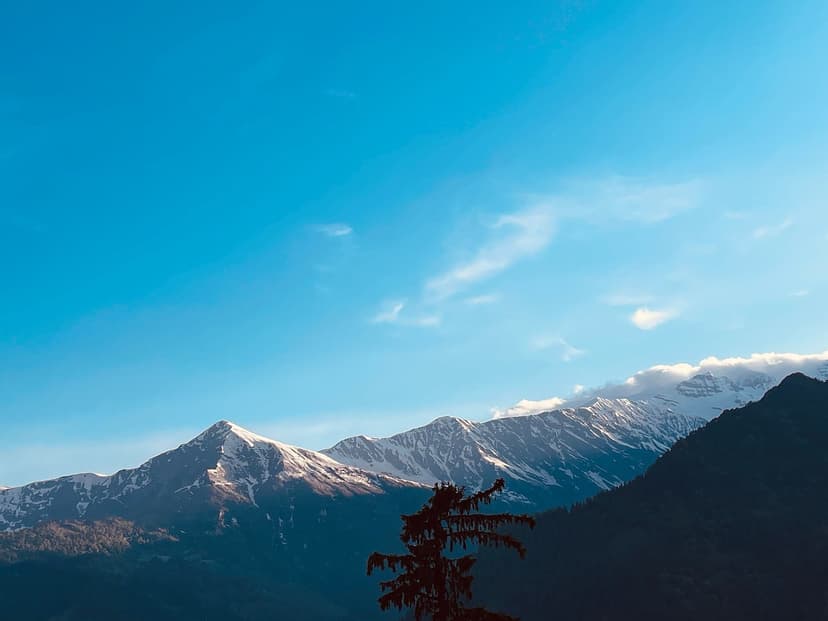
Other practical notes from the photographer community in HP (translated from ETV Bharat’s World Photography Day feature): morning golden hour runs 6:15-7:30 AM, evening golden hour 5:00-6:30 PM. The mid-morning light at altitude is harsh and washes the pink out. Overcast days are surprisingly good for pure-pink saturation, but the snow contrast is lost. Choose your weather: clear sky for the snow-and-pink picture, overcast for the close-up petal work.
Best frames in 2026 specifically:
- Mashobra orchard foreground + Shali Tibba in the background (drive 10 km past Mashobra toward Shali Mata for the angle)
- Naldera Golf Course fairway + Dhauladhar ridge
- Hatu Peak temple in foreground + the bloom belt descending into the valley
- Kotgarh-Thanedhar terraced cherry orchards from above (climb the road above Banjara)
- Kalpa village + Kinner Kailash + apricot foreground (the single most photographable frame in HP’s blossom inventory)
Costs: what a five-day blossom trip looks like
Five-day blossom trip cost (INR, 2026)
| Line item | Amount |
|---|---|
| Transport (Delhi-Shimla-Kotgarh) | 6,000-9,000 |
| Accommodation (4 nights mid-range) | 8,000-15,000 |
| Food | 2,500-4,000 |
| Local taxi for day trips | 3,500-6,000 |
| Entry/parking/incidentals | 500-1,000 |
| Per-person budget | ~20,500-35,000 |
A pure half-day from Shimla, Shimla to Mashobra to Naldera and back, including taxi and a lunch, comes to under Rs 2,000 per person. If a full week feels like too much, that’s the lightest possible version.
Need help building a custom blossom-week plan? Write to hello@refuje.com with your dates and base city. We’ll do the loop math.
HP vs Shillong vs Japan: which to plan for
| Dimension | Himachal Pradesh (spring) | Shillong (autumn) |
|---|---|---|
| Species | Prunus cerasoides, native, spring flush | Prunus cerasoides, autumn flush |
| Season | Mid-March to early April | November |
| Setting | Working orchards, snow peaks behind | Urban park and roadside |
| Spectrum | Cherry + apricot + plum + peach + apple + pear | Cherry only (autumn flush) |
| Festival | None formal, overlaps Holi + Navratri | Cherry Blossom Festival (since 2016) |
If you want spring orchards in working farm country, with the chance to photograph six different blossoms in a single morning, and almost no crowd, come to Himachal in March. If you want a city-festival with stage shows and food stalls in November, go to Shillong. Same species. Different show.
FAQ
Frequently asked questions
When do cherry blossoms bloom in Himachal Pradesh?
Mid-March to early April in lower elevations (Mashobra, Naldera, Fagu, Shimla outskirts). 12-25 April for the commercial Kotgarh-Thanedhar belt. Mid-April to mid-May in Kinnaur. The bloom lasts under four weeks at any one site, with the first two weeks being peak.
Where is the best place to see cherry blossoms near Shimla?
Mashobra is the closest serious bloom site, 10 km away, about 30 minutes by taxi. Naldera Golf Course at 22 km has colonial-era cherry trees. The Ridge in Shimla itself also has colonial cherry plantings. For working orchards, Kotgarh and Kotkhai at 80-90 km are the heritage belt.
Are cherry blossoms native to India or Japan?
The Wild Himalayan Cherry, Prunus cerasoides, is native to the Himalayas at 1,200-2,400 metres. The species range runs from Pakistan through HP and Nepal to southwestern China, Burma and Thailand. Japan’s sakura traces back to ancestors of this tree. India’s Himalayan cherry blossoms predate Japan’s famous hanami.
Can I see cherry blossoms as a day trip from Shimla?
Yes. The Mashobra half-day costs under Rs 2,000 per person including taxi and a lunch. Total time is 3-4 hours. You can see cherry, apricot, apple, plum, peach and pear blossoms all in one orchard walk during March-April peak.
What other flowers bloom alongside cherry blossoms in HP?
Apple, pear, plum, apricot and peach all bloom in overlapping waves during March and April. Walnut blossoms add a fifth note on the Kullu side. HP Tourism calls the combined show a riot of pastel pinks, whites and purples. Mashobra alone has six fruit-tree species blooming in one orchard belt.
How long do cherry blossoms last in Shimla/Mashobra?
Under four weeks total. The first two weeks are ideal because the trees are covered in flowers with no green leaves yet. After that, leaves emerge and flowers begin to drop.
Is there a cherry blossom festival in Himachal Pradesh?
No formal festival, unlike Shillong’s autumn-flowering festival. The HP spring bloom in March coincides with Holi and Navratri, adding cultural richness to any trip. Some Kotgarh orchards open their gates for informal blossom walks during peak week, ask at Banjara Thanedhar or Seetalvan Orchard.
What is the difference between cherry blossoms in HP vs Shillong?
Both use the same species, Prunus cerasoides, which has two flowering windows. HP showcases the spring flush (March-April). Shillong showcases the autumn flush (November). HP is fruit orchards in mountains with six co-blooming species. Shillong is urban parks with single-species autumn cherry.
Can I photograph cherry blossoms in Himachal Pradesh?
Yes. Best light is 6:15-7:30 AM and 5:00-6:30 PM. Overcast days saturate the pink more strongly; clear days give the snow-and-pink contrast. Mashobra and Kotgarh offer the easiest orchard backdrops. The most dramatic single frame is Kalpa village in Kinnaur with Kinner Kailash behind and apricot trees in the foreground (mid-April).
How much does a cherry blossom trip to Himachal Pradesh cost?
A half-day from Shimla to Mashobra costs under Rs 2,000 per person. A five-day Delhi-Shimla-Kotgarh trip with mid-range stay costs Rs 20,000 to Rs 35,000 per person. Accommodation in Kotgarh ranges Rs 2,000-7,500 per night depending on the property.
Is climate change affecting cherry blossom dates in HP?
Yes, materially. The bloom is moving earlier by roughly a week per decade. In November 2025, apple and cherry rootstock in Balawag village flowered two months ahead of schedule. Plan with one week of buffer on either side of the prediction, and watch local Hindi news in the first half of March for actual progression reports.
What is the local name for cherry blossom in Himachal?
Pajja in Kangra and most of Himachal. Padmak or Padmaka is the Sanskrit name. Across the Himalayan arc the names share a root: Payya in Kumaon, Painyu in Nepal, Paiyan in Sikkim. All refer to the same Prunus cerasoides.
Sources
This guide combines HP Tourism (himachaltourism.gov.in spring page), Wikipedia (Prunus cerasoides, Shillong Cherry Blossom Festival), Hill Post (~2,000 hectares cherry data and the named villages), India TV News (Kotkhai-Kumarsain-Baghi-Kotgarh orchard walks), The Nilaya Mashobra (the under-4-weeks window), Hindi sources from ETV Bharat (the Santosh Verma quote on Gala apples in November) and TV9 Hindi (the Mashobra-Kumarsain framing), and Reddit voices from r/india (u/kartoos Thanedhar local), r/HimachalPradesh (u/ppboi41), r/shimla (u/Fine-Palpitation-943 on Fagu’s Apple Blossom hotel), r/Northeastindia (u/Jalsira on the Pajja name) and r/desitravellers (u/honest_persom on Paiyan and the sacred-tree status).
Read next on Refuje
- Best Time to Visit Himachal Pradesh: the full month-by-month matrix that puts cherry blossom season inside the year-round calendar.
- Kotgarh: where India’s first apple was planted: the Stokes story behind the orchards that now show you the bloom.
- Apple Season Kinnaur: what blooms in April, harvested in September. The other end of the cycle.
- Day Trips from Shimla: the Mashobra-Naldera-Fagu-Kufri loop in full.
- Rhododendron Season HP: cherry in March, rhododendron in April. Plan back-to-back.
By Rajesh Thakur. Written from Kullu, reported from Mashobra-Kotgarh-Narkanda-Kinnaur. Cross-checked with Hindi-language horticultural press and Reddit voices that English travel media miss.
You Might Also Like
Volunteering in Himachal Pradesh: 12 Organisations and How to Apply (2026)
Teach English in McLeod Ganj, conserve the Great Himalayan National Park, build with earth in Bir, or harvest apples in Kullu. Twelve real HP volunteer organisations with honest costs, the visa rule that gets foreigners deported, and how to apply.
How to Travel Himachal Without Wrecking It: A Quiet-Travel Manual
A non-preachy field manual for responsible travel in Himachal, by a Kullu local: how to behave, when to go, where to go instead, and the 2026 rules and bans that actually matter.
Mamleshwar Mahadev: The Eternal Flame Temple of Karsog
An eternal fire, a fist-sized wheat grain and a six-foot drum, kept in a mortar-less timber temple in the quiet Karsog valley. The honest story of Mamleshwar Mahadev: what is real, what is faith, and how to go.