
Himachal Pradesh with Kids: The Age-by-Age Guide (2026)
Every parent planning a Himachal trip has the same question, and almost never asks it out loud. Is it safe for the child? The honest answer depends almost entirely on how old your child is, and most of the listicles you will read pretend that is not true.
A two-year-old and a twelve-year-old need different Himachals. Kasauli is fine for a baby. Spiti will hurt one. Shimla is the right call for a four-year-old. For a thirteen-year-old, Shimla is the place you stop for a meal on the way to somewhere harder. This guide is organised by age group because that is the only honest way to do it.
One rule first, the one that actually matters: under two years old, sleep below 2,000 metres. Between two and ten, sleep below 3,000 metres. Above ten, adult guidelines apply. The British Medical Journal paper that pediatricians quote on this is conservative; the UIAA, who advise the world's mountaineering federations, agree within a hundred metres. Translate that into HP destinations and most of the planning question solves itself before you start booking hotels.
- Safe altitude under 2
- Sleep below 2,000 m (BMJ/UIAA)
- Safe altitude age 2-10
- Sleep below 3,000 m
- Best safe-altitude towns
- Kasauli, Dharamshala, Palampur, Bir
- Best paediatric hospital
- IGMC Shimla (0177-2654713)
- Cheapest age-friendly transport
- Kalka-Shimla toy train, kids under 5 free
- Skip with under-10s
- Rohtang, Spiti, Chandratal, Kunzum
The altitude rule, before you book anything
I will spend the most words on this section because it is the only one that can hurt you. Almost nothing else in this guide is dangerous if you get it wrong; the altitude bit is.
Children under fourteen weeks should not be at high altitude at all. Between fourteen weeks and one year, the cautious limit is sleeping below 2,000 metres, and a paediatrician would tell you to consult them before even that. Between one and two years, the limit is the same 2,000 metre sleeping ceiling. From two to ten, you can sleep up to 3,000 metres, but you should gain that altitude gradually, no more than 300 to 500 metres a day above 2,500 m, and you should rest every third day. These are the numbers in the UIAA's published advice and they are conservative for good reason.
The trickier part is recognising acute mountain sickness in a small child, because the symptoms are nothing like the adult version. A child who refuses food, gets unusually clingy, stops playing, or starts crying without reason at 2,500 m or higher is showing AMS until proven otherwise. The BMJ paper that introduced this framing puts it plainly: in children under five, AMS often presents as lethargy and food refusal, which parents routinely misread as ordinary travel tiredness. The rule is the same as for an adult: if a child becomes unwell above 2,500 m, assume altitude sickness and descend immediately. No wait-and-see.
The altitude rule in one paragraph. Sleep below 2,000 m if your child is under two. Sleep below 3,000 m if your child is between two and ten. Above 2,500 m, food refusal and excessive crying are AMS until proven otherwise. Descend. The taxi fare to a lower town will always cost less than what you will think about it later.
Now translate that into destinations. Kasauli sits at 1,927 m, Dharamshala-McLeod corridor stretches from about 1,457 m at the lower town to 2,000 m at the top of McLeod, Palampur is 1,220 m, and Bir is 1,525 m. All four are safe for a baby. Dalhousie at 1,970 m is borderline for an under-two and fine from two upward. Manali at 2,050 m and Shimla at 2,205 m are above the under-two ceiling, but a brief visit is generally fine; you just avoid making them your base for an extended stay with a baby. Narkanda at 2,708 m, Kufri at 2,720 m, and Solang at 2,560 m are all day-trip-only with anyone under ten. Rohtang at 3,978 m, Spiti's main towns at 3,800 m and above, and Chandratal at 4,300 m are not destinations for young children at all, full stop.
| Destination (altitude) | Under 2 | Age 2-10 |
|---|---|---|
| Palampur (1,220 m) | Yes | Yes |
| Dharamshala lower (1,457 m) | Yes | Yes |
| Bir (1,525 m) | Yes | Yes |
| Kasauli (1,927 m) | Yes | Yes |
| Dalhousie (1,970 m) | Borderline | Yes |
| Manali (2,050 m) | Caution; short stays only | Yes |
| Shimla (2,205 m) | Caution; short stays only | Yes |
| Narkanda (2,708 m) | No | Day-trip only |
| Kufri (2,720 m) | No | Day-trip only |
| Solang (2,560 m) | No | Day-trip only |
| Rohtang (3,978 m) | No | No |
| Kaza/Spiti (3,800 m) | No | No |
If you are still saying yes, but our hotel is at 2,500 m and we are only there for three nights, the answer is that you can probably get away with it. Most of us do. The point of the rule is not that the boundary is magical; it is that risk increases steeply above it, and with a small child you have fewer ways to read whether something is going wrong.
Ages zero to three: the baby-carrier years
Four destinations to plan around with a baby or toddler: Kasauli (1,927 m), Dharamshala-McLeod-Bhagsu (1,457-2,000 m), Palampur (1,220 m), and Bir (1,525 m). Four. Everything else, you are taking on either an altitude risk you did not need to take, or a logistics burden that nobody enjoys with a small child.
Top pick at this age, if you are doing one trip and one town: Kasauli. The altitude is friendly, the Gilbert Trail is paved enough for a sturdy stroller, the food problem is mostly solved (every roadside dhaba and most cafes will heat dal-chawal for a child), and you are two hours from Chandigarh and a full multispecialty hospital in case anything goes sideways. The Mall Road is gentle. The Kasauli Brewery is closed to under-eighteens but you are not bringing a two-year-old to a brewery anyway. Sunset Point and Manki Point both have stair sections, which is where the carrier comes in.
Honest correction to the standard advice: the stroller-or-carrier debate is not actually a debate. Bring the carrier. India's mountain roads are not stroller-friendly. Bring a stroller anyway if you must, but assume you will end up carrying it half the time, and assume the stroller wheels will collect more goat-track grit than they were designed for. Lonely Planet's India-with-kids editor put it plainly: "India's roads are not very stroller friendly." That is the sentence you are going to repeat to your spouse on day two.
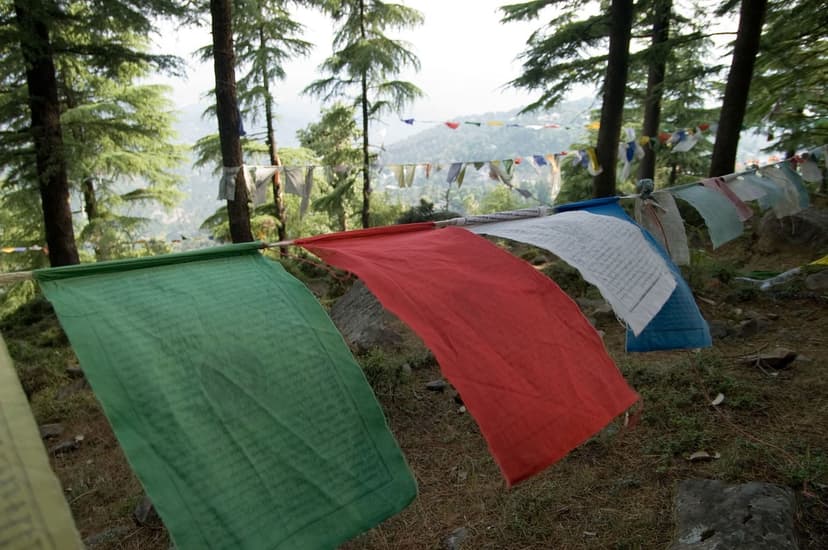
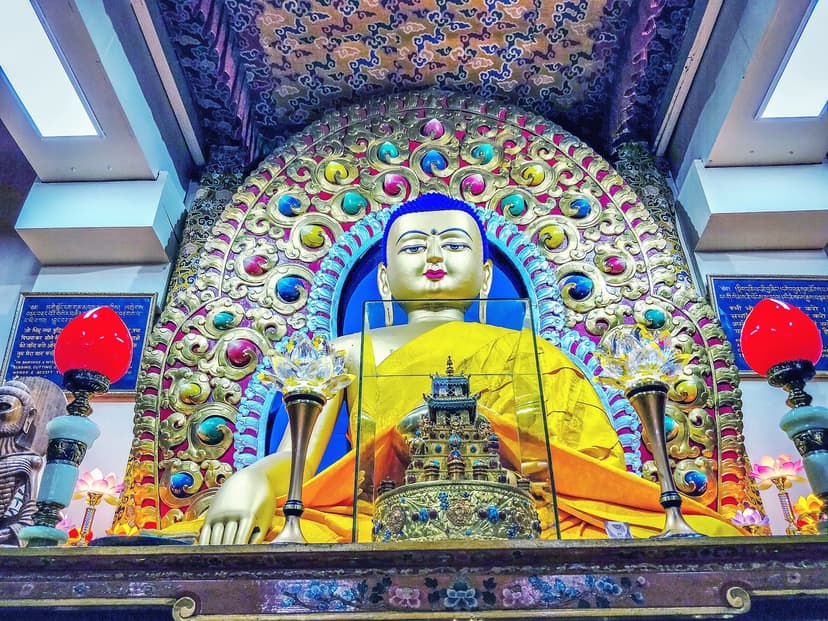
Dharamshala does most of what Kasauli does, with one extra layer: the Tibetan side of town. Tsuglagkhang's main prayer hall holds the under-three crowd's attention longer than any museum, because the colours and the brass and the butter-lamp smell are exactly the kind of input a one-year-old will fix on. The kora walk around the temple is flat, completely paved, and has prayer wheels at child-arm height so the kid can spin them on the way around. Nobody minds. McLeod Ganj's main market is steep enough that a stroller is more of a hindrance than a help; use the carrier and consider it part of the cardio.
Bir and Palampur are the quieter pair. Bir at 1,525 m sits in the Tibetan colony belt, with monasteries and a flat-ish village core; the paragliding circus that defines Bir is for older kids (tandem flights are not legally permitted under twelve), but Bir as a base with a baby is genuinely calm. Palampur is the tea-garden one: walks at Sourabh Van Vihar park, the easy-to-access tea estate trails, low altitude, plenty of homestays with families running them.
Food for babies in HP: bananas, curd, plain rice, plain roti, and dal will be available within a hundred metres of anywhere you stay. Branded baby food and formula are reliably stocked in Shimla, Manali, and Dharamshala pharmacies. In Kasauli or Palampur, do not assume the brand you use is on the shelf; bring two weeks of supply if you depend on a specific one. The Bir colony's local kirana shops carry the basics but stock varies week to week.
Medical access by destination, since this is the question I would want answered if I were planning this trip: from Kasauli, your nearest paediatric proper is back in Chandigarh, 70 km and about ninety minutes by road. From Dharamshala, RPGMC Tanda is the regional referral hospital, 18 km from McLeod, with a paediatrics department and 24-hour emergency. From Palampur and Bir, RPGMC Tanda is the same answer, 40 km and 55 km respectively. From Manali, you are 50 km from the district hospital at Kullu and there is no closer real paediatric facility; this is one of several reasons I rank Manali below Kasauli at this age. From Shimla, IGMC Shimla has a full paediatrics department and the city has the best private paediatric care in the state at Aastha Hospital and Tenzin. The emergency number for IGMC is 0177-2654713.
What to skip at this age, even if Instagram is trying to convince you otherwise: Rohtang Pass, full stop. Spiti, full stop. Kufri horse rides for an under-three (the saddle is wrong for the child's hip geometry, the lead-horse handler is in a hurry, and nobody enjoys this). Long mountain drives without a break every two hours. Hotel rooms above 2,500 m, even briefly, with anyone under one year old.
Ages four to seven: the wonder years
This is the age where HP opens up. Kids in this band are walking, curious, will sit still for a five-hour train ride if you brought enough snacks, and have not yet hit the cynical phase where everything is boring. Shimla and Manali both come on the menu now. So do Dalhousie, Khajjiar, Kullu, and Tirthan Valley.
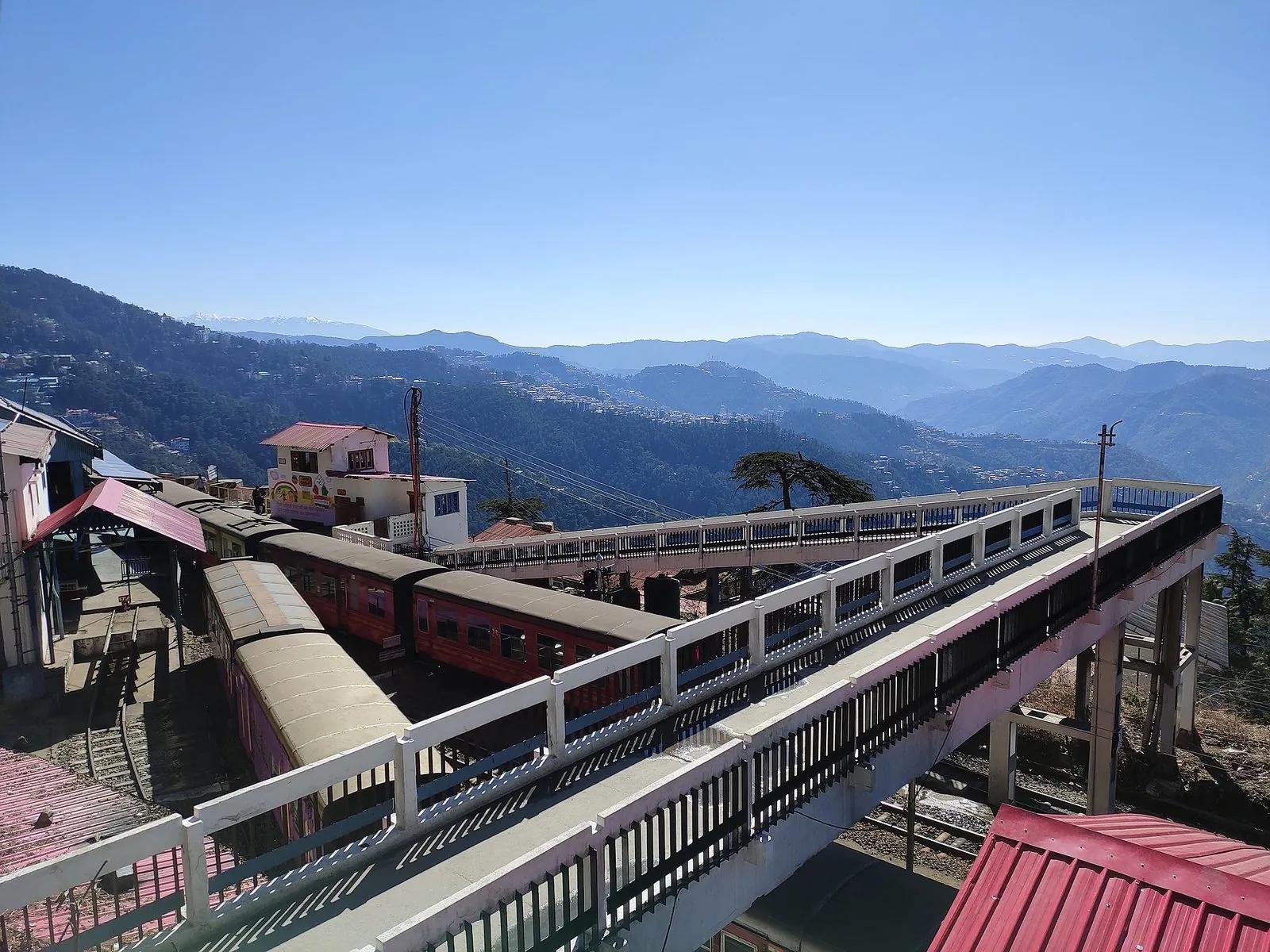
The single most family-defining experience in this age bracket is the Kalka-Shimla toy train. 96 km, four to six hours depending on which service you take, 102 tunnels, around 900 curves, 800-plus bridges, UNESCO heritage since 2008. Three services run: the Shivalik Deluxe Express (book this if you can), the Rail Motor Car (small, 14-18 passengers, more of a novelty), and the Himalayan Queen. Children under five travel free. Book through IRCTC up to 30 days in advance; in summer and during snow weekends, those tickets disappear on day one. Right-side seats give you the better view on the climb from Kalka to Shimla. There is a small thing about Barog tunnel halfway up that every parent ends up retelling later; let the kid discover it on the day.
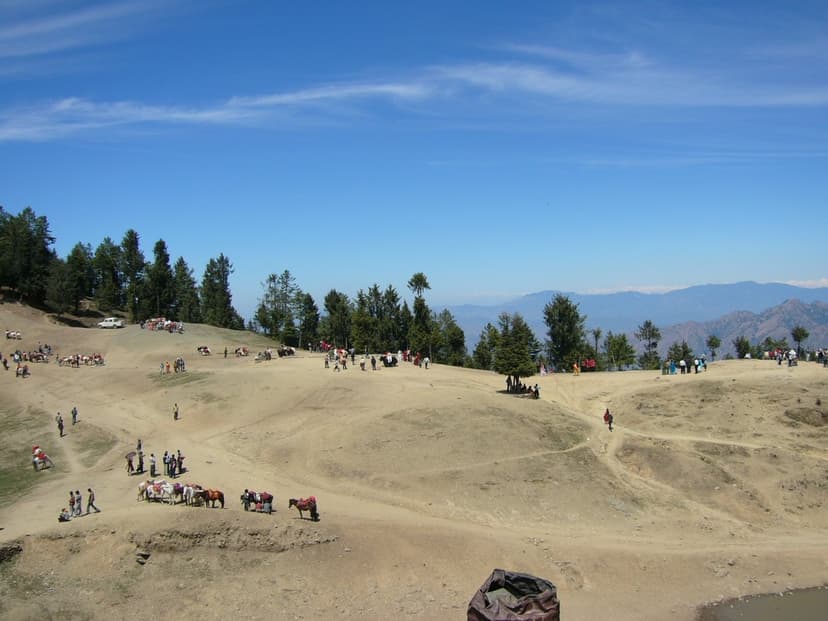
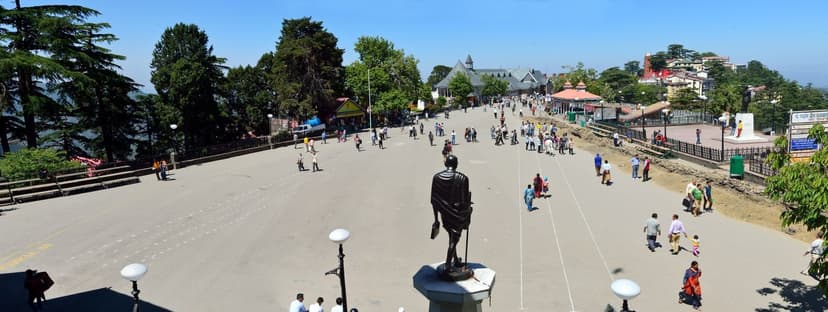
Shimla itself is where I would base a family of this age. The Ridge and Mall Road have flat stretches the kids can run on, the toy train arrival is the trip headline, Christ Church is the photo that ends up on every relative's WhatsApp, and the medical infrastructure is the best in the hill state. Day trip to Kufri: snow play on the slopes in winter (December through February, sometimes March), horse rides at Mahasu Peak in the spring and autumn (Rs 300-500 per ride, lead held by a local), and the indoor Snow Kingdom (entry from Rs 500, children under two not allowed, under-elevens need an accompanying adult ticket, the 15-metre tube ride is the part the kid will remember). Kufri Fun World, on the same hilltop, has what its operators bill as the world's highest go-kart track at over 2,800 m; activities cost Rs 300-700 each and the entry ticket starts at Rs 500.
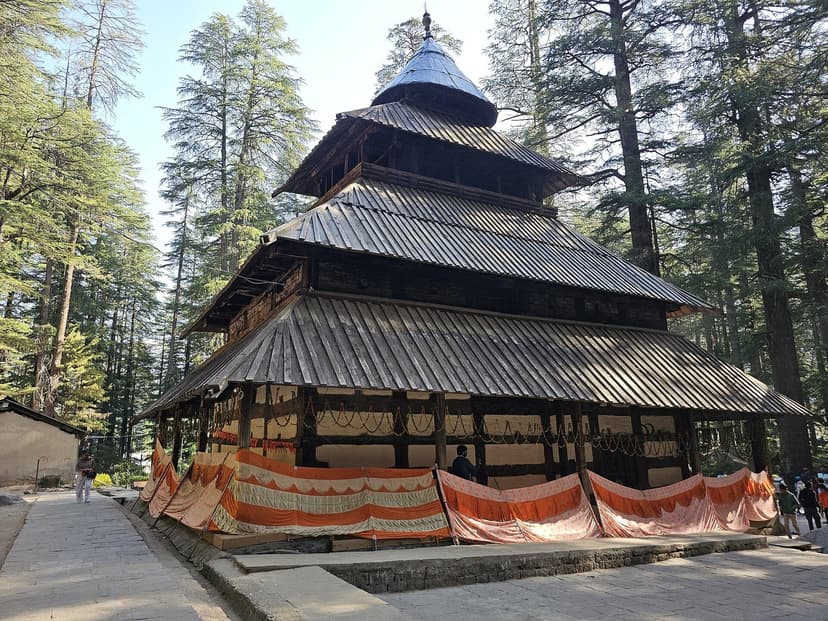
Manali for four-to-seven-year-olds is a different proposition. Old Manali is the part to plan around; the new Mall Road is too crowded and too motor-heavy. Hadimba Temple in the Dhungiri deodar grove is the most kid-engaging temple in Manali because the trees outside are almost as interesting as the shrine. The Manu Temple walk is short and easy. Vashisht's hot springs are warm but the bathing pools are crowded and not great for small children; go for the temple and skip the bath. Day trip to Solang Valley for the snow activities, which work for any age with a parent: tubing (Rs 300-500), the resort-village feel of the slopes, ropeway up if it is running. Skiing introductions formally start at age six to eight; below that, it is sledging and snowball-throwing, which is what you wanted anyway.
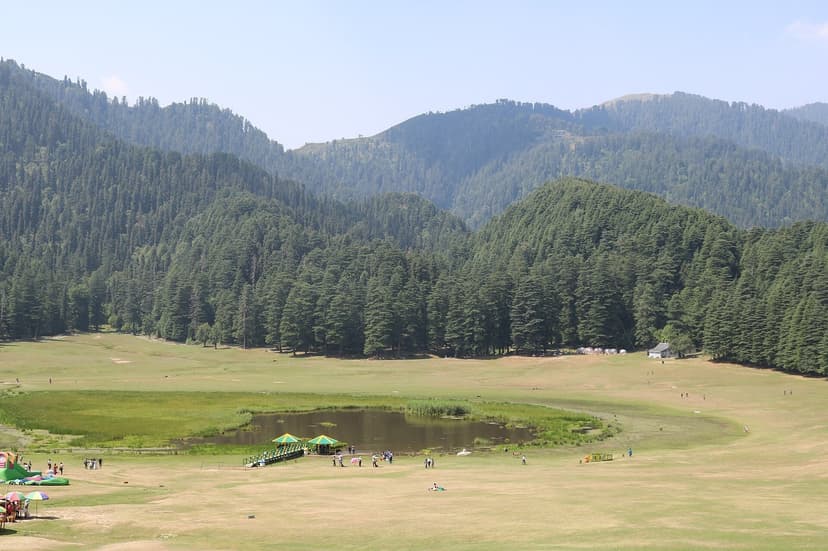
Dalhousie and Khajjiar are the third option I would push for this age group. Dalhousie's Mall Road is flatter than most HP towns', the colonial church buildings look exactly like what a five-year-old expects a hill station to look like, and the 22 km drive to Khajjiar gets you to the most absurdly photogenic meadow in HP. Khajjiar has a central pond, the deodar-and-oak ring, the iconic Mini Switzerland of India signpost from 1992, and horse rides at Rs 300-500 per hour. There is no entry fee for the meadow itself; the forest department collects a small parking charge that varies by vehicle type. The slope above the meadow has a small zip-line that the kids will pester you about. Worth doing once.
Tirthan Valley is the off-the-tourist-track option in this band. Gushaini and the river banks have shallow stretches where supervised river-play actually works for a five-year-old, the Great Himalayan National Park has gentle buffer trails (Tirthan Range entry Rs 100-400), and the homestays will feed you whatever the family is eating. Stroller is useless here. Carrier is essential. This is the trip the kid will actually remember as a holiday rather than a logistics operation.
Food at this age: Maggi is the universal HP kid lubricant. Pasta is available at most tourist restaurants in Shimla, Manali, and Dharamshala. Himachali siddu, the steamed wheat bread filled with poppy seeds or walnuts, is mild enough for a five-year-old and almost always a yes. Madra, the chickpea-yoghurt curry from Kangra side, is mild and rich and goes down well. Stick to fresh-cooked street food from established stalls in Manali and Dharamshala; the momo stalls near McLeod's main square are reliable.
Skip at this age: Rohtang Pass (still too high; the snow point you actually want is Solang, which is well below the AMS line). Spiti, still. White-water rafting in any class above I (operators won't take under-tens anyway). Anything pitched as a "tandem paragliding flight" in Bir; the rules and the operators' insurance both put twelve as the floor.
Ages eight to twelve: the adventure starts
From eight upwards, the kid can walk six to nine kilometres without it ending in tears. They can sit on a horse without help. They can be told to drink water and they will mostly drink water. The HP options expand by a factor of about four.
The treks this age can do, in order of difficulty: Gilbert Trail Kasauli (1.5 km, kid-trivial), Bijli Mahadev from Kullu (3 km, easy, with the bonus that the temple at the top is the kind of folk story kids ask follow-up questions about), Dainkund Peak from Dalhousie (3.5 km, ridge views, Pholani Devi temple at the top), and Prashar Lake from Mandi (7 km RT, the lake has a floating island that genuinely floats, Tahla in the local name, and a 14th-century kath-kuni temple by the shore). Triund is the next step up, at 9 km return, and I would put the age-ten floor on it firmly even though Madtrek and other operators will accept five-year-olds because they can carry tired kids.
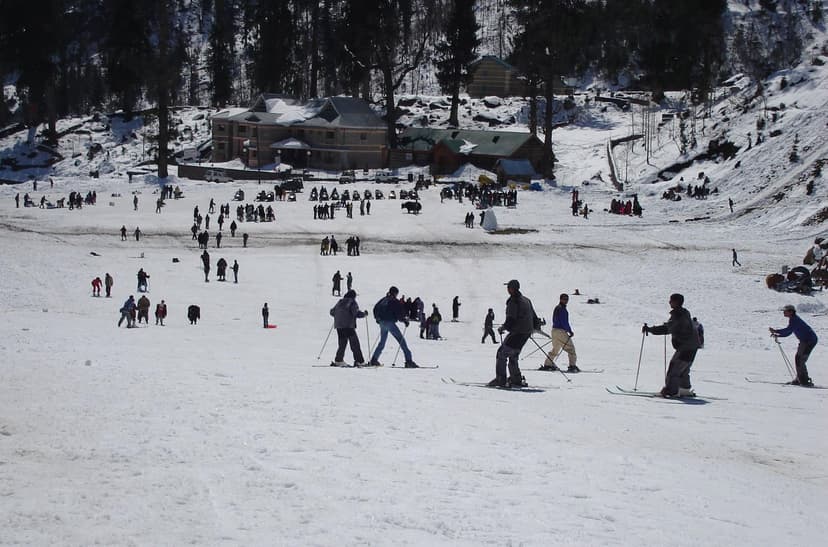
Snow activities formalise at this age. Skiing introductions at Solang Valley start around age eight, with one-hour beginner sessions running Rs 575 to Rs 1,500 depending on operator and inclusions. Snow tubing remains the most reliable kid-pleaser at Rs 300-500 a ride. The Solang Valley Sports Center, run by HP government's tourism wing, has family packages with equipment specially sized for children; book in advance during peak winter weeks. Narkanda has skiing courses for slightly older kids (twelve and up); the slope is shorter and quieter than Solang and the lift queues are saner.
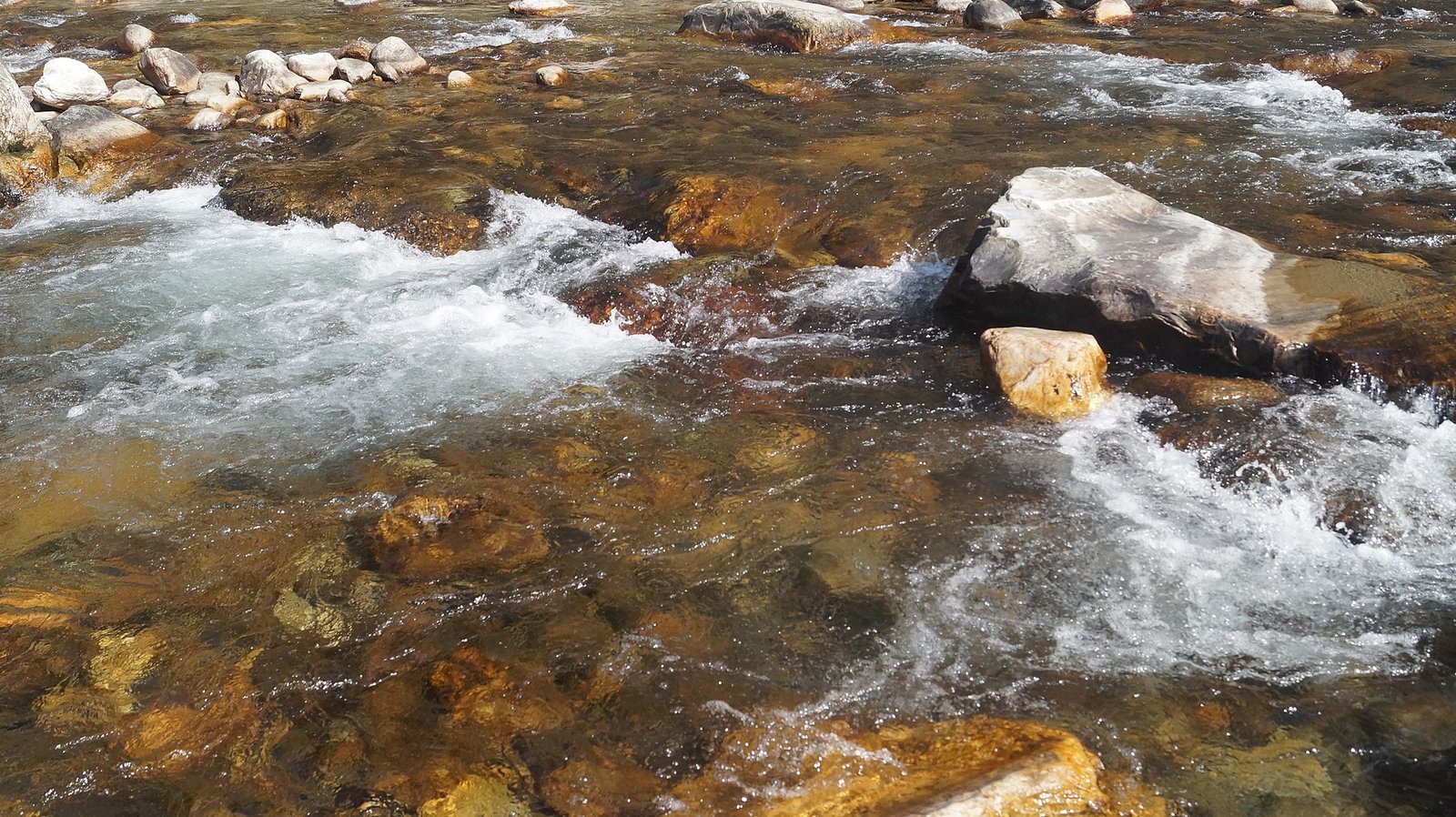
Kullu rafting on the Beas opens at age ten with most certified operators, though the Grade I-II stretches are easier than the marketing implies. The rapids are mild and the safety floor is professional. Rishi-Pulga and Bajaura Bridge are the standard family stretches. Bring extra clothes; everyone gets wet.
If your kid is a train kid, the Kangra Valley Railway is the second-best heritage-train ride in HP after Kalka-Shimla. As of April 2026 the through-service from Pathankot is still suspended (the Chakki bridge has been rebuilt and run as a trial; commercial through-service has not restarted), but the Baijnath Paprola to Joginder Nagar upper stretch is operational and ridiculously cheap. It is not a tourist train, which is why kids who like trains tend to like it more.
Bir for this age is no longer the calm-monastery base it was at zero-to-three; it is the place where the older kids stand on the Chowgan and watch paragliders land and beg to be taken up. They cannot be taken up. Tandem floor is twelve. What they can do is the Chokling Monastery walk (under five minutes, lots of prayer wheels), the Tibetan Colony market (cheap momos, cheap thukpa, real food for cold afternoons), and the Pahadee Coffee or Garage Cafe stop on the main road. Bir is the right two-night break in a Dharamshala or Palampur trip.
Cultural visits start working at this age too. Norbulingka Institute outside Dharamshala has actual artisan workshops you can watch (thangka painting, woodcarving, statue-making) and the entry fee is Rs 50-200. The McLeod Ganj kora is a one-hour walk with prayer flags, prayer wheels, and Tibetan Buddhist monuments along the way; eight-year-olds find this more interesting than they expect to. The Masrur rock-cut temples in lower Kangra, often described as the Himalayan Pyramids, are an easy half-day visit with carved monolithic shrines from the eighth century; a curious ten-year-old will spend an hour there without complaining.
Want a Himachal-local sanity-check on your family route? Email us your draft itinerary. We will tell you which day is too ambitious for your kids age, which homestay is worth the detour, and where the road has been rough this week.
Food at this age: kids eat what you eat. Introduce Himachali thali with rajma-chawal, madra, kadhi, and rice; the dham-style meal at a Mandi or Kangra wedding hall is the upper version of that and if you can get invited, do. Tibetan momos and thukpa are universal kid wins in Dharamshala, Bir, and Manali. Street-food rule remains: established stalls only, freshly cooked, watch the oil colour.
Skip at this age: full-day Rohtang trips above 3,500 m (the queue itself is the worst part, and the AMS risk is real). Five-hour-plus drives without a meaningful break every two hours. Anything billed as "advanced rafting" for ten-year-olds; the operators' insurance does not actually cover children at higher grades.
Ages thirteen and up: the real Himachal
Thirteen is the age where adult altitude guidelines apply and the rest of HP opens for business. Spiti becomes possible. Multi-day treks become possible. Tandem paragliding becomes legal.
Spiti from age thirteen is feasible if you do the acclimatisation honestly, which most travel operators do not bother with. Two nights minimum in Manali at 2,050 m before you head over Atal Tunnel, then a night in Sissu or Keylong at around 3,100 m if you are doing the loop, then one slow day from Kunzum onward. The eastern entry via Shimla-Reckong Peo-Nako gives you a more gradual rise (Reckong Peo 2,290 m, Nako 3,625 m) but takes longer in days. Do not try Spiti as a five-day fly-in-fly-out trip with a thirteen-year-old; the altitude headache that ends with a hotel-room vomit at 2 a.m. in Kaza is not the family memory you want.
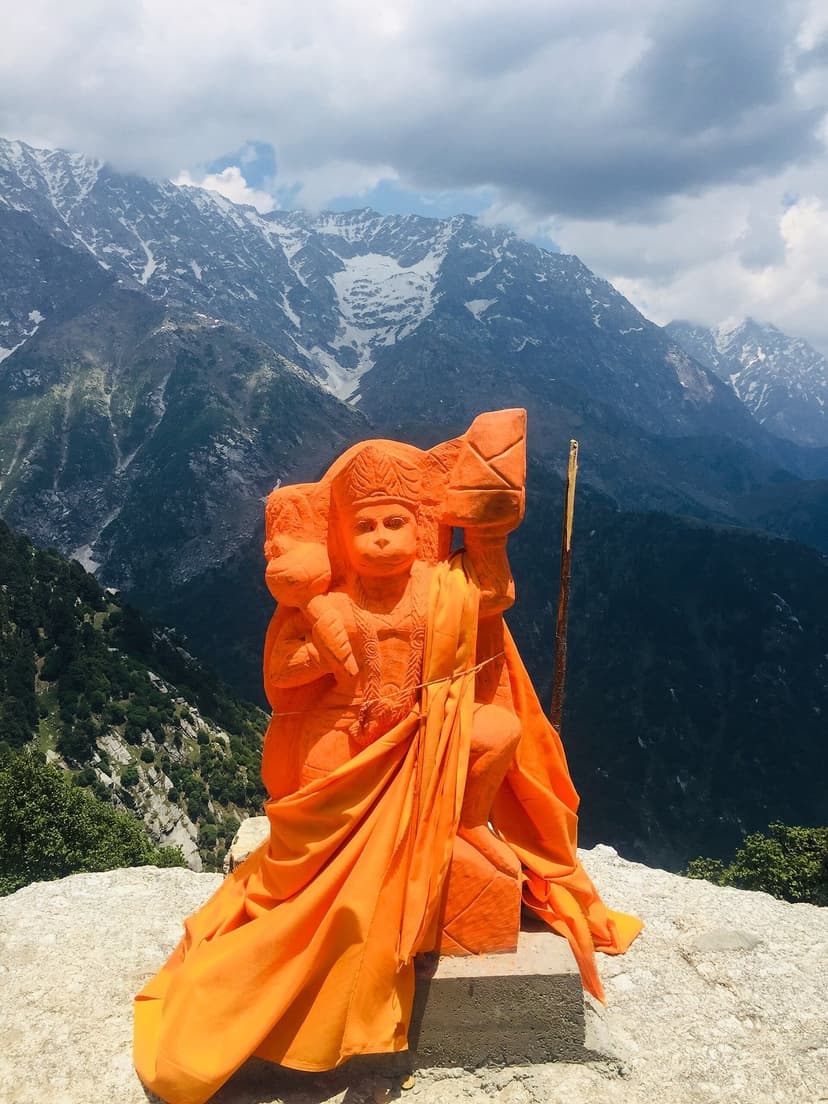
Triund is the entry-level overnight trek for this age. 9 km from McLeod Ganj, finishes at 2,828 m with Dhauladhar above you, camping permitted in regulated zones with operator-arranged camps from Rs 999 to 1,800 per night. Snowline Cafe and the Hanuman idol at the top are the photo finish lines. For a slightly more ambitious second trek, Bhrigu Lake (multi-day from Manali, alpine lake at 4,300 m, three days) or Kareri Lake (multi-day from Dharamshala, around 26 km RT) work for a fit fifteen-year-old. Beas Kund (14 km, two days) is a solid first multi-day option.
Bir-Billing tandem paragliding is age twelve and up at the operator floor, and the 2026 tandem price has firmed up at Rs 3,000 for the standard 15-20 minute flight. Pre World Cup events in Bir were cancelled in 2025 and there is no 2026 announcement at the time of writing. The 2,400 m takeoff at Billing and the 1,400 m landing in Bir village is the standard family thrill. Photo packages add Rs 500 to 800. Insurance is included.
Kullu Beas rafting at full Grade II-III is age twelve and up with most operators. The standard family stretch is Pirdi to Jhiri (14 km, around 90 minutes on water). For older teens with appetite, Pirdi to Bajaura (28 km, includes a few Grade III drops) is doable. Bring shoes that can get wet.
Cultural and historical depth opens at this age. The McLeod Ganj-Norbulingka-Lha Trust loop becomes a meaningful three-day cultural visit instead of a one-day photo tour. The Tibet Museum and the Tibetan Library are both worth two hours each for a teenager who has done some homework on the 1959 exile. In Kullu, Naggar Castle (currently closed for restoration, scheduled to reopen 2027 per HP Tourism's Asian Development Bank project) and the Roerich Art Gallery are a good half-day for a teen with patience.
Food at this age: kids eat anything. Send them at the local boti dham if you can find one (T17 has the long version on this); push them to try chha gosht and madra and the local trout if it is the season. Tibetan butter tea (po cha) is the divisive one; let them decide. Laphing (cold mung-bean noodles with chilli oil) is the McLeod Ganj teen favourite for a reason.
"In children under five, acute mountain sickness presents differently. Lethargy, food refusal, irritability, and excessive crying may be confused with routine travel effects." That is the BMJ-cited paper that should govern every HP family booking. Read it before you book Spiti.
The eight HP destinations for which kid, in one table
This is the table the article exists to provide. Rows are the major destinations, columns are the age groups, ratings are honest. Yes means recommended; Caution means it works but read the section above before booking; No means do not.
| Destination | Ages 0-3 | Ages 4-7 |
|---|---|---|
| Kasauli | Best pick | Yes |
| Dharamshala-McLeod | Yes | Yes |
| Palampur | Yes | Yes |
| Bir | Yes | Yes |
| Dalhousie + Khajjiar | Borderline | Best pick |
| Shimla + Kufri | Caution | Best pick |
| Manali + Solang | Caution | Yes |
| Tirthan Valley | Borderline (carrier essential) | Yes |
| Mandi (Prashar) | No | Caution |
| Spiti | No | No |
The map: family-safe HP, hospitals included
The family-friendly treks, in one place
- Gilbert Trail, Kasauli (1.5 km, age 2+)
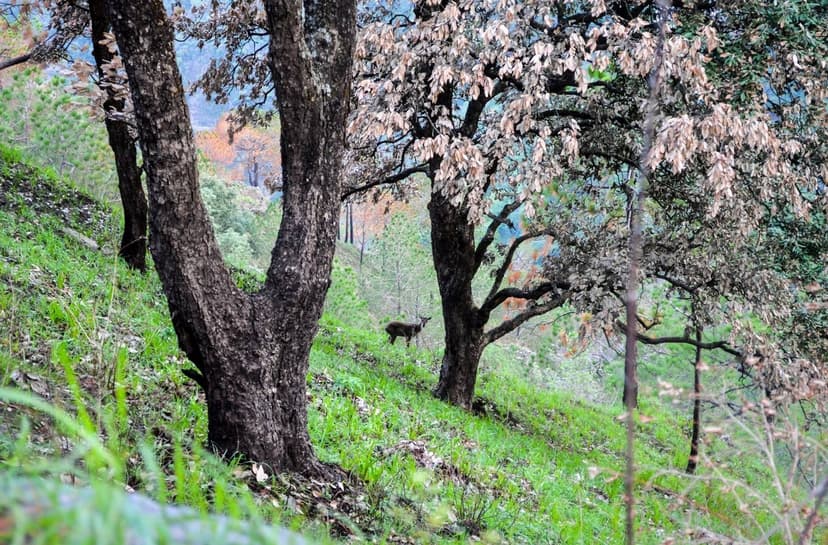
Almost flat, paved sections, broadleaf forest, occasional barking-deer sighting. Two hours including a snack break. - Bijli Mahadev, Kullu (3 km, age 5+)
Easy ridge climb to a Shiva temple where the lightning rod gives the legend its name. 90 minutes up, 60 down. - Dainkund Peak, Dalhousie (3.5 km, age 6+)
Open-ridge walk with Pholani Devi temple at the top. View into Pir Panjal range. 2 hours. - Prashar Lake, Mandi (7 km RT, age 8+)
Floating island on the lake (locally called Tahla), 14th-century kath-kuni temple at the shore. 3-4 hours. - Triund, McLeod Ganj (9 km RT, age 10+)
Snowline Cafe halfway, Hanuman idol at top with Dhauladhar above. Day trek possible; overnight is better. 6-7 hours. - Beas Kund, Manali (14 km RT, age 12+)
Two-day trek to alpine source of the Beas. First overnight serious trek. Cold nights. - Bhrigu Lake, Manali (26 km RT, age 12+)
Three-day trek to a 4,300 m alpine lake. Real acclimatisation needed. Fit kids only. - Kareri Lake, Dharamshala (26 km RT, age 12+)
Three-day trek through Gaddi shepherd country. Easier than Bhrigu, longer than Triund.
Snow, formally: what each activity costs and when each kid can do it
| Activity | Cost | Notes |
|---|---|---|
| Snow play and snowball-throwing | Free | Kufri, Solang, Narkanda. Any age with parent. Bring waterproof gloves. |
| Snow tubing and sledging | Rs 300-500 | Solang Valley. Any age with parent. 1 ride per ticket. |
| Snow Kingdom Kufri indoor | From Rs 500 | Under 2 not allowed. Under 11 needs accompanying adult ticket. 15 m tube ride is the kid favourite. |
| Kufri horse ride | Rs 300-500 | Mahasu Peak. Local handler holds lead. Saddle is adult-sized; small kids ride uncomfortably. |
| Skiing introduction Solang | Rs 575-1,500/hr | Age 6-8+. Equipment + instructor included. Family packages with kid-sized kit at Solang Valley Sports Center. |
| Skiing course Narkanda | Rs 5,000-15,000 | Age 12+. Multi-day. Quieter slope than Solang. |
| Kufri Fun World entry | Rs 500-1,000 | World highest go-kart track at 2,800+ m. Individual rides Rs 300-700 each. |
Practical bits everyone forgets
Medical kit you actually need. Children's paracetamol in the right dose; an ORS supply, the kind in sachets you mix with bottled water; pediatric anti-diarrhoeal (the loperamide adult version is not for under-twelves); plasters and a small antiseptic; sunscreen SPF 50 because the UV at 2,000 m is meaningfully harsher than at sea level; and one altitude-awareness card in your wallet listing the symptoms. The card sounds neurotic and is genuinely useful in a 2 a.m. moment.
How to time the trip. Avoid the peak May-June family rush if you have a baby; the traffic on the Chandigarh-Manali highway is its own special hell and the hotel rates triple. The Reddit consensus, which is broadly correct, is that the snow weeks of January and February are the quietest with kids because Indian school exams are on and most families do not travel. April and early May are the sweet spot for the four-to-twelve band: snow is mostly gone, the rhododendrons are out, the roads are open, and the Chandigarh-Manali highway is not yet at peak chaos.
Getting there with kids. A private car from Delhi to Manali is around Rs 10,000 for the 12-hour run, and with small children it is genuinely better than the bus despite the cost. From Delhi to Shimla, the same logic applies; the toy train from Kalka adds the family-photo moment and is the right call if you have time. The HRTC Volvo Himsuta service Delhi-Manali is Rs 1,450-1,570 per adult one-way, kids under six are charged half, and at that price for two adults plus one kid it is the right pick if your kid is past the screaming-on-overnight-buses phase. From Chandigarh, the Shimla-Kalka toy train option is the family-friendliest in the whole state.
What to actually pack. Layers, not coats. A waterproof outer shell that fits over a fleece is more useful than the best single down jacket; HP weather changes by the hour and a layer system is the right answer. Shoes the kid can walk in, not new shoes; new shoes on a hill-station trip is a category error. A carrier, not a stroller, unless your destination is on the four-town under-three list and you have a paved-trail plan. Entertainment for the drive beyond a phone (cards, a small book, a sticker activity); the cell signal on the Chandigarh-Manali road gives up for long stretches and a phone-dependent kid will be a phone-dependent problem.
Food safety with kids. Stick to fresh-cooked food from busy places where the turnover is fast. Avoid cut fruit and salads at roadside stops; the fruit's wash water is not what you would wash a fruit with at home. Bottled water only, and buy it from a shop where the seal is intact (the trick where someone refills bottles and re-seals them with hot water is rarer than it used to be but not extinct). Stalls in McLeod Ganj's main market and the Manali Mall area are reliable; lower-grade stalls outside major towns are a coin flip and you do not need to flip it.
Need a kid-friendly homestay shortlist for a specific date, with the high-chair / cot / safe-balcony details that nobody puts on Booking.com? Email us your dates and ages. We will send you three to five names per town that we know the owners of.
Frequently asked questions
Is Manali safe for a 2-year-old baby?
Manali at 2,050 m is just above the BMJ-recommended sleeping limit of 2,000 m for children under two. A short visit of two to three nights with the child sleeping at lower-Manali altitude is generally fine. Avoid staying above Manali (Rohtang, Solang) overnight, and watch for lethargy, food refusal, or unusual crying. If any of those appear, descend to Kullu (1,278 m) the same day, no wait-and-see.
What altitude is safe for children in Himachal Pradesh?
Under 2 years: sleep below 2,000 m (safe: Dharamshala, Palampur, Kasauli, Bir). Ages 2-10: sleep below 3,000 m (adds Shimla, Manali, Dalhousie, Tirthan). Above 10: adult guidelines apply. Avoid Rohtang Pass at 3,978 m, Spiti Valley above 3,500 m, and Chandratal at 4,300 m with children under 13. The UIAA and BMJ consensus is conservative for good reason: AMS in small children is hard to diagnose.
Which is the best HP hill station for families with toddlers?
Kasauli at 1,927 m if you are coming from Delhi/Chandigarh side; Dharamshala-McLeod at 1,457-2,000 m if you are flying in or have more time. Both are at safe altitudes, have flat walking areas (Gilbert Trail; the McLeod kora and main market), family-friendly restaurants with high chairs, and are within 90 minutes of a proper paediatric hospital.
Can I use a stroller in Himachal Pradesh?
Limited. Shimla Mall Road has flat stretches, the Kasauli Gilbert Trail is paved enough, Dalhousie Mall Road is gentle. Most HP destinations have steep, uneven terrain that defeats strollers. A baby carrier is the right answer almost everywhere, and is essential for Manali, Kufri, Tirthan Valley, and any trek.
What family-friendly treks are there in Himachal Pradesh?
Gilbert Trail Kasauli (1.5 km, age 2+), Bijli Mahadev Kullu (3 km, age 5+), Dainkund Peak Dalhousie (3.5 km, age 6+), Prashar Lake Mandi (7 km, age 8+), Triund McLeod Ganj (9 km, age 10+), Beas Kund Manali (14 km, age 12+), Bhrigu Lake and Kareri Lake (26 km multi-day, age 12+).
Are snow activities safe for children in Himachal?
Snow play and sledging are safe for all ages with a parent. Solang Valley tubing costs Rs 300-500 per ride. Skiing introductions formally start at age six to eight (Solang, Rs 575-1,500 per hour). Formal skiing courses start at twelve (Narkanda). Snow Kingdom Kufri indoor park does not allow under-twos, and under-elevens need an accompanying adult ticket. Layer clothing, limit cold-exposure time to under an hour for small children, and bring waterproof gloves.
Where are the nearest paediatric hospitals in HP?
IGMC Shimla (full paediatrics department; emergency 0177-2654713). Aastha Hospital Shimla and Tenzin Hospital Shimla have specialised private paediatric care. AIIMS Bilaspur is the newest tertiary facility. RPGMC Tanda near Dharamshala is the Kangra Valley referral centre. District hospitals in Dharamshala, Mandi, and Kullu have basic paediatric services. Manali itself has limited facilities; the nearest proper hospital is at Kullu, 50 km south.
What food is available for kids in Himachal?
Rice, dal, roti, and mild North Indian food are everywhere. Shimla and Manali have multicuisine restaurants with pasta, pizza, and continental options. Himachali siddu (mild steamed bread) and madra (mild chickpea-yoghurt curry) are kid-friendly. Tibetan momos and thukpa in Dharamshala, Bir, and Manali are reliable. Baby food and formula are available in Shimla, Manali, and Dharamshala pharmacies; carry supply to smaller destinations like Kasauli, Palampur, and Bir.
Is the Kalka-Shimla toy train good for kids?
Yes, it is the single most family-defining HP experience for the four-to-twelve age band. 96 km, four to six hours, 102 tunnels, around 900 curves, UNESCO heritage since 2008. Three services: Shivalik Deluxe Express, Rail Motor Car, Himalayan Queen. Children under five travel free. Book through IRCTC up to 30 days ahead; tickets disappear in peak summer and winter weekends. Right-side seats give the better view going up.
Should I take kids to Spiti Valley?
Not recommended for children under 13. Kaza is at 3,800 m (above the under-10 safe ceiling), medical facilities are extremely limited, roads are rough with 10-12 hour drives, and rescue or evacuation can take days. Teenagers 13 and up can do Spiti with honest acclimatisation: at least two nights at Manali altitude (2,050 m) before crossing over Atal Tunnel, plus one slow day after Kunzum, or the gradual eastern entry via Reckong Peo and Nako.
Sources
British Medical Journal (PMC), "Children in the Mountains", sleeping-altitude limits, AMS presentation in children: pmc.ncbi.nlm.nih.gov/articles/PMC1112806. UIAA Medical Commission, "Children at Altitude": theuiaa.org/children-at-altitude-essential-advice. Children's Hospital Colorado, altitude sickness in children: childrenscolorado.org/just-ask-childrens/articles/altitude-sickness. Snow Kingdom Kufri: snowkingdomkufri.com. Solang Valley Sports Center 2026 rates: solangvalleysportscenter.com. Kalka-Shimla Railway IRCTC booking: shimlatourism.co.in/kalka-shimla-toy-train. IGMC Shimla paediatrics: igmcshimla.edu.in/Pediatrics.jsp. Triund Trek operator floor and camping rules: triund-trek.com/trekking-permit. Tribune India, Khajjiar entry-fee story (older record, parking-charge framework): tribuneindia.com/news/himachal/waive-entry-fee-to-khajjiar-for-locals-342909. Lonely Planet, "India with Kids": lonelyplanet.com/articles/india-with-kids. Kufri Fun World 2026 pricing and world-highest-go-kart claim: kufriheritageresort.com/kufri-fun-world. Bir Billing tandem paragliding 2026 pricing (T49 companion article): refuje.com/blog/bir-billing-paragliding-guide-2026.
Cross-references: T02 HP Travel Guide · T05 Best Time to Visit HP · T16 Kangra Valley Railway · T22 Shimla Hidden Gems · T30 Kullu-Manali Budget · T49 Bir-Billing Paragliding.
By Rajesh Thakur, Kullu native, writing about Himachal Pradesh travel and culture since 2018. I am not a paediatrician. The altitude advice in this guide is from BMJ and UIAA consensus; the destination advice is from observation in HP over many years, not from claimed family trips with specific named children.
About Rajesh Thakur
Rajesh Thakur grew up in the Kullu valley and has been writing about Himachal Pradesh travel and culture since 2018. He is most at home in upper Kullu, Lahaul, and the Spiti circuit, and has done the Manali-Kaza loop more times than he has counted.
You Might Also Like
Volunteering in Himachal Pradesh: 12 Organisations and How to Apply (2026)
Teach English in McLeod Ganj, conserve the Great Himalayan National Park, build with earth in Bir, or harvest apples in Kullu. Twelve real HP volunteer organisations with honest costs, the visa rule that gets foreigners deported, and how to apply.
How to Travel Himachal Without Wrecking It: A Quiet-Travel Manual
A non-preachy field manual for responsible travel in Himachal, by a Kullu local: how to behave, when to go, where to go instead, and the 2026 rules and bans that actually matter.
Mamleshwar Mahadev: The Eternal Flame Temple of Karsog
An eternal fire, a fist-sized wheat grain and a six-foot drum, kept in a mortar-less timber temple in the quiet Karsog valley. The honest story of Mamleshwar Mahadev: what is real, what is faith, and how to go.