Learning to Surf in North Goa: The Honest Beginner's Guide (Beaches, Season, First Lesson)
Goa is the best place in India to be bad at surfing. That is meant as praise. The waves on the north coast are small, slow and forgiving, the water is warm enough to stay in for hours, the boards are soft, and a lesson costs less than a decent dinner. Nobody is going to see you fall off, because half the people in the water are falling off too. What Goa is not is a place to become a good surfer. It is a place to become a surfer at all, to stand up on your first white-water wave and understand, finally, what the fuss is about. If you want that, it is one of the easiest and cheapest places on earth to get it.
I write for Refuje and I do not live in Goa, and I have never stood on a board here. This is drawn from surf schools and surf guides, the people of r/Goa who actually paddle out, and the boring, useful facts about wind and season that the reels leave out. Two of those facts matter more than anything. The waves you want for learning are not there in the monsoon, when the reels are filmed, and the surf is a north-coast thing, so the beach you booked in the south may be flat. Here is where to go, when to come, and what a first lesson is really like.
Where the waves are
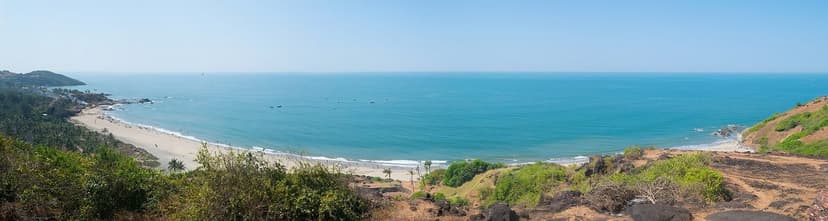
Almost all of Goa's surfable water is on the north coast, in a short run of beaches above the Chapora river: Morjim, Ashwem, Mandrem and Arambol, with a few more scattered south. Mandrem is the one most schools point beginners at, forgiving sandbars and a gentle break. Ashwem is a mellow beach break with several schools on the sand. Arambol is the busiest, the closest thing Goa has to a surf town, consistent enough to handle better surfers on a big day and slow enough for beginners on a small one. The south of Goa, the Palolem-Agonda end, is mostly flat: one surfer on r/Goa, stuck down there, said simply that they do not have surf-friendly waves, and pointed anyone who wanted them back north. Agonda has a small surf club and that is about the exception that proves it.
When to actually come
This is the part people get backwards. Goa has swell in the monsoon, June to September, big and messy and one to eight feet, but the sea is rough and unpredictable then and the schools do not run beginner lessons, for the obvious safety reasons. The season for learning is the dry half of the year, roughly October to March. October and November are the most consistent, the ocean still carrying leftover monsoon energy; December through March the waves shrink to small, slow, gentle things, which is exactly what you want for a first lesson. So the rule is simple: come in the dry season to learn, not in the monsoon, and treat the smaller winter waves as the feature they are, not a disappointment.
| Monsoon (Jun to Sep) | Dry season (Oct to Mar) | |
|---|---|---|
| Waves | Biggest swell, 1 to 8 ft, powerful | Small, slow and gentle, especially Dec to Mar |
| Sea state | Rough, messy, unpredictable | Cleaner, calmer, safer |
| Lessons | Beginner lessons usually not run (safety) | Peak learning season; schools open |
| Best for | Experienced surfers, at their own risk | Absolute beginners and first lessons |
| Sweet spot | - | Oct to Nov most consistent; Dec to Mar gentlest |
Your first lesson, honestly
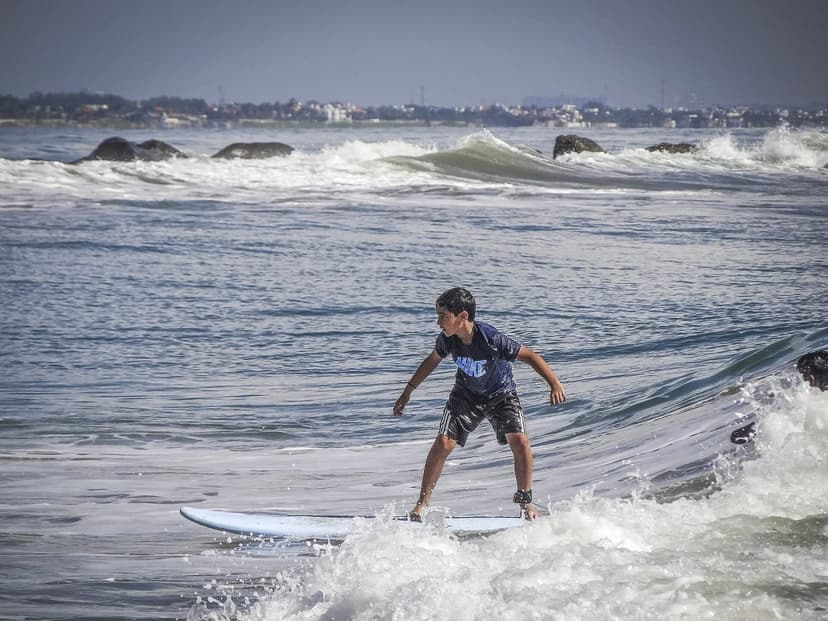
A first lesson is gentler than you fear. You start on the sand, learning to pop up on a board that is not moving, then wade into waist-deep water with a big soft foam board and catch the white water, the broth of a wave that has already broken, pushing you gently towards the beach. You do not paddle out to the proper waves, and you should be wary of any instructor who rushes you there. Most people stand up, wobbling, in the first session or two. On the cost, take the r/Goa numbers as a guide rather than gospel: one regular quoted about 1,500 rupees for a first lesson, 3,500 for a package of three, and board rental somewhere around 300 to 400 an hour, and warned that prices vary by school and board. As for which school, the honest answer is that there are many good ones and taste differs. The same thread that raved about one small operator had another local flatly warning people off it and telling them to open Google Maps and pick from the many options. So read recent reviews, turn up in person, and judge the vibe and the safety talk yourself.
Choosing a surf lesson in Goa, quickly. Come in the dry season (October to March); lessons do not run in the rough monsoon. Learn on the north-coast beaches (Mandrem, Ashwem, Arambol), not the flat south. Expect a soft foam board, a beach briefing and white-water practice, not paddling out to big waves on day one. Pick a school on recent reviews and a good safety talk rather than one loud recommendation, wear reef-safe sunscreen and a rash guard, and treat the sea, and the lifeguards flags, with respect.
Share the beach
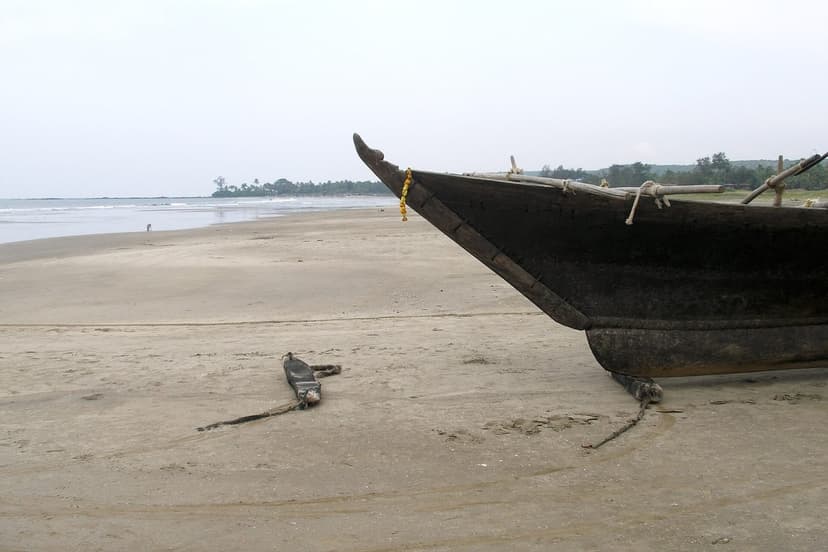
The beaches you learn on are not just a surf gym. Morjim is a protected olive-ridley turtle nesting site, so in nesting season you keep off the marked stretches, keep dogs and lights away, and do not drive on the sand. The same volunteers who love these beaches spend their weekends hauling rubbish off them, hundreds of kilos at a time. And the north coast is not the cheap, easy Goa it once was. Long-time residents on r/Goa are open about it: one who has lived there since 2014 said the thing that made Goa a class apart has dissolved into commercialisation and construction, and another warned that prices have gone wild and that most beach shacks now exist to overcharge you. None of that means do not come. It means come lightly, spend where it is fair, carry your rubbish out, and leave the turtles their sand.
None of the beaches in the south have surfable waves. If you want to surf, you go north.
Where a surf trip fits
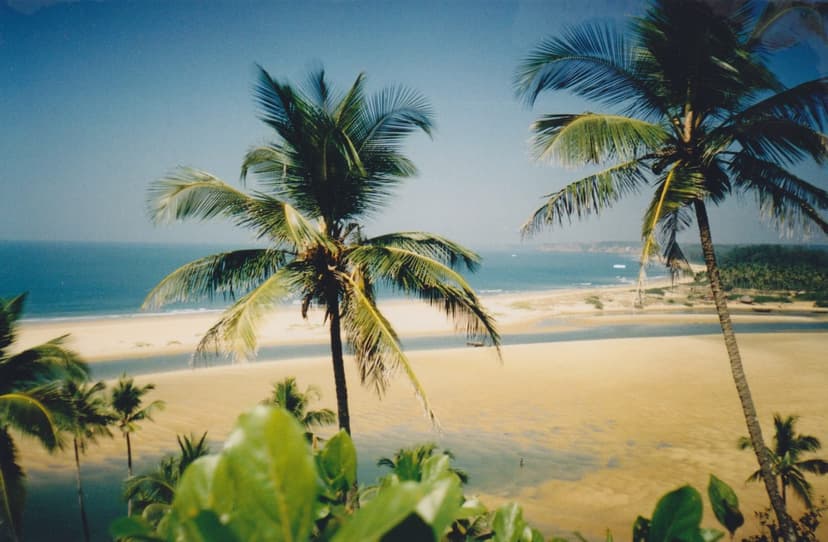
Surfing is the reason to base yourself on the quiet top end of the north coast, around Mandrem and Arambol, rather than the party strip further south, and it slots neatly around the rest of the good, slow Goa. Surf in the cool morning, eat a proper fish thali after, and keep an evening for the forest and the waterfalls inland. For the wider argument that this quieter Goa beats the beach-club version, there is a companion piece on whether Goa is overrated at all. A week of small waves and no ambition is one of the better things the state does.
Surf lessons in Goa are run by a couple of dozen independent surf schools along the north coast, and Refuje is looking at adding a guided learn-to-surf experience. In the meantime, you can see the North Goa experiences that are currently bookable on the North Goa things-to-do page. Whichever school you learn with, the rule holds: dry season, soft board, white water first, and respect the sea.
Common questions
Is Goa good for surfing?
For learning, yes; for advanced surfing, not really. Goa has small, gentle, forgiving beach breaks on its north coast that are ideal for beginners and cheap, warm and easy to access, which makes it one of the best places in India to learn. It does not have the size or power that experienced surfers travel for. Come to catch your first waves and have fun, not to progress to big-wave surfing.
Where can you surf in Goa?
Almost entirely on the north coast, above the Chapora river: Morjim, Ashwem, Mandrem and Arambol are the main beginner beaches, with Mandrem the most consistent and beginner-friendly and Arambol the busiest surf hub. The south of Goa (Palolem, Agonda) is mostly flat, with only a small surf scene at Agonda. If you want waves, base yourself up north.
When is the best time to surf in Goa?
For lessons and beginners, the dry season, roughly October to March. October and November have the most consistent waves; December to March brings smaller, gentler ones that are perfect for first-timers. The monsoon (June to September) has the biggest swell but rough, unsafe conditions, and surf schools generally do not run beginner lessons then. So learn in the dry season, not the monsoon.
How much does a surf lesson in Goa cost?
It varies by school and season, so treat any figure as a guide. Goans on r/Goa have reported roughly 1,500 rupees for a first lesson, around 3,500 for a package of three sessions, and board rental of about 300 to 400 rupees an hour, but prices differ between operators and change over time. Check current rates directly with the school when you book.
Can a complete beginner learn to surf in Goa?
Yes, easily. Lessons are designed for absolute beginners: you practise popping up on the sand first, then catch the gentle white water of already-broken waves in shallow water on a big soft foam board, with an instructor beside you. Most people stand up in the first session or two. Just come in the dry season, start on the north-coast beaches, and do not let anyone push you out to the big waves too soon.
Which surf school in Goa is best?
There is no single best one; the north coast has many good independent schools, and opinions differ, even on the same operator. Rather than chase one loud recommendation, look at recent reviews, turn up in person, and judge the instructors, the safety briefing and the vibe yourself. A good school teaches you on the sand first, uses soft boards, keeps beginners in the white water, and does not overcrowd a lesson.
Is it safe to surf in Goa, and what about the beaches?
Beginner surfing in the dry season, with a proper school on a gentle beach, is reasonably safe; respect the lifeguard flags and never surf the rough monsoon sea. Be a good guest of the beaches too: Morjim is an olive-ridley turtle nesting site, so keep off marked areas in season, keep dogs and lights away, do not drive on the sand, and carry your rubbish out. Local volunteers clean these beaches, so do not add to the pile.
Sources and a note on this guide
I write for Refuje and I do not live in Goa or surf its waves. The beaches, the seasons and the beginner mechanics are from surf schools and surf-travel guides; the pricing, the which-school debate, the south-has-no-waves point and the honest note on crowding come from Goans and surfers on r/Goa, quoted and attributed as they appear. The school names and prices are their reports, not our verified picks, and both change, so check current reviews and rates before you book. Nothing here is a first-hand claim of mine. The facts were checked in August 2026.
- Goa surf beaches (Morjim, Ashwem, Mandrem, Arambol; south mostly flat) and beginner suitability: Surf Atlas, Suay Hype and surf-school guides, plus attributed r/Goa.
- Seasons (monsoon June to September rough with no beginner lessons; dry October to March the learning season, Oct to Nov most consistent, Dec to Mar gentlest): the same surf guides and school season pages.
- First-lesson mechanics (sand practice, soft boards, white-water waves, do not paddle out early): beginner surf guides.
- Lesson pricing, the single-school rave-and-warning, the flat south, Morjim turtle nesting and the beach cleanups, and the honest crowding and cost of North Goa: attributed r/Goa threads, quoted inline.
Surf conditions, school quality and prices change every season, so check current reviews and turn up in person before you commit to a course. If you surf these beaches and know them better than the sources here do, that is the correction this guide should carry, so tell us.
You Might Also Like
Edge City India 2026: The Practical Guide
Three weeks in Mandrem, North Goa. October 11 to November 1, 2026. Hundreds of founders, researchers, engineers, and creators living and building on a stretch of beach that is usually known for yoga retreats and quiet cafés, not hackathons. If you have applied, or you are wondering whether you...
Solo Female Travel in Goa: An Honest Safety Guide
An honest, balanced safety guide for women travelling to Goa alone: why it's comparatively safe and loved by many yet has a real, worsening harassment problem concentrated on the party beaches, where to base for a calmer trip, and the practical choices that tilt the odds in your favour.

Working Remotely from North Goa: The Honest Digital-Nomad Guide
An outsider's honest guide to working remotely from North Goa: why it isn't the beach-office of the photos, the power-and-internet problem that decides everything, where to base (Assagao, Siolim, Caranzalem), the cost, solo-female safety, and how to be a good guest rather than a coloniser.