
Goa's Pottery, Old and New: The Kumbhar Potters and Where to Throw Your Own
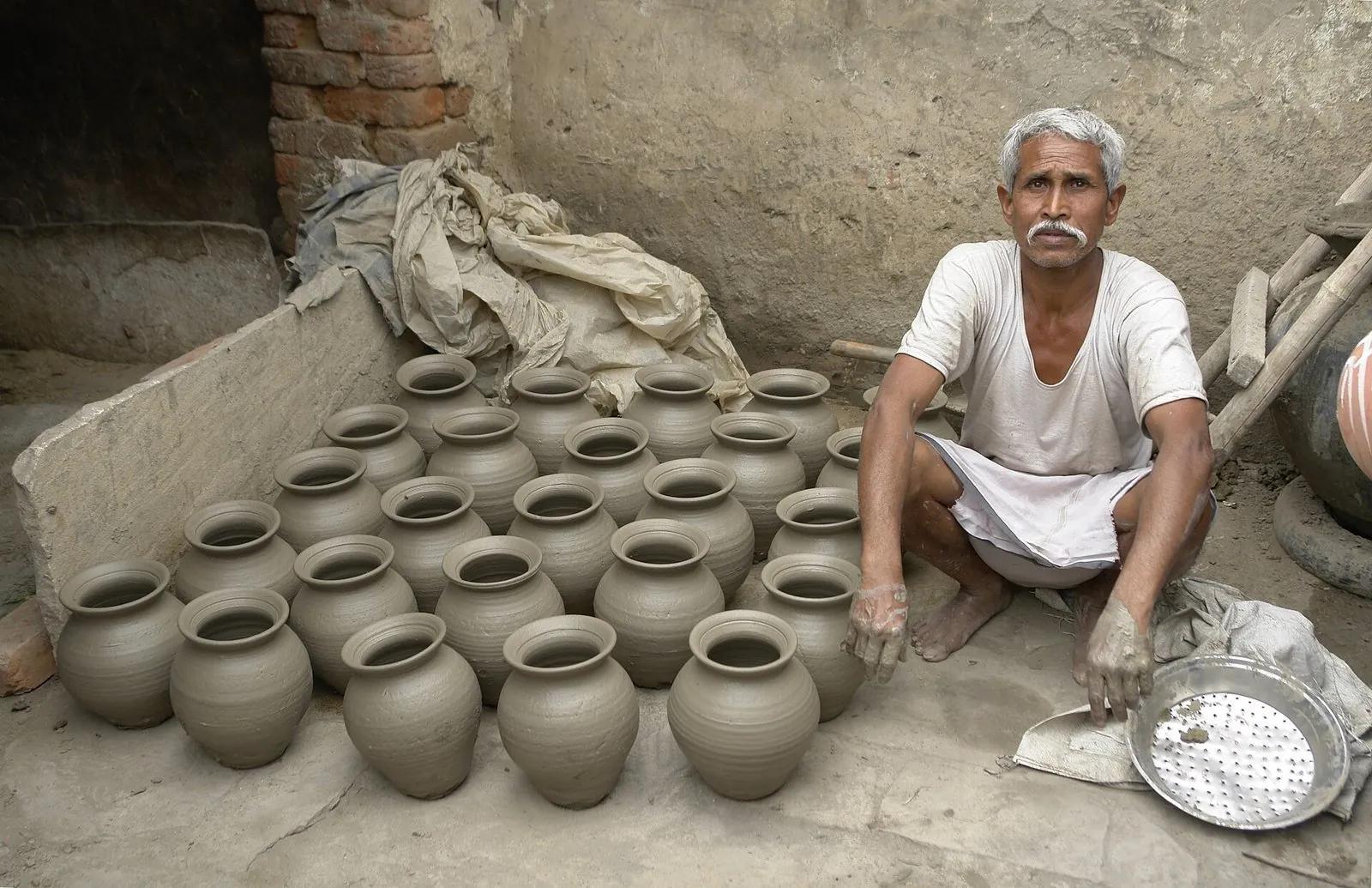
Long before the beach shacks, Goa was a clay place. The red earth around Bicholim and Calangute in the north has been dug, soaked and thrown into pots for generations by the Kumbhar, the potter families, and you eat and drink from their work without noticing it: the earthen surahi that keeps water cool by a village door, the little lamps lit at Diwali. That old craft is quietly under pressure from steel and plastic. What is not under pressure, and is genuinely new, is a small crop of studios up north where you can sit at a wheel yourself and make a wobbling, lopsided bowl to carry home. This is a guide to both, the potters who have done it forever and the places that will let you have a go.
One honest thing first, because it shapes what this can be. I write for Refuje and I do not live in Goa, and this is the rare North Goa subject the forums barely touch. Search r/Goa for pottery classes and you get almost nothing; the studios below have superb ratings but no Reddit footprint at all, because this is a scene that lives on Instagram and class-listing sites, not on message boards. So the history here is sourced from craft records and the Goan press, the studios are drawn from review data and named as leads to check rather than places I can vouch for, and where a real Goan voice exists I have used it. Treat the specific names as starting points, and confirm before you turn up.
The old craft: Kumbhar clay
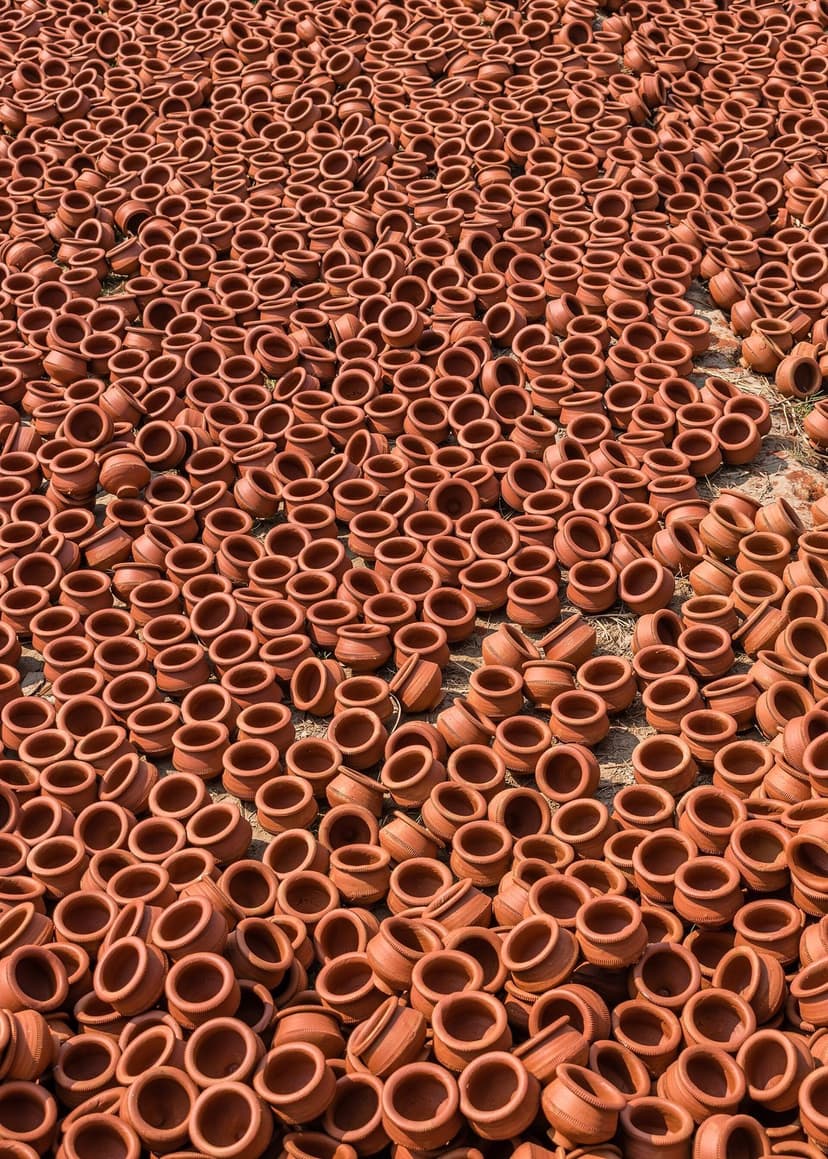
Goan earthenware has a look of its own, a deep, warm red that comes from the local soil, and the making of it is slow in a way that is hard to fault. The red clay is dug from the fields around Bicholim, then soaked in water for a couple of days, sieved through a net until it is smooth, and left to dry for about ten days before it is even ready to knead. Only then does it go on the wheel. The Kumbhar potters throw, coil, pinch and mould it into the useful things first, pots and bowls and plates and the water vessels that keep a kitchen cool, and then the rest: oil lamps, planters, figurines, the clay idols carried at festivals. It is hereditary work, learned by a child watching a parent at the wheel rather than in any class, and like a lot of hand-crafts it is squeezed now by steel and plastic and cheap imports. Seeing it is not hard if you are curious. Ask around the potter lanes of Bicholim, or look for the red pots stacked at a village shop or a Friday market, and you are looking at one of the oldest living things Goa still makes.
The new bit: studios where you can throw a pot
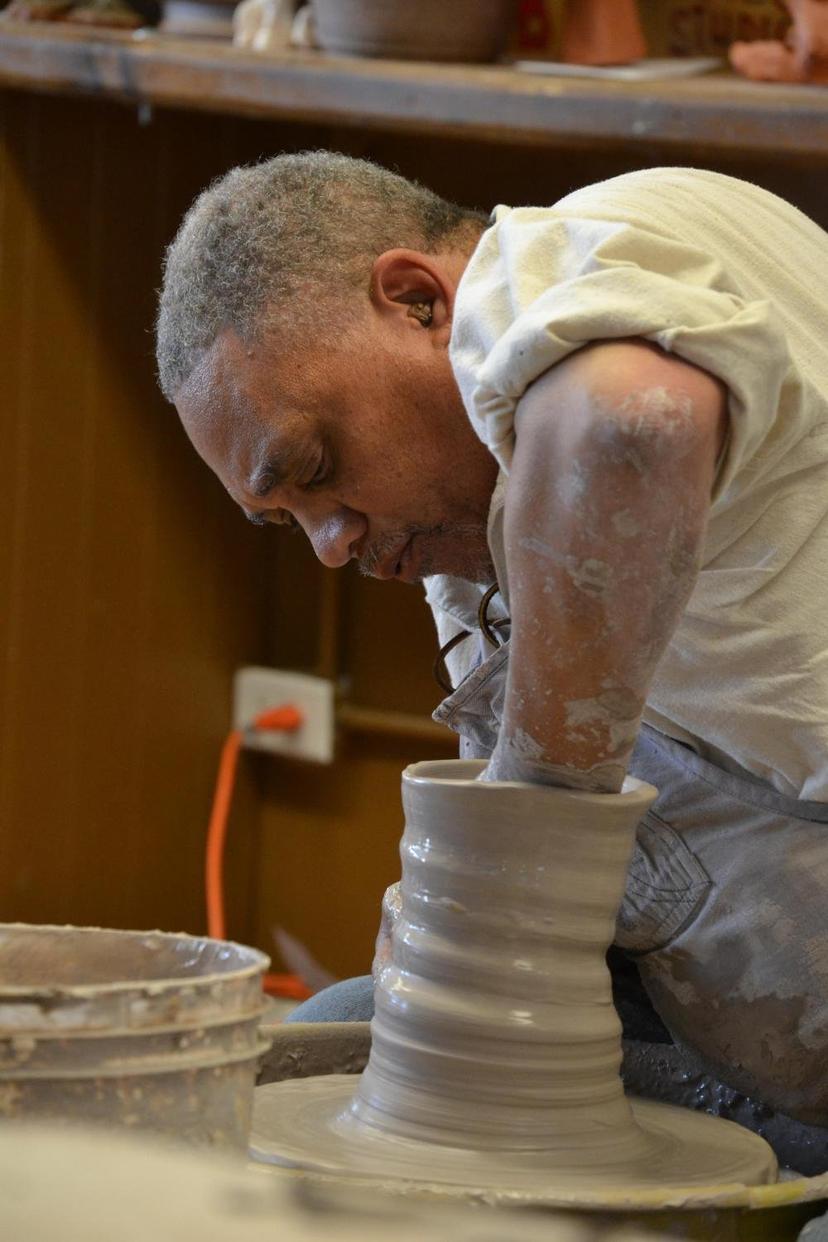
The genuinely new thing in North Goa is that you can now sit down and try it. A handful of small studios run wheel-throwing and hand-building classes for beginners, and by the review numbers they are very good, though, as flagged, none of them show up in the Goa forums, so take the names as leads. Three come up again and again on the class listings. Mati Earth, in Junaswada near Mandrem, is a working studio where you throw a pot alongside the artist and carry it home; there is reportedly no signboard, which tells you the sort of place it is. Dharamkot Studio, up a quarry road near Ashwem, runs ceramics and craft classes in a wooded setting and holds a near-perfect rating. And ThinkClay sits across the Mandovi on the Divar side, which makes for one of the better days out in Goa: take the little car ferry over, throw a pot, and come back across the river in the evening light. What you get from any of them is not a masterpiece. It is an afternoon with your hands in cold clay and one slightly wonky bowl that is yours. That turns out to be plenty.
The tile detour: azulejos in Panjim

There is a second clay tradition in Goa, and it survives because of one stubborn man. Those blue-and-white hand-painted tiles you see set into old house fronts and street signs, azulejos, are Portuguese, and they had all but died out here. Then, in 1988, a Goan called Orlando de Noronha went to Lisbon to study the Portuguese guitar and came home with a bag of tiles and a book on how they were made. Out of that he built Azulejos de Goa, run from his 250-year-old house in Panjim, and more or less brought the craft back on his own. The gallery is stacked with hand-painted tiles, crockery and the house-number plaques you will start spotting all over Goa once you know to look, and they teach the painting in workshops. Not pottery exactly. But the same instinct, clay and a patient hand, and a better hour in Panjim than another church.
I mostly followed Instagram pages for the workshops.
| Traditional Kumbhar pottery | A modern studio class | |
|---|---|---|
| Who makes it | A hereditary Kumbhar potter | You, guided by a studio artist |
| Where | Potter villages around Bicholim and Calangute | Studios near Mandrem, Ashwem and Divar |
| What you get | Water pots, lamps and idols made to sell | One pot you throw yourself and keep |
| The clay | Local red Bicholim clay, prepared over days | Studio clay, ready to throw |
| Why go | To see a living craft up close | To make something with your hands for an afternoon |
Doing a pottery day, honestly. Because this scene is not on the forums, book through the studios own Instagram or a class-listing site rather than expecting to walk in, and message ahead to check they are running a session and have a spot. A beginner wheel class usually runs a couple of hours; wear clothes you do not mind getting clay on, and remember a thrown pot has to dry and be fired, so ask whether you collect it later or they post it. To see the traditional side instead, ask locally around Bicholim for a working potter, or look for the red earthenware at the Mapusa Friday market, and buy a pot from the maker. And for the azulejos, Azulejos de Goa is in Panjim; check current workshop days before you go. Everything here changes, so confirm first.
- The heritage
- North Goa, especially Bicholim and Calangute, has a long red-clay pottery tradition worked by the Kumbhar (potter) community. The deep-red local clay is soaked, sieved and dried for days before it is thrown into pots, lamps, planters and festival idols. It is hereditary, hand-made and increasingly squeezed by mass production.
- Throw your own
- A few well-reviewed studios run beginner wheel and hand-building classes: Mati Earth near Mandrem, Dharamkot Studio near Ashwem, and ThinkClay across the river on the Divar side (pair it with the ferry). These come from review data and class listings, not the forums, so treat them as leads and confirm.
- Azulejos
- The Portuguese blue-and-white tile craft was revived in Goa by Orlando de Noronha, who brought it back from Lisbon in 1988 and runs Azulejos de Goa from his old house in Panjim, with tile-painting workshops. A different clay tradition, and a good hour in the capital.
- How to find it
- This is an Instagram-and-listings scene, not a Reddit one. Book studio classes through their own pages, message ahead to confirm a session and a spot, and expect to collect or have a fired pot posted later. For the traditional craft, ask around Bicholim or buy red earthenware from the maker at the Mapusa market.
- The honest bit
- The modern studios are named from review data rather than first-hand or community reports, because Goans simply do not discuss them online. Ratings, schedules and even whether a studio is still running change, so confirm every specific before you rely on it.
A morning with clay under your nails is a different souvenir from a fridge magnet, and it connects to a Goa that was here long before the beaches. It pairs naturally with the ferry-and-quiet of Divar island, right next to the ThinkClay studio, with a wander through the real local trade at the Mapusa Friday market where the red pots turn up, and with the wider case for the Goa beyond the beaches. You can see the North Goa experiences that are currently bookable on the North Goa things-to-do page.
Common questions
Can you take a pottery class in North Goa?
Yes, though you have to look in the right place. A few small studios run beginner wheel-throwing and hand-building classes, the ones that come up most on class listings being Mati Earth near Mandrem, Dharamkot Studio near Ashwem, and ThinkClay across the river on the Divar side. They are very well reviewed, but they barely appear on the travel forums, so the way to book is through their own Instagram or a class-listing site rather than word of mouth. Message ahead to confirm a session and a spot, and treat the names as leads to check, since this scene changes fast.
What is Goas traditional pottery?
It is the red-clay earthenware made by the Kumbhar, the hereditary potter community, especially in the north around Bicholim and Calangute. The local red clay is soaked, sieved and dried over about ten days before being thrown on a wheel into water pots, bowls, oil lamps, planters and the clay idols used at festivals. The deep red colour comes from the soil itself. It is a living craft, passed down in families rather than taught in classes, and it is under pressure from cheaper mass-produced goods.
Where can you see or buy traditional Goan pottery?
Ask around the potter lanes of Bicholim, where the craft is concentrated, or look for the stacked red earthenware at village shops and at markets like the Mapusa Friday market, where you can often buy straight from the maker. Buying a pot from the potter, rather than a decorative import, both gets you the real thing and puts money where it helps. Festivals are another time to see the clay lamps and idols in use. The pottery is genuinely useful, an earthen water pot keeps water cool, so it is a souvenir you can live with.
What are azulejos and can you learn to paint them in Goa?
Azulejos are the Portuguese blue-and-white hand-painted ceramic tiles you see on Goan house fronts, street signs and house-number plaques. The craft had faded in Goa until Orlando de Noronha revived it, bringing tiles and a technique book back from Lisbon in 1988 and founding Azulejos de Goa, which he runs from his old house in Panjim. The gallery sells hand-painted tiles and crockery and runs workshops teaching the painting, so yes, you can learn the basics. Check current workshop days before you go.
Is a pottery class in Goa worth it for a beginner?
If you go in wanting an afternoon rather than a trophy, yes. You will not make anything impressive on your first try, everyone throws a wobbly bowl, but a couple of hours with your hands in cold clay is genuinely absorbing and a nice change from the beach. The studios are set up for beginners and the small class sizes help. Just remember the physics: a pot has to dry and be fired after you make it, so you either collect it later or have it posted, which is worth sorting out when you book.
Why is it hard to find information about Goa pottery studios online?
Because they are small, new and marketed through Instagram and class-listing sites rather than the travel forums where Goa is usually argued about. Search Reddit for a Goa pottery class and you find almost nothing, even though the studios themselves have excellent ratings. It is simply a different corner of the tourism economy, run by individual artists rather than tour operators. The practical upshot is to look on the studios own social pages and booking listings, and to message them directly to confirm, rather than relying on the usual crowd-sourced recommendations.
Sources and a note on this guide
I write for Refuje and I do not live in Goa, and I want to be straight about the sourcing on this one because it is unusual. The heritage, the Kumbhar red-clay tradition around Bicholim and Calangute and the way the clay is prepared and thrown, comes from craft records and the Goan press, including intangible-heritage encyclopaedias and local reporting. The azulejos story, Orlando de Noronha bringing the craft back from Lisbon in 1988 and running Azulejos de Goa in Panjim, is from Goan cultural coverage. The three modern studios are drawn from review data and class listings rather than first-hand visits or community recommendations, because, unusually for a Goa topic, they have almost no presence on the travel forums; the one clear online lead, for the azulejos, and the general note that this scene is found on Instagram, came from r/goatravel, quoted and attributed. So please treat the specific studios as leads to confirm, not endorsements, and check that any place is still running and taking beginners before you count on it. The facts were checked in August 2026.
- Kumbhar red-clay pottery of Bicholim and Calangute, the clay preparation and the range of products: intangible-cultural-heritage craft records and Goan press.
- Azulejos de Goa, Orlando de Noronha and the 1988 revival, the Panjim gallery and workshops: Goan cultural coverage.
- The modern studios (Mati Earth near Mandrem, Dharamkot near Ashwem, ThinkClay near Divar) from review data and class listings, and the note that the workshop scene lives on Instagram rather than the forums, with the Azulejos de Goa lead: attributed r/goatravel threads, quoted inline.
Craft, like everything in Goa, moves: a studio can close, a potter can retire, a workshop schedule can change. Use recent listings and confirm before travelling, and if you know this scene from the inside, tell us and we will make this better.
You Might Also Like
Edge City India 2026: The Practical Guide
Three weeks in Mandrem, North Goa. October 11 to November 1, 2026. Hundreds of founders, researchers, engineers, and creators living and building on a stretch of beach that is usually known for yoga retreats and quiet cafés, not hackathons. If you have applied, or you are wondering whether you...
Solo Female Travel in Goa: An Honest Safety Guide
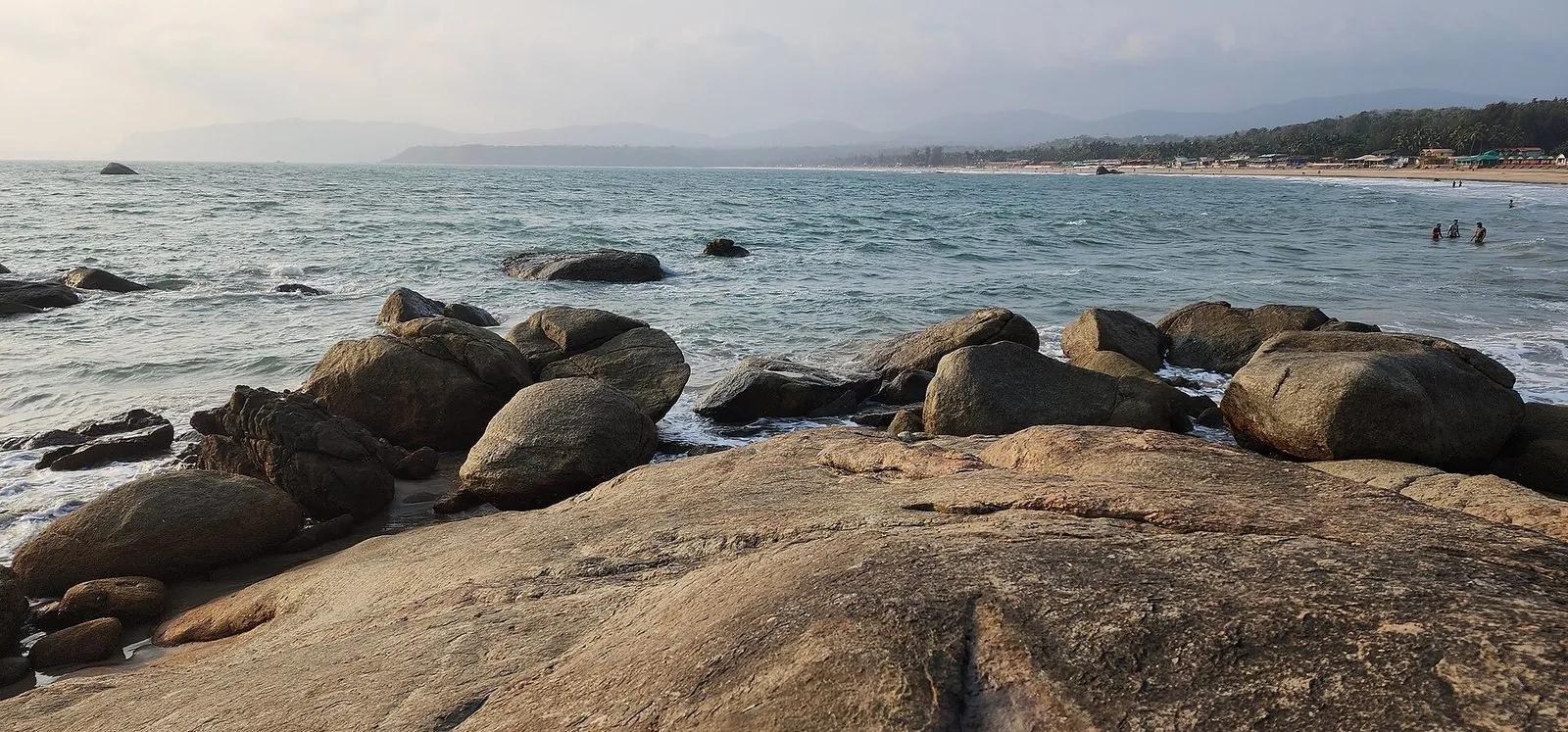
An honest, balanced safety guide for women travelling to Goa alone: why it's comparatively safe and loved by many yet has a real, worsening harassment problem concentrated on the party beaches, where to base for a calmer trip, and the practical choices that tilt the odds in your favour.

Working Remotely from North Goa: The Honest Digital-Nomad Guide
An outsider's honest guide to working remotely from North Goa: why it isn't the beach-office of the photos, the power-and-internet problem that decides everything, where to base (Assagao, Siolim, Caranzalem), the cost, solo-female safety, and how to be a good guest rather than a coloniser.