
Learn to Cook Goan Food: The Home Kitchen, and Where to Actually Find a Class
You can eat Goan food on any beach in the state, more or less well. What you cannot do, standing at a shack counter with a plate of curry, is take it home. That is the quiet case for spending a morning of your trip in someone's kitchen instead of on a sunbed: a cooking class is the one souvenir that keeps working long after the tan fades. It is also, going by the people who actually book them, one of the most rewarded things you can do in Goa, the sort of half-day travellers rave about for years. This is what a Goan class actually teaches, which dishes are worth your time, and, honestly, how to find a good one, because that last part is harder than it should be.
I write for Refuje and I do not live in Goa, and I have not stood at a class here myself. This is drawn from what the classes teach, from Goans on r/Goa talking about the home cooking a class is really trying to hand you, and from the practical, unglamorous business of tracking one down. One honest note on that: unlike almost everything else about Goa, the cooking-class world barely shows up on Reddit; the people who use it find it on Google, on Instagram and even in the newspaper classifieds, and the where-to-look advice below comes straight from the Goans who said so.
What you actually learn
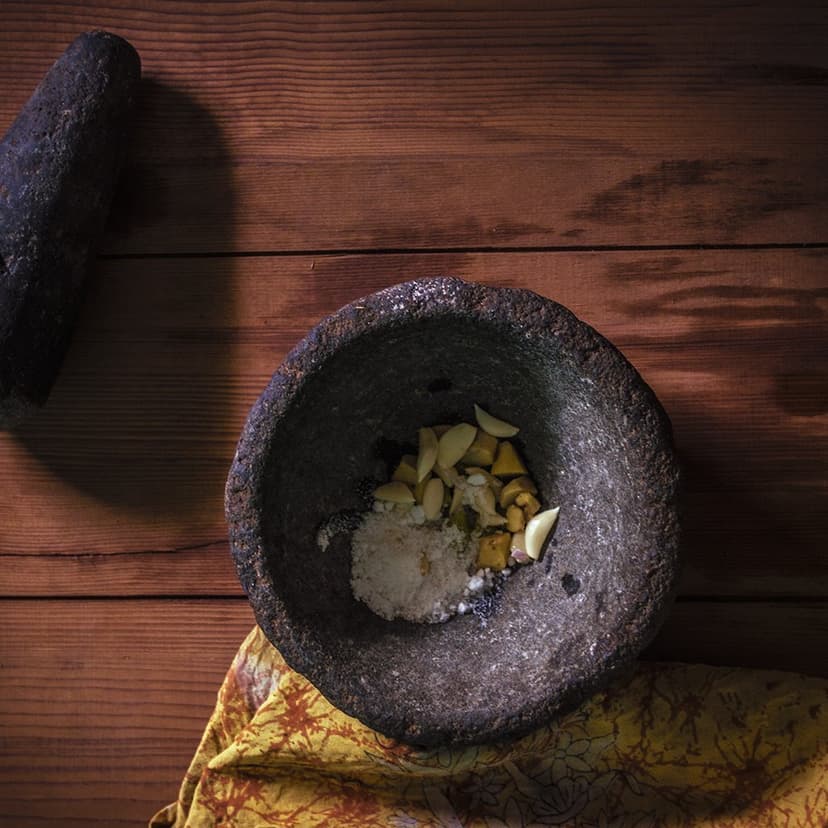
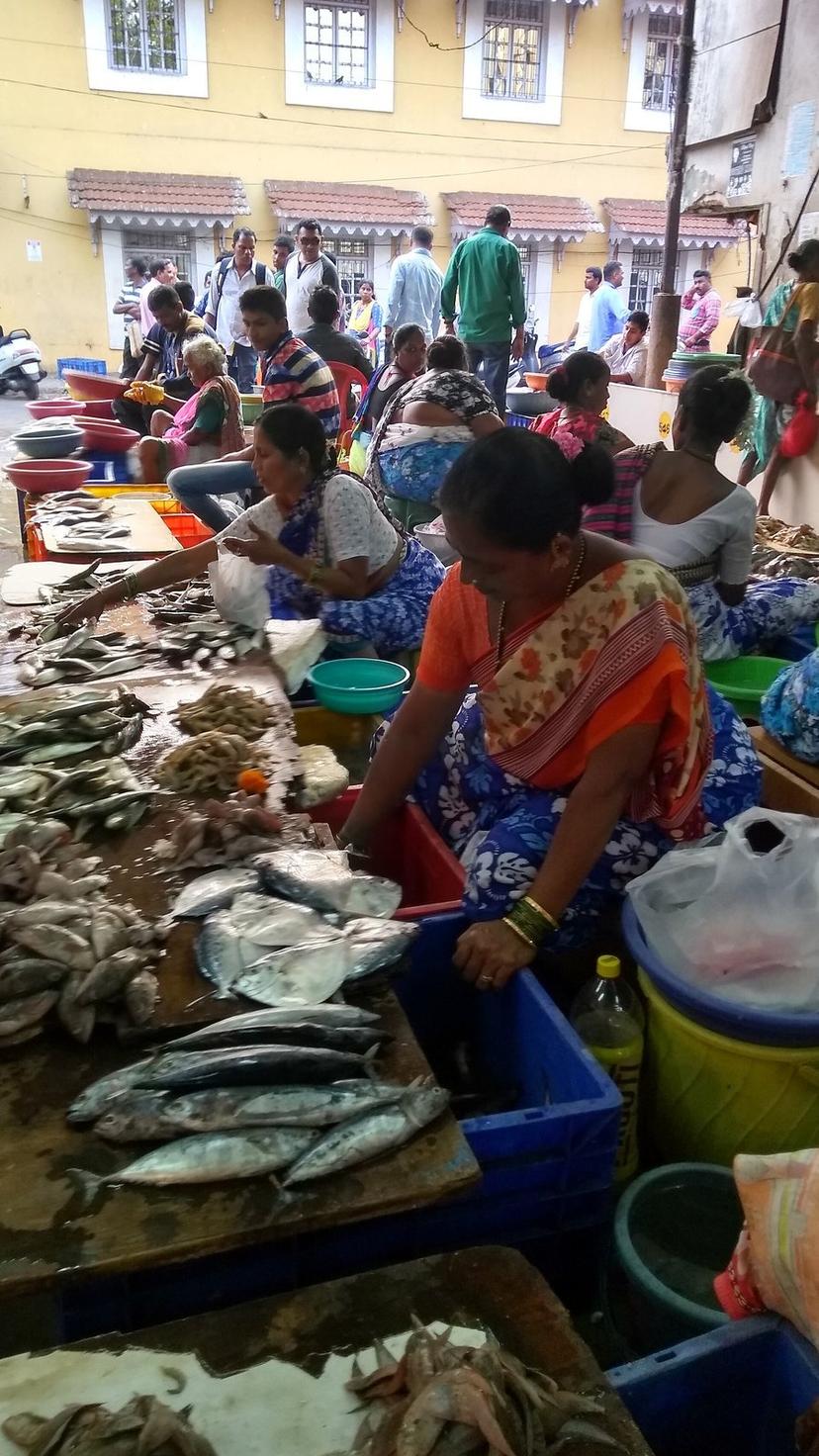
A typical class runs three to four hours, in a small group of eight to a dozen, and it usually begins away from the stove. Many start with a walk through a local market, a vegetable and spice and fish market, where the cook shows you how to choose the day's mackerel or prawns and what the fresh spices actually smell like before they are ground. Then it is back to the kitchen and hands on. You will make three or four dishes and eat what you cook, and you go home with the recipes written down. The dishes vary, but the spine of any real Goan class is the same three lessons: grinding a fresh masala rather than shaking it out of a jar, building the coconut base that carries most of the curries, and the vinegar-and-spice marinades that make the Catholic dishes what they are. Learn those three things and you can improvise the rest.
The dishes worth learning
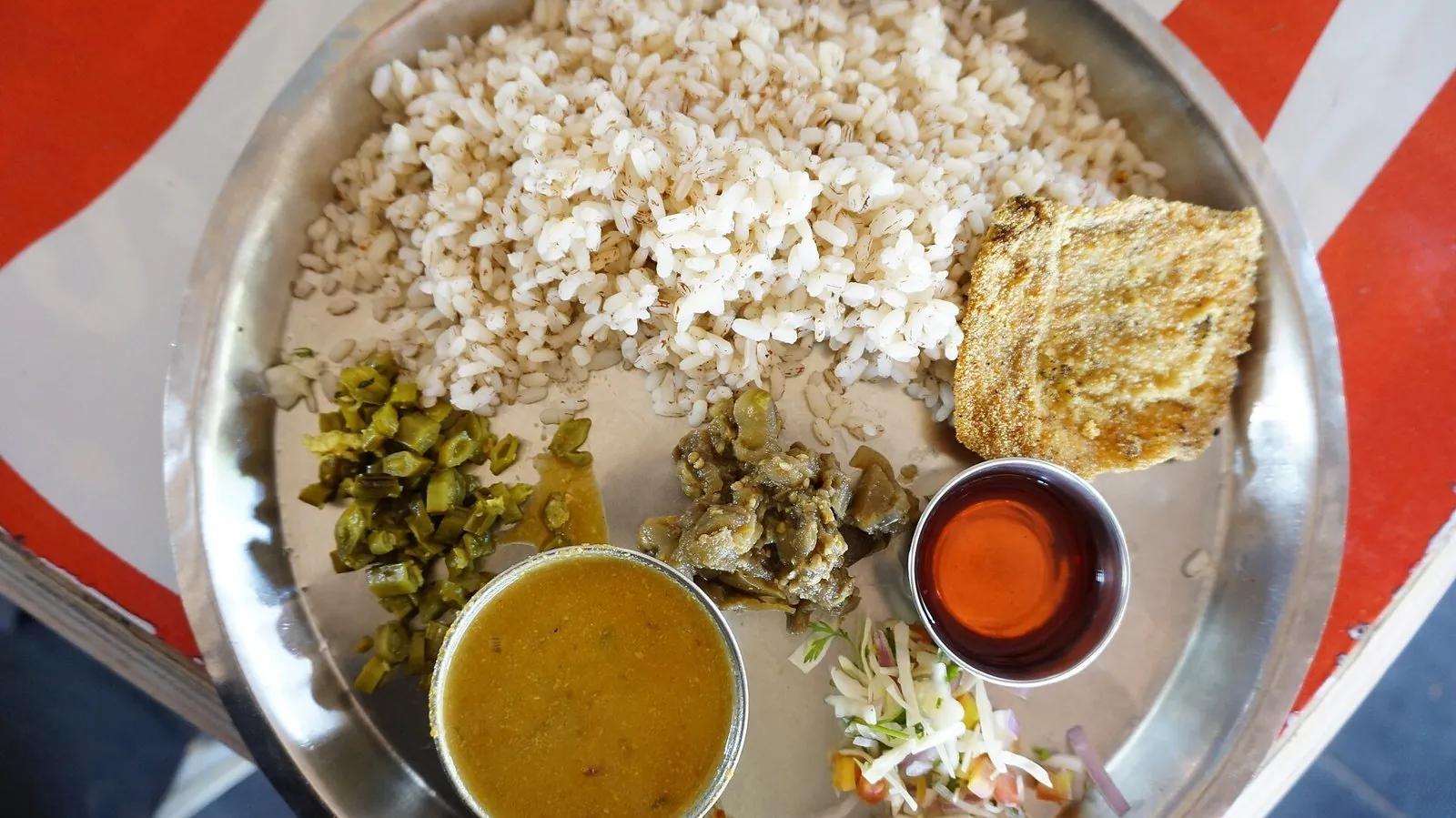
Most classes lead with the famous ones, and they are worth learning: pork vindaloo, the fierce vinegar-and-garlic braise; chicken cafreal, green with coriander and chilli; a xacuti heavy with roasted coconut and a dozen spices; prawn balchao and the red recheado paste. All good, all things you will be glad to cook at home. But the honest advice, if you want the food Goans actually eat, is to make sure the fish curry is on the menu. What Goans actually eat day to day is not the showpiece braise; it is xitt kodi, fish curry and rice, the plate a Goan home turns out day after day, and the coconut-and-tamarind curry under it is the single most useful thing you can learn to make. Goan food also splits along an old line, the Hindu Saraswat kitchen of coconut and kokum and the Catholic kitchen of vinegar and pork, which the guide to Goan food lays out; a good class will let you cook from whichever side you are drawn to.
Why a class beats a recipe
You might reasonably ask why you would pay for this when the internet is full of Goan recipes. Here is the answer, from a real r/Goa post: a visitor came home, bought a packet of ready Goan curry masala as a shortcut, and then had to ask a forum how to actually turn it into dinner, because the packet does not tell you how the onions should look before the masala goes in, or how long to let the coconut cook down, or that the fish goes in at the very end. A recipe gives you a list. A class gives you the things a list leaves out: the smell of a masala that is ready, the colour of a curry that has come together, the feel of the whole thing. That is why the classes score so well, and why people who take one actually cook the food afterwards instead of filing the recipe and forgetting it.
Just back from Goa and bought some Santanas Caldin masala. Can somebody help me with the recipe?
| A cooking class | A recipe off the internet | |
|---|---|---|
| The masala | You grind it and learn when it smells right | You guess at a paste and the quantities |
| The ingredients | Shown the fish and the spices at the market | Substitute and hope for the best |
| The technique | You watch the timing, the colour, the texture | The steps a printout quietly leaves out |
| What you keep | Recipes plus the confidence to wing it | A page you follow once and abandon |
| The cost | Roughly Rs 2,500 to 4,000 for a half-day | Free, but often a disappointment |
How to find, and pick, a good one
This is the genuinely awkward part, so here is the honest version. Cooking classes are not really discussed on the traveller forums, so do not go looking there. The Goans who pointed the way send you three places instead: plain Google and its reviews, where established names like Rita's Gourmet Goa come up; experience-curator pages on Instagram, one commenter named Soul Travelling, that bundle classes for visitors; and, of all places, the classifieds of the local papers, the Navhind Times and the Herald, whose e-papers are online and which, one Goan noted, advertise cooking classes fairly often. When you pick one, look for three things: recent, detailed reviews rather than a slick website; a genuinely hands-on class, where you cook, not a demo you watch; and a location you can actually reach, because some of the best-reviewed ones are a forty-minute drive from the beaches. Prices sit in the region of Rs 2,500 to 4,000 a person for a half-day with lunch, though that is a reported range and worth confirming when you book.
Booking a Goan cooking class, sensibly. Expect a hands-on half-day (about 3 to 4 hours, small group), often with a market visit, cooking 3 to 4 dishes and eating them, plus recipes to take home. Roughly Rs 2,500 to 4,000 per person with lunch (a reported range, confirm current). Make sure the fish curry (xitt kodi) is on the menu, not only the showpiece vindaloo and xacuti. Find one on Google reviews, on experience-curator Instagram pages, or even the Navhind Times and Herald classifieds, not on Reddit. Choose a hands-on class with recent reviews over a pretty website, book ahead, and check the drive; some sit 40 minutes inland. Then go home and actually cook it.
- What a class is
- A hands-on half-day, usually 3 to 4 hours in a small group of about 8 to 12, often starting with a market visit for fish and spices, then cooking 3 to 4 Goan dishes, eating them, and taking the recipes home.
- What you learn
- The techniques that matter: grinding a fresh masala, the coconut curry base and the vinegar marinades, through dishes like fish curry, pork vindaloo, chicken cafreal, xacuti, prawn balchao and recheado.
- Cost and length
- Roughly Rs 2,500 to 4,000 per person for a half-day with lunch (a reported range, confirm current); multi-day comprehensive courses also exist.
- How to find one
- Not on Reddit. Goans point to Google and its reviews, experience-curator Instagram pages, and the Navhind Times and Herald newspaper classifieds. Book ahead, read recent reviews, and check the drive; some are 40 minutes out.
- The honest note
- Classes lead with the famous dishes (vindaloo, xacuti). What Goans actually eat is the everyday home cooking, above all xitt kodi, fish curry and rice, so make sure that is on the menu.
A morning learning to grind a masala is the most portable piece of Goa you can carry off, and it belongs to the slower, more local state this series keeps chasing. Read it beside the guide to the Goan food you are learning to make and the feni to pour alongside it, and, for the wider argument, the case for the Goa beyond the beaches. You can see the North Goa experiences that are currently bookable on the North Goa things-to-do page.
Common questions
Is a Goan cooking class worth it?
For most people, yes. It is consistently one of the highest-rated things visitors do in Goa, and it is the rare experience you take home with you: the recipes and, more importantly, the techniques to actually use them. If you enjoy food and want more than a beach holiday, a hands-on half-day learning to cook a Goan fish curry from scratch is genuinely rewarding, and far more useful afterwards than another sunset photo.
What do you cook and learn in a Goan cooking class?
A typical class teaches three or four dishes hands-on, often after a visit to a local fish and spice market. Common ones include Goan fish curry, pork vindaloo, chicken cafreal, xacuti, prawn balchao and recheado. More than the individual recipes, you learn the core techniques: grinding a fresh masala, building the coconut curry base, and the vinegar-and-spice marinades behind the Catholic dishes. You usually eat what you cook and take the recipes home.
How much does a Goan cooking class cost, and how long is it?
Most classes run about three to four hours as a hands-on half-day with lunch, in a small group. Reported prices sit roughly in the Rs 2,500 to 4,000 per-person range, with multi-day comprehensive courses costing more; treat any figure as a guide and confirm when you book, as prices change. Many classes include a market visit and, sometimes, a spice-plantation excursion within that time.
Where do you find a good cooking class in Goa?
Not on Reddit, where they are barely discussed. Goans point instead to plain Google and its reviews (established names like Ritas Gourmet Goa turn up), to experience-curator pages on Instagram that bundle classes for visitors, and even to the classifieds of local papers like the Navhind Times and the Herald. Choose one with recent, detailed reviews, make sure it is genuinely hands-on rather than a demonstration, book ahead, and check the drive, since some are well inland.
Why take a class instead of just following a recipe online?
Because a recipe is a list, and Goan curries live in the things a list leaves out: how the onions should look before the masala goes in, when the coconut is cooked down enough, how a masala smells when it is ready, when the fish goes in. People who buy a ready Goan masala and try to wing it often end up asking for help online. A class gives you the judgement, not only the ingredients, which is why those who take one actually keep cooking the food.
Which Goan dishes should you learn to cook?
Learn the famous ones if you like, pork vindaloo, chicken cafreal, xacuti, prawn balchao, but do not skip the fish curry. The everyday heart of Goan cooking is xitt kodi, fish curry and rice, and its coconut-and-tamarind curry is the single most useful thing to master. Goan food also divides into the Hindu Saraswat kitchen of coconut and kokum and the Catholic kitchen of vinegar and pork, so pick a class that lets you cook from the side you prefer.
Sources and a note on this guide
I write for Refuje and I do not live in Goa or cook it professionally, and I have not taken a class here. What a class covers, the dishes, the market visit, the rough duration and prices are from Goa cooking schools and culinary-experience listings; the value put on real home (gharkuti) cooking, the everyday fish-curry-rice, and the how-to-find-a-class channels come from Goans on r/Goa, quoted and attributed as they appear, and reported rather than endorsed. Honest limitation: cooking classes are one of the most loved but least Reddit-discussed things in Goa, so this leans on what the schools teach and on Goan home-cooking voices more than on class reviews. Named schools and prices change, so confirm current details before booking. Nothing here is a first-hand claim of mine. The facts were checked in August 2026.
- What a Goan class covers (market visit, masala grinding, the dishes, roughly 3 to 4 hours, small groups, take-home recipes) and reported prices (about Rs 2,500 to 4,000 for a half-day): Goa cooking schools and culinary-tour listings.
- Goan cuisine and its Hindu Saraswat and Catholic split, and the everyday xitt kodi: as covered in the Refuje guide to Goan food, plus Goan food writing.
- The value of home (gharkuti) cooking, the take-the-masala-home-but-not-the-method problem, and the find-a-class channels (Google, Instagram experience-curators, the Navhind Times and Herald classifieds): attributed r/Goa threads, quoted inline.
Schools, prices and menus shift, so verify before you book, and lean on recent reviews on the day. If you teach or have taken a Goan class and know this better than the sources here do, that is the correction this guide should carry, so tell us.
You Might Also Like
Edge City India 2026: The Practical Guide
Three weeks in Mandrem, North Goa. October 11 to November 1, 2026. Hundreds of founders, researchers, engineers, and creators living and building on a stretch of beach that is usually known for yoga retreats and quiet cafés, not hackathons. If you have applied, or you are wondering whether you...
Solo Female Travel in Goa: An Honest Safety Guide
An honest, balanced safety guide for women travelling to Goa alone: why it's comparatively safe and loved by many yet has a real, worsening harassment problem concentrated on the party beaches, where to base for a calmer trip, and the practical choices that tilt the odds in your favour.

Working Remotely from North Goa: The Honest Digital-Nomad Guide
An outsider's honest guide to working remotely from North Goa: why it isn't the beach-office of the photos, the power-and-internet problem that decides everything, where to base (Assagao, Siolim, Caranzalem), the cost, solo-female safety, and how to be a good guest rather than a coloniser.