
Feni and Urrak: An Honest Guide to Goa's Cashew Spirit
Ask a Goan about feni and the first thing out of their mouth is the smell. There is a reason for that. Uncork the real stuff and the whole room knows, a hit of something fierce and funky and faintly medicinal that is nothing like the mild, sweet drinks the beach bars pour. Most tourists meet it once, wince, decide it is rocket fuel and go back to beer for the rest of the trip. Which is a pity. Drunk the way Goans drink it, feni is a good drink and a properly local one, protected by its own law and still cooked up in sheds in the hills the way it has been for generations. So before you write it off, three things: what the stuff actually is, why urrak matters more than the feni everyone talks about, and how to get it down without making that face.
I write for Refuje and I do not live in Goa. This is drawn from the history and the law around the drink, and from Goans and visitors on r/Goa who love it, hate it, hunt down the good stuff and argue about the brands. The brand names and bar names below are theirs, reported not endorsed, and both change, so treat them as leads rather than gospel. And the obvious note first: feni is strong, around forty-five percent alcohol, so what follows assumes you drink responsibly, in moderation, and not at all if you are driving or under the legal age.
What feni actually is
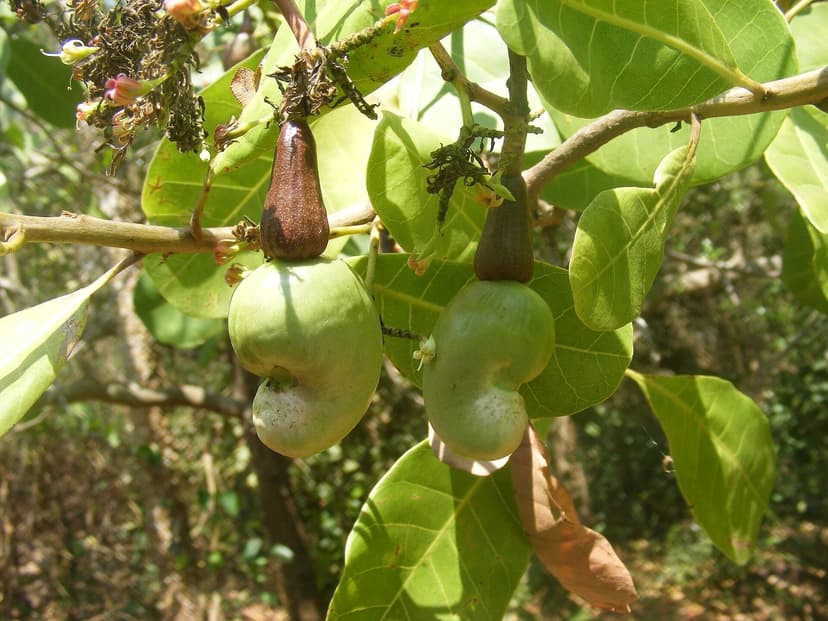
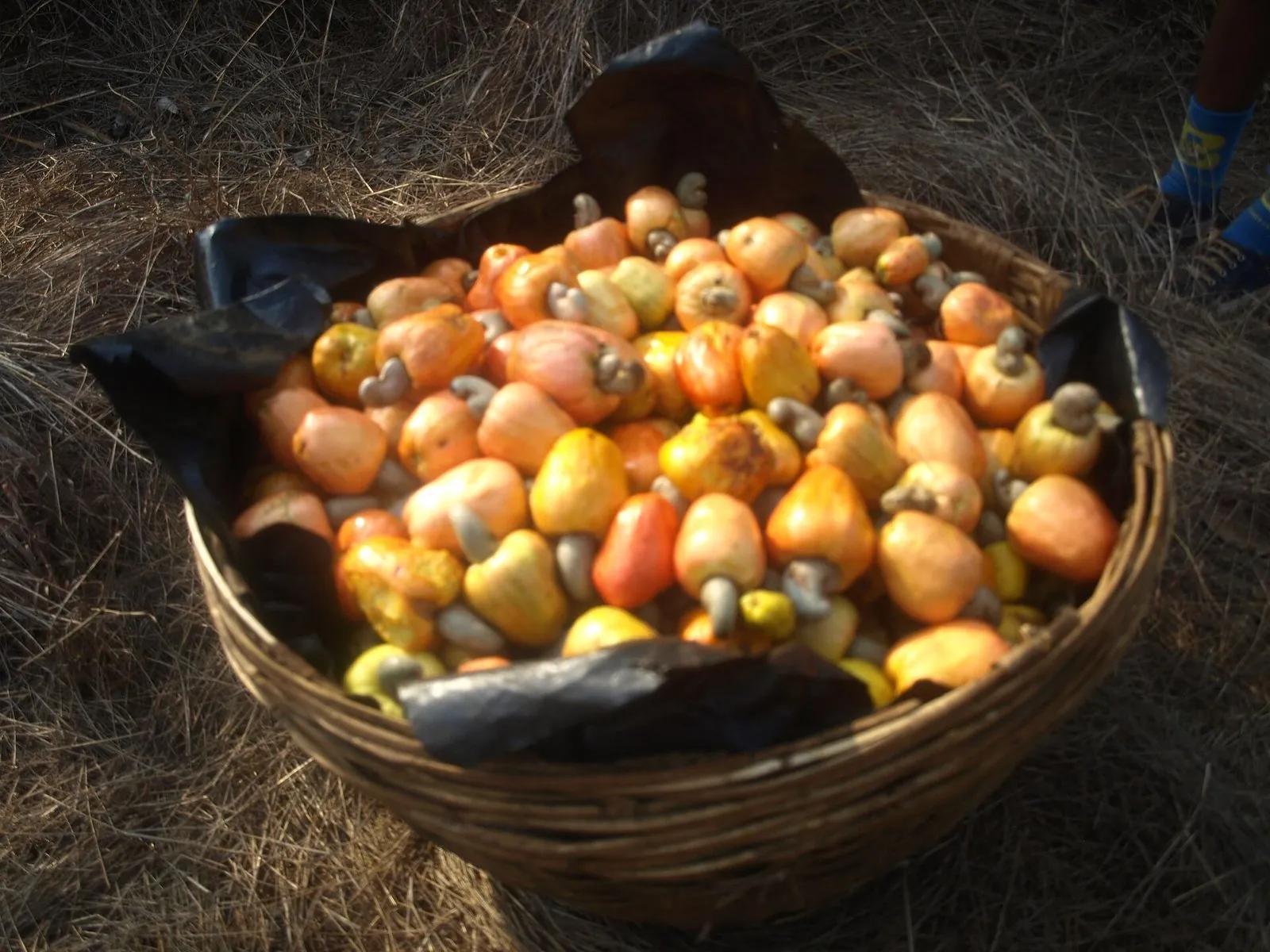
Feni is Goa's own spirit, and it has the paperwork to prove it. In 2009 it became the first Indian liquor to get a Geographical Indication tag, the same kind of protection that keeps Champagne Champagne; make the identical drink one state over and you have to call it cashew liquor, because feni, by law, can only come from Goa. Most of what you will be handed is caju feni, the cashew kind, though there is an older and now much rarer coconut version pulled from toddy-palm sap. And here is the bit that catches people out. Cashew feni has nothing to do with the nut. It is made from the cashew apple, that soft, waxy, red-and-yellow fruit the nut dangles beneath, which the Portuguese carried over from Brazil five centuries ago and which Goans, unwilling to watch it rot in the heat, taught themselves to ferment and burn into liquor. The nut gets sold. The apple gets drunk.
Urrak comes first
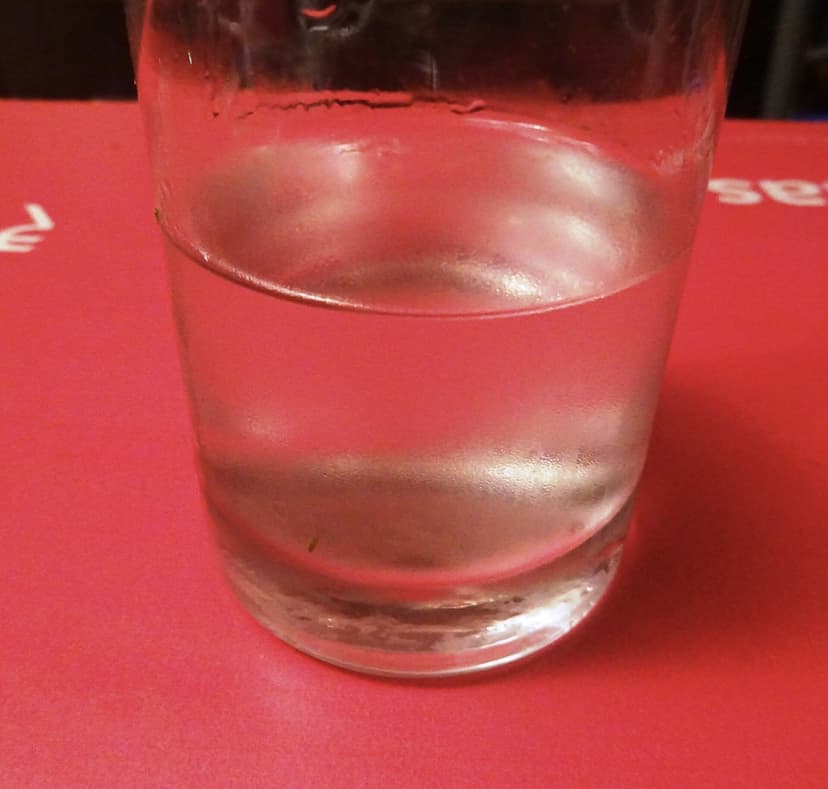
Here is the part most visitors never learn, and the part worth timing a trip around. Feni is not made in one step. The crushed, fermented cashew juice is distilled once into a mild, cloudy, low-strength spirit called urrak, and only distilled again into the strong, clear feni. Urrak is its own drink, and to many Goans the better one. It is soft and fruity where feni is fierce, and it exists for only a few weeks a year, during the cashew season in the hot months before the monsoon, roughly March to May. It does not keep; when the fruit stops, the urrak stops. Goans drink it long and cold, cut with fresh lime, a pinch of salt and a splash of Limca or soda, and it is one of the great seasonal pleasures of the state. If you are in Goa in spring, ask for urrak before you ask for anything else. If it is any other time of year, it will not be there, and anyone selling you fresh urrak in December is selling you a story.
| Urrak | Feni | |
|---|---|---|
| What it is | The first, single distillation | Urrak distilled again, stronger |
| Strength | Mild and low in alcohol | Strong, around 43 to 45 percent |
| Season | A few weeks in spring only; does not keep | Made in season but keeps all year |
| Taste | Soft, fruity, cloudy | Clear, pungent, fiery |
| How to drink it | Long and cold, with lime, salt and Limca | Sipped neat, or as a cocktail base |
How it is made, and why that matters
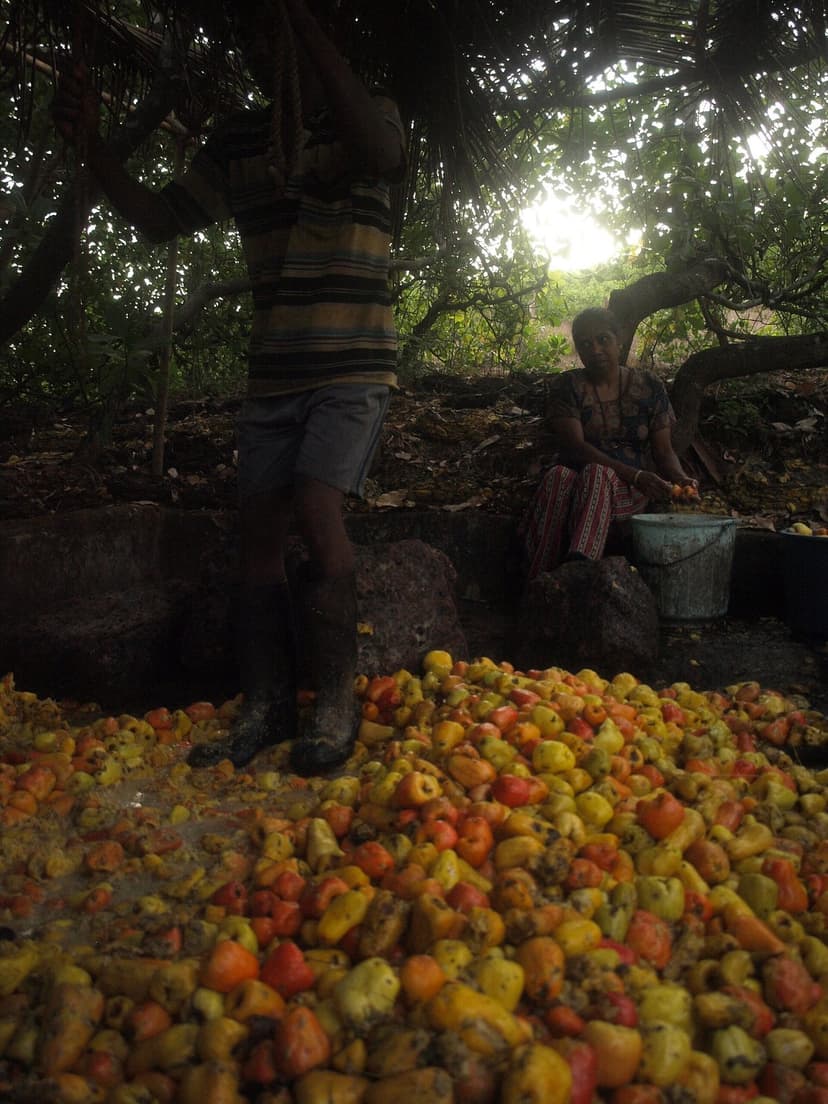
The good feni is still made the slow, small way, and you can taste the difference. In the cashew hills, families run bhattis, little traditional stills, through the season. The apples are gathered and crushed, historically underfoot in a stone pit, the juice run off to ferment for a few days, then distilled over a wood fire in a simple pot still, the vapour cooled and caught. It is farm work, not factory work, and a lot of it happens on the same few slopes it always has. One Goan described how the bhattis of Pernem keep going by taking in cashew fruit brought over the border by the tempo-load each morning. This is why the bottle matters. A cheap, mass mixed feni can be harsh and one-note, all burn and no fruit; a well-made small-batch one, people say, is smoother and rounder, and costs several times more for good reason. If feni tasted like paint stripper the one time you tried it, there is a fair chance you had the cheap stuff, poured neat.
An acquired taste, honestly
Let me not oversell it. Feni is an acquired taste, and plenty of people never acquire it. A typical first encounter reads like the r/Goa visitor who tried it out of curiosity, drank it neat, decided it tasted like crap, watered it right down and swore off it for good. That is a completely normal reaction to a strong, funky spirit met cold and undiluted. The trick is to come at it the way locals do. If it is season, start with urrak, long and cold and limed, which is the friendliest possible introduction. If it is not, treat feni as a base rather than a shot: it makes a genuinely good cocktail, sharp and citrusy, and one r/Goa regular swears by it in place of tequila in a margarita. Sip it, do not knock it back; give the smell a moment; and judge it as its own strange thing rather than as a bad whisky. Some people still will not like it. But a lot of the hatred is really just a good drink met the wrong way.
Try the Bicholim forest where they actually make it, in the hills. Dont trust the bars, especially the insta-fancy ones; they give you old stock or a mix with a hefty price tag.
Getting the real thing
If feni wins you over, it is worth getting a good one, and the good ones are not usually in the flashy beach shops. Goans point two ways. For urrak and raw feni in season, they send you to the source, the bhattis in the cashew hills of the interior, around Bicholim and Pernem and villages like Aturli and Narve, where you buy it from the people who made it; one local was blunt that the fancy, Instagram-friendly bars often sell old stock or a padded-up mix at a premium. And a handful of good local bars, in villages rather than on the strip, are named again and again as safe bets for the real thing. For a bottle to take home, look for the respected small brands rather than the cheapest label on the shelf; the names that come up on r/Goa are Cazulo, Tinto, Volando, Bosco, Ani Ek and Goenchi, among others. You can legally carry it out: sealed bottles are allowed in check-in luggage, up to five litres a person, and every regular says the same thing, pack it snug in your clothes, because a broken feni bottle in a suitcase is a smell you do not forget.
Feni, the sensible way. It is strong (around 45 percent), so go slow and drink responsibly; not if you are driving or under age. If it is spring (roughly March to May), start with urrak, long and cold with lime, salt and Limca; the rest of the year, drink feni sipped or in a cocktail rather than as a neat shot. For the good stuff, buy from a bhatti in the cashew hills (Bicholim, Pernem) or a trusted village bar rather than a flashy tourist shop, and pick a respected small brand over the cheapest bottle. To take it home, sealed bottles are allowed in check-in luggage (up to five litres a person); pack them snug so they do not break.
- What it is
- Goas traditional distilled spirit and the first Indian liquor to get a GI tag (2009), so only Goa can legally call it feni. Made from the cashew apple (not the nut), around 43 to 45 percent alcohol. Two kinds: cashew and coconut.
- Urrak
- The mild, cloudy first distillation, made only for a few weeks in the spring cashew season (roughly March to May). It does not keep. Drunk long and cold with lime, salt and Limca; the friendliest way in.
- Feni
- Urrak distilled again into a strong, clear, pungent spirit that keeps all year. Best sipped slowly or used as a sharp, citrusy cocktail base rather than downed neat.
- The honest bit
- It is an acquired taste, funky and fierce, and many first-timers dislike it neat. Start with urrak in season, or feni in a cocktail, and judge it as its own thing.
- Getting good feni
- Buy from a hill bhatti (Bicholim, Pernem) or a trusted village bar, not a tourist shop; choose a respected small brand. You can carry sealed bottles home in check-in luggage, up to about five litres a person.
Feni is the drinkable end of the same Goa this series keeps returning to, the older, local, made-by-hand one behind the beach. It goes naturally beside a plate of the real Goan food it was born to sit with, and it belongs to the wider Goa beyond the beaches that most visitors never taste. You can see the North Goa experiences that are currently bookable on the North Goa things-to-do page.
Common questions
What is feni?
Feni is Goas traditional distilled spirit and the first Indian liquor to earn a Geographical Indication tag, in 2009, which means only Goa can legally call a drink feni. The famous version, cashew or caju feni, is distilled from the fermented juice of the cashew apple (the fruit, not the nut); a rarer version, coconut feni, is made from toddy-palm sap. It is strong, around 43 to 45 percent alcohol, and has a distinctive pungent aroma.
What is the difference between urrak and feni?
They are two stages of the same drink. The fermented cashew juice is distilled once into urrak, a mild, cloudy, low-strength spirit, and distilled again into feni, which is strong, clear and fiery. Urrak is seasonal and does not keep, so it only appears for a few weeks in the spring cashew season; feni keeps all year. Urrak is drunk long with lime, salt and Limca; feni is sipped or mixed.
What does feni taste like, and is it an acquired taste?
Yes, feni is very much an acquired taste. It is strong and pungent, with a funky, fruity, slightly sulphurous aroma that many first-timers dislike, especially neat. Well-made small-batch feni is smoother and rounder than cheap mass-mixed versions. The friendlier way in is urrak in season, or feni used as a sharp citrus cocktail base rather than a neat shot. Sipped and approached on its own terms, it wins a lot of people over.
When is urrak season in Goa?
Urrak is only made during the cashew season, the hot pre-monsoon months of roughly March to May. Because it is the fresh first distillate and does not keep, it is a genuinely seasonal drink; when the cashew fruit finishes, so does the urrak. If you visit Goa in spring, ask for it early. Anyone offering fresh urrak outside that window is not selling you the real seasonal thing, so treat it with suspicion.
Where can you buy good feni in Goa, and which brands are good?
For the best feni, skip the flashy tourist shops and buy either from a bhatti (a traditional still) in the cashew hills of the interior, around Bicholim and Pernem, or from a trusted village bar. For a bottle to take home, choose a respected small brand over the cheapest label; names that Goans on r/Goa recommend include Cazulo, Tinto, Volando, Bosco, Ani Ek and Goenchi. Prices and brands change, so ask locally for what is good now.
Can you take feni home on a flight?
Yes, within the usual alcohol rules. Sealed, unopened bottles are allowed in check-in baggage, up to about five litres per person on domestic Indian flights, subject to your airlines and destinations rules. The universal advice from people who have done it is to pack the bottles snugly, wrapped in clothes in the middle of your bag, because feni bottles can break in transit and the smell is very hard to get out. Confirm current limits with your airline before you fly.
Sources and a note on this guide
I write for Refuje and I do not live in Goa or make feni. The history, the GI status, the cashew-apple raw material, the urrak-then-feni distillation and the strength are from Goa distillers, the GI record and spirits writing; the brands, bars, the where-to-buy and the honest acquired-taste reactions come from Goans and travellers on r/Goa, quoted and attributed as they appear, and reported rather than endorsed. Brands, bars and prices change, and alcohol rules vary, so verify before you buy or fly. Feni is strong; please drink responsibly. Nothing here is a first-hand claim of mine. The facts were checked in August 2026.
- Feni as Goa's GI spirit (first Indian liquor with a GI tag, 2009), the cashew and coconut types, the cashew-apple raw material and roughly 43 to 45 percent strength: Goa distillers, the GI record and spirits references.
- Urrak as the mild first distillation, its short spring cashew season and the lime-salt-Limca serve, and the bhatti (traditional still) method: Goan drinks writing and attributed r/Goa.
- The brand and bar recommendations, the buy-from-the-hills-not-the-tourist-bars advice, the acquired-taste reactions and the five-litre check-in rule: attributed r/Goa threads, quoted inline.
A protected local spirit made by hand deserves to be met on its own terms, so if you try it, try it properly and in moderation. If you make or know feni better than these sources do, that is the correction this guide should carry, so tell us.
You Might Also Like
Edge City India 2026: The Practical Guide
Three weeks in Mandrem, North Goa. October 11 to November 1, 2026. Hundreds of founders, researchers, engineers, and creators living and building on a stretch of beach that is usually known for yoga retreats and quiet cafés, not hackathons. If you have applied, or you are wondering whether you...
Solo Female Travel in Goa: An Honest Safety Guide
An honest, balanced safety guide for women travelling to Goa alone: why it's comparatively safe and loved by many yet has a real, worsening harassment problem concentrated on the party beaches, where to base for a calmer trip, and the practical choices that tilt the odds in your favour.

Working Remotely from North Goa: The Honest Digital-Nomad Guide
An outsider's honest guide to working remotely from North Goa: why it isn't the beach-office of the photos, the power-and-internet problem that decides everything, where to base (Assagao, Siolim, Caranzalem), the cost, solo-female safety, and how to be a good guest rather than a coloniser.