
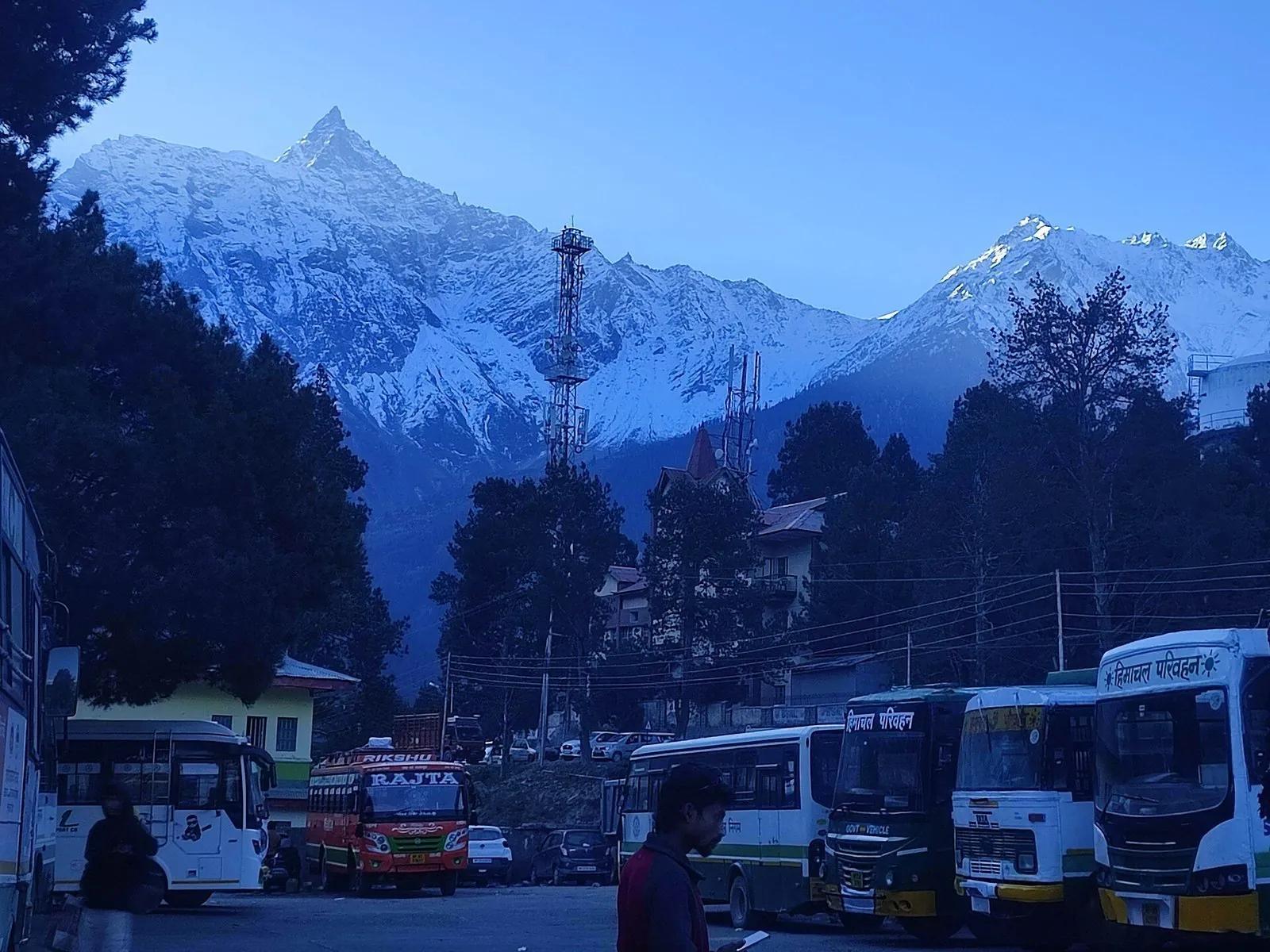
Getting To & Around Kinnaur 2026: Buses, Shared Taxis & the NH-5 Reality
Kinnaur is one of the most remote districts in Himachal, and getting there is half the trip, for better and for worse. I grew up on this road, the old Hindustan-Tibet road that is now NH-5, and the single most useful thing I can tell you is this: the distances are short on the map and long in real life. Shimla to Kalpa looks like nothing. It is a full day.
So here is how the getting-there and the getting-around actually work, from someone who does it both ways, the bus and the wheel.
- Gateway
- Reckong Peo, the Kinnaur district town
- From Shimla
- About 230 km, 8 to 10 hours, 11+ HRTC buses a day
- Reckong Peo to Kalpa
- About 13 km, 30 to 60 minutes by local bus or shared taxi
- The road
- NH-5 along the Sutlej, landslide-prone, check before and during
- Last reliable fuel
- Powari, near Reckong Peo
- Getting around
- Shared taxis and local buses from Reckong Peo and Karcham
- Avoid
- The July to August monsoon for the highway
Quick answer. Almost everyone reaches Kinnaur up NH-5 from Shimla, roughly a 230 km, 8 to 10 hour haul, to Reckong Peo, the district hub. From there local buses and shared taxis fan out: 13 km up to Kalpa, and across to Sangla and Chitkul. Carry the fuel and cash you need by Powari, and check the road before you set off, because the NH-5 closes for landslides more than any other part of the trip.
Getting to Kinnaur: the long day up the NH-5
The journey is the Shimla road, the NH-5, hugging the Sutlej as it climbs into the gorge. Most people do it one of three ways.
By bus. This is how locals travel and it is genuinely fine. There are eleven-plus HRTC services a day from Shimla to Reckong Peo, the ordinary ones cheap and slow, the odd semi-deluxe a little faster, and the run takes eight to ten hours depending on the road. The buses keep going past Peo to the smaller towns. From Chandigarh you usually change at Shimla or Rampur. The full mechanics of HRTC bus types and booking are in our HRTC bus guide.
By shared or hired taxi. Faster, door to door, and the way to go if you are a group or short on days. You can hire a car with a driver for the whole trip, which is what a lot of visitors do; one traveller in an October-trip thread said simply, we have a taxi operator who is doing the booking and will be driving us around (r/HimachalPradesh). Agree the fare and the days up front.
Self-drive. Doable and beautiful if you are comfortable on mountain roads, but the NH-5 is not a road to learn on. Someone moving up to Reckong Peo got the local verdict: it is remote, so have a bike or car and go out exploring, places like Kalpa, Nako, Tabo, Spiti are nearby (r/HimachalPradesh). The reward is real; just respect the drops.
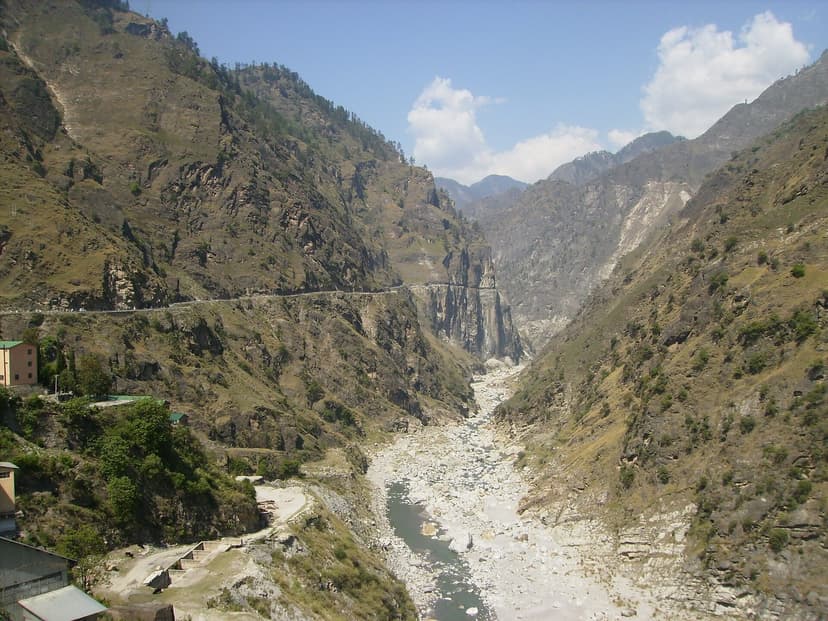
The NH-5 reality, and how to check it
I will be straight, because it matters more here than anywhere else in the state: the NH-5 through Kinnaur closes. Landslides, shooting stones, washouts. In one recent monsoon thread a local reported a slide near Nigul Sari, just past Sarahan, where almost 400 metres of road was swept away (r/HimachalPradesh). That is the headline version; smaller blockages happen often, and clear in hours to days.
The frustrating part is finding out in time. Official updates lag, as one widely-felt rant on the sub put it, that a landslide update from 5 km away takes our officials two to six hours to post, if they bother (r/HimachalPradesh). So check several places: the police handles on X (people on the sub follow accounts like the district police pages for the timeliest posts), the community-run road-status trackers that have sprung up to fill the gap, and the district DDMA control-room line. Our HP road-status guide walks through exactly how to check, and it applies double to the NH-5.
One more honest warning: if a slide does strand you, prices can spike. A stranded traveller during a Parvati washout found locals selling 20-rupee rice for 80 (r/HimachalPradesh). It is not everyone, and gurudwaras and temples up here will feed you for free, but carry a buffer of cash, snacks and water, and check the weather window before you commit to the road.
The NH-5 is the weak link, not the villages. Before you leave Shimla or Rampur, check the road status; in the monsoon, assume delays and build slack into your plan. Carry enough cash and fuel to Powari, keep snacks and water for a stranding, and never push a closed or freshly-cleared slope in the rain.
Getting around once you are in
Reckong Peo is the hub for everything. The bus stand and the shared-taxi stands there are where the district connects to itself.
Up to Kalpa is the easy one: about 13 km and half an hour to an hour, on a frequent local bus or a quick shared taxi. To Sangla and Chitkul, shared taxis run from Karcham, the junction down on the NH-5, and from Reckong Peo; in season they are regular, off-season you may wait or pay for the whole vehicle.
The catch that trips people up is booking. Do not trust the HRTC website for the small runs. A traveller asking about Sangla buses was told to check the site, then discovered the obvious: online hrtc doesnt give any information regarding busses from Sangla (r/HimachalPradesh). The fix is old-fashioned: ask at the bus stand. The locals know there is, for instance, a bus from Sangla to Shimla at 7 AM and a Sangla to Reckong Peo to Shimla chain, none of which shows up cleanly online. For a few days of flexible movement, the simplest answer is still a hired car with a driver, the model most visitors here use.
Bus or taxi, the honest trade
| HRTC bus | Shared or hired taxi | |
|---|---|---|
| Cost | Cheapest by far | Pricier, but split a hire and it drops |
| Comfort | Basic, and it is a long day | Better, door to door, your own pace |
| Reach | Main towns and fixed timings | Villages and the trailheads, on your schedule |
| The catch | Local runs are not all listed online, ask at the stand | Agree the fare and the days up front |
| Best for | Budget travel and the main towns | Groups, the day hikes, and tight schedules |
Fuel, cash and the practical bits
Fuel up by Powari, just below Reckong Peo, where the reliable HP pump is. For Kinnaur sightseeing, Kalpa, Sangla, Chitkul, that is plenty; you are never far from Peo. The famous no-fuel-for-200-km warning you will read is real but it is about continuing past Kinnaur toward Spiti, where there is nothing between here and Kaza, so it only applies if you are carrying on. ATMs are in Reckong Peo and Rampur; carry cash beyond them, because the villages run on it and machines run dry. Phone coverage is patchy once you leave the towns, covered in our connectivity guide.
On permits: Indian citizens need none for the Kinnaur most people visit, Kalpa, Sangla, Chitkul. The inner-line permit only bites further up, toward the Tibet border and the Spiti side; foreign nationals should check current rules. The details are in our permits guide.
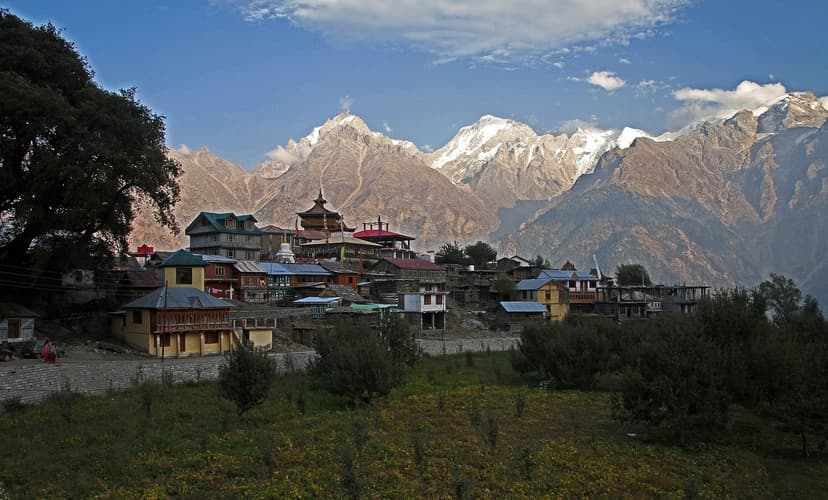
When the road is at its best
Travel the NH-5 in the dry, settled months: April to June and September to October. Avoid July and August, the monsoon, when the slides come thick and the highway is least reliable, the same window a Kinnaur trekker flagged for the back-country, its risky in monsoon, avoid travelling in monsoon (r/IncredibleIndia). Winter is open to Kalpa most years but cold and prone to snow blocks higher up, so build in slack. Once you are up here, the getting-around is the easy part; it is the getting-in you plan around.
The journey, in plain steps
- Day 1: Shimla to Reckong Peo
The long NH-5 day up the Sutlej, 8 to 10 hours by bus or taxi; break it at Rampur or Sarahan if you want it gentler - Settle: up to Kalpa
A short 13 km hop above Peo by local bus or shared taxi to your base - Around: the day-trip radius
Shared taxis and local buses to the Kalpa day hikes, and a side trip to Sangla and Chitkul - Out: back down, or onward
Reckong Peo back to Shimla, or carry on toward Spiti only if you have the permit, fuel and the days
| Item | Cost (INR) | Notes |
|---|---|---|
| HRTC bus, Shimla to Reckong Peo | 600 to 900 | ordinary to semi-deluxe, per person, 8-10 hours |
| Shared taxi, Reckong Peo to Kalpa | 50 to 150 | per seat; local bus is cheaper |
| Hired car with driver, per day | 3,000 to 4,500 | for flexible multi-day travel; as of 2026, agree up front |
| Shared taxi, Karcham/Peo to Chitkul | 150 to 400 | per seat in season; off-season you may pay for the vehicle |
Per person except the hired car. Rough 2026 figures that move with fuel and season; confirm on the day at the stand.
Want the logistics handled so you can just turn up? Tell us your start point and dates and we will sort the road in, a driver if you want one, and a base in Kalpa.
That is the whole of it. The NH-5 is long and occasionally temperamental, the villages at the end of it are not. Plan the road, check it before you roll, and the rest of Kinnaur is the easy, lovely part. If you want what to actually do once you arrive, our Kalpa day hikes and the apple-orchard evening are where to start, and the full picture is in our Kinnaur valley guide.
Not sure whether to bus it or hire a driver for your group? Email us your plan and we will tell you the cheaper and the saner option for your dates.
FAQ
How do you get to Kinnaur?
Up the NH-5 from Shimla to Reckong Peo, the district town, about 230 km and 8 to 10 hours. There are 11-plus HRTC buses a day, or you can take a shared or hired taxi. From Chandigarh or Delhi you route via Shimla or Rampur.
How long is Shimla to Kalpa?
Reckong Peo is 8 to 10 hours from Shimla on the NH-5, and Kalpa is another 13 km, about 30 minutes to an hour, above Peo. Plan a full travel day; the map distance is misleading.
Is the NH-5 to Kinnaur safe?
The villages are fine; the road is the risk. The NH-5 along the Sutlej is landslide-prone, especially in the July to August monsoon. Check the road status before and during, carry a cash and snack buffer, and do not push freshly-cleared slopes in rain.
How do you check Kinnaur road status?
Official updates lag, so use several sources: district police handles on X, community-run road-status trackers, and the district DDMA control-room line. Our HP road-status guide explains the method; it applies double on the NH-5.
How do you get around within Kinnaur?
Reckong Peo is the hub. Local buses and shared taxis run up to Kalpa (13 km) and across to Sangla and Chitkul from Karcham and Peo. Note that the HRTC website does not list all local runs, so ask at the bus stand, or hire a car with a driver for flexibility.
Where is the last petrol pump?
Powari, just below Reckong Peo, is the reliable fuel stop for Kinnaur travel. The no-fuel-for-200-km warning you will read applies only if you are continuing past Kinnaur toward Spiti and Kaza, not to Kalpa, Sangla or Chitkul.
Do you need a permit for Kinnaur?
Not for the Kinnaur most people visit, Kalpa, Sangla and Chitkul, if you are an Indian citizen. The inner-line permit only applies further up toward the Tibet border and the Spiti side; foreign nationals should check current rules.
When is the best time for the road?
April to June and September to October, when the NH-5 is at its most reliable. Avoid the monsoon. Winter is usually open to Kalpa but cold and snow-prone higher up, so leave slack in the plan.
Written from Kinnaur, where the NH-5 is the road I grew up on. Distances and fares were checked in June 2026 but they move with fuel, season and the state of the highway; the road status especially changes by the hour, so confirm before you travel. The Reddit voices above are linked at each mention.