
Wild & Foraged Foods of Himachal: The Khatta, the Fern, the Morel & the Ones Only Locals Know
Every list of Himachali food you have ever read stops at the same three things: siddu, the dham, an apple. Fair enough, they are the famous ones. But ask a Himachali what they actually miss when they move away, and half the time it is not on any menu. It is a sour wild lemon their grandmother turned into a winter pickle. A fern picked off a wet hillside for three weeks in spring and never again. A mushroom that costs more than silver and cannot be farmed at all.
This is the other Himachali kitchen, the foraged one, and it is quietly going the way of the people who know which leaf is which. I grew up in Kullu, where the wild larder was just food, not a trend, so let me walk you through it: what these things are, when you can actually eat them, and why a traveller should care.
- What this is
- The wild, foraged side of Himachali food, mostly off any menu
- The everyday star
- Khatta / kimb, the sour wild winter citrus
- The luxury star
- Gucchi, the wild morel mushroom
- Best seasons
- Spring (ferns, buds, morels) and winter (khatta)
- Where to eat it
- Homestays and village kitchens, not restaurants
- Why it matters
- The knowledge is fading with the older generation
Quick answer. Beyond the apple and the siddu, Himachal forages a whole wild larder: sour khatta/kimb citrus in winter, lingdi fiddlehead ferns and morels in spring, tardi wild yam at Shivratri, kachnar flower buds, and more. Almost none of it is in restaurants, because it is home food. To eat it, you need a homestay and the right season.
Khatta: the sour heart of a Himachali winter
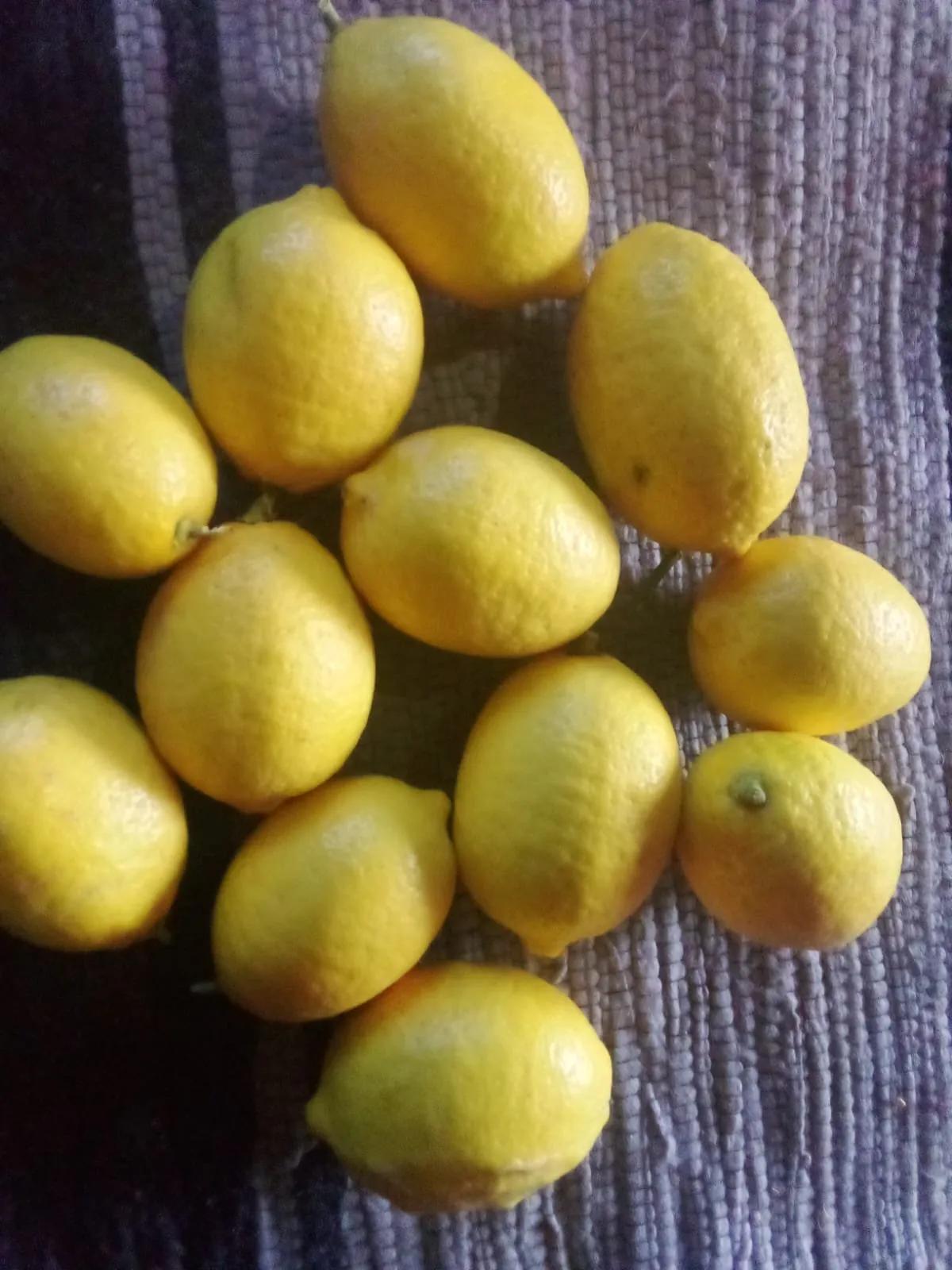
Start with the one people cry about. Across the lower and middle hills there is a family of big, thick-skinned wild citrus, fiercely sour, that ripens in winter. The fruit carries a different name in almost every valley: kimb, khatta, galgal, chagotra, dadunj. What you make from it is usually just called khatta, or murabba, or chha in Mandi, or khatiayi in Kangra. One local untangled it neatly on the sub: kimb is the fruit, and what you prepare later is called by different names (r/HimachalPradesh).
It is a cold-weather thing, eaten to cut through heavy winter food, and people are not calm about it. One whole thread is just the word Khatttaa!! and a crowd of homesick Himachalis in the comments: I miss eating khatta so much, it has been two winters since I last had it (r/HimachalPradesh). There is even a technique. You heat a lump of coal, pour mustard oil over it, drop it into the pot and cover it so the whole thing takes on a smoked edge. They call that dhuppani (r/HimachalPradesh). You will not find khatta in a restaurant. You find it in a home, in January, and if someone offers you a katori of it, say yes.
Lingdi: the fern with a three-week window
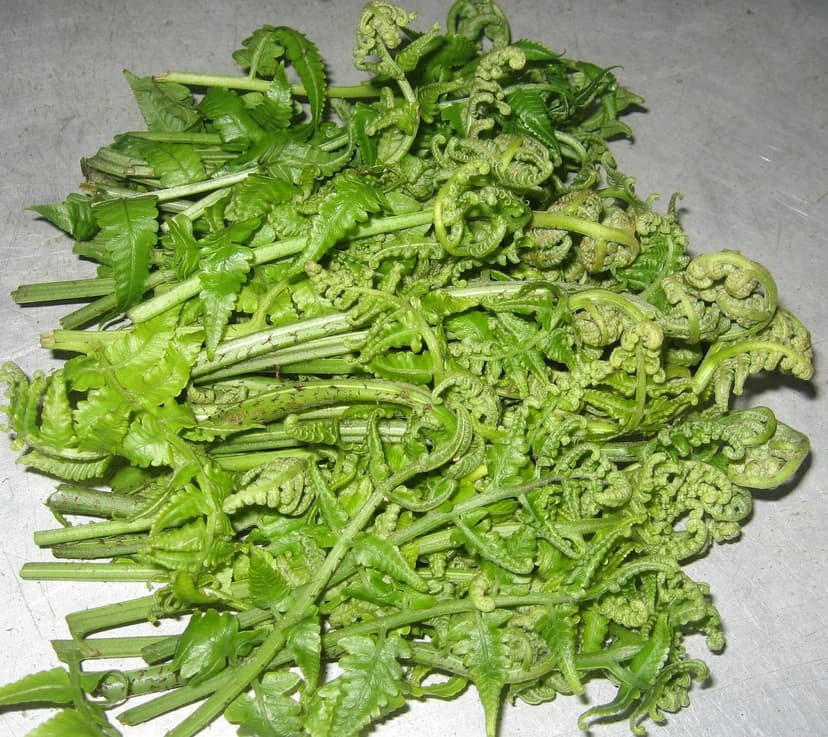
In spring, before the monsoon breaks, a particular fern pushes up tight green coils on wet hillsides and along streams, and for a few short weeks it is the best vegetable in the state. This is the fiddlehead fern, Diplazium esculentum, and it collects names as it travels too: lingdi in Kullu, lungdu or lingad in Hamirpur, kasrod on the Kangra and Chamba side. It is the only fern here you can eat, and you have to catch it young and coiled, before it unfurls. Foragers describe the flavour as grassy with a little nuttiness, the taste of spring itself.
The window is tiny. Lingdi sabzi, taken from the mountain top, it grows naturally, a Kullu local wrote, before the catch every forager knows: pick it before the monsoon or you have missed it for the year (r/HimachalPradesh). Cooked simply with onion and a little spice, it is worth planning a spring trip around.
Tardi and kachnar: the roots and the buds
Two more that mark the calendar. Tardi is a wild yam, a tuber of the Dioscorea family that nobody plants, dug out of the forest floor and eaten, by tradition, at Shivratri. It grows in forests, people dig it up, and it is cooked and eaten on the occasion of Shivratri, one local explained, adding that there are several kinds, tardiyaan, that a forager can tell apart (r/HimachalPradesh). It ties the wild larder straight to the festival calendar, which is half the point of it.
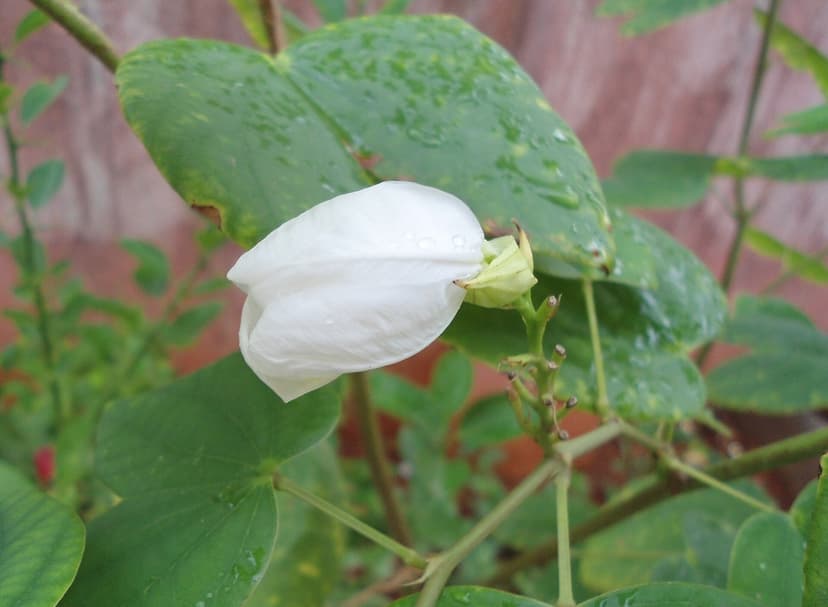
Kachnar is the one you can actually spot yourself: the flower buds of the Bauhinia tree, the same tree whose orchid-shaped blooms line hill roads in spring. Pick the buds before they open and they become a sabji, a pickle or pakode; let them bloom and you can still fold them into a raita. It is more a Kangra and Hamirpur habit than a Kullu one, as one commenter pointed out (r/HimachalPradesh).
Lasude and the wild fruit nobody exports
There is a berry-vegetable called lasude, or lasiyade, that grows in the Kangra region and is cooked in the strangest, most perfect way: with the sourness of raw green mango. The trick is timing, because the unripe berries and the unripe mangoes only overlap for a short run of pre-monsoon weeks. To prepare the sabzi we use the tanginess of raw mangoes, a Kangra local wrote, describing how their mother sources the mangoes first and then waits for the berries (r/HimachalPradesh).
And beyond the famous apple, these hills carry wild fruit that never sees a crate: the Himalayan wild pomegranate, whose sour seeds dry into anardana; wild apricots, the shadhe or khumani; even a native persimmon. Ask on the sub what the best Himachali fruit is and someone will always turn up to defend the wild pomegranate over the apple (r/HimachalPradesh).
Gucchi: the wild mushroom worth more than silver
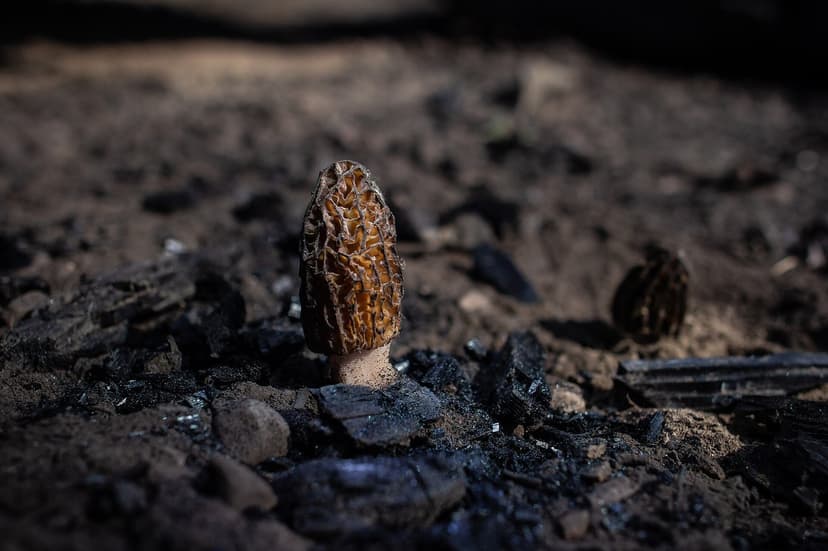
Now the aristocrat of the forage. Gucchi is the morel, Morchella, a honeycombed mushroom that fruits in the conifer forests after the snow melts, often on ground that has burned. It is one of the most prized mushrooms on earth for a plain reason: it is close to impossible to farm, so every single one is wild-picked by hand, usually by village women who then dry and string them. The prices are wild, and we run the real numbers in the dham guide, but dried retail gucchi climbs into the tens of thousands of rupees a kilo.
It is not the only wild mushroom in these woods, only the famous one. Foragers reel off the others that grow here: oyster, chanterelle, chicken of the woods, and more (r/HimachalPradesh). Almost none of them ever reach a market. Most get eaten by the family that found them, which is the honest story of nearly everything in this guide.
Patrode: the dish that gave itself away
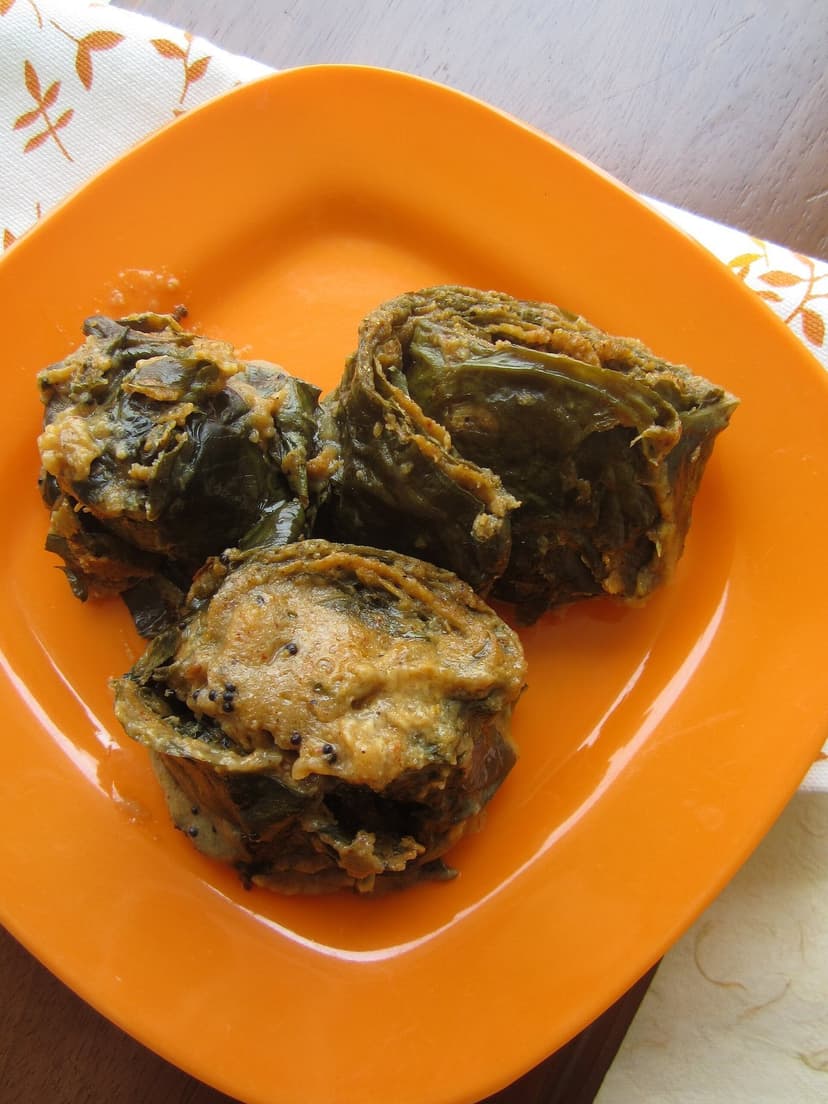
Not strictly foraged, but too good to leave out, and it makes a point. Patrode, or patande, is a roll of arbi, colocasia leaves, layered with a spiced gram-flour paste, steamed, sliced into pinwheels and often fried crisp. Every Himachali is certain it is theirs. Then you go online and learn that half of India makes it: pathrode in coastal Karnataka, alu wadi in Maharashtra, patra in Gujarat, arbi-patta in Bihar, and a fish version in Bengal. A ninety-comment thread on the sub worked through this in real time and ended on the deflated line: apparently it is eaten everywhere, I thought this was a Himachal thing only (r/HimachalPradesh). Which is the lovely thing about traditional food. It does not respect a state line.
I miss eating khatta so much. It has been two winters since I last had it.
The wild larder, at a glance
| The everyday forage | Gucchi, the luxury forage | |
|---|---|---|
| Examples | Khatta, lingdi, kachnar, tardi, lasude | The dried wild morel mushroom |
| What it costs | Free, or a few rupees | Tens of thousands of rupees a kilo |
| Who gathers it | Families, for the household pot | Hand-picked, often by village women, to sell |
| Where it ends up | Eaten at home the same week | Dried, strung, sold, and exported |
| Can a visitor buy it? | Rarely; ask a homestay in season | Yes, in markets and online, if you can afford it |
A forager's calendar
- Spring, March to May
The prime window. Lingdi fiddlehead ferns before the monsoon, kachnar flower buds off the Bauhinia trees, and the first morels pushing up after the snow melts - Pre-monsoon, May to June
Lasude berries cooked with the sourness of raw green mango, and the tail end of the fern and morel season - Autumn
Wild pomegranate and wild apricots ripening on the slopes; more mushrooms after the rains - Winter, December to February
Khatta and kimb, the sour wild citrus, turned into pickle and eaten to cut through the cold, heavy food - Shivratri, late winter
Tardi, the wild yam, dug from the forest floor and cooked for the festival
Do not forage these yourself. Several wild ferns and mushrooms have toxic lookalikes, and telling the edible fern or the real morel from a dangerous impostor is exactly the knowledge that takes a lifetime in the hills to learn. Eat what a Himachali kitchen serves you. Treat this guide as a way to recognise and appreciate these foods, not a licence to pick them.
| Food | Cost (INR) | Notes |
|---|---|---|
| Khatta / kimb (local, in winter) | free to 50 | a household staple, near-free if you know a tree |
| Lingdi / fiddlehead fern (in season) | cheap, by the bundle | sold in spring hill markets for a few weeks |
| Kachnar buds | free to forage | picked off the tree yourself, or a few rupees local |
| Fresh gucchi / morel | high, rarely sold | mostly dried rather than sold fresh |
| Dried gucchi (retail) | 25,000 to 40,000 / kg | one of the priciest foods in India, see the dham guide |
The wild larder runs from free, what you forage, to gucchi at tens of thousands a kilo, the widest price range of any food in Himachal. Figures reported 2026, and they move.
Planning a trip and want to actually eat this, rather than only read about it? Tell us your dates and we will point you to a homestay cooking what is in season, from spring lingdi to a winter katori of khatta.
How to actually eat this, and why it matters
Here is the hard part for a traveller: you cannot order most of this. It is not in restaurants because it was never commercial. It is in kitchens because it is free, or nearly. So eating it means being somewhere with a family, a homestay where the host cooks what is in season, a village in spring or a hill town in January. That is the whole argument for the slow, host-cooked side of Himachal, the one we make in our responsible-travel guide, over the packaged one.
And there is a clock on it. The knowledge of which fern, which bud, which mushroom, and how to cook each one, lives mostly in older heads now. Himachal's own biodiversity board has bothered to write a good deal of it down, in a public document on the wild edible plants of the state, which tells you the government sees the same slow loss. If a homestay grandmother offers to show you the hillside where the lingdi grows, go. That is the real Himachali food tour, and it will never be on a menu. For the food that did make it onto menus, our Himachali food guide and the Boti chefs cover the cooked, celebratory side of the same tradition.
Run a homestay or cook this food, and want it on the map for travellers who care about the real thing? Get in touch and tell us what you cook and when.
FAQ
What wild foods does Himachal forage?
The main ones are khatta/kimb (sour wild winter citrus), lingdi (fiddlehead fern), tardi (a wild yam eaten at Shivratri), kachnar (Bauhinia flower buds), lasude (a berry-vegetable), gucchi (wild morel mushrooms) and other wild mushrooms, plus wild fruit like the Himalayan pomegranate and wild apricot.
What is khatta or kimb?
Kimb, khatta, galgal and chagotra are names for a big, sour, thick-skinned wild citrus that ripens in winter. The relish or pickle made from it is called khatta, chha in Mandi, or khatiayi in Kangra, and it is eaten in the cold months to cut through heavy food.
What is lingdi?
Lingdi (lungdu, lingad or kasrod in other districts) is the fiddlehead fern, Diplazium esculentum, the only edible fern in Himachal. It is foraged young and coiled for about three weeks in spring, before the monsoon, and cooked as a simple sabzi.
What is gucchi and why is it so expensive?
Gucchi is the wild morel mushroom (Morchella). It fruits in conifer forests after the snow melts and is almost impossible to cultivate, so every one is hand-picked. Dried, it retails for roughly 25,000 to 40,000 rupees a kilo, among the priciest foods in India.
When is the best time to try Himachal's wild foods?
Spring (roughly March to May) for ferns, kachnar buds and morels; winter (December to February) for khatta. Ask a homestay what is in season when you visit, since the windows are short.
Can I buy these foods as a tourist?
Mostly not. They are home foods, cooked and eaten within a family, so the best way to try them is a host-cooked meal in the right season. Dried gucchi is the exception, sold in markets and online, though it is expensive.
Is it safe to forage wild foods myself?
No, not without a local expert. Several wild ferns and mushrooms have toxic lookalikes, and telling them apart is knowledge that takes years in the hills. Eat what a Himachali kitchen serves rather than picking your own.
What is patrode?
Patrode (or patande) is a roll of colocasia (arbi) leaves layered with spiced gram-flour paste, steamed and sliced into pinwheels, often then fried. It is a Himachali favourite with close cousins across India, from Karnataka's pathrode to Maharashtra's alu wadi.
Written from Kullu, where the wild larder was simply food. The names and preparations above come from Himachali foragers on Reddit (linked at each mention), the state biodiversity board's public document on the wild edible plants of Himachal, and food writers who have gone picking; the botanical identities (the Diplazium fern, the Dioscorea yam, the Bauhinia buds, the Morchella morels) were checked in July 2026. Wild foods vary by valley and season, and some have dangerous lookalikes, so treat this as a guide to knowing them, not a licence to forage them yourself.