Where to Stay in Udaipur: The Honest Area Guide (and Whether the Lake View Is Worth It)
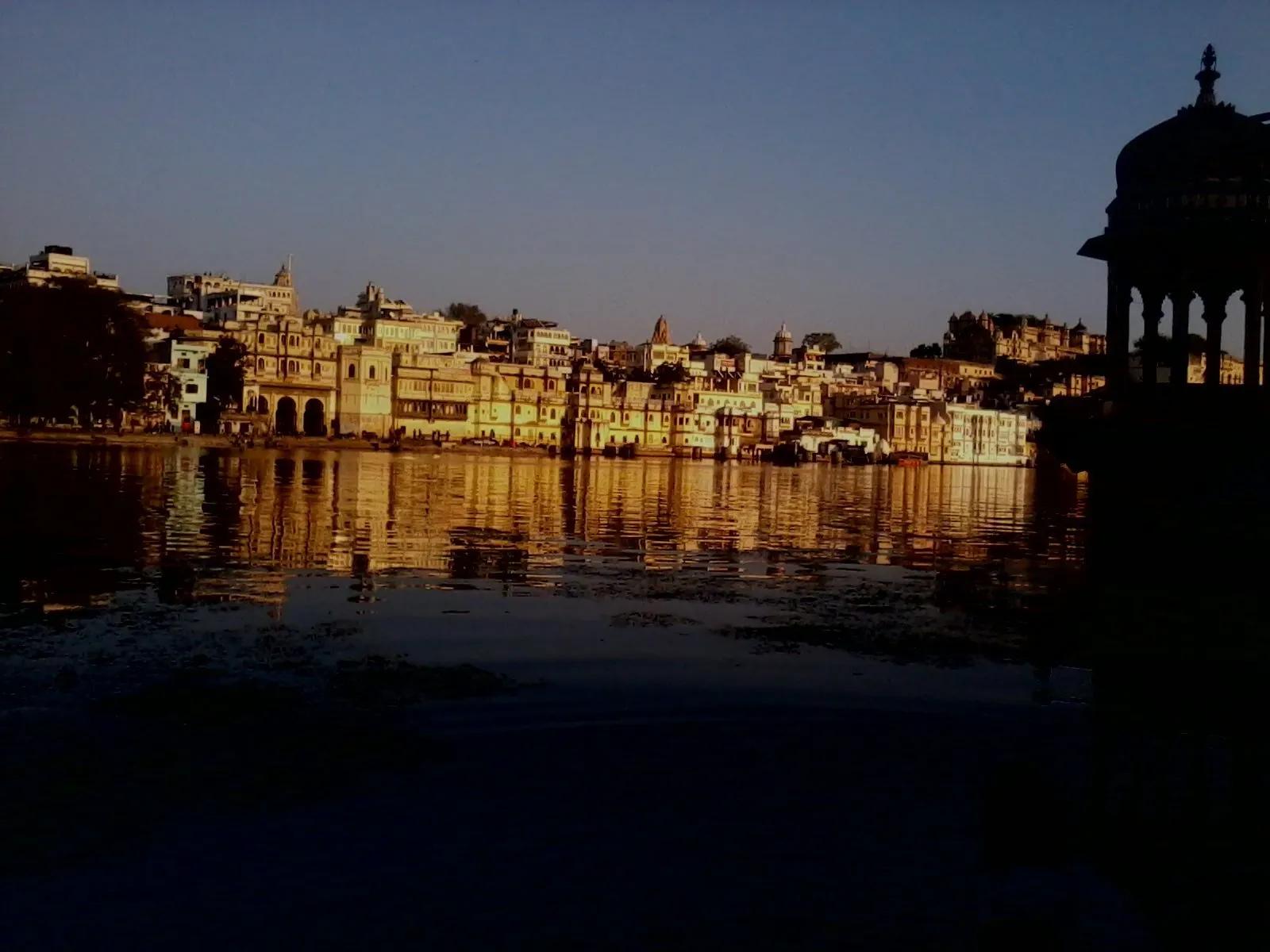
There is a photo of Udaipur that does most of the work of selling the city. A breakfast table on a stone balcony, a cup of chai, and behind it the cream havelis of the old city dropping straight into Lake Pichola, doubled in the still water. People save it, book a lake-view haveli to recreate it, and are sometimes quietly puzzled when the view from their own expensive room is of the backs of other buildings. One Udaipur regular summed up the joke better than I can: you end up sitting inside the famous haveli, looking out at the famous haveli.
I do not live in Udaipur, so take the following as a careful reading of what people who do, and people who have stayed there, say online, not a local's little black book. Where to stay in Udaipur comes down to one real decision and one honest question. The decision is which side of the water you want to wake up on. The question is whether the lake view is worth what they charge for it. Get those two right and the rest sorts itself out.
The one real decision: which side of the water
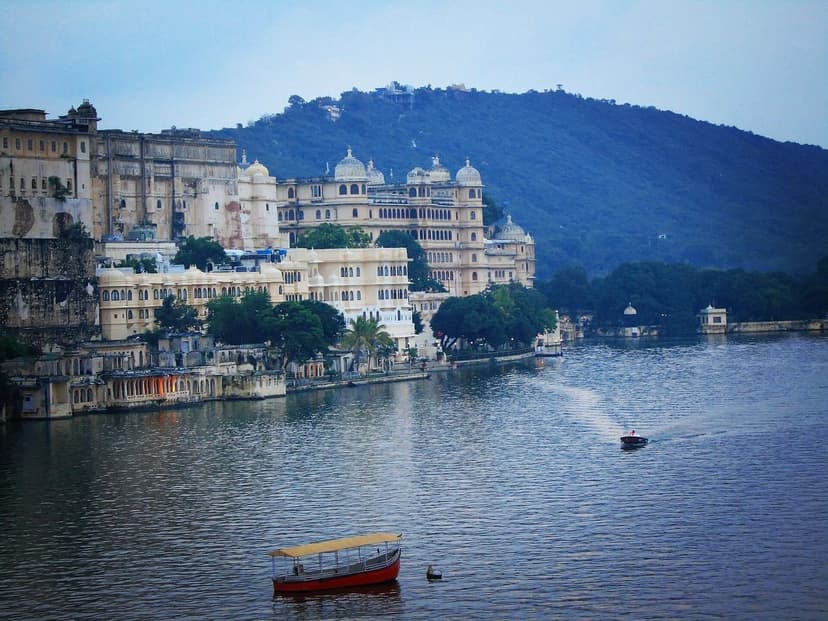
Udaipur is a lake city, and where you stay is really a question of your relationship to Lake Pichola. There are three broad answers. The old city on the eastern bank, around Lal Ghat and Gangaur Ghat below the City Palace, which is the postcard, and the busiest, most storied part of the city. The western bank across the water, Hanuman Ghat and Ambrai Ghat, quieter and with the classic view back at the palace. And the Fateh Sagar area to the north, around the second, bigger lake, where the hotels are newer, roomier and further from the crush. Almost everything else is a variation on those three.
- Old city, east bank
- Lal Ghat and Gangaur Ghat, under the City Palace. Heritage havelis, the ghats on your doorstep, the most atmosphere. Cramped lanes; books out early in season.
- Old city, west bank
- Hanuman Ghat and Ambrai Ghat, across the water. Quieter, cafes, and the classic view back at the Lake Palace and City Palace.
- Fateh Sagar area
- North, on the bigger lake. Newer hotels, more space, pools, lake frontage. You commute to the old-city ghats.
- The lake-view premium
- Real, and optional. You can get the famous view from a rooftop restaurant for the price of a meal, without paying for the room.
- Best for a first visit
- The old city, near the ghats, so the walkable Udaipur is on foot from your door. Book well ahead in October to March.
- Carry
- A government photo ID for check-in (everyone needs one), and realistic expectations about narrow-lane noise if you are on the ghats.
The old city: atmosphere, at a price
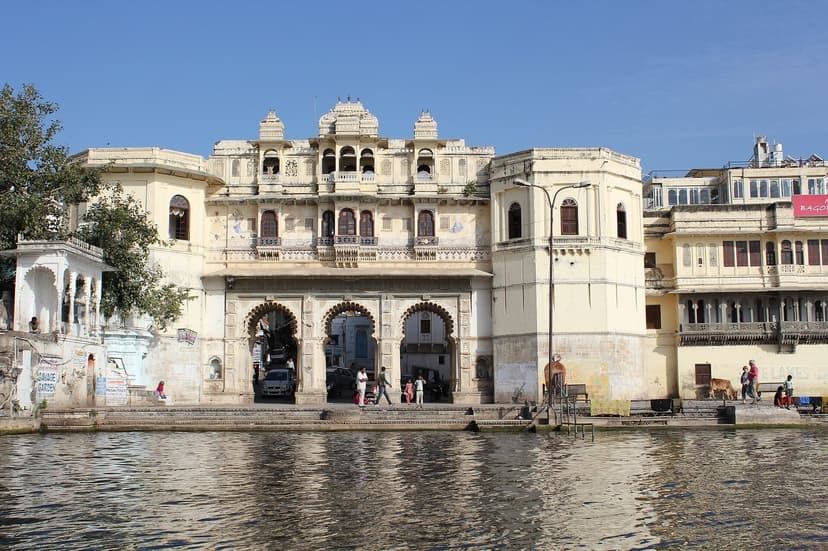
Most first-time visitors should stay in the old city, and most of them will be happiest on foot from a ghat. The east bank around Lal Ghat and Gangaur Ghat is the dense, heritage-haveli core: you walk out of your guesthouse into the lanes, the bazaars and the water, and the whole slow-Udaipur day is on your doorstep. The trade is real though. The lanes are narrow and loud, the good lake-facing places book out weeks ahead in the October-to-March season, and the cheapest rooms can be windowless boxes in buildings whose charm is all on the terrace.
The western bank, Hanuman Ghat and Ambrai Ghat, is the quieter half of the same old city, a short walk around or a two-minute ferry across. It has the cafes, a slightly calmer pace, and crucially the view: the classic Udaipur shot of the City Palace and the Lake Palace across the water is taken from this side. One resident, asked where to base a relaxed trip, pointed straight at it, saying to stay near the Chandpole and Ambrai side because it is safe, central and has a good vibe, with the old-city lanes to walk slowly and Badi Lake and a Karni Mata sunset within reach.
| East bank (Lal Ghat, Gangaur) | West bank (Hanuman, Ambrai) | |
|---|---|---|
| Feel | Dense old-city core, most atmosphere | Quieter, cafes, a bit more room to breathe |
| The view | You are in the postcard | You look at the postcard, across the water |
| On foot | Ghats, bazaars, City Palace all at the door | A short walk or ferry to the east-bank sights |
| Watch for | Narrow-lane noise, books out early | Slightly removed from the busiest ghats |
Is the lake view actually worth it?
This is the question the brochures will not ask you, so the locals do. A lake-view room in a heritage haveli is genuinely lovely, and it is also the single biggest thing you pay a premium for in Udaipur. Before you do, it is worth knowing two things people who have been keep repeating. First, the most famous view is of the haveli row from the water, so a room inside one of those havelis often looks out at the others, not at the shot you booked for. Second, and more usefully, you do not have to sleep somewhere to get its view.
You do not need to stay there. Just go to their restaurant. Go for the morning breakfast, there is not much crowd in the morning and you do not even need a reservation.
That advice came up again and again on a thread from someone asking how to get the Jagat Niwas breakfast picture without paying to stay. The answers were unanimous and practical: book a table at one of the lake-facing restaurants, several of which people named around Ambrai Ghat, and you get the same view for the price of a meal, sometimes a few hundred rupees a head through a dining-out app. One even pointed out that the lake-side tables are the hard part in peak season, so pre-book a day ahead. So: if a lake view will make your trip, pay for it with clear eyes. If you mainly want the photo and the moment, a rooftop dinner buys you both, and you can sleep somewhere quieter and cheaper.
Want the lake-view haveli experience without the room rate? Book a lake-facing table at a rooftop restaurant on Ambrai or Lal Ghat, ideally for an early breakfast when it is uncrowded and reservations are easy, and pre-book a day ahead in the October-to-March peak when the waterside seats go first. You get the view, the light and the photo, and keep the money for the rest of the trip.
Fateh Sagar: quieter, roomier, further out
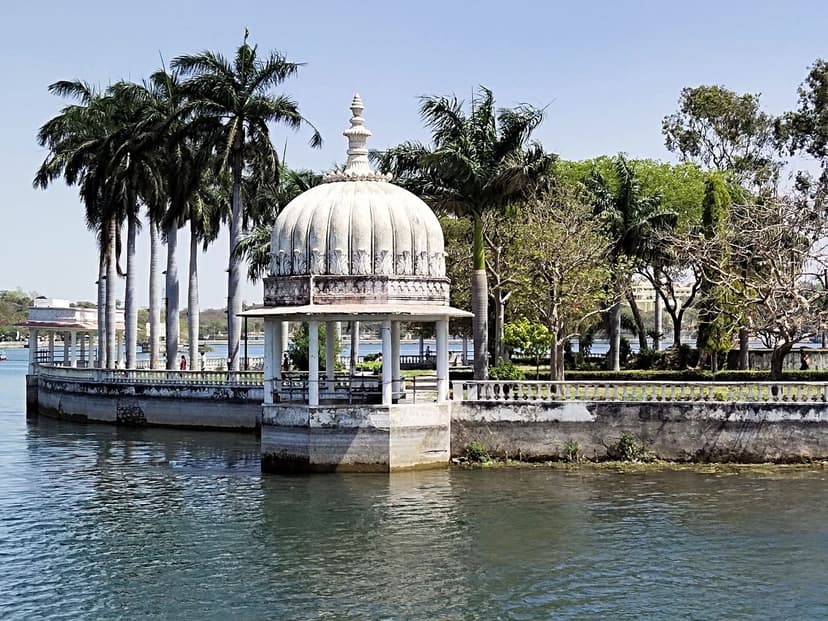
If the old city sounds like more crowd and noise than you want, the Fateh Sagar area north of it is the standard alternative. The lake is bigger and calmer, the hotels tend to be newer with actual space, pools and parking, and some sit right on the water. One visitor comparing options put a Fateh Sagar lakefront hotel at the top purely on the view and the setting. The catch is the obvious one: you are fifteen or twenty minutes from the old-city ghats and the walkable heart, so you trade atmosphere and stepping straight into the lanes for calm and room to spread out. For a couple or a family who want a base rather than to be inside the bustle, it is often the smarter pick.
Budgets, from a hostel bunk to a palace
Udaipur runs the full range, and the people who stay there are generous with names. At the budget and backpacker end, the hostel brands come up constantly: regulars point to Zostel, Moustache, Madpackers and The Hosteller, several with more than one property in town. One noted that Moustache alone has a lakeside sunset property, a lake-view one with a pool, and a value dorm tucked in the narrow alleys, so the brand is not one thing. If you are travelling solo and want company, that hostel cluster is where people say the socialising happens.
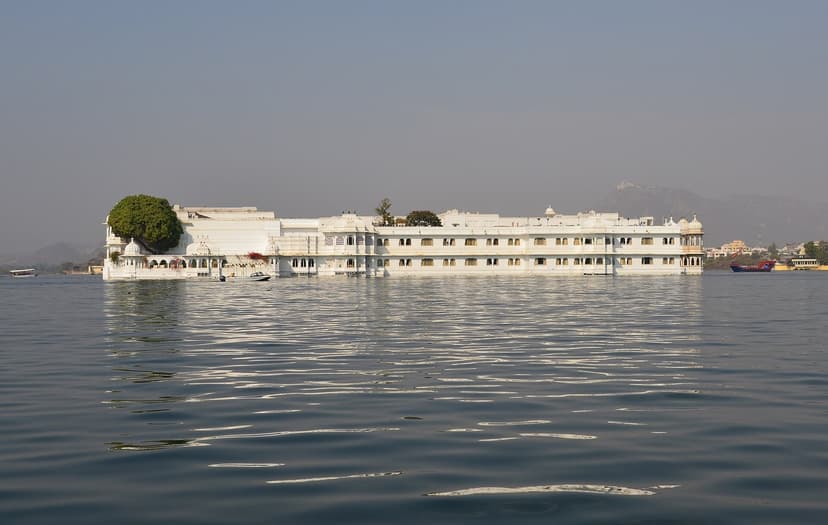
In the middle sit the heritage havelis turned into small hotels, the ones the whole old city is built on, plus modern mid-range places; visitors have named spots like Chunda Haveli and rooftop guesthouses with good sunset terraces. At the top is the Udaipur people put on posters: the Taj Lake Palace on its own island, the palace hotels run by the old royal group, and newer luxury names further out, all of which visitors describe with genuine affection and eye-watering rates. I am relaying these as travellers reported them, not ranking or pricing them myself, so treat every name as a lead to check rather than a booking. And notice the pattern: the single palace everyone recognises, the Lake Palace, is for almost every visitor a thing you photograph from the ghats, not a room you sleep in.
Two honest practicalities: ID rules and solo safety
Two things the glossy guides skip. First, check-in and ID. Every hotel in India will ask each guest for a government photo ID, so carry one. Beyond that, policies vary a lot: some hotels, including surprisingly upmarket ones, are cautious about unmarried couples or ask for particular ID, and travellers do run into it. The consensus advice from people who have is calm and practical: book a reputable, established hotel rather than the cheapest room, and go in as confident, ordinary guests. It is a real and uneven policy landscape, worth a quick call ahead to the specific hotel if it might affect you, rather than a surprise at the desk.
Second, solo travel, and solo women in particular. Udaipur reads as one of the easier Indian cities for it, and the recurring advice is about where more than whether: stay central, in the old city, in a well-reviewed place with other travellers around, so you are walking short, busy, lit routes at night rather than long empty ones. That is the same reason the residents keep nudging first-timers toward the ghats and the Ambrai and Chandpole side. Read recent reviews with an eye for how the hosts treat solo guests, and you will find plenty of good ones.
Carry a government photo ID for every guest at check-in. If you are an unmarried couple, hotel policies are inconsistent, so book an established, well-reviewed hotel and, if in doubt, call the specific property ahead rather than risk it at the desk. Solo travellers, and solo women especially, do best in a central, well-reviewed old-city stay with other guests around and short, busy walks at night.
So, where should you actually stay
For most people, on a first Udaipur trip, the answer is a well-reviewed place in the old city near the ghats, on either bank, booked well ahead if you want a lake view and picked for a quiet room if you do not. Want calm and space over atmosphere, or you are driving in with a family? Fateh Sagar. Travelling on a budget or solo and after company? The hostel cluster. Want the lake-view moment without the lake-view bill? Sleep somewhere sensible and buy a rooftop breakfast.
The one thing worth protecting, whatever you book, is being able to walk. The Udaipur people fall for is the one on foot: a ghat at dawn, the lanes before the shops open, the water at dusk. Base yourself where that is your front door and the city does the rest. If you want the shape of that day, there is a separate piece on doing a slow old-city day the way locals do, and one on whether Udaipur is overrated and how to avoid the trap. You can sort the walks and experiences on the Udaipur things-to-do page.
Common questions
Where is the best area to stay in Udaipur?
For a first visit, the old city near the ghats. The east bank around Lal Ghat and Gangaur Ghat is the atmospheric heart, with the ghats and bazaars on foot; the west bank around Hanuman Ghat and Ambrai Ghat is quieter and has the classic view across the water. Choose the Fateh Sagar area to the north if you want a calmer, roomier hotel and do not mind commuting to the old city.
Is it worth paying for a lake-view hotel in Udaipur?
Only if the view genuinely matters to you, because it is the biggest premium you pay in Udaipur. Locals point out that a room inside a famous lakeside haveli often looks at other havelis, and that you can get the same iconic view from a lake-facing rooftop restaurant for the price of a meal. If you mainly want the photo and the moment, book a rooftop breakfast and sleep somewhere quieter and cheaper.
Which side of Lake Pichola should I stay on?
The east bank (Lal Ghat, Gangaur Ghat) puts you in the dense old-city core with the most atmosphere and the sights at your door. The west bank (Hanuman Ghat, Ambrai Ghat) is quieter, has the cafes, and gives you the classic view back at the City Palace and Lake Palace. They are a short walk or a two-minute ferry apart, so pick on atmosphere versus calm.
Are there good hostels in Udaipur?
Yes, and travellers name them often: Zostel, Moustache, Madpackers and The Hosteller all operate in Udaipur, several with more than one property. Moustache, for example, has a lakeside property, a lake-view one with a pool, and a cheaper dorm in the old-city alleys. The hostel cluster is where solo travellers say the socialising happens.
Do Udaipur hotels allow unmarried couples?
It varies by hotel, and some, including upmarket ones, are cautious about it. Every hotel in India asks each guest for a government photo ID at check-in. The practical advice from travellers is to book an established, well-reviewed hotel and, if the policy might affect you, call that specific property ahead rather than risk being turned away at the desk.
Is Udaipur safe for solo female travellers to stay?
Udaipur is generally considered one of the easier Indian cities for solo travel, and the key is where you stay. Choose a central, well-reviewed place in the old city with other guests around, so night-time walks are short, busy and lit. The Ambrai and Chandpole side of the old city comes up repeatedly as safe and central. Read recent reviews for how hosts treat solo guests.
How far ahead should I book a stay in Udaipur?
Well ahead for the October-to-March season, especially if you want a lake-view or a specific heritage haveli, since the good waterside rooms book out weeks in advance and peak weekends and wedding season fill fast. Even lake-facing restaurant tables get scarce in peak season, so pre-book those a day ahead too.
Should I stay near Fateh Sagar or the old city?
The old city if you want atmosphere and to walk to the ghats, bazaars and City Palace from your door. Fateh Sagar if you want a newer, roomier hotel with more space, parking and often a pool, and do not mind being fifteen to twenty minutes from the old-city heart. Families and drivers often prefer Fateh Sagar; first-time sightseers usually prefer the old city.
Sources and a note on this guide
I write for Refuje and I do not live in Udaipur. The areas, the lake-view trade-off, the hostel and hotel names, and the advice on ID rules and solo safety are drawn from Udaipur residents and visitors describing their own stays on r/udaipur, quoted and attributed as it appears. I have not stayed at any of the hotels named here and am relaying them as leads to check, not endorsements. The geography and the practical facts were checked against current sources in July 2026.
- Old-city geography, Lake Pichola banks (Lal Ghat, Gangaur Ghat, Hanuman Ghat, Ambrai Ghat), the City Palace and the Taj Lake Palace on Jag Niwas island, and Fateh Sagar to the north: Wikipedia and standard references, coordinates verified against Wikipedia and OpenStreetMap.
- The lake-view-without-the-room advice, the which-side and area recommendations, the named hostels and hotels, and the ID-rules and solo-safety discussion: attributed r/udaipur threads, quoted inline. Hotel names are traveller reports, not our recommendations.
- Check-in ID requirement: a standard, current rule for hotels across India; unmarried-couple policies vary by property.
Rates, availability and individual hotel policies change constantly, so confirm directly with any property before you book, and if you are from Udaipur and think this misreads your city, that is the correction this guide should carry, so tell us.
You Might Also Like
Udaipur painting workshops: miniature or Pichwai?
Choose a Udaipur painting workshop by what you actually do: miniature or Pichwai motifs, artist demonstrations, guided lessons, materials, time, advertised prices and the piece you can take home.
Udaipur Beyond the Boat Ride: The Quiet Lakes, the Monsoon Palace, and the Slow Way Round
An outsider's guide to the Udaipur the boat queue skips: the interconnected lake system, the quiet lakes locals actually go to (Badi, Doodh Talai), the Monsoon Palace view, and how two listed vintage-Willys experiences differ: lake country or off-road Aravalli.
Day Trips from Udaipur: Which Are Worth It, Which to Skip, and the One Nobody Warns You About
An outsider's honest, resident-sourced ranking of day trips from Udaipur: why Kumbhalgarh with Ranakpur wins, how to settle the Kumbhalgarh-versus-Chittorgarh fork, which one to save for an overnight, and the lonely drive back nobody warns you about.