Is Udaipur Overrated? What Locals Actually Say (and What to Do Instead)
Let me settle the question in the title, because it is the wrong question. Udaipur is not overrated. It is overcrowded, which is a different problem with a different fix, and the people saying so loudest are not jaded tourists. They are the residents. In 2025 the city drew more than 21 lakh visitors, its highest count in eight years, and October alone brought a record footfall not seen in fifteen. The lakes and the palaces earned every bit of their fame. The trouble is what fame has done to the small old-city core that everyone crowds into.
A note on who is writing this. I do not live in Udaipur, and I am not going to pretend I do. What follows is built from two things: what Udaipur residents themselves say, at length and often angrily, on their own corner of the internet, and a check of those claims against reporting and current sources. When a local voice appears below, it is a real person on r/udaipur, not me putting words in their mouth. The verdict, and the fix, are theirs more than mine.
What the people who live there actually say
The complaint is remarkably consistent. A resident who grew up in the city and has watched it change put it bluntly: the never-ending popularity, they wrote, has ruined the feel of the place, and everywhere you turn there is a tourist or an overpriced cafe serving food that tastes of flour and nothing else. Another local, in a thread simply titled Too many tourists, said they can no longer sit and chill at any of their old spots. A third mourned a hill temple, Karni Mata, that used to be quiet and now has a ropeway, a zip line and a car park where the silence used to be.
Everywhere you go you find tourists, or some overpriced cafe with food which feels like it was made just flour with no spice. The city has lost its charm.
This is not nostalgia. It is documented. A long piece by Cityscope on Udaipur's overtourism describes choked old-city lanes, parking that has run out, late-night rooftop-cafe noise, litter on the ghats, and long-term homes turning into short-stay rentals that price locals out. The phrase that keeps coming up, from residents and reporters both, is a shift from quality tourism to quantity tourism. Here is the shape of it.
- The verdict
- Not overrated. Overcrowded. Over 21 lakh visitors in 2025, the most in eight years.
- What almost everyone does
- City Palace, a Pichola boat ride, a rooftop-cafe sunset. Worth one day, and one day only.
- What almost nobody does
- Eats real Mewari food, walks the working old city, or leaves the lakes for the hills.
- How long locals suggest
- Four to five days, slowed right down, not a rushed two.
- When to come
- October to March for weather. Avoid the November wedding-season crush and peak weekends.
- What the crowds took
- The quiet. As tourism grew, the calm corners got ropeways, zip lines and cafe music.
Do the famous things once, and honestly
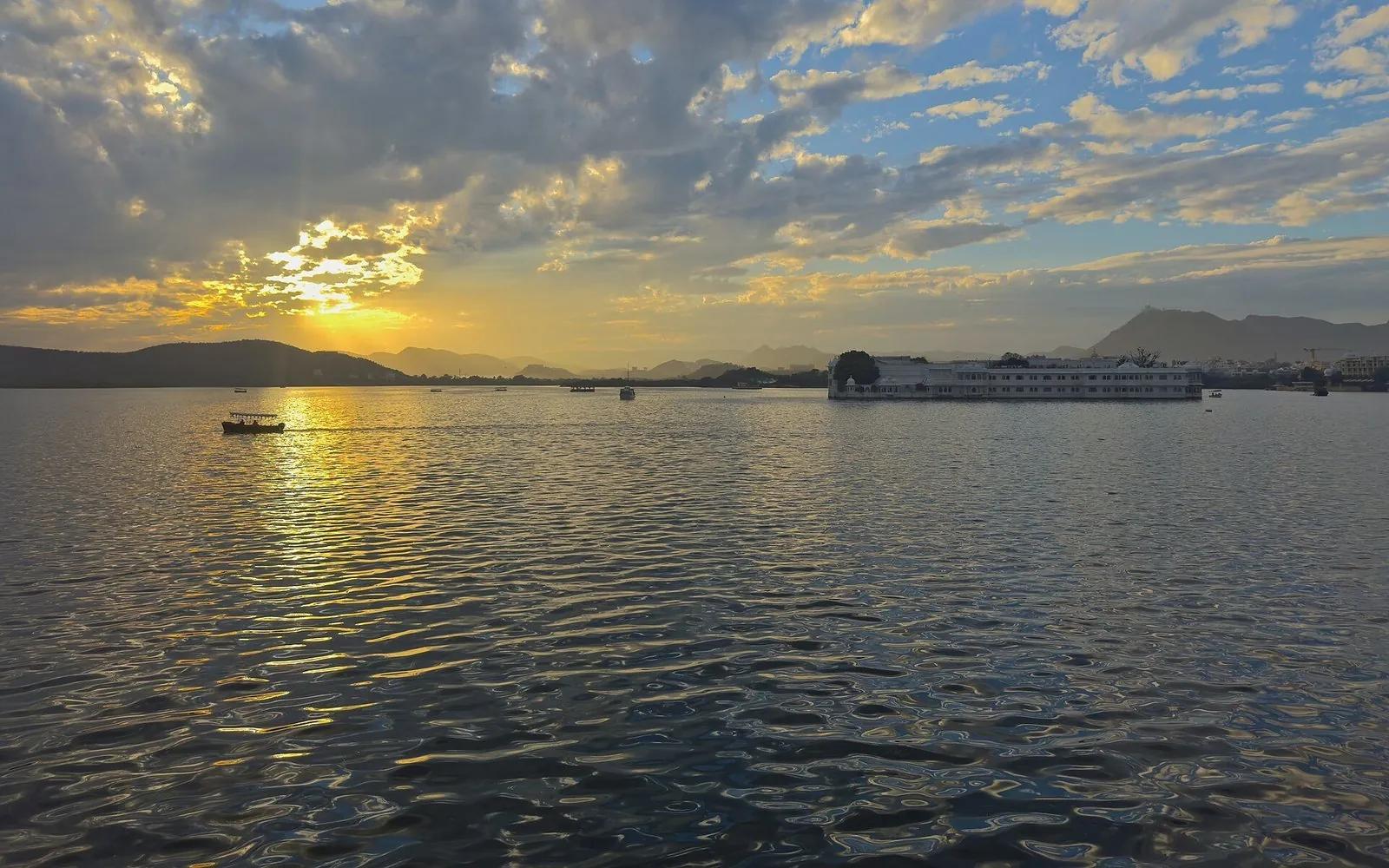
None of this means you skip the icons. The City Palace really is the largest palace complex in Rajasthan, and a slow morning inside it is time well spent. A boat across Lake Pichola to Jag Mandir is worth doing, once, ideally not at peak sunset when every jetty is a scrum. The evening folk-dance show at Bagore Ki Haveli is genuinely good. Sajjangarh, the Monsoon Palace on its Aravalli ridge, gives you the whole lake city in one wide look.
So do them. Enjoy them. The mistake is not visiting the famous places. The mistake is thinking they are the trip, spending two rushed days ticking them off, eating flat food at a cafe chosen for its lake view rather than its kitchen, and leaving convinced you have seen Udaipur. You have seen the postcard. Here is the rest, arranged as the antidote to each thing residents complain about.
Instead of the no-spice cafe food, eat what the city actually cooks
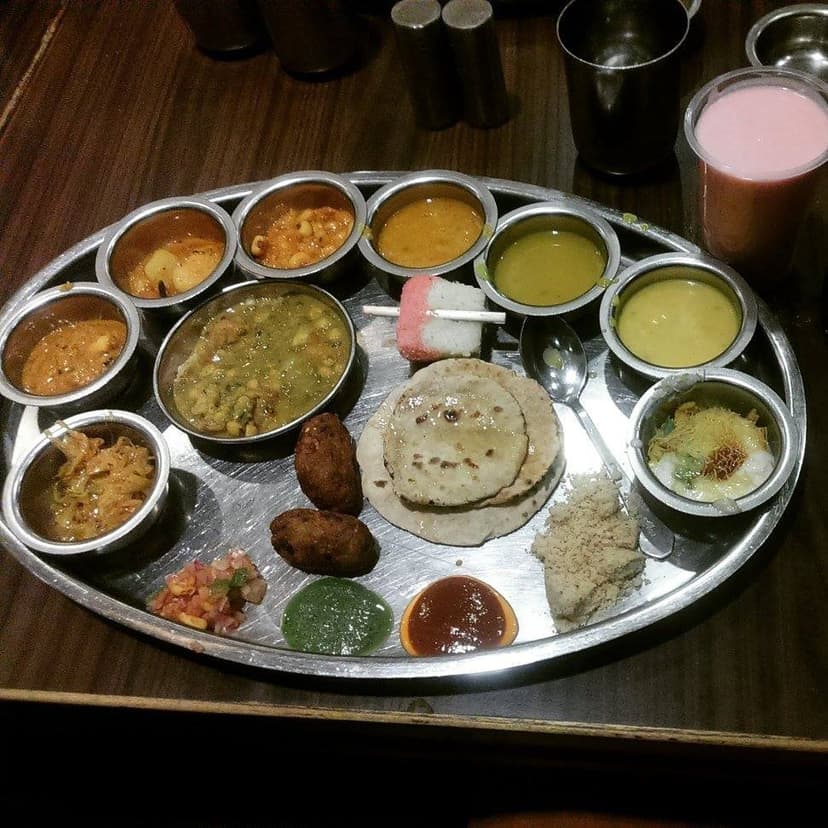
The single most common food complaint from locals is the one in that pull-quote: the tourist-strip cafes serve pretty, bland, overpriced plates built for a photograph, not a palate. The food Udaipur actually eats sits a few lanes back, and it is Mewari and Rajasthani and unapologetically rich. Dal baati churma, baked wheat balls cracked open over five-lentil dal with sweet churma alongside. Gatte ki sabzi, gram-flour dumplings in a tangy yoghurt gravy. Ker sangri, a dry desert curry of berries and beans sharpened with dried mango. Laal maas, mutton stained deep red and hot with Mathania chillies, for those who eat meat. A proper Rajasthani thali carries a dozen of these at once.
You can hunt this down at the local joints residents actually name, which is its own good day. Or you can go one better and learn to make it, which is the thing that stays with you long after the trip. That is exactly what a home cooking class is for.
Refuje runs an award-winning Udaipur home cooking class (around Rs 2,100) where you cook a full Mewari spread with a local host and go home with the recipes. It is the direct answer to the flour-and-no-spice cafe problem.
Instead of the cafe strip, walk the old city that still works
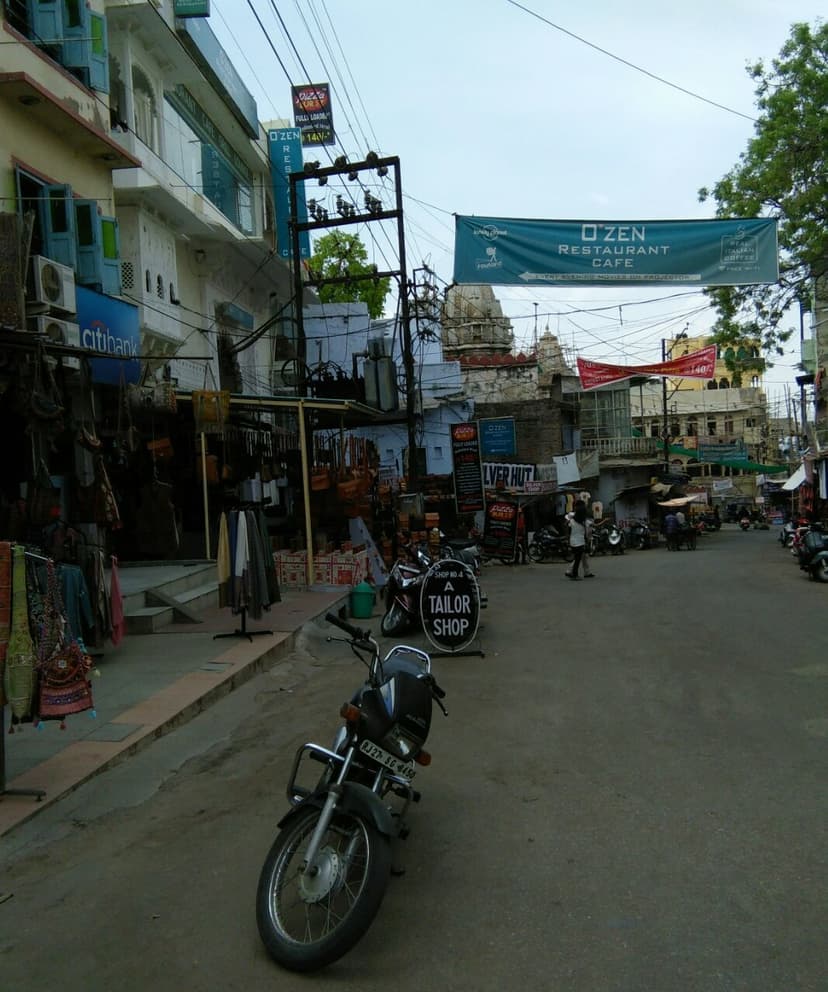
The resident who called the city overhyped was careful to say what they did not mean. Not the history, not the culture, not the palaces, all of which they loved. What they meant was the way social media had flattened a living city into an aesthetic, a backdrop for the same rooftop photo taken ten thousand times. The cure is to walk the old city as a working place rather than a set.
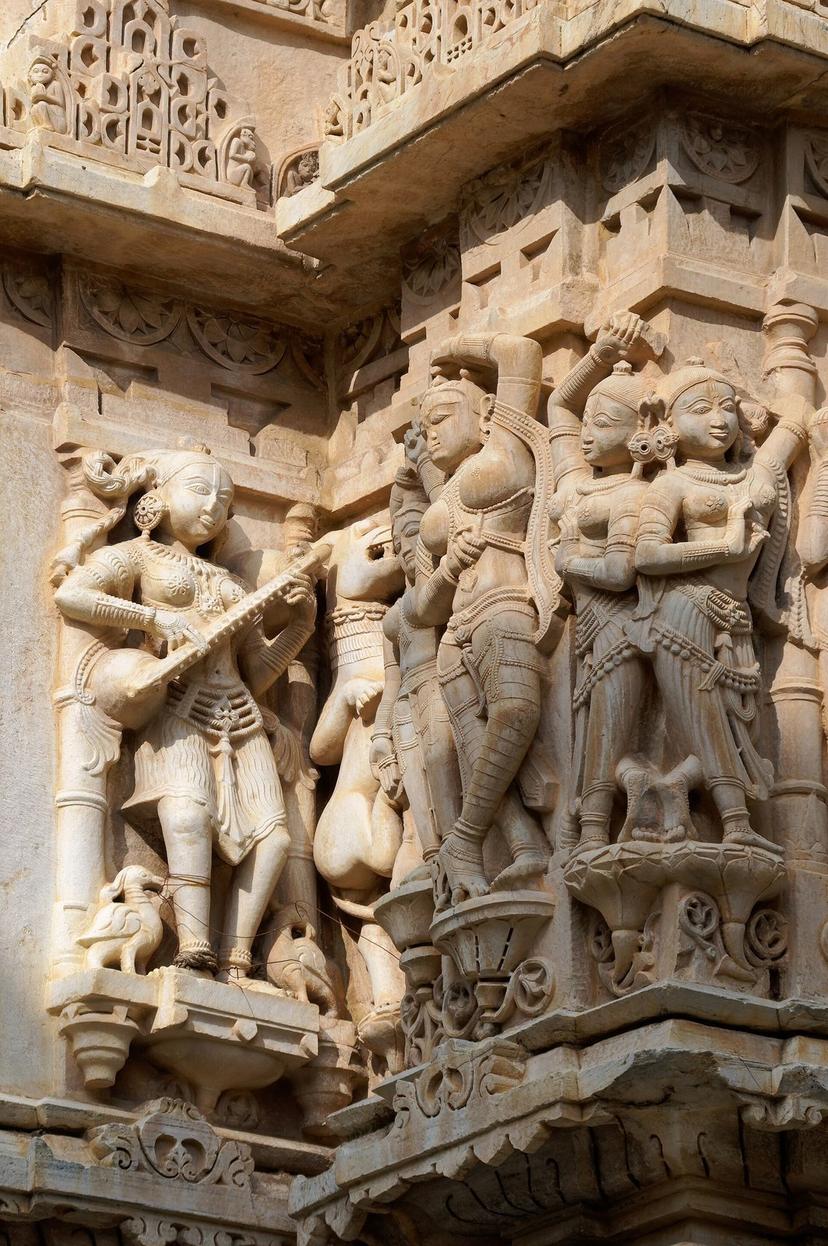
There is a real route through it, the one local guides use. It starts at the 1651 Jagdish Temple, whose carved walls of musicians and dancers reward anyone willing to stand still for a minute, and threads down through the ghats and the trade lanes: the jewellery and fabric markets, Mochiwada where the shoemakers work, the utensil sellers, the vegetable market, Kumbharwada the potters colony, the leaf-workers alley, the metalworkers of Kasara ki Ol, and back. Add the big historic bazaars, Bada Bazaar and Hathi Pol near the palace, for miniature paintings, brassware and cloth. None of it is a museum. All of it is people at work, which is the point.
Refuje runs a heritage walk through the old city and its daily life (around Rs 1,100), led by someone who lives it, through the bazaars and ghats above rather than the cafe circuit. It is the antidote to the Instagram version of the city.
Instead of the crowded core, get out of it
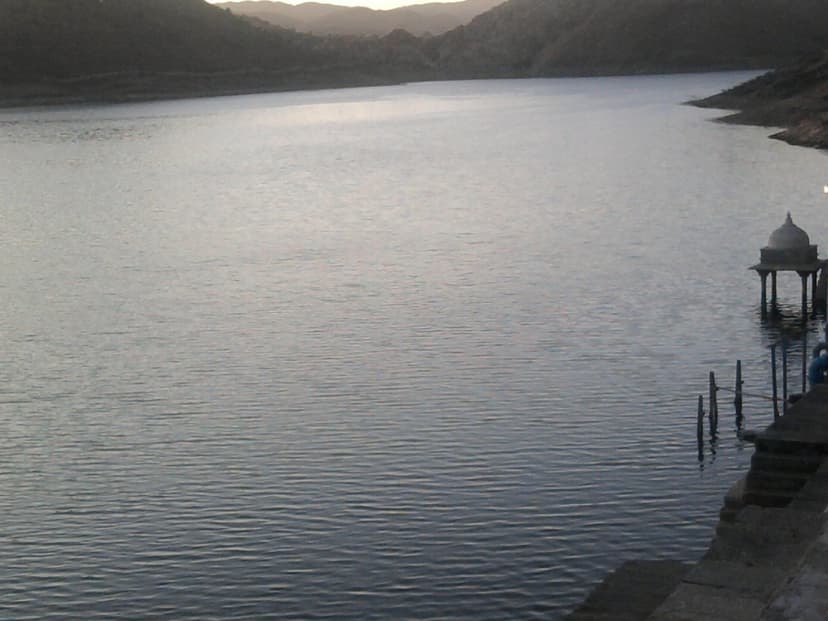
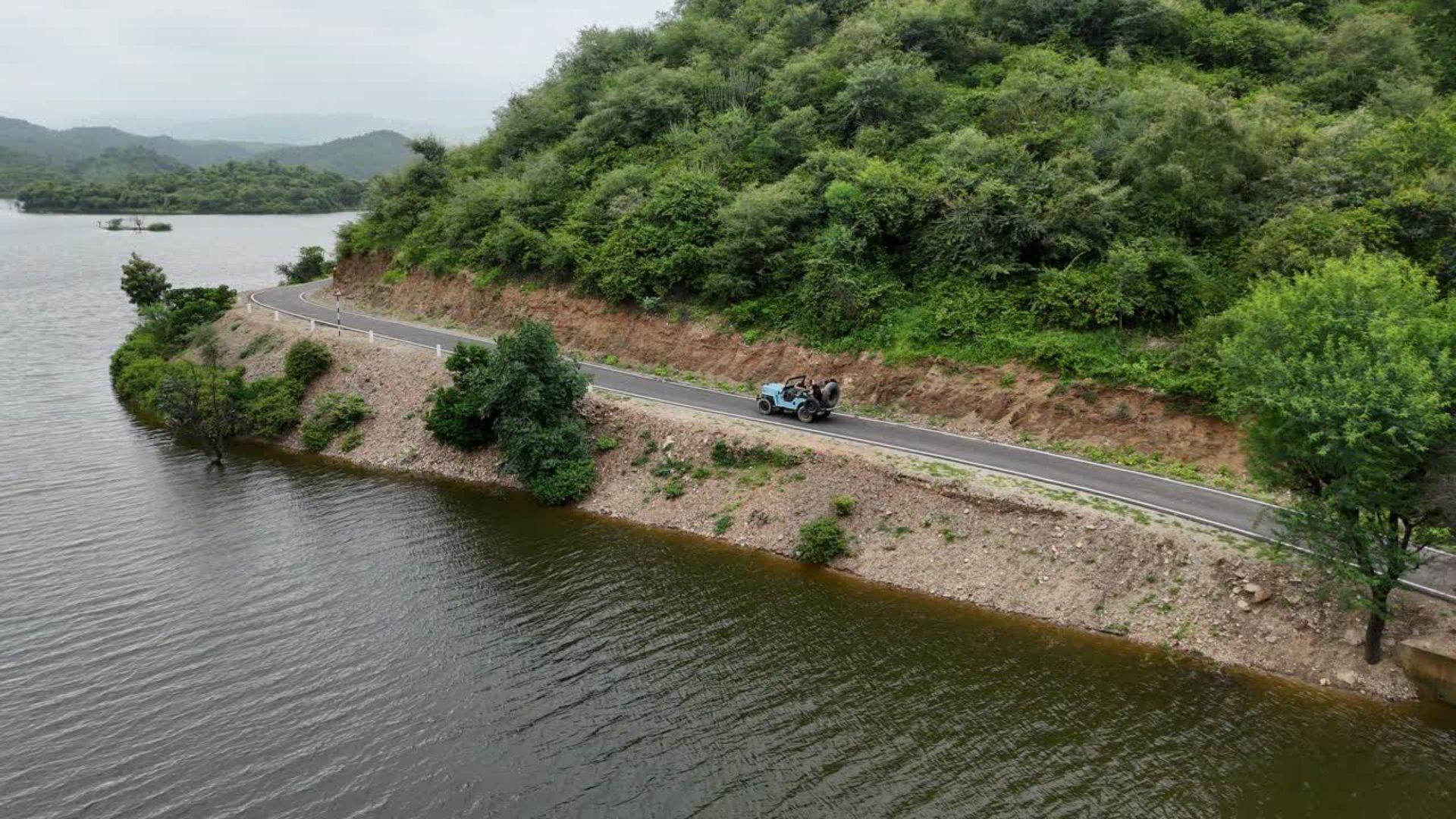
When residents talk about escaping their own city, they name the same handful of places, and almost all of them are a short ride out. Badi Lake, about twelve kilometres northwest, is the one locals mention most: a calm sheet of water ringed by hills where, as one put it, they go precisely because the tourists do not. On its northern tip sit the Bahubali Hills, a rocky lookout with a wide view over the lake and the Aravalli, best at sunrise before anyone else is up. Fateh Sagar, the second big lake, is minutes from the centre and quiet in the early morning. Rayta Hills, forty kilometres out past a village of a hundred and fifty homes, turns green and lovely in the monsoon.
The nicest way to string these together is not a cab but a bike, which also keeps you slow enough to actually see the farms and villages between them.
Refuje runs a countryside bike tour around Udaipur (around Rs 1,900, geared bike or optional e-bike): roughly 20 km from a Fateh Sagar sunrise out past villages, farms and Badi Lake. It is the packaged version of exactly the escape locals describe.
And above all, slow down
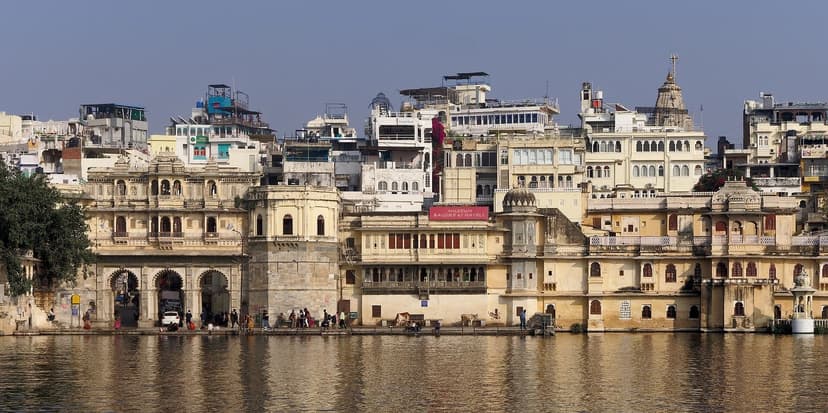
The most upvoted Udaipur trip report I found on the solo-travel forums was not a packed itinerary. It was called Udaipur without a plan, and it was a single unhurried day: local breakfast, a while by the water at Rani Road, lunch in the old city, a couple of hours just sitting on a ghat making a time-lapse, an egg bhurji at a street cart to finish. In the comments, a local summed up the right way to visit in one line: Udaipur is a city of stillness, so make time and come for four or five days. When a visitor posted a tight, deadline-stacked two-day plan, another resident replied that just reading it gave them anxiety.
That is the whole reframe. The problem visitors run into is not that Udaipur is overrated. It is that they treat a slow city like a checklist and then wonder why it felt like a crowded theme park. Give it the ghats at dawn, one bazaar walked end to end, one meal you learned to cook, one morning in the hills, and a lot of sitting still. Here is how three or four unhurried days can hold all of it.
| The Instagram Udaipur | The lived-in Udaipur | |
|---|---|---|
| Where the day goes | City Palace, boat ride, rooftop cafe | An old-city bazaar, a ghat at dawn, the hills |
| What you eat | Continental cafe food with a lake view | Dal baati, gatte, ker sangri, a real thali |
| How you move | Cab from sight to sight | On foot in the old city, a bike into the countryside |
| Pace | Two days, checklist | Four or five days, unhurried |
| What you take home | The same photos as everyone | A recipe, a bazaar, a quiet lake |
- Day 1: The famous stuff, done well
City Palace in the cool of the morning, a Pichola boat to Jag Mandir before the sunset scrum, and the Bagore Ki Haveli folk show at dusk. Get it done, enjoy it honestly, do not pretend you are above it. - Day 2: The old city, on foot and in the kitchen
A heritage walk through the working bazaars and ghats in the morning, a Mewari cooking class in the afternoon, and Gangaur Ghat at sunset with the people who live there. - Day 3: Out of the core
A sunrise countryside bike ride to Fateh Sagar, Badi Lake and the villages, Sajjangarh for the wide view, and a slow evening back at the water. - Add a day, or two
Do less. Sit at Ambrai Ghat and watch the aarti. Take the hills, Rayta in the monsoon. This is the thehraav, the stillness, that locals keep telling you the city is actually for.
One last thing, because the locals asked
If you take the point of this piece, take this part of it too. Udaipur's residents are not asking you to stay away. They are asking you not to make it worse. That means coming off-peak if you can, spending your money with local families and small operators rather than the big chains buying up the old city, keeping your noise down at the ghats that people pray at, and carrying your rubbish out. And when you find a quiet corner that the crowds have not reached, think twice before you geotag it into the ground.
To the people who keep asking for the hidden spots: I want to keep our hidden spots hidden.
That is not gatekeeping. It is the same request every over-loved place is making right now, and the honest traveller's answer is to go gently, go slow, and go where you are actually wanted. Do that, and Udaipur is not overrated at all. It is one of the most beautiful cities in India, quietly getting on with its life a few lanes behind the postcard. You can see all three of the experiences above, and more, on the Udaipur things-to-do page.
Common questions
Is Udaipur overrated?
No. The more accurate word, and the one locals themselves use, is overcrowded. The lakes and palaces genuinely earn their reputation; the problem is that most visitors crowd into the same small core and never see the rest. Do the quieter, slower version and it lives up to the hype.
How many days do you need in Udaipur?
Locals repeatedly suggest four to five days at an unhurried pace, not the rushed two that most itineraries allow. Udaipur rewards sitting still, so a longer, slower visit beats a packed short one.
What is the best time to visit Udaipur?
October to March for comfortable weather. Try to avoid the November wedding-season peak and busy weekends, when the old city and lakefront are at their most crowded. Early mornings are quiet even in season.
What is there to do in Udaipur beyond the City Palace and the lake?
Plenty. Learn to cook Mewari food at a home cooking class, walk the working old-city bazaars on a heritage walk, and ride out into the countryside to Badi Lake, Bahubali Hills and Fateh Sagar. That is the Udaipur most day-trippers miss.
Where do locals in Udaipur go to escape the tourists?
Most name Badi Lake, about twelve kilometres out, and the Bahubali Hills lookout on its northern tip. Fateh Sagar early in the morning and Rayta Hills, around forty kilometres away and green in the monsoon, also come up often.
What Rajasthani food should I try in Udaipur?
Dal baati churma, gatte ki sabzi, ker sangri, and laal maas if you eat mutton, ideally in a full thali. This is the rich, spiced Mewari food that the tourist-strip cafes generally do not cook well.
Is Udaipur worth visiting given the crowds?
Yes, if you visit thoughtfully: come off-peak, base yourself for several slow days, do the famous sights early and once, and spend the rest of your time in the old city, the kitchen and the hills. That version is very much worth it.
How can I avoid adding to overtourism in Udaipur?
Come off-peak, spend with local families and small operators, keep noise down around the ghats, carry your litter out, and avoid publicising the quiet spots that locals ask to keep hidden. Small choices, made by enough visitors, are the whole difference.
Sources and a note on this guide
I write for Refuje and I do not live in Udaipur. This piece deliberately hands the verdict to people who do. The local sentiment throughout is quoted from residents on r/udaipur and from solo-travel trip reports, linked and attributed as it appears; nothing here is a first-hand claim of mine about the city. The facts around those voices were checked against current sources in July 2026.
- Visitor numbers (over 21 lakh in 2025, an eight-year high; record October footfall): UdaipurTimes and Travel and Tour World, 2025.
- Overtourism, the Instagram-versus-reality framing, rents and rentals: Cityscope Media.
- The escape spots (Badi Lake, Bahubali Hills, Fateh Sagar, Rayta Hills) and the old-city bazaar route: current Udaipur travel and local sources.
- Mewari dishes (dal baati churma, gatte, ker sangri, laal maas): Rajasthani-cuisine references.
- Resident sentiment and trip reports: attributed r/udaipur and r/SoloTravel_India threads, linked inline.
Prices for the experiences mentioned are as listed in mid-2026 and worth confirming when you book. If you are a Udaipur local and think this piece gets something wrong, that is exactly the kind of correction it should carry, so tell us.
You Might Also Like
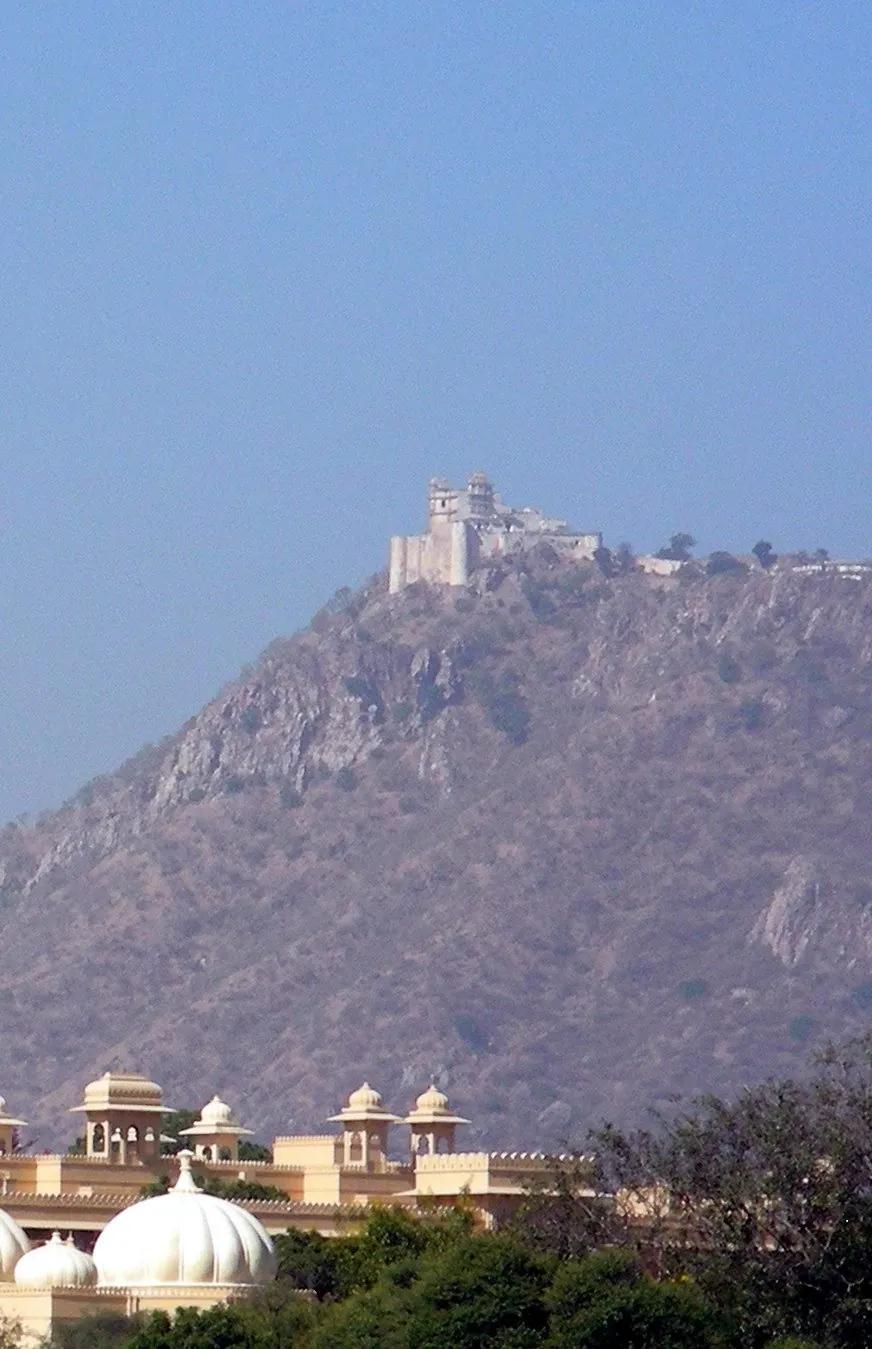
Udaipur Beyond the Boat Ride: The Quiet Lakes, the Monsoon Palace, and the Slow Way Round
An outsider's guide to the Udaipur the boat queue skips: the interconnected lake system, the quiet lakes locals actually go to (Badi, Doodh Talai), the Monsoon Palace view, and the slow, vintage-jeep way to string them together.
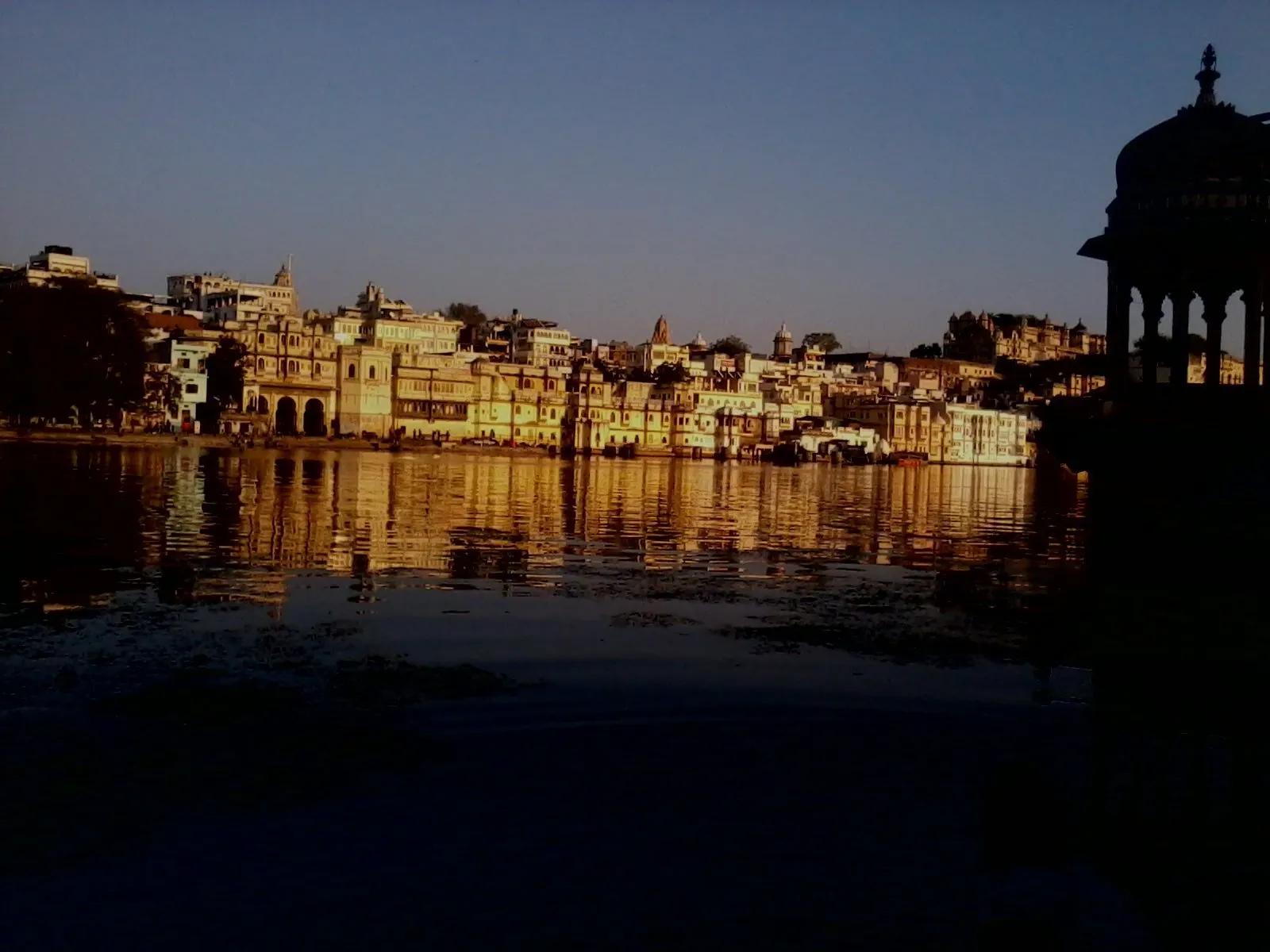
Where to Stay in Udaipur: The Honest Area Guide (and Whether the Lake View Is Worth It)
An outsider's honest, resident-sourced guide to where to stay in Udaipur: which side of Lake Pichola to pick, the old city versus Fateh Sagar, hostels to palaces, and whether the lake-view premium is actually worth paying.
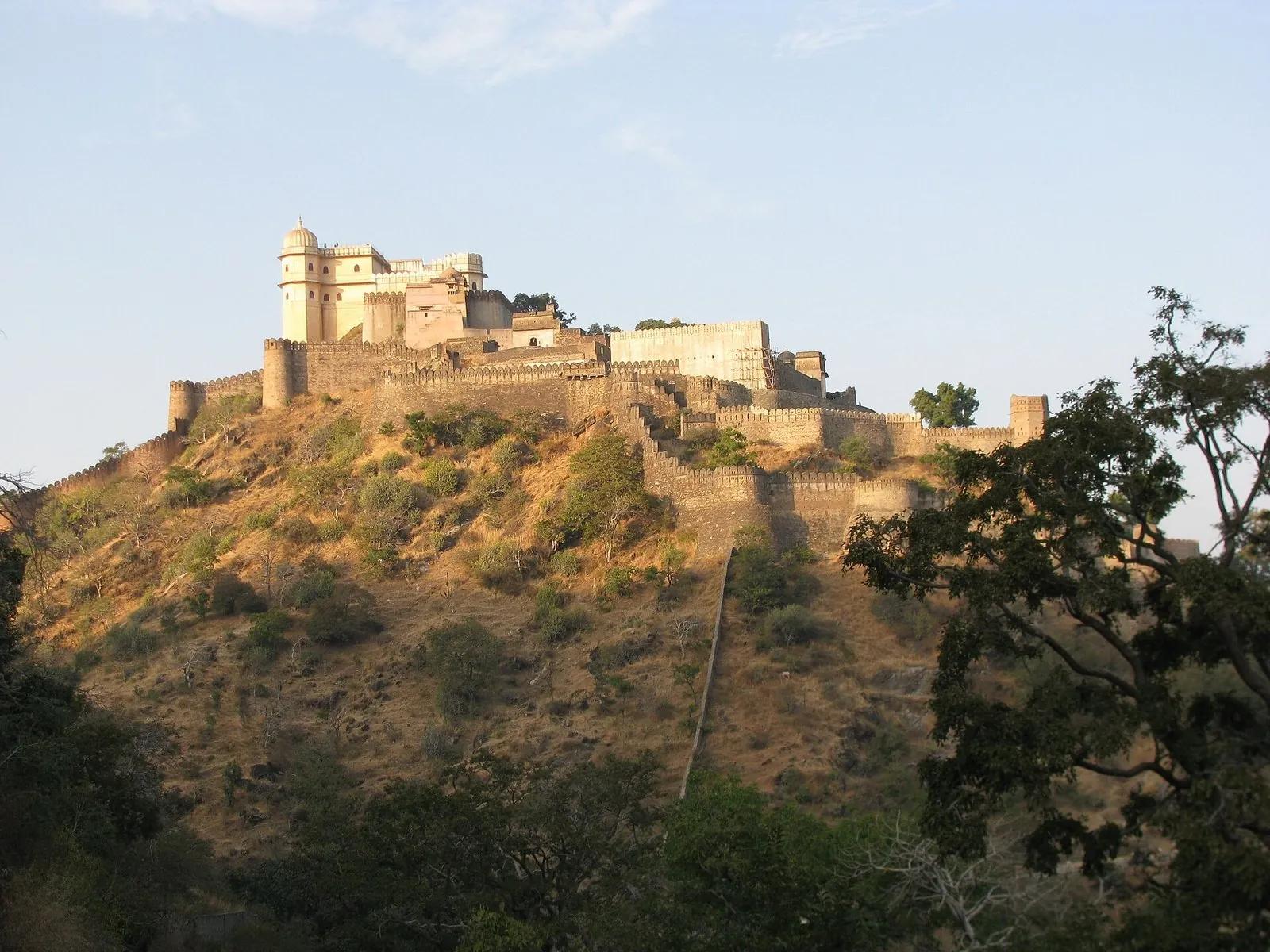
Day Trips from Udaipur: Which Are Worth It, Which to Skip, and the One Nobody Warns You About
An outsider's honest, resident-sourced ranking of day trips from Udaipur: why Kumbhalgarh with Ranakpur wins, how to settle the Kumbhalgarh-versus-Chittorgarh fork, which one to save for an overnight, and the lonely drive back nobody warns you about.