Day Trips from Udaipur: Which Are Worth It, Which to Skip, and the One Nobody Warns You About
The part of a Udaipur day trip that nobody puts on the internet is the drive home. It is dark by the time you leave the fort. The highway back has no streetlights and, for long stretches, no other headlights either, just your taxi and the black shapes of the Aravalli on both sides. You have been up since before dawn, you are not entirely sure about the driver, and the fort you drove three hours to see is already a blur. One traveller described that exact drive back to Udaipur as something that still gives her the chills.
I do not live in Udaipur, so I am not going to narrate these roads from memory. What I can do is read a lot of people who have driven them, and pass on what they actually say. Day trips from Udaipur are real, and a few of them are among the best things in Rajasthan. But they are long drives on taxi-only roads, and they are not all worth the day they cost. Here is the honest version: which ones earn the drive, which one to reconsider, and the one nobody warns you about.
The one everyone should do: Kumbhalgarh
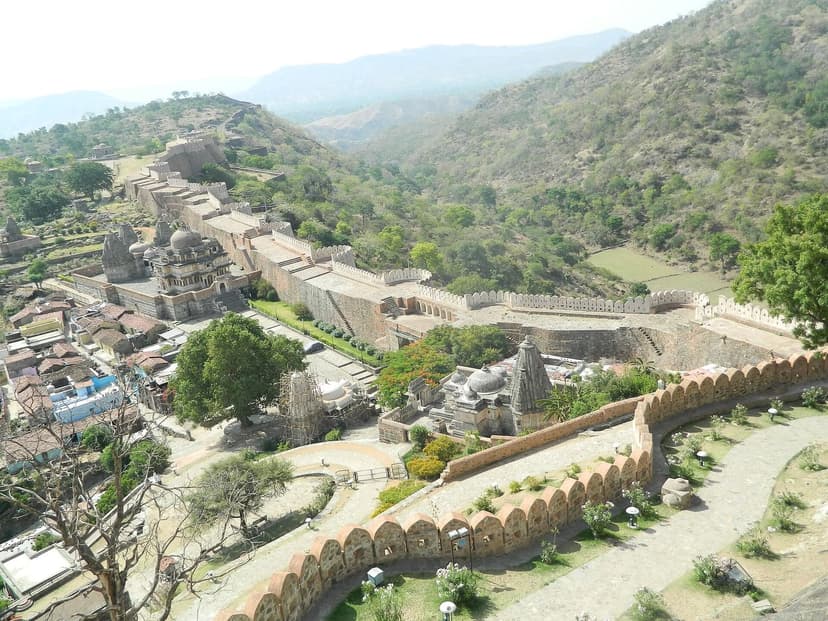
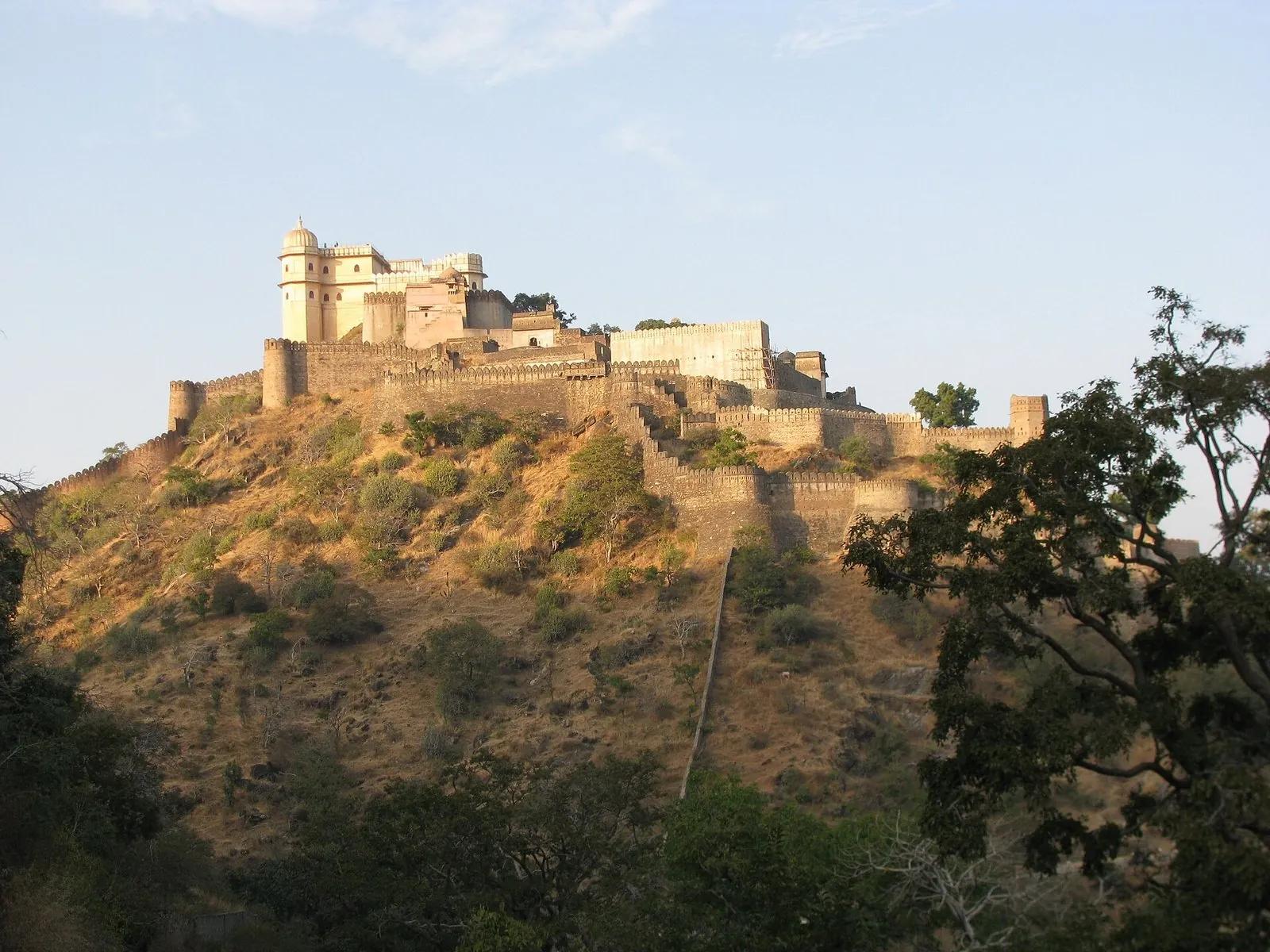
If you do exactly one day trip from Udaipur, the residents are close to unanimous: make it Kumbhalgarh. It is a fifteenth-century hill fort built by Rana Kumbha, about eighty-five kilometres northwest and a two to two-and-a-half hour drive, and its wall runs some thirty-six kilometres along the ridgeline, which is why people call it the Great Wall of India. It is a UNESCO World Heritage Site, and by most accounts the fort where Maharana Pratap was born. One regular, asked flat out if it was worth visiting, answered yes, definitely, and most of the thread agreed.
Two honest warnings, both from people who went. It is a workout. One visitor called it a decent day trip and kind of a workout, because you park a kilometre or two below and then walk and climb a lot once you are inside, so go if you are up for that. And you cannot scooter there. As one put it, a rented scooter works in Udaipur only; for Kumbhalgarh you go by taxi or bus. The RSRTC buses run as far as Kelwara, about seven kilometres short of the fort, so most people just hire a car for the day. There is an evening light and sound show, worth timing for, though one traveller who missed it to bad weather said the view from the top of the fort in the July rain was so good he did not mind.
- Kumbhalgarh
- About 85 km, 2 to 2.5 hours. The standout. Great Wall of India, UNESCO, a fort you walk and climb. Taxi or bus, not a scooter.
- Ranakpur
- About 90 km, near Kumbhalgarh. A 15th-century marble Jain temple. Pairs with Kumbhalgarh on one long day.
- Chittorgarh
- About 120 km, 2 to 2.5 hours. The largest fort in India. Go here for history over pictures. Also reachable by train.
- Nathdwara
- 48 km, about an hour. The Shrinathji temple town. A crowded pilgrimage day, best very early.
- Mount Abu
- About 160 km, three-plus hours each way. Lovely, but too far to enjoy in a day. Make it an overnight.
- Close and quick
- Eklingji (about 22 km), Haldighati (about 44 km), Jaisamand Lake (about 55 km). Half-day trips, not full ones.
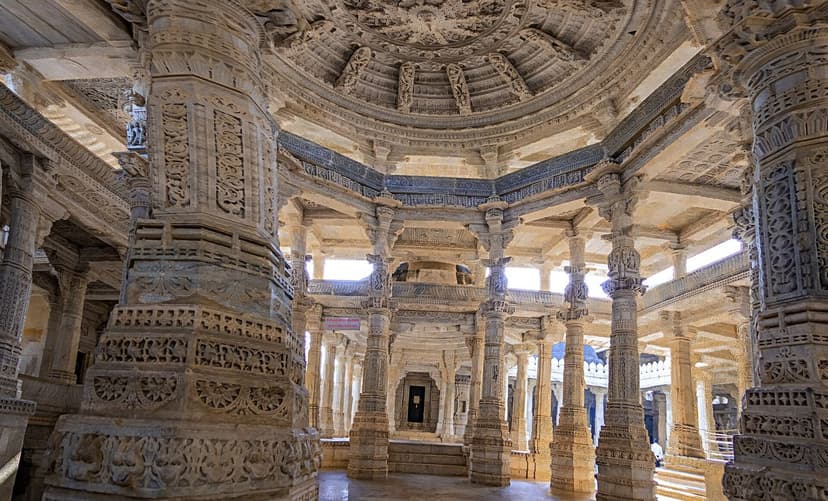
Most people pair Kumbhalgarh with Ranakpur, a little further west and reachable on the same day. Ranakpur is a fifteenth-century Jain temple carved entirely in pale marble, held up by a forest of pillars famously said to number more than a thousand with no two alike. The two together, fort and temple, are the single best day out from Udaipur, and the reason the Kumbhalgarh road is the one worth committing a full day to.
The fork everyone hits: Kumbhalgarh or Chittorgarh
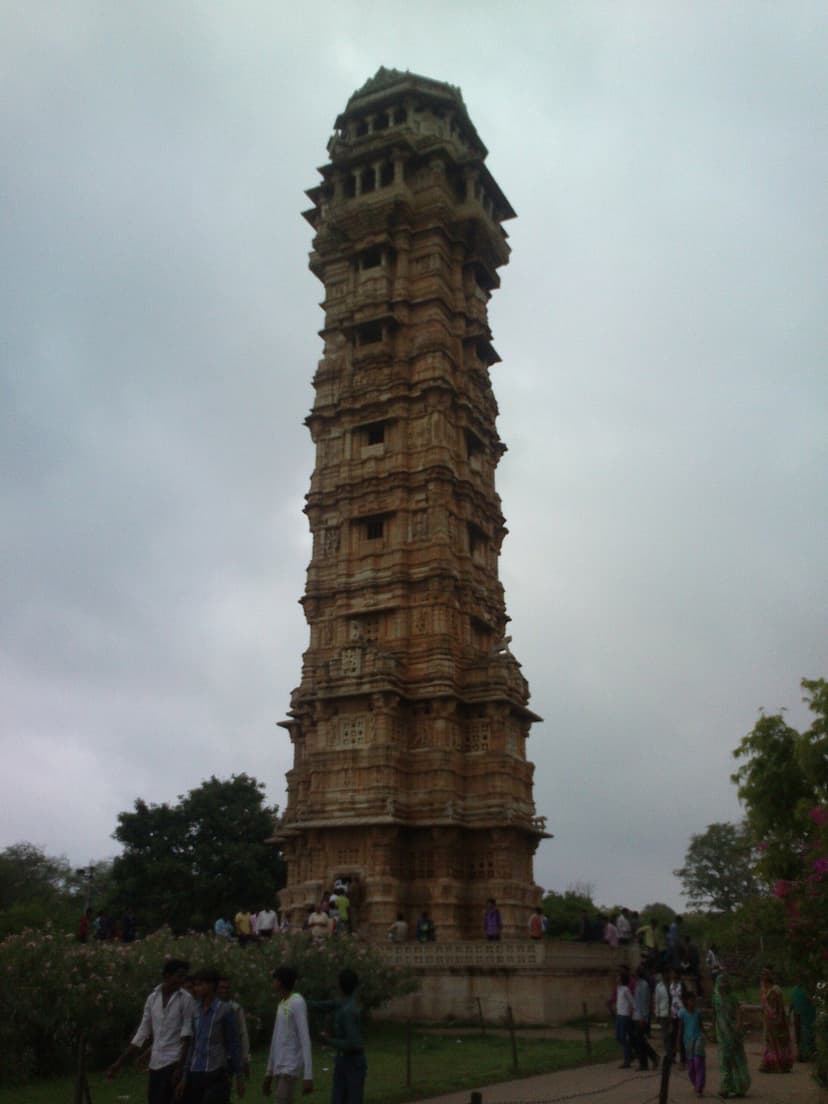
By day three in Udaipur most people are staring at the same question on a forum somewhere: Kumbhalgarh or Chittorgarh? They pull in opposite directions, roughly two hours out on different roads, and doing both means two long days. The residents have worked out a clean way to decide it. As one laid it out, Chittorgarh is the biggest fort in India and Kumbhalgarh has the longest wall; Chittorgarh has better road connectivity and more places to eat. Another put the choice in a single line that has stuck with me.
If you like history go to Chittorgarh, it is one of the most significant places in terms of historic events. For vibe and pictures, go Kumbhalgarh.
That is about right. Chittorgarh, the old capital of Mewar, is enormous and heavy with history, three sieges and the jauhar that Rajasthan still tells stories about, crowned by the carved Tower of Victory. Kumbhalgarh is the one you photograph and feel, the wall running off into the hills. If you have only one day, most people end up sending first-timers to Kumbhalgarh for the drama and the Ranakpur pairing. One useful trick from a regular for the history crowd: you can skip the taxi to Chittorgarh entirely and take the Mewar Express train out in the evening, reaching around half past nine, and stay over.
| Kumbhalgarh | Chittorgarh | |
|---|---|---|
| Claim to fame | Longest fort wall in the world, the Great Wall of India | The largest fort in India, old Mewar capital |
| Go for | The vibe, the views, the photographs | The history, the sieges, the jauhar story |
| Distance | About 85 km northwest, 2 to 2.5 hours | About 120 km east, 2 to 2.5 hours, or the train |
| Pairs with | Ranakpur Jain temple on the same day | Better eating and connectivity; easy overnight |
| Best for | First-timers and one-day-only visitors | History buffs with a full day or an overnight |
The pilgrimage day: Nathdwara
Closer in, forty-eight kilometres north and about an hour away, Nathdwara is a different kind of day trip. It is a temple town built around Shrinathji, a form of Krishna worshipped as a seven-year-old child, and it is one of the most important Vaishnav pilgrimage sites in the country. This is not a fort you wander at your own pace. It runs on darshan, the timed viewings of the deity, and the residents who go are unanimous on one thing: it will be crowded. On ekadashi and festival days, very crowded.
The practical advice from people who do it is consistent. Get the darshan timings before you go, because each one opens for a set window. Reach very early; one visitor planned to be there by six in the morning to catch the first shringar darshan and drive back the same day. There are dharamshalas right by the temple, and cheap hotels that some prefer, plus a food market near the temple for after. Skip the paid VIP darshan expecting a shortcut; one regular warned it can still leave you waiting for hours. If you have time, Rajsamand Lake is about fifteen kilometres away, and Nathdwara now also has the Statue of Belief, a Shiva statue that opened in 2022 and is billed as the tallest in the world.
Photography is not allowed inside the Shrinathji temple, which is part of why you will not find good pictures of the darshan and should not try to take them. Treat Nathdwara as a pilgrimage first and a sight second: dress modestly, go early, keep your phone away in the temple, and build the rest of the day around the fixed darshan windows rather than the other way round.
The one to reconsider as a day trip: Mount Abu
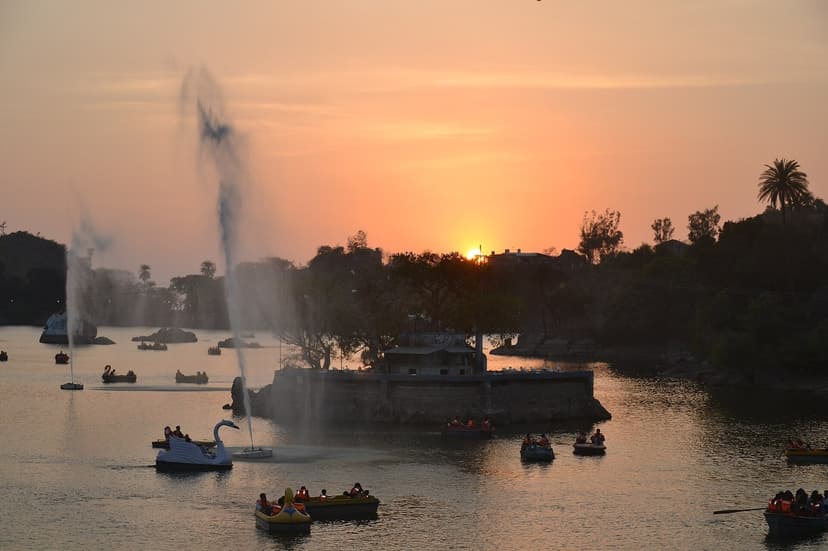
Mount Abu is the trip people most often talk themselves into and then regret trying to do in a day. It is Rajasthan's only hill station, about a hundred and sixty kilometres away, and the drive is three hours or more each way before you even start climbing the ghat road up. It has real draws: the astonishing marble Dilwara Jain temples, Nakki Lake, and Guru Shikhar, the highest peak in the Aravalli. It is a lovely place. It is just a long way to go and back between breakfast and bed.
The residents are gentle but clear about it. When one visitor posted a packed one-day Mount Abu plan, a local replied that he hoped they managed it but it seemed unlikely in a single day, and wondered aloud how much anyone would actually enjoy it at that pace. That is the honest read. Six or seven hours of driving to rush the Dilwara temples and a lake is a bad trade. If Mount Abu appeals, give it a night. As a day trip from Udaipur it is the one I would push down the list.
The quick, close ones for a half day
Not every trip out of Udaipur needs a full day and a packed lunch. A cluster of places sit close enough to be a morning or an afternoon. Eklingji, about twenty-two kilometres north, is the temple complex of the family god of Mewar, where the Maharana is traditionally said to rule only as the deity's minister, and it pairs with the old ruined capital of Nagda next door. Haldighati, about forty-four kilometres out, is the yellow-soiled mountain pass where Maharana Pratap fought Akbar's army in 1576, more atmosphere and story than spectacle. And Jaisamand Lake, roughly fifty-five kilometres southeast, is one of the largest artificial lakes in India, quiet and rarely crowded.
- If you have one big day
Kumbhalgarh and Ranakpur together. Leave by seven, fort and wall in the late morning, the marble temple after, and aim to be off the highway before dark. This is the day out worth prioritising. - If you love history
Chittorgarh, the full day it deserves, or the Mewar Express train out in the evening and a night there. Not to be combined with Kumbhalgarh in the same day. - If it is a pilgrimage or a quieter day
Nathdwara for early darshan, back by afternoon, with Rajsamand Lake if you have time. Build the day around the darshan windows. - If you only have a morning
Eklingji and Nagda, or Haldighati, close enough to be back for lunch. Jaisamand Lake if you want water and calm over monuments. - If you were thinking Mount Abu
Give it an overnight instead. Trying to round-trip it in a day is the classic Udaipur day-trip mistake.
The thing nobody warns you about: the drive back
Back to that dark highway. The single most useful thing I read across all these threads had nothing to do with which fort is best. It was a warning about the getting there and back, from someone who did the Ranakpur and Kumbhalgarh loop solo. She would not recommend going alone, she wrote, because she was genuinely frightened on the highway, lonely with no street lights and not a single other vehicle apart from theirs, and the memory of that drive back still gives her the chills.
I would recommend not going alone. I was shitting bricks while we were on the highway. It was lonely with no street lights, not any vehicle apart from us. The thought of that drive back still gives me the chills.
None of that means do not go. It means go prepared. Book a taxi through a service people vouch for rather than the first one outside your hotel; one traveller recommended settling everything up front, the car, the driver, exactly what is included, so there are no surprises on the road. She also got quietly stung when a driver who had promised the fare included his meal made her pay for it anyway, the kind of small taxi-day friction worth pricing in. Start early so the long drives happen in daylight and you are home before the highway empties out. And if you are travelling solo, especially as a woman, weight the closer trips and shared cars over a lonely two-hour road after dark. The forts will still be there for a day you can do safely.
For the long day trips, agree the full taxi terms in writing before you leave: total fare, waiting time, driver meals, and every stop you expect. Screenshot it. Start at or before sunrise so you finish the fort with daylight left for the drive back. The Kumbhalgarh, Chittorgarh and Mount Abu roads are quiet and unlit at night, and residents are candid that the return leg, not the fort, is the part to plan around.
So which day trips are actually worth it
Stripped down: Kumbhalgarh with Ranakpur is the one nobody regrets, and if you do a single day trip, do that. Chittorgarh is the pick for anyone who travels for history rather than photographs. Nathdwara is worth it if you want the pilgrimage and go early with the crowds priced in. The close ones, Eklingji, Haldighati, Jaisamand, are pleasant half-days rather than headline trips. And Mount Abu is the one to save for an overnight instead of forcing into a day.
One last thing the day-trip planning tends to bury. It is easy, on a short Udaipur stay, to spend so many days driving out to forts that you barely see Udaipur itself, and people do come home having seen more of the highway than the city they came for. Base yourself well, keep at least a couple of days for the city, and treat the forts as the day out rather than the whole trip. For the argument about the city being crowded rather than overrated, and what to do in it, there is a separate piece on whether Udaipur is overrated, and one on the quieter countryside right on its edge. You can sort the in-city experiences on the Udaipur things-to-do page.
Common questions
What is the best day trip from Udaipur?
Kumbhalgarh, ideally paired with the Ranakpur Jain temple on the same day. Udaipur residents are close to unanimous that it is the one day trip worth prioritising: a fifteenth-century hill fort with the longest fort wall in the world, about 85 km out, combined with a marble Jain temple nearby. Go by taxi, start early, and plan to be back before dark.
Kumbhalgarh or Chittorgarh, which should I visit?
Go to Kumbhalgarh for the views, the vibe and the photographs, and to Chittorgarh for the history. That is the heuristic Udaipur locals use. Chittorgarh is the largest fort in India with heavy Mewar history and better connectivity; Kumbhalgarh has the dramatic wall and pairs with Ranakpur. Doing both means two separate long days, not one.
Is Mount Abu worth it as a day trip from Udaipur?
Not really. Mount Abu is about 160 km away, three-plus hours each way, so a day trip means six or seven hours of driving to rush the Dilwara temples and Nakki Lake. Residents gently warn it is too much for a single day. It is a lovely place, so give it an overnight rather than forcing it into a day trip.
How do you get to Kumbhalgarh from Udaipur?
By taxi or car for the day, or by bus. A rented scooter, which works fine inside Udaipur, is not suitable for the roughly 85 km mountain drive. RSRTC buses run to Kelwara, about 7 km before the fort. Most visitors hire a car for the day so they can add Ranakpur. Note you park below the fort and walk and climb a fair bit inside.
How far is Nathdwara from Udaipur and what is it known for?
Nathdwara is about 48 km north of Udaipur, roughly an hour away. It is a major Vaishnav pilgrimage town built around the Shrinathji temple, where Krishna is worshipped as a young child. It runs on timed darshan and gets very crowded, so go early, check the darshan timings first, and note that photography is not allowed inside the temple.
Are day trips from Udaipur safe, especially for solo travellers?
The forts themselves are fine; the thing to plan around is the drive. The highways to Kumbhalgarh, Chittorgarh and Mount Abu are long, quiet and unlit at night, and solo travellers describe the return drive after dark as unnerving. Book a taxi through a trusted service, agree all terms up front, start early so you drive in daylight, and if you are alone, favour the closer trips or shared cars.
What is a good quick half-day trip near Udaipur?
Eklingji, the Mewar family temple complex about 22 km north with the old capital of Nagda beside it, or Haldighati, the historic battle pass about 44 km out. Jaisamand Lake, roughly 55 km southeast and one of India largest artificial lakes, is a calm option too. All three are morning or afternoon trips rather than full days.
How many day trips should I plan on a Udaipur visit?
Fewer than you think. It is easy to spend a short trip driving out to forts every day and barely see Udaipur itself. Keep at least a couple of days for the city and its edge, and pick one or two day trips, with Kumbhalgarh and Ranakpur the strongest single choice. The forts are the day out, not the whole trip.
Sources and a note on this guide
I write for Refuje and I do not live in Udaipur. Which day trips are worth the drive, how crowded Nathdwara gets, why locals prefer a taxi to a scooter, and the warnings about the roads back are drawn from Udaipur residents and visitors describing their own trips on r/udaipur, quoted and attributed as it appears. Nothing here is a first-hand claim of mine. The place facts and distances were checked against current sources in July 2026.
- Kumbhalgarh (Great Wall of India, ~36 km wall, 15th c Rana Kumbha, UNESCO, birthplace of Maharana Pratap), Ranakpur Jain temple (15th c, marble), Chittorgarh (largest fort in India, Mewar capital, Tower of Victory), Nathdwara and Shrinathji, the Statue of Belief (opened 2022), Mount Abu (Dilwara, Nakki Lake, Guru Shikhar), Eklingji, Haldighati (1576) and Jaisamand Lake: Wikipedia and standard references.
- Driving distances from Udaipur: OSRM routing, cross-checked with Wikipedia, July 2026. Drive times are realistic estimates for these hill roads, not free-flow figures.
- Resident advice: Kumbhalgarh being worth it and a workout, the taxi-not-scooter point and the Kelwara bus, the Kumbhalgarh-versus-Chittorgarh heuristic, the Mewar Express option, the Nathdwara darshan and crowd advice, the Mount-Abu-in-a-day caution, and the solo drive-back warning: attributed r/udaipur threads, quoted inline.
Distances, timings and darshan windows change, so confirm before you set out, and if you are from Udaipur and think this misranks your day trips, that is the correction this guide should carry, so tell us.
You Might Also Like
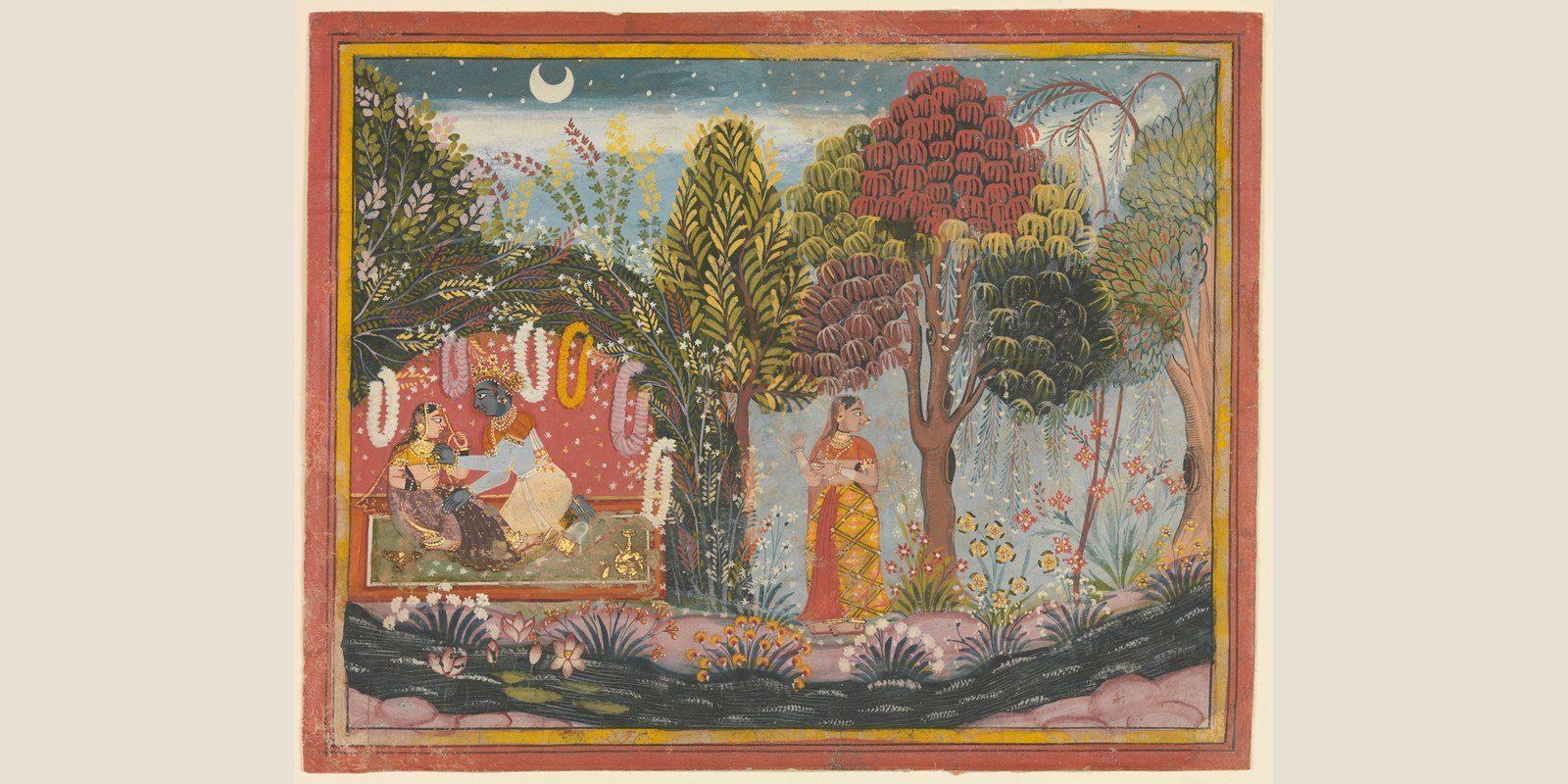
Udaipur painting workshops: miniature or Pichwai?
Choose a Udaipur painting workshop by what you actually do: miniature or Pichwai motifs, artist demonstrations, guided lessons, materials, time, advertised prices and the piece you can take home.
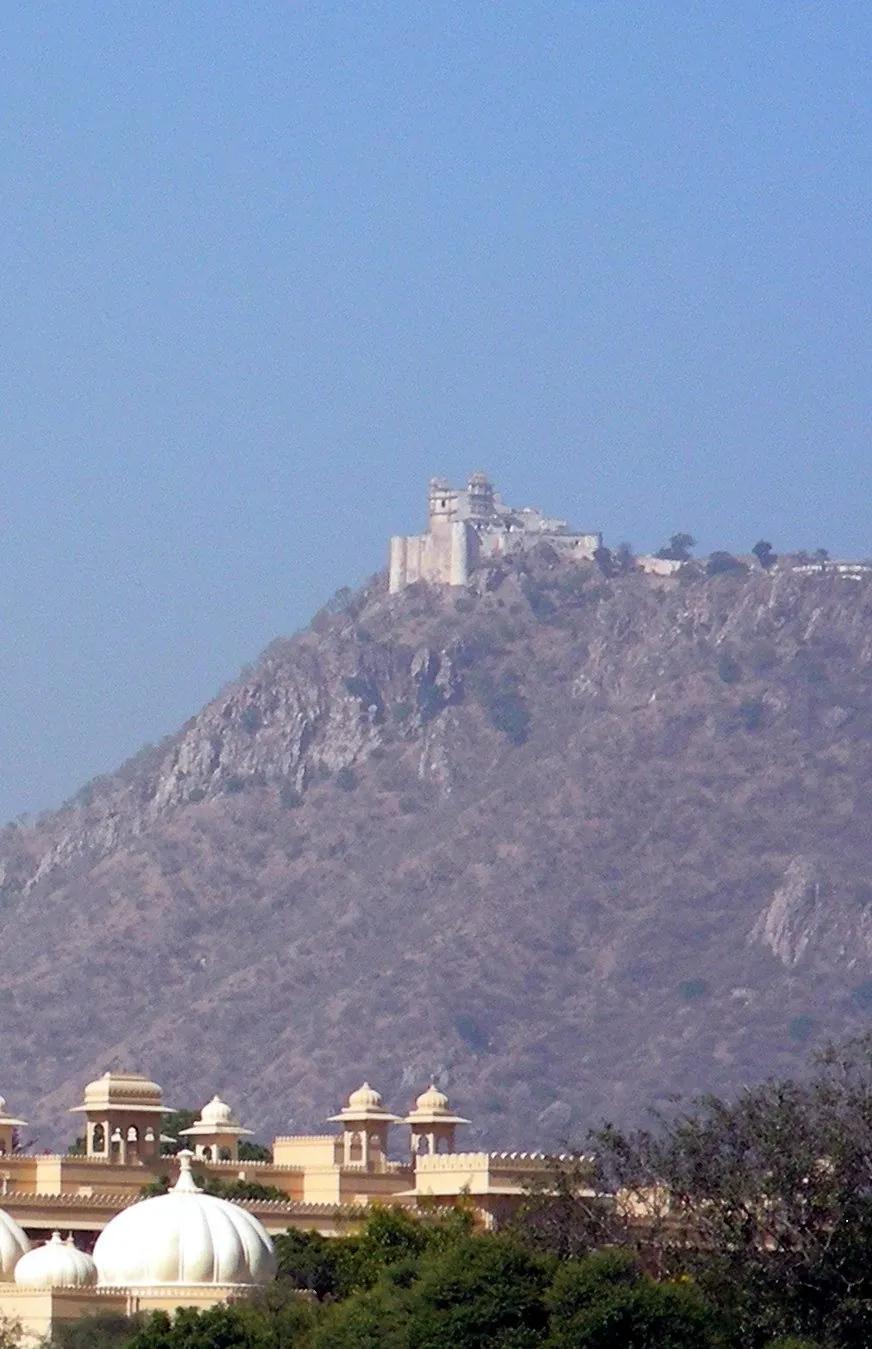
Udaipur Beyond the Boat Ride: The Quiet Lakes, the Monsoon Palace, and the Slow Way Round
An outsider's guide to the Udaipur the boat queue skips: the interconnected lake system, the quiet lakes locals actually go to (Badi, Doodh Talai), the Monsoon Palace view, and how two listed vintage-Willys experiences differ: lake country or off-road Aravalli.
Where to Stay in Udaipur: The Honest Area Guide (and Whether the Lake View Is Worth It)
An outsider's honest, resident-sourced guide to where to stay in Udaipur: which side of Lake Pichola to pick, the old city versus Fateh Sagar, hostels to palaces, and whether the lake-view premium is actually worth paying.