Udaipur Beyond the Boat Ride: The Quiet Lakes, the Monsoon Palace, and the Slow Way Round
Udaipur sells itself on water. The postcards are all Lake Pichola at golden hour, a palace floating on it, a boat sliding past. So that is where everyone goes, and by the time you have queued for the boat, dodged the selfie sticks on the ghat and paid to get up into the City Palace above it, you may quietly wonder what the fuss was. Here is what the postcards leave out. Pichola is one lake in a chain of seven, and the whole city sits in a bowl of them. The good ones, the calm ones, are a short drive away, and almost nobody in the boat queue is going to see them.
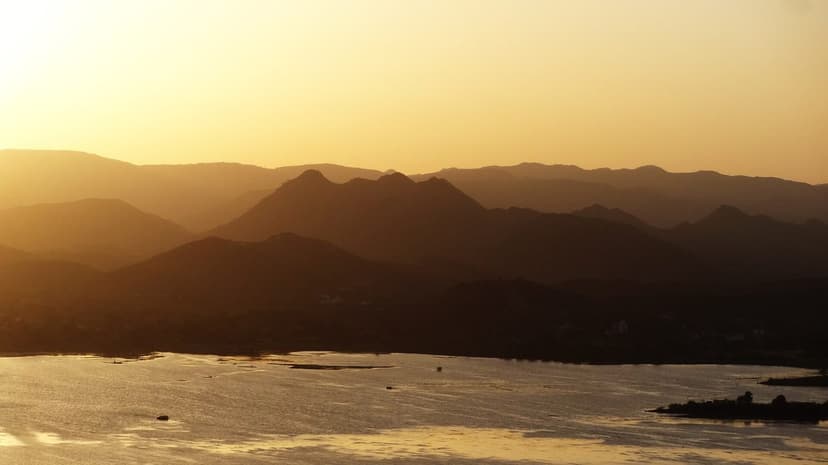
I write for Refuje and I do not live in Udaipur. What follows is not my own afternoon on a lake but the shape of the place drawn from its history, its water system, and the people of r/udaipur who are quietly tired of the crowds. The argument is small and, I think, right. Udaipur is a City of Lakes in a way the boat ride never explains, the best of the water is the part the tour buses skip, and the unhurried way to string it together, the lakes, the hill palace above them, the Aravalli edges, is slowly, ideally in something that is in no rush at all. Here is where to look.
Udaipur is one big waterworks
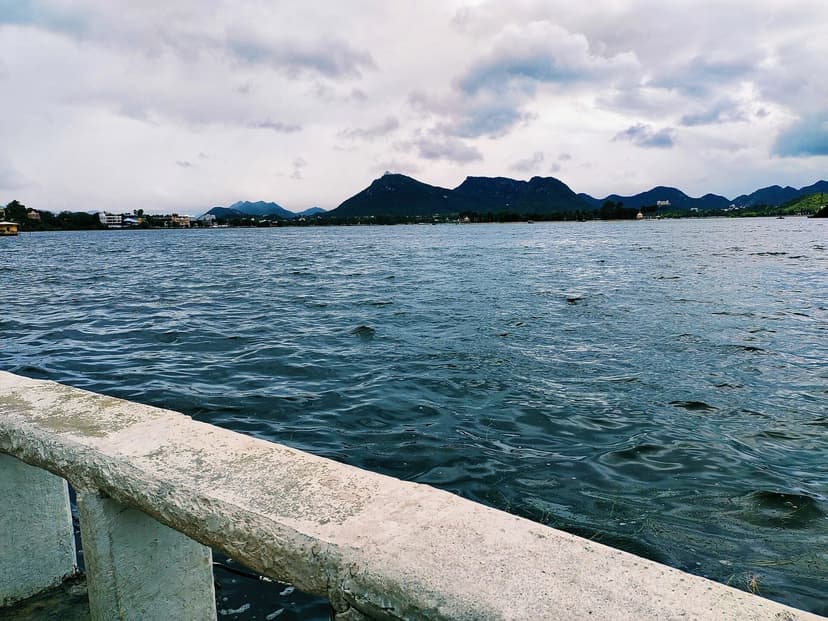
Start with the thing hiding in plain sight. Udaipur's lakes are not scenery, they are plumbing. The Mewar rulers built them over centuries as one interconnected system, a chain that catches the monsoon off the surrounding hills and moves it lake to lake through the saucer-shaped valley, so the water spreads out instead of drowning the city and there is something left to drink when the rains fail. Pichola, the oldest, was first dammed by a Banjara grain-carrier back in the fourteenth century. Fateh Sagar came later and sits linked to it through Swaroop Sagar. Badi lake, out past the edge of town, was raised in the sixteen-hundreds by Maharana Raj Singh purely to carry the city through drought, and it did exactly that as recently as 1973. Once you know the lakes are a survival machine and not a stage set, you look at them differently.
- The idea
- Udaipurs lakes are an interconnected water-harvesting chain built by the Mewar rulers for drought relief, not decoration. Seven lakes ring the city.
- The famous two
- Pichola (14th century, the oldest, boat rides, most crowded) and Fateh Sagar (linked via Swaroop Sagar). Beautiful but busy.
- The quiet ones
- Badi lake (Jiyan Sagar, about 12 km out, no boats or cafes), Doodh Talai (small, best at sunrise). Where locals go for calm.
- The best view
- The Sajjangarh Monsoon Palace, 944 m up on the Aravalli, where the whole lake bowl lays out at once. Entry fee; busy at sunset.
- Best season
- October to March, the cool half. Avoid the May furnace, when the pre-monsoon lakes can also run low.
The quiet lakes, the ones locals actually go to
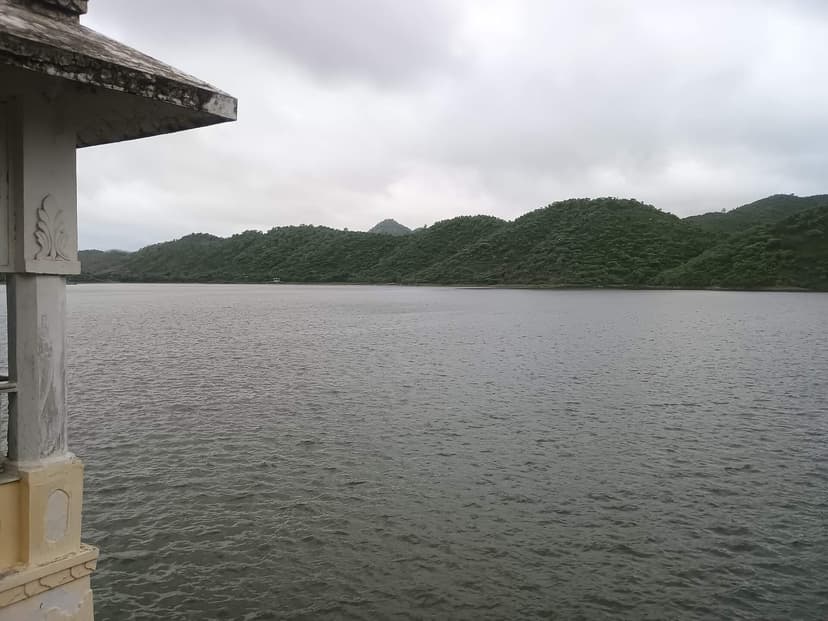
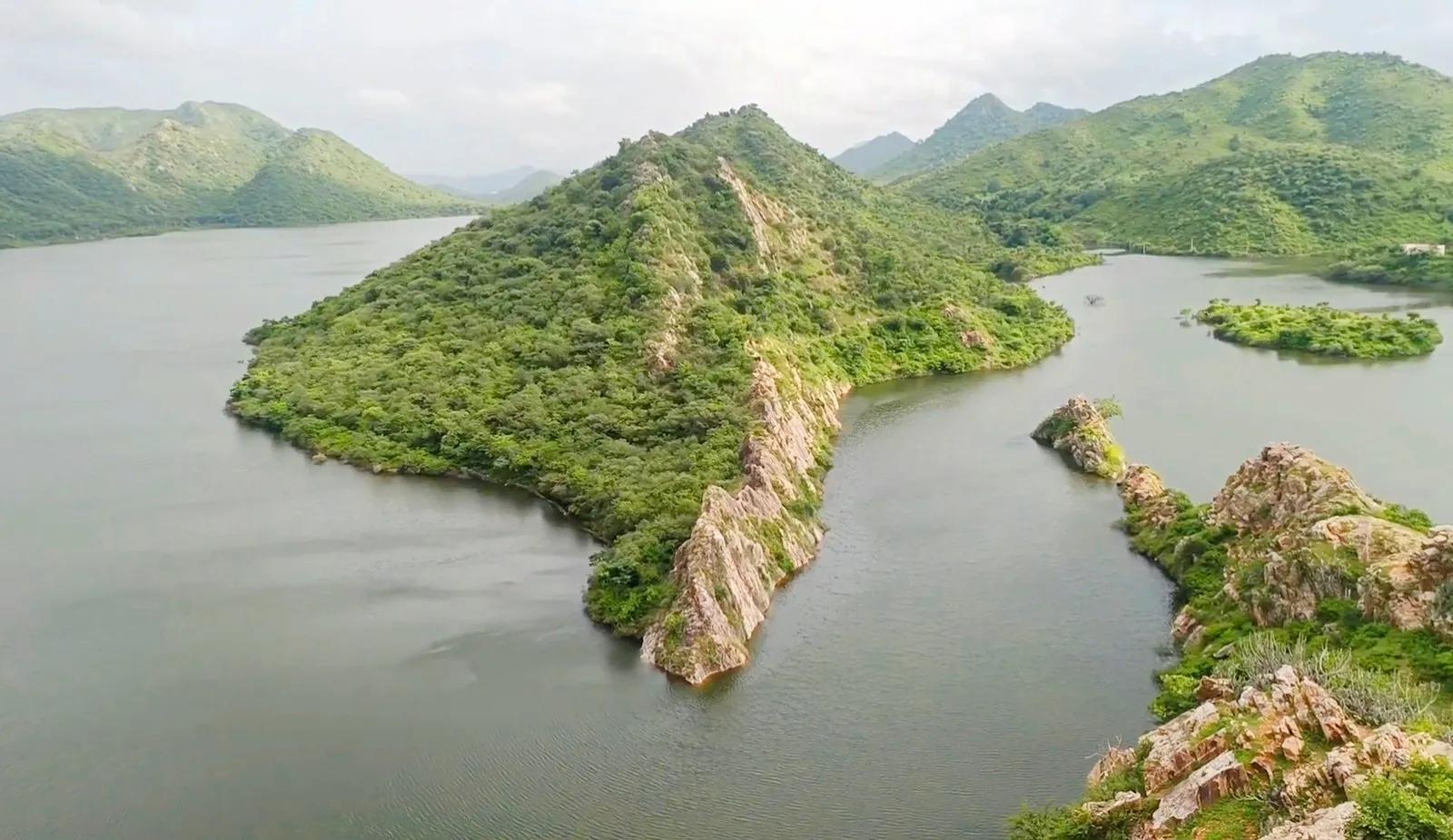
Ask on r/udaipur where the peace is and you get the answer the boat queue never hears. Everyone talks about Pichola and Fateh Sagar, one visitor wrote, but there must be quieter places with better vibes, and there are. Badi lake, about twelve kilometres out, is the one the guides undersell: no boats, no cafes, no ticket line, just clean water ringed by Aravalli hills, birds, and a couple of old stone chhatris on the bund. The Bahubali hills above it hand you the whole thing from a height. Closer in, Doodh Talai is small and forgettable by day and genuinely lovely at sunrise, when, as one local put it, it stays almost empty and the light goes soft on the water. None of these is a secret, and the honest Udaipur voices will tell you so; one, under a photo of a calm spot outside the city, shrugged that it is not exactly hidden, just less crowded, and that the charm is the calm rather than the secrecy. That is the whole point.
The best view of the lot: the Monsoon Palace
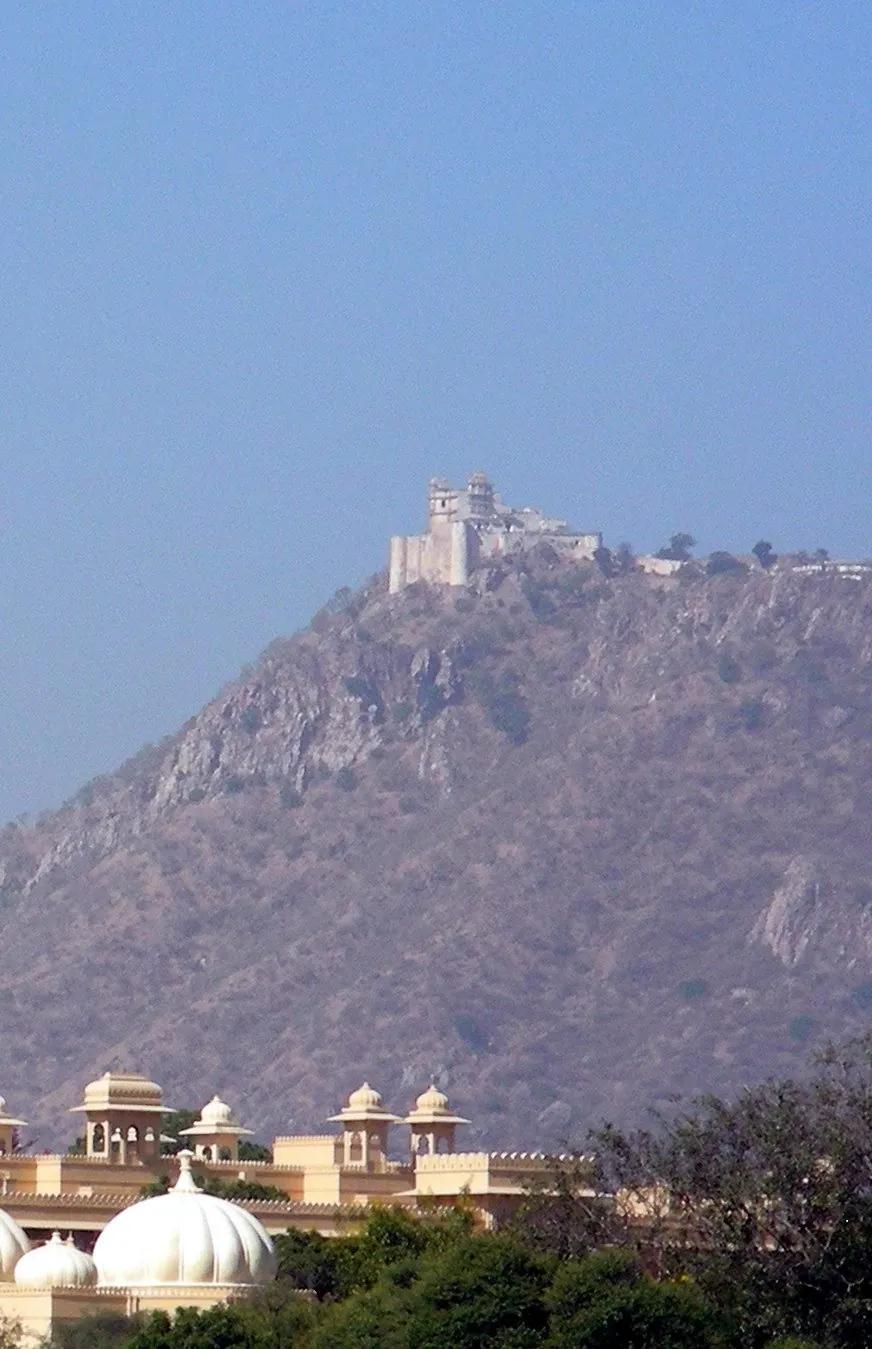
There is one place where the whole watery bowl finally makes sense, and it is above it. The Sajjangarh Monsoon Palace stands on a 944-metre Aravalli peak west of the city, white marble going slowly grey, built in 1884 by Maharana Sajjan Singh, who meant it partly as an observatory and used it to watch the monsoon clouds roll in. He died before it was finished and his successor completed it in his name. From the terrace you get the thing no lakeside cafe can offer, Fateh Sagar and Pichola and the ridgelines all laid out at once, best of all as the light drops. The hill is a wildlife sanctuary now, with the Sajjan Garh biological park on the way up, so the road climbs through real forest rather than suburb. It charges an entry fee and it fills up at golden hour, so arrive early in the evening rather than exactly at sunset if you want room to breathe.
Why a jeep, and why slow
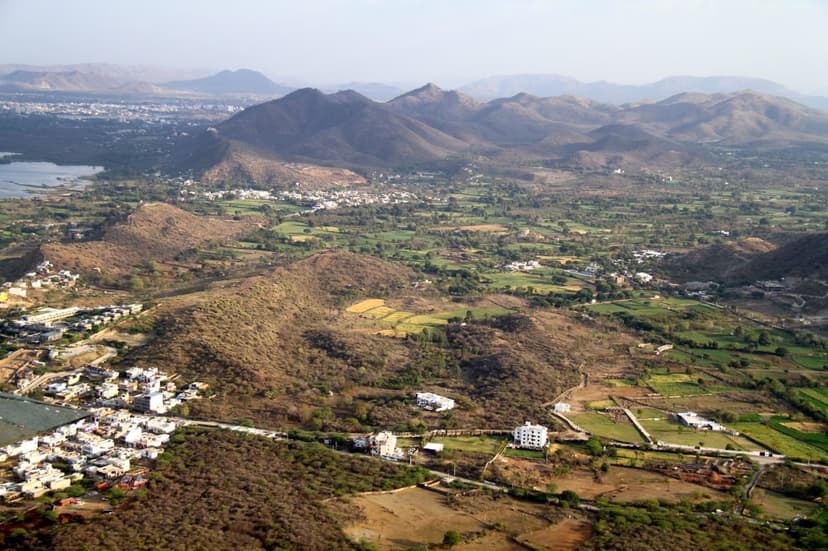
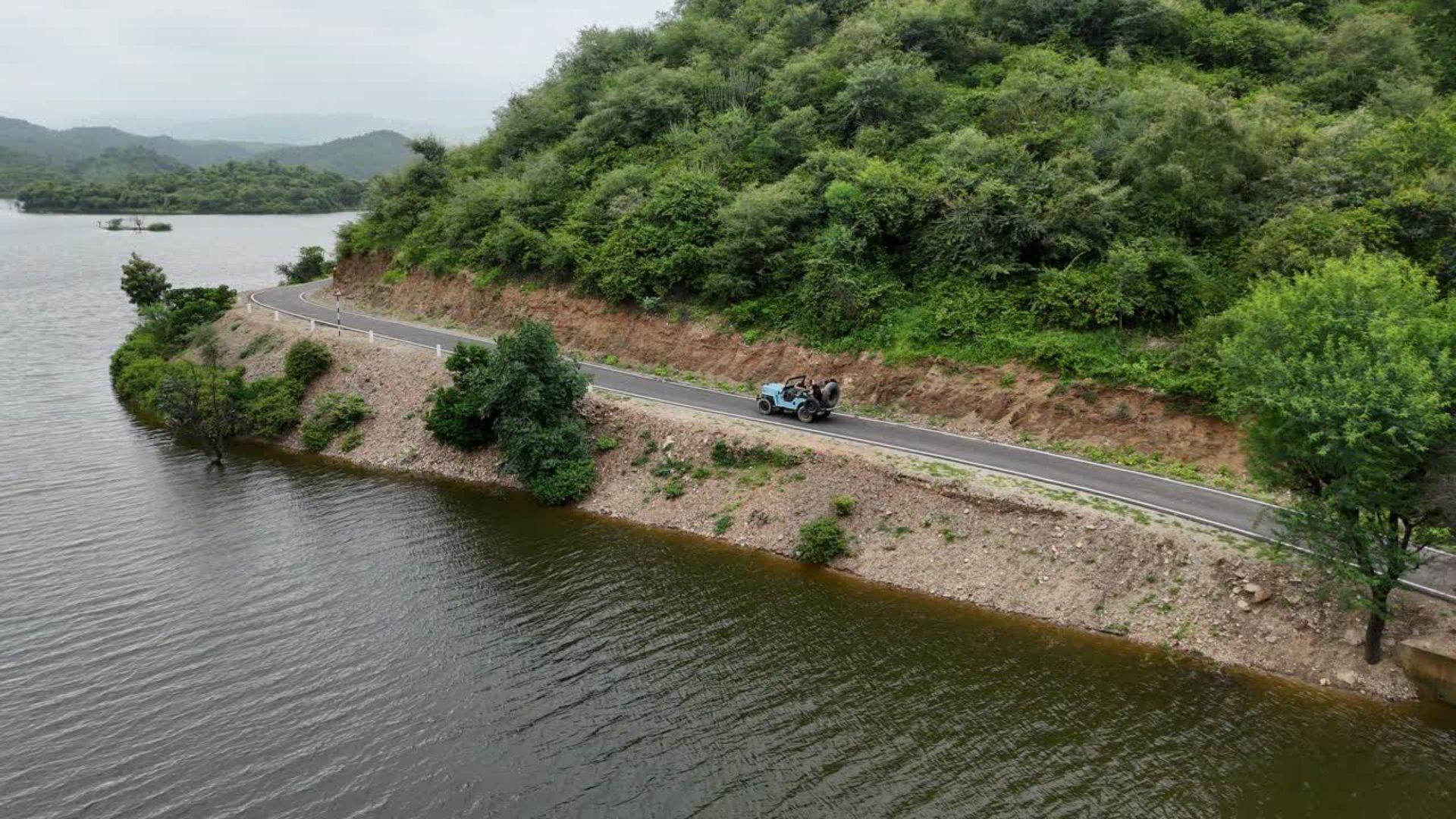
You can do all of this in a car, or on the countryside bike route if your legs are willing. But there is a case for the slowest, least sensible option, an open vintage jeep, an old Willys of the kind that still rattles around Rajasthan. Partly it is the plain pleasure of it. Someone on r/udaipur once posted about simply riding through the old streets in a Willys of an evening, temple bells somewhere behind, and that was the entire post, because that was enough. Partly it is practical. A jeep suits the people a bicycle does not, families, grandparents, anyone visiting in the Rajasthan heat, and it turns the Aravalli edges and the lake-bund tracks into part of the day rather than a transfer between sights. And it points you away from the core that even Udaipuris now avoid. I have stopped going to the old city on weekends, one resident wrote; another, who lives there, said flatly that on a long weekend she does not go near the famous spots at all. Take the hint, and aim the jeep the other way.
How to do it well
A few honest notes. Go in the cool half of the year, roughly October to March, because Udaipur in May is a furnace and the pre-monsoon lakes can sit low. Do the lakes early or late, when the light is good and the crowds are not, and give the middle of the day to lunch and shade. Do not just photograph a lake and drive off, which is the reel-driven habit the locals keep complaining about; sit by Badi for an hour and let it be a little boring, that is the actual luxury. And put your money into local hands. A local driver-guide who knows which bund road is passable and which lake is calm this week is worth more than any ticket. The lakes were built to outlast bad years, and they will outlast a rushed trip too, if you let them show you the slow version.
This is the same Udaipur the rest of this series keeps circling back to, the one past the ticket queues. It sits alongside the countryside by bike if you want the active take, the day trips out of the city when you have longer, and the wider question of whether Udaipur is overrated at all. Different roads into the same quiet.
Refuje is adding guided vintage-jeep routes around Udaipur, the three lakes, the heritage streets and the Aravalli edges, best done in the cool season. Until those are live, the experiences you can book right now are the cooking class, the old-city heritage walk and the countryside bike tour, with the wider set on the Udaipur things-to-do page. Whichever you pick, the rule holds: go slow, go early, and let the quiet lakes stay quiet.
Common questions
Why is Udaipur called the City of Lakes?
Because it sits in a valley of interconnected lakes, a chain of seven built by the Mewar rulers over centuries as a water-harvesting and drought-relief system rather than decoration. The lakes catch the monsoon off the surrounding Aravalli hills and pass it along so the city neither floods nor runs dry. Pichola, Fateh Sagar, Swaroop Sagar, Rang Sagar, Doodh Talai, Govardhan Sagar and Badi are the main ones.
Which Udaipur lakes are the least crowded?
The quiet ones are away from the boat-ride core. Badi lake (Jiyan Sagar), about 12 km out, has no boats, cafes or ticket line, just calm water, birds and Aravalli hills. Doodh Talai, small and central, is near-empty and lovely at sunrise. Locals on r/udaipur point newcomers to these when they ask for somewhere calmer than Pichola and Fateh Sagar. They are not secret, just less crowded.
Is the Sajjangarh Monsoon Palace worth visiting?
Yes, mainly for the view. The 1884 palace stands 944 m up on an Aravalli peak and gives you the whole lake bowl, Fateh Sagar, Pichola and the ridges, in one sweep, best near sunset. The hill is a wildlife sanctuary with a biological park on the climb. It has an entry fee and gets crowded at golden hour, so arrive a little before sunset rather than right on it if you want space.
What is the best way to see Udaipurs lakes beyond the boat ride?
Slowly and by road, stringing together the quiet lakes (Badi, Doodh Talai), the Monsoon Palace viewpoint and the Aravalli edges rather than only the crowded Pichola boat. A car works; the countryside bike route works if you are fit; and a vintage open jeep suits people who want the heritage, leisurely version, including families and anyone travelling in the heat. Early morning and late afternoon are the good hours.
When is the best time to visit Udaipurs lakes?
The cool half of the year, roughly October to March. Udaipur summers (April to June) are extremely hot and the pre-monsoon lakes can run low. The monsoon and just after (July to September) fill the lakes and green the hills but bring rain. Whenever you go, do the lakes early or late in the day and keep the hot midday for shade and food.
Can you visit Udaipurs lakes and countryside by vintage jeep?
Yes. Open-air vintage Willys jeeps are a recognised way to tour Udaipurs heritage streets, the three-lakes loop and the Aravalli countryside at an unhurried pace, and Refuje is adding guided jeep routes. It suits travellers who would rather not cycle, and it turns the drives between the lakes and the Monsoon Palace into part of the experience rather than dead time.
How far is Badi lake from Udaipur, and is it worth it?
Badi lake (Jiyan Sagar) is about 12 km from the city centre, in Badi village. It was built in the 17th century by Maharana Raj Singh for drought relief and remains one of the cleanest and quietest lakes around Udaipur, with no boats or cafes, just water, birds, hills and a few old chhatris. The Bahubali hills above it give a fine viewpoint. For calm rather than sights, it is well worth the short drive.
Sources and a note on this guide
I write for Refuje and I do not live in Udaipur or ride its lakes. The lake system, the dates and the Monsoon Palace come from history and tourism sources; the frustration with the crowds and the tips on where the calm is come from Udaipur locals and visitors on r/udaipur, quoted and attributed as they appear. Nothing here is a first-hand claim of mine. Access, fees and lake levels change with the season, so treat this as orientation and check current conditions before you go. The facts were checked in July 2026.
- Udaipur's interconnected lake system, the seven main lakes and their drought-relief purpose: the Udaipur Lakes Complex references, UdaipurBlog and English Wikipedia.
- Pichola (14th-century origin, oldest), Fateh Sagar and Swaroop Sagar links; Badi lake (Jiyan Sagar, 17th century, Maharana Raj Singh, drought relief, about 12 km out, quiet): English Wikipedia and Rajasthan tourism sources.
- Sajjangarh Monsoon Palace (1884, Maharana Sajjan Singh, 944 m Aravalli peak, biological park and sanctuary, views over the lakes): Rajasthan Tourism and English Wikipedia.
- The overcrowding of the core, the calmer lakes locals prefer, sunrise at Doodh Talai and the vintage-Willys ride: attributed r/udaipur threads, quoted inline.
Lake levels, entry fees and access change every season, so check the current position and, ideally, go with a local guide who knows which bund roads are open. If you know these lakes better than the sources here do, that is the correction this guide should carry, so tell us.
You Might Also Like
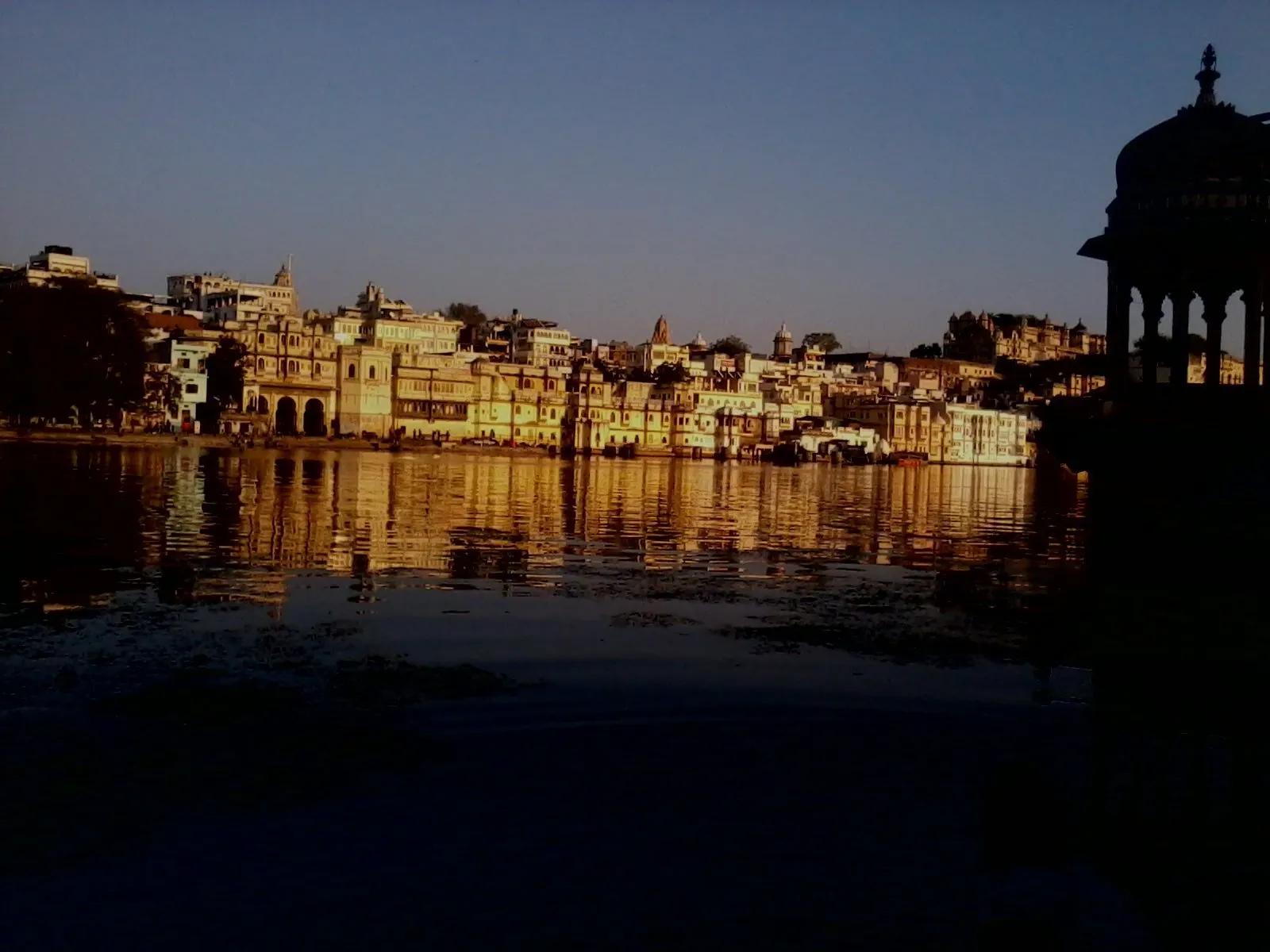
Where to Stay in Udaipur: The Honest Area Guide (and Whether the Lake View Is Worth It)
An outsider's honest, resident-sourced guide to where to stay in Udaipur: which side of Lake Pichola to pick, the old city versus Fateh Sagar, hostels to palaces, and whether the lake-view premium is actually worth paying.
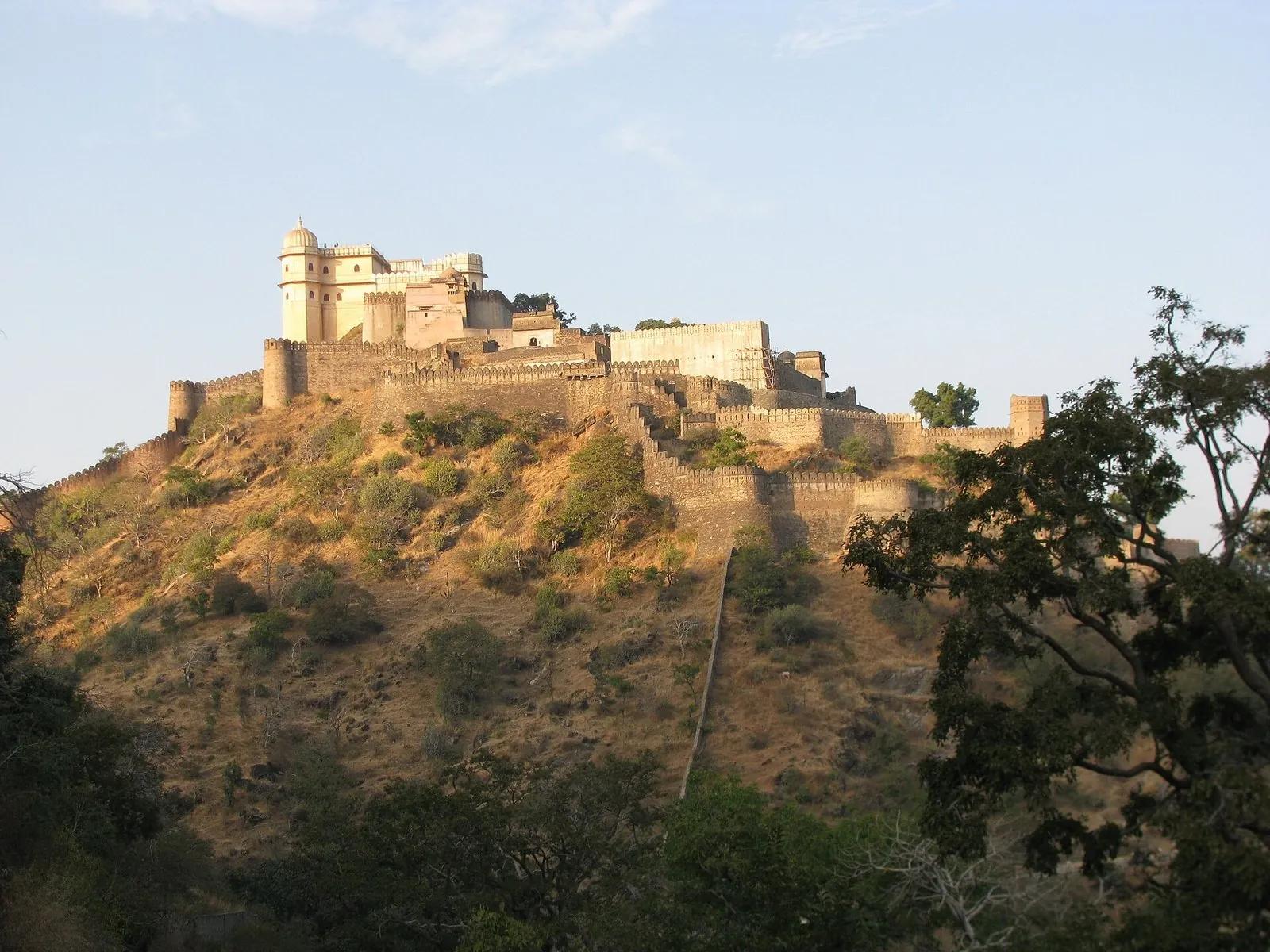
Day Trips from Udaipur: Which Are Worth It, Which to Skip, and the One Nobody Warns You About
An outsider's honest, resident-sourced ranking of day trips from Udaipur: why Kumbhalgarh with Ranakpur wins, how to settle the Kumbhalgarh-versus-Chittorgarh fork, which one to save for an overnight, and the lonely drive back nobody warns you about.
Beyond the Lake: Udaipur's Countryside, Hills and Quiet Lakes by Bike
The Udaipur residents love is not the crowded lake core. It is the ring around it: the hills, Badi Lake, the farm roads, done at dawn on two wheels. An outsider's guide to the countryside, and the bike tour that packages it.