Udaipur Without a Plan: A Slow, Old-City Day the Way Locals Do It
Somebody landed in Udaipur, did the City Palace and the evening folk dance on their first day, and went home to the internet to complain. Underwhelmed, they wrote. The food was below average, the ghats were littered with tourists, the whole place felt overhyped in the name of Instagram and a checklist of things to tick off. Their plan for the remaining four days was to move to a five-star resort and hope that fixed it.
I do not live in Udaipur, and I am not going to pretend I do. But I have read a lot of Udaipur residents telling that exact traveller, gently, that they have got it backwards. The problem is not the city, and the answer is not a nicer hotel. The problem is the checklist. Udaipur is a slow city, and it punishes people who try to speed through it. Here is how to do one unhurried old-city day the way the people who live there actually do, which is the whole trick to loving the place.
Why the checklist leaves you flat
Run the standard two-day Udaipur route in peak season and of course it disappoints. You queue at the City Palace, you take the same boat photo as everyone on the jetty, you eat a bland continental plate at a cafe chosen for its lake view and not its kitchen, and you tick Sajjangarh off a list on the way out. One resident, replying to that underwhelmed post, put it plainly: it is not overhyped, it is just so crowded that the crowds have killed the calm that people actually come here for. Another was blunter about the food, asking who eats oil-soaked kachoris for breakfast.
Is it me, or have people overhyped everything in the name of Instagram and clicking pictures and having a checklist of places to cover?
The context matters here, and I have written the fuller version of it in a separate piece on whether Udaipur is overrated. Short answer: it is overcrowded, not overrated, and the fix is to slow down and go local. This piece is the practical half of that, the actual shape of a slow day.
- Why Day 1 disappoints
- A checklist plus peak-season crowds equals a flat trip. Udaipur is a slow city; treat it like one.
- The real fix
- Not a five-star resort. A slower pace, off-peak dates, and the old city on foot.
- How long
- Three to five days, unhurried. Locals call Udaipur thehraav ka sheher, a city of stillness.
- Best time
- October to March. Avoid the November wedding crush and peak weekends; dawn is quiet even in season.
- Where to base
- In the old city near Lal Ghat or Gangaur Ghat, so the ghats and bazaars are on foot.
- The one evening fixture
- The Dharohar folk-dance show at Bagore Ki Haveli, 7 to 8pm, around a hundred rupees.
A slow day, hour by hour
None of this needs booking or planning. It needs you to get up early and then, mostly, to stop rushing. The most-loved Udaipur trip report I have seen was literally titled a day without a plan: local breakfast, the lakeside road for the views, the old city for lunch, a couple of hours just sitting on a ghat, a street-cart dinner. That is the template. Here it is filled in.
- Before 8 am, a ghat not a sight
Start at the water, not a monument. Lal Ghat or Gangaur Ghat before the boats, or a morning walk along Rani Road where locals actually walk. At this hour the old city belongs to the people who live in it, and it is the best hour of the day. - Mid-morning, the old city on foot
Naashta in a lane first, poha or kachori and chai. Then walk. The working bazaars, Hathipole and Bapu Bazaar and Jagdish Chowk, and the craft lanes behind them where the shoemakers and potters and metalworkers still work. A guided heritage walk does this stretch better than a map will. - Midday, eat what the city eats
A proper Rajasthani thali, or a plate of dal baati churma, somewhere locals actually eat rather than a continental plate picked for its lake view. Then get out of the afternoon sun. - Late afternoon, sit at the ghat
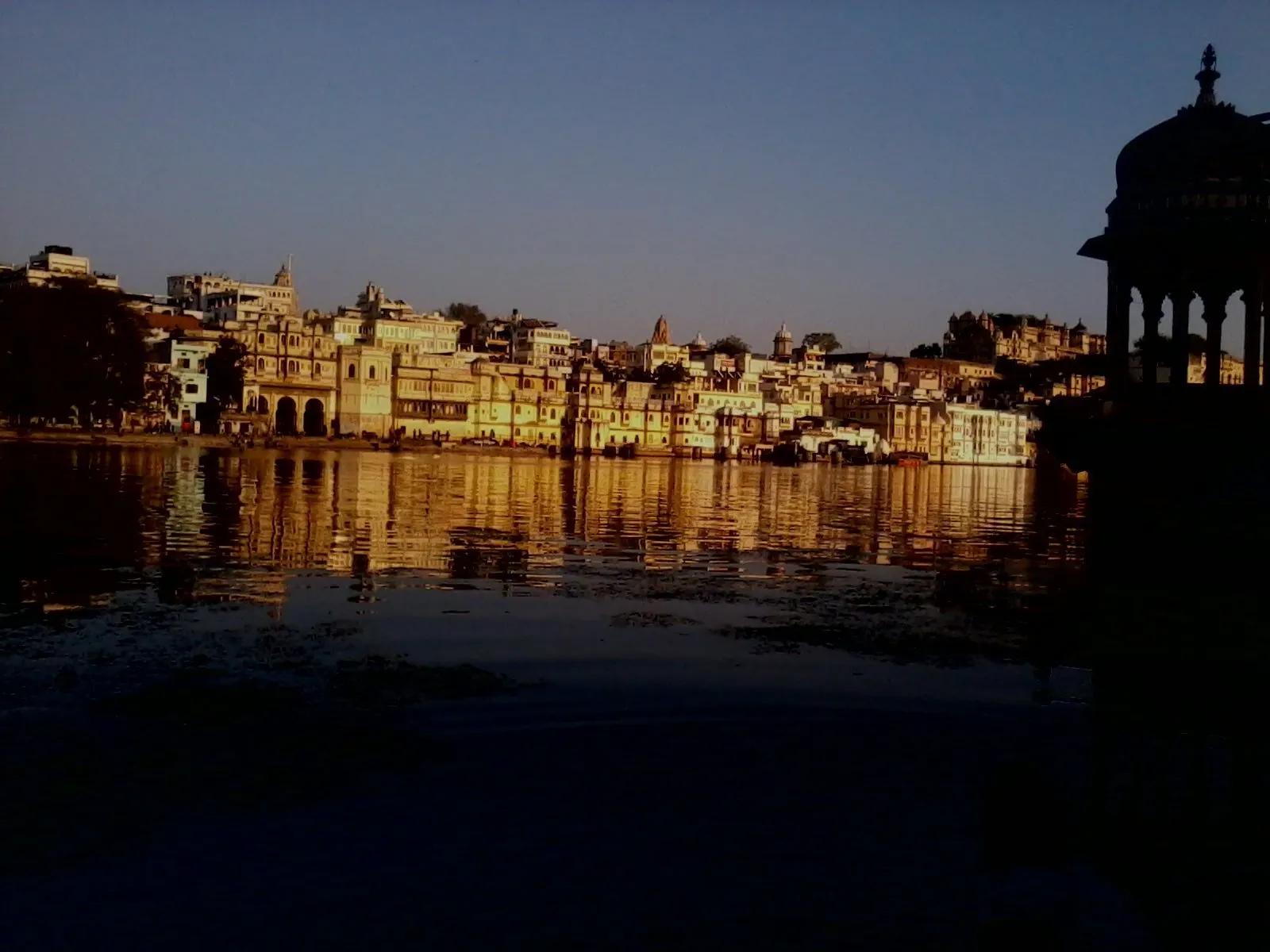
Back to the water. Sit at Ambrai Ghat with the Lake Palace across the lake and do genuinely nothing for an hour. This, not the checklist, is the point of Udaipur. - Evening, one fixture then slowness
The Dharohar folk-dance show at Bagore Ki Haveli at seven, an hour of real Rajasthani dance. Then a slow dinner at a quiet rooftop instead of the busiest one on the strip. - The next day, less
Do it again, slower, or do less. Sitting at a ghat doing nothing is not a wasted day in Udaipur. It is the entire idea, the thehraav that locals keep telling you the city is for.
Walk the old city that still works
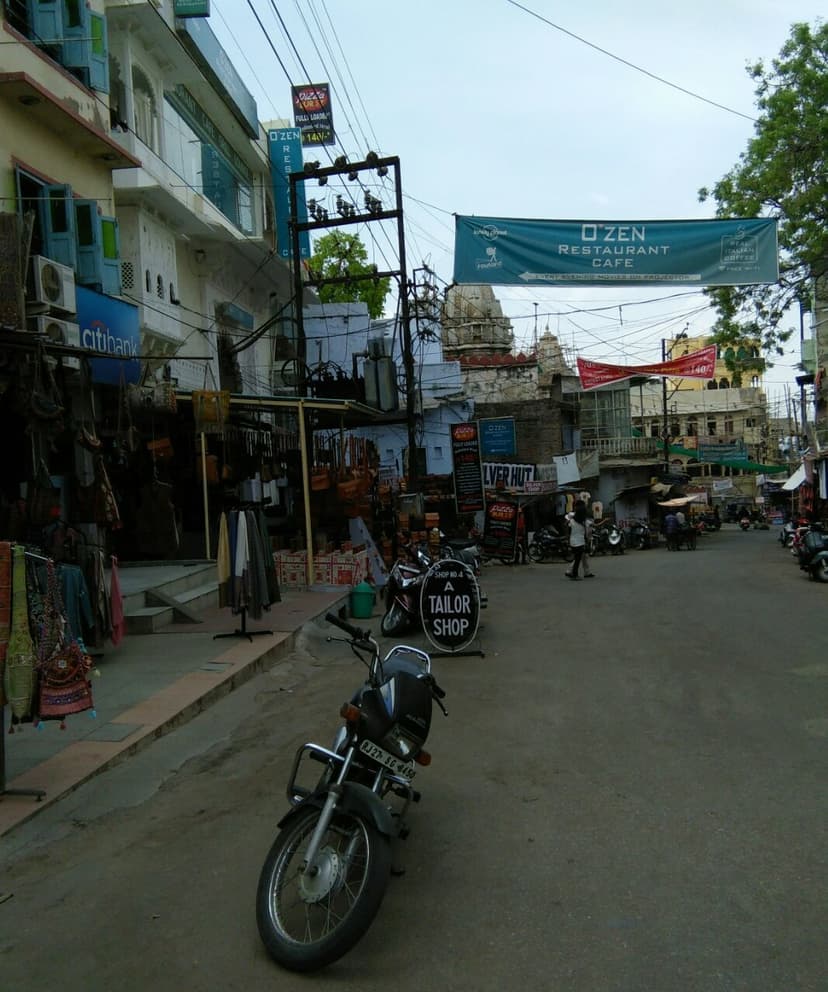
The thing the rooftop-cafe circuit hides from you is that Udaipur's old city is a working place, not a set. The ghats are the clearest proof. They photograph like quiet film sets, and they are also where people wash, pray, gossip and, when the monsoon fills Lake Pichola and clears the water, jump in for a swim. That is a living city, not a backdrop, and you only see it if you are down there at the ghats early rather than looking at them from a terrace.
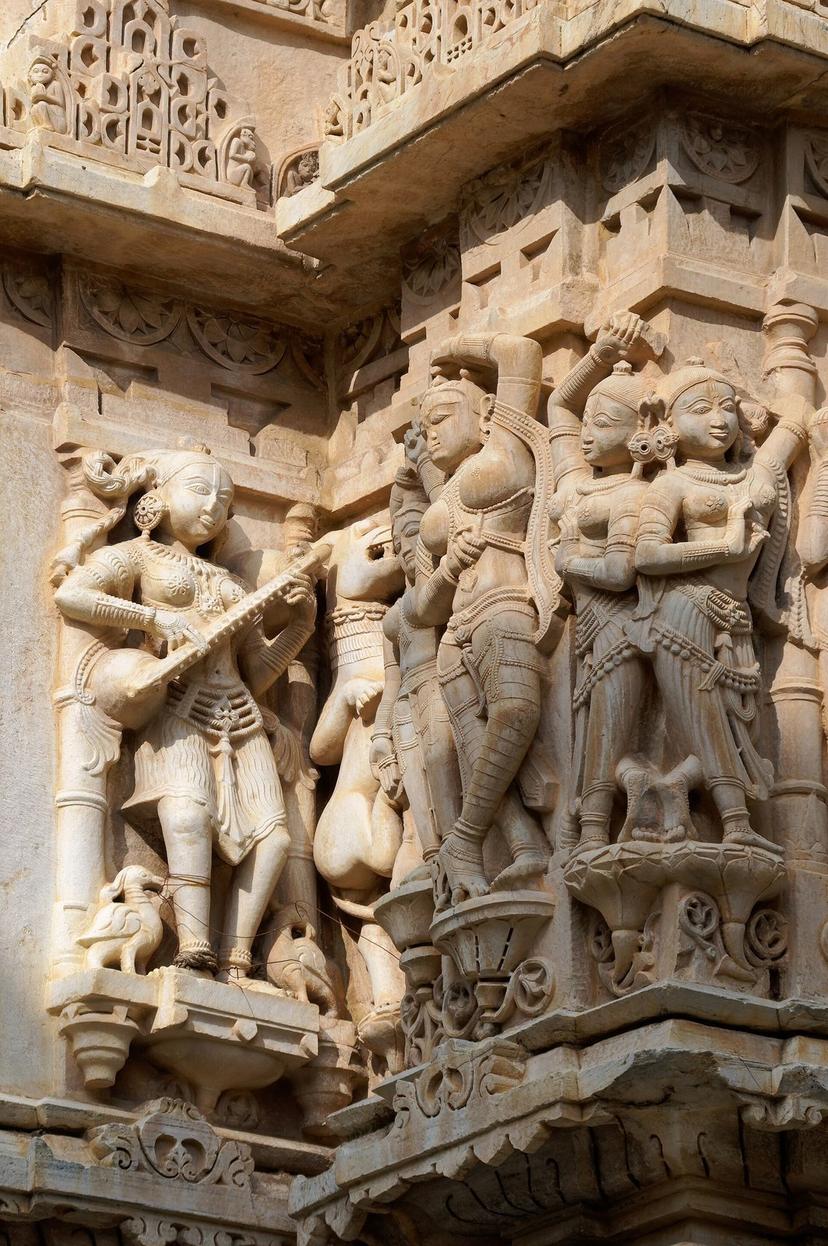
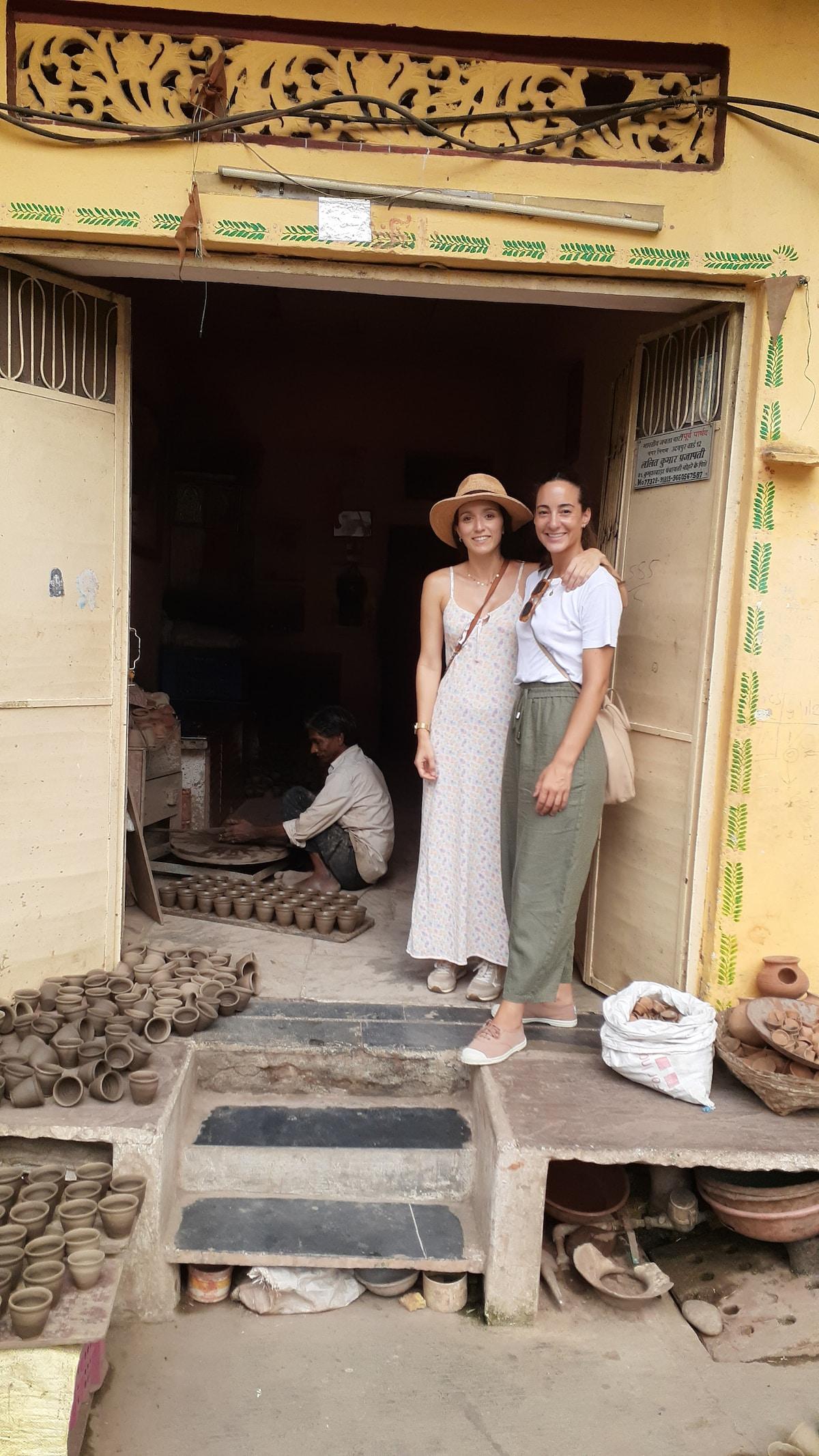
The old-city walk has a real route, the one local guides use. It starts at the carved 1651 Jagdish Temple and threads down through Gangaur Ghat and the trade lanes: the cloth and jewellery markets, Mochiwada where the shoemakers work, the vegetable market, Kumbharwada the potters colony, the metalworkers of Kasara ki Ol. None of it is a monument with a ticket. All of it is people at their work, which is exactly why it is worth doing on foot with someone who can tell you what you are looking at.
Refuje runs a heritage walk through the old city and its daily life (around Rs 1,100), led by someone who lives there, through the working bazaars, craft lanes and ghats above rather than the cafe strip. It is the guided version of the morning in this plan.
| The checklist day | The slow day | |
|---|---|---|
| Morning | Queue at the City Palace gate by 9 | A ghat at 7, then naashta in a lane |
| Lunch | Continental plate at a lake-view cafe | A Rajasthani thali or dal baati in the lanes |
| Afternoon | Rush to the next fort on the list | Sit at Ambrai Ghat and do nothing |
| Evening | One more rooftop photo | The Dharohar folk show, then a slow dinner |
| How it feels | Underwhelmed, and not sure why | Like you actually met the place |
The food, and why the cafes get it wrong
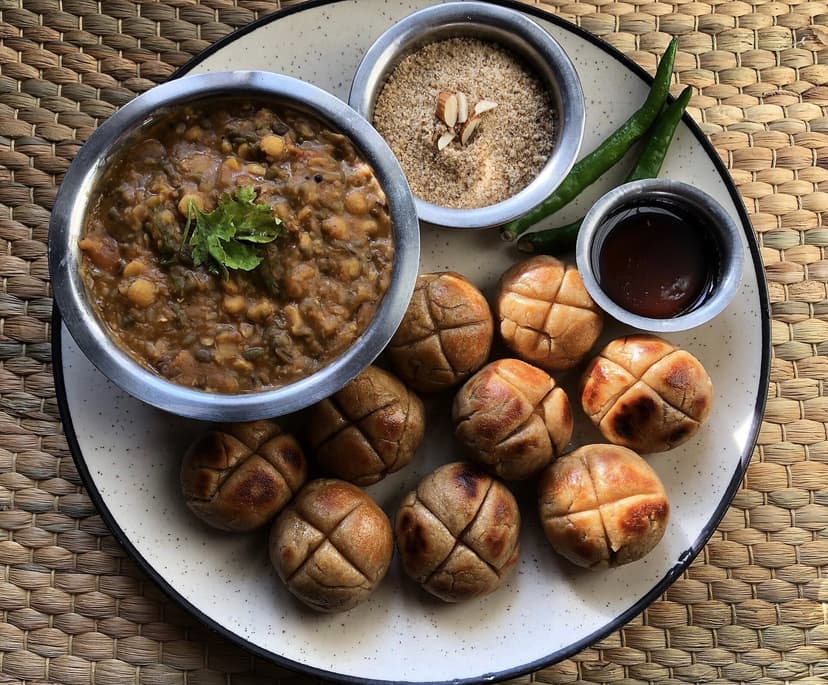
The breakfast complaint from that first traveller is a real one, and it is fixable. The tourist strip runs on photogenic, forgettable cafe food. The food Udaipur actually cooks is Mewari and rich: dal baati churma, the baked wheat baatis cracked open over a five-lentil dal with sweet churma alongside; gatte ki sabzi; ker sangri; laal maas if you eat meat. Residents will point you at thali halls and dal-baati joints in the lanes, not the lake-view terraces. Eat one proper thali and the below-average-food problem solves itself.
An evening that is not another rooftop
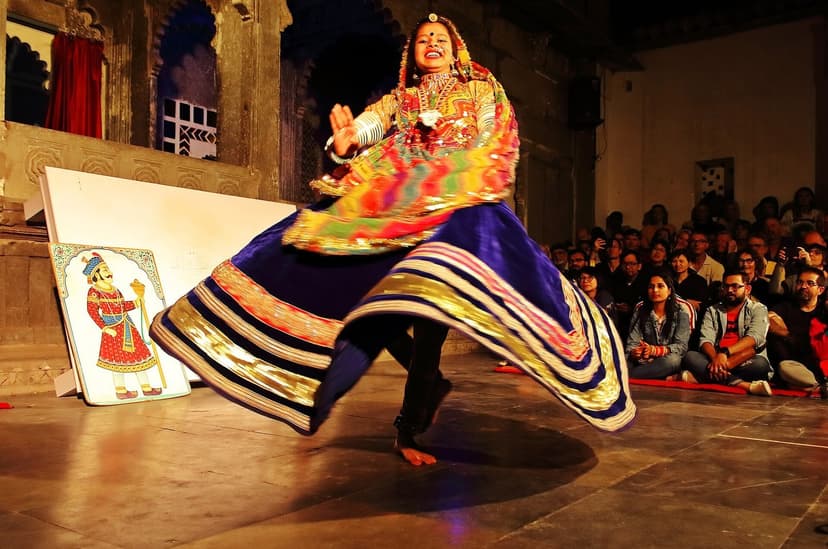
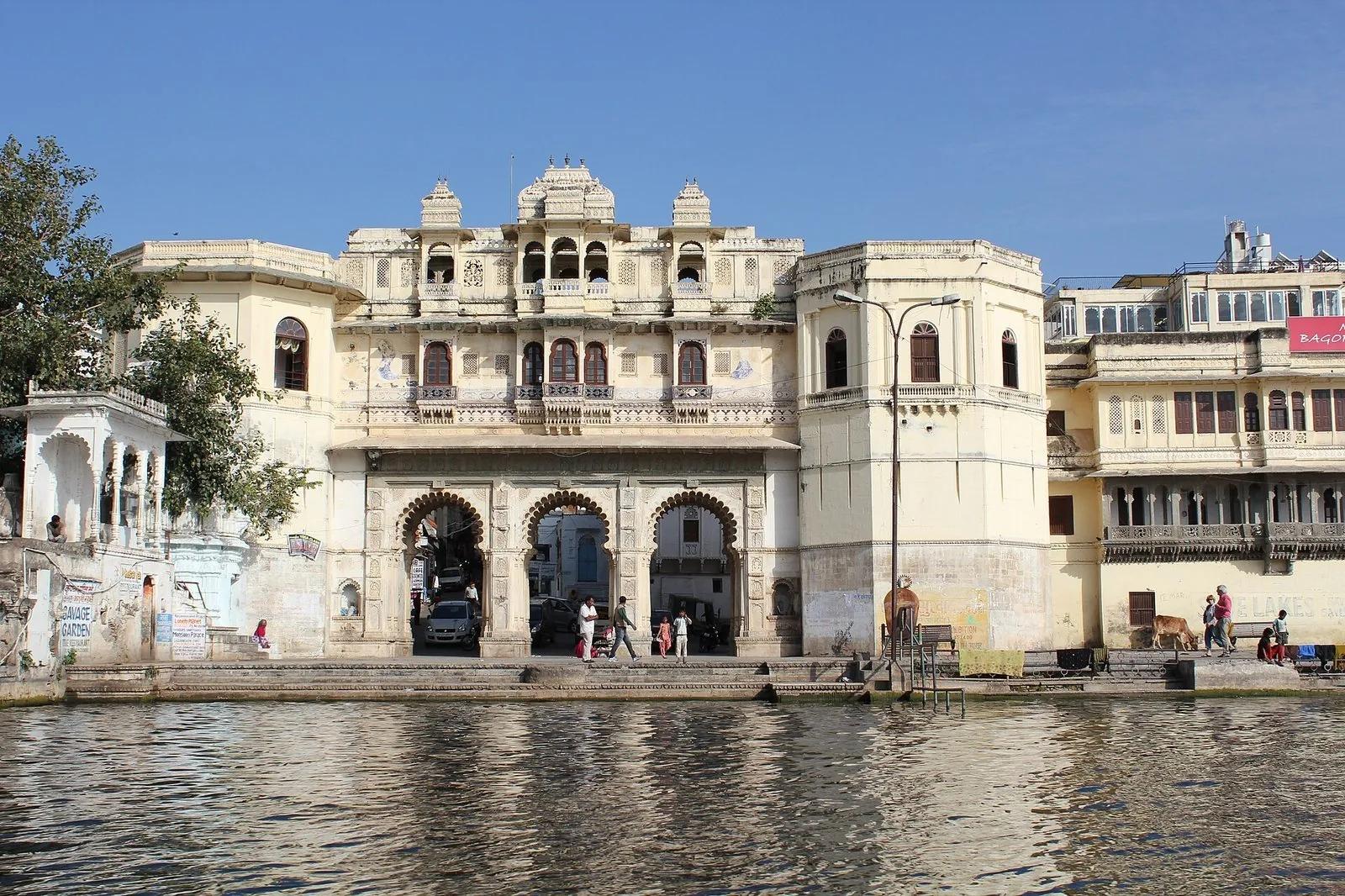
The one thing worth putting in your evening, other than a slow dinner, is the Dharohar folk-dance show at Bagore Ki Haveli. It runs from seven to eight every night in the haveli's stone courtyard on Gangaur Ghat, tickets go on sale at quarter past six, and it costs about a hundred rupees for an Indian visitor and a little more for a foreign one. It is an hour of genuine Rajasthani dance, the twirling ghoomar and a pot-balancing act, in a real seventeenth-century mansion. It is the rare organised thing here that earns its place in a slow day.
Get to Bagore Ki Haveli by 6:15pm when tickets open, especially in season; the courtyard is small and the good seats near the front go first. The show is 7 to 8pm daily. Photography is usually allowed, but watch the dancers, not your screen.
Stay in the old city, not above it
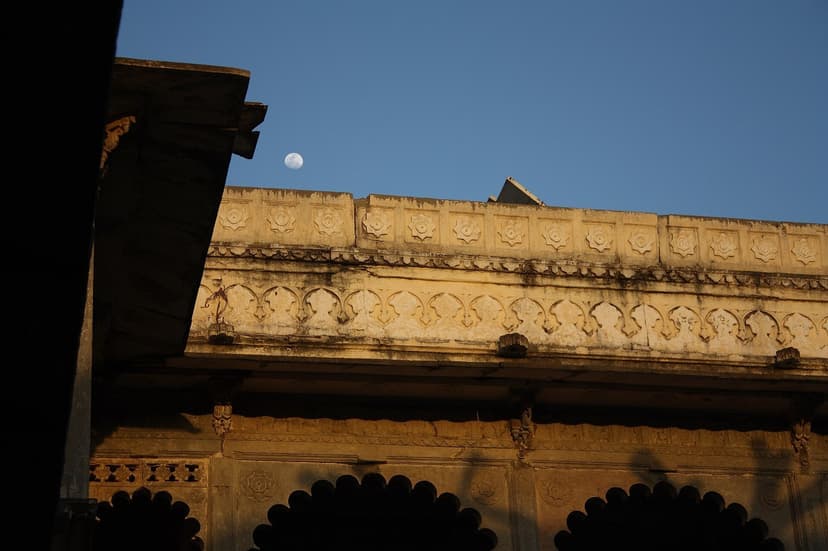
Where you sleep decides how slow your day can be. Base yourself in a mid-range place in the old city, near Lal Ghat or Gangaur Ghat, and the whole plan above is on foot from your door: a ghat before breakfast, a walk after it, a nap in the heat, the ghats again at dusk. The old city is full of heritage havelis turned into small hotels, like the seventeenth-century Jagat Niwas on Lal Ghat, where the trade is a jharokha balcony over the lake rather than a lift and a lobby.
One more thing residents quietly agree on: come off peak. A visitor who spent heavily over New Year was told, kindly, that the same trip in the shoulder season would have cost half as much and been better, because in peak weeks the hotels are too full to give you their actual experience. October, February and March give you the light and the calm without the crush. For where the quiet corners are once you are rested, the wider Udaipur guide maps them.
Be a traveller, not a tourist
One Udaipur trip report has stuck with me more than the glossy ones. A college student, on a first trip out of Delhi, wrote that the city changed how they travel, and reached for a line to explain it.
Anthony Bourdain said, be a traveller not a tourist. I was only there for two and a half days, and yet I saw so much more than my eyes could see.
That is the difference between the underwhelmed checklist and the slow day. And it comes with one obligation, because the same residents who ask you to slow down are watching their ghats fill with litter and their lanes fill with cars. Go gently. Carry your rubbish out, keep your voice down at the ghats where people are praying, spend your money with the small local places, and do not turn every quiet corner into a geotag. Do that, give the city three or four unhurried days, and Udaipur is not underwhelming at all. It is one of the loveliest places in India to do very little, very slowly. You can book the old-city walk and the rest on the Udaipur things-to-do page.
Common questions
Why was I underwhelmed by Udaipur?
Usually because of a rushed checklist run in peak season, not the city itself. Udaipur is slow and crowds spoil its calm, so a two-day sightseeing sprint often disappoints. Slow down, come off-peak, and spend time in the old city and at the ghats rather than ticking off monuments.
How many days do you need for a slow Udaipur trip?
Three to five, unhurried. Locals describe Udaipur as a city of stillness and suggest making time rather than rushing. Two packed days is exactly the trip that leaves people flat; a few slower days is what the city rewards.
What is the best area to stay in Udaipurs old city?
The old city near Lal Ghat or Gangaur Ghat, on the eastern bank of Lake Pichola behind Jagdish Temple. From there the ghats, bazaars and the heritage-walk lanes are all on foot, which is what makes a slow day possible. Heritage havelis like Jagat Niwas sit right on Lal Ghat.
What is the Dharohar dance show in Udaipur?
A one-hour Rajasthani folk-dance show in the courtyard of the seventeenth-century Bagore Ki Haveli on Gangaur Ghat. It runs 7 to 8pm daily, tickets open at 6:15pm and cost roughly a hundred rupees for Indians and a little more for foreign visitors. It is the best organised evening in the old city.
What should I do in Udaipur besides the City Palace?
Spend a slow day in the old city: a ghat at dawn, naashta in a lane, a walk through the working bazaars and craft streets, a Rajasthani thali, an afternoon sitting at Ambrai Ghat, and the Dharohar folk show in the evening. That is the Udaipur most checklist visitors miss.
Which ghat is best in Udaipur?
Ambrai Ghat, on the far bank, has the classic Lake Palace view and is calm at dawn. Gangaur Ghat and Lal Ghat, on the old-city side, put you in the middle of daily life and the heritage walk. Any of them is best early in the morning before the crowds.
Is a guided heritage walk worth it in Udaipur?
Yes, especially for the working old city. A local-led walk takes you through the craft lanes, bazaars and ghats and explains what you are seeing, which a self-guided wander through the same streets usually misses. It is the guided version of the morning in a slow-day plan.
When is the best time to visit Udaipur for a quiet trip?
October to March for the weather, avoiding the November wedding-season peak and busy weekends. Whenever you go, the early morning is the quietest and best part of the day at the ghats and in the old city. Off-peak dates are also noticeably cheaper.
Sources and a note on this guide
I write for Refuje and I do not live in Udaipur. The way to spend a slow day here is drawn from Udaipur residents and repeat visitors describing their own city and trips, on r/udaipur and the solo-travel forums, quoted and attributed as it appears; nothing here is a first-hand claim of mine. The practical facts were checked against current sources in July 2026.
- Dharohar dance show timings and tickets (7-8pm, from 6:15pm, ~Rs 90-120 Indian): current Udaipur attraction sources.
- Old-city ghats (Lal Ghat, Gangaur Ghat, Ambrai Ghat), the heritage-walk route and bazaars, and Mewari dishes: current Udaipur travel and local sources.
- Heritage havelis in the old city (Jagat Niwas on Lal Ghat): hotel and heritage listings.
- Resident sentiment, the underwhelmed-Day-1 thread, the without-a-plan and traveller-not-tourist reports, and the off-peak advice: attributed r/udaipur and r/SoloTravel_India threads, linked inline.
Prices and show times can change, so confirm them when you go. If you are from Udaipur and think this misreads your city, that is the correction this guide should carry, so tell us.
You Might Also Like
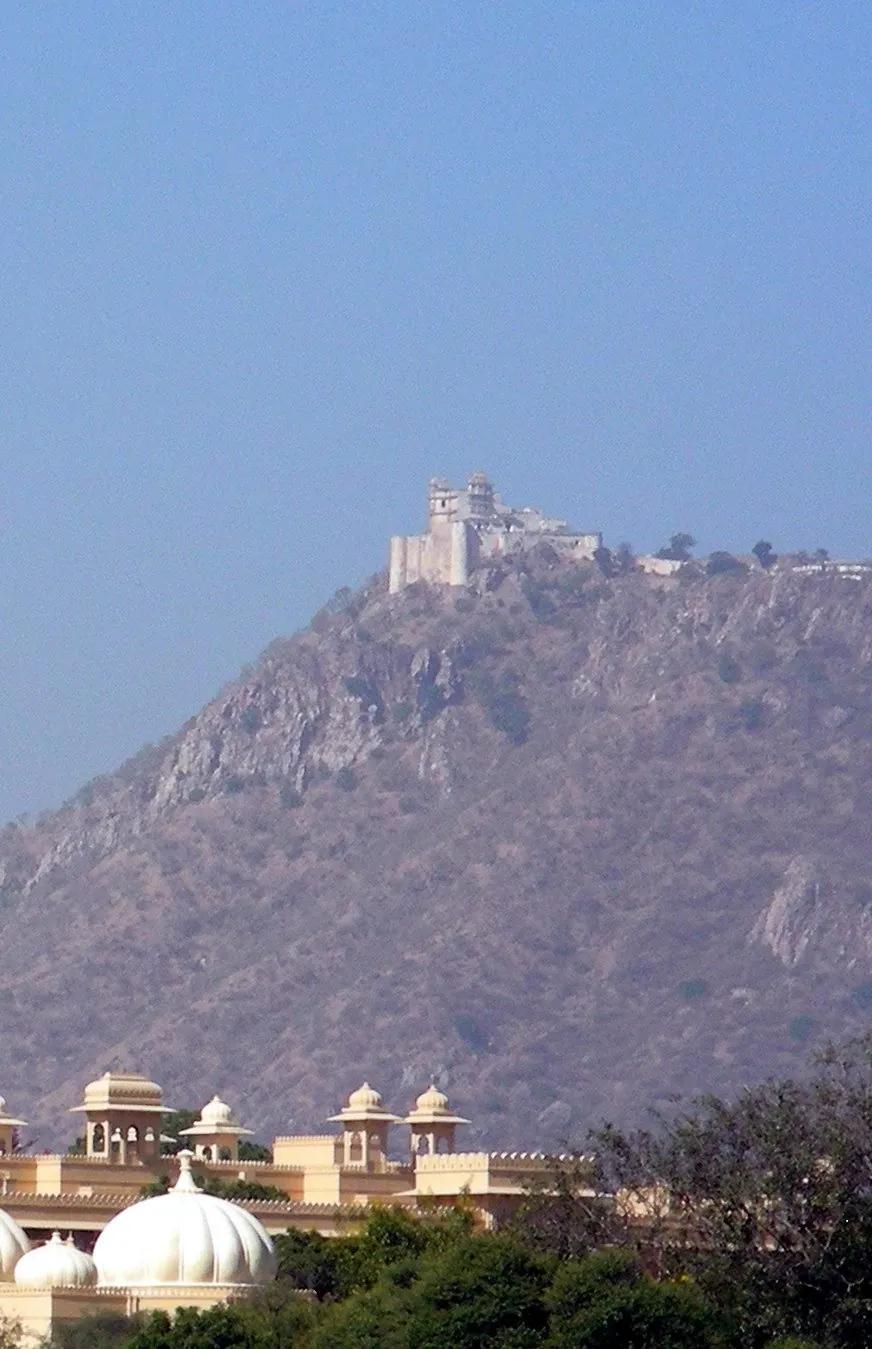
Udaipur Beyond the Boat Ride: The Quiet Lakes, the Monsoon Palace, and the Slow Way Round
An outsider's guide to the Udaipur the boat queue skips: the interconnected lake system, the quiet lakes locals actually go to (Badi, Doodh Talai), the Monsoon Palace view, and the slow, vintage-jeep way to string them together.
Where to Stay in Udaipur: The Honest Area Guide (and Whether the Lake View Is Worth It)
An outsider's honest, resident-sourced guide to where to stay in Udaipur: which side of Lake Pichola to pick, the old city versus Fateh Sagar, hostels to palaces, and whether the lake-view premium is actually worth paying.
Day Trips from Udaipur: Which Are Worth It, Which to Skip, and the One Nobody Warns You About
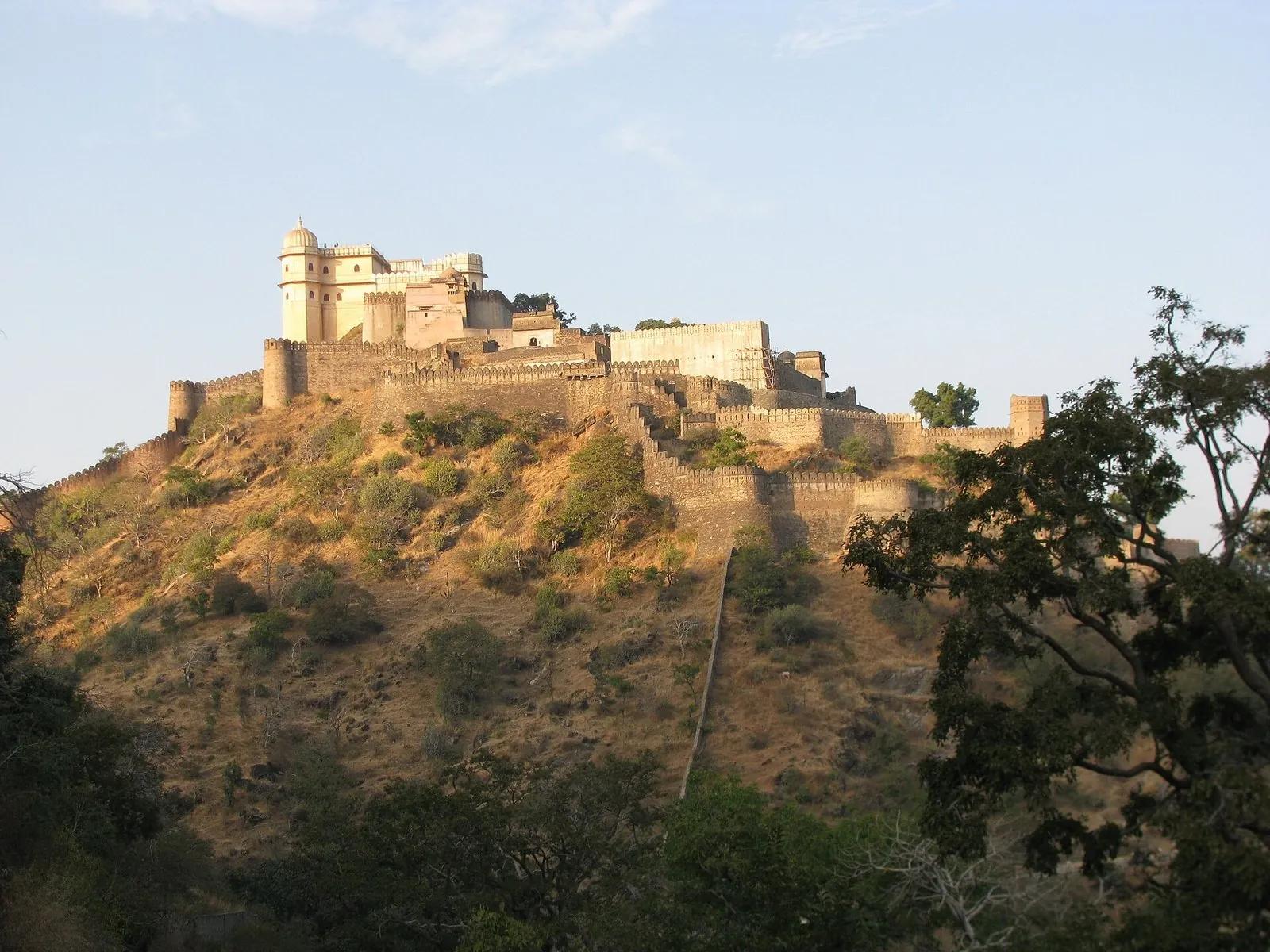
An outsider's honest, resident-sourced ranking of day trips from Udaipur: why Kumbhalgarh with Ranakpur wins, how to settle the Kumbhalgarh-versus-Chittorgarh fork, which one to save for an overnight, and the lonely drive back nobody warns you about.