Real Udaipur Food: Where Locals Eat, and Why It's Worth Learning to Cook
A local went onto the Udaipur subreddit recently and, half-joking, begged for help: the city's snacks, they wrote, are turning boring, oily and low quality, so could someone please point them to a place that still uses real spices. A different thread was angrier, a resident cataloguing the fake paneer and adulterated milk they reckon is sold all over town. This is not tourists whining. It is people who live in one of India's great food regions, watching the good stuff get buried under the fast stuff, while the tourist strip runs on pretty, forgettable cafe plates picked for a lake view instead of a kitchen.
I do not live in Udaipur, so this is not a list of my own favourite tables. It is a map, drawn from what residents say about their own food, of where to look for Mewari cooking and how a hands-on cooking class fits alongside eating out. It is the food chapter of the same argument we made in whether Udaipur is overrated and how to do a slow day here.
What Udaipur actually eats
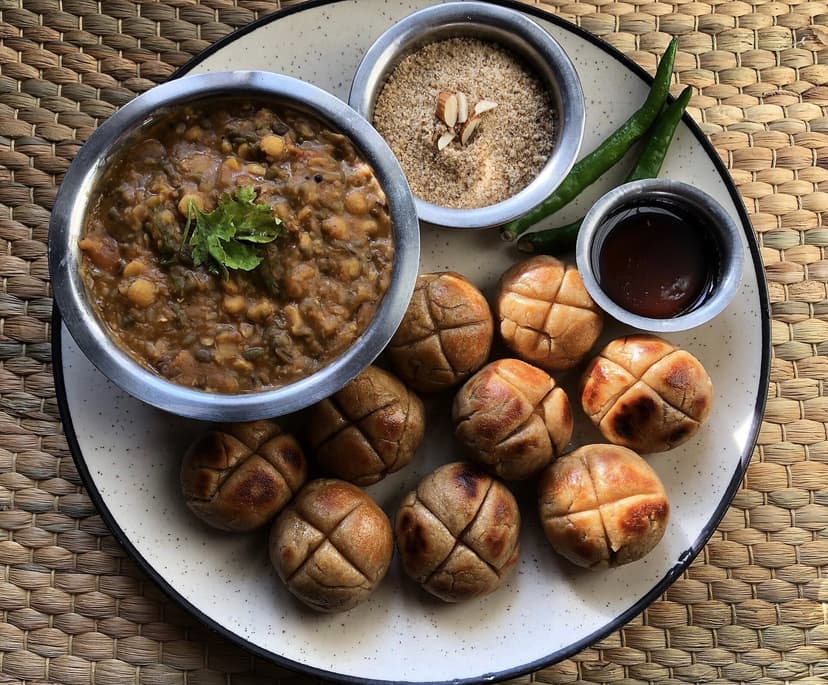
Start with the food itself, because it is worth the trouble. Mewari and wider Rajasthani cooking is built for a hot, dry land: rich, spiced, made to keep. The centrepiece is dal baati churma, baked wheat baatis cracked open over a five-lentil dal, with sweet crumbly churma on the side and a great deal of ghee. Around it sit gatte ki sabzi, gram-flour dumplings in a tangy yoghurt gravy, and ker sangri, a dry curry of desert berries and beans sharpened with dried mango, a dish that exists because those were the things that grew when little else would.
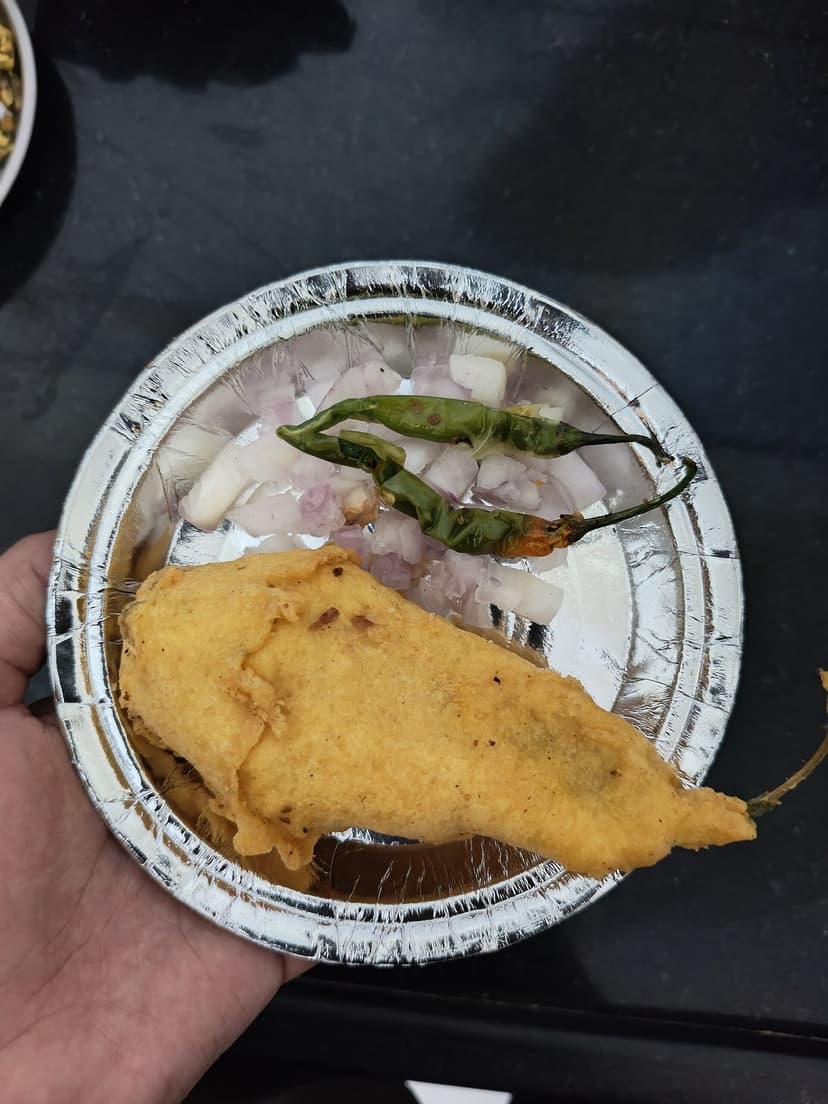
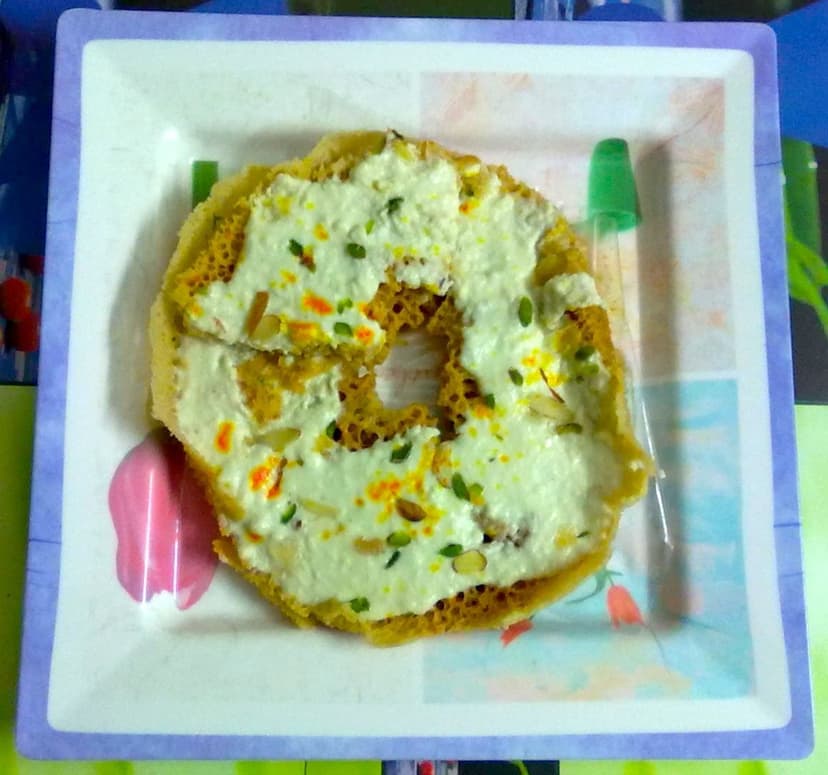
If you eat meat, the dish to chase is laal maas, mutton slow-cooked in yoghurt and the dried red Mathania chillies that give it its colour and its heat. And the street food is its own map: pyaz kachori, a flaky pastry stuffed with spiced onion; mirchi bada, a whole green chilli battered and fried; and, on the sweet side, mawa kachori, the same fried shell filled with milk solids and dry fruit and soaked in syrup, plus ghevar, a honeycomb disc piled with rabri. Wash it down with a maakhaniya lassi, a lassi so thick with butter it is closer to a meal.
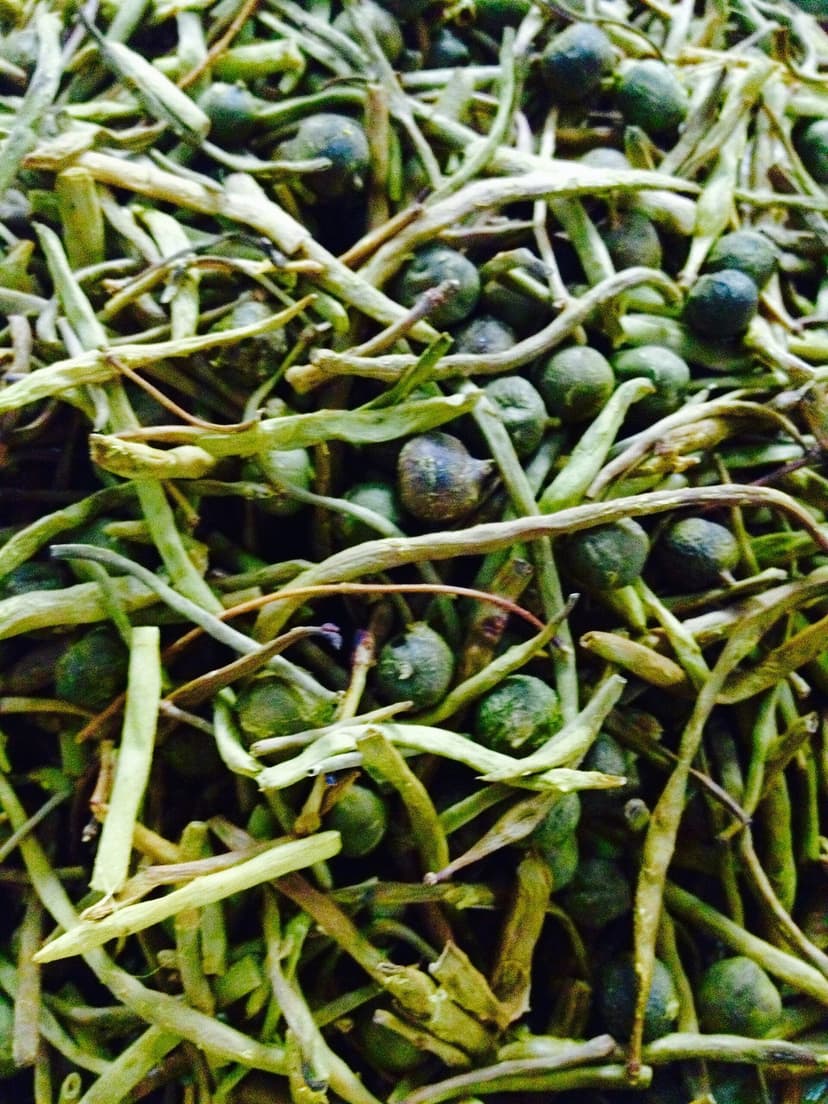
- Dal baati churma
- Baked wheat baatis over five-lentil dal, with sweet churma. The dish Rajasthan is built on.
- Laal maas
- Fiery mutton in yoghurt and dried Mathania red chillies, for those who eat meat.
- Gatte ki sabzi
- Gram-flour dumplings simmered in a tangy yoghurt gravy.
- Ker sangri
- A dry curry of desert berries and beans, sharp with dried mango.
- Pyaz kachori
- A flaky fried pastry stuffed with spiced onion. The classic Udaipur snack.
- Mirchi bada
- A whole green chilli battered and deep-fried. Not for the timid.
- Mawa kachori
- The sweet cousin: a fried shell of milk solids and dry fruit, soaked in syrup.
- Maakhaniya lassi
- A thick, buttery Rajasthani lassi, more or less a meal in a glass.
Where locals eat, and where they do not
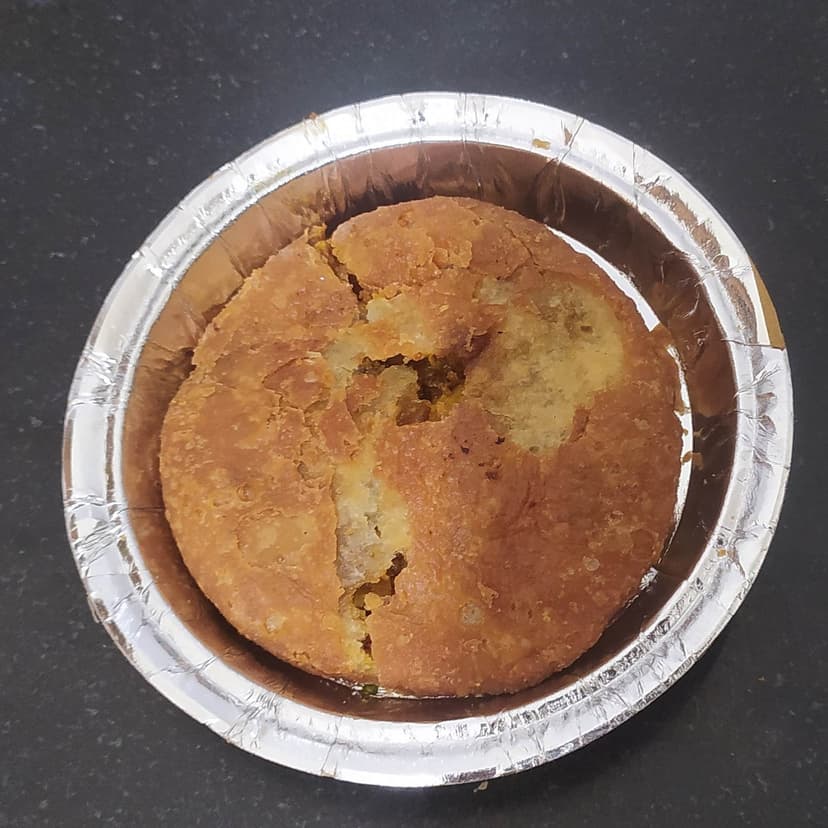
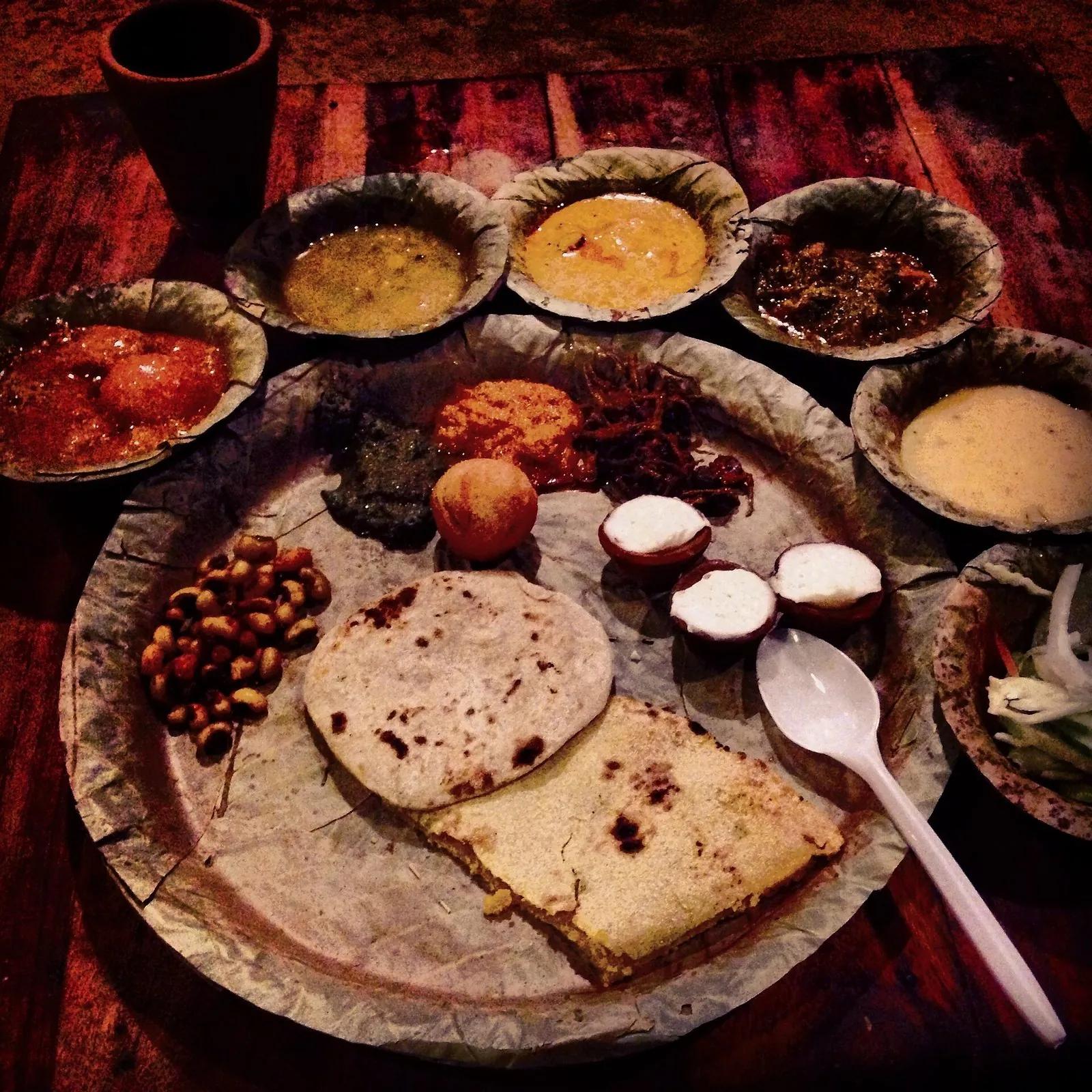
The gap between the tourist plate and the local one is wide, and residents are happy to tell you exactly where it is. On the food threads, the same handful of names come up again and again, and almost none of them are on a lake. For a thali, locals point at halls like Natraj near the railway station or a traditional place in Panchwati, where the meal comes in ten or fifteen small dishes served until you surrender, not a neat set menu on a terrace. For kachori, the old shops, a Paliwal or an Arora, get named over the chains, and one commenter swore the best kachori they had eaten was at a nameless roadside stall on the Chittorgarh road, heavy with hing. If you eat meat, the trusted non-veg kitchens are old ones like Kunwar Kalewa, where the advice is to expect a wait and order the laal maas.
I am naming these because Udaipur residents named them, not because we have eaten there, so treat them as leads to check rather than a verdict. The pattern is the point: the food that people love is in the lanes and the old bazaars, and it is cheap, and it is not where the tour buses stop. One resident summed up both the problem and the fix in a single request.
Majority of Udaipur snacks are turning boring, low quality, unhygienically made. Please help me discover high-quality snack places with rich spices.
| The lake-view cafe | Where locals eat | |
|---|---|---|
| What is on the plate | A continental dish with a view | Mewari food cooked properly |
| The kachori | Reheated and oily, for the photo | Fresh from an old shop, sharp with hing |
| The price | A premium for the terrace | A fraction of it, down a lane |
| What you remember | The lake | The food |
Food handling: what to look for
The resident comments above can point you towards places to try, but they cannot tell you how common adulteration is across Udaipur. A home kitchen alone is not evidence of a safer meal.
The WHO food-handling guidance is to keep clean, separate raw and cooked food, cook thoroughly, keep food at safe temperatures, and use safe water and raw materials. A busy shop, a low price or a home setting does not establish whether those practices are followed.
Cooking with Hari: what you do and take home
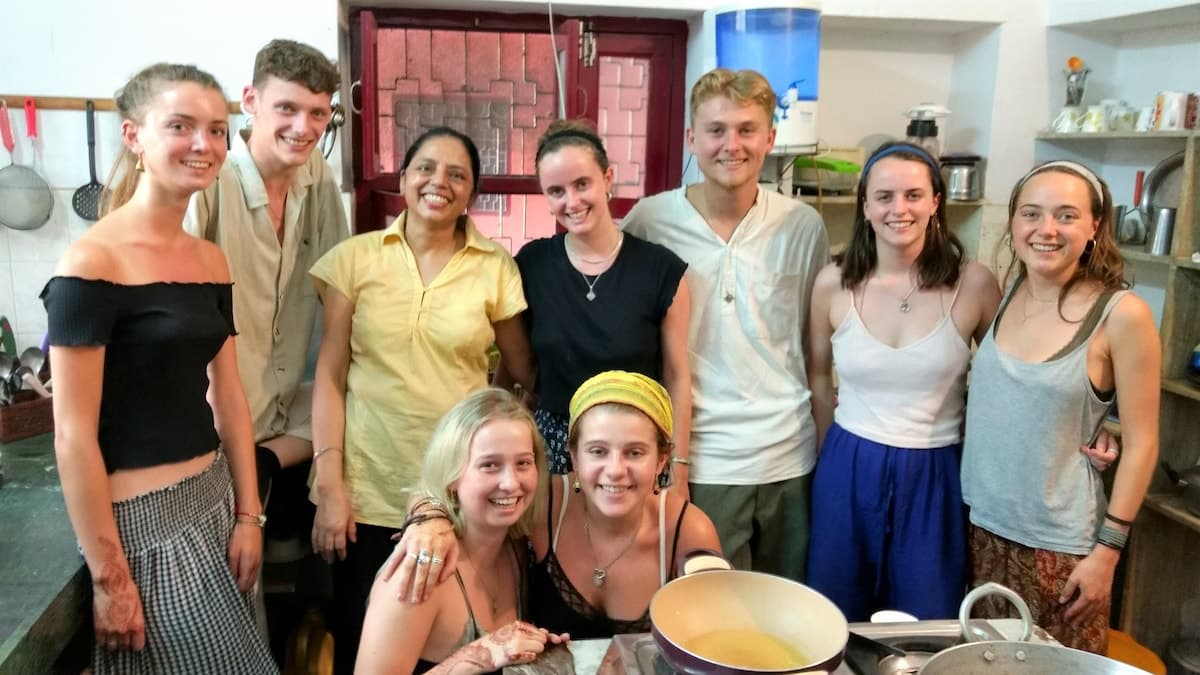
Refuje describes the class with Harinder Kaur (Hari) as hands-on North Indian cooking in a home setting, with spice blending, naan on the home stove, curries and breads. Hari's own service page gives examples including Shahi Paneer, smoked aubergine and lentil dal, followed by chapati, naan and rice. These are sample dishes, so confirm the menu for your date, especially if you want to learn gatte or dal baati.
Hari's page says guests actively cook from her instructions and then eat the meal they have prepared. Refuje lists ingredients, hands-on instruction, a tasting meal and a digital recipe e-book as inclusions.
Read the Udaipur cooking class with Hari listing before requesting a date. Ask which dishes you will cook, how much each guest participates, and how the recipe e-book is supplied. Confirm the current price, duration and group arrangements; the public listings differ. For children or dietary requirements, check suitability and preparation arrangements before making plans. Ask the experience team to confirm your date.
Here, in the meantime, is what a day of eating your way around the real Udaipur looks like.
- Breakfast
A pyaz kachori and a kadhi kachori from an old shop with chai on the side. Skip the rooftop and eat where the morning queue is local. - Mid-morning
A glass of thick maakhaniya lassi. It is basically a second breakfast and worth the stop. - Lunch
A full Rajasthani thali, dal baati and gatte and ker sangri, unlimited refills, at a thali hall rather than a cafe with a view. - Afternoon snack
A mirchi bada or a plate of chaat off a foil plate at a stall locals actually name. Freshly fried only. - Dinner
Laal maas at one of the old non-veg kitchens if you eat meat, expecting a wait. If not, a slower second thali. - Anytime, dessert
A mawa kachori or a ghevar. Rajasthan takes its sweets as seriously as its chillies.
Eat well, and where it counts
One last thing, the same one that runs through everything we write about Udaipur. The food culture worth eating for is exactly the thing that mass tourism thins out, as the money moves to whatever sells fastest to the most people. So put your appetite where it helps: the old shops, the family thali halls, the cooking host in a home kitchen, and not only the terrace with the best view. Do that and you eat far better and you keep the real thing alive a little longer. You can explore the listed experiences and check request details on the Udaipur things-to-do page.
Common questions
What food is Udaipur famous for?
Mewari and Rajasthani cooking: dal baati churma, gatte ki sabzi, ker sangri, and laal maas if you eat meat. On the street, pyaz kachori and mirchi bada; for sweets, mawa kachori and ghevar; and a thick maakhaniya lassi to wash it down.
Where do locals eat in Udaipur, away from the tourist cafes?
In the lanes and old bazaars, not on the lake. Residents repeatedly name thali halls like Natraj and a traditional place in Panchwati, old kachori shops such as Paliwal and Arora, and old non-veg kitchens like Kunwar Kalewa for laal maas. Treat these as local leads to check, not a guaranteed verdict.
Is Udaipur street food safe, and is there a quality problem?
Resident comments cannot establish how common food adulteration is across the city. WHO recommends cleanliness, separating raw and cooked food, thorough cooking, safe temperatures, and safe water and raw materials. A home setting alone does not show those practices are followed.
What is pyaz kachori and mirchi bada?
Pyaz kachori is a flaky deep-fried pastry stuffed with spiced onion, eaten with chutney. Mirchi bada is a whole large green chilli coated in gram-flour batter and deep-fried. Both are classic Udaipur street snacks, best eaten hot and fresh from an old, busy shop.
What Rajasthani sweets should I try in Udaipur?
Mawa kachori, a fried shell filled with sweetened milk solids and dry fruit and soaked in syrup; ghevar, a honeycomb disc topped with rabri cream; and a maakhaniya lassi, so thick with butter it is nearly a dessert in itself.
Is a Udaipur cooking class worth it?
It may suit you if you want to cook rather than only order a meal. Refuje describes Hari's class as hands-on North Indian cooking, with spice blending, naan, curries and breads; both class pages advertise a recipe e-book. Confirm the menu and each guest's participation for your date, especially if you want to learn specific Mewari dishes.
Where can I eat laal maas in Udaipur?
At the old non-veg kitchens locals trust rather than the tourist strip. Residents most often name Kunwar Kalewa, where the advice is to expect a wait and order the laal maas, along with a few other long-standing kitchens around the Chetak Circle area. Check current standing before you go.
Can I find healthy, non-oily food in Udaipur?
If you want less oil or have a particular dietary requirement, ask what can be changed before ordering or requesting a class. Hari's sample menu includes paneer and breads; do not assume vegan, gluten-free or allergy-suitable preparation. Confirm ingredients and preparation arrangements for your needs.
Sources and a note on this guide
I write for Refuje and I do not live in Udaipur. The dishes and the where-to-eat leads here are drawn from Udaipur residents talking about their own food on r/udaipur, quoted and attributed as they appear; named eateries are their recommendations to verify, not first-hand claims of mine. This targeted refresh checks the cooking-class claims against public listings and uses WHO food-handling guidance. It does not recheck the dishes, resident quotations or named eateries.
- Dishes and specialities (dal baati churma, gatte, ker sangri, laal maas, pyaz kachori, mirchi bada, mawa kachori, ghevar, maakhaniya lassi): Rajasthani-cuisine and Udaipur food references.
- Cooking format and advertised takeaways: the Refuje Hari listing and Hari's own cooking-class page. Food-handling precautions: WHO guidance. Listings are not independent safety or operating checks.
- Local eating leads and quality complaints: r/udaipur attributions from the original guide, not independently rechecked for this refresh.
Menus, shops and prices change, so treat named places as starting points and confirm before you go. If you are from Udaipur and we have got a recommendation wrong, that is the correction this guide should carry, so tell us.
You Might Also Like
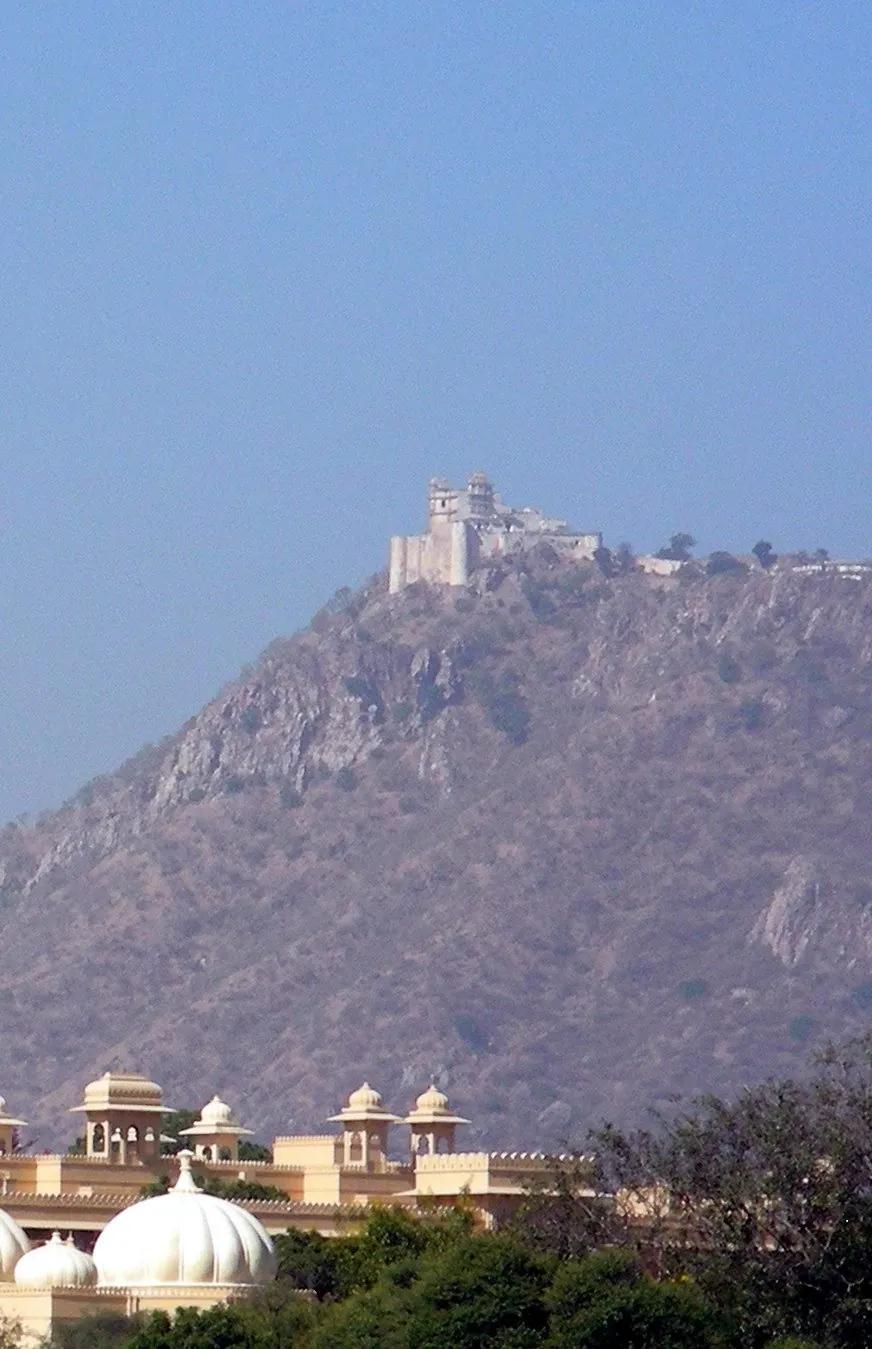
Udaipur Beyond the Boat Ride: The Quiet Lakes, the Monsoon Palace, and the Slow Way Round
An outsider's guide to the Udaipur the boat queue skips: the interconnected lake system, the quiet lakes locals actually go to (Badi, Doodh Talai), the Monsoon Palace view, and how two listed vintage-Willys experiences differ: lake country or off-road Aravalli.
Where to Stay in Udaipur: The Honest Area Guide (and Whether the Lake View Is Worth It)
An outsider's honest, resident-sourced guide to where to stay in Udaipur: which side of Lake Pichola to pick, the old city versus Fateh Sagar, hostels to palaces, and whether the lake-view premium is actually worth paying.
Day Trips from Udaipur: Which Are Worth It, Which to Skip, and the One Nobody Warns You About
An outsider's honest, resident-sourced ranking of day trips from Udaipur: why Kumbhalgarh with Ranakpur wins, how to settle the Kumbhalgarh-versus-Chittorgarh fork, which one to save for an overnight, and the lonely drive back nobody warns you about.